Infrastructure

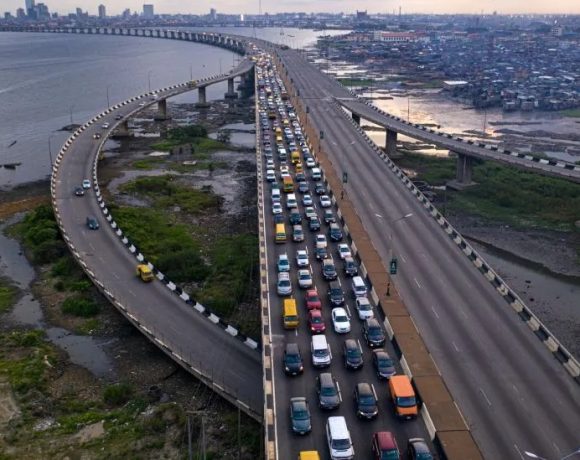
The Federal Government has inaugurated the ₦40 billion Close Circuit Television (CCTV) Monitoring Centre for the Third Mainland Bridge in Lagos State, marking a major step in strengthening infrastructure security and traffic management.

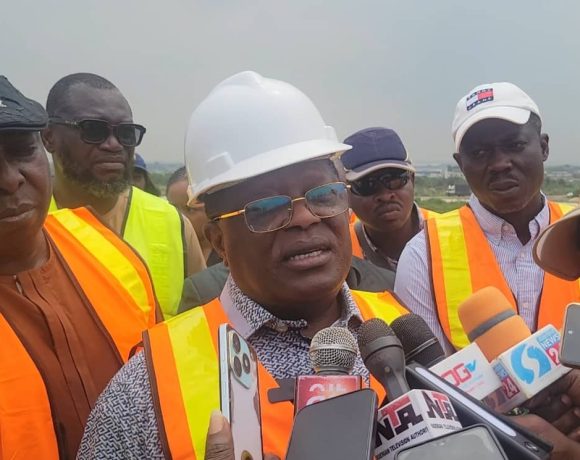
Inaugurating the facility, the Minister of Works, Senator Dave Umahi, said the administration inherited the Third Mainland Bridge, alongside Carter Bridge and Iddo Bridge, in a severely deteriorated condition when it assumed office in 2023.

“When we came on board in 2023, we met a very terrible Third Mainland Bridge, Carter Bridge and Iddo Bridge—on the pavement, surface, infrastructure above the water and even below the water,” Senator Umahi said.

He explained that President Bola Tinubu consequently ordered a total re-evaluation and comprehensive rehabilitation of the bridges, including the replacement of faulty expansion joints on the Third Mainland Bridge.

According to the minister, the completed rehabilitation has restored public confidence and improved safety, noting that Lagos residents expressed satisfaction with the quality of work delivered.

“Lagosians were very happy with the President for that beautiful work, and the project is still succeeding because of its quality,” he added.

Senator Umahi commended the China Civil Engineering Construction Corporation (CCECC), which built the CCTV centre, for what he described as a professional and high-quality execution of the project.

He disclosed that, as part of the contract, the Ministry of Works would hand over a surveillance boat and two Hilux vans to the Nigeria Police for effective monitoring of activities on and around the bridge.

He added that other security agencies could be integrated into the monitoring framework if necessary.

“The idea of this project is that we now have a lay-by on the bridge and can view everything happening on the bridge in real time,” the minister said.

Senator Umahi also raised concerns about excessive speeding by motorists on the bridge, urging strict adherence to traffic rules and regulations to prevent accidents.

Earlier, the Federal Controller of Works in Lagos, Mr Olufemi Dare, described the CCTV monitoring centre as the first of its kind in Nigeria, noting that it would significantly enhance bridge surveillance, safety, and rapid response to incidents.

Vanguard/NAN/Taiwo Akinola

Follow us on Telegram and YouTube, and join our WhatsApp Update Group for more news updates.
Infrastructure

By Oluwatoyin Adegoke 

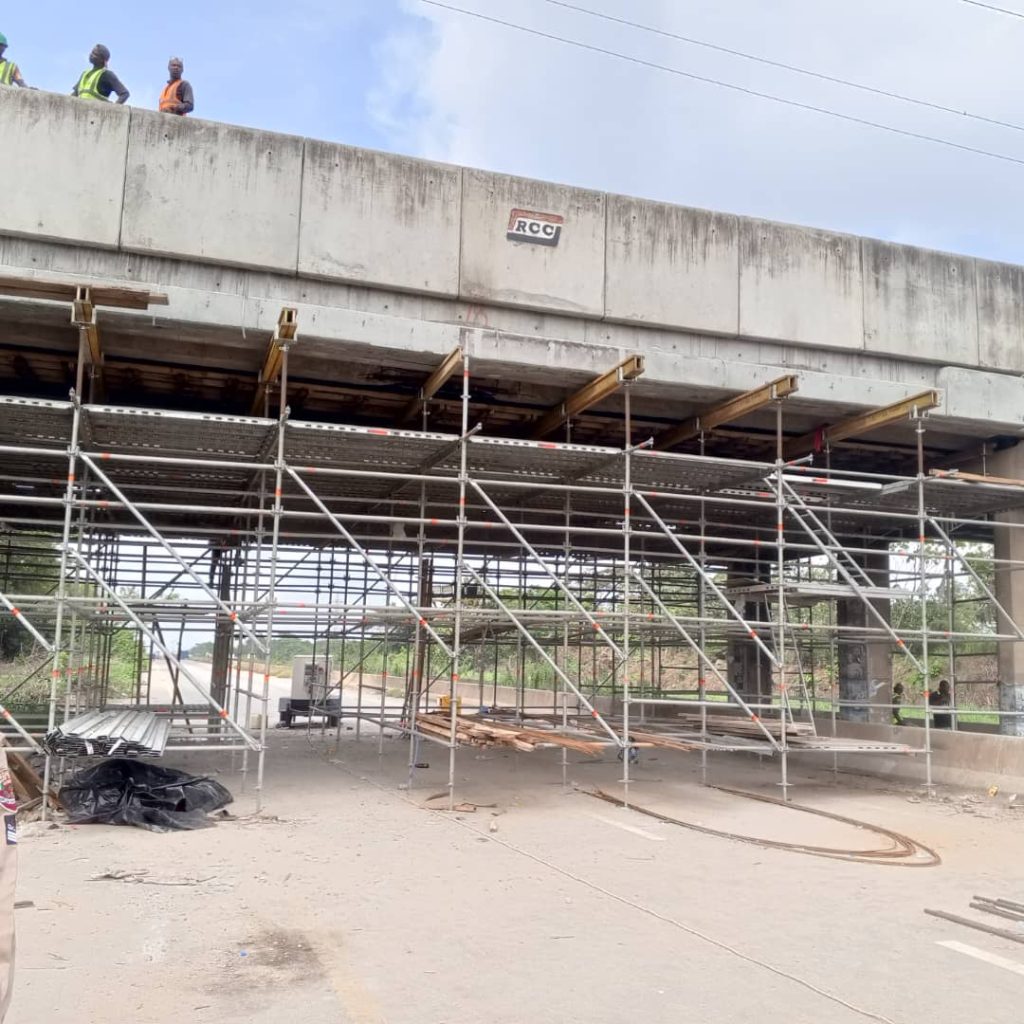
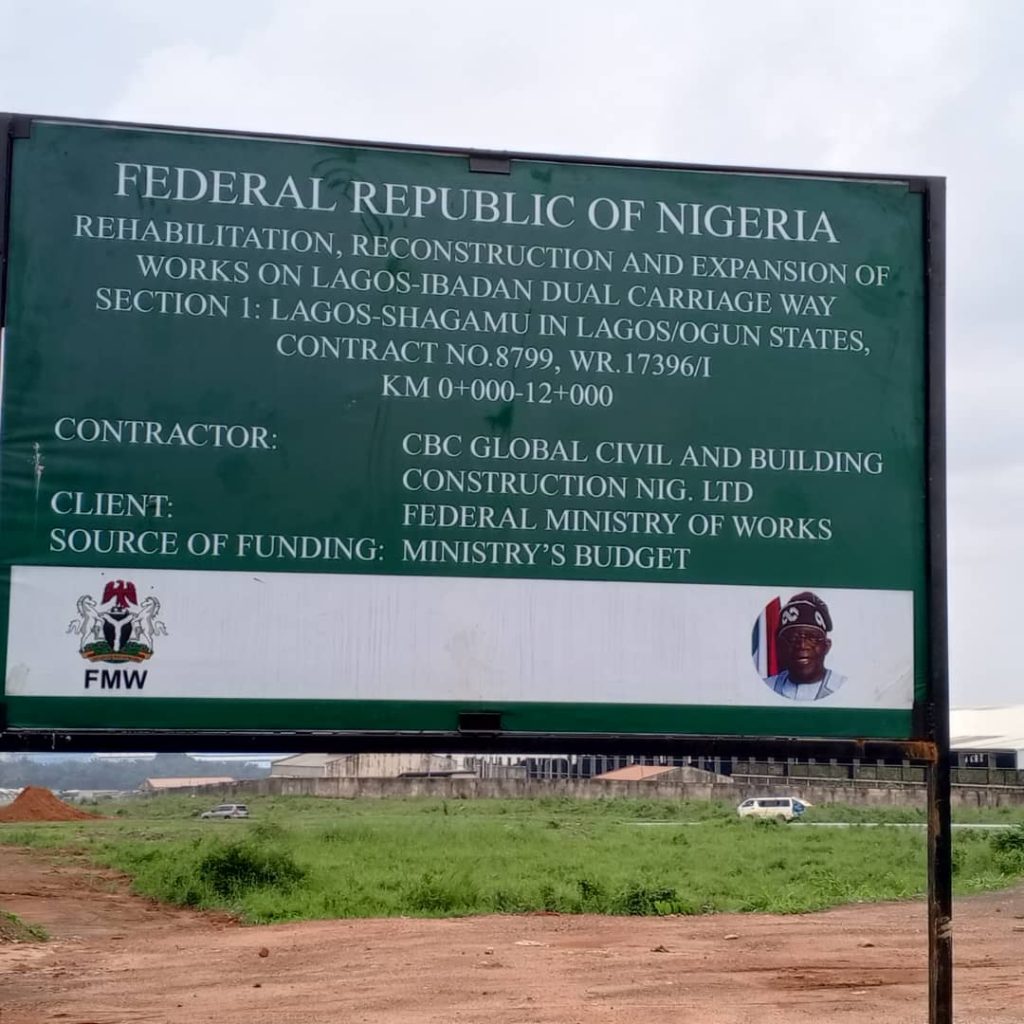
The federal government has expressed satisfaction with the pace and quality of the ongoing work on the Lagos–Sagamu–Ijebu-Ode–Benin Expressway and the Lagos–Ibadan reconstruction project, describing both as models of the new standard for federal road infrastructure in Nigeria.

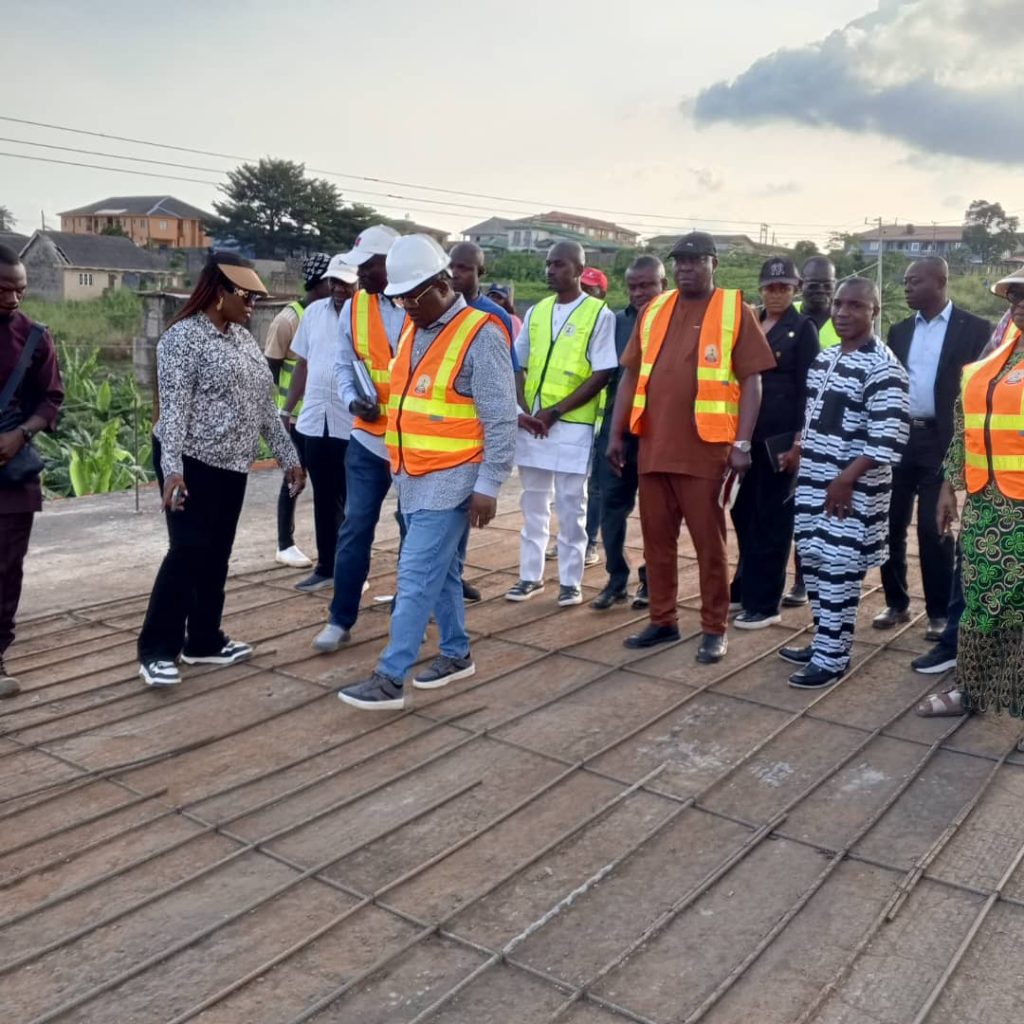
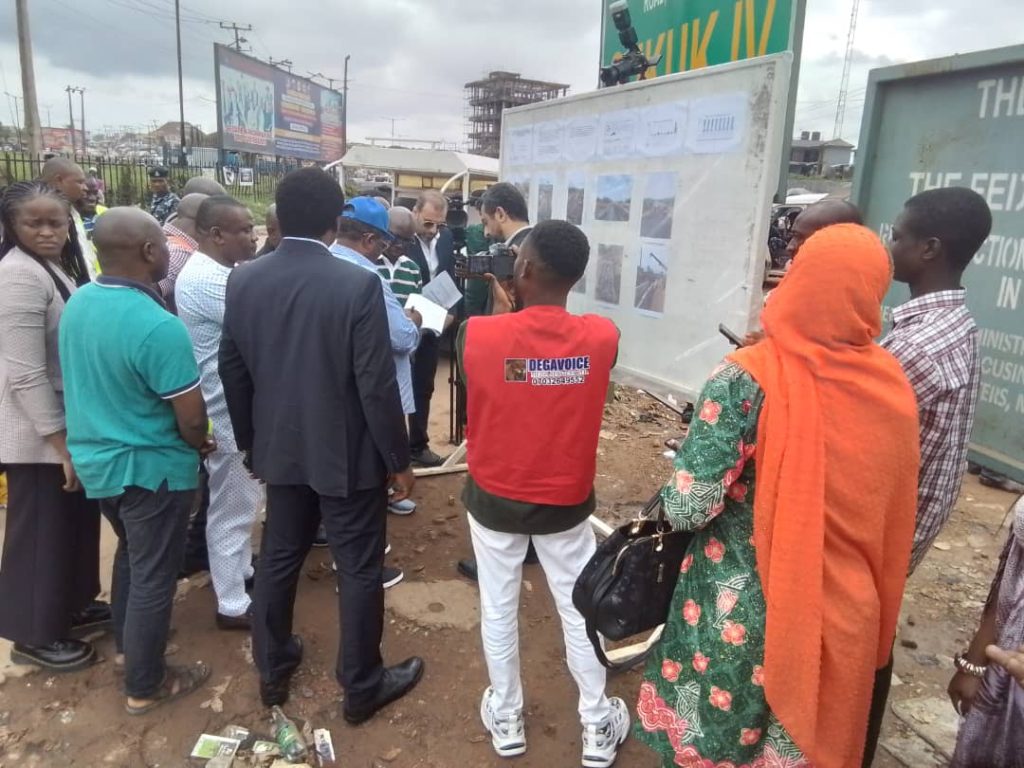
The Minister of Works, Mr. David Umahi, while inspecting Sections One and Two of the project in Ogun State, acknowledged that the construction was progressing day and night to meet the December 2025 completion deadline.

Mr. Umahi explained that the road section was about 40 percent completed, and the contractor had been directed to first deliver the 24-kilometre stretch before working on seven interchanges along the Lagos corridor.

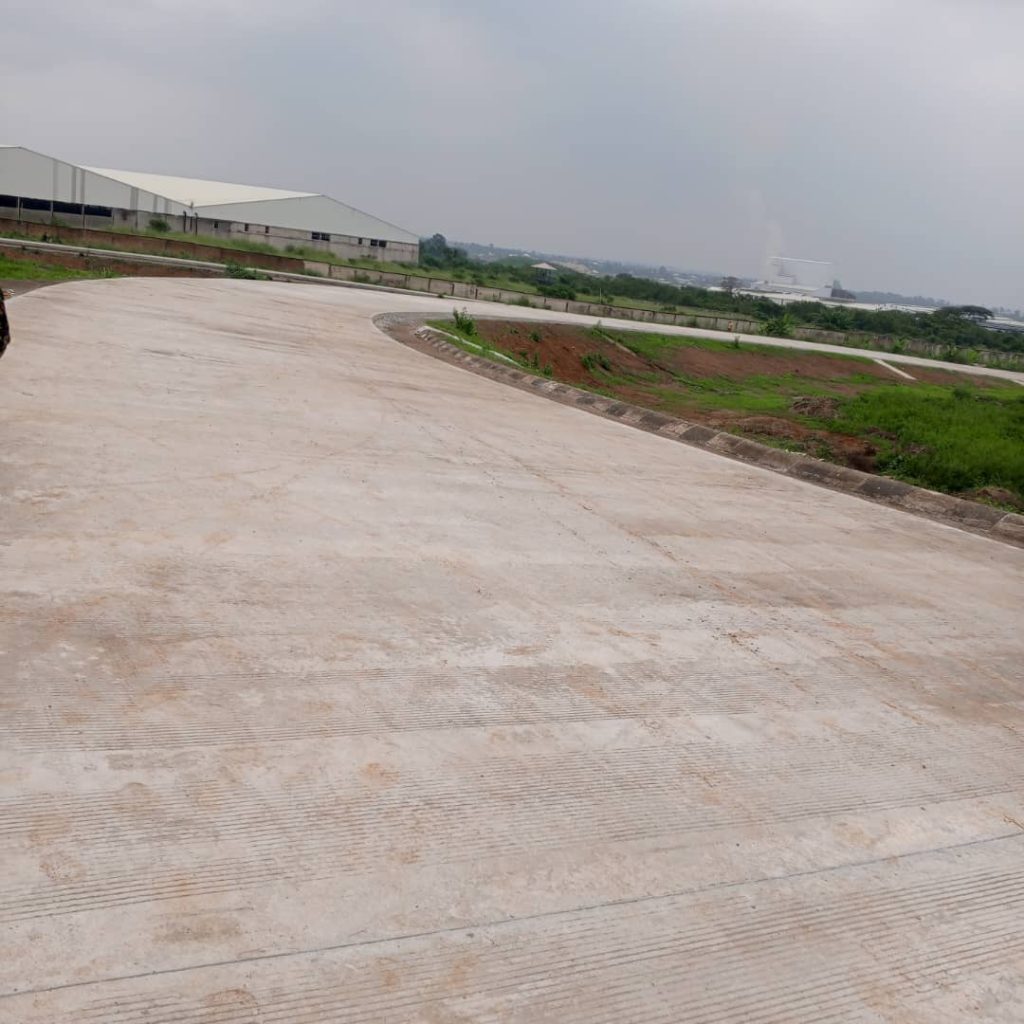
The minister revealed that Section Two, Phase Two of the project, which had recently been awarded to another contractor, would soon commence, while the remaining 96 kilometres between Ore and Benin would also be constructed using rigid concrete pavement for durability.

On the project’s safety and aesthetic features, Mr Umahi said the highway would include solar-powered streetlights, CCTV cameras, rest areas, clinics, security posts, eateries, and other facilities under the Highway Development and Management Initiative, HDMI.

The Minister of Works also inspected the Lagos–Ibadan section, expressing satisfaction with the quality of work, while emphasizing that certificates of completion would only be issued after the final asphalting and installation of barriers were completed.

He condemned the indiscriminate dumping of refuse on federal highways and urged citizens to take responsibility for maintaining public infrastructure.

In a remark, the Ogun State Controller, Federal Ministry of Works, Mr Olayiwola Komolafe also confirmed that work had commenced on three bridges at Alapako, Ogunmakin, and other sections of the expressway.

Subscribe to our Telegram and YouTube Channels, and also join our WhatsApp Update Group.

Transportation

By Iyabo Adebisi

The Minister of Works, Mr David Umahi has advocated the use of newly introduced Concrete Pavement Technology, in road construction projects for its durability and cost effectiveness compared to asphalt roads.

He stated this while addressing journalists during an inspection tour of Abeokuta-Ibadan Road project. 

The minister is on two-day working visit to Oyo State to tour federal government road projects in the South West. 

The Minister of Works while making reference to the Abeokuta-Ibadan road project which commenced in 2010 said if government had built the route on concrete pavement, it would not have to re-construct it. 

Mr Umahi who expressed concern on the slow pace of work on Abeokuta-Ibadan road dualisation, commended the contractor handling it and the Oyo state government for maintaining the road. 

He said: “We are inspecting the rehabilitation of single lane of Abeokuta-Ibadan road. And that is phase one, phase two supposed to be the dualisation and that makes my expectations in terms of phasing the job. The road started in 2010 and it is starting with the Ibadan axis by Kopek Nigeria Limited”.

“As we can see, the entire shoulders have totaling gone. We have lots of failures on the roads but I must commend the contractors and I also commend the governor of Oyo State.  I can see a lot of maintenance on the road and this is exactly what we are talking about. If we have built this route on concrete Pavement,13 years ago, we will not be maintaining or re-constructing it. So, the section of Abeokuta in Ogun State has not been done by KOPEK because of funding”

“Now, what is to be done is that, a number of  sections of the pavement that have  totaling gone must be remedied and the entire stretch up to 77 per cent will need to be resurfaced by stone based asphalts and then, the shoulders restarted with concrete pavement”

“And of course the section of about 23 per cent on Abeokuta axis ought to be constructed. The delay in payment is very unpalatable for a project to last for 13 years and that is the kind of things we are having and that is the system we want to change“. 

Mr Umahi had earlier paid a courtesy call on Governor Seyi Makinde of Oyo State to discuss on having standard federal roads in the state. 

During the visit, Governor Makinde noted that the present administration in Oyo State had fixed some federal roads that have viable economic importance to the state, adding that Ibadan-Iseyin road has been so useful for Agribusiness hubs across the zones of the state.

While appreciating the Federal Ministry of works for construction and rehabilitation of some major roads in the state, governor Makinde also disclosed that the State is considering the dualization of Ibadan- Abeokuta road from Iyaganku to Oyo/Ogun State border. 

The minister in an interview, on the refund of federal road executed by state government, said Federal government would not be able to refund money spent on federal roads by state governments presently considering the state of economic realities. 

Mr Umahi however, said that records of such road projects done by the states would be kept and could be revisited when the nation’s economy improved. 

Federal roads toured by the Minister includes rehabilitation of Ibadan-Oyo dual carriageway, dualisation of Oyo-Ogbomoso road, dualisation of Ibadan-Abeokuta and the reconstruction of Ibadan -Ife Ilesha. 

On the encourage of the Minister of Works were the Director High way, South-West, Adedamola Kuti, and the controllers of Works in the South-West states. 

Subscribe to our Telegram and YouTubeChannels also join our Whatsapp Update Group