Agriculture

By Tanimu Salihu

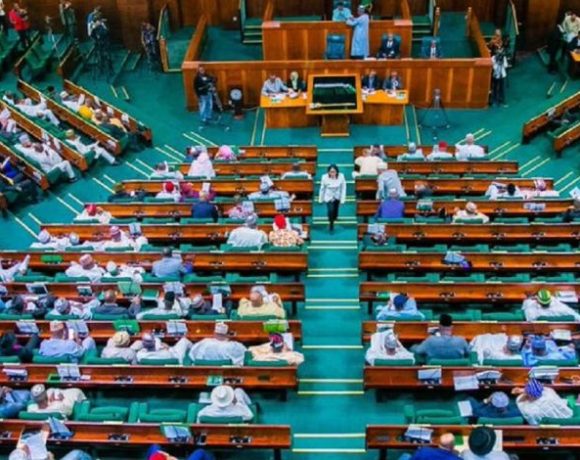
As part of measures to ensure food security and avert the worsening food crisis in Nigeria, the House of Representatives has inaugurated a committee on nutrition and food security.

The committee which is the first of its kind in the history of the Green Chamber was part of the effort of the House leadership to help address nutritional challenges and the looming food crisis in Nigeria.

At the inauguration in Abuja, the Speaker House of Representatives, Dr Tajudeen Abbas emphasized that food security was significant to the security and socioeconomic development of every nation.

Dr Tajudeen explained that the inauguration of the committee becomes necessary to provide a legislative response to the worsening food insecurity and malnutrition in the country through effective oversight of policies and programmes.

The speaker represented by the House Majority Leader, Professor Julius Ihonvbere, pointed out that the task of the committee requires urgent measures in the face of rising food prices and high cost of living occasioned by the withdrawal of subsidy on petroleum products.

The position of the House is to improve food and nutrition for our people. In our resolve as a House to tame hunger and malnutrition, pursue food security and sustainable development”, he explained.

We prioritized agricultural development as a key legislative agenda based on our strong belief that the agricultural sector is a critical factor in growing the nation’s economy and scaling down the poverty rate” the Speaker noted.

The Chairman of the Committee on Nutrition and Food Security, Dr. Chike Okafor, said the House would convene a Food Security Summit as part of deliberate measures to address food challenges in Nigeria.

The Minister of Budget and Economic Planning, Alhaji Atiku Bagudu, who emphasized that the administration of President Bola Ahmed Tinubu is concerned about the food situation, said concerted efforts have been put in place to address the challenges of nutrition and food security in Nigeria.

Subscribe to our Telegram and YouTube Channels and also join our Whatsapp Update Group
Education

The House of Representatives has called on the state governments to construct perimeter fences in all schools as part of measures to curb incessant kidnapping of pupils by bandits.

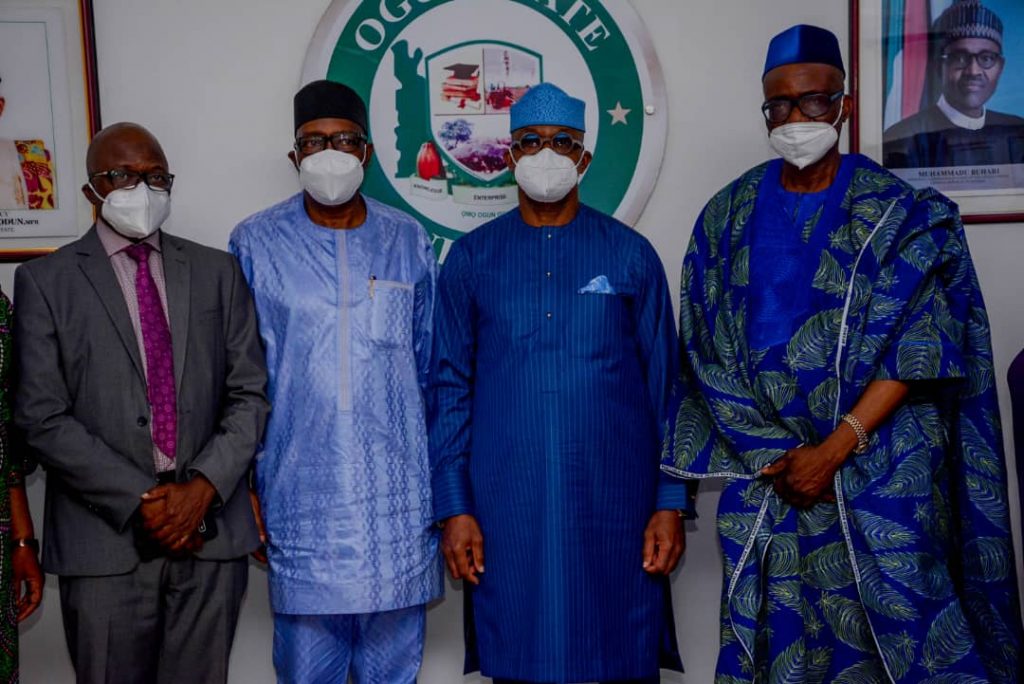
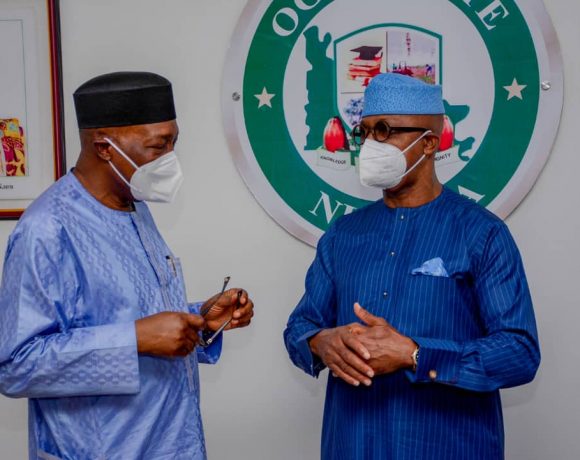
Chairman House Committee on Basic Education, Professor Julius Ihonvbere made the call in Abeokuta when he led the members of the committee on a courtesy visit to the Ogun State Governor, Prince Dapo Abiodun.

Professor Ihonvbere who pointed out that basic education was facing challenges in some parts of the country as a result of activities of bandits and kidnappers, called for the rehabilitation of dilapidated schools across the country.

Professor Ihonvbere explained that the Federal government had spent about 375 billion naira on basic education in the last 10 years, noting that Ogun State had access to a 2.7billion naira Universal Basic Education, UBE grant.

Responding, Governor Dapo Abiodun said his administration had taken necessary steps to provide adequate security in schools across the state, adding that about 600 schools would be rehabilitated as part of efforts to provide a conducive teaching and learning environment for pupils.

Governor Abiodun also said a committee had been put in place to monitor and evaluate projects been executed with UBE grants.

Bolanle Adesida

Education

The Chairman of the House of Representatives Committee on Basic Education, Professor Julius Ihonvbere has reaffirmed his commitment to championing the amendment of the Universal Basic Education, UBE, Act 2004 as a matter of urgent national priority.

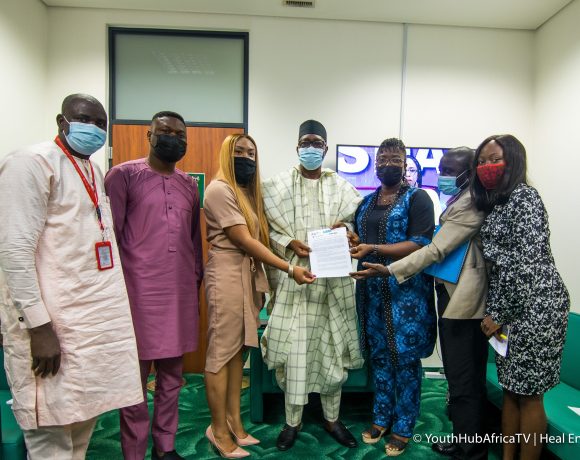
He declared his commitment to free, safe and gender-responsive basic education by signing the Legislative Declaration on COVID-19 and Girls’ Education during a recent meeting with stakeholders at the National Assembly Complex, Abuja.

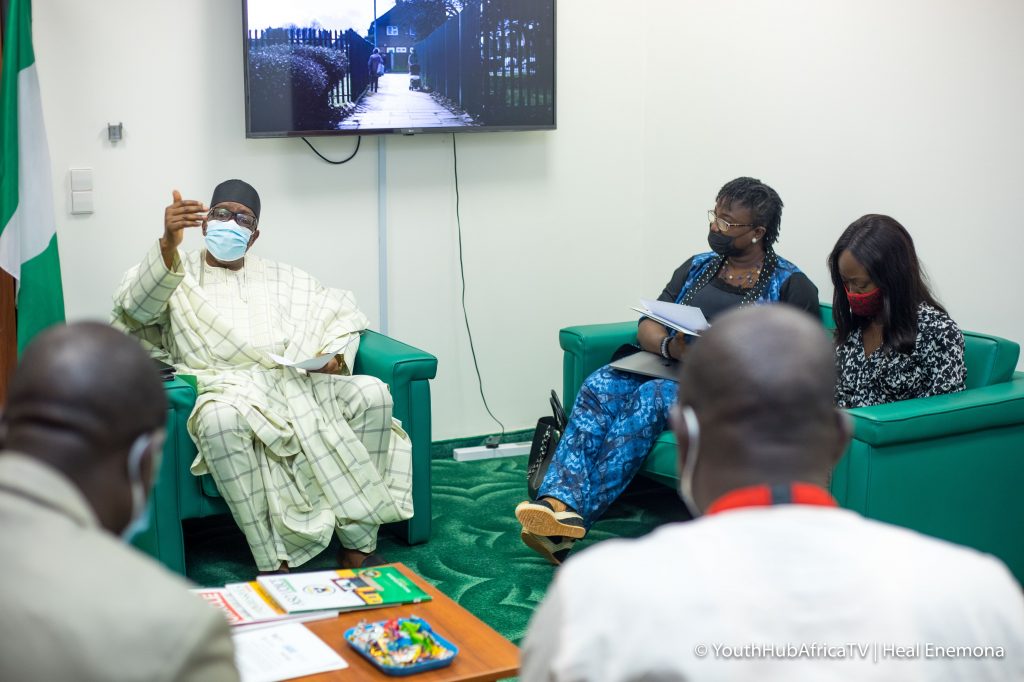
Prof Ihonvbere (left) engaging #AmendUBEAct coalition members during the meeting in Abuja

The legislative parley is part of the wider Malala Fund COVID-19 campaign strategy, aimed at ensuring more gender-responsive legislation and plan for the recovery phase of the pandemic in Nigeria.

The Universal Basic Education (UBE) Act Amendment Bill is at the committee stage at the House of Representatives.

The bill seeks to extend free and compulsory education from nine to twelve years, ensure an increase in basic education financing and promote gender-responsive learning, among others.

Professor Ihonvbere reckoned that the burden of Nigeria’s out-of-school children could hinder Nigeria’s quest for sustainable human and economic development, coupled with the impact of the COVID-19 pandemic.

He noted that education has the potency to change children, communities and the country.

“I am committed to Basic Education sector reform and glad to sign this declaration. I am an academician and the Chair of the House Committee on Basic Education. I focus my entire constituency allowance on basic school renovations and furniture because if I do not make an impact on Basic Education, what else can I do?” said Professor Julius Ihonvbere.

Concerned about the state of basic education in Nigeria, Professor Ihonvbere promised to build consensus amidst legislators on education financing and the extension of the coverage of the UBE Act (2004) from nine to twelve years. He further pledged commitment to sponsoring COVID-19 and non-COVID-19 education reforming laws taking into account the needs of girls and supporting their return to school and education emergencies.

Malala Fund’s recent research shows that 20 million additional secondary school-aged girls around the world may be out of school once the crisis has passed due to increased rates of poverty, household responsibilities and child labour.

Adedayo Adelowo