Foreign

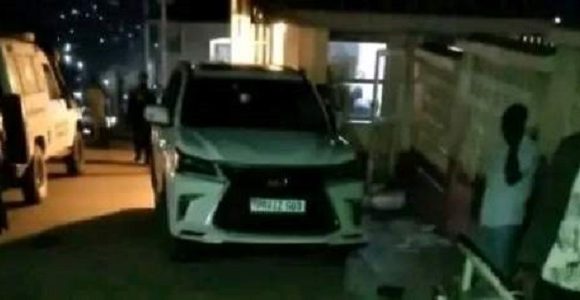
Prominent Ugandan religious leader and businessman Aloysius Bugingo has survived an attack by unknown gunmen who killed his bodyguard in the capital, Kampala.

The gunmen opened fire on Pastor Bugingo’s vehicle while he was going home on Tuesday night along Namungoona area. The attackers later escaped the scene on a motorcycle.

Despite sustaining injuries during the attack, Mr Bugingo managed to drive the vehicle to a nearby hospital, police said.

The pastor’s bodyguard, Richard Muhumuza, succumbed to bullet wounds, according to police.

“We are thoroughly reviewing CCTV footage to identify the assailants,” police said, adding that they discovered the scene had been tampered with.

Police have described the incident as an attempted murder.

Pastor Bugingo, founder of House of Prayer Ministries International, is a strong supporter of the ruling party in Uganda.

The motive of the attack is not yet known but Uganda has recently recorded unprecedented gun violence that saw several prominent persons shot dead in Kampala.

BBC/Simeon Ugbodovon

Subscribe to our Telegram and YouTube Channels and also join our Whatsapp Update Group 

Foreign

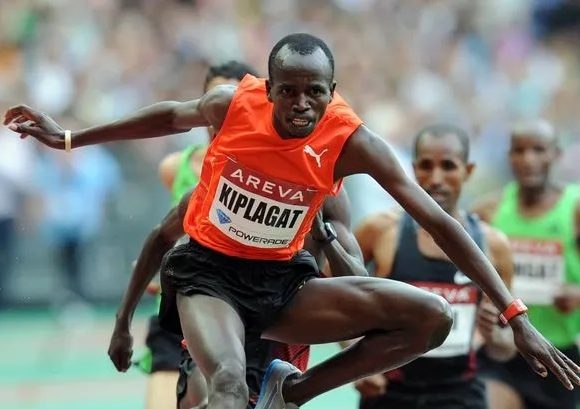
Police in Kenya have arrested two suspects believed to have been involved in the death of Ugandan athlete Benjamin Kiplagat on Sunday.

The athlete, who has represented Uganda at three Olympic Games, was found dead in his car near the Kenyan town of Eldoret.

A senior police commander in the area, Stephen Okal, said the suspects were arrested on Monday in the neighbouring counties of Uasin Gishu and Trans Nzoia.

He said CCTV footage obtained from the scene of the crime led to the arrests.

The suspects are expected to make a brief appearance in court on Tuesday, to hear the charges brought against them.

World Athletics said it was “shocked and saddened” by news of Kiplagat’s death.

Kiplagat, 34, reached the semi-finals of the 2012 London Olympics in the 3,000m steeplechase.

BBC/Maxwell Oyekunle

Subscribe to our Telegram and YouTube Channels and also join our Whatsapp Update Group

Foreign

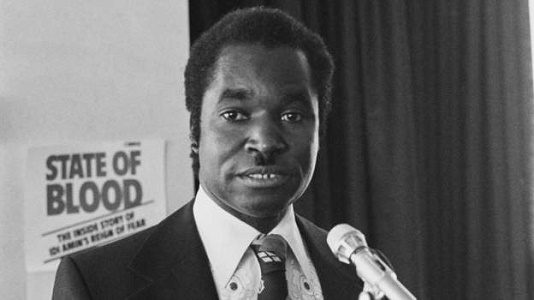
Ugandans have been sharing their tributes to a former minister in the Idi Amin government, Henry Kyemba, who died on Thursday from diabetes-related complications aged 84.

He is described as having been a fixture in Uganda’s public life, serving in different positions in the governments of Amin and Milton Obote, as well as the current President Yoweri Museveni.

While narrating to local media of his time as Obote’s aide, he said he once took a bullet that was meant to assassinate the president.

He is also well-known for his book, State of Blood: The Inside Story of Idi Amin, which he wrote after he fled to exile in 1977 while serving under the dictator.

The book detailed a first-hand account of experience during Amin’s brutal government, exposing the atrocities and human rights abuses committed by the regime.

The state-owned daily, The New Vision, says his work is considered an important historical document providing “insight into a dark period in Uganda’s history”.

Kyemba returned to Uganda in 1986, long after Amin had been deposed in 1979, and after the takeover by the current president.

“I am sorry to hear of Henry Kyemba’s passing. He was a fixture in Uganda’s public life: advisor to presidents Obote and Amin; dedicated civil servant; courageous critic of Amin’s brutality; custodian of memory,” Derek R Peterson, an American historian specialising in East Africa’s cultural history said on X.

Uganda’s deputy parliamentary speaker Thomas Tayebwa described Kyemba as a “renowned statesman” who served in different regimes “without blemish”.

“He leaves behind one of the celebrated legacies this country will ever have. Rest in Peace statesman,” he added.

BBC/Simeon Ugbodovon

Subscribe to our Telegram and YouTube Channels also join our Whatsapp Update Group

Foreign

Ugandan Police say they have arrested 20 people suspected of collaborating with Islamist militants believed to have attacked a school last Friday.

The Head Teacher and School’s Director are among the detained.

Forty-two people mostly students were killed at Lhubiriha Secondary School in Mpondwe in Western Uganda.

Many were burnt to death in their dormitory.

The Ugandan army is still hunting Allied Democratic Forces (ADF) militants, who have reportedly moved back over the border into the Eastern Democratic Republic of Congo where they are based.

BBC / Titilayo Kupoliyi

Subscribe to our Telegram and YouTube Channels also join our Whatsapp Update Group

Foreign

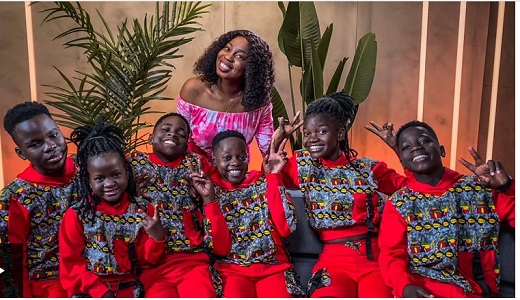
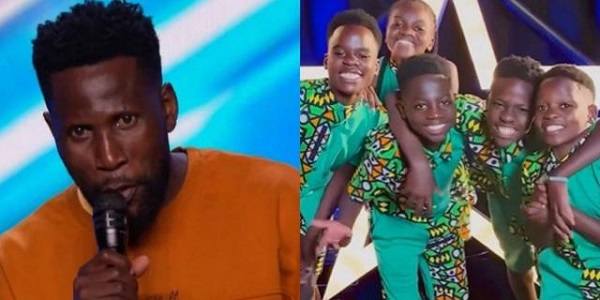
A group of Ugandan children is on the verge of glory after reaching the final of hit UK talent show Britain’s Got Talent, where they have won over the judges and the public with their dazzling dance moves and bubbly personalities.

They have already made history after becoming the first act to be given a “golden buzzer” by one of the judges before they had even finished their performance. This sent them straight through to Wednesday’s semi-final, where they received most public votes, meaning they are now among the 10 acts taking part in Sunday’s final.

The group of six children aged between five and 13 all come from impoverished backgrounds in the Ugandan capital, Kampala, where they were taken in and cared for by their guardian-turned manager Dauda Kavuma.

Uganda Ghetto Kids/Pulse Uganda

He told the BBC that he hopes their success can encourage other children living in similar circumstances.

“We feel so happy to keep doing this and to bring hope to all the children around the world who are in the ghetto, who are disadvantaged, who are less privileged – that they can make it in life.”

While they are winning over a new audience in the UK, the Ghetto Kids are already a global internet sensation and performed at the 2022 World Cup in Qatar.

But one of the group, Priscilla Zawedde, 13, told the BBC that winning the TV show – and the £250,000 ($313,000) prize money – would mean “a bigger house for everyone”.

Some 30 children currently share a five-bedroom house in Kampala, where they are looked after by Kavuma.

He set up the Inspire Ghetto Kids Foundation in 2007 to care for street children in the Kampala neighbourhood of Makindye and told the AFP news agency that having a bigger house would be a “dream” as the children would have more space.

They currently rely on donations from well-wishers, earnings from their social media posts as well as fees for live performances.

Kavuma also started life on the street before he was given a chance by a man who spotted him playing football and asked him if he wanted to go to school.

“He let me join his team and helped me pay my school fees. He was someone who helped me without knowing me. So from that day, I promised myself that when I grow up I’d hope to help a child one day,” Kavuma told the BBC.

But he then switched to music, which he is now using to transform the lives of others.

“Most people thought street kids… have no value in society but I thought otherwise,” he told AFP.

“I thought: ‘What if I use music, dance and drama to transform the underprivileged in the ghettos?'” he says.

Akram Muyana, 13, told the BBC that dancing had always been his way of escaping reality after his father died.

“Whenever I dance, I feel so happy, and my stress goes away. I started going to churches to dance to get money to give my mother for her to buy me clothes and food.”

This is the second generation of Kavuma’s Ghetto Kids to have found global stardom – the first generation was discovered dancing to Ugandan singer Eddy Kenzo’s “Sitya Loss” and went on to have millions of YouTube views.

BBC/Simeon Ugbodovon

Subscribe to our Telegram and YouTube Channels also join our Whatsapp

Foreign

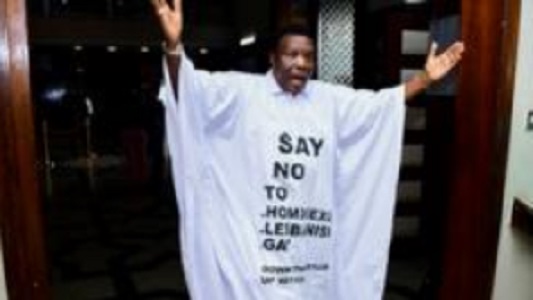
Ugandan President Yoweri Museveni has assented to the controversial anti-homosexuality bill, despite condemnation of Western countries and human rights activists.

The bill was first passed by MPs in March but was returned to the parliament for amendment.

In the new law, the offence of homosexuality is now limited to gay sexual acts. People convicted under this clause face life imprisonment.

The legislation also prescribes death penalty for aggravated offences, in cases of sexual abuse against a minor, a disabled person or where a victim of abuse is infected with a life-long illness.

Members of the public will also be required to report to the authorities any form of homosexual abuse against children or other vulnerable people.

The law initially criminalised identifying as a sexual minority but Mr Museveni argued that this would have led to the arrest and prosecution of people for just their physical appearance.

This clause was removed when the the president returned the bill to the parliament.

It is likely that the law will be challenged in court.

A similar one was struck down by the Ugandan constitutional court in 2014.

BBC/Simeon Uggbodovon

Subscribe to our Telegram and YouTube Channels als

Foreign

Uganda’s President Yoweri Museveni is due to meet MPs from the ruling National Resistance Movement (NRM) on Thursday to discuss the controversial anti-homosexuality bill passed by parliament last month.

The meeting will take place at State House in Entebbe, according to a statement by the NRM parliamentary caucus chairperson, Denis Obua.

All MPs are required to take a Covid-19 test before the meeting, the state-run New Vision website reported.

The bill, which local media say Mr Museveni is likely to sign into law, will see anyone engaging in acts of homosexuality facing 20 years in jail and the death penalty for convicts of aggravated homosexuality.

The proposed legislation has attracted global condemnation, with the US threatening sanctions on Uganda if the bill is enacted into law.

BBC/Simeon Ugbodovon

Subscribe to our Telegram and YouTube Channels also join our Whatsapp Update Group

Foreign

Uganda’s Deputy Finance Minister Amos Lugoloobi has been arrested in connection with the misappropriation of iron roofing sheets meant for vulnerable people in the northeastern Karamoja region.

He is now the second Ugandan minister to have been detained over the corruption scandal.

It follows this week’s court appearance by the minister for the region, Mary Goretti Kitutu. She pleaded not guilty.

It is reported that several other officials and politicians received consignments of some of the 14,500 iron roofing materials.

Mr Lugoloobi is reported to have received at least 600 iron sheets.

Local media reported in March that he had used some for an animal shed on his farm. They later printed photos indicating that the shed had had its roof removed after the story broke.

The government has been under pressure to arrest and charge more of the officials implicated in the scandal.

President Yoweri Museveni, under pressure from the public to take action, earlier this week ordered the ministers to return roofing sheets or pay back to the government a cash equivalent.

Corruption scandals such as these are quite common in Uganda, and high-profile government officials have been previously charged, but convictions or sackings are quite rare.

BBC/Simeon Ugbodovon

Subscribe to our Telegram and YouTube Channels also join our Whatsapp Update Group

Foreign

People who identify as gay in Uganda risk life in prison after parliament passed a new bill to crack down on homosexual activities.

It also includes the death penalty in certain cases.

A rights activist told the BBC the debate around the bill had led to fear of more attacks on gay people.

“There is a lot of blackmail. People are receiving calls that ‘if you don’t give me money, I will report that you are gay,'” they said.

The bill is one of the toughest pieces of anti-gay legislation in Africa.

Homosexual acts are already illegal in Uganda but this bill introduces many new criminal offences.

As well as making merely identifying as gay illegal for the first time, friends, family and members of the community would have a duty to report individuals in same-sex relationships to the authorities.

It was passed with widespread support in Uganda’s parliament on Tuesday evening.

Amnesty International has called the bill, which criminalises same-sex between consenting adults “appalling”, “ambiguous” and “vaguely worded”.

“This deeply repressive legislation will institutionalise discrimination, hatred, and prejudice against LGBTI people – including those who are perceived to be LGBTI – and block the legitimate work of civil society, public health professionals, and community leaders,” said Tigere Chagutah, Amnesty International’s director for East and Southern Africa.

It has also been condemned by both the UK’s Africa Minister Andrew Mitchell and the US Secretary of State Antony Blinken.

The White House has warned Uganda of possible economic repercussions if the new law comes into force.

In the weeks before the debate, anti-homosexual sentiment was prominent in the media, an activist who wanted to remain anonymous told the BBC.

“Members of the queer community have been blackmailed, extorted for money or even lured into traps for mob attacks,” the activist said.

“In some areas even law enforcers are using the current environment to extort money from people who they accuse of being gay. Even some families are reporting their own children to the police.”

The bill will now go to President Yoweri Museveni who can choose to use his veto – and maintain good relations with Western donors and investors – or sign it into law.

He has made several anti-gay comments in recent weeks, and also criticised Western countries for putting pressure on Uganda over the issue.

Another gay rights activist accused the government of using the bill to distract the public from its failures to address some of their pressing economic concerns.

“They are trying to drum up anti-gay rhetoric to divert attention from really what is important to Ugandans in general. There is no reason why you should have a bill that criminalises individuals that are having consensual same-sex adult relationships,” Clare Byarugaba, LGBTQ+ Rights Activist, Chapter Four Uganda told the BBC.

The bill’s backers say they are trying to protect children but Ms Byarugaba said: “Whether you’re heterosexual or homosexual, the government and parliament should introduce laws, or at least implement existing laws that protect all children – boys, girls from defilement. So the issue of recruitment has been unproven, it is baseless, it is biased.””

What does the bill say?

The final version has yet to be officially published but elements discussed in parliament include:

  • A person who is convicted of grooming or trafficking children for purposes of engaging them in homosexual activities faces life in prison
  • Individuals or institutions which support or fund LGBT rights’ activities or organisations, or publish, broadcast and distribute pro-gay media material and literature, also face prosecution and imprisonment
  • Media groups, journalists and publishers face prosecution and imprisonment for publishing, broadcasting, distribution of any content that advocates for gay rights or “promotes homosexuality”
  • Death penalty for what is described as “aggravated homosexuality”, that is sexual abuse of a child, a person with disability or vulnerable people, or in cases where a victim of homosexual assault is infected with a life-long illness
  • Property owners also face risk of being jailed if their premises are used as a “brothel” for homosexual acts or any other sexual minorities rights’ activities

A small group of Ugandan MPs on a committee scrutinising the bill disagreed with its premise. They argue the offences it seeks to criminalise are already covered in the country’s Penal Code Act.

In 2014, Uganda’s constitutional court nullified another act which had toughened laws against the LGBT community.

It included making it illegal to promote and fund LGBT groups and activities, as well as reiterating that homosexual acts should be punished by life imprisonment, and was widely condemned by Western countries.

The court ruled that the legislation be revoked because it had been passed by parliament without the required quorum.

Same-sex relations are banned in about 30 African countries, where many people uphold conservative religious and social values.

BBC/Simeon Ugbodovon

Subscribe to our Telegram and YouTubeChannels also join our Whatsapp Update Group
Foreign

Uganda has declared the end of the Ebola disease outbreak caused by Sudan ebolavirus, less than four months after the first case was confirmed in the country’s central Mubende district on 20 September 2022.

Uganda’s Minister of Health. Dr Jane Ruth Aceng Ocero, said, “Uganda put a swift end to the Ebola outbreak by ramping up key control measures such as surveillance, contact tracing and infection, prevention and control.


“While we expanded our efforts to put a strong response in place across the nine affected districts, the magic bullet has been our communities who understood the importance of doing what was needed to end the outbreak, and took action.”

It was the country’s first Sudan ebolavirus outbreak in a decade and its fifth overall for this kind of Ebola. In total there were 164 cases (142 confirmed and 22 probable), 55 confirmed deaths and 87 recovered patients. More than 4000 people who came in contact with confirmed cases were followed up and their health monitored for 21 days.

Overall, the case-fatality ratio was 47 percent. The last patient was released from care on 30 November when the 42-day countdown to the end of the outbreak began.


Director-General of the World Health Organization (WHO). Dr Tedros Adhanom Ghebreyesus, said, “ Uganda has shown that Ebola can be defeated when the whole system works together, from having an alert system in place, to finding and caring for people affected and their contacts, to gaining the full participation of affected communities in the response.

“Lessons learned and the systems put in place for this outbreak will protect Ugandans and others in the years ahead.”


The   WHO Regional Director for Africa, Dr Matshidiso Moeti, said, “With no vaccines and therapeutics, this was one of the most challenging Ebola outbreaks in the past five years, but Uganda stayed the course and continuously fine-tuned its response.

“Two months ago, it looked as if Ebola would cast a dark shadow over the country well into 2023, as the outbreak reached major cities such as Kampala and Jinja, but this win starts off the year on a note of great hope for Africa.”


Soon after Uganda declared the Sudan ebolavirus outbreak, WHO, worked with a large range of partners, including vaccine developers, researchers, donors and the Ugandan health authorities to identify candidate therapeutics and vaccines for inclusion in trials.

Three candidate vaccines were identified and over 5000 doses of these arrived in the country with the first batch on 8 December and the last two on 17 December. The speed of this collaboration marks a milestone in the global capacity to respond to rapidly evolving outbreaks and prevent them from becoming larger.


“While these candidate vaccines were not used during this outbreak, they remain the contribution of Uganda and partners to the fight against Ebola. The next time the Sudan ebolavirus strikes we can reignite the robust cooperation between developers, donors and health authorities and dispatch the candidate vaccines,” said Dr Yonas Tegegn Woldemariam, WHO Representative in Uganda.

Although the outbreak in Uganda has been declared over, health authorities are maintaining surveillance and are ready to respond quickly to any flare-ups. A follow-up programme has been put in place to support survivors. Neighbouring countries remain on alert and are encouraged to continue strengthening their capacities to detect and respond to infectious disease outbreaks.

Punch / Titilayo Kupoliyi

Subscribe to our Telegram and YouTube Channels also join our Whatsapp Update Group
Foreign

Police in north-western Uganda is investigating the deaths of a dozen people who are suspected to have consumed a locally manufactured gin.

The deaths are said to have been registered between Saturday and Sunday in the Madi-Okollo district.

Several others, including one trader who was selling the gin known as City 5 Pineapple Flavoured Gin, have been hospitalised with suspected poisoning.

It is not clear what the ingredients in the drink are, but “demineralised water, extra neutral alcohol and pineapple flavour” are listed on the bottle.

A regional police spokesperson said that samples of the gin have been collected and will be submitted to the government chemist to conduct tests.

Four suspects have been arrested, and the cottage factory where the gin was being manufactured closed, as investigations continue.

Deaths from adulterated alcohol are common in Uganda. In 2010, at least 80 people died in southwestern Uganda after drinking alcohol laced with methanol, according to authorities.

BBC/Simeon Ugbodovn

Subscribe to ourTelegram channel

Foreign

Dozens of soldiers from the Democratic Republic of Congo have crossed into Uganda after the M23 rebels blocked the main road to Rutshuru.

Ugandan army spokesperson Brig Gen Felix Kulaigye told the BBC that the soldiers were being received at a Ugandan army barracks at the border town of Bunagana.

A source told the BBC that some of the Congolese soldiers had arrived in military vehicles while others crossed on foot.

Reports indicate that the M23 rebels overran the Congolese side of Bunagana on Monday morning.

Pictures of overturned armoured vehicles believed to belong to the Congolese army – the FARDC, have also been shared on social media.

UN agencies say that more than 30,000 people in the Rutshuru territory of North Kivu province fled their homes over the weekend.

Hundreds have been internally displaced while others have crossed the border to Uganda.

The Ugandan side of Bunagana border town is crowded with people who have fled their homes due to the fighting over the last couple of days.

Some had wanted to return home on Monday morning, but even more, people are now fleeing the fighting.

Fighting between the government forces and the army has intensified over the last couple of weeks after the Congolese government designated the M23 as a terrorist group and refused their calls for a bilateral ceasefire or peace negotiations.

DR Congo accuses Rwanda of supporting the group made up of mainly ethnic Congolese Tutsi, but the government in Kigali has continually denied these accusations.

Meanwhile, the M23 rebels in eastern DR Congo claim to have captured the border town of Bunagana near Uganda, according to their spokesman.

“We control the whole of the town now,” Willy Ngoma, the M23 spokesman told BBC Great Lakes.

The claim follows heavy fighting between the army and rebels that on Monday saw some government soldiers cross over to Uganda, the UN-backed Radio Okapi reports citing sources.

The DR Congo authorities have not yet commented on M23’s claim.

Army spokesperson Lt Col Guillaume Ndjike Kaiko said he would comment on this “later”, but a statement on Sunday night had said they repelled an attack by the rebels in Bunagana.

The UN says that more than 30,000 people have been displaced by the latest fighting.

Bunagana town is strategic in cross-border trade and is located some 70km (43 miles) north-east of Goma, the capital of North Kivu province.

The town served as M23’s base when they captured Goma in November 2012 before they lost the war and fled to Uganda.

BBC/Simeon Ugbodovon

Exceptional Africans

The first recorded case of a man killing a lion with bare hands was in the Holy Bible, and the man that did that was Samson.

Another record of a similar feat was also found in the Scriptures, talking about the man called David, who killed a lion that took one of his father’s sheep he was tendering.

In the case of Daniel, though he did not kill a lion, he found himself trapped in the den of lions but came out unscathed.

Coming from the Biblical background to the contemporary society, one could also recall the story of a man called Prophet  Daniel Abodunrin.

Way back in 1991, in the ancient city of Ibadan, Abodunrin was reported to have sneaked into the lions’ cage at the University of Ibadan Zoological garden to the shock of many onlookers.

The man was clothed in a red robe and under his armpit was a big Bible. As he entered the cage, he began reciting bible verses, calling unto the ‘God of Daniel’ to perform wonders.

It was gathered that he was shouting Jah, Jah, Jah which was believed to be a shortened form of Jehovah.

 At first, the lions retreated to a corner of their cage. Unknown to the to-be African version of Daniel, retreating is the first thing lions do when they see something unusual in their territory and later they get rid of it.

Prophet Abodurin had thought his faith was really working. He moved nearer to the lions and kept chanting Bible verses. In a flash, the lions pounced on the bemused, confused, and horrified prophet sending a cold stream of shock down the spines of the terrified onlookers.

Prophet Daniel Abodurin battled for his dear life but his strength was no match for that of the hefty lion.

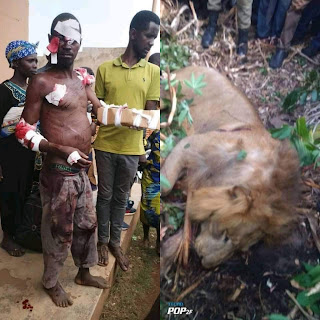
In the series of man’s encounters with the king of the jungle is the most recent of what could be called Biblical Samson-like episode that purportedly occurred in the Iganga district of Uganda. 

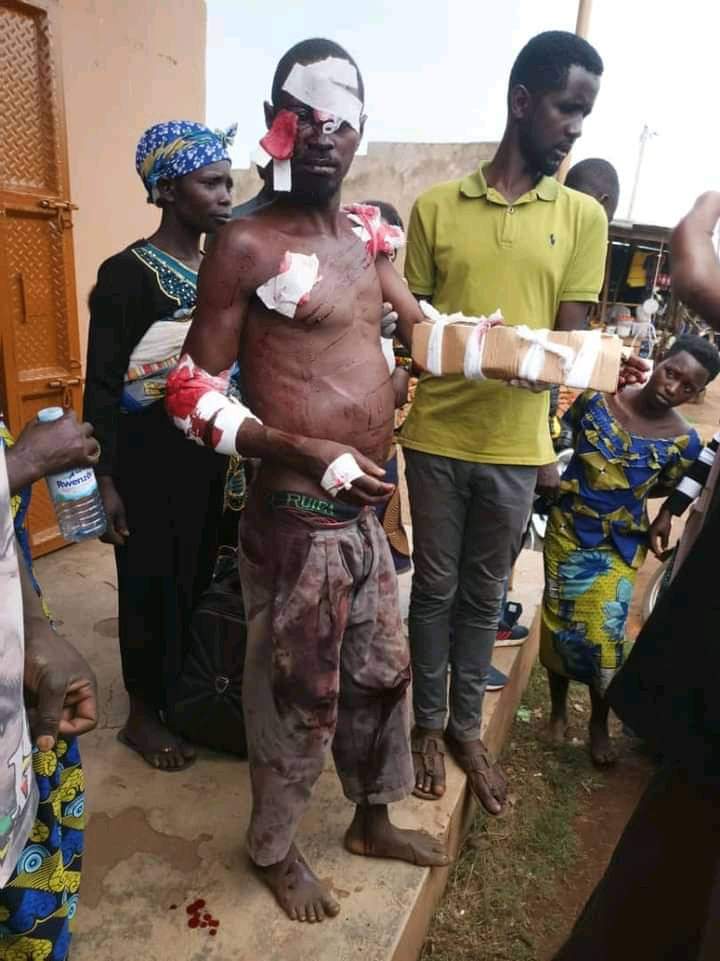
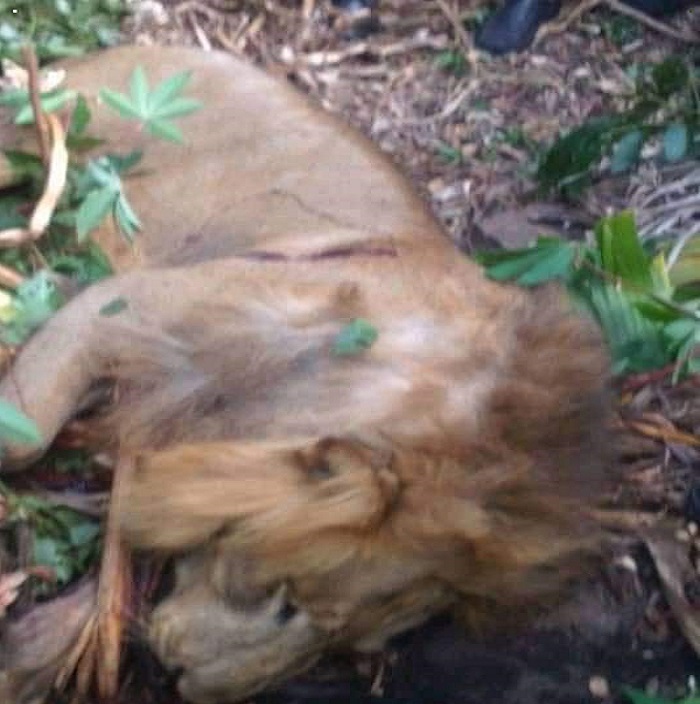
A Ugandan man etched his name into the record books by killing a lion with his bare hands. 

The man single-handedly killed the wild monster that showed up before his house in CMS, Iganga.

Despite the fact that he killed the lion by overpowering it, he was however injured in many ways.

Twitter user, @Rickykagino96, uploaded photographs of both the dead Lion and the gravely injured guy. “A man from CMS lganga district in eastern Uganda is nursing wounds after fighting and killing a lion he encountered near his home,” he wrote. 

Who says the African man is not exceptional?

Olaitan Oye-Adeitan

Foreign

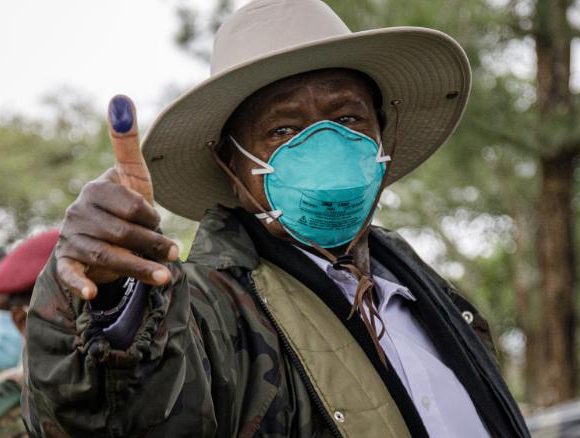
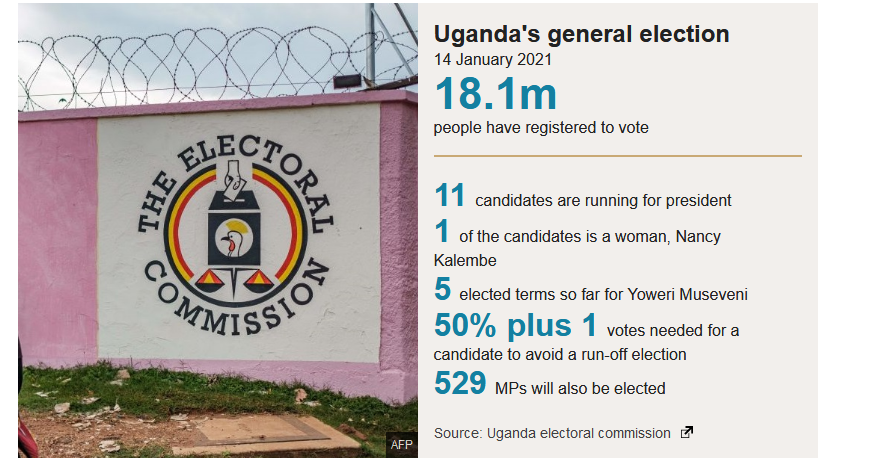
Uganda’s long-time President Yoweri Museveni has been re-elected, electoral officials say, amid accusations of vote rigging by his main rival Bobi Wine.

Mr Museveni won almost 59% of the vote, with Bobi Wine trailing with about 35%, the Electoral Commission said.

Bobi Wine, a former pop star, earlier vowed to provide evidence of fraud. The Electoral Commission denies there was vote-rigging in Thursday’s poll.

Poll monitors have criticised the government closure of internet access.

The say this undermined confidence. Bobi Wine said he would provide evidence of fraud once the internet was restored.

Dozens of people were killed during violence in the run-up to the election. Opposition politicians have also accused the government of harassment.

The result gives President Museveni a sixth term in office.

The 76 year old, in power since 1986, says he represents stability in the country.

Meanwhile, Bobi Wine – the stage name for 38-year-old Robert Kyagulanyi – says he has the backing of the youth in one of the world’s youngest nations, where the median age is 16.

On Friday, as the results came in, Bobi Wine said that Ugandan soldiers had surrounded and breached his home.

But a government spokesman accused him of “dramatising” the incident “to seek sympathy”.

What’s the latest on the election results?

“The electoral commission declares Yoweri Museveni… elected President of the Republic of Uganda,” election commission chairman Justice Simon Mugenyi Byabakama said on Saturday.

He said turnout was 57% of the almost 18 million registered voters.

Earlier, Mr Byabakama said the vote had been peaceful, and called on Bobi Wine, who said some of his polling agents were arrested on Thursday, to make public the evidence for his fraud allegations.

The opposition candidate believes the internet shutdown is being used to block communication and as a way of compromising the vote.

“I will be happy to share the videos of all the fraud and irregularities as soon as the internet is restored,” Bobi Wine said.

Meanwhile, Mr Wanyama, who is a spokesperson for President Museveni, hit back at Bobi Wine’s claims of vote rigging.

“He came short of the expectation of Ugandans,” he said in an earlier interview with the BBC. “He had no message and Ugandans have told him he has to wait a little longer.”

Mr Wanyama added: “We have challenged him to provide proof for his claims, he has not a single iota of evidence.”

The EU, United Nations and several rights groups have previously raised concerns about the integrity of Uganda’s election.

But, aside from an African Union mission, there is currently no major international group monitoring the vote. Earlier this week the US – a major aid donor to Uganda – cancelled its diplomatic observer mission to the country, saying that the majority of its staff had been denied permission to monitor polling sites.

BBC

Foreign

The teenager’s secondary school in Uganda said she would be “dearly missed”.

15-year-old Disney star has died from a brain tumour, her secondary school has said.

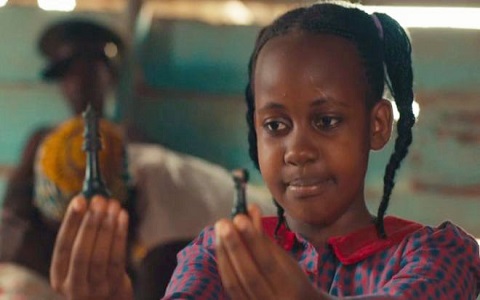
Nikita Pearl Waligwa, who starred in the 2016 film Queen Of Katwe, passed away on Saturday at a hospital near the Ugandan capital, Kampala.

She had been in and out of hospital and had previously received treatment, including surgery, in India, according to local media reports.

Gayaza High School, where Waligwa had studied since 2018, said she was a “darling to many” and would be “dearly missed”.

The young actress played Gloria in Mira Nair’s Queen Of Katwe, which also starred Academy Award winner Lupita Nyong’o.

Queen Of Katwe depicted the rise of Ugandan chess prodigy Phiona Mutesi, who had grown up in poverty in the Kampala slum of Katwe.

In the film, Mutesi is encouraged to learn the game by a chess teacher, despite being told by her mother not to dream big because “you will be disappointed”.

The feature was praised for including young Ugandans with no acting experience and was received favourably.

Sky News