An oil tanker caught fire in the Gulf of Aden, its operator says, after Houthis said they hit it with a missile.
The Yemeni movement said it targeted the Marlin Luanda on Friday evening.
Operator Trafigura told the BBC the strike caused a fire in one of the ship’s cargo tanks and firefighting equipment was being used to contain it.
The US military said the Houthis hit the tanker with an anti-ship ballistic missile and naval ships had responded to its distress signal.
No injuries were reported, US Central Command said in a statement.
It is the latest attack on commercial shipping by the Iran-backed Houthis in and around the Red Sea. The group says it is targeting vessels in the region in support of Palestinians in Gaza, where Israel is fighting Hamas.
The US and UK have launched air strikes on Houthi targets in response, supported by a number of other countries.
In a statement, a Houthi spokesperson claimed the Marlin Luanda was a British ship and was targeted in response to “American-British aggression against our country”.
The operator of the vessel is registered as being Oceonix Services Ltd, a UK registered company.
The tanker flies under the flag of the Marshall Islands and is operated by Trafigura – a multinational trading company domiciled in Singapore.
The UK government said attacks on commercial shipping are “completely unacceptable” and that Britain and its allies “reserve the right to respond appropriately”.
Underwear, underclothing or undergarments are items of clothing worn beneath outer clothes, usually in direct contact with the skin, although they may comprise more than a single layer.
They serve to keep outer clothing from being soiled or damaged by bodily excretions, to lessen the friction of outerwear against the skin, to shape the body, and to provide concealment or support for parts of it.
In cold weather season, long underwear is sometimes worn to provide additional warmth. Special types of undergarments have religious significance. Some items of clothing are designed as undergarments, while others, such as T-shirts and certain types of shorts, are appropriate both as underwear and outerwear.
If made of suitable material or textile, some underwear can serve as nightwear or swimwear, and some undergarments are intended for sexual attraction or visual appeal.
Undergarments are generally of two types, those that are worn to cover the torso and those that are worn to cover the waist and legs, although there are also underclothes which cover both. Different styles of underwear are generally worn by females and males.
Undergarments commonly worn by females today include bras and panties while males often wear classic briefs, boxer briefs, or boxer shorts. Items worn by both sexes include T-shirts, sleeveless shirts (also called singlets, tank tops, A-shirts, or vests), bikini underpants, thongs, G-strings and T-fronts.
Oftentimes, people tend to pay little or no attention to washing their underwear for reasons which might not be unconnected with the fact that they are worn underneath another fabric, hence less attention is paid to them.
Findings reveal that some people use undergarments for weeks without washing.
However, more attention ought to be paid to the cleaning of underwear as it is worn closer to the skin which might cause skin infection, if not properly cleansed.
Dirty underwear can cause pubic lice, acne, stains, itching, sores, skin diseases like rashes, eczema and body odour.
It is imperative to take the washing of underwear very seriously to prevent skin diseases and to maintain a healthy lifestyle.
Underwear should be washed after every use to eliminate dirt which must have accumulated as a result of sweat from daily activities.
People can’t agree on what it is exactly because it looks like a cat but has some features of Viverrids. Recent genetic research suggests that it is an animal of its kind.
The name is fossa described as one of the strangest mammals in the whole world. It is called Fossa, cat-like in look yet not a member of the cat family.
Fossa is a member of the Eupleridae, closely related to the mongoose family, Herpestidae.
It is a carnivorous mammal, the largest mammalian carnivore in Madagascar and has been compared to a small cougar. The fossas are classified as a vulnerable species, with only about 2,500 in the wilderness.
The Fossa and the modern Mangoose come from the same ancestor, one which arrived on the island of Madagascar around 21 million years ago.
It has a slender body and muscular limbs and a tail nearly as long as the rest of the body. It has a mongoose-like head, relatively longer than that of a cat.
Some of them can be almost 7 feet long, from their nose to the end of their long tail. Their tails are as long as their bodies and help them stay balanced when they jump through trees.
Moreover, Fossas have short fur that can be red to dark brown.
They have cat-like eyes and sharp, retractable claws. Their faces are slightly webbed, which helps them move around in the trees.
Both males and females have short, straight fur that is relatively dense and without spots and patterns.
They also use vibrations, noise and even body odours to get to know each other, in this species, males and females have different body odours.
Fossas eat small mammals, birds, amphibians, reptiles and insects. They also prey on lemurs. Fossa hunt during the day, especially when they lack food, but prefer to spend the daylight hours resting in a hollow tree, cave or an abandoned termite mound.
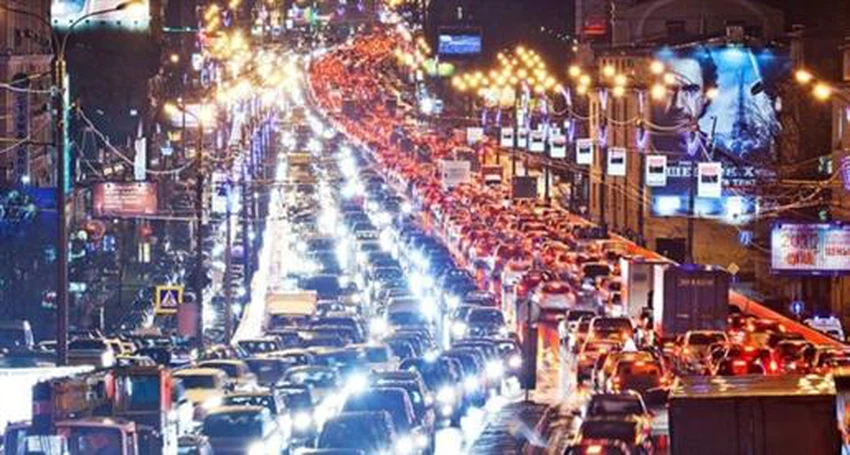
Traffic congestion can be caused by factors such as accidents, traffic overload, construction and even pedestrians crossing the road incorrectly or holding up vehicles.
In Tier 2 and Tier 3 cities, traffic congestion becomes worse due to bad roads, and poor connectivity among other factors.
If you think that what you go through every day while going to and from work is a suffocating traffic jam, then you have not yet heard of the longest traffic jam in history, which lasted 12 days in China in 2010.
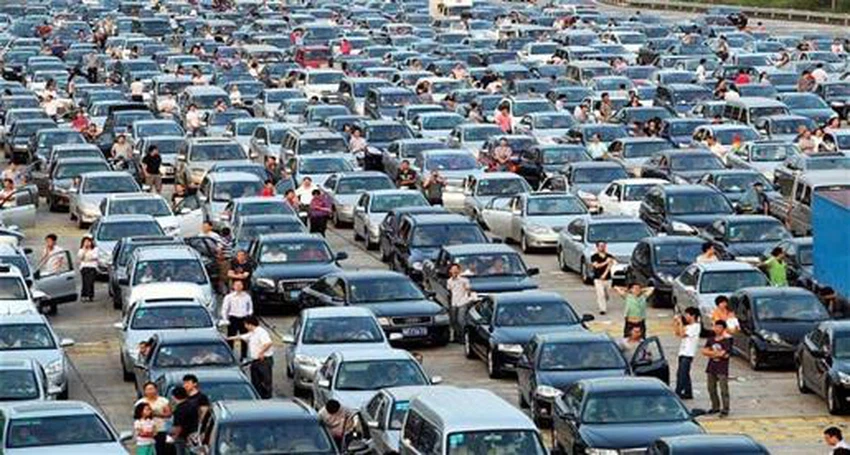
On August 14, 2010, something unthinkable happened in China. Beijing witnessed the longest traffic jam in history, extending more than 100 kilometers and lasting 12 days. China was then called “the undisputed queen of traffic jams.”
The congestion began to slow down the movement of thousands of cars, which extended over a length of more than 100 km and continued for 12 days.
Drivers were barely able to move their cars a distance of 1 km each day, and some drivers remained stuck in this traffic jam for more than 5 and 6 consecutive days.
The main reason behind the traffic congestion was some work and maintenance that was taking place on the highway linking Beijing and Tibet near the capital, Beijing, in conjunction with a surge of heavy trucks on the road, which reduced the highway’s capacity by 50% and some accidents exacerbated the problem.
Another important reason for this stifling crisis was the increase in the number of trucks transporting coal from Mongolia to the capital, Beijing, where in 2009 it transported 602 million tons of coal, which rose in 2010 to 730 million tons.
The Chinese authorities tried to find a solution to this problem and asked coal companies to postpone transportation operations and tried to bring more trucks into the capital at night until the situation was eliminated, which the authorities succeeded in doing, as they completely eliminated traffic congestion by the end of August 2010.
Some local residents near the site of the crowding took advantage of the opportunity and began selling food and water to the stranded drivers at double prices. Some drivers even preferred hunger rather than buying these expensive goods.
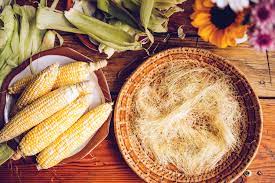
Corn silk is the shiny, thread-like, weak fibers that grow as part of ears of corn (maize).
The tuft or tassel of silky fibers protrudes from the tip of the ear of corn, and is a key part of the vegetable’s reproductive system and essential to crop pollination.
The fibers trap the pollen that fertilizes the cob and helps kernels grow. Along with the husk, corn silk also protects kernels, helping the ear of corn retain its moisture and sweetness.
Amazingly, corn silk is used as a medicine.
Corn silk is used for chest pain (angina), high blood pressure, preventing a group of eye disorders that can lead to vision loss (glaucoma), and many other conditions.
Corn silk contains proteins, carbohydrates, vitamins, minerals, and fiber. It also contains chemicals which might work like water pills (diuretics), and it might alter blood sugar levels, and help reduce inflammation.
Most people toss corn silk straight into the compost bin or trash as these silky threads that cover ears of corn can be a nuisance to remove from the cob, your hands and your teeth.
But Native Americans, people in China, Turkey and other countries think differently about corn silk. For centuries, they have been using corn silk as an herbal remedy for medicinal purposes.
Today, corn silk and products like corn silk tea and supplements are growing in popularity.
Studies show that corn silk contains:
Carbohydrates.
Fiber.
Minerals like calcium, iron, sodium, potassium, zinc and chloride.
Protein.
Corn Silk Benefits
Despite centuries of herbal remedy use, there are limited studies on the health benefits of corn silk.
1. Keeps your urinary system healthy
Corn silk extract can act as a powerful diuretic, making you pee more. “Increased urine flow can prevent the buildup of bacteria that leads to urinary tract infections (UTIs) and bladder infections,” says Campbell. And if you do get a UTI or bladder infection, corn silk extract soothes inflammation to ease pain.
Increased urination can also help strengthen your bladder. Healthcare providers sometimes recommend corn silk extract or teas for children experiencing bedwetting and adults with urinary incontinence. Corn silk may also prevent kidney stones and protect against kidney damage caused by certain medications or cancer treatments.
The diuretic properties of corn silk may also lower blood pressure. But Campbell cautions that people who already take diuretics or blood pressure medicine may be at risk for losing too much potassium. This could lead to low blood potassium levels or hypokalemia. “Low potassium is concerning because it can affect the way your heart beats,” says Campbell. “It’s always important to check with your healthcare provider before taking a supplement.”
2. Fights inflammation
The plant pigment or flavonoid that gives corn silks their light green, yellow, brown or red colors is also an antioxidant. In fact, corn silk has as much antioxidant value as vitamin C. “Antioxidants protect against inflammation and the effects of aging, as well as diseases like cancer and diabetes,” notes Campbell.
3. Lowers blood sugar
Corn silk extracts are part of Native American and traditional Chinese medicine for diabetes management. The extract may lower blood sugar levels and help prevent complications like diabetes-related neuropathy (nerve damage), according to one study.
Other studies indicate that corn silk extracts may slow your body’s absorption of starchy foods, preventing spikes in blood sugar.
But if you’re already taking medications to lower your blood sugar, experts advised checking with your provider before beginning to take a supplement. “Blood sugar that is too low can be dangerous, too.”
4. Improves cholesterol levels
The flavonoids in corn silk may improve your cholesterol numbers by lowering triglycerides and low-density lipoproteins (LDL). “These unhealthy forms of cholesterol cause plaque deposits to form inside your arteries, increasing your risk of heart attacks and strokes,” Campbell explains.
In addition, Corn silk has a mild taste and a sweetness you would expect from corn. It can be saved and use as fresh topping on salads, potatoes, soups, tacos and more. It can also be dried and stored for up to one year.
Here are steps to dry corn silk:
Separate the silk strands as much as possible.
Place the strands on a cooling rack out of direct sunlight until the water evaporates and the strands feel slightly crispy. (This drying step may take a few days or a week.)
Place the strands into a closed jar or paper bag and store in a cool, dry place.
You can grind the dried strands in a blender to make corn silk powder and sprinkle it onto eggs, salads, casseroles and smoothies.
To make corn silk tea:
Fill a pan with 2 cups of water and 2 tablespoons of fresh or dried corn silk.
Cover the pan and cook over medium heat until boiling.
Reduce the heat to low and simmer, covered, for 10 minutes.
Turn off the heat and let the tea simmer (still covered) for 30 minutes.
Use a strainer to filter out the strands.
Enjoy your tea hot or cold.
It should be noted that not much is known about the risks of consuming corn silk or products like teas and supplements.
In this light, it better to contact your healthcare provider before taking a corn silk supplement, as there currently isn’t a recommended dosage.
Dosage amounts typically vary depending on a person’s sex, age, weight, medications and health issues.
Experts however advised against adding corn silk to your diet if you’re pregnant, breastfeeding or taking medications such as:
Anti-inflammatory drugs.
Blood pressure medications.
Blood thinners.
Diuretics.
Insulin or diabetes medications.
But for many people, corn silk can add a healthy, fresh twist to your favorite dishes. So, don’t throw away those corn silks. Save them for your next tea, salad or smoothie!
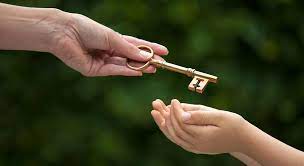
Proverbs 13:22 says “A good man leaves an inheritance to his children’s children.”
This aphorism in the Holy Bible is conventional in many respects: society worldwide value bequeathing inheritance to the next generation.
Such properties could be houses, lands, vehicles, farms, money, which parents feel with satisfaction, will help their children and grandchildren get along in life.
To this end, most parents work hard to fulfill the scripture while those who couldn’t meet up feel they are letting their offspring down and often times feel unfulfilled.
Ironically, for parents who had laboured to leave properties behind, the beneficiaries are not able to live unto expectation, as they dispose the properties gotten through hard earned money by their parents.
Some of the reasons are not far-fetched: most children are out of the country, or plan to move outside the country for greener pasture.
Is it then advisable for parents to build houses as part of inheritance for their children/guardian?
A parent, Mr Sola Ifenuga, said though it is Biblical, but parents should not be bent on accumulating cars and houses for their children and wards as times and seasons are changing.
“Yes, as parents we are under obligation to ensure our children and wards are catered for in every area but in the process care must be taken not to go to the extreme in acquiring the assets as most of the children are not after sustaining them”.
“We need to face reality as parents, most of our children are not interested in our properties, most of them want to start their lives independent of their parents assets”.
A graduate, Mr Wale John noted that his aim is to move out of the country as soon as the opportunity surfaces, irrespective of the assets owned by his parents.
“Personally I don’t believe in this country again, I am trying very hard to go abroad to further my education and settle down over there; my parents should not expect me to stay in a country that doesn’t have anything in stock for me”.
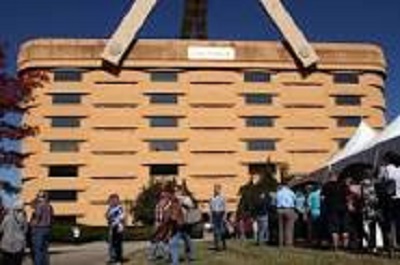
The Big Basket building, in Newark, Ohio, was built as the headquarters of the Longaberger Company, an American manufacturer of handcrafted maple wood baskets and other lifestyle products
The Longaberger basket building was birthed by Dave Longaberger
“I figured if Walt Disney could build an empire around a mouse, the Longaberger home office building could resemble a basket,” Longaberger writes in his memoir. “Whenever I talked about it, people looked at me like I was nuts.”
The 180,000-square-foot, seven-story basket has a 30,000-square-foot atrium topped with a glass ceiling.
The basket’s 150-ton handles, which took eighteen months to construct, contain a special heating element to keep ice from forming, and potentially crashing through the roof, in the winter.
Two 725-pound, 25-feet-wide, gold-leaf tags are attached to each long side of the building.
The interior, which is in remarkably good condition, is more conventional than you’d expect from its whimsical exterior.
Although the dimensions vary from floor to floor (it’s wider at the top, like a basket would be), the effect is gradual enough that you almost forget that you’re inside an enormous basket until you look up through the atrium and catch a glimpse of those handles.
There are other subtle nods to the company’s star product sprinkled throughout the building, including a basket-weave wall treatment in Longaberger’s executive suite, undulating cabinets, and “woven” brass plaque informational signage.
Due to the basket weave stucco design, the building could only have a maximum of 84 windows.
“The architects suggested we put a giant basket ‘shell’ around a traditional building,” Longaberger writes. “Each time they mentioned a compromise, I’d point to the basket, and say, this is what I want!”.
The cherry woodwork and trim was harvested from a nearby Longaberger-owned golf course.
In addition to private offices, open-concept work spaces, and conference rooms, the building includes a 141-seat auditorium, 25 underground parking spaces, a fitness centre, medical facilities, a cafeteria, several kitchens, and multiple elevators.
The floral wallpaper, boxy television sets, and outdated computer equipment make it seem as if it was actually abandoned shortly after its construction in the late ‘90s. In fact, there are few hints that it was ever occupied at all let alone for nearly 20 years.
“It wasn’t only the architects who warned against building it,” Longaberger writes. “Everyone opposed it, including local residents, bankers, and even employees. They were certain that I had gone off the deep end.”
Dave Longaberger didn’t finish high school until he was 21.
Although, he described himself as “the least likely to succeed,” he opened a grocery store and restaurant in Dresden, Ohio and sold baskets made by his father. “In 1973, basket making didn’t seem like such a bright idea for a start-up company,” Longaberger writes. “Handmade baskets were relics.”
Even before he convinced architects to build his oversized basket, Longaberger was used to being called crazy. He was also the first to admit that his management style was unorthodox.
A whimsical headquarters had been a dream of Longaberger’s for a long time, but in his mind, that was just the beginning. He also envisioned his sales consultants out on the road in basket-shaped vans, a high-rise hotel in the shape of a hamper-style basket, and a Rockette-style dance troupe called The Basketeers.
“Believe me, I made plenty of mistakes,” Longaberger writes. “I did things my way, which a lot of folks thought was unconventional. But it was my own style, what you could call ‘thinking outside the box.’”
Around the same time that his grandiose dream was becoming a reality, Longaberger was diagnosed with cancer.
He got to spend less than two years in his seventh-floor executive suite. When he died in 1999, 8,000 people attended his two-day memorial service.
Longaberger’s two daughters, Tami and Rachel, immediately took the reins and for a while the company continued to thrive. But without its charismatic founder coupled with an economic downturn and changing home decor tastes the company eventually floundered. On May 4, 2018, the Longaberger Company ceased operations; the brand was revived in 2019 when its intellectual property was purchased by Xcel Brands.
“Thousands who dearly love what Longaberger stands for have reached out to us in hopes that we can reclaim Longaberger,” Tami said in a statement. “Our shared values integrity, craftsmanship, and opportunity for all will move us forward.”
Before he died, Longaberger expressed optimism for the future of his company, and had no regrets about how he had lived his life. “Sure, I’d like to live longer,” he writes. “But when I think about what we’ve accomplished, I look at it and say, I’m so thankful to be able to say I’ve made a difference in other people’s lives and leave a little behind.”
‘Crooked house’, a hot spot for criminals would naturally run through the mind, but wait a minute, it is equally called ‘Drunk house’. Guess the dubious lots in the house are also riotous ale gulpers.
Nope! Crooked house is way out of that, it is rather an architectural magic in Poland.
The Poles call it Krzywy Domek, translated as “crooked house” or “drunk house”.
Krzywy Domek, is a bizarre building that stands right in the centre of the city of Sopot.
It is an out of the ordinary building, a surreal creation with curved and irregular lines that seem to take on an ever-changing springy shape.
The house, which “appears” reflected in a gigantic distorted mirror, is not the result of an optical illusion, but rests on solid foundations and was built thanks to the innovative artistry of architects Szotynscy and Zaleski.
The two architects were inspired by the fairy tale illustrations of the Polish artist, Jan Marcin Szancer and the poet Per Dahlberg, completing construction in 2004, which immediately after the inauguration was nicknamed the Crooked House.
This house, defined as a masterpiece of housing construction, measures approximately 4,000 square metres and is home to residential dwellings as well as the Rezydent shopping center, bars, restaurants and prestigious offices for some of the most well known businesses in the country.
Krzywy Domek is known among the strangest buildings in the world by the Village of Joy portal and is certainly one of the most particular buildings in Europe.
It has become a point of reference for the inhabitants of the city and is a must see attraction for thousands of tourists eager to immortalize themselves in a photo with the background of this architectural magic.
Photos are especially beautiful at night, when the lighting makes its extravagant shape even more suggestive.
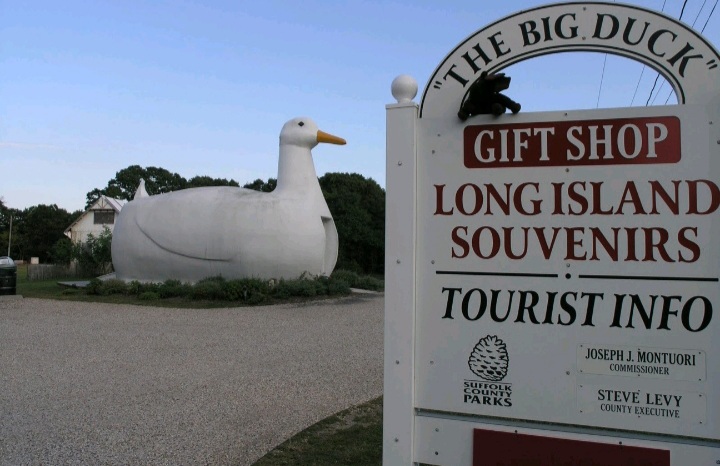
At the dawn of the Great Depression, Long Island duck farmer Martin Maurer and his wife, Jeule, were on a road trip and enjoyed a cup of Joe inside a big coffee pot.
They decided, the story goes, that if the world can have a big coffee pot, then it really needs a big duck, and that they would be the ones to provide us all with it.
And so in 1931 was born one of the quirkiest and most influential roadside attractions in American history.
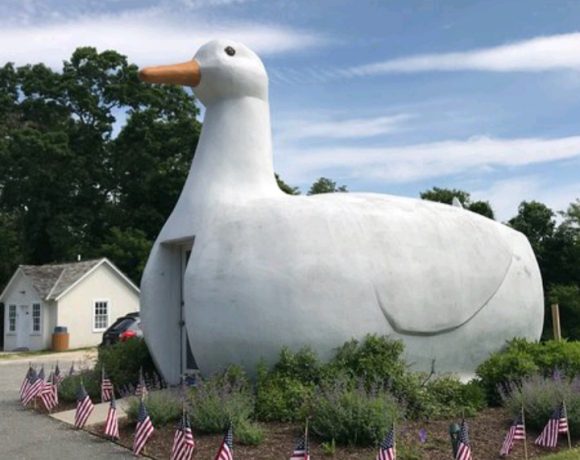
The Big Duck measures 20 feet tall, 18 feet wide, and 30 feet long. It is held together by a wood frame, wire mesh, white stucco cement and 91 years of love, courtesy of countless caretakers and visitors.
The duck’s red eyes come from the tail lights of a Ford Model T.
This was the Great Depression, and it paid to be practical.
To say that the Big Duck remains a popular tourist destination is not to do it justice. A visit to the Big Duck is not just a stop on a vacation itinerary or a side trip during a weekend stay in the Hamptons. Making your way to the Big Duck on Long Island’s East End takes some doing. It is a pilgrimage, something people do because they hear about it and resolve to witness it for themselves.
The Big Duck was made for bucket lists.
That is what a couple and their daughter told ABC’s Localish recently as they took in the splendor of the Big Duck, on Route 24 in Flanders, New York. They had seen it in a book years ago, and now, they were finally seeing it in person.
The Big Duck is a holdover of a time when the East End had dozens of duck farms.
There is only one left today, and it is not the Big Duck. The only ducks you will find being sold from inside its belly these days are of the souvenir variety, but the main draw at the Big Duck has long been the joyful architecture.
Visitors to the Big Duck will likely meet Janice Jay Young, but she is not just ringing up your T-shirt and mug at the cash register. Young has an encyclopedic knowledge about the Big Duck and is one of its proudest promoters. As visitors come in, and they trickle in all day, from far and wide, she is ready with a compressed but compelling history of the Big Duck.
She talks about the Maurer family, who had the pluck to build the duck. She will talk about how this peripatetic Pekin, which first settled in nearby Riverhead, moved a few times over the years, until finally nesting, presumably for good, back in its longtime home of Flanders, at the Big Duck Ranch.
She’ll point to a collage on the wall with dozens of photos, postcards and articles about other examples of programmatic architecture those big coffee pots, big tea kettles, big fish, big ketchup bottles that sprang up across America decades ago, when road trips ruled and plane flights were for the fancy – or were still just flights of fancy.
Richard Martin, director of Historic Services at the Suffolk County Parks Department, explains the term “duck” stuck as a way of describing this kind of architecture – buildings designed to look like the product they sold, hoping to lure motorists off the road to spend a few bucks and maybe snap a picture or two.
As the owner of the duck, Suffolk County is charged with caring for it, with help from Friendslĺ of the Big Duck. The land the duck sits on belongs to the Town of Southampton, and isp0 protected from development. People will be able to visit the duck and the surrounding ranch in perpetuity.
Young said the duck means so much more to locals here in Flanders. In this hamlet, The Big Duck is the center of their community.
“Flanders is kind of a no man’s land. You know, we’re the western part of Southampton Town. And sometimes we just feel a little forgotten here. So there’s no bank, there’s no post office, there’s no Zip Code. You know, we actually have no grocery store,” Young explains.
Flanders does have something nobody else has, she points out.
“We do have a Big Duck.”
Mindat.org
Subscribe to our Telegram and YouTube Channels also join our Whatsapp Update Group
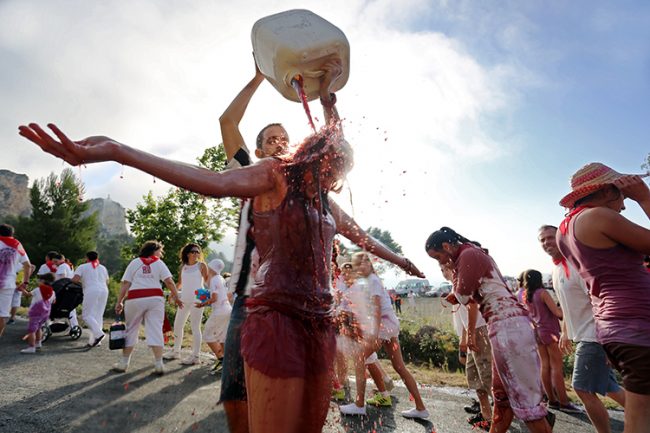
What It Feels everyone covers each other with wine splashed from all manner of containers like buckets, cups, bottles, jugs and even water pistols.
The battle of the wine in Haro, Spain is a Spanish fiesta like no other. It is messy, wet, hot and sticky but undoubtedly exuberant, crazy, juvenile and magnificent.
Seriously, it is total pure superfluous fun and frivolity in a totally unique location. This is an event everyone should aim to tick off their travelling wish list.
On Saint Peters Day (El dia de San Pedro), which is June 29th every year, the population of 11,500 in the central Rioja town of Haro swells to almost double that, and early on the morning of the 29th it descends into outright “Wine Warfare” in the chaotic and spectacular “Battle of the Wine”.
The history of Batalla del Vino dates back to the 6th century.
The Haro Wine Festival is held each year from the 28th to the 30th of June with the major focus being the Haro wine battle itself.
Most combatants adorn the traditional red and white garb, then at 7am on the 29th, follow the mayor of Haro (who is on horseback) on a 7km procession out of town, up into the cliffs of Bilibio, to the Hermitage of San Felices.
A flag is then ceremoniously located, and a short mass is endured before red, wet carnage ensues, and everyone covers each other with wine splashed from all manner of containers like buckets, cups, bottles, jugs and even water pistols.
The Haro Wine Festival was only proclaimed as a festival of both national and touristic interest in 1965 but it is roots can be dated back much further. In fact, it was way back in the early part of the 13th century that the seeds of the modern day Haro Wine Festival were sown when the neighbouring village of Miranda del Ebro and the residents of Haro were in dispute over town lines incorporating the nearby mountains.
Haro itself is famous for its fine red Rioja wine and accounts for a substantial proportion of all Riojas produced. It is also home to many of the great bodegas in Rioja and has an important architectural and cultural heritage. The picturesque buildings and small winding streets of the old town were declared a Historic-Artistic Site in 1975 by the Spanish government and are kept well preserved.
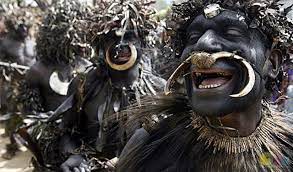
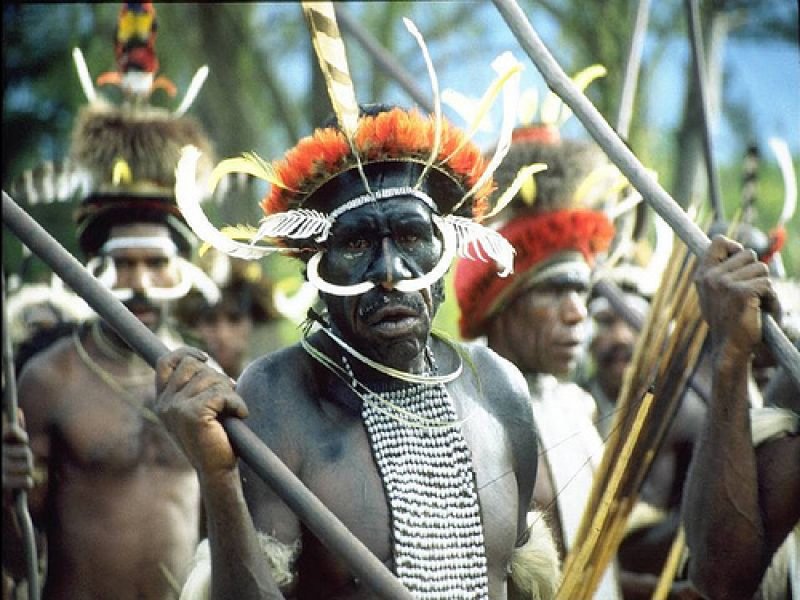
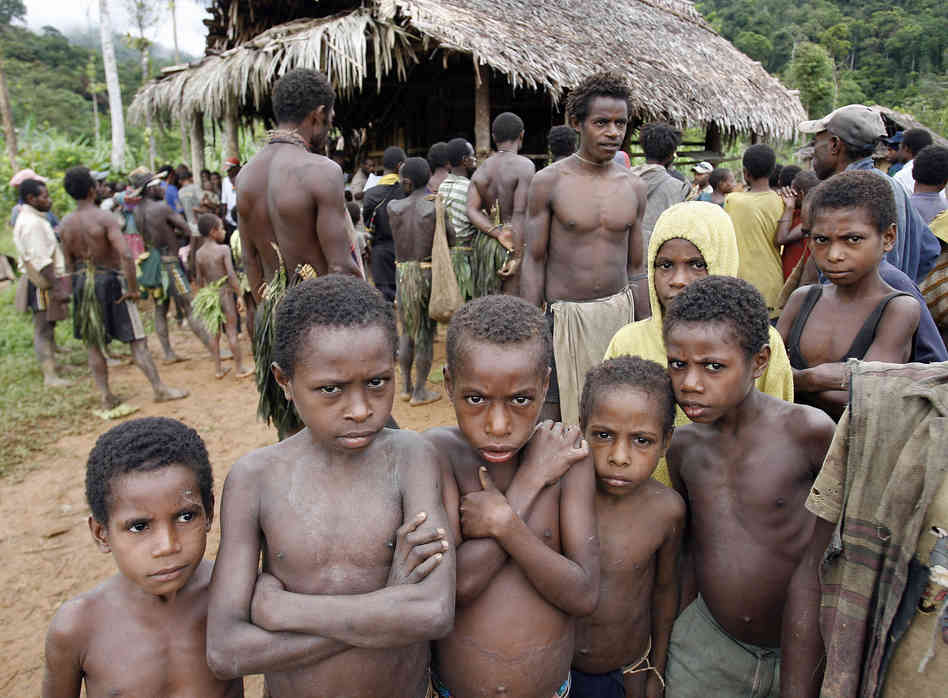
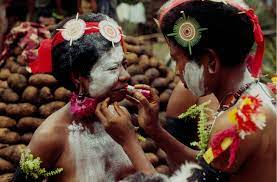
The Sambian people of Papua New Guinea practice one of the most bizarre cultures known to westernization.
A cultural anthropologist, Gilbert Herdt, has described their ritual act of initiation as “ritualised homosexuality.”
Once they turn seven or nine, they are taken away from their mothers.
This process allows for the detachment of the boys from their mothers who it is believed has contaminated blood.
Women are also said to possess powers (tingu) that make them easily manipulate men.
The woman’s tingu is reinforced every time she undergoes her menstrual circle. As such, there is a need to deliver these boys via a blood-letting ceremony.
The blood-letting ceremony involves beating the boys with long sticks on their nostrils until they bleed. That way, the woman’s tingu is completely got rid of.
Once this is done, he is made to perform oral sex on the older ones which they do not stop until they take in the semen. Ingesting the semen will make them stronger.
More so, they are kept aside for three years and maintain a strict diet to make them stronger. Defiance against this from the boys usually involves death.
Once they pass this stage, his father and kinsmen look for a wife for him. He has to wait until she has her first menstruation. While he awaits this, he is trained to disassociate himself from satisfying the woman fully because she might make him fall ill and die. After he has relations with her, he undergoes another nose bleeding to purify himself of her illnesses.
It is only after she gives birth they stop this process and can be respected as warriors and full-grown men.
This tradition is kept as a secret by the male cult. Revealing it to his wife means castration and death.
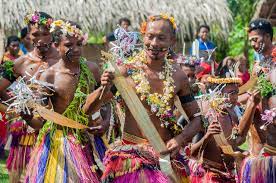
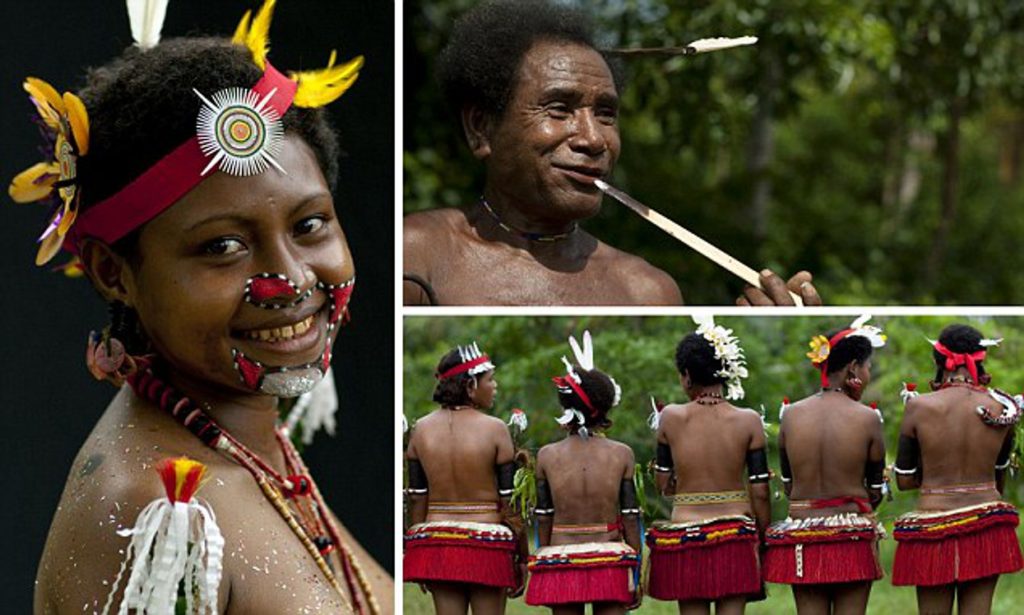
The Trobrianders of the Trobriand Island got their name from the lieutenant of a French ship that landed in the archipelago of Papua New Guinea.
They reside in the Kiriwina Island, one of the largest in the archipelago, and still maintain their ways of life: principally fishing and agriculture.
Despite the attempts of various countries to introduce new religions and colonise them via their limited contact with foreign nations, the Trobrianders have resisted change.
Whenever there is a dispute to settle, instead of getting into war, they engage in a game of crickets, that is, people at war employ players who use bats and balls until there is a winner.
From as early as six to 13, boys and girls are encouraged to sleep with each other, hence they are taught erotic and intimate games.
To show their interest, they offer their currency, a tuber of yam, to their intended partner.
They go into a special hut called the “bukumatula”. When she stays there until sunrise, it is assumed that they are married. Her mother brings cooked yams which they eat.
For those who want to look more attractive, they can resort to love and beauty magic.
Around this age, girls wear shells waist decorations to show their social class. The shells can contain “magic” to attract men.
Because of how small they are, everyone is familiar with each other.
Marriage between maternal families is forbidden; hence people interested in each other get married to their paternal relatives.
Besides this, they are prevented from getting married to people from outside their village.
As a flower blooms at maturation, so are young boys and girls as they approach the teen age.
At this stage of their life, their physical features become more noticeable and they become more attractive to observers.
Individually they are more aware of this striking change that has occurred in their physical appearance, and within them grows the feeling of likeness and attraction to the opposite sex.
This is just a natural phenomenon that is expected at this stage of life. What however matters for boys and girls at this stage is how to handle this very sensitive stage of life.
This is because teenagers can be most vulnerable to temptations, especially sexual desires.
For instance, a teenage boy and girl would love to start dating each other because of the feelings emanating from within.
And while dating, they now want to try out what adults do.
In the process they begin to explore each other and if care is not taken, one thing leads to another and they start sleeping with each other until the havoc is done.
Inordinate affection further lures some of them into pornography, vulgar music, corrupt associations and discussions and all other ungodly acts.
These are breeding grounds for other illicit acts such as masturbation, sexual orgies, rape, besides teens indulgence in vices such as smoking, consumption of hard drugs and alcoholism.
Unknown to many teenagers, there is more to life than subjecting themselves to these endangering habits because any attempt to navigate wrongly at this point of their life can plunge them into ocean of everlasting regret.
They should not forget that they have a destiny at stake, and the devil’s aim is to destroy destinies which he does by introducing all sort of vices inimical to future prospect of young people.
Basically, the focus of any teenage boy and girl is to discover his/her goal in life, which is a gradual process through the help of God and parents.
Teenagers should cooperate with their parents, especially when they care for them.
Since everything starts from the mind, it is very important for boys and girls to develop mindset by occupying themselves with valuable pursuits needed to excel in life.
These include paying close attention to their academics, developing their natural talents and skills, building their relationship with God and having a disciplined lifestyle.
Engaging their minds and channeling their energies in positive activities will help them to check inordinate affection from growing within them.
When the mind is occupied rightly with the right thoughts, words and actions, it will be difficult for negative things to accommodate it.
Attraction to the opposite sex at this stage should not be for intimacy but rather seen as an avenue to appreciate the unique features in the opposite sex for better understanding in relating with themselves, how they can help each other academically, while boundaries must be set.
This is why a discreet teen will do well to avoid night partying, company of lewd teens, and those given to vices such as smoking and drinking acohol.
But for those who may have been caught in the web, they should seek counseling from well-established entities. Parents also have a critical role to play in this by living right in order to be a good example to their children, also giving their children attention.
One mistake most parents make is the assumption that they very well know their children, simply because they gave birth to them, which in most cases is not true.
In order to avoid these failed assumptions, they should rather create an atmosphere of a free flow two-way communication between them and their children, affording their children room to confide in them.
It must be stressed that moulding the personality of children starts from childhood, with the boy-child or girl-child educated on the ills of vices, especially as they see most of these in society around them.
Parents should also beware of sparing the rod and spoiling the child. Even the Bible states explicitly that a father chastises children whom he loves; so it is best for parents to correct their children in a pleasant way when the need arises.
The best recommended way to handle sexual temptations as a teenager is through the help of God. Jude (a book in the Bible) tells us that God is able to keep us from stumbling and falling into sin.
This means that as teenagers you should be in right standing with God. The question now is: Are you in right standing with GOD? Do you have a relationship with him?
If not, do not hesitate to ask GOD for help and forgiveness, draw nearer unto GOD, pray without ceasing, pray for wisdom and strength to do away with immoral acts.
May God help you not to destroy your bright future with carnal desires and other ruinous vices so that your life might forever glorify the name of the Lord. Shalom.
Holiday is coming! Holiday is coming! No more clanging bells No more teachers’ whip! Goodbye teachers, goodbye scholars We are going on a jolly holiday!
Girls: A jolly – All: Holiday! Girls: A jolly – All: Holiday!
A time it was when the song above “Holiday is Coming” rents the air at the scent of the approach of the period that signals the end of academic work.
Much more the song is significant for pupils and students at the third term, with its attendant six weeks break.
Today all that is gone!
All the dins associated with the long holiday are particularly dwarfed by summer lessons.
Holiday Lessons or Summer School are activities that involve repeating activities from the previous school session or previewing content from the next class.
This is a popular educational activity in Nigeria, whereby students return to school for lessons after taking a few weeks off.
The whole goal of the school holiday coaching is to prepare students for the coming session in September since they will be resuming a new class.
This is a chance for students to get prior knowledge of what is coming in the next term.
Also, participating in holiday coaching can aid students’ academic progress.
As much as these and more are true of holiday coaching, there are also disadvantages involved.
Let’s explore both sides of the coin:
Advantages of Holiday Coaching
Retention and Review: Repeating activities from the previous school session helps reinforce concepts learned, enhancing retention and preventing learning loss over extended breaks.
Smooth Transition: Previewing content from the next class can provide students with a head start, making the transition to the next grade or topic smoother and less overwhelming.
Active Engagement: Depending on how the lessons are structured, they can keep students mentally engaged during the holidays, preventing boredom and maintaining a routine.
Reinforced Learning: Revisiting concepts and previewing new ones can deepen understanding and facilitate a stronger foundation for future learning.
Confidence Boost: Successfully tackling familiar and new material during the holidays can boost students’ confidence in their academic abilities.
Time Management: Holiday lessons can help students practice time management and discipline, as they need to allocate time for learning alongside their leisure activities.
Disadvantages of Holiday Coaching
Burnout: Extended breaks are essential for relaxation and mental rejuvenation. Forcing students to continue learning during holidays might lead to burnout and reduced enthusiasm for school.
Lack of Rest: Students may not get sufficient rest if holidays are packed with academic activities, which can negatively impact their overall well-being.
Limited Exploration: Holidays provide an opportunity for non-academic exploration and hobbies. Intense academic focus might deprive students of trying new activities.
Overdependence on Routine: While some structure is beneficial, excessive routine can hinder creativity and the development of diverse skills.
Negative Perception: If not implemented properly, students might perceive holiday lessons as a burden, leading to resistance and negative attitudes towards learning.
Inequity: Not all students have access to resources for holiday lessons, creating an unfair advantage for those who do.
Teacher and Student Burnout: Teachers might also require a break, and planning and conducting holiday lessons can contribute to their burnout as well.
Diminished Interest: For subjects that students struggle with or don’t enjoy, holiday lessons might intensify negative feelings.
From the above we can see that balancing the benefits and disadvantages is crucial.
If holiday lessons are implemented, they should be designed with care, offering a mix of light review, enjoyable activities, and opportunities for independent exploration.
It is also important to ensure that students have enough downtime to relax and recharge.
Remember that holidays play a significant role in a child’s overall development, encompassing not only academic growth but also personal growth and well-being.
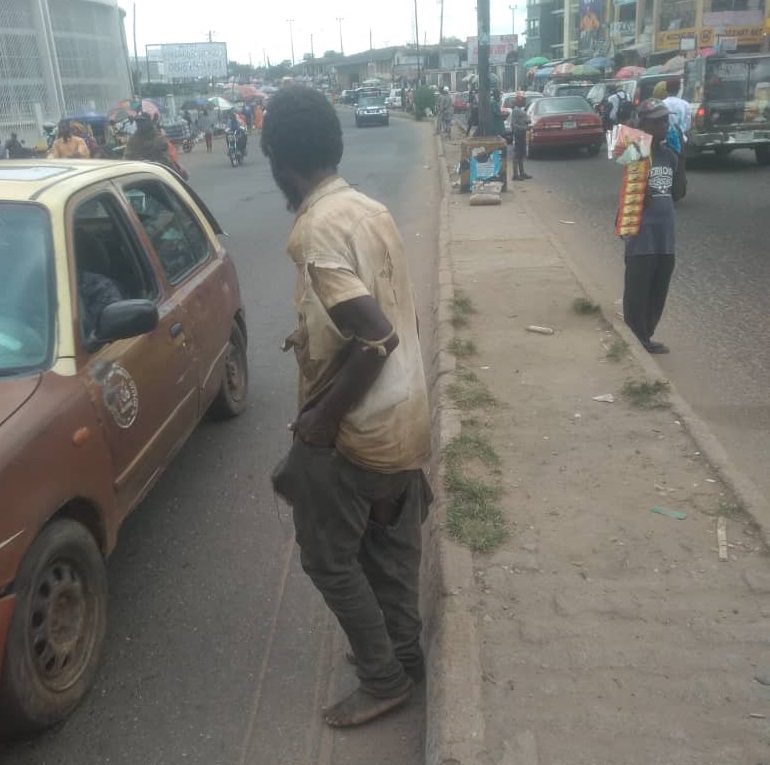
Taking a walk around areas including Oke-Ado, Orita-Challenge, J. Allen junction, Dugbe Bank Road, Dugbe-Eleyele route in Ibadan, the Oyo State capital, it is not unusual to catch sight of mentally challenged persons.
Some of whom can be seen lying on road medians, marketplaces, and road intersections. And their number keeps increasing. These are just a few among the numerous ones that stroll the streets in Oyo State.
What calls for concern is the threat they pose when they become violent, and cases of this abound.
What calls for concern is the threat they pose when they become violent, and cases of this abound.
For example, this year, a mentally ill man strangled a secondary school student to death in Ondo. The tragic incident took place in Arogbo, Ese-Odo Local Government Area of the state. The victim, identified as Timibra Meretighan, was taking his Junior Secondary WAEC examination
Same tragic episode was recorded in Delta State in July 2022, where a mentally ill man, Wisdom Solomon, stabbed a young man in his early 20s, Chukwunonso Odo, to death in Asaba.
In 2018, in Enugu, a man suffering from insanity smashed his father’s head with a pestle leading to the victim’s death.
In 2017, at Budo Alaka village in Kisi, in the Oriire Local Government Area of Oyo State, a suspected mentally-ill man set a house on fire killing five family members, who sleeping at the time.
Why this significant increase? One might be forced to ask.
According to reports by the Association of Psychiatrists in Nigeria (APN),, 60 million Nigerians are suffering from mental illnesses, with only about 10 per cent of them being able to access appropriate care and more than 90 per cent who are unable to access it.
But then, the nation has psychiatrist hospitals spread across the regions, which are Neuro-Psychiatric Hospital, Aro, Abeokuta, Federal Neuro-Psychiatric Centre, Kwara, Federal Neuro-Psychiatric Hospital, Uselu, Benin, Federal Psychiatric Hospital, Calabar, Federal Neuro-Psychiatric Hospital, Enugu, Federal Neuro-Psychiatric Hospital, Kaduna, Federal Neuro-Psychiatric Hospital, Maiduguri, State Neuro-Psychiatric Hospital, Awka, Anambra, Psychiatric Hospital, Eket, Akwa Ibom, Psychiatric Hospital, Sokoto, Kano State Psychiatric Hospital, Kano, and Psychiatric Hospital, Abia.
There are also Federal and State government-owned multi-specialist hospitals which offer psychiatric services:
National Hospital, Abuja, University of Benin Teaching Hospital, Edo, UCH (University College Hospital), Ibadan, Oyo, OAU Teaching Hospital Complex, Ile-Ife, Osun, University of Port Harcourt Teaching Hospital, Rivers, University of Calabar Teaching Hospital, University of Ilorin Teaching Hospital, Kwara, Jos University Teaching Hospital, Jos, Plateau, Ahmadu Bello University Teaching Hospital, Kaduna, Usman Dan Fodio University Teaching Hospital, Sokoto, Aminu Kano University Teaching Hospital, Kano, University of Nsukka Teaching Hospital, Enugu, University of Benin Teaching Hospital, Federal Medical Centre, Ido-Ekiti, Ekiti, Federal Medical Centre, Owo, Ondo, Federal Medical Centre, Asaba, Delta, Federal Medical Centre, Bida, Niger, Federal Medical Centre, Adamawa: Yola Specialist Hospital, Bauchi: General Hospital, Bauchi, Benue: General Hospital, Makurdi, Delta: General Hospital, Warri, Edo: Central Hospital, Edo: Irrua Specialist Teaching Hospital, Ondo: Akure General Hospital, Oyo: Ring Road Specialist Hospital, Ibadan, and Rivers: Psychiatric Hospital Rumuigbo, Port Harcourt.
Are these medical facilities not simply enough given the country’s rising cases of mentally challenged?
A psychologist, Dr Oluwafisayo Adebimpe attributes the spike in the number of mentally challenged on the streets to lack of necessary care on the part of the government and families of affected persons.
Dr Adebimpe also pointed out that religious and cultural misconceptions were also responsible factors.
According to a Consultant Community & Rehabilitation Psychiatrist, Federal Neuropsychiatric Hospital Aro, Abeokuta, Ogun State, Doctor Lucky Onofa, citing the World Health Organization’s findings in 2020, about 20-30% of Nigerians have one form of mental illness or the other; translating to 45-67 million Nigerians suffering from various mental illnesses out of 224 million people (Worldometer, 2023).
Dr Onofa observed that there is a sharp rise in the prevalence of substance abuse in Nigeria especially among the youth, thus the number of homeless mentally ill persons all over the streets in Nigeria has increased.
He said mentally challenged persons suffer a double dose of disadvantages as homelessness and mental illness are both stigmatizing, stressing that it is an eye-sore for mentally ill persons to wander on the streets, adding also that the proportion of homeless mentally –ill persons on the street is an indication of the quality of health services of the country.
Dr Onofa says the causes of the increasing figure of mentally challenged on the streets are multifactorial- multiple factors acting in concert: nature of the mental illness – Major mental illnesses like Schizophrenia, Drug abuse, Dementia, late intervention to the mental illness, burnt out among families- Mental illness require long term treatment and family becomes burnt out in terms of financial and physical responsibilities, family and societal hostility, stigma towards the mentally ill. He maintained that part of the problem included inadequate mental health facilities for admission of mentally –ill persons, and grossly inadequate Psychiatrist 1: 1 million Persons. Just as he points out the same inadequacy in doctors patient ratio: of doctors and Health Professionals: 1 Doctor to 10,000 persons (NMA 2022), and WHO recommends 1:600.
The Consultant Psychiatrist pointed out that being on the streets or homeless complicates the condition of mentally ill persons. These include worsening of mental illness, Comorbidities- Physical illness, infections, infestation, Drug abuse, being killed by hit-and-run drivers, being kidnapped for rituals, and various forms of abuse; the female could be sexually abused and contract HIV and other STDS, while they in turn could be violent, a threat to members of the public.
Dr Onafa explained that homelessness among mentally ill persons could be prevented, noting that all hands must be on deck. He called for the implementation of the New Mental Health Act in Nigeria, increase budgetary allocation to Health (15% of the total budget to the Health Sector as stipulated by Abuja declaration,2001), making mental health treatment free, establishment of rehabilitation centres at the local, state and FG level, social and housing infrastructure, increasing the number of health facilities and mental health professionals, reducing brain drain of health workers, integration of mental health into primary health care, increased family involvement, and involvement of spiritual institutions and NGOs and other critical stakeholders.
On his part, a sociologist, Dr Niyi Oladeji, pointed out that the presence of the mentally challenged on the streets constituted a threat, urging the government to do all it takes to get them off the nation’s streets.
Something unique about Ecuador! Want to know it? Then stream along. First let’s get to know where Ecuador is. The country is located in the western corner at the top of the South American continent.
Ecuador is named after the Equator, an imaginary line that demarcates and separates the earth into two: northern hemisphere and the southern hemisphere, the earth is divided into two. That line equally splits Ecuador in two.
During Equinox, something takes place in Ecuador. Equinox is the time or date (twice each year) at which the sun crosses the celestialequator, when day and night are of approximately equal length (about 22 September and 20 March), termed solar equinox.
That means the sun appears directly above the equator, rather than north or south of the equator. Another term for Equinox is equinoctial point.
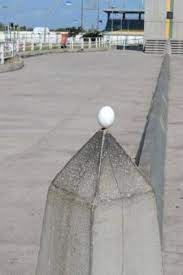
That strange thing is the feature of eggs. Eggs don’t fall down even when left on any sloped area at the imaginary line that divides the earth.
Balancing when eggs fall in Ecuador during spring
The Equator line has been a place for experiments with the eggs. Redline which demarcates the separation of the Northern and Southern Hemispheres, shows the strange reaction of balancing. While in other parts of the planets the eggs rolls if not placed on trays, balancing eggs is impossible, the equinoctial point is the only point that can balance even standing at the top of the nail top.
Why is this possible? It is because it is the period when the celestial bodies do not have any influence on material. Celestial bodies are considered to be responsible for movement and balance. The factors do not allow stability which leads to falling down.
An egg is one of the items that are highly influenced by electromagnetic and gravitational forces. Egg balancing is almost a harder task due to the attraction of the celestial bodies.
But the period of the Vernal Equinox makes a massive change in the behavior of the celestial bodies. It is because the sun travels from the southern to the northern hemisphere
At the end of the Vernal Equinox, the gravity is entirely balanced with the reduced magnetic effects on earth. The celestial bodies also do not force attraction that could cause the eggs to fall. Just on the tip of a nail head, the eggs are balanced.
Surely, you have heard of dates, had a glimpse of it, or have had the opportunity of consuming the fruit.
Whichever category you fall in, try tagging along with this article as it contains interesting mines.
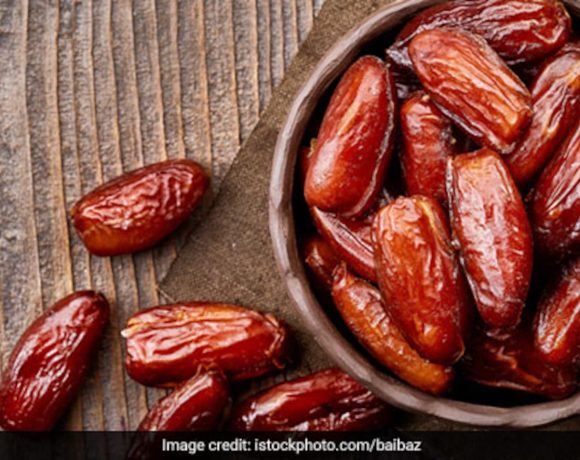
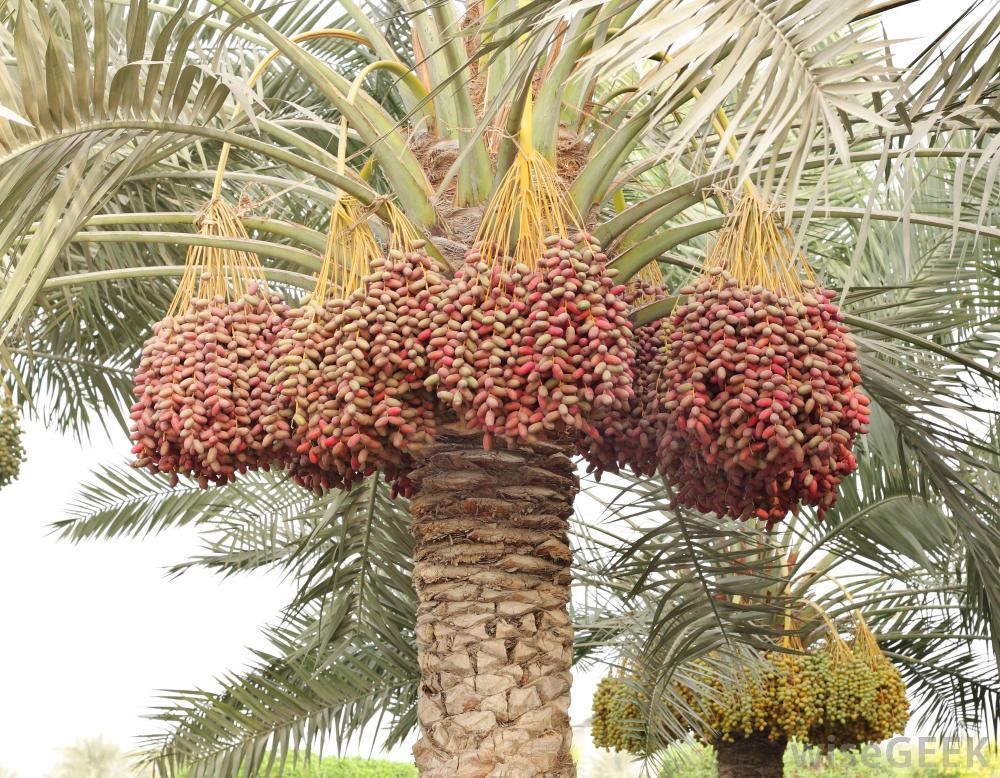
Dates date back to almost 5320 BC, and are basically tropical fruits that are grown on date palm trees. It’s scientifically known as Phoenix Dactylifera and is one of the healthiest fruits in the world.
Dates are categorised as dry fruits and have been an important part of West Asian heritage, the Middle East and North Africa. Mainly cultivated in these regions, dates are highly beneficial due to the innate composition of macronutrients and many other healthy elements with high concentrations of natural sugar content.
Dates are rich in fibre and a rich source of protective plant compounds that have antioxidant properties. These include polyphenols, carotenoids and lignans, which have been shown to help manage the risk of chronic disease.
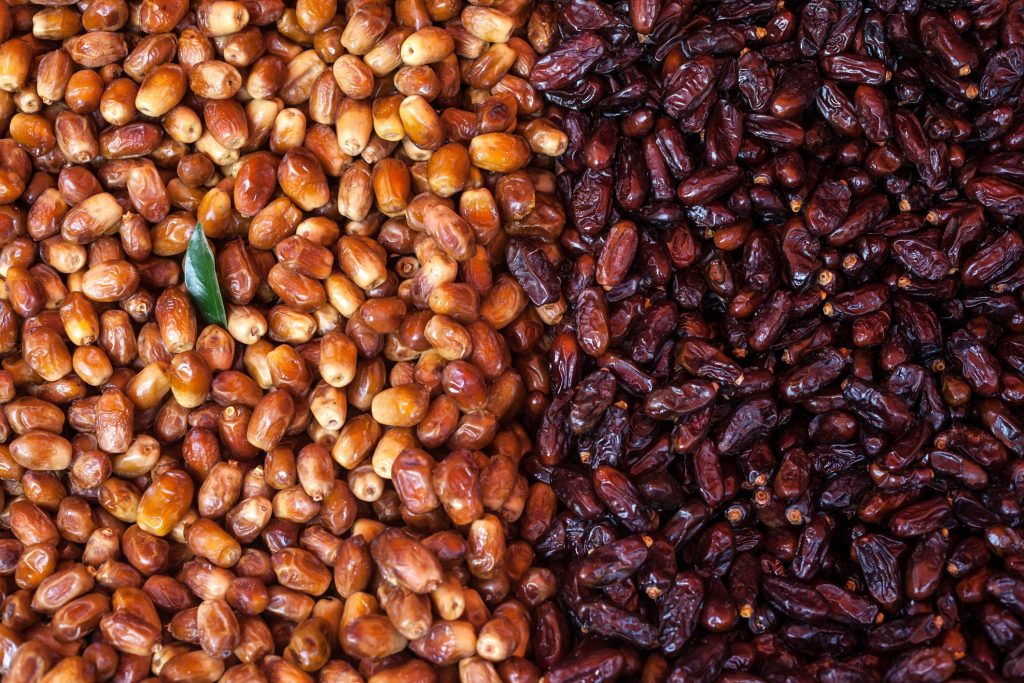
These fruits can be presented in either fresh or dried form. You can tell whether or not dates are dried based on their appearance. Wrinkled skin indicates they are dried, whereas smooth skin indicates freshness.
Depending on the variety, fresh dates are fairly small in size and range in color from bright red to bright yellow.
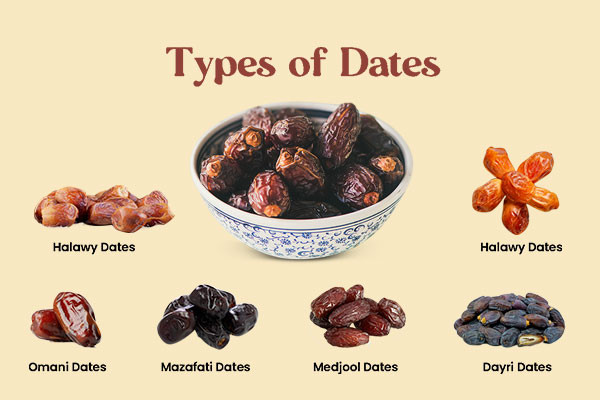
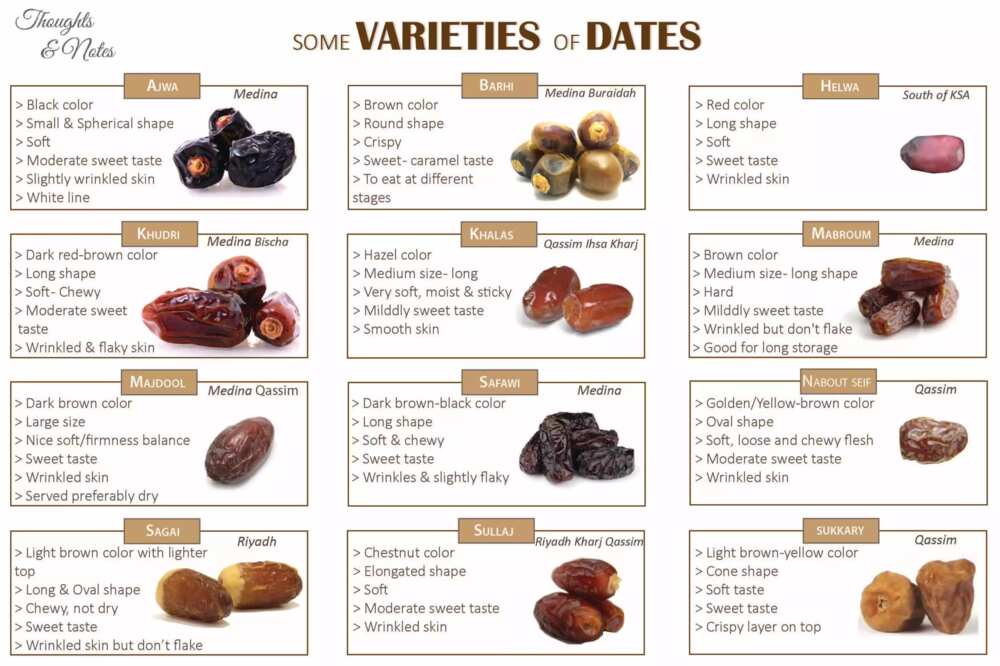
There are many varieties of dates fruits namely, Ajwa Dates, Ambera Dates, Hayani Dates, Iteema Dates, Kalmi Dates, Khola Dates, Mabroom Dates, Maktoom Dates, Migraf Dates, Saghai Dates, Saidy Dates and Warehouse but the common consumed varieties include Medjool and Deglet Noor dates.
The fruits are chewy with a sweet flavor. They are also high in some important nutrients and have a variety of advantages and uses.
For instance, If you are seeking to reduce the number of health issues you encounter due to the lack of nutrients present in your diet, dates are the one thing that you cannot choose to ignore from your daily diet.
The benefits of dates on health and also on the nutritional values cannot be overemphasised.
Some of the benefits are a follows:
Aids Healthy Bowel Movements:
The fibre content in dates is extremely high, this can be highly beneficial to people who are suffering from health issues caused due to irregular bowel movements as they can aid your digestive health and helps in living a healthy lifestyle.
High Concentration of Antioxidants:
Dates have antioxidants, which are basically compounds that inhibit the process of oxidation and thereby eliminate the dangerous free radicals which can cause a lot of harm to your cells. They also contain components like carotenoids which are known for their ability to significantly promote better heart health.
Dates also contain Flavonoids that benefit the body by helping with multiple issues. Flavonoids are known for their anti-inflammatory properties and their high affinity for helping to reduce the effects of chronic diseases such as diabetes. Flavonoids are also beneficial to your brain and work a lot towards the reduction of the risk for brain degenerative diseases such as Alzheimer’s. There are also indications that prove that Flavonoids can also help in reducing the risk of certain types of cancer too.
Another benefit is the presence of Phenolic acid which has a very good history in reducing the risk of developing cardiac issues and also works a lot in reducing the chances of being inflicted by certain types of cancer.
Improves Brain Functionality:
The regular use of dates has been found to be beneficial in reducing the risk of developing brain degenerative conditions such as Alzheimer as well as reducing issues related to anxiety disorder and also helps in boosting memory and learning.
Facilitates Natural Labour:
Studies have revealed that pregnant women who eat dates regularly have a higher chance of delivering by natural labour as it helps in reducing the pressure that is applied while trying to deliver the baby because the compound in dates has the ability to reduce the need for oxytocin during pregnancy. Dates also have a high concentration of tannins which also helps in facilitating contractions during labour.
Reduces Risk of Cancer:
In-depth studies about dates revealed that the presence of a compound called beta D-glucan in dates is very advantageous in promoting anti-tumor activity within the body. The high concentration of antioxidants in dates also helps in reducing the activities of free radicals (elements that can cause cancer) and thereby reduces the chances of cancer from happening. The daily consumption of dates can significantly reduce the risk of cancer and the occurrence of benign tumours too.
Helps Fight Diabetes:
Diabetes Mellitus is one of the most common diseases around the world. Diabetes is treated using synthetic medicines with a combination of several oral medicines and insulin supplementation.
Dates have the ability to increase the production of insulin and also have several properties that can help reduce the rate of absorption of glucose from the intestine. This can help a lot in reducing the risk that is posed by diabetes. The reduction of glucose absorption will inevitably reduce blood glucose levels that are beneficial for people suffering from diabetes
Can Protect Your Kidneys:
Dates have various properties that can help kidneys stay healthy in difficult circumstances. In a study conducted on Ajwa, a type of date that is mainly found in West Asia, it was found that the fruit can actively reduce the lesions caused by nephrological disorders. Dates extracts can also help reduce excess plasma and creatinine in the kidney which improves the overall health of kidneys.
Can Improve Fertility Among Males:
There are various vitamins and minerals present in the fruit which can help in improving the sperm count and also in increasing the sexual libido in the person. The presence of flavonoids and various amino acids in dates makes sure that the sexual performance of the male is fulfilled with enough energy. The microelements that are constituents of date palm such as estrone and sterols can help improve male fertility by a huge margin.
Promotes Bone Health:
Dates are highly rich in micronutrients such as selenium, manganese, magnesium and copper. These micronutrients help in the development of your bone health. Dates can be one of the most important supplements to your diet if you are suffering from bone problems.
Dates are Excellent Sweeteners
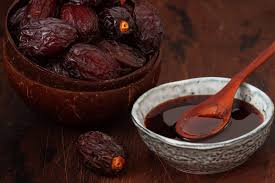
The high content of fructose in dates provides a caramel-like sweetness in the fruit. Substituting white sugar with dates, turned into a paste, can make your meal sweet as well as healthy at the same time.
Adds Strength to Your Nervous System:
The nervous system is basically the communication network that makes the body to function properly. Neurological problems are highly dangerous as they can affect multiple parts of the body at the same time.
Dates are rich in nutrients such as potassium which is very beneficial for neurological health. Foods that are high in potassium make communication between nerve cells easier. The low amount of sodium in dates also reduces the chances ofhypertension which in turn will help keep your nerves safe from increased blood pressure.
Reduces the Chance of Getting Night Blindness
The major cause of night blindness is long-term deprivation of vitamin A. Dates are rich in vitamin A and regular consumption of it can ensure that you do not get affected by night blindness in the long run.
With all the numerous benefits of date fruits, why not consider including it in your diet today to enjoy good health.
How do you discover your talents? Find time to read this piece, and you will be gingered to discover your talents easily.
What is talent?
“Talent” is a natural ability to do something exceptionally, or an inbuilt in human life.
Meanwhile, people mistaken talents to gifts, there is a difference between talents and gifts.
Talents Are Inherited, while Gifts Are Received.
Natural talents are those abilities inherited from one’s parents and nurtured in the context of one’s family endowment such as music, counseling, creative arts, creativity at large and many more.
A person’s talent is defined as a natural creative or artistic ability.
We all know people who are talented and come from a long line of family members who share the same talent.
A talent can be improved upon to unleash the best of the talent bearer.
Talents are connected to defining who or what we are or the person we eventually become.
It is important to discover your talents early in life.
Thus, the question is, how do you discover your talent so you can find out what and who you are?
Check within yourself:
In discovering your talent, you have to look within for what comes naturally to you. Look for activities you repeatedly do and love doing.
Some activities feel like reflex actions that you can do with ease. If you could find a pattern among those activities, it would lead to discovering your talents.
Hindustan Times
Explore/Make use of the talents:
Thinking about what comes naturally to you alone might not yield any results. It’s time you experiment and explore. When you explore, you try out new skills and learn new skills. You can learn a vocational course, pottery, and so on.
Exploring is a good way to find what you are willing to improve at. You might want to improve at writing, accounting, and so on. Trying out something new will expose you to a different aspect of yourself and possibly help you discover your talent.
Reviews:
A closer look at your past achievements will go a long way in enabling you to identify your strengths and discover your talents.
Check what you have been applauded for. It could be at your place of work, school, in your neighborhood, or in the society at large. These achievements could help you discover special abilities you possess easily.
Find a passion and follow it:
There are instances where a person might have a lot of things he or she is great at, but there is one thing that person enjoys doing and is passionate about.
Analysis:
Another way you can discover your talents is by doing a little analysis of unique activities you perform among your peers.
In this point, you might have to get feedbacks from your friends or family to tell you what activity you are so perfect at than anyone.
Which activity takes your time?:
Ensure you find the activity you always love doing at all times, while discovering your talent.
That exact talent which consumes your time, finding pleasure at doing it, and eventually you feel fulfilled doing it with all happiness.
In conclusion, endeavor you don’t overdo it while exhibiting the talents in other to be acceptable in the society at all times. In addition, pride comes before a fall, submit yourself to corrections, improvements, feedbacks, learning from other higher levels, to mention but a few, for you to retain the best way.
Don’t cross boundaries, and you will shine so bright.
C is for Cookie, and that’s good enough for me. Cookie, cookie, cookie starts with C.”
It’s the song that defined the childhood of countless Western children – Sesame Street’s beloved Cookie Monster, tucking into his favorite sweet snack.
Cookies remain a beloved treat throughout America and beyond, with numerous kids looking forward to a daily serving.
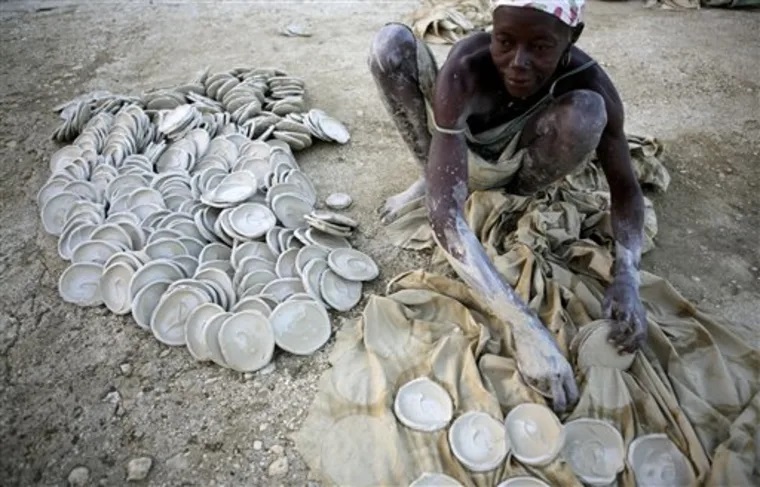
The people of Haiti regularly eat cookies, too.
Sadly, the experience isn’t quite as enticing.
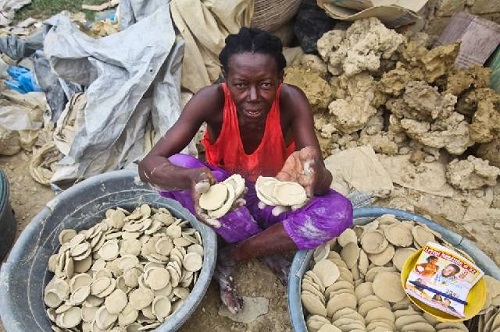
Haiti is one of the world’s poorest nations, with over 80% of the population living below the poverty line. This leaves the starving locals desperate for sustenance and creating cookies from mud simply to survive.
Well, it’s not exactly ideal, but sadly, the people of Haiti have no real alternative.
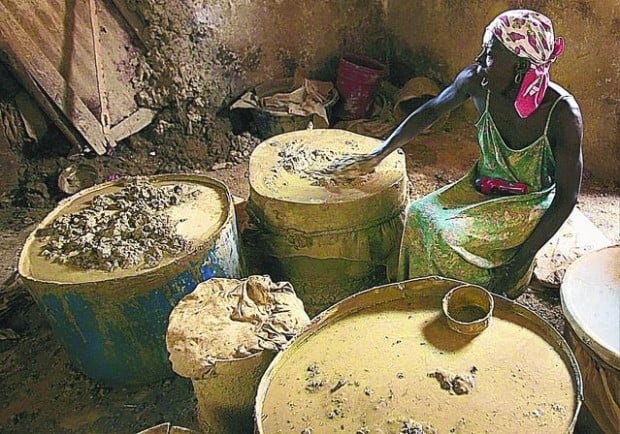
With food scarce and prices high, many Haitians are forced to create their own food from mud, with butter and salt added to make the snack comparatively palatable. In some cases, sugar may be applied, if it’s available.
As you can imagine, these ‘dirt cookies’ have virtually no nutritional value.
As the country already has the Western hemisphere’s highest rates of death in under-fives, that’s hardly ideal.
Haiti also has serious mortality issues surrounding respiratory infections, tuberculosis, and diarrhea, and eating dirt will do very little to alleviate this.
In the best case scenario, these mud cookies will bolster the weak immune systems of Haitians. With access to medication being very limited, the people of the country need to do all they can to help themselves.
At worst, however, eating soil can make somebody even sicker than they already are.
The water supply of Haiti is often contaminated. Naturally, this water will make its way into the soil as well as being drunk.
We want to make it abundantly clear that we don’t recommend or condone this. If you get sick as a result of this culinary experimentation, The Sized will carry no legal responsibility.
If you’re still determined to try this so that you can experience what life is like for the bottom end of the 99%, however, here’s how to do it.
Dig up some dirt from your backyard or a similar location.
Place it in a bowl.
Add water. You’ll want roughly half as much water as you have dirt or mud.
Sprinkle in some salt and butter or margarine. If you’re going to imitate a comparatively luxurious Haitian lifestyle, add some sugar too.
Mix all of these ingredients by hand and mold them into cookie shapes.
Place on a baking tray, and heat at around 180 degrees for 20 minutes.
This will give you a taste of Haiti, and hopefully, some perspective of just how challenging life is for the people of this nation. Mud cookies may not be appealing to the palate, but they’re all that stands between many Haitians and starvation.
Arizona Daily Star
If you hold the unwelcome title of the poorest country in the Western hemisphere, something has clearly gone very wrong somewhere along the way. Just how has Haiti ended up in such a state of economic turbulence?
The problems stem back to the 18th century when Haiti was a French colony that was exploited mainly for its slave labour.
The country had several sugar plantations, which were owned by a handful of precious fat cats.
This created an unequal distribution of wealth throughout the country that remains to this day.
Though not everybody in Haiti is so poor, they are reduced to eating dirt but many are.
NBC
Other countries have done little to help Haiti. France vacated the country in 1804 but insisted on being repaid the money they were owed due to lost slaves. It took Haiti until 1947 to repay this amount in full.
In between these dates, the USA had a turn at occupation early in the 20th century. Even after America moved out, it continued to meddle in Haitian politics. As the country has not enjoyed trustworthy governments over the years, this has hardly helped matters.
More recently, environmental disasters have devastated Haiti. In 2010, the country was rocked to its very core by an earthquake. International charities came to the rescue in theory. In reality, very little was achieved. Haiti was undoubtedly not “built back better,” as some catchy donation appeals claimed it would be.
This earthquake set Haiti back considerably. Any chance the nation then had of getting back on its feet was swept away in 2016, literally. Hurricane Michael rampaged through Haiti, destroying 90% of the homes on the coast and severely damaging hundreds of thousands of others.
Since these natural disasters, an outbreak of cholera has further decimated the country. Foreign assistance continues to pour in, but it seems that Haiti is consistently battling against a tide of ill fortune
Brazilian wandering spiders, also called armed spiders or banana spiders, belong to the genus Phoneutria, which means “murderess” in Greek.
And it’s no wonder why it’s one of the most venomous spiders on Earth.
Its bite, which delivers neurotoxic venom, can be deadly to humans, especially children, although antivenom makes death unlikely.
Brazilian wandering spiders typically live for one or two years.
According to the Natural History Museum in Karlsruhe, Germany, the spiders’ venom is a complex cocktail of toxins, proteins and peptides.
The venom affects ion channels and chemical receptors in victims’ neuromuscular systems.
An arachnologist at the University of the West Indies in Trinidad and Tobago, Jo-Anne Sewlal pointed out, “Classifying an animal as deadly is controversial,” as the amount of damage depends on the amount of venom injected.
Within 30 minutes, symptoms become systemic and include high or low blood pressure, fast or a slow heart rate, nausea, abdominal cramping, hypothermia, vertigo, blurred vision, convulsions and excessive sweating associated with shock.
In addition to intense pain and possible medical complications, the bite of a Brazilian wandering spider can deliver a long, painful erection to human males, Live Science previously reported.
The venom boosts nitric oxide, a chemical that increases blood flow. Several studies have looked at incorporating the venom into drugs for erectile dysfunction.
2008 Article in the journal American Entomologist showed that there are nine species of Brazilian wandering spider, all of which are nocturnal and can be found in Brazil.
Some of the species also can be found throughout Central and South America, from Costa Rica to Argentina.
According to Sewlal, these arachnids “are called wandering spiders because they do not build webs but wander on the forest floor at night, actively hunting prey.” They kill by both ambush and direct attack.
They spend most of their day hiding under logs or in crevices, and come out to hunt at night. They eat insects, other spiders and sometimes, small amphibians, reptiles and mice.
Guinness World Records has previously named the Brazilian wandering spider the world’s most venomous spider multiple times (though the current record-holder is the Sydney funnel-web spider, Atrax robustus, according to Guinness).
However, an arachnologist at the University of the West Indies in Trinidad and Tobago, Jo-Anne Sewlal pointed out, “Classifying an animal as deadly is controversial,” as the amount of damage depends on the amount of venom injected.
Because of the toxicity of their bite and their alarming-looking posture, these spiders have a reputation for being aggressive. But these behaviors are actually defense mechanisms.
“When threatened, they will raise their first two pairs of legs,” Sewlal said. This dramatic and intimidating posture exposes the scarlet hair surrounding the fangs on some species. Their threatened stance serves as a warning, indicating to predators that the poisonous spider is ready to attack.
“Their bites are a means of self-defense and only done if they are provoked intentionally or by accident,” Sewlal said.
In almost all spider species, the female is larger than the male. This dimorphism is no different in the Brazilian wandering spider. Males approach females cautiously when attempting to mate, according to the biology department at the University of Wisconsin-La Crosse. Males perform a dance to get females’ attention, and males often fight each other over the female. The female can be picky, and she often turns down many males before choosing a mating partner. Once she does pick one, the male needs to watch out; females often attack the males once copulation is finished.
The female then can store the sperm in a separate chamber from the eggs until she is ready to fertilize them. She will lay up to 1,000 eggs at a time, which are kept safe in a spun-silk egg sac.
“It is unlikely that the spider would inject all of its venom into you, as this venom is not only needed as a means of defense but to immobilize prey,” Sewlal said.
“So if it did inject all of its venom, it would have to wait until its body manufactured more before it could hunt.” That would also leave the spider vulnerable to being attacked by predators.
Above all, People who are bitten by a Brazilian wandering spider should seek medical attention immediately.
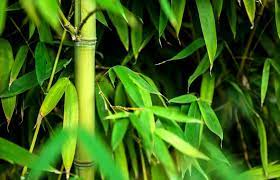
The versatile bamboo leaves are from the Poaceae grass family, found in tropical and subtropical areas, especially in the monsoon and wet tropics.
The grass grows as tall as 40 meters and offers a host of vitamins and minerals.
Yoruba called it Ewe Oparun, Bishiyar Bamboo in Hausa and Igbo call it Atosi.
People living in Japan, Taiwan, India, China and Southeast and South Asia dine on bamboo, adding cooked bamboo shoots to salad and other recipes.
Bamboo is packed with vitamins and essential minerals such as niacin, vitamin A, vitamin B6, and vitamin E, which is the body’s most powerful antioxidant.
It is known to naturally enhance collagen production, help to detox the body, and boost natural immunity.
There are a myriad of bamboo leaves benefits that range from physical benefits to soil support to household benefits.
You may have seen bamboo furniture, household decorations and healthy food that are taken in as vitamins, minerals and vegetables.
Yet, the first image that might pop into your mind when you hear the term “bamboo leaf” is those giant, cuddly looking red pandas that frolic in mountains in the South Central part of China.
Madagascar’s lemurs love eating bamboo leaves too. But, what’s the big attraction? What are the benefits of bamboo that you might be missing out on?
Bamboo leaves also served as the panda’s primary food source, helping to keep pandas from extinction centuries ago.
To get the most of the bamboo leaves benefits, it is important to ensure that bamboo leaves are properly cleaned, cooked and prepared.
Among the bamboo properties are the stem, the stem base, the stem petiole, sheath, blade, culm, node and bamboo shoots.
The shoots and bamboo leaves are the edible part of bamboo. This is how to likely get bamboo leaves benefits. Knowing how to separate the shoots and leaves from other parts of the plant is another fact to be familiar with. If the plant is grown in mass, pulling the edible parts of bamboo away from the stem could take time; creating a delay as it regards getting bamboo leaves benefits.
Just as people do in Asia, you can dine on bamboo leaves, eating them like vegetables by using Herbal Goodness bamboo leaves in salads. You can also gain bamboo leaves benefits from drinking bamboo leaf tea, a drink that offers a mild, sweet taste. Cook the shoots and you can acquire a texture similar to asparagus. It is no wonder that bamboo leaves benefits and bamboo leaf menu items are popular in different parts of the world.
The United States Department of Energy’s Office of Science shares that bamboo leaf extract is known for its antioxidants.
Additionally, bamboo leaves benefits may include antibacterial activity. Amino acid, potassium, calcium, magnesium, copper, iron, zinc and phosphorous are minerals and other benefits found in plants from the Poaceae grass family.
Other bamboo leaves benefits include vitamin E, vitamin B6, vitamin A, niacin and thiamine. As a plant high in protein, bamboo leaves and bamboo shoots may have a positive effect on metabolism.
Report shows that some women in India consume edible parts of bamboo that has been safely prepared as a way to balance an irregular menstrual cycle.
As many as 17 amino acids have been found in bamboo shoots. Fortunately, this is one of the edible parts of the plant. If you’re physically active, going to the gym three or more days a week or if you run, bike ride or swim each day, amino acids may be a good protein supplement. And, this brings up another of the bamboo leaves benefits.
Bamboo shoots offer protein. Even more, you can take in protein even after cooking bamboo shoots for 15 to 20 minutes. Fiber and carbohydrates are other bamboo leaves benefits. If you’re a long distance runner or if you ran middle and long distance track in high school or college, you know the role that carbohydrates play in fueling your body.
An extra benefit is that bamboo shoots and bamboo leaves are low in calories. In fact, a cup of bamboo shoots can have less than 50 calories. Of course, as with other plants, the actual calories in a bamboo leaf menu depends on how you prepare the plant. For instance, you could add soy sauce, chicken broth, ground pork, baked chicken and sesame oil to bamboo shoots or bamboo leaves, increasing caloric intake.
One of the biggest benefit is it promotes hair growth. If you are losing hair, have a cup of bamboo tea daily and watch the amazing results.
Bamboo contains about 70% silica, which is the highest in any plant. It is this silica that benefits skin, nails, and hair tremendously by encouraging the production of collagen, one of the essential proteins needed for maintaining the youthfulness of skin and tissues.
Uses of bamboo are not new. This fantastic plant is been used since centuries. Just like coconut, almost all parts of bamboo plant can be utilized. The edible part is bamboo shoot.
Although, bamboo leaves are inedible, the leaves can be crushed and processed and used for making tea. Bamboo tea bags are readily available in the market.
In summary health benefits of bamboo leaves are:
It aids in digestion.
The high silica content helps to alleviate diarrhea and bloating.
If you are suffering from the problem of flatulence, have a cup of bamboo tea daily for a few days.
Bamboo leaf tea is one of the most effective remedies to fight hair loss.
It can also improve condition of skin and impart it a healthier glow.
Silica is an essential trace mineral required for increasing flexibility and strength of connective tissues in the body, including bones and cartilage. A cup of bamboo leaf tea daily can do wonders to you.
Funmi Adekoya in this piece examines sexual and gender-based violence and Child Early and Forced Marriage as social menace that require concerted efforts to checkmate
Sexual and Gender-Based Violence, SGBV, is any harmful act perpetrated against a person’s will, and that is based on socially ascribed differences between male and female.
These include rape, domestic violence, sexual exploitation, trafficking in persons and harmful traditional practices.
According to data from the Nigerian National Population Commission, NPC, Gender Based Violence, experienced by Nigerian women throughout their lifetime, from either their present husband, is put at 19% for demonstrative or emotional violence, 14% for physical violence, and 5% for sexual abuse.
Also, data on different forms of violence against women submitted by United Nations (UN) human rights bodies shows that 22.3% women experience Lifetime Physical and/or Sexual Intimate Partner Violence, while 13.8% experience Physical and/or Sexual Intimate Partner Violence in the last 12 months. The record also indicates that Child Marriage is 43.4%, Female Genital Mutilation/Cutting is 19.5%.
Ending Sexual and Gender-Based Violence (SGBV) and Child Early and Forced Marriage (CEFM) are complex and multifaceted tasks that require collective efforts from individuals, communities, governments, and organizations.
However, identifying and addressing the underlying factors that contribute to SGBV such as poverty, unequal power dynamics, and lack of access to resources and education, is key to mobilizing communities to actively address SGBV by organizing workshops, discussion forums, and events focused on raising awareness and promoting collective responsibility.
Little wonder experts on Sexual and Gender Based Violence and Child Early and Forced Marriage are calling for collaborative effort to identify best practices and evidence-based approaches.
According to the Coordinator, Care-Fronting Nigeria, Dr. Maji Peterx, government at all levels should ensure implementation of policies against Sexual and Gender Based Violence.
He advocated fostering international cooperation to combat cross-border Sexual and Gender Based Violence, human trafficking, and other forms of violence that impact vulnerable populations.
“What we are looking at is the mobilization of critical mass of people to buy into the idea that we are all in this together, the issue of Child Early and Forced Marriage (CEFM) and Sexual and Gender Based Violence (SGBV) is not a one-man thing, it is an everybody thing.”
Dr. Peterx emphasized the need to enact comprehensive laws and initiate policies that address SGBV including laws against domestic violence, rape, and sexual harassment, and particularly enforcing the laws, while the legal system should also be sensitive to the needs of survivors and perpetrators are held accountable.
He called for policy formulation towards achieving gender equality in all aspects of life including education, employment, decision-making roles; challenging and dismantling patriarchal systems that perpetuate violence and discrimination
“Promote gender equality by engaging men and boys in discussions about challenging harmful masculinity, stereotypes and promoting healthy, respectful attitudes towards women and girls. Encourage male allies to speak out against SGBV and take an active role in creating safe communities.”
Dr. Peterx said the media had key role to play through reportage of SGBV cases while avoiding sensationalism and victim-blaming narratives, and as well utilizing media platforms to raise awareness and promote positive messages about respect, consent, and equality, which is very important.
“We must capitalize on the power of the media to give us this narrative that would raise awareness and consciousness. We the Civil Society must design a pattern for advocacy to get more people to understand our advocacy, so that they will know that if we don’t deal with SGBV and CEFMit, they will deal with us. We can therefore all work together to bring an end to it.”
Dr. Peterx added “I think many at times, government look for short time solution to a long time problem. We need bills and policies to ensure that gender issue is a structural and systemic issue, so that when government is making policies, it would be a law that protects the lives of all.
“Although, government is signatory to Act, international convention, do they implement and enforce? That is why we want government to see to the implementation of treaty they are signatory to.”
While corroborating the opinion of Dr. Peterx, Program Manager, International Federation of Women Lawyers, FIDA Nigeria, Mr. Fikih Obaro highlighted some keys steps to end Sexual and Gender Based Violence, Child Early and Forced Marriage.
“I think what is critical is behavioural change. Behavioural change is key towards ensuring that we have effective solution on SGBV and CEFM, and what that means is, basically we need to go back to the root, we need to go back to the community, we need to sensitize person, we need to provide avenue where people can change their behaviour from being perpetrator or being abusive to being supporters structurally for survivors of Gender Based violence.
“So sensitisation is key to behavioural change, advocacy is key towards achieving behavioural change. There has to be concerted advocacy from the grassroots down to upper echelons towards ensuring that we have a society that responds positively to Sexual and Gender Based Violence”.
Mr. Obaro called for provision of accessible and survivor-centered support services including counseling, medical care, legal aid, and safe shelter for survivors of SGBV, with survivors encouraged to come forward by reducing stigma, victim-blaming, and ensuring their safety during the reporting and investigation process.
“In terms of reintegration of survivors back to the society, Obaro said it is key that Nigeria has a victim protection approach and victim protection system whereby survivors of Sexual and Gender Based Violence are being reintegrated back into the society without fear of stigmatisation.”
“We need to create safe homes, we need to create effective shelter, we need to create safe avenues so that they can have succour an enabling environment for them to be empowered and be gradually reintegrated back to the society “.
In his own contribution, Program Coordinator, Child and Youth Protection Foundation, Mr. Olatosimi Kolawole called on civil society organizations to collaborate with government in the implementation and monitoring of policies on Sexual and Gender Based violence.
“The first thing we need to do as CSO is to recognize that government have policies that addresses the issue of Sexual and Gender Based Violence, understand the provision of these policies and understand that we need to start engaging with government to have a budget head for the implementation.”
“Implementation is vital, and I know that CSOs can push for the implementation of these policies and monitoring the implementation of the policies. When this is done we will see that government policies are actually speaking to the yearning and aspirations of the people.”
Mr. Kolawole said CSOs should regularly evaluate the effectiveness of SGBV prevention and response initiatives and make necessary adjustments based on feedback and data.
“Remember, ending SGBV is an ongoing process that requires each person’s actions, no matter how small, to contribute to a safer and more equitable world.”
Care to know what cinnamon is? Or want to have a feel of what it does to your kinetics, health and metabolism; then read this.
Cinnamon is a spice that is made from the inner bark of trees scientifically known as Cinnamomum.
It has been used as an ingredient throughout history, dating back as far as ancient Egypt. It used to be rare and valuable and was regarded as a gift fit for kings.
These days, cinnamon is affordable and widely available in most supermarkets. It is also found as an ingredient in various foods and recipes.
Antioxidants protect your body from oxidative damage caused by free radicals.
Cinnamon is loaded with powerful antioxidants, including polyphenols.
One study found that cinnamon supplementation could significantly increase antioxidant levels in the blood while reducing levels of markers used to measure inflammation, such as C-reactive protein.
In fact, the antioxidant effects of cinnamon are so powerful that it can even be used as a natural food preservative.
3. May have anti-inflammatory properties
Inflammation is incredibly important as it helps your body respond to infections and repair tissue damage.
However, inflammation can become a problem when it is chronic and directed against your body’s own tissues.
Cinnamon may be useful in this regard. Studies show that this spice and its antioxidants have potent anti-inflammatory properties.
Cinnamon has been linked to a reduced risk of heart disease, which is the leading cause of death around the globe.
According to one review, supplementing with at least 1.5 grams (g), or about 3/4 of a teaspoon (tsp.), of cinnamon per day was able to reduce levels of triglycerides, total cholesterol, LDL (bad) cholesterol, and blood sugar in people with metabolic disease.
Another review of 13 studies found that cinnamon could reduce triglyceride and total cholesterol levels, both of which are risk factors for heart disease.
Cinnamon has also been shown to reduce blood pressure when consumed consistently for at least 8 weeks.
When combined, all of these factors could help reduce your risk of heart disease.
Insulin is one of the key hormones that regulate metabolism and energy use.
It is also essential for transporting blood sugar from your bloodstream to your cells.
However, some people are resistant to the effects of insulin. This is known as insulin resistance, a hallmark of conditions like metabolic syndrome and type 2 diabetes.
While more research is needed, some studies suggest that cinnamon may be able to reduce insulin resistance.
By increasing insulin sensitivity, cinnamon can lower blood sugar levels and support better blood sugar control.
Cinnamon is well known for its blood-sugar-lowering properties.
Apart from the beneficial effects on insulin resistance, cinnamon can lower blood sugar through several other mechanisms.
First, cinnamon has been shown to decrease the amount of sugar that enters your bloodstream after a meal.
It does this by interfering with numerous digestive enzymes, which slows the breakdown of carbohydrates in your digestive tract.
Second, a compound in cinnamon may mimic the effects of insulin to improve the uptake of sugar into the cells.
Numerous human studies have confirmed the beneficial effects of cinnamon, showing that it can lower fasting blood sugar levels and improve hemoglobin A1c, a marker of long-term blood sugar control.
The effective dose is typically 1–6 g, or around 0.5–2 tsp. of cinnamon per day.
Neurodegenerative diseases are characterized by progressive loss of the structure or function of nerve cells.
Alzheimer’s and Parkinson’s disease are two of the most common types.
Certain compounds found in cinnamon appear to inhibit the buildup of a protein called tau in the brain, which is one of the hallmarks of Alzheimer’s disease.
In a 2014 study in mice with Parkinson’s disease, cinnamon helped protect neurons, normalized neurotransmitter levels, and improved motor function.
However, these effects need to be studied further in humans.
Cinnamon has been widely studied for its potential use in cancer prevention and treatment.
Overall, the evidence is limited to test-tube and animal studies, which suggests that cinnamon extracts may protect against cancer.
It acts by reducing the growth of cancer cells and the formation of blood vessels in tumors and appears to be toxic to cancer cells, causing cell death.
One study in mice with ovarian cancer found that cinnamaldehyde could block the expression of certain proteins involved in cancer growth.
These findings were supported by test-tube experiments, which showed that cinnamaldehyde could reduce the growth and spread of ovarian cancer cells.
However, more research is needed to evaluate the potential anti-cancer effects of cinnamon in humans.
Some research suggests that cinnamon may help protect against certain viruses.
For example, cinnamon extracted from Cassia varieties is thought to be beneficial against HIV-1, the most common strain of HIV in humans.
Other studies suggest that cinnamon could also protect against other viruses, including influenza and Dengue, a viral infection transmitted by mosquitoes.
Still, additional human trials are needed to confirm these effects.
Twitter’s owner, Elon Musk and its new CEO says the social media network would ditch its bird logo, be rebranded with the name X and move quickly into payments, banking and commerce.
Founded in 2006, Twitter takes its name from the sound of birds chattering, and it has used avian branding since its early days, when the company bought a stock symbol of a light blue bird for $15, according to the design website Creative Bloq.
Tweeting a picture of the company’s new logo, a white X on a black background late Sunday night, Twitter Chief Executive, Linda Yaccarino said “X is here! Let’s do this.”
Also late Sunday night, Musk changed his profile picture to the company’s new logo, which he described as “minimalist art deco,” and changed his Twitter bio to “X.com,” which now redirects to twitter.com.
Musk had earlier tweeted that “If a good enough X logo is posted tonight, we’ll make (it) go live worldwide tomorrow.”
Musk also tweeted that under the site’s new identity, a post would be called “an X.”
The changes were not visible on the website as of 0630 GMT Monday.
Musk had already named Twitter’s parent company the X Corporation, and previously said his takeover of the social media giant was “an accelerant to creating X, the everything app” a reference to the X.com company he founded in 1999, a later version of which went on to become payments giant PayPal.
Such an app could still function as a social media platform, and also include messaging and mobile payments.
“Powered by AI, X will connect us in ways we’re just beginning to imagine,” Yaccarino tweeted earlier on Sunday.
Yaccarino, an advertising sales executive at NBCUniversal who Musk poached last month to become Twitter’s CEO, said the social media platform was on the cusp of broadening its scope.
“X is the future state of unlimited interactivity centered in audio, video, messaging, payments/banking – creating a global marketplace for ideas, goods, services, and opportunities,” Yaccarino tweeted.