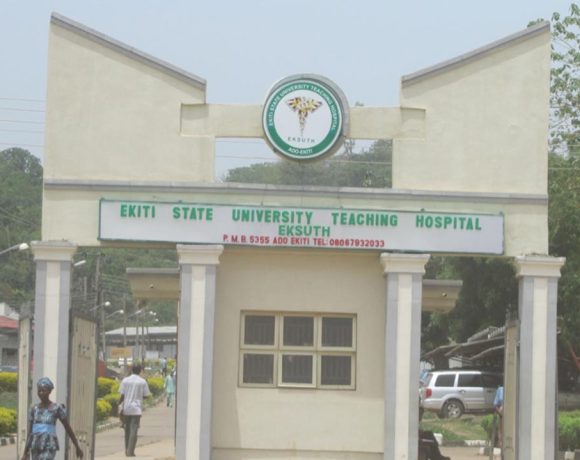
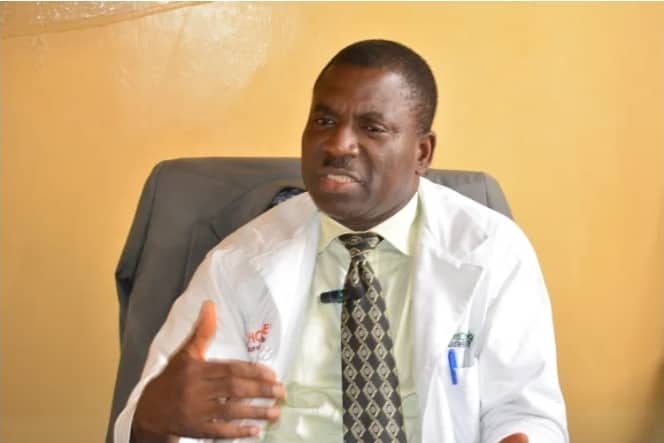
The Ekiti State Government has dismissed a surgeon at the Ekiti State University Teaching Hospital, EKSUTH, Ado-Ekiti, for illegally removing the two kidneys of a teacher, Mr. Joshua Afolayan, during surgery.The dismissal takes immediate effect.
The action followed the approval and implementation of recommendations by a seven-member Panel of Enquiry chaired by Professor Francis Faduyile, set up to investigate the incident.
In a statement, the Commissioner for Health, Dr. Oyebanji Filani, said all members of the surgical team present in the theatre on the day of the operation have been suspended for one month, pending further administrative review.
Dr. Filani announced that the Ekiti State Government will fully fund a new kidney transplant for Mr. Afolayan.
He added that the government will also cover the cost of post-transplant care and transplant-related medical maintenance for a period of two years.
According to the Health Commissioner, the government will carry out a comprehensive reorganisation of relevant departments within EKSUTH to strengthen clinical governance, accountability, and patient safety.
He reaffirmed the government’s commitment to protecting patients, enforcing ethical and professional standards, and restoring public confidence in the Ekiti State health system.
Yobe State has emerged as the overall best-performing state in the 2025 Primary Healthcare Leadership Challenge, winning a total of $1.2 million as Nigerian governors collectively raised health sector allocations to ₦2.36 trillion to strengthen primary healthcare delivery nationwide.
The state clinched the top honour at the award ceremony held in Abuja, securing a $700,000 grand prize for its outstanding commitment to advancing primary healthcare services.
Yobe State also won the Zonal Best Performing State award for the North-East, earning an additional $500,000, bringing its total winnings to $1.2 million.
Under the zonal awards structure, each geopolitical zone winner received $500,000, while first runners-up in each zone were awarded $400,000, creating an incentive framework designed to reward excellence and promote continuous improvement.
Other Zonal Best Performing State award recipients were Nasarawa State (North-Central), Zamfara State (North-West), Abia State (South-East), Rivers State (South-South), and Osun State (South-West).
The zonal runners-up were Gombe State (North-East), Kwara State (North-Central), Kaduna State (North-West), Anambra State (South-East), Bayelsa State (South-South), and Ogun State (South-West).
In his address, Vice-President Kassim Shettima congratulated the award winners and commended state governors for their leadership and commitment to improving health outcomes.
Represented by the Minister of Health, Ali Pate, the Vice-President said initiatives such as the Primary Healthcare Leadership Challenge promote healthy competition that ultimately benefits the nation.He highlighted progress made since governors signed a long-term compact with President Bola Tinubu two years ago under the sector-wide health renewal programme.
“Between 2024 and now, we’ve seen 20 states surpassing their targets in 2024,” he said.
Stressing the importance of healthcare to national development, Shettima added, “Health is a fundamental aspiration for every human being. Wherever you see good health, someone has invested in it. State governments, Federal Government, all of us have to invest in health.”
He urged state governments to further increase healthcare investments, projecting that total sector allocations should reach at least ₦3.5 trillion in the next fiscal year.
Acknowledging the financial barriers faced by many Nigerians, Senator Shettima said the Federal Government is intervening to reduce the cost of drugs, diagnostics, and medical tests, particularly for vulnerable populations, and called on states to align with these efforts.
He noted that sustained investment in health delivers multiple benefits, including a healthier and more productive population, stronger human capital, and more resilient communities.
Earlier, the Chairman of the Nigeria Governors’ Forum and Governor of Kwara State, AbdulRahman AbdulRazaq, announced that Nigeria’s 36 states have collectively increased their health budgets to ₦2.36 trillion for 2025.
Represented by the Governor of Nasarawa State, Abdullahi Sule, the NGF Chairman said the figure marks a significant rise from previous years, with 30 per cent of total allocations dedicated to primary healthcare.
He said, “Indeed, over the last three years, States have increased their budget allocations to health, resulting in significant infrastructural upgrades across PHC facilities and expanded recruitment of human resources for health.”
According to him, “The combined health budget for the 36 States has grown from ₦831 billion in 2022, to ₦927 billion in 2023, ₦1.4 trillion in 2024, and ₦2.36 trillion in 2025 with 30 per cent of these annual budgets dedicated to PHC.”
Governor AbdulRazaq said the investments are already yielding results, including reduced institutional maternal mortality, adding, “The steady progress from the first to the second round and now to the third demonstrates clearly that when leadership is intentional and accountable, measurable and transformative change is possible.”
He also announced that an expanded scorecard to track subnational commitments under the Health Sector Renewal Compact will be launched in 2026 to enhance transparency and accountability.
In his remarks, the Executive Director of the National Primary Health Care Development Agency, Muyi Aina, highlighted key achievements recorded through collaboration with state governments.
The event was organised by the Nigeria Governors’ Forum in collaboration with the Federal Ministry of Health and Social Welfare, the National Primary Health Care Development Agency, and UNICEF, with support from the Bill and Melinda Gates Foundation.
The Primary Healthcare Leadership Challenge aims to promote accountability among states and encourage healthy competition to improve healthcare delivery nationwide.
Member representing Ibadan North Federal Constituency, Mr. Fola Oyekunle has sponsored two establishment bills which scaled First Reading on the floor of the House of Representatives.
The bills are Establishment of the Federal Vocational and Skill Acquisition College, Ibadan North, Oyo State and Bill for the Establishment of the Federal College of Nursing and Midwifery, Ibadan North.
These bills, when passed into law, are expected to significantly boost access to vocational training and quality healthcare education within Ibadan North and its environs.
Speaking on the motivation behind the bills, Mr. Oyekunle stated that the Vocational and Skill Acquisition College would serve as a vital platform to empower the youth with practical and technical skills that can reduce unemployment and drive local economic growth.
Similarly, the College of Nursing and Midwifery is aimed at addressing the shortage of qualified health professionals and improving maternal and child healthcare delivery in the region.
Both institutions are also expected to attract federal investment into the constituency and create job opportunities for residents.
The lawmaker reaffirmed his commitment to prioritizing education, health, and youth development as critical pillars for sustainable progress in Ibadan North.
As the world marks Universal Health Coverage, UHC, Day, stakeholders across the health sector are renewing calls for stronger action to ensure that every individual have access to quality healthcare without financial hardship.
This year’s global theme, “Unaffordable health costs? We’re sick of it”, highlights the growing burden of rising medical expenses on families, particularly in low- and middle-income countries like Nigeria.
Stakeholders, including residents of Osogbo, Osun State, lament treatment costs for common illnesses, limited health insurance coverage, long distances to facilities, and inadequate health workers especially for rural and vulnerable populations.
Also, a senior nurse at a private healthcare centre in Osun State, Mrs. Kemi Olabanji, emphasized the urgency of addressing affordability and access gaps.
In his own submission, a health analyst, Mr. Joshua Oladeni called for expanded coverage of the Basic Healthcare Provision Fund, sustained investment in primary healthcare centres, and effective implementation of state health insurance schemes.
This year’s theme is a reminder that the world is still far from achieving universal access to care, while the global message remains clear, health systems must be people-centred, fair, and financially accessible.
The Chairman, Board of Management of Ekiti State University Teaching Hospital, EKSUTH, Ado–Ekiti, Dr Adedamola Dada, has constituted a seven-man Panel to look into the alleged case of kidney removal in the hospital by Mr. Joshua Afolayan, a patient who had a surgery recently in the facility.
This was contained in a statement made available to newsmen by the Head, Corporate Affairs of the Hospital, Mrs Rolake Adewumi.
The statement says that Professor Francis Faduyile, an Anatomic Pathologist from the Lagos State University Teaching Hospital, will serve as the Chairman of the panel.
Other members include Professor Patrick Adegun of the Federal University, Oye Ekiti, Dr. Henry Abiyere from Federal Teaching Hospital, Ido–Ekiti, Dr. Adebola Agbaje, General Manager, Progress F.M, Ado- Ekiti.
Also, Reverend Emmanuel Aribasoye, Chairman, Christian Association of Nigeria, Ekiti State branch, High Chief Babatunde Akindele, the Elemo of Ado–Ekiti are members, while Mr Adebayo Titilayo, the Legal Adviser to Ekiti State Ministry of Health will serve as Secretary to the panel.
The panel has ten days to submit its report.
The hospital management, while assuring the public that no stone will be left unturned to determine the issues involved in the matter, noted that members of the panel are independent and responsible members of the community who would exhibit fairness and justice.
The statement, therefore called on all affected parties and members of the general public to cooperate with the panel as the findings are being awaited.
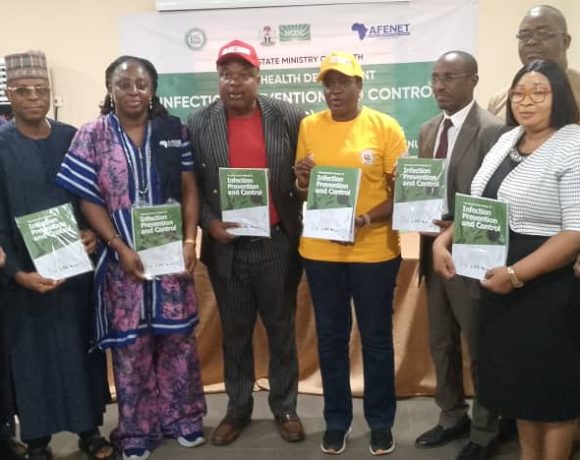
The Ogun State Government has approved a comprehensive Infection Prevention and Control (IPC) Manual aimed at protecting patients and front line health workers while reducing the spread of infectious diseases across health facilities in the State.
At the validation meeting in Abeokuta, the Commissioner for Health, Dr. Tomi Coker, said the manual represents a major step toward strengthening healthcare delivery and ensuring that evidence-based practices become standard across public and private facilities.
Events in recent years, from the COVID-19 pandemic to recurring outbreaks of Lassa fever, Cholera, mpox, and other infectious diseases, have further reinforced the reality that robust IPC systems are not optional components of our health architecture. They are fundamental to the survival and effectiveness of the entire health sector.”
“That is why we have worked assiduously alongside our partners to develop this manual. It will serve as a uniform reference document for training, supportive supervision, and audits across public and private health facilities,” she said.
Dr Coker noted that the manual provides practical guidance on environmental hygiene, waste management, safe injection practices, standard precautions, and surveillance of healthcare-associated infections,and would also serve as a reference for training, supervision and quality assessments.
In a goodwill message, the Regional Technical Coordinator, African Field Epidemiology Network (AFENET), Dr. Patrick Nguku, commended Ogun State for prioritising safer healthcare environments, noting that the adoption of the manual demonstrated leadership and commitment to equipping health workers with clear, evidence-based instructions for infection control.
Representatives of other development partners, including the National Primary Healthcare Development Agency (NPHCDA), Mr. Solape Folarin , representative of the World Health Organisation, Mrs. Adedayo Adenrele and Pharmacist Michael Ohue of APIN Initiatives, pledged technical support towards ensuring that the manual achieves its intended objectives.
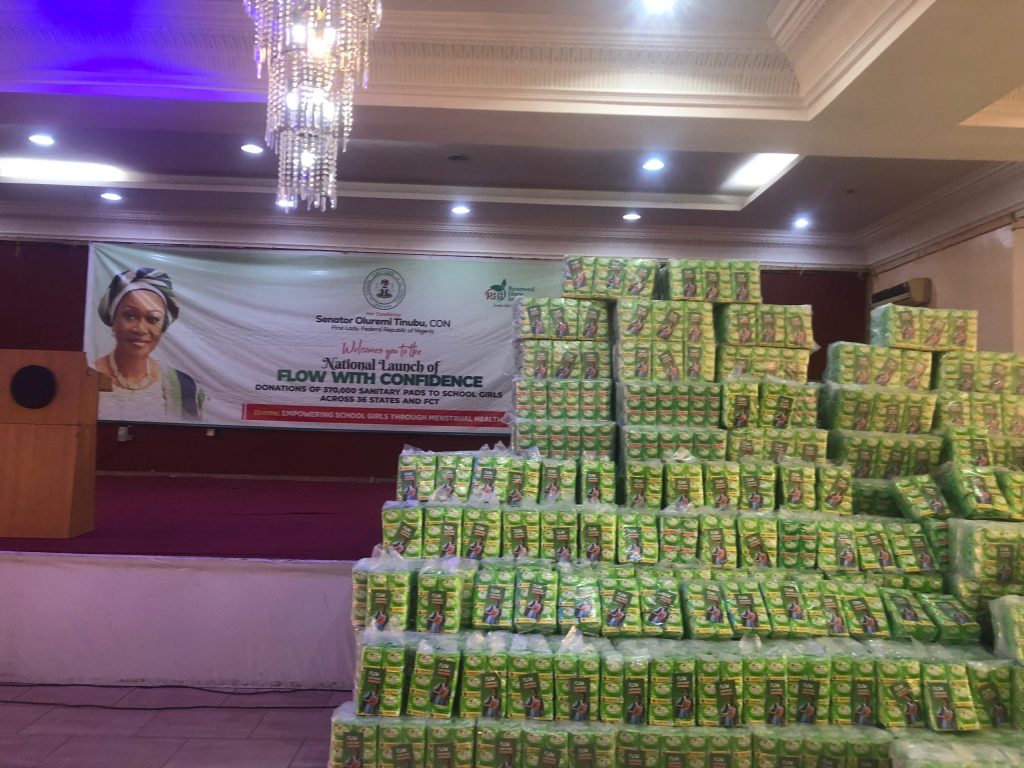
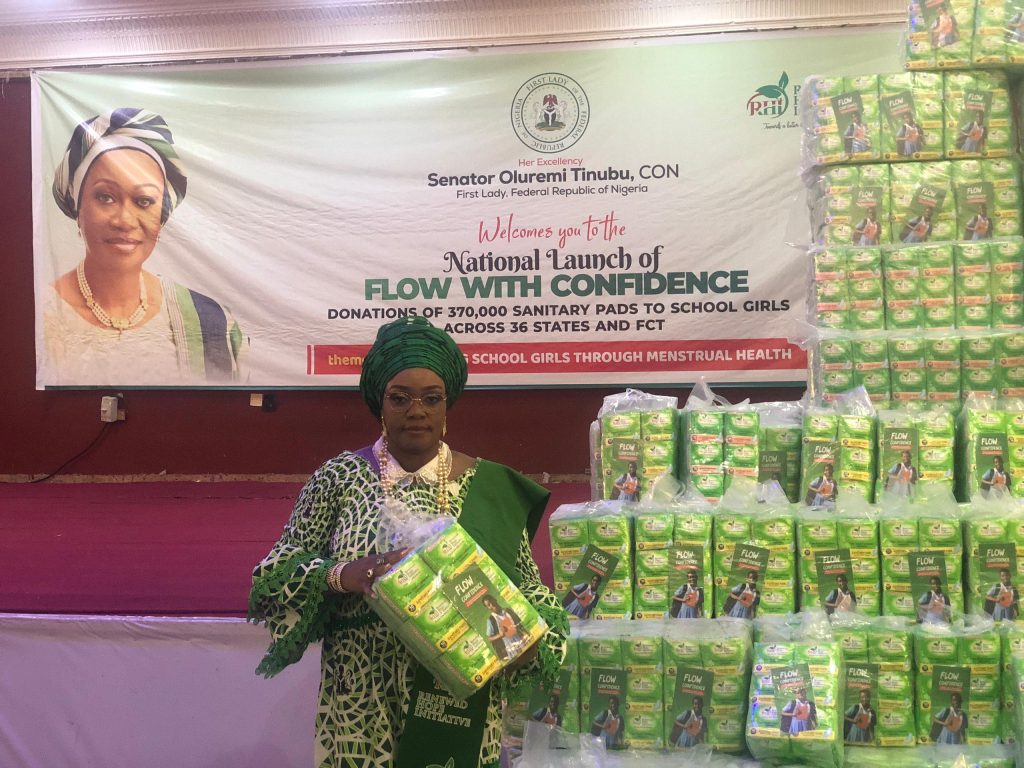
The Renewed Hope Initiative (RHI), led by the wife of the president, Senator Oluremi Tinubu, has launched “Flow with Confidence”, a menstrual health programme targeted at schoolgirls in Oyo State.
The event, held in Ibadan, brought together girls from various schools across the city.
The Oyo State Commissioner for Health, Dr Oluwaserimi Ajetunmobi, described menstruation as natural and “a vital part of growing up for the girl child.”
She encouraged the students to embrace the acronym FLOWER—Freshen up, Learn about the cycle, Observe good pad use, Waste disposal, Eat healthily, and Reach out to parents if they experience challenges.
Dr Ajetunmobi urged the girls to “be confident and blossom like a flower during menstruation,” stressing that no one should be bullied or mocked because of their monthly cycle.
The Oyo State Commissioner for Education, Mr Oluwasegun Olayiwola, noted that girls “flow with confidence” when basic amenities such as water and accessible toilets are available in schools.
He said such provisions help students stay focused on their studies without avoidable distractions.
Representing the wife of the governor, Chief Tamunominini Makinde, the Head of Service, Mrs Olubunmi Oni, said no girl should miss school due to menstruation.
She announced that each beneficiary would receive 12 packs of sanitary pads to last a year.
Chief Makinde appealed for empathy from the public, especially when girls face cramps during their monthly flow.
She added: “It has often been said that ‘when you educate a girl, you educate a nation.’ This is not just a proverb; it is a proven developmental fact. Educated girls grow into empowered women who drive economic growth, strengthen families, uplift communities and contribute meaningfully to national development. Therefore, any investment in the well-being, education and confidence of the girl-child is an investment in Nigeria’s development and future stability.”
Chief Makinde also highlighted the need for support when girls experience menstrual discomfort: “Some girls experience menstrual cramps… which can sometimes make learning very difficult. Simple measures such as staying hydrated, using warm compressors, gentle stretching, proper rest, and, when necessary, taking mild pain relief prescribed by a health professional, can help them cope effectively. Teachers and parents must therefore continue to support them with understanding, patience and reassurance.”
In her remarks, the wife of the president, Senator Oluremi Tinubu, said the Flow with Confidence initiative aims to reach 370,000 girls nationwide, especially in rural communities.
Senator Tinubu explained that the programme has already been introduced in several states, with each receiving 10,000 packs of sanitary pads for vulnerable girls.
She added: “The Renewed Hope Initiative spent a total of N2,550,297,150 to procure these customised disposable sanitary pads from a local manufacturing company in Lagos State. I therefore urge corporate organisations, parastatals, agencies and well-meaning Nigerians to key into the Flow with Confidence programme, so that we can empower and reach as many girls as possible.”
Beneficiaries expressed gratitude to Senator Tinubu and the Oyo State governor’s wife, promising to use the pads responsibly.
Ethiopia’s Ministry of Health has confirmed the country’s first outbreak of Marburg virus disease in the South Ethiopia Region.
The announcement followed laboratory tests that detected the virus in samples from a cluster of suspected viral haemorrhagic fever cases.
The World Health Organization (WHO) said genetic analysis from the Ethiopian Public Health Institute shows the virus strain matches those seen in earlier East African outbreaks.
Marburg virus disease is a severe and often fatal illness spread through direct contact with infected bodily fluids or contaminated materials and it originates in fruit bats.
Early symptoms include high fever, intense headache, muscle pain and fatigue, with many patients developing severe bleeding within a week.
There are no licensed treatments or vaccines, though several are in clinical trials.
WHO noted that early supportive care, including oral or IV rehydration and symptom management, improves survival.
Previous cases in Africa have been recorded in Angola, the Democratic Republic of the Congo, Ghana, Kenya, Equatorial Guinea, Rwanda, South Africa, Tanzania and Uganda.
WHO reported nine identified cases in the current outbreak, which is centred in Jinka town.
Ethiopian health authorities have launched community screening, isolation and treatment of confirmed cases, contact tracing and public awareness campaigns.
Marburg belongs to the same virus family as Ebola, making swift containment critical.
WHO and partners have deployed experts and supplied medical equipment to support Ethiopia’s response.
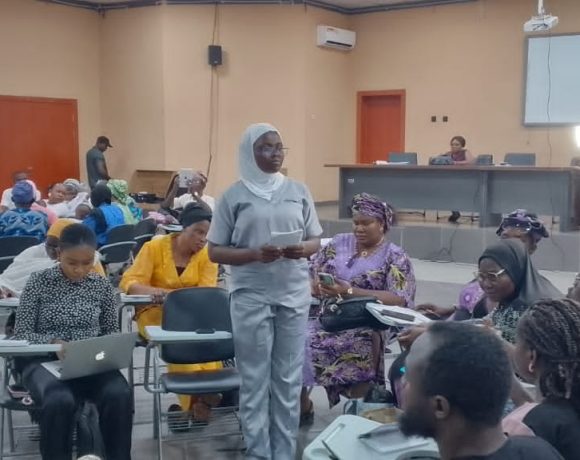
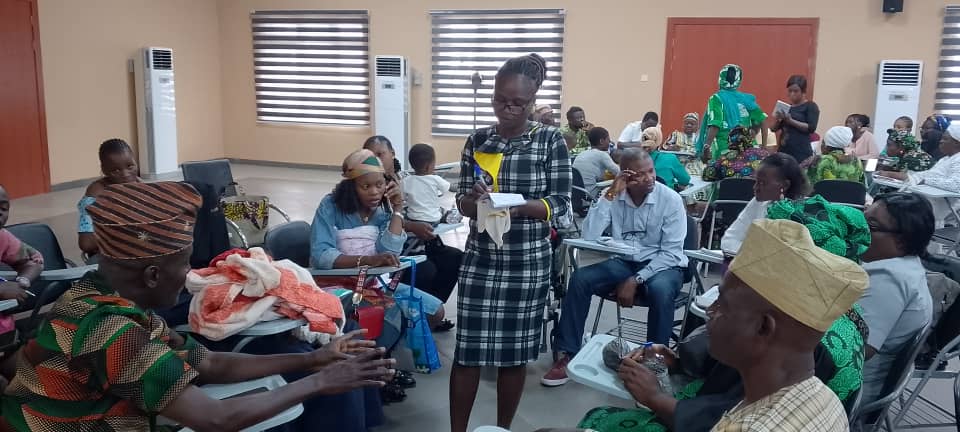
As part of efforts to improve healthcare service delivery and encourage citizens active participation in primary healthcare system, the National Primary Health Care Development Agency, NPHCDA, and the Centre for Communication and Social Impact, CCSI in collaboration with the Oyo State Primary Health Care Board has organised a day Townhall meeting in Ibadan.
The meeting provided avenue for stakeholders including Traders, Artisans, Religious and Community leaders, health workers, the Civil Society Organizations to brainstorm and chart the way forward for better service delivery on four thematic health issues.
The discourse centered on Immunization, Ante-Natal care, Infant healthcare and Family planning.
The Scientific Officer, NPHCDA, Abuja, Hajia Halimat Yusuf explained that the agency is always committed to providing functional and accessible healthcare centres to all Nigerians, irrespective of their locations and socio-economic status.
Hajia Yusuf appealed to stakeholders to use their platforms for public enlightenment on the need for citizens to make use of healthcare centres for treatment of diseases.
The Executive Secretary, Oyo State Primary Health Care Board, Dr Muhydeen Olatunji, represented by the Director Disease Control and Immunization, Dr John Osoko said the reduction in child and maternal mortality in the state was possible with stakeholders support.
According to him, “healthcare programmes under Governor Seyi Makinde are people-centric, as healthcare centres are well equipped with state of the art medical facilities”.
Dr Olatunji stated that the state government has also employed more health workers and supplies drugs for patients in all health centres.
He stressed that the meeting was to solicit further stakeholders support and receive feedback from the citizens.
In a remark, Oyo state chairman, Ward Development Committee, Alhaji Abdulfatah Oloyede pledged to increase the number of volunteers for effective mobilization of people at the grassroots to access healthcare centres.
Similarly, the state secretary, Community Development Committee, CDC, Chief John Dunmoye acknowledged that the state government accorded top priority to citizens health care services.
Oyo state chairperson, Federation of Muslim Women Associations in Nigeria, FOMWAN, Dr Latifat Dairo and the state Secretary, Christian Association of Nigeria, CAN, Mrs Caroline Abiola commended healthcare workers for their professionalism in attending to the retirees, promised continued partnership with Oyo state government to ensure citizens active participation in primary healthcare system.
Representative of registered Community Birth Attendants, CBAs, Mrs Comfort Adedeji confirmed that synergy with the state government had increased number of referrals, conformity to family planning methods and safe delivery among mothers.
Mrs Adedeji commended Governor Seyi Makinde for sponsoring 50 children of CBAs into the Oyo State College of Midwifery.
Highlights of the citizens Townhall meeting was a technical session/group discussion facilitated by a CSSI Consultant, Dr Oluwatoyin Afachung with focus on observation and evaluation of staffing, health workers attitudes, equipment and infrastructure, access to healthcare service and service delivery.
The participants grouped into four are expected to come up with recommendations for government as a way forward.
A Consultant Psychiatric, Osun State Specialist Hospital, Asubiaro, Osogbo, Doctor Folashade Dare says there is need for government to formulate policies and Laws to end stigmatisation against people with depression.
Dr Dare made the call during a programme organized by NAWOJ Osun State Chapter, held at the NUJ Press Center, Osogbo.
Theme of the event is ” Breaking the culture of silence on mental health, embracing life”
Dr Dare who was the supporting speaker of the event stressed the need for more enlightenment programmes to educate people on the need to speak out in the face of unpleasant situations.
The Consultant Psychiatrist who noted that treatment for those with mental health challenge is expensive advocated for free health services.
She emphasized the need to create a culture of open communication in order to give opportunity for people to speak out.
Earlier, the State Commissioner Ministry of Women Affairs, Children and Social Welfare and Commissioner for Health, Represented by the Director Gender, Miss Lola Adewale and the Director Public Health, Doctor Hakeem Bello, respectively, lauded the State NAWOJ for organizing the impacting event and called on the union to promote stories that heal and not stories that impact negatively on people.
In a bid to safeguard public health and improve food safety standards, Oyo Assembly Member representing Akinyele constituency 1, Mr. Olalekan Abiola and his counterpart in Akinyele Constituency 2, Mr. Olatunde Kehinde have jointly sponsored a motion urging the executive arm to take proactive steps to curb the widespread practice of drying cassava flour on roadsides across the state.
Cassava flour, locally known as Lafun or Elubo, is a staple food product and a vital source of income for thousands of rural and peri-urban dwellers in Oyo State.
According to the motion, roadside drying exposes cassava flour to contaminants such as dust, engine oil, heavy metals, microbes, and animal droppings, rendering it unsafe for human consumption.
The lawmakers also warned that the practice could contribute to the spread of Lassa fever, as the mastomys rat known to carry the virus is attracted to food substances like cassava flour.
Beyond health risks, the lawmakers noted that the practice can lead to road accidents by reducing visibility and obstructing traffic flow.
They observed that many countries have banned roadside food drying and adopted enclosed mechanical drying systems with controlled temperature and humidity.
Other key recommendations include the construction of cassava drying platforms in rural communities, deployment of Agricultural Extension Officers by the Oyo State Agribusiness Agency to educate farmers and processors on hygienic drying methods, and collaboration between farmers, cooperatives, NGOs, and development partners to promote low-cost solar and raised drying technologies.
The Speaker of the Oyo State House of Assembly, Mr. Adebo Ogundoyin while commending the motion, described it as a timely and impactful intervention aimed at addressing a long-standing public health and safety concern.
Mr Ogundoyin recalled that a similar motion had been presented during the 9th Assembly, underscoring the persistence of the issue and the need for more decisive action.
He emphasized that the practice of drying cassava flour on tarred roads and road shoulders, though born out of necessity due to inadequate drying infrastructure, poses significant risks to human health and public safety.
The Speaker charged the House Committee on Food and Nutrition to work closely with the relevant ministries to develop a robust regulatory framework that would monitor cassava processing activities across the state.
The continued exodus of medical personnel and poor remuneration in Oyo state health sector dominated discussions at the 2025 week of the Nigerian Medical Association, NMA, Oyo state branch held at NMA House, Total Garden, Ibadan.
In statement heralding the physicians’ week, Chairman of the Association, Dr Happy Adedapo, observed that the few medical Doctors working at some General Hospitals across Oyo State were being over stretched due to their inadequate number and the increasing number patients they attended to daily.
He added that, some primary Health Care centre also lacked basic equipment, essential medicines, which had adversely affected expectant and nursing mothers at the grassroots.
The NMA Chairman, however, urged government to strengthen integrated referral systems linking primary, secondary and tertiary health facilities to provide welfare to medical doctors.
Dr Adedapo appealed to Governor Seyi Makinde to urgently fulfil thebpromise made to Medical Doctors at Ladoke Akintola University Teaching Hospital, LASUTH, Ogbomoso.
He noted that the annual event would afford the physicians the opportunity to celebrate the resilience of commitment and sacrifice of Nigerian doctors and reflect deeply on the state of the health system.
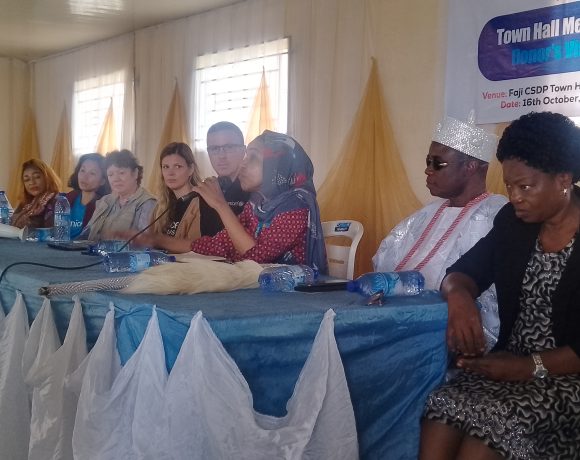
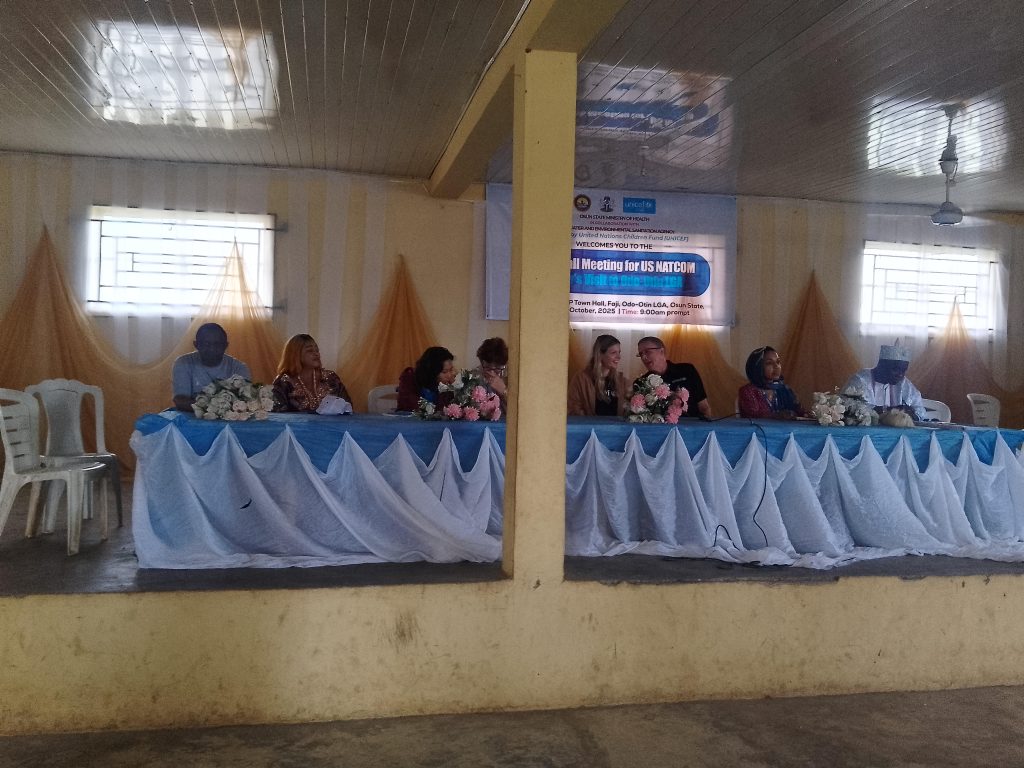
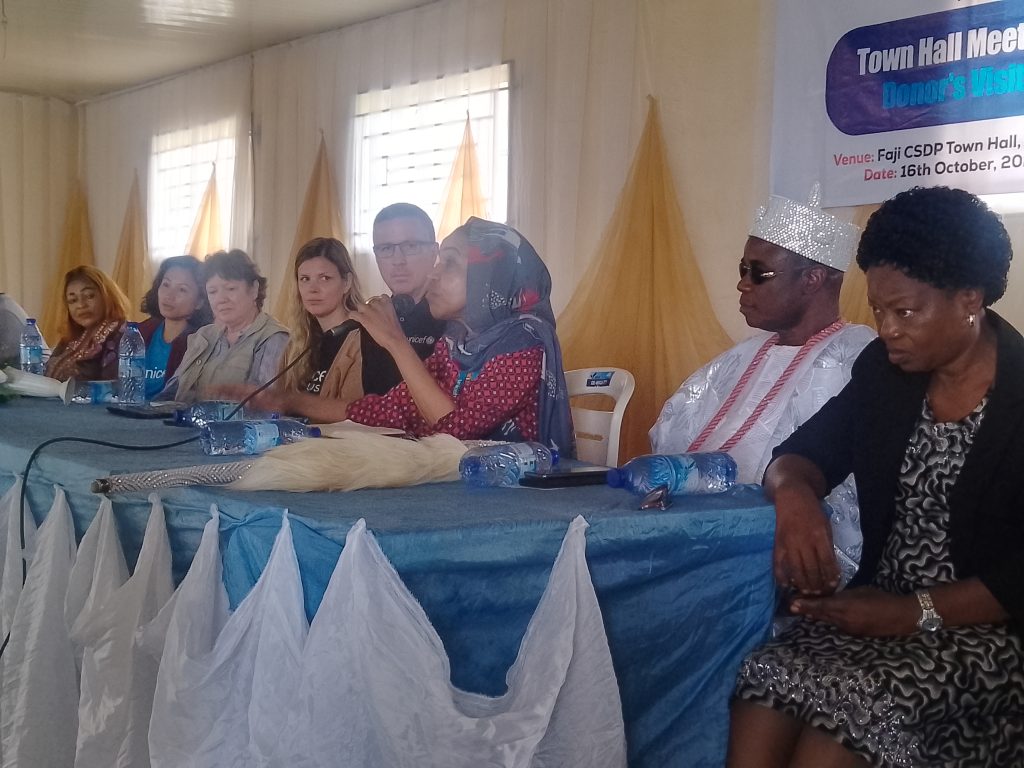
The UNICEF Country Representative for Nigeria, Ms Wafaa Saeed, has reiterated the critical need for sustainable hygiene practices to prevent disease outbreaks in Osun State communities.
Ms. Saeed made the declaration during a town hall meeting with U.S. National Committee (U.S. NATCOM) donors, as part of a field visit to Olode and Faji communities in Ife South and Odo Otin Local Government Areas.
The visit aimed to observe the impact of Mectizan and Albendazole tablets, provided free by UNICEF, to treat and prevent Neglected Tropical Diseases (NTDs) like Onchocerciasis and Lymphatic Filariasis.
Ms. Saeed emphasized that maintaining regular hand washing and using improved toilet facilities is imperative for public health.
“I have been encouraged because we have been in this community in Faji, a community that is one of the first to have managed to interrupt the transmission of Neglected Tropical Diseases like Onchocerciasis and Lymphatic Filariasis,” Ms Saeed told journalists.
She praised the collaboration between local health workers and communities and pledged UNICEF’s continued support to improve the well-being of women, children, and local economies.
Echoing her sentiments, the President and CEO of UNICEF USA, Mr. Michael Nyenhuis, stated that the team was spurred by the progress in Osun State and would seek more donor support.
“It has been so exciting to be in these communities. From the United States, we help support this work by engaging the donors who support the supply of medicines and also funding to make some of this work possible. It was great to actually see the success the communities have made in combating some of the tropical diseases,” Mr. Nyenhuis explained.
The Afaji of Faji, Oba Moshood Olawale, commended the donors for interventions that included borehole construction and the provision of medicine.
In separate interviews, the General Manager of Osun State RUWESA, Mrs. Ibidun Odelola, and the Founder of AMEN Healthcare Foundation, Chief Rita Oguntoyinbo, lauded Oba Olawale for his leadership in making Faji an open-defecation-free community.
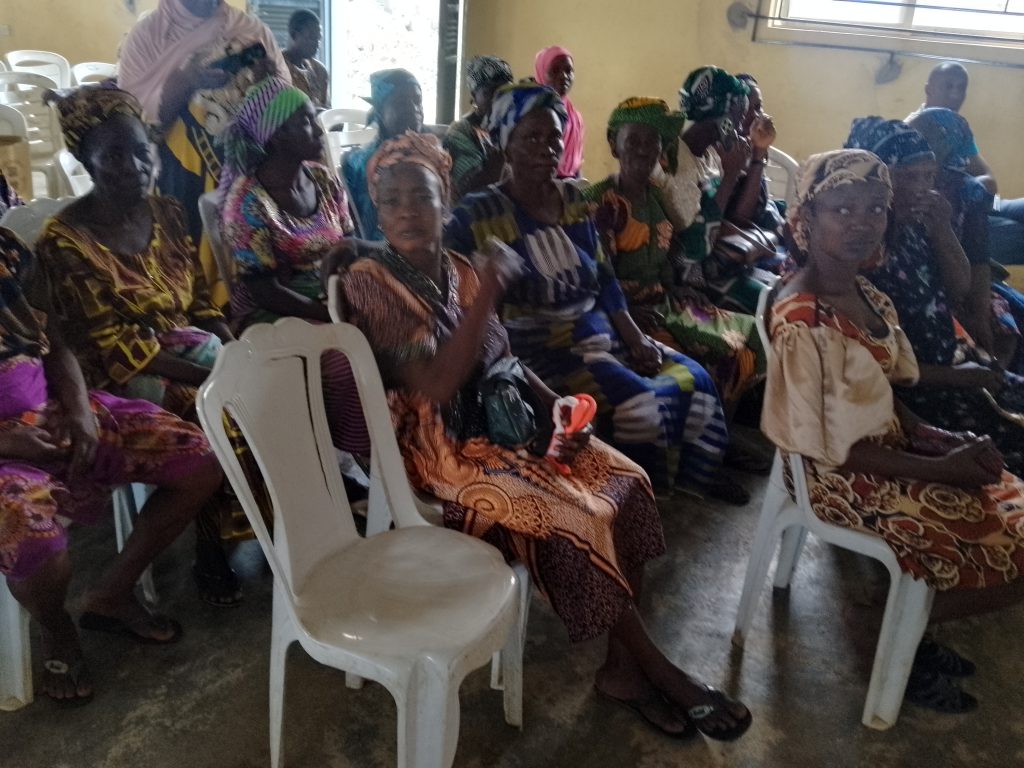
Community members also gave positive testimonies. Mrs. Dayo Oyewole and Mrs. Hafisat Faniran attested that the Mectizan and Albendazole medicines had “helped tremendously” in curing Onchocerciasis and Lymphatic Filariasis.
The event concluded with the Afaji of Faji presenting gifts to the UNICEF representatives and a cultural display by students from the Faji community.
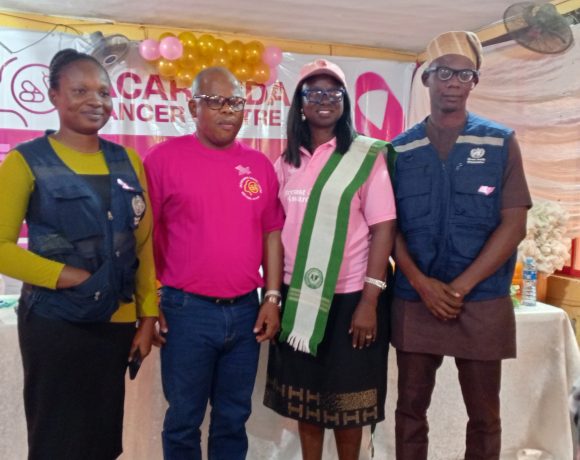
The World Health Organization, WHO, reaffirms its commitment to promoting breast cancer awareness and early detection across Nigeria, labeling the disease a pressing global public health challenge for women.
Speaking at a breast cancer awareness program in Abeokuta organized by a non-governmental organization, WHO Representative Dr. Goodness Ojo pledged the organization’s support for ongoing efforts to educate communities, encourage regular screening, and promote healthy lifestyles.
Dr. Ojo promised that the WHO would continue providing technical support and advocacy to sustain awareness campaigns.
In a lecture, President of the Medical Women’s Association of Nigeria (Ogun State Chapter), Dr. Adeola Ekundayo, emphasised the need to prioritise women’s health.
She noted that breast cancer remains a leading cause of maternal morbidity and mortality.
Dr. Ekundayo called for expanded community awareness, particularly among young people, to help them recognize risk factors and seek timely medical attention.
Also speaking, Secretary of the Association of Radiation and Clinical Oncologists of Nigeria (Ogun State Chapter), Dr. Bolaji Salako, stressed the necessity of continuous collaboration and support for patients and their families.
The Executive Director of the hosting non-governmental organization, Dr. Kehinde Ololade, advocated for the inclusion of comprehensive cancer care in Nigeria’s health insurance schemes.
Dr Ololade argued this would make treatment more affordable and accessible, noting that many patients still pay out of pocket.
In a novel approach to public health, the Oyo State Primary Health Care Board, OYSPHCB, and UNICEF have turned to football to combat vaccine hesitancy and low child immunisation rates.
They organised a tournament specifically to engage men, who are often the key decision-makers, in preventing vaccination.
The final match of the competition, tagged “Kick Zero Dose and Polio Away, One Goal at a Time,” took place at the Ebedi Stadium in Iseyin.
Iseyin United FC won the tournament, defeating New Starlet FC of Ibadan with a single goal.
Before the game, health officials led by OYSPHCB Executive Secretary, Dr Muideen Olatunji, visited the Aseyin of Iseyin, Oba Sefiu Olawale Oyebola.
They sought the traditional ruler’s support to promote routine immunisation in his domain.
Dr Olatunji highlighted the success of immunisations in reducing child mortality, recalling a time when infant death, or Abiku, was rampant due to ignorance.
He also announced an upcoming integrated Measles Rubella vaccination campaign scheduled for October 4th to 14th, targeting over three million children across Oyo State.
Explaining the football strategy, UNICEF’s Social and Behaviour Change Specialist, Mrs Aderonke Akinola-Akinwole, stated, “One of the gaps we have identified is that most times, women are saddled with the responsibility of taking their children for vaccination, but if we don’t get the consent of fathers, we may not be able to get enough children immunised.”
She noted that mothers often cite a lack of paternal consent as the reason for vaccine refusal.
“That is the reason why we are using the football tournament as a tool to drag men to become actively involved,” Mrs Akinola-Akinwole added.
Oba Oyebola pledged his community’s active participation in immunisation drives, stating that only healthy children can excel in sports.
The event successfully used the universal appeal of football to bridge a critical gap in Nigeria’s healthcare outreach.
Oyo State Governor, Engineer Seyi Makinde has stated that his administration would continue to serve the people of the state and cater to the welfare of workers across different sectors.
He stated this in Ogbomoso while meeting with professional bodies at the Ladoke Akintola University of Technology Teaching Hospital, Ogbomoso, over the ongoing industrial action by the bodies.
Governor Makinde, after listening to the demands of representatives of different bodies at the teaching hospital, announced immediate measures aimed at addressing the situation, including the plan to immediately constitute a Governing Council for the hospital, approval of a monthly stipend of ₦80,000 for 65 non-staff security personnel working at the hospital while instructing that they should be integrated into the hospital’s system as adhoc staff.
The governor also announced an increase in the monthly subvention to the hospital by N35m to ease operational challenges.
Other measures announced by the governor included the approval of the payment of accumulated promotion arrears totaling ₦219 million, which is to be disbursed in three equal installments in October, November, and December 2025, and a promise to offset the arrears of the new minimum wage, covering the period from January to August 2025, in three tranches, also payable from October to December 2025.
The governor equally highlighted steps that the government would take to bring about long-term resolutions of the crisis and bring lasting solutions to the institution’s challenges, adding that the LAUTECH Teaching Hospital Annex in Oyo would be completed before the end of his administration in 2027.
He stated that some demands involving the review of salary structures would be addressed by the Governing Council of the hospital once it is put in place, adding that the demands raised by students of Nursing would also be addressed.
He noted, however, that workers must also recognise the paramount need to develop the infrastructure of the state and ensure that it is liveable for residents and the coming generations, hence the need for those in government to manage resources with a view to ensuring a balance in the discharge of their responsibilities.
“I want to call your attention to something very important. This is extremely important. It is not only here at LAUTECH Teaching Hospital; it is something that Nigeria, as a country, is still struggling with. Yes, welfare, looking after your people, that is the work of your government. You put people in government so that they can look after you; so that they can ensure that people’s welfare is well taken care of.
“But the government must be able to manage your resources in such a way that you are not seeing just your generation; that you are not seeing just the next election, but you can see to the welfare of the next generation.”
The governor added, “As an administration, we have dared to be different. We know that we have to stimulate economic activities such that a lot of people, by just having infrastructure in place, can take themselves out of poverty. We have limited resources as a government, but we have been developing our infrastructure.
“As an administration, we will look at those requests and some of them will be addressed here. But, when you are mining your data, kindly note that liveability is a big issue for me. Let us look at what we can do, but having a livable environment, an environment where you can feel safe and secure, is also an indispensable function that the government must perform. As an administration, we have been looking at almost all sides.”
Earlier, the Commissioner for Health, Dr Oluwaserimi Ajetunmobi, said Governor Makinde’s desire to ensure that all residents stay healthy was behind his decision to visit LAUTECH Teaching Hospital to address the challenges facing the institution.
In his speech, the Acting Chief Medical Director of the hospital, Professor Olawale Olakulehin, expressed gratitude to the governor for his visit and for increasing subvention to the hospital, describing him as a listening governor and an embodiment of kindness, compassion and love for the institution.
In their separate remarks, representatives of professional bodies and students such as the Joint Health Sector Union, JOHESU; Nurses and Midwives; Nursing and Medical students, appreciated Governor Makinde’s efforts over the institution appealing to him to improve welfare and infrastructure in the hospital.
Governor Makinde, who was later at the palace of the Soun of Ogbomoso, announced that his administration would soon embark on the reconstruction of inner roads of the town.
The Soun of Ogbomoso, Oba Ghandi Olaoye had lauded the governor for his administrative style, saying he has done so many things to move the state forward and has made governance look easy.
The Nigerian Association of Resident Doctors has issued the Federal Government a fresh 24-hour ultimatum to meet its outstanding demands, following the expiration of its earlier 10-day deadline on September 10.
The decision followed a six-hour meeting of the association’s National Executive Council, held virtually on Wednesday.
The President of NARD, Dr. Tope Osundara, said the association acknowledged the government’s promise to address their concerns but insisted on immediate action.
In a communiqué issued on September 1, 2025, and signed by NARD President, Dr. Tope Osundara; General Secretary, Dr. Oluwasola Odunbaku; and Publicity and Social Secretary, Dr. Omoha Amobi, the doctors demanded immediate payment of the outstanding 2025 Medical Residency Training Fund, settlement of five months’ arrears from the 25–35 per cent Consolidated Medical Salary Structure review, and other long-standing salary backlogs.
They also demanded the payment of the 2024 accoutrement allowance arrears, prompt disbursement of specialist allowances, and restoration of the recognition of the West African postgraduate membership certificates by the Medical and Dental Council of Nigeria.
In addition, they called on the National Postgraduate Medical College of Nigeria to issue membership certificates to all deserving candidates, implement the 2024 Consolidated Medical Salary Structure, resolve outstanding welfare issues in Kaduna State, and address the plight of resident doctors at Ladoke Akintola University of Technology Teaching Hospital, Ogbomoso.
Resident doctors form the backbone of Nigeria’s public health system, providing a large share of clinical services in federal and state hospitals. Any strike action by the association often paralyses healthcare delivery, leaving patients stranded and hospitals overstretched.
Speaking with our correspondent on Thursday, Dr. Osundara said, “The Federal Government called us yesterday (Wednesday) and promised to address our concerns.
“After a six-hour deliberation, we decided to give the government the next 24 hours to ensure the disbursement of the Medical Residency Training Fund to beneficiaries, for the Medical and Dental Council of Nigeria to upgrade our membership certificates, and to attend to our other demands.
“If there is no payment by today (Thursday), then tomorrow (Friday), we will start the strike immediately.”
According to him, more than 2,000 resident doctors across the country are still awaiting payment of the MRTF.
Osun State Governor, Senator Ademola Jackson Nurudeen Adeleke, has flagged off the free enrollment of inmates in correctional centres across the state into the Osun Health Insurance Scheme, OHIS.
While officially declaring the enrollment of inmates into OHIS open at the Ilesa Correctional Centre, the Governor explained that his administration’s drive was to make healthcare accessible to all residents without discrimination and to extend the dividends of democracy to every segment of the societies.
Governor Adeleke said the initiative was in response to an appeal made by the Controller of Correctional Service in Osun State, Mr. Olalekan Oluwadele, during a recent visit to the Government House.
He described inmates as bonafide citizens who deserve quality healthcare and welfare support, adding that his government would not discriminate based on status, religion, gender, or political affiliation.
In his remarks, the State Controller of Corrections Service, Mr. Olalekan Oluwadele, commended Governor Adeleke for his unwavering support to the Nigerian Correctional Service, NCoS, for his approval to enroll 1,200 inmates into Osun Health Insurance Scheme, OHIS.
Mr. Oluwadele also lauded the Governor for past interventions, including granting amnesty to 53 inmates, renovating operational vehicles, and showing solidarity after the escape of seven inmates in May 2025.
He acknowledged reforms introduced by the Federal Government under President Bola Ahmed Tinubu through the Ministry of Interior, particularly the increase of daily feeding allowance for inmates to N1,125.
Mr. Oluwadele appealed to the state government for more support to strengthen security and improve facilities, including the installation of barbwire and CCTV cameras, provision of solar power, food supplies during festive seasons, tools for skilled inmates, and Independence Day amnesty.
He assured that the Nigerian Correctional Service remains committed to reform and rehabilitation in Osun State.
In their separate remarks, the Chairman of the Osun Health Insurance Agency, Dr. Muyiwa Oladimeji, and the Executive Secretary, Dr. Rasak Akindele commended the Governor’s commitment to inclusive healthcare, noting that his administration has taken deliberate steps to ensure that vulnerable groups are not left behind.
Ondo State Governor, Lucky Aiyedatiwa says his administration’s huge investment in the health sector is to ensure that all residents of Ondo state have access to affordable healthcare services.
The governor stated this in Akure during the first quarterly meeting of the Ondo State Task Force on Primary Healthcare for the year 2025.
Addressing members of the Task Force and other stakeholders in the health sector, Governor Aiyedatiwa expressed delight at the renewed commitment of all partners to the improvement of healthcare services across the 18 Local Government Areas of the State.
“Our administration has continued to prioritise huge investment into health services from the primary to higher levels of healthcare. This shall continue with more vigour and passion. We are placing emphasis on sector reforms, improved service delivery and equitable access to healthcare for every resident of our State.” He said
Governor Aiyedatiwa said the meeting was timely as the State continues to face the dual burden of communicable and non-communicable diseases, as well as maternal and child health challenges, stressing the importance of proactive strategies in the face of evolving global health threats.
He identified five priority areas that should guide the deliberations of the committee to include strengthening the primary healthcare system, expanding immunization and disease surveillance, improving maternal and child health indicators, promoting health education and awareness in rural communities as well as ensuring transparency, accountability, and optimal resource use.
The governor commended the Task Force for its performance during the last epidemic response and called for sustained collaboration among ministries, local government councils, healthcare providers, development partners, and the private sector.
“Let us ensure that our policies are inclusive, evidence-based, and focused on long-term impact. On the part of government, I assure you of our full support and the political will necessary to implement the recommendations that may emerge.”
Aiyedatiwa used the occasion to appreciate the contributions of Local Government Chairmen, traditional rulers, religious leaders, health workers, market leaders, development partners, and other community stakeholders who continue to support the State’s efforts in delivering quality healthcare.
In a welcome address, the Permanent Secretary, Ondo State Primary Health Care Development Agency, Dr. Francis Akanbiemu commended Governor Aiyedatiwa for his support for the Primary Healthcare especially the release of fund for the upgrade of the agency and other facilities.
He stated that the state won the leadership award challenge in the South West noting that the political will of the government had brought massive improvement to the state health system.
In a goodwill message, the special adviser to the Governor on Health, Prof. Simidele Odimayo expressed appreciation to stakeholders for their commitment in improving the health sector noting that the Governor had been giving priority to the health sector.
Professor Odimayo commended the Governor’s effort in the establishment of a Federal Teaching Hospital in the state and also the approval for the recruitment of new health workers for the PHC among others.
Speaking on behalf of partners, representative of the World Health Organization WHO, Mr Moses appreciated the numerous achievements of government in the sector and pledged renewed commitment to improving the state’s health care delivery system.
Oyo State Commissioner for Health, Dr Oluwaserimi Ajetomobi, wants the stakeholders in the education sector to provide an enabling environment for girls to ease the difficulties faced in disposing of a used sanitary pad.
Dr Ajetomobi made the call at a programme commemorating this year’s World Menstrual Hygiene Day, organised by the office of the wife of the state’s governor, Mrs Tamunominini Makinde.
Dr Ajetomobi noted that a used sanitary pad, which was not changed at the normal time, could breed bacteria, which would affect the girl child later in life.
In a speech, the Oyo state Commissioner for Health, Mr Olusegun Olayiwola, advised the girls to seek knowledge to counter the myth and misconceptions about menstruation.
The wife of the state governor, Mrs Makinde, called on the teachers to be friendly with the students, for them to open up to them whenever they faced any challenge during menstruation, especially during school hours
Highlights of the programme were a visual presentation of a playlet on menstrual hygiene and confidence during menstruation.
Sanitary pads, hand sanitiser and underwear were presented to the students who were drawn from the 33 local government areas of the state.
Subscribe to our Telegram and YouTube Channels, and also join our WhatsApp Update Group.
Oyo State governor, Engineer Seyi Makinde has handed over 31 various medical equipments to the management of the Ring Road State Hospital, Adeoyo, Ibadan.
Executive Assistant to the Governor on Administration, Idowu Ogedengbe who represented the governor at the event said the procurement of the medical equipment followed an assessment of the Ring Road State Hospital, Adeoyo, during a medical outreach by the Christ Compassion to the Rural World in 2024.
The governor said that the delivery of the equipment was in line with his administration’s vision to elevate specialist hospitals like the Ring Road State Hospital, to the standard of University Teaching Hospitals, in the area of training and healthcare delivery through the provision of necessary medical equipment.
According to him, the medical equipment would aid the delivery of sound medical service to residents of the state.
He noted that the mission could not use the state hospital to carry out surgical procedures and operations due to the state of the facilities at the hospital’s theatre, stating that the equipment delivered to the hospital were of the best quality and were carefully selected to ensure that their reagents and other consumables were available and affordable.
Governor Makinde appealed to the management and staff of the hospital to make the best of these equipment by putting in place a good maintenance culture that would ensure that they are preserved, last long and very durable.
Earlier, the Chief Medical Director, Ring Road State Hospital, Adeoyo, Dr Oladipo Aremu, appreciated Governor Makinde for his impact in the health sector, stressing that the delivery of the additional equipment would enhance the hospital’s services and also alleviate challenges in providing quality medical care services for the people of Oyo State.
In his goodwill message, the Director, Christian Missionary Foundation, Dr. Olatunde Oladoyinbo, lauded the governor for creating a functioning and effective system in the health sector.
The Federal Government is set to implement the Maternal Mortality Reduction Innovation Initiative, MAMII, in five local government areas of Ondo State.
The Minister of Health, Professor Mohammed Ali-Pate, announced this in Akure at the opening of a five-day activation workshop for the MAMII project.
The programme is being implemented in 33 states of the federation, targeting 172 Local Government Areas, with Akure South, Ese Odo, Owo, Ondo West and Ifedore Council Areas benefiting in Ondo State.
Professor Ali-Pate restated the commitment of the federal government to the survival of mothers and children in the country.
Represented by the Director and Head of Child Health Division, Federal Ministry of Health, Dr Amina Mohammed, the minister commended Ondo State for demonstrating consistent leadership in maternal and child health innovations and expressed confidence that the activation of MAMII in the state would serve as a model of excellence for other states.
Governor Lucky Aiyedatiwa, while declaring the workshop open, appreciated the federal government for taking a bold step in ending maternal and newborn mortality in the country, saying Ondo State was ready for the implementation of the project in addition to the existing health policies of his administration.
Governor Aiyedatiwa, represented by his Special Adviser on Health, Professor Simidele Odimayo, expressed optimism that participants at the activation workshop would work out modalities for the smooth implementation of MAMII up to the community level in the bid to end maternal and newborn mortality in the state.
In a remark, the permanent secretary of Ondo State Ministry of Health, Dr Niran Ikuomola, hinted that the five local governments were selected based on their high mortality burden.
In their goodwill messages, representatives of the World Health Organisation, WHO, Dr Adebayo Ibrahim and that of the Clinton Health Access Initiative, Mr Olamide Ayedun, said their agencies had already keyed into the MAMII project with a pledge to support its implementation in reducing child and maternal death in Ondo State.
The Maternal Mortality Reduction Innovation Initiative, MAMII, was launched in November 2024 to further reduce maternal and child deaths in the country, and it is set for launch in Ondo State after the five-day activation workshop.
The United Nations Children’s Fund, UNICEF, is collaborating with the Ogun State government and other stakeholders in promoting evidence-based interventions to empower families and communities towards ensuring a safe and healthy environment for the mother and child to thrive.
The stakeholders under the aegis of Social and Behavioural Change, SBC Committee, have also resolved to reinforce efforts on sustainable, community-driven initiatives to enhance the well-being of children and adolescents, particularly in the areas of health, education, and hygiene.
Speaking at a quarterly meeting of the SBC organised by the Ministry of Information and Strategy in Abeokuta, UNICEF SBC Specialist, Mrs Aderonke Akinola-Akinwole said the aim was to encourage behavioural change among individuals and communities for the benefit of children and adolescents.
Mrs Akinola-Akinwole said the partnerships would strengthen the process of addressing key issues like maternal and child nutrition, immunisation, hygiene and access to healthcare services.
The Permanent Secretary, Ogun State Ministry of Information and Strategy, Alhaji Waheed Adesina called for more commitment to causing a shift in people’s mindset, while fostering sustainable progress for future generations.
Earlier, the State’s Programme Director, Alhaja Kemi Ewedairo had appealed for more collaborations and contributions to boost positive behavioural change as a catalyst to improving the lives of children, adolescents and families.
Participants at the meeting, including representatives of government ministries, civil society organisations, traditional leaders and media partners, also affirmed their readiness to support the ongoing efforts at improving health and social norms within communities.
Ondo State Governor, Lucky Aiyedatiwa, has urged health sector stakeholders to join forces with his administration in eliminating vaccine-preventable diseases across the state.
The governor made this appeal during the official launch of the 2025 National Immunisation Plus Days at the Mother and Child Hospital, Oke-Aro, Akure, emphasising the critical need for collective action to safeguard public health.
Represented by the Secretary to the State Government, SSG, Dr Taiwo Fashoranti, the governor noted that Ondo State had been adjudged one of the high-performing states in polio eradication and was determined to maintain the status.
Governor Aiyedatiwa called on mothers and caregivers to present children from ages zero to five years for vaccination during the immunisation programme which kicks off tomorrow.
In a remark, the Permanent Secretary, Ondo State Primary Healthcare Development Agency, Dr Francis Akanbiemu also charged mothers to cooperate fully with health workers as they move round houses, markets, churches, and other places with a significant number of children.
The Director, Disease Control and Immunisation in the agency, Dr Victor Adefesoye explained that children would be administered with oral polio vaccine, Vitamin A and other antigens as part of routine immunisation for children under five.
Two mothers, Mrs Kehinde Faleye and Mrs Faith James, expressed gratitude to the government and other stakeholders for securing a healthy life for their children through regular vaccination against childhood diseases.
The National Immunisation Plus Days programme begins on Saturday in Ondo State and is expected to end on Tuesday, May 6, 2025, after which a mop-up exercise will also take place.
Nipping Gender-Based Violence (GBV) in the bud is a collective responsibility.
This was the submission of participants at the end of a 4-day workshop in Ibadan, organised by a Non-Governmental Organisation; Youthcare Development and Empowerment Initiative (YcDEI).
The participants, who were all female Christian leaders were selected across the Christian Association of Nigeria (CAN); Christian Council of Nigeria (CCN) and Pentecostal Fellowship of Nigeria (PFN) from five (5) local governments in Ibadan.
They were trained on issues relating to Gender-Based Violence, including meaning, forms, causes and consequences of GBV and further explored how cultural norms, religious beliefs, myths and stereotypes create an enabling environment for GBV to thrive.
During the capacity building workshop, participants also examined topics such as gender roles; religious’ and stakeholders’ responsibilities in handling GBV cases; creating safe spaces and support system for survivors of GBV.
Two of the participants, Mrs Sarah Oluwatoyin and Dr. Bosade Ogunlana described the programme as timely and pledged to work with other stakeholders to reduce Gender-Based Violence to the barest minimum.
Dr Ogunlana said, “It has been a great opportunity to be part of this programme, I am ready to work with organisations to end every form of Gender-Based Violence”.
Mrs Oluwatoyin also affirmed that “Personally, I am ready to be an ambassador to fight against Gender-Based Violence as from now”.
The convener of the Programme and the Executive Director of YcDEI, Professor Adefunke Ekine opined that the training was organised for female Christian religious leaders who are also representatives of different Christian denominations in a bid to brainstorm and unravel all forms of Gender-Based Violences that may be occurring within the church.
Professor Ekine identified the vital role the church plays as a great pillar of influence in the home, community and the society as a whole.
She pointed out that women were more passionate about addressing issues relating to Gender-Based Violence as females constitutes the major survivors of GBV, hence the choice of participants.
The YcDEI Executive Director noted that GBV is on the increase and that religious leaders are also part of key stakeholders that are needed to convey messages to their congregation.
“Most people listen to their leaders in church as they see them as God’s representatives”
“Females are passionate about issues that affect their gender and will handle it with all seriousness”.
Furthermore, Professor Ekine pointed out that the Christian faith has some subtle biblical injunctions that are misinterpreted and had enhanced GBV even in churches.
For instance, 1 Corinthians 14: 34 says women should keep silence in the churches, for they are not permitted to speak, but should be in submission as the law says.
Also, another bible verse that had often been mis-interpreted is 1 Peter 3:7 which says ‘Likewise, husbands live with your wives in an understanding way, showing honour to the woman as a weaker vessel since they are heirs with you of the grace of life, so that your prayers may not be hindered.’
She added that there was also a general misconception that the male child is superior to the female, hence giving them audacity to silence the female most times.
Professor Ekine emphasised that the female Christian leaders who are custodian of faith, beliefs, culture and norms, could serve as voices and role model to other girls / women in their sphere of influence, thereby encouraging them to speak up whenever they were being molested.
The participants were also presented with certificates at the end of the workshop.
They are also expected to commence sensitization on Gender-Based Violence from their churches and proceed to other churches in their catchment areas; visiting churches and counselling GBV survivors, alongside a staff representative of YcDEI in their team.
The training which began on 31st March, 2025, had in attendance representatives from Oyo State Ministry of Women Affairs, Christian Association of Nigeria (CAN), Christian Council of Nigeria (CCN), Pentecostal Fellowship of Nigeria (PFN) and the Catholic Women Organisation.