Health

By Titilayo Kupoliyi

School Related Gender-based Violence, (SRGBV), is an issue threatening the well-being and future of millions of children worldwide.

It encompasses harmful acts such as bullying, psychological abuse, and sexual harassment of children in schools.

While SRGBV targets children regardless of their gender, girls remain the most vulnerable because they face heightened risks of emotional, physical, and sexual abuse within educational environments.


The desire to liberate children from SRGBV, prompted a non-governmental organisation, YouthCare Development and Empowerment Initiative, (YCDEI), to embark on a project aimed at tackling the menace.

Professor Adefunke Ekine, the Executive Director of YouthCare Development and Empowerment Initiative, (YCDEI), noted that victims of School Related Gender Based Violence are mostly between ages 6-11.

Professor Ekine said the victims of SRGBV often dropped out of school or repeated classes.

She maintained that schools ought to always be safe spaces for learning and growth for children and this was what prompted YCDEI to embark on the project in 45 Public Primary Schools in Ibadan, the Oyo State Capital.

The project which commenced in August 2024 was divided into 3 phases. The Baseline or Survey phase, the intervention or treatment phase and, the End-line phase.

“We are working with 45 government schools in Oyo state with the permission of the Oyo State Universal Basic Education Board”

Professor Ekine disclosed that the programme is expected to end in July, 2025, while the report of the survey would be submitted to the Ministry of Education for implementation.

She added that, desk officers will be appointed among the teachers to follow up on the pupils who were victims of SRGBV to forestall future occurrence, while the organisation will pay regular visits to the schools for follow-up on the pupils to counsel and guide them.

The Oyo State Commissioner for Education, Science and Technology, Professor Salihu Adelabu while commending YCDEI for its mission to safeguard the future of children, said the project was timely as cases of SRGBV have been on the increase.

“You are doing our job and we don’t take it for granted, you need to see how these children are been violated, even teachers are involved. If you look at the concept of cultism for instance, most of these children are initiated by their teachers”.

Professor Adelabu said the Ministry was looking forward to receiving the result of the survey for quick implementation.

Earlier, the representative of the Donor Partner of YouthCare Development and Empowerment Initiative, Ms Anushka Chawla pointed out that gender based violence often started early in life and in different forms, which require special ways of handling.

Stakeholders present at the programme included representatives of Ministry of Education, Ministry of Women Affairs, SUBEB, as well as teachers and pupils.

The event featured interactive sessions, testimonies from teachers and group photograph of participants.

Subscribe to our Telegram and YouTube Channels and also join our Whatsapp Update Group.

Health

By Oluwatoyin Adegoke

Ogun State government has confirmed the death of a Lassa Fever patient, prompting the declaration of Lassa fever outbreak in the state. 

The Commissioner for Health, Dr Tomi Coker announced this to journalists in Abeokuta. 

Dr Coker explained that the index case was a 25-year-old female National Youth Corps member who fell sick in Ondo state and was brought to a secondary health facility in Ijebu North Local Government Area of Ogun State on the 18th March 2025, but later died same day.

She said the Ministry of Health in collaboration with the Rapid Response Team at Ijebu North East had continued to keep the situation under control. 

The Commissioner advised all public and private health facilities in the state to step up Infection Prevention and Control measures and enforce compliance among all health workers. 

Dr Coker  implored residents to promptly report to the hospital if they noticed any  symptom of lassa fever, advising that every case of feverish illness that did not respond to 48 hours use of anti-malaria or antibiotics should be handled as an index of suspicion for Lassa fever.

She reaffirmed the State’s Government dedication to protecting the health of  citizens through continuous surveillance and prompt response to infectious diseases.

Subscribe to our Telegram and YouTube Channels and also join our Whatsapp Update Group.

Health

By Olawale Asake

As part of efforts at improving service delivery to the public, National Blood Service Agency, NBSA, has installed solar-powered equipment in the Agency’s South West  Zonal Centre, Ibadan, Oyo State.

According to a statement issued by the Public Relations Officer in the Zone, Igoya Mifiekne, the Director General, National Blood Service Agency, NBSA, Professor Saleh Yuguda facilitated the installation to ensure uninterrupted power supply for quality service delivery.

The Statement adds that, the step would further enhance safe collection, screening and storage of blood, as well as also improve working conditions of members of staff in the Agency.

Commending the Director General, a Consultant Haematologist, Dr. Oladapo Aworanti said, regular power supply was one of the most important needs of any blood transfusion centre which the DG had facilitated, assuring him of support to achieve the set goal of the Agency.

Subscribe to our Telegram and YouTube Channels and also join our WhatsApp Update Group

Health

By Lilian Ibomor

Association of Medical Social Workers of Nigeria, AMSWON, wants the federal government to commence the implementation of the social work council bill, signed into law in 2022 by former President, Muhammadu Buhari.

The National President of the Association, Dr Anthony Ogedengbe made this known at a lecture organized by the Oyo state wing of the association in commemoration of Social Work Day held at the University College Hospital, UCH, Ibadan.

Dr Ogedengbe noted that social work work in Nigeria needed urgent attention to meet with International best practices.

In a lecture entitled  “strengthening inter generational solidarity for enduring well being”, which is also the  theme for this year’s celebration,  guest lecturer from the Department of Social Work, University of Ibadan,  Dr  Abimbola Afolabi emphasized the need for more recognition of social workers in the society due to their pivotal role to the development of any nation.

Dr Afolabi noted that social work was charity-driven, hence it should be encouraged. 

Contributing, Chairman of AMSWON in Oyo state, Dr Adeleke Ogunyemi appealed to Medical Doctors to be more patient when dealing with cases brought before them by social workers. 

Subscribe to our Telegram and YouTube Channels and also join our WhatsApp Update Group

Health

By Oluwatoyin Adegoke

The Minister of Health, Professor Muhammad Pate wants increased collaborations towards reducing the high rate of maternal mortality in Nigeria. 

The Minister made the call in Abeokuta, at the launch of a workshop on Co-Creation of the Ogun State Maternal Mortality Reduction Innovation Initiative, MAMII. 

Professor Pate said that the national co-creation initiative, earlier launched by President Bola Tinubu was aimed at removing the financial barriers and ensuring that no vulnerable woman was denied of critical care due to cost.

The Minister advised the states to invest in human resources and collaborate with stakeholders to reduce maternal and newborn mortality, adding that the Federal government had approved 25 billion naira to upgrade 8,800 health facilities across the country.

In a remark, Governor Dapo Abiodun represented by his Deputy, Mrs Noimot Salako-Oyedele called for stakeholders commitment to the co- creation innovation among other data driven strategies to drastically reduce maternal and newborn mortality in Ogun state.

Governor Abiodun said his government allocated 13 percent of the 2025 budget to the health sector to improve healthcare infrastructure, human resources and service delivery, especially, revitalization of healthcare centers across the state.

Earlier, the Commissioner for Health, Dr Tomi Coker urged participants in the 5 – day workshop, including representatives of government agencies, non-governmental organizations and healthcare providers to foster a collaborative and multi-faceted approach to addressing maternal and newborn mortality in Ogun State.

Subscribe to our Telegram and YouTube Channels and also join our Whatsapp Update Group.

Health

By Olufisoye Adenitan

The Nigerian Army Officers’ Wives Association (NAOWA) 32 Artillery Brigade Owena cantonment, Ondo State, has joined the global community in celebrating International Women’s Day (IWD) 2025, with a resounding call to accelerate action for empowerment of wives of fallen heroes.

Speaking at the Army Officers’ mess, Owena cantonment Akure, the state coordinator, Mrs. Chinyelu Ifeanyi said the association would continue to educate officers’ wives to build a formidable future for their female children.

She lauded the National President of NAOWA Mrs. Mernan Oluyede, and the Chairperson of NAOWA 2 Division, Mrs Ijeoma Onubogu and the Commander 32 Artillery Brigade for their unwavering support in making the event a defining moment in NAOWA’s mission to empower women.

In her paper presentation on the topic “The Woman and her Reproductive Health”, a Gynaecologist & Obstetrician, Reverend Sister Titilayo Abe, encouraged women to give priorities to their health, engage in regular exercises, and ensure healthy diet.

Reverend Sister Abe said that self-medication may be detrimental to women’s health, hence the need for them to always undergo regular medical checkup.

Also speaking on the topic “Breaking Barriers: Accelerating Women’s Access to Education and Technology”, Professor Adenike Olaseinde urged women to empower themselves with information and entrepreneurship skills to boost their socioeconomic status.

Also speaking on “Accelerate Action:Unlock your Hidden Treasure”, Professor Folasade Olajuyigbe advised women to be intentional with self-development and embrace gestures that would promote inclusion.

In a remark, the Commander, 32 Artillery Brigade Owena Cantonment Akure Ondo state, Brigadier General Justin Ifeanyi, promised that the command would continue to support NAOWA to sensitize women on health related issues.

Health

By Fasilat Lawal

In its efforts to rid the country of fake drugs, National Agency for  Food and Drug Administration and Control, NAFDAC, has destroyed fake and expired drugs worth billions of Naira in Ibadan, the Oyo State capital.

The exercise was carried out at the Oyo State Government approved dumpsite in Akinyele Local Government Area. 

Represented  by  Director, Narcotics and Controlled Substances, Mrs Yedunni Adenuga, the Director General of NAFDAC, Professor Mojisola Adeyeye said the drugs destroyed included expired, unregistered and counterfeit drugs.

The NAFDAC DG said the drugs were seized from Idumota open drug outlets in Lagos State, during a three week exercise with support from  security agencies

She stressed that the exercise was carried out to prevent the reintroduction of expired and fake drugs into circulation.

Professor Adeyeye who listed the drugs set ablaze by the agency, to include Analgin, tramadol, affirmed that such drugs in circulation contributed to the issue of insecurity in the country.

The NAFDAC Director General reiterated the agency ‘s commitment at protecting maternal and childcare, citing examples of recent operations where large amounts of poorly stored vaccines and products were discovered and appealed to stakeholders, including the media, to join in the fight against fake drugs in circulation.

The Director, Investigation and Enforcement, NAFDAC, Mr Shaba Mohammed said the  destruction of products at Idumota, Onitsha, Ariaria, Ezeuku and other open drug markets in the country would be a continuous process.

Health

By Fasilat Lawal

Mental Health Disorder is not a death sentence.

This was stated by stakeholders during an advocacy to reduce the rate of Mental Health Challenges in the society.

They stated this at an event, organized by Asido Foundation to Mark 2025 Jemila Abubakar Memorial Essay Competition, JAME , and award held at the International Conference Centre, University of Ibadan, Oyo State.

One of the stakeholders who is a Professor and Consultant of Urologist at the University College Hospital, UCH, Ibadan, Professor Olayiwola Shittu said Mental health disorder was treatable and anyone going through it should seek medical help.

In a Keynote address, an Ambassador of Mental Health, Asido Foundation, Professor Remi Raji explained that mental health was one of the major health challenges in the country which could prevent anyone diagnosed with it from making meaningful contributions to the society.

Professor Raji called for massive and aggressive enlightenment campaign by stakeholders in indigenous languages to create more awareness on the illness.

In a Remark, Oyo State Head of Service, Mrs Olubunmi Oni, represented by a Permanent Secretary, Dr Tunde Aremu expressed readiness of the state government to partner Asido Foundation in tackling the health challenge.

Founder, Asido Foundation, a Consultant Psychiatrist at the College of Medicine, University of Ibadan, Dr Jibril Abdulmalik noted that the annual JAME essay competition and award was to create Mental Health disorder awareness among young minds and to remember the late Pioneer Programme Manager of the Foundation, Jemila Abubakar for her selfless service to humanity.

Dr Abdulmalik who urged all stakeholders and well-meaning individuals to promote mental health disorder awareness said government should review its policy on stiffer punishment for people who attempt sucide saying they need care and rehabilitation not punishment.

The event featured presentation of cash prizes to the 1st, 2nd and 3rd winners of the essay competition, presentation of awards and decoration of New Ambassadors of Asido Foundation.

Subscribe to our Telegram and YouTube Channels and also join our Whatsapp Update Group.

Health

By Adebukola Aluko

The nose is a sensory organ and respiratory passageway that allows individuals to smell and breathe. It is located at the centre of the face, between the eyes, where it warms, conditions and filters the air we breathe. It also houses our olfactory organs, which give the sense of smell.

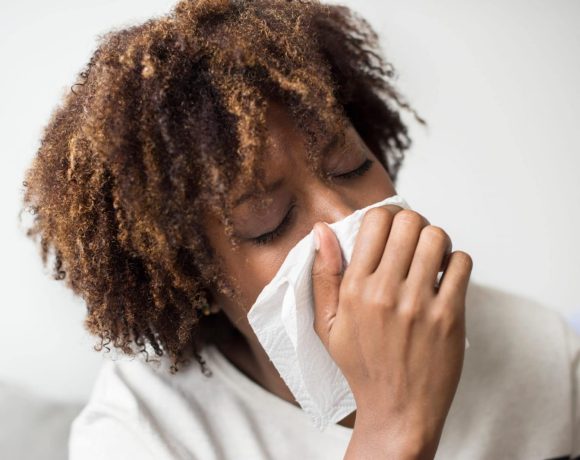
However, when an individual is sick, he or she may have symptoms such as nasal congestion or runny nose.

Nasal congestion is the most common condition affecting the nose. This happens when allergens or pathogens (viruses, bacteria, or fungi) cause inflammation of the nasal passage.

In an exclusive interview with our health correspondent, Adebukola Aluko, an Assistant Director of Nursing, University College Hospital, UCH, Mrs Oluseyi Owoade gave an insight into what Nasal congestion is, remedies and prevention.

The nose is an organ of respiration and smell, and so when we are breathing air through the nose, automatically, we breathe in particles that cannot be seen, and God has made provision for us for these intruders and particles that we cannot see to be clean and purified to a great extent before we take in air so that it does not cause terrible damage deep down our respiratory system and so our noses are lined up with tiny hairs that may not be visible or at times may be visible depending on individual genetic makeup. This hair stops the air we breathe in from taking in dirt, microorganisms and pollen.

Nasal Congestion occurs when we take in an allergy which could be from particles, sprays, perfumes or may even be due to an infection. Anything that irritates the inside of the nose can cause a stuffy nose. Infections such as colds, flu and allergies often cause stuffy and runny noses. Irritants in the air, such as tobacco smoke, perfume, dust and car exhaust, also can cause these symptoms”, the Medical Expert explains.

Mrs Owoade throws more light on how the body launches defence against foreign invaders.
When there is an intrusion, the body tries to defend itself by sending in soldiers, and these soldiers get there through the blood vessels. Now these blood vessels carry blood that will bring in soldiers to fight and this will enhance the production of mucus inflammation known as swelling, it is this swelling that blocks the tiny air passage that makes the nose to be blocked”.

What do you do when the nose is blocked? we should ask ourselves what could be the possible cause and what is the thing we may be reacting to, and once the offender has been removed the blocked nose is taken care of.

Do a further check to see if all allergies have been addressed. For instance, do away with allergic sprays and perfumes among other things.
Do a steam inhalation for adult
Add a few drops of eucalyptus oil into the boiling water, if there is no history of allergic reaction to eucalyptus
Cover with a blanket, breathe in air from the mouth and puff out through the nose. Repeat by breathing through the nose and puffing out through the mouth until the water does not bring steam again.

Note: Steaming should not be done before taking a bath or shower but rather steaming should be done after a birth or shower as this will retain the steam in our body. After steaming between 5-10 days and the blocked nose is not relieved then you must seek medical attention.

For babies, put their faces beside your face and allow the steam of boiled water poured in a bowl to get into your face and the babies’ face, then do that until the water is cold, this will relieve the blocked nose.

Nasal Congestion should not be taken lightly both in children and in adults, it could be a pointer to a serious health condition and must be given serious attention because the nose is one of the cavities on the face and the bones of the face are made up of different holes called the Sinosis. When this Sinosis are blocked, then we may experience disequilibrium and lack of balance, feeling dizzy. However, it is not advisable to blow any blocked nose because doing this will rupture the membranes and cause serious damage in our body”. Mrs. Owoade continues.

Nasal hygiene is an important aspect of health. Below are home remedies that can help when you’re experiencing nasal congestion.

A blocked nose can cause ear and brain infections if not urgently and adequately taken care of
Air purifier helps to get rid of particles and offending tiny particles
A humidifier is used to keep the air moist to prevent dry air that can irritate the mucus membrane of the nose
Increase fluid intake
increase intake of vitamin C through fruits and vegetables
Over-the-counter anti-inflammatory or antihistamine drugs
A small amount of garlic may be chewed or infused in drink
Don’t remove hairs in the nose, because they filter dirt.
Irrigate your nasal passages with saline spray to keep them clean and moist.
Keep your home clean to reduce the amount of dust and other allergens you may breathe in. Wash your bedsheets to remove dust.
Avoid smoking or breathing in second-hand smoke.
Propping your head up on pillows can also encourage mucus to flow out of your nasal passages.

For Babies
Avoid spraying perfumes, air fresher, and insecticides around babies and children
Consult a paediatrician when babies and children have blocked nose
An aspirator can be used to remove remaining mucus from the baby’s nose

Blockages, congestion and other nasal conditions can make you feel miserable, Regular nasal hygiene can keep you healthy and improve your overall well-being.

Washing hands frequently with soap and water
Washing bed linens regularly in hot water and detergent
keeping the windows and doors closed during high pollen and mould seasons
Vacuuming frequently
Avoiding close contact with people who are ill.

Subscribe to our Telegram and YouTube Channels and also join our Whatsapp Update Group

Health

By Titilayo Kupoliyi

Food is essential for human survival as it provides energy, nutrients, and materials for growth and repair.
The timing of intake of food is categorised into three major parts, which include breakfast, lunch and dinner.
Most times, people prepare their meals at home, while for some reason a lot of people patronise eateries and bukaterias.
Whichever might be an individual’s choice, it is important to note that, meals must be prepared in a hygienic environment.
Maintaining hygiene when cooking food is crucial to prevent the spread of bacteria, viruses, and parasites that can contaminate food through improper handling.
Sadly, however, there have been reports of food vendors engaging in unhealthy practices. The recent one is the video of a lady trending on social media who was seen urinating in the stew meant for her customers.
However, she claimed she was using her urine to cook for her husband, not customers, as an act of revenge.
“I have been cooking with my urine for over five months now to feed my husband with it because I was angry with him,” she said. “The food was not for my customers. I regret my actions and I ask the whole nation to forgive me.”
The video was just one of the numerous allegations against food vendors.
Reports have shown that some add harmful substances in the processing of Fufu. These substances include detergents, bar soaps, bleach, alum and potash to speed up the softening of the cassava, while some add tablets to soften meats while cooking.
Speaking on the development, a nutritionist, Dr. James Oloyede stated that mixing soda, detergents, and other toxic substances with cassava roots could lead to kidney failure, renal damage, and even death.
Describing the substances as a “slow poison,” Oloyede noted that people who consumed fufu made with such substances were essentially dying gradually. (Punch Online).

Contributing, the President Environmental Health Officers Association of Nigeria, Oyo State chapter, Mr Tijani Adegoke highlighted some criteria for eateries and bukaterias.
We need a self-closing door so that all these domestic animals would not have access to where the food is being prepared”.
“A hygienic food cafeteria must have a good source of water supply and a container where they will be turning the water and where people eating in such premises would be collecting water either for washing of hands, and other domestic purposes. Such containers should be provided with a uniform water collector”.
“It should have a clean kitchen with adequate ventilation either artificial or natural”.
” It should be provided with washing hand basins and soap”, There must be a store well and dunnage”, where food items will be arranged”.
“There must be a clock room, where the workers dress and undress themselves, where they put on an apron and protective devices or materials while working”.

Mr Adegoke maintained that there are laws that guide the services of food vendors in the country as well as penalties for offenders. These laws include the National Policy on Environmental Sanitation 2008.
National Environmental Practice Gazette 2016, 2005 Revised Version. Edit of 2004, Oyo State Food Preparing Edit, Public Health Law.
The environmental health boss emphasised that the penalty for sanitary offenders regarding the preparation of food for commercial purposes depends on the level of the offence.
The penalties vary from the sealing of the premises to the prosecution of offenders. The offender might be placed on fine or given a term of prison ranging from three to months to six months.
The person may be asked to report to the office of the environmental health officers until certified fit to prepare food for the public.

Mr Adegoke reiterated that the Environmental Health Association in Oyo State is planning training for food vendors on ethics in preparing food for public consumption.

Subscribe to our Telegram and YouTube Channels and also join our Whatsapp Update Group

Health

By Olawale Asake

The National Orientation Agency, NOA, has urged the public to take precautions against the outbreak of seasonal diseases, including Meningitis, Lassa Fever, Cholera, and Measles.

As part of moves to strengthen its efforts, the NOA organized a Sensitization and Public Enlightenment Campaign at its Oyo State headquarters in Agodi, Ibadan.

The event brought together various stakeholders, including health educators, religious leaders, market traders, youth representatives, and other community groups.

The agency emphasized the importance of preventive measures to curb the spread of these illnesses in communities.

Representing the NOA Director General, Mallam Lanre Issa-Onilu, the Director of Health and Social Care, Dr. Olufemi Ayoola, highlighted key preventive measures.

These include maintaining personal and environmental hygiene, regular hand washing, and proper food storage to reduce the risk of infectious diseases.

In their remarks, the Oyo State Health Promotion Officer, Mr. Olaoye Olarinde, and the State Epidemiologist, Dr. Iyabo Kareem, stressed the importance of a balanced diet for healthy living.

They also encouraged the public to prioritize cleanliness and regular health check-ups for early detection and treatment of diseases.

Participants at the event, including the Director of an NGO, Mr. Dare Adaramoye, and the Iyaloja of Ibadanland, Alhaja Iswat Amiringun, echoed the message, urging people to prioritize their health.

Mr Adaramoye and Alhaja Amiringun pledged to spread awareness about disease prevention within their communities.

Earlier, the Oyo State Director of NOA, Dr. Olukemi Afolayan, explained that the campaign aimed to educate the public on disease prevention through child immunization and the adoption of healthy living practices.

The event concluded with a call for collective action to combat the spread of seasonal diseases and promote public health.

Subscribe to our Telegram and YouTube Channels and also join our Whatsapp Update Group.

Health

By Fasilat Lawal

Medical Students of the University College Hospital, UCH, Oyo State have staged a protest at the main gate of UCH over the exclusion of Alexander Brown Hall and Ayodele Falase Hall, after the restoration of power supply to the Institution.

The aggrieved students, who were cladded in black clothes, chanted solidarity songs and barricaded Queens Elizabeth Road linking Mokola and Gate.

The protest came a few days after the Minister of Power, Chief Adebayo Adelabu met with the management of UCH and Ibadan Electricity Distribution Company, IBEDC over power disconnection in UCH for months. 

In an interview, the President, Students Union, University of Ibadan, Mr Bolaji Aweda said the protest was due to the deliberate failure to supply power to the medical student’s hall.

Mr Aweda explained that during the visit of the Minister of Power to the Hospital, he gave an assurance that power supply would be restored within 48 hours, but that the students were surprised when power was disconnected from some places including the medical students’ hostel. 

Speaking in the same vein, a female student of the institution who did not want her name mentioned, said the swift intervention of Chief Adelabu in resolving the lingering power outage at the health institution was laudable but expressed displeasure with the disconnection of power supply from their hostels, stressing that it would affect her education and personal hygiene. 

Also a post-graduate student at the College of Medicine, Mr Samuel Ojo appealed to the management of the University of Ibadan and University College Hospital to quickly resolve and restore power supply to their hostels.

The protest was however peaceful though security personnel were on ground to prevent disorder.

Subscribe to our Telegram and YouTube Channels and also join our Whatsapp Update Group

Health

By Iyabo Adebisi

To tackle the problem of Female Genital Mutilation, FGM and other sexual and Gender-Based Violence, GBV, the Oyo State government has inaugurated a 20-man steering committee and a 55-man technical working group for effective and sustainable management of gender-related issues. 

The committees, which had three months to come up with the Oyo State Action Plan on how to nip the issues in the bud, was inaugurated by the Ministry of Women Affairs and Social Inclusion at a special programme in commemoration of International Day of Zero Tolerance for FGM held at the secretariat, Ibadan

The steering committee include Commissioners for Justice, Health, Trade and Education while the technical group has representatives from NGOs as its members. 

Inaugurating the committees, the Head of Service, Mrs Olubunmi Oni, said Oyo State is committed to building a society where gender-related issues are effectively and sustainably managed through a collaborative, multi-sectoral approach that transcends ministries, agencies and departments. 

In a remark, Commissioner for the Ministry of Women Affairs and Social Inclusion and Chairperson of the Steering committee, Toyin Balogun, said the strategic platform is not just to tackle FGM but holistic gender-responsive governance and interventions that would ensure inclusive, just and equitable society.

According to her, ending FGM and tackling gender-based violence requires a full commission of government agencies, civil society, development partners, community leaders and the media.

In their goodwill messages, representatives of partner agencies and groups, including UNICEF and Commissioner for Health, Dr Oluwaserimi Ajetunmobi expressed optimism that the effort would drastically reduce FGM and Gender-based violence. 

Oyo State is ranked 5th among States in Nigeria with the highest record of FGM practices.

Subscribe to our Telegram and YouTube Channels and also join our Whatsapp Update Group
 

Health

By Omolola Alamu

The Nigeria Association of Women Journalists (NAWOJ), Oyo State Chapter, joins the global community to commemorate the International Day of Zero Tolerance for Female Genital Mutilation (FGM), 

This year’s theme, “stepping up the pace “, emphasizes the need for collective action to eradicate this harmful practice that affects millions of girls and women worldwide.

In a statement, the chairperson OYO Nawoj, Mrs Omolola Alamu and the Secretary, Mrs Eniola Adeaga, the association condemns Female Genital Mutilation in all its forms and calls on governments, policymakers, and stakeholders to Strengthen laws and policies to prevent and respond to FGM

Nawoj urges the Government to Increase funding for initiatives addressing FGM support survivors and provide access to justice and reparations

The association also advises traditional and religious leaders to denounce FGM and promote alternative rites of passage that respect the rights and dignity of girls and women.

The Association call for unity to break the silence, challenge harmful traditions, and demand an end to FGM.

Subscribe to our Telegram and YouTube Channels and also join our Whatsapp Update Group

Health

By Seyifunmi Olarinde

Oyo state has made commendable strides in reducing the prevalence of female genital mutilation in the state and has reduced the occurrence rate from sixty-three per cent to 31.3 per cent within the past six years.

Wife of Oyo state governor, Mrs Tamunominimi Makinde disclosed this in an address during the event organized by her office to commemorate this year’s International Day Of Zero Tolerance For Female Genital Mutilation

Mrs Makinde who said over two hundred communities in the state had declared the abandonment of FGM, stressed the need for stakeholders to step up their commitments to reducing the prevalence rate to zero.

While highlighting the various laws enacted by the state to address violence against women and children, Mrs Makinde encouraged mothers to speak out against female Genital Mutilation and seek for help from the government 

Earlier, a social worker from the state Ministry of Women Affairs and Social Inclusion, Mrs Seun Olalekanmi emphasized that 27 million women have been predicted to be at risk of FGM globally, before the year 2030, hence the need for stakeholders to intensify their advocacy efforts.

Mrs Olalekanmi identified no sexual satisfaction, post-traumatic stress, memory loss, and extramarital affairs as some of the negative effects of Female Genital Mutilation on victims.

Also speaking, the FGM focal person in Oyo state, Mrs Balikis Olawoyin advocated increased community mobilization as well as youth and Media engagements to further reduce the prevalence rate of FGM in Oyo state.

Subscribe to our Telegram and YouTube Channels and also join our Whatsapp Update Group

Health

By Titilayo Kupoliyi

Henna is a dye prepared from the plant. It has been used for thousands of years, especially in India as a cosmetic and hair dye.
The Hausa call it Marandaa while the Yoruba call it Laali.
It is also used to dye fabrics like silk, wool and leather. It is one of the oldest cosmetics in the world and it is of great importance in Islam, where it is used in many ceremonies, especially during marriage ceremonies to paint intricate patterns on the skin, especially the hands and feet of a bride and her female wedding guests.
It is widely grown in gardens as an ornamental or hedge plant, appreciated for the strong, pleasant fragrance of its flowers.

Though, it can darken after it is applied on the skin, natural henna is never black! The original colour is a rich red-brown stain, in fact, It is sometimes referred to as “red henna” to differentiate it from products sold as “black henna” or “neutral henna,” which may not actually contain henna but are instead made from other plants or dyes.
Aside its cosmetic values, many studies have confirmed that it has a significant anti-sickling effect. Lawsone, the dyeing agent in the plant, is the molecule responsible for the anti-sickling activity of the plant by increasing oxygen affinity of red blood cells.

In traditional medicine, it is used as a panacea against almost any disease. The plant harbours a well-documented folklore history for treating convulsion, jaundice and malignant ulcers.
It contains medicinal properties for the cure of renal lithiasis, jaundice and wound healing.
It prevents skin inflammation. In Arabic and Indian medicine, preparations from the leaves, sometimes including other parts of the plant (root), are effectively used to promote childbirth, as an abortifacient and as an emmenagogue (a substance that stimulates or increases menstrual flow).
The leaves of Lawsonia inermis are used to treat poliomyelitis, measles among the Yoruba in the South-West, Nigeria.

Natural History Museum

A decoction of the leaves and roots is effective against certain forms of diarrhoea.
Also, In Côte d’Ivoire and Northern Nigeria, the leaves are used in the treatment of trypanosomiasis.
The bark is traditionally used in the treatment of jaundice and enlargement of the spleen, renal calculus, leprosy and obstinate skin diseases.
The plant is also used as a “blood tonic.” It is an astringent herb with a tea-like aroma that controls bleeding.
It is regarded as a nerve tonic in Ayurvedic medicine. It has been traditionally reported to be used in treatment of headache, hemicranias, lumbago, bronchitis, boils, ophthalmia, syphilitis, sores, amenorrhea, scabies, diseases of the spleen, dysuria, bleeding disorder and skin diseases.
Report has it that the plant contain lawsone (the dyeing agent in the plant), Esculetin, Fraxetin, Isoplumbagin, Scopoletin, Betulin, Betulinic acid, Hennadiol, Lupeol, Lacoumarin, Laxanthone, Flavone glycosides and two pentacytic triterpenes.
It also contains carbohydrates, proteins, flavonoids, tannins and phenolic compounds, alkaloids, terpenoids, quinones, coumarins, xanthones and fatty acids.
It is now measured as a valuable source of exclusive natural products for growth of medicines against various diseases and also for the development of industrial products.
The leaves are taken internally in the treatment of amoebic dysentery. They are used as a gargle to treat sore throats. Extracts of the leaves have an astringent effect on the skin.
This effect, combined with a slight bactericidal and fungicidal action, makes it a useful medicine for external use against many skin and nail complaints. The leaves are therefore used externally in the treatment of various skin diseases (including leprosy), wounds, ulcers and herpes.
Dyeing the hair with henna effectively kills lice. The young leafy shoots are picked during the growing season and dried for use in powders.

An essential oil obtained from the flowers is used in perfumery. It is lilac-scented.
The fragrant flowers are macerated, then infused in oil to impart their fine scent for use as a perfume.
The seeds contain about 10 per cent of a non-drying, viscous oil, composed mainly of oleic, linoleic and stearic acids.
The seeds have been reported to possess deodorant action and are used in most cases for gynaecological disorders such as menorrhagia, vaginal discharge and leucorrhoea. The wood is fine-grained, hard and used for fuel. It is also used for making tent pegs and tool handles.

The plant has a multifaceted use. Truly, Lawsonia inermis is a plant with more than cosmetic values.

rxlist.com

to our Telegram and YouTube Channels and also join our Whatsapp Update Group.

Health

By Olaolu Fawole

Across many parts of Africa, cooking practices that rely on harmful substances such as wood, charcoal, and plastic are putting millions of people’s health at risk.

These harmful substances not only jeopardize the environment but also exacerbate the health challenges faced by already vulnerable populations.

As Africa continues to grapple with food insecurity, poverty, and rapidly changing environmental conditions, the socio-ecological dynamics of cooking and food processing are becoming increasingly important to address.

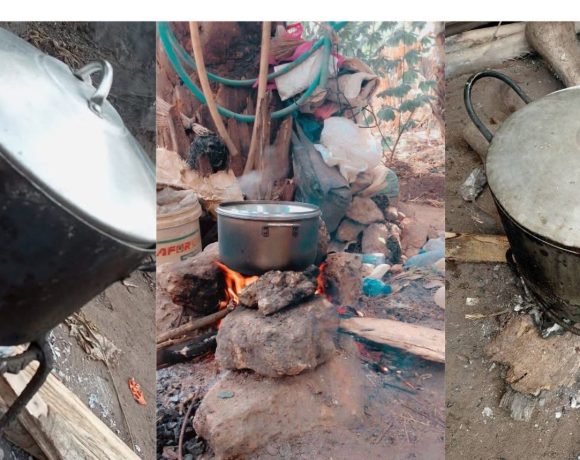
In Africa, many households rely on traditional cooking methods, including open fires and inefficient stoves.

The use of harmful substances is widespread and lack of access to clean cooking is having adverse effects on 1.2 billion people across Africa and leading to millions of premature deaths annually.

These substances, while easily accessible and inexpensive, contribute to serious health problems, environmental degradation, and reinforce cycles of poverty.

The consequences are felt most acutely in rural areas, where access to cleaner, safer cooking technologies remains limited.

Hidden Dangers of Harmful Cooking Practices

Many African households, especially in low-income communities, rely on traditional cooking methods using wood, charcoal, and even plastic.

When burned, these substances release toxic pollutants such as carbon monoxide, particulate matter, and volatile organic compounds, all of which are harmful to human health.

According to the World Health Organization (WHO), indoor air pollution caused by the burning of solid fuels is responsible for around 3.8 million deaths annually, with women and children being the most affected.

In homes where these fuels are burned indoors, the air quality is often worse than that of outdoor urban areas with high levels of pollution.

The health impacts include respiratory diseases, heart disease, strokes, and cancer.

Children, whose lungs are still developing, are especially vulnerable, as well as expectant mothers, who risk complications during childbirth.

The consequences extend beyond respiratory issues.

Prolonged exposure to indoor air pollution can also lead to neurological and developmental issues in children, impaired immune systems, and a higher risk of chronic diseases later in life.

Socio-Ecological Dynamics: The Environment at Risk

The widespread use of wood and charcoal as fuel sources contributes significantly to deforestation across Africa.

Every year, millions of trees are cut down to fuel cooking fires, leading to soil erosion, loss of biodiversity, and the destruction of vital ecosystems.

In regions already experiencing the effects of climate change, such as prolonged droughts and erratic rainfall patterns, this environmental degradation makes the situation even worse.

The loss of forests also means the destruction of carbon sinks, further exacerbating the impact of climate change.In some areas, people turn to burning plastic waste for cooking, a practice that is not only harmful to human health but also adds to the growing problem of plastic pollution.

When plastic is burned, it releases harmful chemicals such as dioxins and furans into the air, which are known to cause cancer and disrupt endocrine functions.

A Vicious Cycle: Poverty, Health, and the Environment

The connection between harmful cooking practices and the broader socio-ecological context is clear.

In many African communities, access to cleaner and more sustainable cooking technologies is limited by poverty.

The high cost of cleaner cooking stoves and the scarcity of alternatives like liquefied petroleum gas (LPG) or electricity leave families with no choice but to rely on harmful substances.

Poverty drives individuals to use what is most affordable, regardless of the long-term consequences.

In addition, access to education and awareness about the risks of traditional cooking methods is often lacking, and many communities are unaware of the available alternatives.

As a result, people continue to expose themselves to hazardous substances that undermine their health and contribute to environmental destruction.In this context, the impact of harmful cooking practices is not only felt in terms of immediate health issues but also in the long-term economic costs.

People suffering from respiratory diseases and other health conditions are unable to work, which perpetuates the cycle of poverty.

The burden of disease on healthcare systems further strains limited resources, making it harder for governments and organizations to address other pressing health challenges.

The Way Forward

One of the most effective ways to tackle this issue is by promoting cleaner and more efficient cooking technologies.

This includes the widespread adoption of improved cookstoves that reduce fuel consumption and limit harmful emissions.

These stoves not only improve air quality but also help conserve the environment by reducing the need for firewood and charcoal.

However, to achieve large-scale impact, governments need to create policies that incentivize the adoption of clean cooking solutions and make these technologies more accessible to low-income households.

While improved stoves are important, access to alternative fuels like LPG and biogas is equally crucial. These cleaner energy sources reduce the reliance on traditional fuels and can significantly improve health outcomes.

Governments, in partnership with private companies, should work to lower the cost of these fuels and ensure their availability, particularly in rural and underserved areas.

Raising awareness about the dangers of harmful cooking practices and the benefits of clean cooking is essential.

Public education campaigns can help shift behaviours and encourage communities to adopt safer, more sustainable practices. Addressing the environmental impact requires efforts to promote sustainable land management practices, including reforestation programs and the development of sustainable charcoal production.

Governments should also support the transition to alternative cooking fuels that do not contribute to deforestation or environmental degradation.

A Collective Responsibility

The use of harmful substances in cooking and food processing represents a critical challenge in Africa’s fight for better health and environmental sustainability.

Addressing this issue requires collective action from governments, development organizations, the private sector, and local communities.

By promoting clean cooking technologies, expanding access to alternative fuels, and raising awareness, Africa can take significant steps toward improving health outcomes and protecting the environment.

Health

By Mojisola Oladele

The Executive Secretary of the Osun State Agency for the Control of AIDS, OSACA, Mr. Olusegun Daramola has reassured people living with HIV/AIDS that their health and well-being would be a priority.

Mr. Daramola gave the assurance in a statement made available to Newsmen in Osogbo, this is against the backdrop of the recent announcement by United States President, Mr. Donald Trump of plans to withdraw American’ s support for Nigerians living with HIV/AIDS.

He explains that necessary steps are being taken to ensure continued access to essential healthcare services for individuals living with the disease.

Mr. Daramola says: “We understand that the recent withdrawal of support by PEPFAR may have caused concern and uncertainty about your care and treatment. Please be assured that you are not alone. Your health and well-being remain our top priority.”

“Under the leadership of His Excellency, Senator Ademola Jackson Nurudeen Adeleke, the Osun State Government, in collaboration with partners, agencies, and stakeholders, is working tirelessly to bridge any gaps left by PEPFAR’s withdrawal” He added.

He stresses that the Agency is exploring all available resources to strengthen healthcare services and mobilize community support to ensure uninterrupted access to essential care.

The OSACA Boss urges people living with HIV/AIDS in the state to remain calm, adhere to their prescribed regimen, attend scheduled clinic visits, and reach out to healthcare providers when the need arises.

Health

By Anthonia Akanji

Disease outbreaks have been a recurring part of human history, with some classified as endemic confined to specific regions and others as pandemics, affecting multiple countries simultaneously.

A notable example is the COVID-19 pandemic of 2020, which severely impacted global economies and public health. Other diseases with widespread effects include H1N1 influenza, Swine flu, Mpox, Anthrax, and the recently emerging Human Metapneumovirus (HMPV).

HMPV is a newly identified virus responsible for acute respiratory tract infections, particularly in young children. Currently, there are no approved vaccines or specific antiviral treatments for the disease. While cases are rising in China, experts emphasize that HMPV is a seasonal illness rather than a new pandemic threat.

The Nigeria Centre for Disease Control (NCDC) has classified Nigeria as being at moderate risk for HMPV, as the World Health Organization (WHO) has not declared it a public health emergency of international concern. However, the NCDC has intensified surveillance of all respiratory pathogens to prevent the virus from spreading widely.

A public health expert with the Oyo State Hospital Management Board, Dr Ajibolu Oke, highlighted that children, older adults, and individuals with underlying health conditions are more vulnerable to HMPV. He stressed the need for greater awareness about the disease, improved healthcare infrastructure, and enhanced training for medical professionals to effectively manage such illnesses.

“Nigeria is improving her health care system but we need to ensure the following, increase more awareness about HMPV, upgrade healthcare facilities to meet emerging challenges and ensure proper training for health care providers at all levels and cadres about the disease and others as well as how to manage them”.

Assistant Chief Nursing Officer at the University College Hospital, Ibadan, Mrs Adenike Adu listed HMPV symptoms as nasal congestion, sore throat, fever, cold, cough, wheezing, shortness of breath, and rash. She warned that severe cases could lead to complications such as pneumonia and lung infections. The virus spreads through respiratory droplets when an infected person sneezes, particularly in poorly ventilated spaces where people are not wearing masks.

It can lead to other complications like pneumonia, infection to the lungs, and infection to the airways. Once a person infected sneezes, the virus spreads to other people who are not wearing nose masks in a place with poor ventilation.

Interviews with Ibadan residents revealed that many are unaware of HMPV, with only a few having heard of it in the news. Medical experts advise people experiencing cold-like symptoms to take them seriously, as they may resemble HMPV.

 Nigerians are also encouraged to avoid contact with sick individuals, maintain proper hand and cough hygiene, and wear face masks in crowded areas to curb the virus’s spread.

Subscribe to our Telegram and YouTube Channels and also join our Whatsapp Update Group

Health

By Oluwasheun Olayanju

Introduction

HIV/AIDS may no longer dominate global headlines as it once did, but the crisis is far from over.

Despite advancements in treatment and prevention, the virus continues to affect millions worldwide.

Sub-Saharan Africa, particularly Nigeria, remains a hotspot, grappling with high infection rates, especially among young people.

As complacency grows, the virus spreads silently through communities.

This article explores the ongoing impact of HIV/AIDS and stresses the importance of awareness, prevention, and responsible behavior.

The Global HIV/AIDS Epidemic: Where We Stand

As of the end of 2023, HIV/AIDS remained one of the world’s most pressing health challenges, with approximately 40 million people living with the virus.

That year alone, 1.3 million new infections were reported globally.

While antiretroviral therapy (ART) has made significant strides in reducing infections, the epidemic persists.

Sub-Saharan Africa bears over two-thirds of the global HIV burden—a stark reminder of the region’s vulnerability.

HIV/AIDS in Nigeria: The Alarming Reality

Nigeria ranks second worldwide for the largest number of people living with HIV, with 1.9 million individuals affected.

Although the prevalence rate decreased to 1.3% in 2022, vulnerable groups—such as young women, sex workers, and people who inject drugs—remain disproportionately impacted.

The National Agency for the Control of AIDS, NACA, highlights higher mortality rates in rural areas and northern regions, where healthcare access is limited.

Young women in Nigeria face an alarming reality.

Girls and women aged 15–24 are nearly twice as likely as their male peers to contract HIV, driven by socio-economic inequalities, cultural stigma, and inadequate sexual education.

This emphasizes the urgent need for targeted awareness campaigns and youth-centred interventions.

Expert Warnings: The Fight Is Not Over

A retired associate professor of Medical Microbiology and Infection Control, Dr Hannah Dada-Adegbola, emphasizes that while treatment has advanced, the threat remains.

Retired Associate Professor of Microbiology and Infection Control, Dr Hannah Dada-Adegbola

“We’ve come a long way with HIV treatment, but the virus has not gone away. Too many sexually active young people engage in risky behaviours without fully understanding the consequences. We need to emphasize that HIV is still a danger, especially for those who believe they are not at risk,” she says.

Dr Dada-Adegbola also warns that younger generations, who did not witness the devastating peak of the epidemic, underestimate the risk.

“No demographic is excluded. We need educational campaigns targeting schools, universities, and rural areas where infection risks are high”, she stressed.

The Dangers of Careless Sexual Behavior

Unprotected sexual activity is a major driver of new HIV infections, particularly among young people.

Risky practices—such as multiple partners, inconsistent condom use, and infrequent HIV testing—fuel the epidemic.

Adding to this is the rise of dating apps and casual relationships, coupled with limited access to comprehensive sexual education.

Many young people are unaware that HIV can remain asymptomatic for years, leading to unintentional transmission.

The Youth at Risk: A Call for Action

In sub-Saharan Africa, young women aged 15–24 account for 25% of new HIV infections despite representing only 10% of the population.

In Nigeria, many young people lack access to the information and resources they need to protect themselves.

Stigma also plays a significant role in discouraging testing and treatment.
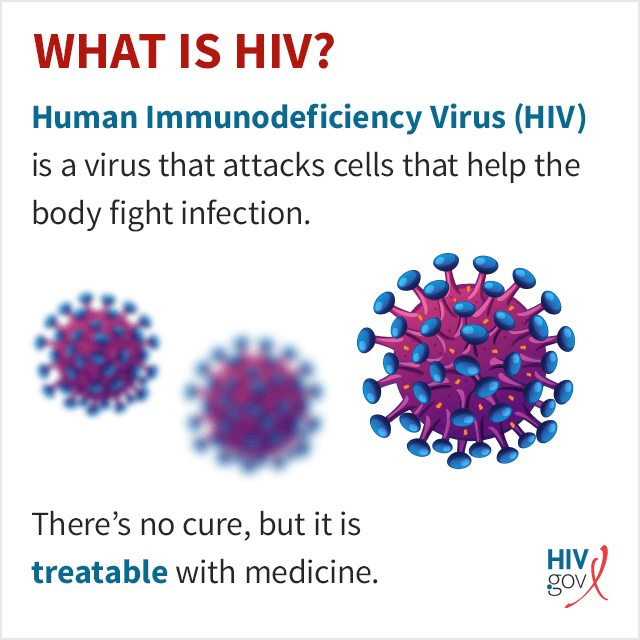
Fear of judgment prevents many from seeking care, further exacerbating the problem.

The message is clear: HIV does not discriminate, and every individual must take proactive steps to protect themselves.

What Can Society Do?

Addressing the continued threat of HIV/AIDS requires a unified approach.

Here are key strategies to combat the epidemic:

1. Revamp Public Awareness Campaigns: Use social media, YouTube, and mobile apps to educate youth about the dangers of HIV and the importance of responsible sexual behaviours.

2. Improve Sexual Health Education: Schools and communities must adopt comprehensive programs that teach HIV prevention, safe sex practices, and regular testing.

3. Increase Access to Healthcare: Only 87% of people living with HIV in Nigeria have access to antiretroviral treatment. Expanding affordable testing and treatment services is critical.

4. Break the Stigma: Normalizing conversations about HIV testing and sexual health can help reduce the stigma that prevents people from seeking care.

5. Expand Awareness of PrEP: Pre-exposure prophylaxis (PrEP), a medication that prevents HIV infection, must be made more accessible and widely known in Nigeria and across Africa.

The Road Ahead: A Global Responsibility

The fight against HIV/AIDS is a global issue requiring international collaboration.

Organizations like UNAIDS and The Global Fund have made significant strides, but achieving the goal of ending HIV by 2030 requires sustained effort.
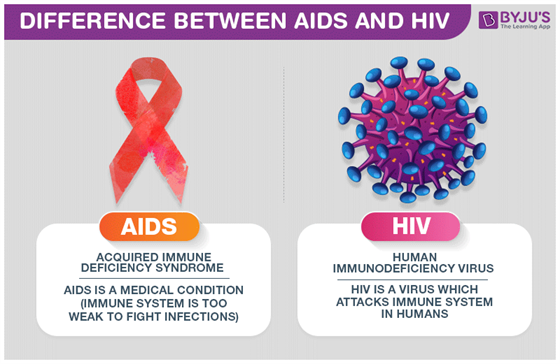
To succeed, health inequalities must be addressed, access to care expanded, and HIV services integrated with other public health initiatives.

Ending the epidemic depends on keeping HIV at the forefront of global health discussions and ensuring no one is left behind.

Conclusion

HIV/AIDS may no longer dominate the news, but its impact remains devastating—especially in Nigeria and sub-Saharan Africa.

Complacency, ignorance, and careless sexual behavior have allowed the virus to persist.

As a society, we cannot afford to ignore the crisis.

By staying informed, practising safe sex, and encouraging regular HIV testing, we can protect ourselves and our communities.

HIV is still here, and it remains dangerous. Let us act now to ensure a healthier future for all.

Subscribe to our Telegram and YouTube Channels and also join our Whatsapp Update Group

Health

By Olawale Asake

Students of the University of Ibadan have staged a peaceful protest to express their grievances following a power outage at the University College Hospital, UCH, Ibadan for the past 82 days.

The protest started from the UCH main gate through Total Garden to the State Secretariat, Agodi Ibadan.

The students carried placards with various inscriptions, such as “Restore Our Electricity, We are suffering.”

Speaking, the President Students’ Union, University of Ibadan, Mr Bolaji Aweda said, that students of the University of Ibadan at the College of Medicine, UCH, are mostly residents at the Alexander Brown Hall and Ayodele Falase Postgraduate Hall, stressing that they have passed through hardship due to lack of Water and Electricity,  which had affected their health and studies. 

While addressing the Protesters at the State Secretariat, Ibadan, shortly after submitting their demands through a letter to Oyo State Governor, Engineer Seyi Makinde, the Executive Assistant to the Governor on Security, Mr Sunday Odukoya commended the Students for their civility and comportment in expressing their grievances.

Mr Odukoya promised to relay their message to the Governor for further steps on their demands.

Our Correspondent reports that security men from the Nigeria Police, Nigerian Army and Nigeria Security and Civil Defense Corps, NSCDC, were on ground to maintain law and order during the protest.

Subscribe to our Telegram and YouTube Channels and also join our Whatsapp Update Group

Health

By Mosope Kehinde

The Speaker, Oyo State House of Assembly, Mr Adebo Ogundoyin has advocated the establishment of more General Hospitals in underserved Local Government Areas (LGAs) in the State. 

The call was contained in a motion, sponsored by the Speaker, Mr. Adebo Ogundoyin, and co-sponsored by Mr. Peter Ojedokun of Ibarapa North/Central.

The motion was tagged “Need for the Executive arm of Government to establish General Hospitals in underserved LGAS, increased Healthcare personnel and expanded training opportunities for intern students across the State.”

According to the motion, six LGAs – Atiba, Ibadan South East, Ido, Ogo Oluwa, Ona Ara, and Oyo West – currently lack General Hospitals, leaving residents without access to essential healthcare services. 

The motion noted that the absence of infrastructure has resulted in residents often having to travel long distances to access emergency, diagnostic, and other crucial healthcare services.

The motion also highlighted the challenges posed by inadequate healthcare personnel in existing facilities. 

“Despite the recent recruitment drive of the Oyo State Government, a significant gap remains in delivering efficient, timely, and comprehensive healthcare across the state. Expanding this staffing initiative would help alleviate the workload on current staff, reduce burnout, and ensure a higher standard of care for all residents.”

Furthermore, the motion emphasized the importance of intern students in the health sector, including nurses, pharmacists, medical laboratory scientists, and physiotherapists. 

“The current provision for intern students is insufficient, with only 24 pharmacists, 20 nurses, 23 laboratory scientists, and 25 physiotherapists accommodated annually.” 

The motion urged the Executive Arm of Government to expand these internship provisions to support the immediate workforce needs and ensure a smooth transition into the professional workforce.

The motion applauded Governor Seyi Makinde for his efforts towards providing quality healthcare for the people. 

It also called for sufficient funding and resources to train and develop intern students, ensuring they receive quality mentorship and hands-on training while equally recommending an integrated approach, combining the establishment of new General Hospitals with expanded healthcare personnel and increased intern opportunities. 

The motion further instructef the Oyo State House of Assembly Committee on Health to conduct a comprehensive evaluation of all the State Government healthcare facilities.

This assessment is aimed at identifying facilities requiring upgrades as well as determine their viability.


Health

By Adebola Ajayi

The Ogun State Chairperson of the Police Officers’ Wives Association, POWA, Mrs Olubusola Ogunlowo has led members of the Association on a ten thousand step walk fitness dance and sweat exercise.

A statement by the Spokesperson of State Police command , Omolola Odutola indicates that the exercise was part of activities marking Mrs Ogunlowo’s maiden edition of sensitization on the importance of healthy living and ensuring a daily walking lifestyle for a longer life.

The statement shows that the chairperson of POWA had earlier led a delegation of Police Wives in the state, to Ogun State Police Command to pay a courtesy visit to her husband, and formally welcomed him into the Office and prayed that his tenure as well as other Police officers in the State would be successful.

According to the statement, during the visit, Mrs Ogunlowo enumerates her seven point vision that would be brought to the frontier to assist Police wives to remain at their best emotionally and mentally.

It says that the agenda includes promotion of the importance of healthy living, protection of the rights of women and children against negative vices and violence, welfare of the aged and how best to manage them at old age.

Others were recycling programmes where Police wives would be taught on how to engage in the recycling business as a sustainable means of income, priotizing the education of the Police officers children and adequately supporting them academically.

The statement notes that the Ogun State Chairperson of POWA appreciates the National President of the Police wives association, Mrs Elizabeth Egbetokun for her resilience and numerous achievements through the partnership of her husband IGP Kayode Egbetokun for his visionary leadership in bringing quality impact to police officers which the beam light can be seen on the families.

It adds that the programme was rounded off with health talks to the Police wives on ways to better advance their course for the year 2025.

Health

By Adebukola Aluko

When we talk of Belching also known as Burping, what really comes to mind?

Most of the time some individuals view it as something disturbing, others have mixed feeling concerning it, even some consider it as something very harmful to health.

Belching is a normal process involving the act of bringing up air from the stomach. It is a natural process that is common to every individual. However excessive Belching can sometimes interfere with daily activities or cause embarrassment and make someone uncomfortable.

The purpose of belching is to release air from the stomach. It’s your body’s way of pushing out excess air from your upper digestive tract. Most belching is caused by swallowing excess air. This air most often never even reaches the stomach. Instead, it builds up in the esophagus.

Every time you eat, you also swallow air, along with fluid or food. Now this air pile up and buildup in the upper stomach causing the stomach to stretch, which in turn triggers the muscle at the lower end of the esophagus (the tube that runs from your mouth to the stomach) to relax. Air is allowed to escape up the esophagus and out the mouth, and this process is called belching.

Causes
As we all know belching can be induced through different ways which are as follows

  • You may swallow excess air if you eat or drink too fast, talk while you eat, chew gum, suck on hard candies, or smoke.
  • Some people swallow air as a nervous habit even when they’re not eating or drinking.
  • Drinking carbonated beverages such as soda or beer can also generate excess gastric air.
  • In addition, individuals who experience anxiety may swallow air excessively.

However, abnormal belching may be due to:

Acid reflux disease (also called gastroesophageal reflux disease or GERD)
Digestive system disease
Pressure caused by the unconscious swallowing of air (aerophagia)

Risk factors
As mentioned above, excessive air swallowing, and certain gas producing foods and drinks such as carbonated beverages are significant contributors to belching and flatulence.

Some patients with Irritable Bowel Syndrome (IBS) appear to be uniquely sensitive to normal, or only slightly increased volumes of intestinal gas, and may develop abdominal cramps as a result.
However these symptoms usually do not point to a serious underlying condition and are often reduced with simple lifestyle changes.

Home Care/ Treatment

  • Eliminate carbonated beverages such as soda and beer.
  • Foods such as cauliflower, broccoli, cabbage, beans, and bran should be avoided.
  • Milk and other dairy foods should be reduced or avoided.
  • Skip the gum and hard candy: when you chew gum or suck on hard candy, you swallow more often than normal, Part of what you’re swallowing is air.
  • You can also get relief by lying on your side or in a knee-to-chest position until the gas passes out.
  • Lactaid milk or non-dairy milk such as soy or almond milk can be used to replace other milk.
  • Eat and drink slowly: taking your time can help you swallow less air, eating when you’re stressed or on the run increases the air you swallow.
    Do not smoke: when you inhale smoke, you also and swallow air.

Remember to stay health at all times

Additional information from Medlineplus

Subscribe to our Telegram and YouTube Channels and also join our Whatsapp Update Group

Health

By Olaolu Fawole

For thousands of years, honey has been revered not only as a natural sweetener but also as a powerful medicinal tool.

Today, as modern medicine faces challenges such as antibiotic resistance, this ancient remedy is making a strong comeback, especially in wound healing.

Honey’s reputation as a healing agent can be traced back to ancient civilizations, where it was used in various forms to treat a wide array of ailments, including wounds, infections, and digestive issues.

In ancient Egypt, honey was used both for medicinal purposes and embalming.

The Ebers Papyrus, one of the oldest known medical texts, lists honey as a key treatment for infections and wounds.

Egyptian physicians even applied honey to the wounds of soldiers returning from battle to prevent infections.

The Greeks and Romans also saw honey as an essential component of their medical practices.

The great physician, Hippocrates, often called the father of modern medicine, prescribed honey for wound healing and for conditions like ulcers and coughs.

Similarly, Roman soldiers carried honey to use on the battlefield for treating injuries.

Meanwhile, in Traditional Chinese Medicine and Indian Ayurveda, honey was considered a vital remedy for a wide variety of conditions, from skin diseases to respiratory ailments.

Honey was viewed not only as a food but as a natural healer.

The Power of Honey in Healing

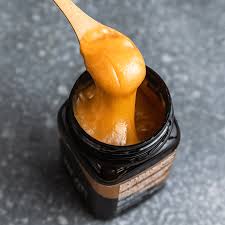
Honey, such as the Manuka honey is known for its natural antibacterial properties.

It contains hydrogen peroxide and other compounds that inhibit bacterial growth, which makes it highly effective for preventing wound infections.

Also, honey’s ability to maintain moisture on the wound surface promotes faster tissue regeneration.

Keeping a wound moist helps accelerate the healing process and reduces scarring. Honey reduces inflammation and swelling, which can alleviate pain and discomfort associated with injuries. It promotes the growth of new tissue.

The use of honey for medicinal purposes is not confined to any single region. In Africa, honey has been used in traditional medicine for generations, particularly for treating wounds, sore throats, and stomach issues.

As modern science has advanced, honey’s role in healing has only grown more relevant.

The rise of antibiotic-resistant bacteria and growing interest in natural remedies has brought honey back into the spotlight as a potential alternative or adjunct to conventional treatments.

Modern Scientific Validation

The health benefits of honey have been validated by contemporary research. Studies have confirmed that honey’s high content of flavonoids, phenolic acids, and other antioxidants makes it highly effective in wound care.

In fact, medical-grade honey is now widely used in hospitals to treat chronic wounds, burns, and surgical site infections.

Manuka honey, in particular, has gained global attention for its superior antibacterial properties, which are believed to come from methylglyoxal (MGO), a compound found in high concentrations in this variety of honey.

How to Use Honey for Wound Care

While honey can be a powerful tool for wound healing, it’s important to use it properly.

Medical-grade honey should be used for more serious injuries, especially in clinical settings.

However, for minor cuts and burns, pure honey can be applied directly to the wound.

A Call for Caution

Despite its many benefits, honey should be used with care. It is not suitable for treating deep or serious infections without the guidance of a healthcare professional.

Individuals with allergies to bee products should avoid honey. Furthermore, infants under one year old should not be given honey due to the risk of botulism.

Honey’s enduring role in medicine highlights the value of traditional remedies in today’s world. Its scientifically-backed properties are now being rediscovered and utilized in hospitals and clinics worldwide.

Whether used as a natural treatment for minor wounds or as part of more advanced medical practices, honey remains a testament to the healing power of nature.

In an era where people are increasingly turning to alternative health solutions, the humble honey bee continues to offer a sweet, powerful remedy with deep roots in human history.