News Analysis

Prior to 2004, Nigeria operated a uniform pension scheme both in the Public and Private sectors.

But the old pension scheme ran into troubled water as it was bedevilled with a myriad of problem

It was largely characterised by embezzlement, unsustainable liabilities, inefficient administration and weak supervisory regulations.

Innocent pensioners were denied their life savings and sentenced to a life of despair while many of them died untimely death.

The new Contributory Pension Scheme which commenced in Nigeria in 2004 is aimed at correcting anomalies of the old discredited pension scheme.

As compared to the old pension scheme where most of the accounts were not fully funded with no ready funds to pay pensioners, the contributory pension scheme is fully funded and makes the contributor to account for his or her own self security.

Under the contributory pension scheme and as stipulated by the pension act of 2004, the employer is expected to contribute a minimum of ten percent of the employee’s monthly emolument.

It has contributed to the individual employee’s Retirement Savings Account, RSA, and is accessible as benefits upon retirement except for special cases such as loss of jobs or death of the contributor.

A unique feature of the contributory pension scheme is that the contributions are invested in stock exchange while the pensioner works to provide steady income in old age and retirement.

As at 2014, the national pensions commission can boast of trillions of naira of pensioners fund in its kitty.    

Recently, it was rumoured that state governors had perfected plans to borrow Seventeen Billion Naira from the pension fund for  recurrent and capital expenditure.

Now, the question is, if the pensioners have so much money in their accounts, why has it become increasingly difficult for the federal and state governments to pay pensioners their retirement benefits as and when due.

Is the new contributory pension scheme going the way of the old pension scheme

As laudable as the contributory pension scheme is , its implementation at maturity is appalling and especially  worse at the state level.

A situation where contributors are denied their benefits, years after retirement is rather callous , wicked and unacceptable.

There must be something wrong with a pension scheme that calculates exact date of retirement without calculating at the same time the exact amount of benefits due to the retirees on their date of exit from the service.

The National Pension Commission, Economic and Financial Crimes Commission and the Independent Corrupt and Other Related Practices Commission should be interested in prompt payment of pension benefits.

Henceforth, delayed payments of pension should attract market rate interest.

Settlement of pension benefits must not take more than seven working days after start of retirement.

Fear of delayed pension payment fuels corruption in Nigeria and all pension stakeholders should be fair to the pensioners who worked hard to serve their country in their active days.    

Tayo Sanni  

News Analysis

A year ago, the Immediate Past President of the United States, Donald Trump, placed travel restrictions on immigrants from Myanmar, Eritrea, Kyrgyzstan, Sudan, Tanzania including Nigeria.

Also, Immigrants and Travellers from Libya, Somalia and Chad as well as non-African countries Iran, Iraq, Syria, and Yemen were barred from U.S.

It meant immigrants from these countries could no longer obtain visas allowing them to migrate to the U.S permanently but would be able to come to the U.S on temporary visas, such as those for foreign workers, tourists, and students.

When a change of power took place on January 20 this year, global attention was on the United States, on the watch for policy changes President Joe Biden had signaled.

So when President Biden signed his first executive orders including reversing a Donald trump-administration travel ban on 13 countries which were mainly Muslim and African nations, citizens of the affected countries heave a sigh of relief.

Particularly, Nigerians had reasons to express delight over the pardon from the new administration in Washington. Following the Trump’s era Immigration Ban, the country, for instance had the biggest drop-off in visitors to the U.S in 2019.

This does not come as a surprise as the United States still remains a significant destinations for many Nigerians, some of who have relations in that country.

The 2019 American Community Survey estimates that three hundred and ninety –two thousand eight hundred and eleven U.S. residents were born in Nigeria.

Some of Trump’s Anti-Immigration procedures had made processing visa applications more difficult, and this included indefinite suspension of visa interview waiver for Nigerian applicants and increase in visa fees charge.

As a consequence, several Nigerians with varying genuine purposes, from schooling to short vacations, found themselves being denied visas.

Now that surmounting this problem has been facilitated, Nigerians who wish to study oversea will be able to have their desire realized.

The same goes for those who seek to go on visit to relatives, undertake genuine businesses and urgent medical attention.

While Nigerians and other countries affected by Trump’s relax in the delight of Joe Biden’s decision, it is important to note, however, that there still remains the issue of anti-migrant sentiment in the United States.

Black immigrants are still likely to be subjected to scrutiny involving extreme vetting processes, and surveillance. 

For Nigerians in particular, for example, they are still currently not eligible to participate in the diversity immigrant visa program policies.

Moreover, while the prospect of purposeful travel overseas cannot be waived aside, it is important that Nigerians avoid embarking on trips for greener pasture to exercise caution and explore prospects at home.

Olukemi Akintunde

News Analysis

For sometimes now, Nigeria has been grappling with numerous security challenges ranging from kidnapping, insurgence, banditry, armed robbery, herders/ farmers clash, communal clash and other crime-related issues.

Since 2009, Boko Haram had killed thousands of people while about two point five million people had fled their homes and towns, and the direct consequence of the conflict was that the north-east was plunged into a severe humanitarian crisis.

 in his first term, President Muhammadu Buhari  said his government would bring an end to Boko Haram insurgence and other security challenges.

 The government has made significant military gains, reducing the number of Boko Haram attributed deaths in the past couple of years.

Nevertheless, the crisis is not yet over, and it would be a grave mistake for anybody to disregard the conflict.

It is important that the government should not just focus on security but invest in peace-building, reconstruction and rehabilitation and socio-economic development.

The new security chiefs have a task of finding inclusive and creative ways of addressing and deescalating these challenges facing the country.

There is every reason for the government to make efforts to foster peace and development given the havoc that these challenges have on the lives and economic impact on the citizens.

The government needs to be proactive in its response to the conflict by helping to mediate and deescalate the conflict and making proper arrangements for displayed people.

Nigeria, given her economic, cultural and demographic must use her influence and power to contribute to peace in West Africa and the broader African continent especially as its stability has an inextricable impact on the peace, progress, and prosperity of the continent.

Nigerian foreign policy has historically focused on this.

In recent decades, Nigeria has contributed to the de-escalation of conflicts in Liberia, Sierra Leone and most recently in the Gambia. Nigeria must continue along this path.

 To live up to the title of the ‘Giant of Africa’, it is imperative that Nigeria gets her priority right.

It is pertinent that Federal Government take these issues seriously and ensure that Nigeria moves away from this seemingly perpetual cycle of conflict and instability and realizes its potential as a formidable African power.

Rasheedah Makinde

News Analysis

There are more than 120 species of puffer fish worldwide, mostly found in tropical and subtropical ocean waters, but some species live in salty and even fresh water.

They have long, elongated bodies with rounded heads. Some wear wild markings and colors to advertise their toxicity, while others have more muted or cryptic coloring to blend in with their environment.

Puffer fish, also known as blow fish, developed their famous “inflatability” because their slow, somewhat clumsy swimming style makes them vulnerable to predators. In lieu of escape, puffer fish use their highly elastic stomachs and the ability to quickly ingest huge amounts of water (and even air when necessary) to turn themselves into a virtually inedible ball several times their normal size. Some species also have spines on their skin to make them even less palatable.

A predator that manages to snag a puffer before it inflates won’t feel lucky for long. Almost all puffer fish contain tetrodotoxin, a substance that makes them foul tasting and often lethal to fish.

To humans, tetrodotoxin is deadly, up to 1,200 times more poisonous than cyanide. There is enough toxin in one puffer fish to kill 30 adult humans, and there is no known antidote.

Amazingly, the meat of some puffer fish is considered a delicacy called fugu in Japan, it is extremely expensive and only prepared by trained, licensed chefs who know that one bad cut means almost certain death for a customer. In fact, many such deaths occur annually.

They range in size from the 1-inch-long dwarf or pygmy puffer to the freshwater giant puffer, which can grow to more than 2 feet in length. They are scale less fish and usually have rough to spiky skin. All have four teeth that are fused together into a beak-like form.

The diet of the puffer fish includes mostly invertebrates and algae. Large specimens will even crack open and eat clams, mussels, and shellfish with their hard beaks.

Poisonous puffers are believed to synthesize their deadly toxin from the bacteria in the animals they eat.

Some species of puffer fish are considered vulnerable due to pollution, habitat loss, and over fishing, but most populations are considered stable.

Titilayo Kupoliyi

News Analysis

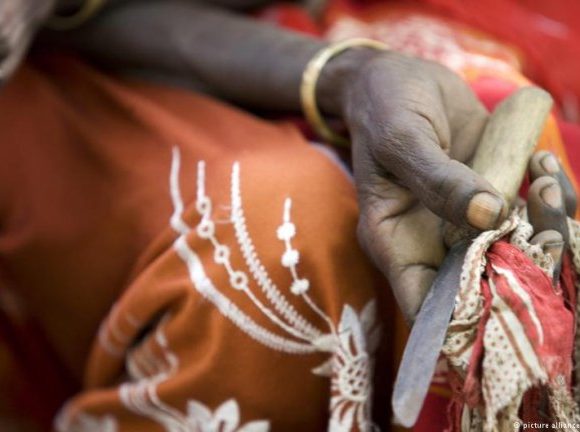
World Health Organization W.H.O defines female genital mutilation or cutting, FGM, as the partial or total removal of the female external genitalia or injury to the female genital organs for non- medical reasons.

Female genital cutting is mostly carried out on young girls between infancy and age fifteen.

The practice is prevalent in Nigeria, Egypt, Mali, Eritrea, Sudan, Central Africa Republic and northern part of Ghana with the highest prevalence rates in Somalia and Djibouti where FGM is virtually the norm.

Female genital cutting is not without consequences which can be short or long term, the short term include severe pain, shock caused by pain, excessive bleeding, difficulty in passing urine and faeces, infections like tetanus and death.

Long term include cysts, complications in child birth, traumatic stress disorder, psycho-sexual problem, increased risk of new born deaths and vaginal problems which include painful menstrual blood scar tissue and keloids.

As a result of the effects of female genital cutting, the United Nations General Assembly designated February sixth as the International Day of Zero Tolerance for Female Genital Mutilation.

The day is to amplify and direct efforts on the elimination of this harmful practice.

Though, the practice has been in existence for more than a thousand years, hence might be difficult to end in a single generation.

Theme for this year is no time for global inaction, unite, fund, and act to end female genital mutilation.

The theme emphasized the need for global solution to the scourge that FGM has become and the need to collaborate and work together with stakeholders to end the practice of FGM in the communities.

 Since 2008, the United Nations Fund for Population, UNFPA in partnership with United Nations International Children’s Emergency Fund, UNICEF, had been at the fore front of eliminating female genital mutilation.

Commendably, the programme has seen significant achievements; for instance, over three million girls and women have benefited from female genital mutilation related protection and care services.

Also, thirteen countries have established legal frameworks for banning female genital mutilation and have established national budget lines funding programmes to address it.

Despite all these, female genital mutilation is still prevalent in some countries.

The sustainable development goals in 2015 called for an end to fgm by 2030 as stipulated in its sustainable development goal five as such  is imperative for all countries where fgm is practiced to key into it. 

It is worth mentioning that former president dr. Goodluck Jonathan in 2015 signed a federal law banning female genital mutilation.

Though, the practice has reduced, machineries must be put in place for its total eradication.

Titilayo Kupoliyi

News Analysis

Cancer, a chronic disease characterized by uncontrollable growth and spread abnormal cells in the body is fast becoming a big health epidemic in Nigeria.

 Statistics from the World Health Organisation, W.H.O., revealed that eighty thousand Nigerians die from cancer yearly while two hundred and forty people die from the disease every day. 

Data from the W.H.O. also showed that Nigeria has the highest cancer death rate in Africa and one hundred thousand new cancer cases are diagnosed every year globally.

Cancer patients experience excruciating pains, grapple with problems such as high cost of treatment, discrimination, abandonment and lack of prompt access to care.

Unfortunately, due to inadequate information about the disease, those diagnosed often believe it was the end of life.

This belief most times leaves those suffering from cancer distressed and sometimes depressed.

Some also withdraw from families and society to avoid stigmatisation while others lose confidence and self-esteem.

It has been proven that early detection of cancer could save people from the stress of coming down with its complications.

For instance, when women notice small painless lumps in the breast or difficulty in urination by men, it should be critically examined by professionals to ensure that it is not cancerous.

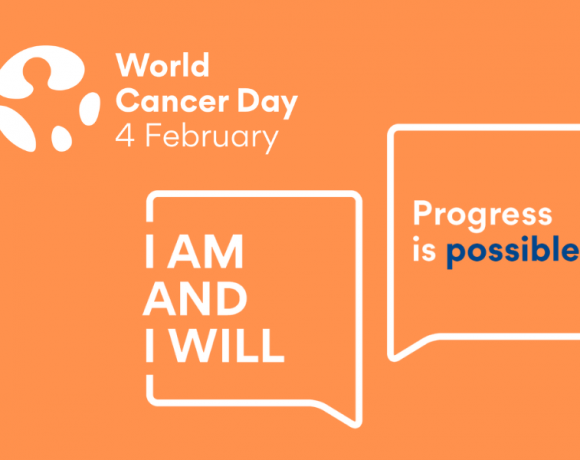
It is for this reason that February 4th is set aside to raise awareness and to encourage prevention as well as treatment of cancer.

The goal of the day led by the Union for International Cancer Control is to significantly reduce illness and death caused by cancer.

It also serves as an opportunity to rally international communities to end the injustice of preventable suffering from cancer.

The theme for this year “I Am And I Will” is about the actions that would lead to progress in reducing the global impact of cancer.

So every action no matter big or small would make lasting positive change.

Sadly, the global COVID-19 pandemic has affected activities of most organisations involved in cancer control, treatment and management.

Despite this setback, however, the cancer community has continued to show resilience in providing services in terms of screening, diagnosis and treatment.

It is important therefore for government to continue to invest in the control of cancer as well as its management.

The National Health Insurance Scheme, NHIS, should be extended to cover all Nigerians.

Also, the cost of chemotherapy treatment which is on the high side should be reviewed.

There is need to train more specialists in the oncology field to increase access to care by cancer patients.

Furthermore, government should provide good diagnostic centres with increased capacity to reduce waiting period for treatment.

Pressure should be mounted by stakeholders on the producers of cancer drugs to manufacture them in Nigeria for easy accessibility.

Increased vaccination of girls against human papilloma virus, HPV, will also reduce the incidences of cervical cancer.

Individuals on their part should desist from lifestyle that could expose them to the risk of cancer, such as smoking, having multiple sexual partners, eating wrong diets, processed foods and use of oral contraceptives for a long period.

The theme, “I Can And I Will” is a clarion call for everyone to collectively reduce deaths from cancer.

Anthonia Akanji

News Analysis

The development of any nation requires that such country utilises both human and material resources at her disposal.

It is when these resources are properly harnessed that it will bring development to the nation.

America recognised that Nigeria is a country that abounds with such human talents that President Joe Biden appointed three of her citizens into his cabinet.

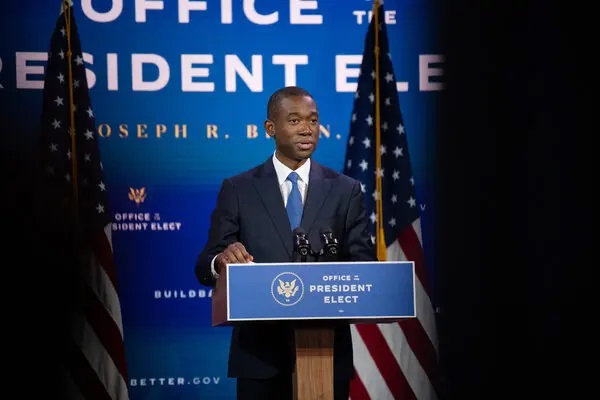
Adewale Adeyemo who was the first president of The Obama Foundation was appointed as United States Deputy Secretary of Treasury.

Adewale Adeyemo

Osaremen Okolo a former Senior Health Policy Advisor in the United States House of Representative is now the country’s COVID-19 Policy Advisor.

Osaremen Okolo

Also, Funmi Badejo who has served as a counsel for policy to the assistant Attorney-General in the Civil division of the US Department of Justice, Ethics Counsel at the White House Counsel’s office, has been appointed White House Counsel.

Funmi Olorunnipa-Badejo appointed Whire House Counsel by Joe Biden

The appointments are pointers to the fact that Nigerian youths have proven their creativity and brilliance in their various fields of endeavour.

There are many Nigerians that have been lost to foreign countries who recognised their talents and tapped into them.

For instance, Saheed Adepoju is the inventor of the Inye 1 and two tablet computers designed for the African market.

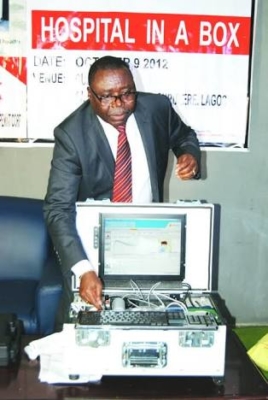
Seyi Oyesola is a co-inventor of compactor, a solar powered life-saving operating room nicknamed “Hospital in a box” while Jelani Aliyu is the designer of Chevrolet Volt of General Motors.

Dr Seyi Oyesola with the “Hospital In A Box”

There is also Ndubuisi Ekekwe, Developer of Microchips used in minimally invasive surgical robots; besides Cyprian Emeka Uzoh, who holds more than one hundred and twenty-six United States-issued patents and over one hundred and sixty patents worldwide in semiconductor technology.

Cyprian Emeka Uzoh holds over 126 United States-issued patents

Kunle Olukotun led the Stanford University Hydra Research Project that developed one of the first chip multiprocessors with support for Thread-Level Speculations (TLS).

Kunle Olukotun led the Stanford University Hydra Research Project

The United States of America and other countries saw the talents in these Nigerians and gave them citizenship and everything they needed to work for the benefit of their countries.   

Opportunities were given to these Nigerians in the field of Science and Technology, political arena and other areas of human endeavours without discrimination.

It is sad that government allowed majority of these people that would have contributed immensely to the development of Nigeria and Africa in general to migrate abroad where their ingenuity was harvested for the benefit of their host countries.

It is not too late for Nigeria to retrace her step as many geniuses still abound across the country.

With the right policies and infrastructure coupled with honesty of purpose, the country will be able to find her feet among the comity of nations.

Fawzeeyah Kasheem

News Analysis

Over the years in Nigeria, as in many other countries worldwide, the four wall of classrooms played significant role in teaching learning.

Even the emergence of internet learning did not take the shine off the typical school setting at all levels of education, Primary, Secondary and Tertiary.

However, there is growing rethink about changing the dynamics of the traditional setting, and keying more into the opportunities afforded by the internet.

The outbreak of COVID-19 pandemic informed, more than anything informed the priority being given to learning via the internet.

The developed countries took the lead extensively in going significantly virtual in education, which was in practice before the outbreak of coronavirus.

Developing Nations including Nigeria have also seen the advantage of this, going by the enforced long break in teaching learning between December 2019 and august 2020.

This has become more imperative with the second wave of covid-19, and the emergence of a deadlier variant recorded in the United Kingdom and South Africa.

It is obvious that the foregoing circumstances informed the recent reservation of the Academic Staff Union of Universities about returning to classes and called for alternative learning.

ASUU’S concerns is rooted in the safety of its members and the society at large

Well, it is not an unfounded concern going by the increase in the number of COVID-19 deaths involving prominent citizens including members of the academia.

Notwithstanding the apprehension, ASUU has not objected to the directive by the National University Commission, NUC,that universities should resume after the nine months spell at home.

Though, Presidential Task Force, PTF, has stressed that Covid-19 protocols should be observed, ensuring full compliance might not be easy going by students population and shortfall in facilities.

Some universities engaged in some measure of virtual learning during the first wave of Covid-19 last year.

While this is a appreciable sign of improvement in the direction of education in the country, much still needs to be done.

This is because the outbreak of second wave of coronavirus is an indication that the virus might likely be around for some time.

The challenge is that utilizing virtual learning effectively in the country, especially in Nigerian schools, require a lot of input.

For effective virtual learning, it is critical that students have the tools and the experience.

The former is a function of financial capacity, and by statistics, the poverty level in Nigeria, is high, so the likelihood of all students possessing internet enable devices, is not very probable.

There is also the problem of stable internet, as the country often contends with ruptured data from service provider.

The E-learning techniques mostly adopted by most of the Nigeria institutions are in form of prepared lectures on a CD-ROM that can be played as at when the need arises but most of this facilities are not adequate or interactive enough.

Aside this, the intranet facilities adopted in most institutions are not well maintained because of its high cost of running and lack of adequate power supply and competent manpower.

Though, most of the institutions of higher learning in Nigeria have started building their centres, but the focus is mainly to put up an internet facility alone without considering other components that made up E-learning centre.

Universities need to consider cost effective and efficient methods of operation if they are to survive and make progress in virtual learning.

Technology alone might not be the answer to all the learning problems, but it certainly can play a key role in learning as COVID-19 affecting globally.  

The more frequently students miss lectures, the worse their performance.

So student must be diligent in their studies as the virtual learning devoted times and seriousness.

Parent should as a matter of fact provides tools and internet subscriptions to enable their children cope with learning systems.

As COVID-19 is still seriously affecting globally, developed countries should see virtual education as being critically needed to compliment traditional method.

For example, to address the absence of academic activities last year, University of Ibadan cancelled the 2019/2020 academic

Hence Federal Government should see virtual learning as a thing to stay and make provision for its existence.

For virtual learning sustainability, there must be stable power supply as it requires energy to power tools

Federal and State Universities should borrow leave from the private institutions who have continued with virtual learning in order for the completion of their academics year despite covid-19 pandemic.

Universities lecturers should develop themselves in information technology communications as most of them see virtual learning as a problem.

Federal government should make Information Communication Technology, ICT, a compulsory subject and add it to school curriculum from the lower classes in order to make teaching and learning easy for both the students and lecturers.

Federal Government should make provision for infrastructure that could delay students and discourage them.

It is pertinent for network provider to reduce their tariff as it may add adverse effects on virtual learning if the cost is not affordable.

Nigeria institutions should strategies to make virtual learning effective and efficient as a way to follow Covid-19 protocol.  

Olukemi Akintunde 

News Analysis

The reopening of schools amidst the second wave of COVID-19 has been generating hiccups as the House of Representatives and some stakeholders faulted the decision, citing a surge in the cases.

The House said the reopening would pose a threat to the fight against the second wave of COVID-19.

It therefore advised the federal government to close all schools in the country for three months, a proposal the federal government did not adopt.

Earlier, the Presidential Task Force On COVID-19’s chairman and Secretary to the Government of the Federatio, Mr Boss Mustapha said following the outbreak of COVID-19 second wave all schools in the country would remain shut till January 18, a day the federal government kept faith with.

No doubt, the outbreak of COVID-19 altered the school calendar and staggered resumption of students nationwide.

As another school calendar year begins, the World Health Organisation, W.H.O had issued new guidelines on the safe reopening of schools amidst second wave of COVID-19 in respect to the protection of nearly 1.3 billion students worldwide.

These include reduction of pupils in classes and fumigation of learning environment.

Similarly, the Nigeria Centre for Diseases Control, NCDC, said some guidelines had been issued to schools to ensure the safety of the children and curtail the spread of the virus.

To complement these measures, schools management should ensure that conditions which reduce disease transmission and promote healthy behavior among the pupils are established.

Soap and water for hand-washing should also be made available while social distancing is maintained.

Regular inspection of schools is necessary to ensure that all COVID-19 instructions and guidelines are complied with.

Schools authorities must be made to inculcate COVID-19 safety protocols such as hand hygiene and respiratory etiquette, physical distancing, use of masks in the school environmental, cleaning, ventilation and respecting procedures.

Olubunmi Agboola

News Analysis

2020 would ever remain indelible in the mind of Nigerian Universities Students for a long time to come as they spent most part of the year at home.

The long spell was the consequence of an intractable dispute between the Federal Government and Academic Staff Union of Nigerian Universities, ASUU, between March and December.

ASUU and Federal Government had spent the period squabbling on existing unfulfilled agreements, and issue of enrolment into IPPIS payroll, which ASUU declined, insisting instead that the government implement the union’s locally-developed University Transparency Account System, UTAS.

The duration of the 2020 standoff between ASUU and the Federal Gvernment was the longest in the history of industrial dispute between the two sides.

An analysis of strikes in the nation’s ivory towers since the advent of democratic governance shows that lecturers had down tools on fifteen occasions, tallying to a period of fifty months, or four years and two months altogether.

However, last year’s strike situation was further compounded by the coronavirus outbreak, which would have brought an enforced stay-at-home even if ASUU and government had resolved their dispute through dialogue.

be that as it may, it is a great relief that both government and ASUU sheath swords on December 24 last year, and the latter agreed to get back to classes yesterday  going by the directive of the National Universities Commission, NUC.

The present pact as stated by ASUU National President, Dr. Biodun Ogunyemi that both parties had signed a memorandum of understanding on  how to expedite action on the test processes for deployment of UTAS, must be sustained as academic activities commence..

It is not an understatement to say Nigerian education remains poorly funded, falling below the United Nations Educational, Scientific and Cultural Organization’s, UNESCO, recommendation of fifteen percent to twenty percent of annual budgets for education.

As things stand now, with ASUU calling off its strike, undergraduates have nine months extension to the duration of their courses while some Universities are yet to hold post UTME for 2019/2020 session.

In the same vein, candidates, who passed Unified Tertiary Matriculation Examination, UTME, conducted by the Joint Admission Matriculation Board, Jamb, are also waiting in the wings.

In view of this, it becomes imperative for ASUU and Federal Government to work assiduously to ensure the success of the renegotiation exercise.

As the saying goes that it is the grass that bears the brunt when two elephants tango, government and ASUU should give all it takes to ensure that students and parents are not subjected to another trauma of strike this academic session.

Where expectations remain to be fully met within the timeline set in the existing pact, such should be resolved with mutual understanding and patience, while government on its part should sufficiently exhibit openness to win the trust of ASUU.

Similarly, the Federal Government should give all it takes to resolve the agitations of the Non-Academic Staff Union of Universities, NASU, and Senior Staff Union of Universities, SSANU, as their body language poise for eventual full blown industrial action.

State Governments across the country should also avoid actions that could trigger industrial actions by tertiary institutions in their domains while staff in the ivory towers should explore all avenues for dialogue.

The education sector cannot afford more seasons of protracted strikes as it amounts to mortgaging the future of the students, and by extension clogging the nation’s wheel of progress.

Simeon Ugbodovon

News Analysis

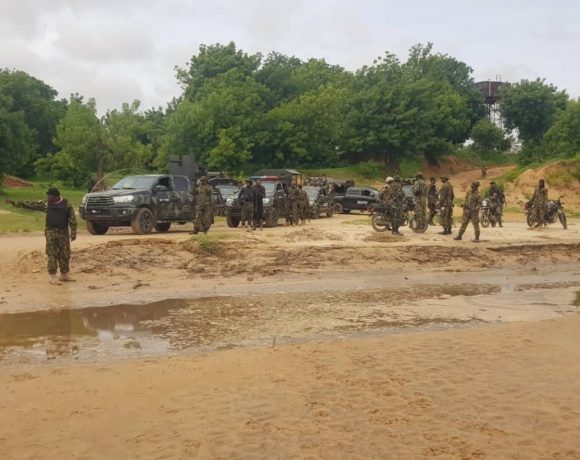
The Armed Forces Remembrance Day, AFRD, is observed on the 15th of January every year to commemorate fallen heroes and servicemen of the Nigeria Armed Forces.

To celebrate the day, military personnel from the army, navy, air force and the Nigerian Legion, along with the national and political leadership converge at the National Cenotaph in Abuja and Cenotaph of the thirty-six states of the federation to lay wreaths.

As the nation marks 2021 Armed Forces Remembrance Day, there is no denying the fact that it is a time of security challenges of high magnitude.

This can be gleaned from the global terrorism report that the country is ranked as the third terrorist country in the world, after Iraq and Afghanistan.

Incessant attacks against civil populace and security personnel by Boko Haram and Islamic States West African Province, ISWAP, along with activities of kidnappers and bandits lead credence to this unfortunate terrorism ranking.

The security threats have undermined Nigeria in areas of trade, investment, economy, education, health as well as agriculture and frequently denied citizens the freedom of movement.

While inaugurating the 2021 Armed Forces Remembrance Day emblem and appeal fund, President Muhammadu Buhari had appealed to Nigerians to desist from actions and comments that could jeopardize the unity of the country.

The president reminded Nigerians of the need to guard jealously the unity of the nation which was won at a great cost.

To achieve this, no doubt, calls for the collaboration of all and sundry even as security forces strive to tackle insurgents, with some level of successful operations in the Northwest, North Central and North East geo-political zones.

It is worthy of note that combats which include Operation Lafiya Dole, Hadaran Daji, Harbinkunama, Whirl Stroke and others such as Accord, Sahel Sanity and Katsina had led to the return of normalcy in some of the affected states where terrorists and armed banditry were on the increase.

As the country celebrates the nation’s fallen heroes who served gallantly and paid the ultimate price, there is the need to ensure the wellbeing of personnel who are in the forefront of the battle to keep the nation secured and other members of the armed forces..

While military authorities should promptly address issues such as promotion and housing to motivate the officers to perform optimally.

It is equally vital that government sufficiently provide logistics support for the armed forces to operate with the best modern warfare equipment and military technology.

Also, families of the armed forces personnel who died in active service should be promptly supported and benefits of their deceased breadwinner paid in full.

Nigerians on their part should always endeavour to be committed to ensuring the nations unity despite differences in religion, ethnicity, political affiliations and other diversities.      

Olusola Otunuga

News Analysis

Cases of kidnapping for ransom, highway robbery and herdsmen attacks have taken a difficult dimension in parts of Oyo State, which is affecting residents, expatriates and businesses.

Towards the end of last year, a female quarry worker, Damilola Agboola was abducted at Moniya Area, Ibadan and this came few days after two Indians were kidnapped near the old Toll Gate along Lagos – Ibadan Expressway.

Shortly before that incident, a Lebanese, Hassan Mills was rescued from his abductors, sadly, an officer of the Nigeria Security and Civil Defence Corps lost his life while a soldier sustained injuries.   

It was as a result of the killing of a prominent farmer in Ibarapa area of Oyo State, Fatai Aborode that youths in the area staged a peaceful protest recently.

While the dust is yet to settle on the Aborode killing, three persons were killed by unknown gunmen in Idere in Ibarapa Central Local Government Area of Oyo State.

One of the victims, was the owner of a filling station, Mrs Sherifat Adisa who was abducted and killed while the others, two nine-year-old girls had gone to the station to buy fuel but got caught in the attack.

With the policing system strength of the nation is about thirty-seven thousand which majority of them have been deployed to guard the very important personalities and many of the soldiers have been overwhelmed with joint operations in some states.   

With the deteriorating security situation in the country, it is not viable for any state government to depend on the federal government for security of their state as they need to should develop and sustain their own security system to guard the security of lives and property of its citizens.

A Senior Advocate of Nigeria, Femi Falana recently noted that notwithstanding the shortcomings of the 1999 constitution, there are some residual powers reserved for state governments, which have not been explored to promote the development of the country.

It is therefore necessary that state governors need to leverage on these provisions to insist on power sharing with the federal government with respect to the management of the economy and security of the nation as stipulated by the constitution.

Oyo State government must seek legal advice from lawyers on how to explore constitutional provisions available to secure the lives and property of its people.

The Amotekun Corps in collaboration with other security agencies should be formidable enough to flush out the bandits and robbers hibernating in the state’s forests, and patrol the intra-state highways and roads with the assistance of relevant, maximising technology.

To have a reputable security system entails leadership and efficient coordination which Oyo State government needs to inculcate, coupled with the joint efforts of courageous and capable professionals will reduce the insecurity situation to the barest minimum.

Giving out intelligence report from members of the public would also go a long way in tackling insecurity as they are closer to the grassroots.

While a robust relationship between security personnel and the public must be paramount for them to earn their trust in working together as police cannot be everywhere.

Fawzeeyah Kasheem

News Analysis

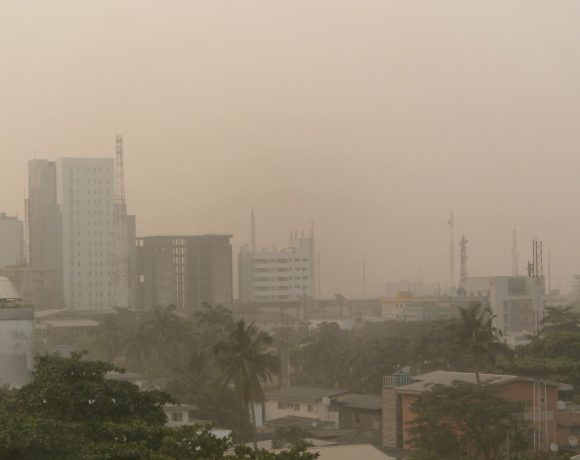
Harmattan season is usually anticipated from the end of November lasting through the month of March every year.

This however varies from year to year and from one part of the country to another.

Characterized by dusty dry wind, the weather is sometimes cold and hot or cold completely depending on the region

Like the two sides of a coin, the harmattan season is eagerly anticipated by some people as it brings a cooling air while it elicits fear in the minds of others because the wind is dust laden, people suffer from dryness of the throat, dry skin, cracked lips, catarrh, cold, cough and nosebleeds.

When dust particles overruns the body systems, the probability also for developing chronic respiratory problems such as asthma, pneumonia, and bronchitis is high.

Cold, an upper tract infection induced by the weather could cause cough, sore throat, runny nose, sneezing and fever.

These symptoms are synonymous with that of Covid-19 hence the apprehension in some quarters.

Be it as it may however, the onus lies with everyone to ensure adequate protection against these diseases as the temperature fluctuates between high and low.

For those who feel discomfort due to dry skin, time is now to ensure regular hydration of the system and use of moisturizers.

To prevent nasal congestion, intake of more fluids, fruits and vegetables rich in vitamin c will help to boost the immune system against diseases as suggested by medical experts.

Since people in the extreme ages such as the very young and old are more vulnerable at this time, more should be done in terms of warm clothing, and warm foods to protect them.

Asthma patients will do well by having their inhalers handy and keeping from dusty places which could trigger attacks.

Wearing of facemasks is already in vogue as a means to prevent spread of Covid-19, more people should imbibe this practice for the overall protection of Nigerians

Moreover, wearing of protective clothing, covering the head, chest and eyes is necessary especially when outdoors

For people living with sickle cell disease, the harmattan period is dreaded as it triggers crisis, though a genetic disease, the cold dry weather reduces the blood oxygen at this time.

More attention should therefore be paid to these categories of people to ensure they are in good health.

Nigeria is blessed with arrays of seasonal fruits and eating them unwashed could lead to sickness, washing the dusts off fruits before consumption is mandatory.

Also, to prevent dehydration often experienced at this time, people should keep bottles of water handy to address the situation.

Since the harmattan season is inevitable, to scale through unhurt, protection and prevention remained keys.

Anthonia Akanji

News Analysis

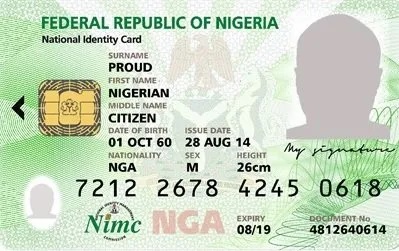
Recently, the federal government directed all telecommunication service providers to link all subscribers’ SIMs to their National Identification Numbers, NINs.

According to the Minister of Communication and Digital Economy, Isa Ali Pantami, after the deadline, all SIMs without NINs are to be blocked from the networks.

Mr Pantami said this became imperative to consolidate the achievements of last year’s SIM registration audit and improve the performance and sanity of the sector.

The minister explained that urgent drastic measures became inevitable to improve the integrity and transparency of the SIM registration process.

No doubt, the government’s policy is laudable as the plan is predicated on the need to improve efforts to protect lives and property of citizens.

The socio-economic implications are also significant.

NIN registrations are currently concentrated in states with major cities.

People in rural and conflict-affected areas, the poor and internally displaced, and women are all less likely to have NIN.

Therefore, the Nigeria Communication Commission, NCC’s policy could end up taking away mobile connectivity from some of the most vulnerable people in society.

It behooves the NCC to fix the ease of registration as identified by the agency.

In February this year, the World Bank approved one hundred and fifteen million dollars in financing to support the NIMC’s efforts in establishing a national ID database with a target of raising total NIN enrolments to one hundred and forty-eight million people by July 2024.

According to the project appraisal document, NIMC will revise its approach to make the registration process more inclusive: by reducing the number of documents required, making offline registration possible and, most importantly, partnering with other agencies and mobile network operators to supplement national ID registration efforts.

Following through with the proposed changes would vastly improve the ease with which Nigerians can get a national ID.

Nigerians have to be properly sensitized on the new policy as only a few educated persons who are conversant with happenings about the country might have heard about this instruction.

Also, government need to take into cognisance the complaints of citizens, legislators, and Civil Society Organizations about the NIN/SIM registration.

This is coming at a time when the country is undergoing the second wave of the COVID-19 pandemic and state governments have begun another round of measures to stem the tide of the pandemic.

A visit to some of the offices of Nigerian Identity Management Commission, NIMC, showed that little or no attention is paid to the COVID-19 protocols as laid down by the government to reduce the spread of the disease.

It will be more beneficial for the government to ensure that conditions are created for a large number of Nigerians to be captured in the NIN registration to assist future national population census exercise in the country.

Rasheedah Makinde

News Analysis

The Harmattan season is usually anticipated from the end of November lasting through the month of March of the New Year.

This however varies from year to year and from one part of the country to another.

Characterised by dusty dry wind, the weather is sometimes cold and hot or cold completely depending on the region.

Because the wind is dust-laden, people suffer from dryness of the throat, dry skin, cracked lips, catarrh, cold, cough and nosebleeds.

When dust particles overruns the body systems, the probability also for developing chronic respiratory problems such as asthma, pneumonia, bronchitis is high.

Cold, an upper tract infection induced by the weather could cause cough, sore throat, runny nose sneezing and fever.

These symptoms are synonymous with the symptoms of COVID-19 hence the apprehension in some quarters.

Be that as it may however, the onus lies with everyone to ensure adequate protection against these diseases as the temperature fluctuates between high and low.

For those who feel discomfort due to dry skin, the time is now to ensure regular hydration of the system and use of moisturizers.

To prevent nasal congestion, intake of more fluids, fruits and vegetables rich in Vitamin C will help to boost the immune system against diseases as suggested by medical experts.

Since people in the extreme ages such as the very young and old are more vulnerable at this time, more should be done in terms of warm clothing, and warm foods to protect them.

Asthma patients will do well by having their inhalers handy and keeping away from dusty places which could trigger attacks.

Wearing of facemasks is already in vogue as a means to prevent spread of COVID-19, more Nigerians should imbibe this practice for the overall protection.

Moreover, wearing of protective clothing, covering the head, chest and eyes is necessary especially when outdoors.

For people living with sickle cell disease, the Harmattan period is dreaded as it triggers crisis.

Sickle cell though a genetic disease, the cold dry weather reduces the blood oxygen at this time.

More attention should therefore be paid to these category of people to ensure they are in good health.

Nigeria is blessed with an array of seasonal fruits and eating them unwashed could lead to sickness.

Washing the dusts off fruits before consumption is mandatory.

Also, to prevent dehydration often experienced at this time people should keep bottles of water handy to address the situation.

Since the Harmattan season is inevitable, to scale through unhurt, protection and prevention remained key.

Anthonia Akanji

News Analysis

Poverty is the greatest challenge facing the world today, especially developing countries.

It is a complex multi-dimensional problem characterized by lack of purchasing power which could lead to malnutrition, high mortality rate, low life expectancy, insufficient access to social and economic services which exist in both the national and international domains.

Statistics show that there is an increase in the number of people living in abject poverty, particularly in developing countries.

The enormity and complexity of the poverty issue could undermine economic development and threaten political stability of many countries if not adequately addressed.

Though, Nigeria is blessed with vast mineral resources and crude oil, it is still classified among the poorest nations of the world as almost one hundred million live on less than a dollar per day.

National Bureau of Statistics estimates, show that over sixty percent of Nigerians are living in poverty.

The effects of poverty are enormous, for instance children who grow up in poverty suffer more persistent, frequent, and severe health problems than children who grow up under better financial circumstances.

In view of the negative impact of poverty on the people, various poverty alleviation programmes were established by successive governments, some of which include the establishment of the defunct People’s Bank of Nigeria, PBN, to provide credit facilities to the less-privileged, National Poverty Eradication Programme, NAPEP, Youth Empowerment Programme, Subsidy Reinvestment Programme, SURE-P, to mention but a few.

Some of these programmes did not succeed due to poor implementation mechanism, unstable government policies as well as lack of political will.

Given the country’s high unemployment rate, entrepreneurship remains a crucial key to reducing poverty.

Obstacles to business creation such as corruption and high interest rate by commercial banks should be tackled headlong to change the country’s fortunes.

Also, integrating thousands of households into local markets and advanced agricultural techniques are essential to poverty reduction.

Massive government intervention such as investment in basic infrastructure in the areas of education, road rehabilitation and public transportation are needed to alleviate poverty at the grassroots.

Moreover, social protection systems and social security services must be put in place to support those who cannot fend for themselves.

While, substantive steps should be adopted towards women empowerment which is key to any nation’s development.

Government should intensify efforts in providing stable electricity supply for companies that are ready to help in creating jobs for the youths.

Above all, to guarantee a better living for the masses and for business to thrive conveniently in the country, stakeholders from different sectors must collectively work together to ensure that the issue of insecurity is addressed.

Anthonia Akanji

News Analysis

The yuletide season, like no other period of the year, triggers a surge in commercial and trading activities, hospitality, and travel services.

Entrepreneurs, who have strategically prepared for the yuletide sales fever, reap bountifully.

Travel and tourism service providers are also not left out.

With the holiday season, now in full swing, families and individuals are preparing for festivities and get-togethers.

Some are already set for interstate or oversea travels, to reunite with their loved ones and connect to the holiday cheer.

Unfortunately, as more people are eager to take these exciting road trips, there are increased chances of unlicensed drivers having the opportunity to drive; more people driving under the influence of alcohol as well as people who are excited about the season, prompting an increase in undisciplined and reckless driving.

Without mincing words, the season is also associated with a rise in road accidents.

In the statistics gathered by the Federal Road Safety Corps, FRSC, a total of nine thousand two hundred and eighteen road traffic crashes occurred in the country last year, out of which three thousand one hundred and thirty four of the total incidents occurred in the last quarter of the year.

Similarly, the road safety agency also reported that thirty thousand, two hundred and forty-two people were injured, while four thousand six hundred and nine people lost their lives during the quarter under review.

The report showed that the carnage on the roads continued during the first quarter of the New Year, as holidaymakers return from the festivities.

The report attributed the major causes of these accidents to speed violation, loss of control, dangerous driving, wrongful overtaking, and tyre blowout. 

It is against this backdrop that Federal Road Safety Corps embarked on sensitization programmes to educate and inform motorists on safe driving during the yuletide.

In the words of the Public Education Officer of the corps, Bisi Kazeem, the agency had deployed thirty-six thousand personnel to control the free flow of traffic during the festive period.

The corps officer advised drivers to make sure that their vehicles are in good working condition before departure. 

It is necessary that drivers should also wear seat belt, pull off the road when tired, obey the rules of the road and to always be with their driver’s license and plan their routes properly to allow enough time to reach their destination.

Rasheedah Makinde

News Analysis

These days, kidnappers are on the prowl, and when they strike, they leave behind sorrow, tears and blood.

These criminals are spreading their tentacles to more parts of Nigeria making innocent citizens their prey.

In recent times, this unhealthy development has unsettled many citizens where they have openly carried out their attack.

More criminals are venturing into the business of kidnapping for ransom, and political which, until a few years ago, was common only in the Niger Delta and Southeastern part of the country, but gradually happening everywhere, especially in the north.

These bandits have abducted people in broad daylight, ambushed unsuspecting targets and whisked them away in a commando manner.

Some members of these gangs also rape and kill their victims even after collecting ransom from their families while those released are left with emotional trauma.

Fresh in memory is the abduction of , about three hundred and thirty four  students  from a boys’ secondary boarding school on the outskirts of kankarakatsina state.

Also, more than eighty Islamic school students were kidnapped in Katsina State last week but they were rescued by security forces after a fierce gun battle between security personnel and the alleged kidnappers which led to the death of soldiers.

The kidnappers target policemen and soldiers to collect their arms and uniforms needed for their operations.

Indeed, some victims will require the attention of social and psychological therapists to deal with the post traumatic stress disorder, suffered during and after the attack.

Nigerians have repeatedly called on the security agencies to intensify their efforts in fishing out the kidnappers who are often misconstrued for herdsmen.

They are also urging different communities to cooperate with the security agents in fishing out the bandits who have been terrorising many areas and causing residents sleepless nights.

Though, kidnappers are sentenced to long or life imprisonment, immediate dispensation of justice should be meted out on these people to end the act in the country.

The Inspector General of Police and other security chiefs, must form a crack anti-kidnapping unit which combines intelligence gathering with striking capabilities.

Such a force can gather intelligence before a kidnap takes place or track the calls between kidnappers and their victims’ families, as it happened in the Nigeria-Turkish International School experience, men of the security agencies moved in and arrested the criminals after they collected the ransom.

A special anti-kidnapping team should work in conjunction with the network carriers whose services are always employed by kidnappers for negotiations.

Communal efforts are needed to reduce kidnapping to the barest minimum while general surveillance of towns and cities should also be embarked upon by security agencies.

Rasheedah Makinde

News Analysis

Baby factories also known as baby farms or baby harvesting, is a new form of human trafficking with the factories located in secret places where young girls and ladies are lured into and encouraged or coerced to get pregnant and deliver babies for sale.

Like most other organised crimes, these baby factories operate as a powerful cartel with some prominent people backing the nefarious trade.

They operate under the guise of orphanage homes, prayer homes, social welfare homes or maternity homes and clinics, thereby luring unsuspecting teenage girls and ladies with all sorts of bait and those who look at the hostels as safe havens for secretly dropping their unwanted babies for a token.

According to a United Nations Educational, Scientific and Cultural Organisation, UNESCO report, human trafficking is the third most common heinous crime ravaging Nigeria after financial fraud and drug trafficking.

Also, in a report by the United Nations, at least ten babies are illegally sold every day in Nigeria, a development that is worrisome and poses a great threat to national security, especially with the global rise in human organs trafficking.

Baby making factories has become a public issue and menace which has been on for some time as teenage girls become victims of unwanted pregnancies and the children produced are sold out for adoption to couples who want babies at all cost.

At the factory, young girls are encouraged or are forced to become pregnant and after delivery, the newborn babies are sold out, usually for five hundred thousand naira or more, depending on the sex of the child.

No doubt this cruelty has negative effect on the victim while some do this for money.

Early this month, police operatives in Ogun State carried out an operation at a baby factory in the Mowe area of the state.

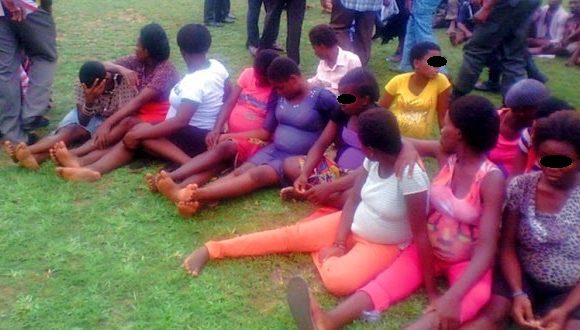
According to the Ogun State Police Spokesman, Mr Abimbola Oyeyemi, the security men stormed the illegal maternity home and rescued ten people, including four kids and six women, four of whom are pregnant.

To this end, tackling baby factories will involve a multifaceted approach that includes advocacy and enacting of legislation barring baby factories and infant trafficking as well as harsh consequences for their patrons.

Early this year, the House of Representatives called on the federal government to forestall the activities of baby factories through effective intelligence gathering.

It is gratifying that the menace is receiving the attention of concerned authorities but more still needed to be done.

There is the need for the National Agency for the Prohibition of Trafficking in Persons, NAPTIP, to closely monitor orphanages and maternity homes to prevent them from being used for nefarious activities.

It is pertinent that state governments should domesticate the child’s rights act to ensure adequate protection of children.

Also government at all levels must organize programs to educate young girls on preventing unwanted pregnancies, furthermore administrative and legal bottlenecks associated with adoption and surrogacy must be reduced for couples with fertility problems to diminish the importance of baby making factories.

Olubunmi Agboola

News Analysis

The cardinal point of any democratic government should be its commitment to the observance of the rule of law.

This should be in concrete terms as it relates to the everyday concerns of an average Nigerian citizen.

However, achieving a culture of strict adherence and observance of the rule of law requires that the laws must be reformed to ensure quick dispensation of justice to the people.

The police as an institution is paramount in this regard.

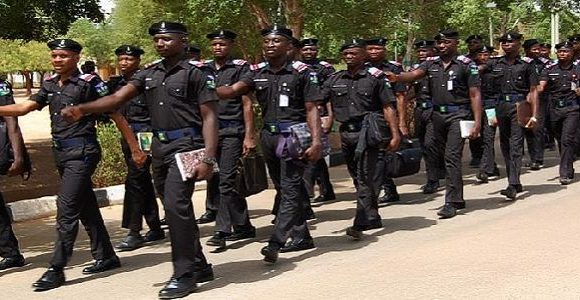
The Nigeria Police is the principal law enforcement and lead security agency in the country.

With a staff strength of three hundred and seventy-one, thousand eight hundred made up of thirty-six state commands and grouped into twelve zones, the Nigeria Police is expected to provide security for over two hundred million populace.

The police derive its function from section two hundred and fourteen of the constitution of the Federal Republic of Nigeria as amended.

Over the years, public perception of the police as corrupt, incompetent and weak to adequately maintain law and order within the civil society has plagued the force.

This development has necessitated the setting up of various reforms committee aimed at better policing and internal reforms of the police.

In all the reports of the various committees, there is a consensus on the need to professionalise the police.

The icing on the cake is the Nigeria Police Act 2020 which was signed into law by President Muhammadu Buhari in September this year.

Major highlights of the act are to make the police effective and comply with the principle of accountability, transparency, as well as protection of human rights and freedom.

It is noteworthy to point out that there is virtually no aspect of the Nigeria Police that has not been subject of extensive discourse and recommendations by high level government committees in the past. 

The problem is implementation and this is a serious issue.

Therefore, the major challenge before President Buhari today is to transform the Nigeria Police into a true public service agency.

The ultimate objective of people reform in Nigeria must be the shift from a colonial and militaristic policing system to a democratic structure where the police work primarily for public interest.

To do this, neutrality and autonomy of the police must guaranteed.

The security agency must be protected from external, undue interventions by politicians and very important personalities to perform their functions effectively and efficiently.

Police welfare package, working environment, improved salaries, training and retraining, life insurance scheme will go a long way to make police officers perform their duties diligently, less corrupt and be dignified in their chosen profession.

Tayo Sanni
News Analysis

Recently, Nigeria Centre for Disesae Control, NCDC said a total of forty cases of communicable diseases were confirmed in some states like Delta, Enugu, Bauchi, Benue, Ebonyi and Oyo states.

Over seventy people have reportedly died since the recent outbreak of the virus in Bauchi, Delta and Enugu states.

In some cases, some residents of Delta state initially linked the deaths to a strange disease not until the Commissioner for health, Mordi Ononye, identified yellow fever as the cause of death.

Also, in Enugu, three additional local government areas were reportedly hit by strange deaths presumably linked to yellow fever.

According to health Minister, Osagie Ehanire, the federal government, through the Nigeria Centre for Disease Control, was responding to the outbreak.

He noted that from the analysis gathered so far it is yellow fever.

Yellow fever is a disease that is transmitted by mosquito bites in Africa and haemagogus and sabethes mosquitoes in South America.

Experts say there is no cure for yellow fever, but there is a vaccine now and about fifteen percent of people who get yellow fever progress to a severe form, which is characterised by jaundice, the condition that gave the disease its name.

The director, Disease Control and immunisation at the national primary health care development agency, Bassey Okposen, explained that public awareness campaign and immunisation have started in states with confirmed cases.

This is heartwarming but efforts should be geared towards the containment to prevent the virus from spreading to other states.

Many outbreaks which have occurred in Nigeria over the years have been attributed to clinicians either not reporting or reporting late when the index cases of epidemic prone diseases present in the various health institutions across the country.

It is crucial to note that disease outbreak do not give notice before its occurrence neither do they respect the borders of nations.

When they eventually occur, they are likely to spread like wildfire and often resulting in high morbidity and fatality rate with consequent economic impact.

Progress should also be made towards developing a suitable vaccine for the control of communicable diseases to reduce the spread.

It is necessary that Nigerians must protect themselves by keeping the environment clean, covering of food to prevent contact with rodents, washing of hands regularly and adhering to public health guidance self-medication should be avoided and people must report to the nearest medical facility for proper medical attention.

Olubunmi Agboola

News Analysis

Recently, the Naval Special Warfare group in the United States of America rescued her citizen, Philip Walton, held hostage in Nigeria on October twenty-six, this year.

In a covert operation by the U.S special forces Philip Walton was freed unharmed in the Boko Haram territory in Borno state while six of the seven abductors were killed and none of the six elite officers was hurt.

The way and manner the operation was carried out reflects the efficiency of the officers of the American Armed Forces and responsive governance which Nigeria and her Armed forces need to draw lessons from.

On the eve of a Presidential election in the United States, when the entire machinery of the country could have been diverted to internal security and covid-19 pandemic ravaging the country, the rescued Walton, an adventurous small-scale farmer, could have been abandoned to his fate.

By this, The American government was able to demonstrate that an American in distress anywhere in the world means much more to them.

In the words of the U.S. Secretary of State, Mike Pompeo: “the United states is committed to the safe return of all U.S. citizens taken captive.

This has shown again that where there is a will, there is a way, for any nation that takes the security of her citizens as paramount.

It is necessary that Nigerian government be more proactive and responsive to the plight of her citizens who are either in captive or kidnapped.

For instance, at least one hundred and twelve out of the two hundred and seventy-six Chibok schoolgirls are still missing six years after they were taken into captivity.

Also, the Dapchi girl Leah Sharibu has not returned two years after her abduction, despite the federal government’s promises and attempts to secure her freedom.

With military intelligence, precision, and bravery as well as the political will on the part of the government, many of the hundreds of Waltons held captive could have been freed.

Gone  are the days when the Nigerian Army executed such gallantry with successes and this can still happen with a well-trained, equipped and result-oriented military  personnel to  curb insecurity bedeviling the country.

Moreover, the military with its main responsibility of preserving territorial integrity is overstretched, as the personnel with a limited number of recruits, is fighting in all states, from tackling insurgencies, clashes between farmers and herders, religious, tribal conflicts, and down to civil disturbances like the #end SARS protests.

With the state of Nigeria Police Force, the Army has been more preoccupied with the primary functions of the police, this cannot yield the desired result of preserving the territorial integrity of the country.

Nigeria as the giant of Africa should reposition and retool her armed forces with a view to making it efficient and effective in the discharge of its constitutional duties.

Anything other than this will not engender the confidence of Nigerians in their ability to defend and protect the citizens both at home and abroad.

Fawzeeyah Kasheem

News Analysis

2020 has been a peculiar year as it witnessed quite a number of telling events.

Early in the year, the coronavirus pandemic, which began in China spread into the country as it did to other nations worldwide affecting the socio-economic well-being of people. 

There is the consensus that with COVID-19, the world is not likely to be the same as a result of its ripple effects on the global economy.

Nigeria was just coming out of over five months lockdown when it was rocked by #EndSARS protests last month over brutality by some personnel of the now disbanded Special Anti-Robbery Squad, SARS.

The peaceful protests took another dimension when hoodlums hijacked it, leading to widespread arson, looting and murder, thus creating panic over security of lives and property. 

These events coupled with attendant economic challenges occasioned by the fuel price and electricity tariff hike, are bound to induce stress, or increase its level.

During the height of the Coronavirus pandemic, people developed headache, insomnia, change in mood and hypertension from worries and fear.

All these have the potential to pitch people into mental disorder.

It is estimated that twenty to thirty percent of Nigerians are believed to suffer from various mental disorders, this is a significant number considering an estimated population of over two hundred million people.

Experts are of the opinion that common mental disorders such as depression, anxiety, and substance abuse related ailments, will disable more people compared to complications arising from AIDS, heart disease, accidents, and war combined.

Besides the current statistics, recent suicidal episodes in the country warrant a rethink on general attitudes to mental health.

As economic instability bites harder in the country, it is pertinent to also look at its effect on people’s mental health. 

The economic hardship, uncertainties and paranoia created by COVID-19 can be crippling for those that suffer from anxiety disorder.

Preventive measures are therefore crucial in mitigating the impact of the mental health challenge.

As a protective step, it is vital that those suffering from anxiety disorders pay close attention to their own mental and psychological well-being.

Spiritual therapy is also valuable in this regard, people confronted with mental health disorder should be close to God, go for counselling from religious leaders on issues troubling them.

Relaxation can equally have a good effect, this could involve taking time off work, going on vacations and listening to music.

On its part, government must intensify efforts in creating a conducive economic atmosphere by providing jobs, escalate current poverty alleviation programmes to reduce crimes and chaos.

It is important for government to avoid policies that the masses view as potential catalyst for hardship and emotional trauma, thereby increasing worry and tension.

Above all, government should fulfil the promise made to support those who lost their property during the #EndSARS protest to restore their hope.

The present fuel increase and electricity tariff hike have created economic trauma for many Nigerians, it therefore behooves government to come up with palliatives like tax reduction for income earners and support funds for artisans and people in the informal sector to enable them cope with tensions associated with the unbearable high cost of living in the country.

Olukemi Akintunde

News Analysis

In a recent report by the National Bureau of Statistics on food security and analysis about nine million Nigerians are expected to be in hunger crisis between November and December this year as a result of the high cost of food in the country.

Also, Nigeria’s food inflation rose by one hundred and ten percent in five years, between September 2015 and September 2020.

A comparison of the Composite Food Index within that five years indicated that food inflation rose from over one hundred and eighty–one index points to over three hundred and eighty-two index points.

This means that the price of food items has not only increased, but more than doubled in the last five years.

Factors that could be responsible for this include flooding, the cost of transportation and storage as a large quantity of perishable food items spoil before they get to the market and farmers will want to recover the cost of production from whatever remains which then reflects in the price of the product in the market.

To deal with the situation, the federal government has, in line with its ease of doing business mantra, avoided imposing stockholding restrictions, in order not to discourage investments in modern warehousing and cold storage.

President Muhammadu Buhari has also approved the release of food items from the strategic reserves, including thirty thousand tons of maize to animal feeds producers to ease the high cost of poultry production.

Despite these efforts of the government, more still needs to be done.

There is an imperative need for the use of modern farming techniques in the country; this will go a long way in enhancing food production, boost the food production value chain and reduce the cost of food items.

Agricultural commodities that are required for industrial use should cost less for the products to penetrate not just the domestic market, but also the international market.

There is the need for re-orientation and attitudinal change as well as enlightenment of the youths to make them have interest in agriculture.

Graduates of agricultural sciences should be giving automatic employment by the federal government upon graduation.

Urgent action needed to be taken to avert pervasive hunger while the federal government should prioritise mechanised farming and train farmers subsequently on the use of mechanised equipment.

It is incumbent on the government to intensify efforts at improving the security, particularly in inaccessible and partially accessible areas, to ensure the safety of farmers.

To further mitigate the effect of the COVID-19 pandemic and flood on food production, the government should sustain the implementation of relief measures among the populace.

Olubunmi Agboola

News Analysis

One major feature of the present democratic system in Nigeria is the approval of a generous pension package for former governors and their deputies.

Apart from working their way up, while still in office to become senators or ministers, these governors either persuade or compel their state Houses of Assembly to come up with legislations that make them enjoy pension for life.

For instance, in Lagos State which was the first to implement the law signed by former Governor Bola Tinubu in 2007, the legislation provides a lot of comfort and convenience for their ex-governors and their deputies.

A breakdown of the legislation shows that former governors in the state are entitled to a house each in preferred locations in Lagos and Abuja.

The law provides for six new cars every three years, one hundred percent of the basic salary of the incumbent governor, and free healthcare for the beneficiary and his family members.

Former governors in Lagos State are also entitled to furniture allowance, three hundred percent of annual basic salary, house maintenance allowance, ten percent of annual basic salary utility allowance, twenty percent of annual basic salary, car maintenance allowance and thirty percent of the annual basic salary.

There is also an entertainment allowance which is ten percent of the annual basic salary and a personal assistant who will earn twenty-five percent of the governor’s annual basic salary.

But in a surprise move, Lagos State governor, Babajide Sanwo-Olu announced his intention to set in motion necessary machinery for the repeal of the ex-governors’ pension law.

Governor Sanwo-Olu noted that amid rising poverty, youth unemployment, inability of most states to pay the thirty thousand naira minimum wage, poor roads infrastructure, underdevelopment of rural areas, it would not speak well to ask fellow citizens to brace up for harsh economic realities, and yet allow a segment of the society live in affluence.

Lagos State is not alone in this gesture though, Zamfara and Imo States have repealed the governors’ pension package.

The Pension Reform Act of 2004 changed the Nigerian Pension System from defined benefits to defined contributions which means that private and public sector workers can only be entitled to a pension from the funds they contributed while in active pensionable work.

Since the salaries of the governors and their deputies are not subject to pension deductions, their pension is a different ball game, which can only be fixed by the revenue mobilization, allocation and fiscal commission but rather than have that, the states use taxpayers’ money to pay the illegal pension.

No doubt, the repeal will reduce the cost of governance and is expected to bring development to the various states.

With this, these governors have sent a message that those in public service can also make sacrifice.

Similar principle of self-restraint should also guide those in the private sector who have the powers, and use it to set huge benefits for themselves as such acts send the message to those below them to act recklessly.

Public service should be for those who have distinguished themselves in other endeavours, or for those who are capable of engaging in other works after a stint in public service.

It is pertinent that other state Houses of Assembly do the needful by abrogating this law once and for all, as what the country requires now are laws that will fast-track the overall development of the nation.

Rasheedah Makinde