News Analysis

Recently, Vice President Yemi Osinbajo made an assertion that the country’s desire and pursuit of economic growth and sustainable development can be achieved through the adoption of merit as a national value.

Professor Osinbajo explained that merit is crucial in an economically viable system as it rewards talent and enterprise and drive sustainable growth.

He noted that as essential as federal character is to create balance which must be based on merit, such that if an office is reserve for a particular zone, that zone should be able to produce the best candidate.

The principle of federal character is enshrined in the constitution of Nigeria for such laudable reasons as inclusion, representation, sense of belonging and balance in the polity.  

In section fourteen subsection three of the 1999 constitution ‘the composition of the government of the federation or any of its agencies and the conduct of its affairs shall be carried out in such a manner as to reflect the federal character of Nigeria.

Also, to promote national unity and command national loyalty, thereby ensuring that there shall be no predominance of persons from a few states, ethnic or other sectional groups in the government or any of its agencies.

The constitution as well empowers the federal character commission to promote, monitor and enforce compliance with the principles of proportional sharing of all bureaucratic, economic, media, and political posts at all levels of government.  

As the constitution stipulates, any government that violates this necessary provision has not only broken the law, but also betray their respective oaths of office.

With this principle, there is no zone, state or local government that cannot offer quality human resource for any public office.

Federal character principle serves as a uniting force in a multi-ethnic, multi -religious country.

One of the hindrances to its effectiveness is that people saddle with the responsibility of selecting or recruiting does so for motives that have little to do with a transparent and excellent discharge of duty.

Merit is the least considered in terms of integrity and competence, when choosing persons for public office.

As the vice president rightly noted, the country could only make progress if the right people are put in the right position of authority.

It is however regrettable that even as public officials know and say the right thing, they do not march their action with words.

This is evident in the appointment of people into public office when a section of a country takes the majority of the post leaving the other sections to fight for the rest.

Diversity in a polity can be strength, or a weakness, depending on how it is managed by those entrusted with the affairs of the state.

Fortified with the constitutional provision, there should be no reason for any government to fail to act for inclusiveness, balance and stability in the political and administrative setup for the country of multi ethnic people.

If the federal character commission act is transparently implemented, it will foster equity and give a sense of belonging among the constituent groups in the country and improve trust, cooperation and development.

When all aforementioned are put in place, it would build people’s confidence in government and enhance stability, peace and national development.

Fawzeeyah Kasheem

News Analysis

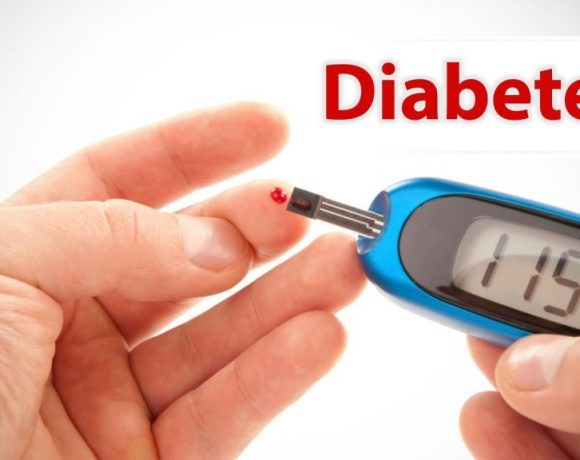
Diabetes is a metabolic disease in which the body’s inability to produce any or enough insulin causes elevated levels of glucose in the blood.

According to the World Health Organisation, W.H.O, diabetes is of three types, type 1 and type 2 and gestational diabetes or pregnancy induced diabetes.

Type 1 diabetes is usually more serious, which can only be controlled by insulin drug or injection while the most common form of diabetes is called type 2, or non-insulin dependent diabetes which usually starts after the age of forty.

Gestational diabetes affects females during pregnancy, when the women have very high levels of glucose in their blood, and their bodies are unable to produce enough insulin to transport all the glucose into their cells, resulting in rising levels of glucose.

According to W.H.O, over the past decade, the prevalence of diabetes has risen faster in low and middle-income countries than in high-income ones. 

The report estimates that in 2014, about twenty five million people in Sub-Saharan Africa were living with the disease, from four million in 1980.

It further states that in 2015, it was the 6th leading cause of death in lower and middle income countries.

If not well controlled, diabetes may cause blindness, kidney failure and lead to limb amputation, in addition to other long-term consequences.

The World Diabetes Day is celebrated on the fourteen of November which coincides with the birthday of Sir Frederick Banting, who co-discovered insulin along with Charles Best in 1922.

This year’s theme taggedthe “Nurse and Diabetes” is aimed at raising awareness about the crucial role that nurses play in supporting people living with diabetes.

Nurses currently account for over half of the global health workforce and people who either live with diabetes or are at risk of developing the condition need their support too.

As the number of people with diabetes continues to rise across the world, the role of nurses and other health professional support staff becomes increasingly important in managing the impact of the condition.

Diabetes requires daily self-care and if complications develop, it can have a significant impact on quality of life and reduce life expectancy.

Though, no cure yet for diabetes mellitus, a patient can live an enjoyable life by learning about the condition and effectively manage it with the help of nurses.

It is imperative that people go for regular medical check for early detection of diabetes and prompt treatment.

Healthcare providers and governments must recognise the importance of investing in education and training, with the right expertise, nurses can make the difference for people affected by diabetes.

Government at all levels should subsidise drugs for the treatment of diabetes to stem the tide of the condition as many patients cannot afford the drugs.

Titilayo Kupoliyi

News Analysis

Ghost workers are individuals who receive salary from an organization without showing up for work or who may not exist but their salaries are appropriated by someone else. 

Federal, state and local governments in the country pay hundreds of millions of naira monthly to thousands of non-existent workers captured in their respective payrolls, thereby draining the governments of resources that could have been channeled into other productive ventures.

In 2011, for example, several state governments reported that they discovered six hundred to twenty thousand ghost workers on their payrolls.

The ghost worker phenomenon remains a menace troubling successive administrations at the federal and state levels.

For instance, former president, Goodluck Jonathan identified a solution to the scourge by setting up the Integrated Payroll and Personnel Information System, IPPIS, thus saving the federal government billions of naira paid annually to imaginary workers.

In February last year, President Muhammadu Buhari revealed that nearly five hundred and fifty million dollars has been saved from identifying ghost workers on the federal government’s payroll in the past four years.

Other states which recently uncovered the scourge include Kogi, Bauchi and Ekiti.

As a way of checking the recurring menace, some states have had to conduct biometric capturing of workers now and then to track the actual number of workers on their payroll.

No doubt, ghost workers increase the wage bill of government workforce above the wage budget which leads to budget overruns.

This phenomenon is worrisome as there would have been tremendous progress if the national wealth looted by those involved over the years had been channeled into education, health, power, agriculture, transportation and other sectors of the economy.

It is worth pointing out that, while the federal and state governments have always unraveled ghost workers, they have not recorded the same success in unmasking the architects of the economic crime, who must be people within the system, and apparently highly placed officials.

To nip the problem in the bud, government should not just engage in forensic auditing of the workforce but also go the long stretch of fishing out the culprits through thorough investigation by the police and other relevant agencies.

It is also imperative that periodic census of public service personnel and the maintenance of records of all official personnel including sacks, retirements and deaths, be strengthened. 

The achievement recorded through the use of the Integrated Payroll and Personnel Information System, IPPIS, initiated by the federal government in April 2007, which is saddled with the responsibility of payment of salaries and wages directly to government employee’s bank account with appropriate deductions and remittances has been notable.

States need to consider employing the milestone initiative for tracking financial flow to workers in agencies and departments in order to block leakages arising from phantom workers.

Above all, transparency and accountability remain essential to solving ghost workers challenges and nipping the menace in the bud.

Olusola Otunuga

News Analysis

In it’s over two hundred years of democracy, the United States of America presidential election 2020 was the most dramatic, unique and historical.

For the first time ever, it was an election held during a Covid-19 pandemic that makes it unique.            

It was an election that produced the first female Asian American Vice President in the person of Kamala Harris who was a former state of California Attorney General.

The 2020 us presidential election was the first in history of democracy in which an incumbent president declared himself winner even though votes were yet to be finally counted and result declared which makes the election the most dramatic.                                    

It is now clear and known to the whole world, that whatever the intrigues and the winds of protests, outrage and allegations of illegal votes in several states and irregularities, the Democratic Party, Candidates, Mr. Joe Biden has been projected to win the race.    

He won the election with a majority votes and two hundred and seventy-nine of the Electoral College Votes.                                     

A feat that surpassed the American constitution requirement of two hundred and seventy electoral college votes to emerge winner.

The election was decided by over one hundred million American electorate who cast their ballot through the mailing system due to the strict adherence to covid19 pandemic safety protocol of physical distancing.    

Already, leaders of countries all over the world have been sending their congratulatory messages to Mr. Joe Biden and his running mate, Mrs. Kamala Harris.

However, since America assumed the position of world leader and policeman of the global community at the end of the second world war in 1945.

2020 presidential election raises a lot of questions which are instructive for the rest of the world, particularly Africa and most importantly, Nigeria.

The America’s model of democracy’s beliefs, tenets and practice were called to questions.

Never in the history of America has the unity of the country been so threatened and Americans divided along so many cultural lines than what the world is seeing right now.

The lessons here is that, there may be technology, military and nuclear capability, what happened in 2020 us presidential election indicates that the players in political field of advanced democracies are as human as those in the so called third world, meaning that politicians are the same everywhere.

The 2020 U.S Presidential election produced Nine Nigerians to different positions in some states.

This must force a rethink and compel political leaders in the country to abandon the archaic and retrogressive definition of citizenship and statehood, identity or tribal politics has become endemic in Nigerian politics and this has done huge damage in the last sixty years of independence.

Our political leaders must know that development can only come with a functional and transparent electoral process starting with party primaries to general elections.

The democratic and political space must be de-monetized to make youths participate and contest in electoral process and this must start early enough.

As the world looks forward, as it were to the inauguration of Mr. Joe Biden, a seventy-seven year old American democratic party candidates as the 46th American president alongside his running mate Mrs. Kamala Harris on the 20th of January 2021, it is hoped that in four years time, the world will be a much more better place through their administration.

Tayo Sanni

News Analysis

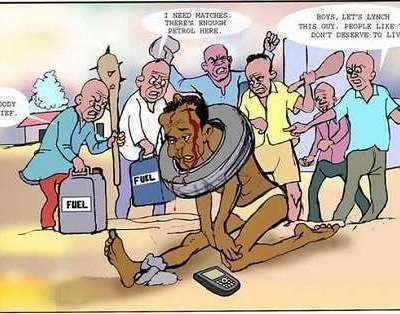
Jungle justice or mob action is the act where people take laws into their hands and lynch a suspect.

It is a case of disregard for the rule of law which makes people to stone, burn or beat a suspect to death without following due process.

Two wrongs don’t make a right and at least, a criminal caught in the very act of committing a crime should naturally have his day in court and is considered innocent until proven otherwise.

The sad part of jungle justice is that some people take delight in carrying out this nefarious act while some even see the act as entertainment by taking photographs and video recordings of such scenes.

Jungle justice has become rampant because people believe that if the suspect is handed over to the police or other security agencies, they will find a way of escaping justice.

However, the more jungle justice continues, the more the country breeds more hardened criminals.

For instance, an alleged notorious killer gang in Ikorodu, Lagos state known as Badoo gang, killed a whole family, raping women and even cutting out unborn babies from their mother’s wombs.

In such cases, many will quickly say any member of the gang caught should by lynch, beaten to death or burnt alive.

The painful aspect of jungle justice is that suspects are actually innocent or sometimes a case of mistaken identity.

For instance, the case of four young students of the university of Port Harcourt who were lynched on allegation of being armed robbers is still fresh in mind as it later turned out that they were set up by somebody who owed one of them money and in the process of trying to collect their money back, they were attacked and killed.

Recently in Ebonyi state, there was a case of a 10-year-old boy, Ifeanyi, who was thrown into a fire for allegedly stealing a small measure of uncooked rice in a market.

When people take laws into their hands in a society, they basically express the idea that state institutions of law and order are dysfunctional and lack trust or confidence in their judgement.

In other climes, when a crime is committed, the chances that the perpetrators will be caught and brought to justice are high, but in Nigeria, nobody is caught and the perpetrators roam about free and even taunt their victims in some cases.

It is necessary that Nigerians desist from this act and have confidence in the authorities saddled with the act of ensuring law and order in the country so as to ensure peace and orderliness.

Security agencies should be alive to their responsibility for the citizens to build trust in them.

There should be stiffer penalty for the people who engage in jungle justice.

To this end, there must be fair quick dispensation of justice to engender public confidence in the judiciary.

The police must be thorough while investigating crime and ensure that suspects have their day in court to prevent jungle justice.

There must be public enlightenment to educate people on the dangers of mob justice as it can lead to anarchy.

Justice delayed they is justice denied, it is imperative for the police and judiciary to be more proactive in the administration of criminal justice system to ensure public order and sustainable peace for the rapid development of the nation.

Rasheedah Makinde

News Analysis

Political rights such as the right to vote and be voted for and stand for elections are fundamental human rights.

Political participation is deep-rooted in the universal declaration of human rights and the international covenant on civil and political rights, which emphasises the right of every person to equal participation in public affairs, the right to vote and to be elected, and the right to have access to public service.

Also, article twenty-nine of the convention on the rights of persons with disabilities states the rights of persons with disabilities to participate in political and public life without discrimination and on an equal basis with others. 

However, many persons with disabilities still face difficulties when trying to exercise these rights.

Multiple challenges related to accessibility of polling stations and information material and discrimination are part of the hindrances faced by persons with disabilities.

The country’s size and continued infrastructural challenges also complicate efforts to enjoy basic electoral rights by many of these marginalized citizens.

It is in the light of this that persons with disability in the country called on the government to enact policies that will include them in the electoral process.

The Executive Secretary, Nigeria Disability Rights Commission, Mr James Lalu said persons with disabilities needed to be included in the policies and programmes of political parties and given elective position in their parties.

Mr Lalu explained that the challenges faced by persons with disabilities in getting involved in party politics has limited their opportunities for contesting elective positions in the country.

According to the World Health Organisation’s 2011 report on disability about twenty-five million Nigerians live with a disability. 

In January last year, President Muhammadu Buhari signed into law the Discrimination against Persons with Disabilities Prohibition Act, 2018.

The law prohibits discrimination on the basis of disability and imposes sanctions including fines and prison sentences on those who contravene it.

It is gratifying that the discrimination against persons with disabilities prohibition act has been signed into law but this is a first step in the realization of the country’s obligations under the United Nations convention on the rights of people with disabilities.

Effective measures to guarantee its full implementation must be put in place to ensure equal treatment and participation of people with disabilities across the country.

It behooves political parties to be aware that people with disabilities are important part of the electorate and they should aim to create a culture of political participation on equal terms.

Political parties should demonstrate commitment to making political life more diverse and representative of the population by encouraging persons with disabilities to contest for election and offering them, without discrimination, electable positions.

Political parties can play an essential role in tackling lack of awareness and encouraging active participation of persons with disabilities by raising awareness on the importance of inclusion and participation of all, without discrimination, in political life.

In addition, accessibility of public buildings and information about electoral processes, voting procedures and political programmes need to be guaranteed to allow participation of all.

Aside from aforementioned, visibility of persons with disabilities in electoral debates in the media should also be encouraged.

Fawzeeyah Kasheem

News Analysis

On October 24th, 2020, an audio was posted on YouTube. In the audio were voices of two men with one of the voices making some claims while the other was interviewing him.

The twenty-eight minute audio has garnered over eight hundred and ninety two thousand views, twelve thousand Likes, three hundred and sixty views and over four thousand comments.

The narrator who appeared to be responding to the interview made a number of bogus statements capable of fracturing the fragile Peace in Nigeria.

Nigeria at the moment is still struggling to gain balance from a lot of crises that followed #Endsars protest.

He gave account that Nigeria’s President, Muhammadu Buhari died in a New castle hospital on February 19,2017

“I will be giving you specific details, President Muhammadu Buhari died on the 19th February 2017 in Freeman hospital, New Castle. He died as a result of heart disease which Nigerian presidency failed to disclose. On 19th of February, I was in London. By the special grace of God, I am a journalist, I work with one the Nigerian broadcasting station, and I covered the event in London. You know Muslims don’t embalm, so on the 20th, he was flown to Saudi Arabia where he was buried where Aishat Buhari put on white attire.

I have the video, I have the photograph and everything, on the 23rd of February I was in Ethiopia where the African Union held a minute silence for President Muhammadu Buhari.

On 28th February Queen Elizabeth wrote a condolence letter to the Nigerian Government ‘’

He also claimed that National Broadcasting Commission suspended his broadcasting station for reporting the death of President Buhari, he made claims that the former chief of staff to President Muhammadu Buhari, the late Abba Kyari, former governor of Lagos state Bola Tinubu had attempted to pay him off not to report the alleged death of the President.

He made many other bogus claims.

Opinions from the comment box revealed that many people believe the content of the audio. Following reactions are extracted from the comment box:

  1. 1.“This Information is very Correct, I remember in 2017 where the Africa Union Hold a Minute of Silent I can remember this if not for any other thing. I was watching that Broadcast from Dubai,  I can remember. This Man is Correct, we Nigerians have to wake up like seriously”
  • 2 “I could remember when president Trump called him a lifeless person and since that time, Buhari stopped travelling to the USA, there is something behind it.”

In the same vein, some people did not believe the content of the audio as captured in their comments:

This guy cannot even lie. A drop out claiming to be an international journalist. If they wanted to keep it a secret, why will they invite or even allow you to cover the burial when you are a nobody. You can only fool some. You are not even qualified to be an international: photographer talk more of a local journalist.”

“Listen to his English, compare it to any qualified journalist, qualified enough to even cover such high level activity and you have yourself a cheat SCAM. He’s just riding on the wave of the current happenings. “

“OGA SHARE YOU EVIDENCE MAKE WE REST. UNTIL YOU DO SO YOUR POINTS ARE BASELESS. HIT LIKE IF YOU AGREE’

Findings:

The author throughout the audio pointed to many claims with reference to dates and specific location but never at any time produced evidence to back any claim. He claimed to have covered the President’s death in New castle hospital but never produced any video or photo to the effect.

The entire claims appeared to be concocted considering how he claimed he covered the event from the hospital in Newcastle to Saudi Arabia where he alleged that President Buhari was allegedly buried.

He identified a telephone number he believed is owned by Bola Tinubu but said he would not disclose that of the Vice President Yemi Osinbajo for security reasons. An argument which appears flimsy.

He again contradicted himself by saying NBC suspended his broadcasting corporation because he published the story but again said he was suspended because they knew he had all the information and was ready to broadcast.

The audio reveals both the speakers had rehearsed the script as the man (interviewer) kept interjecting to guide the man (interviewee) who claimed to be an international journalist.

At the beginning of the audio, the speaker implored people to follow him on a twitter handle which he spelt out as Borismoro. On the quest to fact check the audio and its content. Three twitter accounts are linked to the name.One is @BORISMORO. Account information shows that he joined in October, 2020, with 1,651 followers, thirty one tweets and following 7. Findings revealed that all the tweets and comments are anti-Government. Again the account was created in October, 2020, the same month the audio was released.

On the other twitter account @BorisMoro3, also created in october with 3,162 followers, following 7 and 51 tweets. Again, all the tweets are all directed to the Nigerian government.

Both twitter handles and the third account, @BorisMorox with 298 followers, following 19 and 59 tweets. All the accounts were created in October 2020, the same month the audio was posted on youtube and the contents of all the handles have the same pseudo-journalistic tilt.

Analytically ,there are evident contradictions on the twitter accounts. For instance the location on @BORlSMORO, one of the accounts linked with the name, the location is The united Kingdom, different from the description on @BorisMorox which puts the location at Nebraska, USA.

Nine minutes into the audio, the man who claimed to be an international journalist said the broadcast media outfit he was working with was suspended by the National Broadcasting commission, the body vested with the  responsibilities of, amongst other things, regulating and controlling the broadcasting Industry in Nigeria because the commission knew he covered President Buhari’s burial. Meanwhile, scope of the commission is not to sanction a yet to be broadcast piece but to act on any unhealthy broadcast.  

Again, sixteen minutes into the audio, the speaker claimed he was suspended from the media outfit, an account which differs from the previous claim that the media establishment was suspended.

A critical examination shows that the audio is riddled with incoherent claims intended to misinform Nigerians.

The claimant has failed to provide any evidence to back his bogus claims, he  failed to identify himself in any manner, neither his name nor that of his establishment was disclosed.

He failed to fulfil primary obligations of 5Ws and H in mass communication despite his claim to be an international journalist.

Three twitter accounts linked to the description he left in the inciting audio, actually shared contents of similar thoughts but can not be tracked with any emails or names.

While location on @BORlSMORO states United Kingdom the other claims united state.

Rounding off the audio,the interviewer said:”we want to be killing them slowly,slowly a lot of people are saying we should bring the video, we are not going to that at this point…” while the respondent was inciting Nigerians by calling for a revolution .

The round off of the session revealed that the intention of the audio is to incite the country against the government.

Conclusion

The entire audio is found to be misleading and has failed to meet the test of validity, hence it is flagged as false.

Adedayo Adelowo
News Analysis

Recently, the Inspector-General of Police, IGP, Mohammed Adamu, ordered the withdrawal of all police officers attached to very important persons, VIPs, across the country, with immediate effect.

The IGP, however, exempted those attached to government houses, the Senate President and the Speaker House of Representatives, from the order.

The new directive came barely ten days after the police authorities disbanded the Special Anti-Robbery Squad, SARS, following the nationwide protests against the squad for its high handedness and extrajudicial killings.

Before the October 21 directive, in March 2018, former Inspector General of Police, Ibrahim Idris ordered an immediate withdrawal of all police orderlies attached to private individuals and companies.

Despite lacking adequate workforce, feeble attempts have been made to withdraw police officers from VIPs in the past by successive IGPs but was unsuccessful.

For instance, the elites believe that having a police officer around for security has become a status symbol for many of them.

Thus, granting them such privilege has left few officers for core police duties like investigations and patrols, as such, most Nigerian communities are at the mercy of criminals.

In other countries, the practice is for VIPs to retain the services of private security guards.

Since the ex-governors, former ministers, businessmen, politicians, entertainers and clerics desirous of extra protection can afford this service, they should be made to get it from private guards without putting undue pressure on the overburdened police system.

The fact that over forty percent of its officers and men are attached to VIPs and unauthorised persons, has made Nigeria grossly under-policed.

Additionally, there are several ills bedeviling the Nigeria Police Force that make it so ineffective in discharging its core duty of maintaining law and order.

The country is yet to meet up with the United Nations recommendation of one police officer for every four hundred and forty citizens ratio, this huge gap has led to increase in crime and criminal acts like armed robbery, kidnapping, gangsterism, cultism, rape and terrorism.

Insecurity has assumed monstrous dimensions around the country while Nigerians are groaning under the yoke of kidnapping and armed robbery.

This pragmatic approach of withdrawing policemen from VIPs will free more officers to face squarely the duty of protecting lives and property of all citizens.

To this end, the action would allow the Nigeria Police to discharge their civic responsibility without any form of distraction.

Rasheedah Makinde

News Analysis

The goal of the National Health Policy is to bring about a comprehensive health care system, based on primary health care that is primitive, protective, preventive, restorative and rehabilitative to all citizens within the available resources.

In the 1999 constitution as ammended, the provision of health care at primary health care level is the responsibility of local governments with the support of state ministries of health and largely by the national health policy.

Unfortunately, this initiative conceptualized during the alma ata conference declaration in 1978, is not functioning properly in the country.

The declaration of alma-ata identified primary health care as the key to the attainment of the goal of health for all.

About thirty out of the thirty-six states of the federation have failed to disburse funds to their primary health centers after receiving over thirteen billion Naira from the federal government as grant.

The funds were given to the states and the FCT by the federal government through the National Primary Health Care Development Agency, NPHCDA, to address challenges of poor facilities and lack of manpower at the primary health care centers.

According to the Executive Director of national primary healthcare development agency, Dr Faisal Shuaib, the disbursement of the fund was a gateway to the basic health care provision to the thirty-six states of the federation and the federal capital territory, Abuja.

Dr. Shuaib noted that of all the states that received the funds, only Abia, Anambra, Delta, Ebonyi, Niger, Osun and FCT had commenced disbursement to primary health centers.

Residents seek prevention of disease, management of chronic conditions, access to treatment of various ailments and conditions, and family planning from primary health care providers.

When the primary health care system performs well, the majority of people’s health needs is met and this is crucial towards achieving the country’s national health goals.

The country has about thirty thousand primary health care centers and only ten thousand is being funded.

According to a report from National Primary health care development agency about one hundred and forty-eight women die daily as a result of complications related to pregnancy or childbirth.

The majority of the deaths are from conditions that could have been prevented if the women had received the right medical care during antenatal neonatal and post natal at the primary centers.

It is necessary that states and local governments take more active role in allocating funds to the primary health care for optimal performance.

Nigerians should see the primary health care centers as an economic investment that should be given priority to improve the health of the citizens.

There is the need for training and re training of primary health care workers to improve their productivities.

It is pertinent that media organisations should create awareness about the state of primary health care for the quick intervention of the government and in turn improve health care system in the country.  

Fawzeehah Kasheem

News Analysis

Prophet Muhammad was born in Mecca, Saudi Arabia on the 12th day of the third month in the Islamic calendar Rabi-ul-awwal 570ad.

The day is observed by adherents of the Islamic religion all over the world.

Maulud is recognised as a public holiday in most of the Muslim countries of the world and some multi-religious nations.

This is why federal government announced Thursday 29, October as a public holiday in Nigeria to felicitate with Muslims across the world.

There are different opinions regarding the marking of the day, while some see the day as a period for fasting and sober reflection on life and times of Prophet Muhammed, others celebrate the day through public procession, religious singing and other social gatherings, as well as decoration of streets and homes.

Aside these, some Muslims appreciate God through recitation of Holy Quran, giving of food and alms giving to indigents.

History has it that Prophet Muhammed, May peace and blessing of Allah be upon him usually used his birthday to fast and pray to almighty Allah, an indication that a human being’s existence is gradually coming to an end as one celebrates his birthday.

As Muslims mark the remembrance of the birth of Prophet Muhammad, it is very important for people to imbibe the good qualities of the servant of God.

He was a perfect living example of human being to follow as he was sincere in his dealings.

However, it is the lack of the virtues of honesty and sincerity on the part of many Nigerian leaders that constitute major problem citizens are facing today.

Prophet Muhammad showed good manners and was courteous, fair to all irrespective of race, colour or religion during his lifetime.

The love for all, humility, generosity, reformation and reconciliation as exemplified by Prophet Muhammad should be embraced by all.

Living peacefully with one’s neigbours irrespective of religious and tribal affiliation is a virtue displayed by Prophet Muhammed and this is worthy of emulation by all Nigerians.

This will enhance peaceful co-existence of Nigerians and bring development to the nation, as development thrives only in a peaceful environment.

It is imperative for Muslims to use the occasion of Maulud Nabiyy to pray for peace across the country.

Nigerians should also support government towards the successful implementation of their laudable programmes, in line with the Islamic injunction that encourages followers to obey their leaders.

People should join hands with President Muhammadu Buhari to build a strong, united and peaceful nation.

Above all, religious leaders should endeavour to preach tolerance as this will enhance peaceful coexistence among Nigerians.

Olukemi Akintunde

News Analysis

No doubt, various parts of the world have at one point or the other faced challenges connected with misinformation and disinformation.

Experts and even some state-actors refer to mis or disinformation as “fake news, this means that not all news on social media is accurate and objective.

On the severity of misinformation, what readily comes to mind is the second world war and the Rwandan genocide.

Interestingly, misinformation and disinformation triggered both events. 

Perhaps if citizens had attempted to fact check information made available to them, crisis that erupted afterwards would have been reduced if not avoided.

Unfortunately, Nigeria, Africa’s most populous country is becoming a bee-hive of misinformation and disinformation, with social media as the main culprit.  

In November 2018, the British Broadcasting Corporation, BBC, in a report showed that Nigerians usually fall prey to fake news because they are concerned about “not falling behind on the news” and being informed, among other reasons.

There have been instances of inflammatory false claims and assertions being dished out through social media channels and other sources of information. 

It is noteworthy that promoters of fake news have ulterior motives which include social, political, ethnic, and religious ones, while some do it for fun or popularity.

Fake news has resulted in stampeding the uninformed public into unpatriotic and destructive actions, especially as it happened in the protest against the alleged police brutality known as #ENDSARS.

Although the #ENDSARS protest was planned to be peaceful, along the line, fake news came, feeding the public with false information about people’s perceived dispositions, especially prominent Nigerians.

This resulted in attacks on such individuals, their property and family members.

The ripple effects of the #ENDSARS protest on the economy, security of lives and property, infrastructure and the nation’s image and democracy cannot be quantified.

What is most troubling is that the protests have been fuelled largely by fake news believed by the unsuspecting members of the public.

It is worthy of note that all information is not automatically authentic; therefore, people should ensure to read, digest, verify and ask questions to prevent the consequences of consumption of fake news by the people.

The senate may need to revisit the suspended social media bill and prescribe punishment for conveyer of fake news to serve as deterrent to others.

It is also important for government communication channels to be faster and more pro-active to mitigate the impact of fake news .

The world and Nigeria in particular should find ways to reduce devastating effects of fake news by intensifying fact-checking programmes across the media landscape.

 Adedayo Adelowo
News Analysis

The last few days have been very troubling for the officers and men of the Nigeria police force.

 Never in the history of the police has such criticism been waged against the agency.

The continued protests only indicate one thing, deep-seated resentments against the police.

It also showed that the public has for long, been condemning police misconducts against the citizens.

The ENDSARS protests are just a way through which all the resentments are being expressed by the public (especially the youths).

The foregoing, call for soul searching to overhaul the Nigeria police force.

The police structure has been in existence since the colonial period thus requires a deconstruction with a view to bringing the agency at par with basic fundamental policing principles which among others include, mission-based and people-friendly policing.

Although, the police act of 2020 recently signed by President Muhammadu Buhari addressed some fundamental reforms in the police, there are still more to be desired if truly the government want to make the police friendly and proactive.

It is instructive therefore, to address recruitment policies of the force and make university and polytechnic certificates the least entry requirements into the force.

This should also, be complimented with psychological assessments of intending police personnel as it would go a long way to rejig police image and assuage age long public resentments.

 It should also, be made known that true police reforms would not be complete without making the law enforcement community-driven.

The expected reforms should also address welfare and wellness of the officers and rank and file to enhance productivity, as well as reducing bottlenecks which could predispose police personnel to misconducts.

The security agency should look inward with a view to removing the word, force from its appellation.

Of all security and para security outfits in the country, it is only the Nigerian police that have force in its name. Similarly, it is also the only police outfit globally that uses the word force.

In other countries, police agencies use the word, service such as Ghana police service, Lesotho mounted police service and South African police.

Globally, police agencies are going through reforms with a view to making them more proactive, seamless and public-friendly.

This is what modern policing is all about.

The Nigeria police cannot be an exception given the waves of reforms globally.

It remains valid that the use of physical force by the police is only when the exercise of persuasion, advice and warning are found to be insufficient to obtain public cooperation to an extent necessary to secure observance of law or to restore public order.

The minimum degree of force as a last resort should be used only when necessary.

These are basic principles modern police agencies are known for and not brutality. 

Professor Oyesoji Aremu 

News Analysis

A United  Nations Report shows that globally, twelve million girls are married before the age of eighteen each year while one in five girls had experienced sexual violence.

To this end, Every 11th of October is set aside to commemorate the international day of the girl child.

The day is to raise awareness on issues facing girls worldwide and drive efforts to meet their needs.

This year’s theme is “my voice our equal future”.

Furthermore, since the outbreak of COVID-19, violence against the girl- child like rape and domestic violence have increased.

What then are the causes of these vices against the girl child?

A social health developer, Mrs. Titilade Da-Costa attributed abuse of girl child on African Tradition and culture which portrays females as lesser individuals and a mere caretaker.

Some residents of Ibadan, the Oyo State Capital who spoke with Radio Nigeria identified lack of parental skills and psychological problems as some reasons for the abuses, called for stiffer penalties for offender

How then can these abuses against the female child be curbed?

Mrs. Da-Costa noted that it was imperative for media organisations to increase awareness on these vices while civil organizations should step up efforts at reforming those that have been abused.

Contributing, National Coordinator of a Non-Governmental Organisation, Concerned Parents and Educators Initiative Group, Mrs. Olukemi Koleowo pointed out that there was need for re-orientating of the girl-child to make her utilize her potentials fully.

A psychologist, Dr. Olugbemi Olukolade emphasised that effects of gender based violence are numerous which might be physical, emotional and psychological.

Dr. Olukolade advocated counselling to tackle the psychological effects of gender based violence which if unattended to, might last for a lifetime.

Titilayo Kupoliyi

News Analysis

A harmonious, peaceful and orderly work place is essential and needed to guarantee satisfaction of employees and employers’ for enhanced productivity.

However, whenever there is conflict in the interest of parties, industrial unrest and crisis becomes inevitable and unavoidable. 

Research has shown that disharmony between workers and their employers’ often centre on poor remuneration, inadequate welfare, non payment of salaries and allowances as and when due.

Other factors for industrial actions are unconducive working environment, delay in promotion and breach of contractual agreement. 

Recently, Nigeria was plugged into a season of industrial action, especially in health, education, oil and gas as well as the civil service. 

This harvest of strikes include the Academic Staff Union of Universities, ASUU, Colleges of Education Academic Staff Union, COAESU, Joint Health Staff Union, JOHESU, NARD, NUPENG and PENGASSAN. 

A national  strike planned for last month was averted at the last minute by the federal government.

The Nigeria Labour Congress, NLC and Trade Union Congress, TUC had threatened to lead Nigeria workers on an indefinite strike due to electricity tariffs increase and fuel price hike that worsened living condition in the country.

While industrial action is the statutory right of workers to press home their demands, the result of such unfortunate happening is socio economic paralysis in the various sectors of national life. 

Incessant strikes often lead to brain drain which is why there is exodus of the country’s trained personnel and professionals to other countries of the world in search of greener pasture.

In moving forward, there is the need to ensure industrial harmony between government at all levels and in the private sector to minimize the adverse effects of labour unrest on the socio economic life of the citizenry.

Government should fast track and implement policies that can reduce inflation and ameliorate the poor living condition of the people and help to decrease the level of employer and employee frictions in the country.

Dialogue should be encouraged at all time while government should not wait for workers to embark on strike before meeting their legitimate demands. 

Since it is evident that industrial welfare is an ill wind that blows no one any good, ensuring a sound and harmonious workplace relation is essential not only to the workers but the entire society.

Tayo Sanni

News Analysis

As a way of addressing the country’s dwindling economy and heavy debt burden, the federal government moved to boost its resources by directly taking control of revenue management of its ten most lucrative enterprises.

These enterprises include Nigerian National Petroleum Corporation, NNPC, Nigerian Ports Authority, NPA, Nigeria Maritime Administration and Safety Agency, NIMASA, Federal Inland Revenue Service, FIRS and Nigeria Customs Service, NCS.

Others are Corporate Affairs Commission, CAC, Department of Petroleum Resources, DPR, Nigerian Communications Commission, NCC, Federal Airports Authority of Nigeria, FAAN and Nigeria Shippers’ Council, NSC.

Commenting on the development, the Minister of Finance, Budget and National Planning, Mrs Zainab Ahmed noted that the initiative was in compliance with the presidential approval conveyed through the Secretary to the Government of the Federation’s circular on the approved revenue performance management Framework for Government-Owned Enterprises, FGOEs.

Mrs Ahmed expressed optimism that the presence of Directors of Revenue at the enterprises will ensure strict adherence to extant rules and regulations in the areas of approved budget as well as due process mechanism in procurement and payments.

Furthermore, the directors would be involved in the revenue operations of the agencies, have a better understanding of business processes and operations leading to improved transparency and accountability in the revenue reporting of the FGOEs.

In addition, they are expected to seek opportunities and avenues for revenue improvements which is the ultimate aim of the government.

It will be recalled that the federal government introduced the Treasury Single Account, TSA, ostensibly to ensure effective monitoring and collection of its revenue.

The minister added that, the duties of the directors would be aided with the deployment of Information Technology to ensure transparency and accountability.

Accountant General of the federation, Mr Ahmed Idris opined that the initiative is to achieve transparency and accountability of government revenue with special focus on FGOEs, improved revenue performance and ultimately provide a sustainable source of funding for government budget execution.

The policy is a reform initiative aimed at generating more revenue and associated remittances into the government coffers and also improve the operational performances of all FGOEs.

Unfortunately, it has been discovered that a number of government owned enterprises remitted less than the operating surplus to the consolidated revenue fund as required by law of financial regulations.

To ensure the success of this measure, auditors both internal and external should be proactive by ensuring that the government does not lose any revenue through leakages, wastages and corrupt practices.

It is of utmost importance that the Directors of Revenue in the FGOEs, discharge their duties as expected which will in turn translate to economic growth for the nation.

Titilayo Kupoliyi

News Analysis

The political and geographical entity called Nigeria among comity of nation’s came into existence in 1914.

A British colonial master, Sir Frederick Luggard, amalgamated together different people with a different cultural, religious and political background under a single administrative system.

Before amalgamation, the political entity known today as Nigeria was administered in separate smaller units which are northern and southern protectorates as well as the colony of Lagos.

Despite the freshness of political practice in Nigeria, a plethora of political differences, ethnic distrust and religious intolerance bedeviled the nation.

One of the setbacks the country experienced was the long period of military rule that destroyed the nation’s federalism and substituted it with a unitary and centralised form of government.

It is therefore puzzling that at 60, Nigeria is yet to fully assert its position among the list of developed countries of the world despite its huge mineral and human resources.

The Independence Day of a country signifies a glorious expression of freedom.

The day is for pomp and celebration from official quarters which is usually characterised by public holidays, colourful display by paramilitary forces and the armed forces.

While unveiling the activities to mark this year’s event, President Muhammadu Buhari said the country’s sixtieth independence anniversary celebration will be observed for a whole year, ending September 30th, next year.

President Buhari explained that the anniversary celebration would be low-key, attributing the development to the scourge of the coronavirus pandemic.

According to the president, the theme of this year’s anniversary celebration; “Together Shall We Be” was chosen to forge a more united and cohesive Nigeria.

Independence Day calls for reflection on the challenges facing the country and future prospects.

Despite these challenges, this year’s Independence Day should make Nigerians remember that countries of the world passed through similar problems in order to become stronger and more prosperous.

As the nation marks its diamond independence anniversary, the government must focus on key areas to make the economy buoyant for Nigeria to attract foreign investors and private sector to thrive.

A holistic public service reform, incorruptible criminal justice system and effective anti-corruption agencies will be a step in the right direction. 

Furthermore, there is need for government to improve on its achievements and work towards improving the other sectors of the economy for national development.

Political office holders should take a cue from countries like Singapore, South Korea and India that have utilized their resources to develop their country rather than amassing wealth at the detriment of the citizens.

It is expected that these reforms will transform the economy and bring prosperity to the people.

Tayo Sanni

News Analysis

When President Muhammadu Buhari was sworn in on the 29th of May 2015 for his first term in office, one of his resolve was to fight corruption.

True to his words, some corrupt government officials were prosecuted while their stolen assets were seized.

By the end of the first term, the government had recovered over eight hundred billion Naira in looted funds.

The recovered assets include monies withheld by past government officials, monies kept in private accounts, monies diverted to private pockets and monies in possession of government officials not disclosed after leaving government,

According to the Minister of information, Alhaji Lai Mohammed, the government secured the conviction of over one thousand four hundred persons including high profile ones as well as forfeiture of ill-gotten property. 

It is important to note that asset recovery is a vital means of fighting corruption and promoting development in developing countries. 

The fight against corruption and the fight against poverty are complementary. 

That was why when in 2018 the federal government announced its decision to disburse the three hundred and twenty one million dollars of Abacha loot to vulnerable Nigerians, the decision was a welcome development that triggered emotions amongst the people nationwide. 

But the anti corruption watchdog, The Economic and Financial Crime Commission, EFCC, led by its  acting chairman, Mr. Ibrahim Magu who was in possession of the  recovered assets were alleged to have failed to account for three hundred and thirty-two out of the eight hundred and thirty-six recovered real estate property in march 2018.

The report by the Presidential Committee on Audit of Recovered Assets, PCARA, noted massive wastage and deterioration of physical assets, including landed property, cars and vessels recovered by the EFCC due to poor management.

It also noted with concern the failure to preserve and realize the economic value of the recovered assets, noting that some of the assets were recovered over fifteen years ago and left to fallow. Perhaps, it is in light of this

discovery that the federal government  approved the establishment of a new anti-corruption agency, the crime  proceeds recovery and management agency, with the responsibility  to properly manage and coordinate all assets seized domestically or returned from abroad.

In the words of the Attorney General and Minister of Justice,  Abubakar Malami the recovered assets had been scattered across several agencies and that better coordination would encourage international and overall coordination in recovering more looted assets.

Even though the intention of federal government is clear, it would not be out of place to say that anti-graft agencies in the country are one too many.

The federal government should therefore ensure that Nigerians with impeccable records are drafted into the agency to justify its establishment.

To this end, the agency should be accountable to Nigerians while making its operation open and devoid of secrecy by making its activities transparent and accessible for all to peruse and evaluate.

The agency should also work in synergy with other security agencies while the media should be carried along by the agency to project its activities to Nigerians.

Remuneration is key in the success of any venture, so, government should prioritize the remuneration for the personnel not to be enticed with corrupt incentives.

Assets recovered by the agency should be ploughed into the different sectors of the economy for the benefit of all Nigerians.

Jeffrey Ahonmisi

News Analysis

Human trafficking involves the use of force, fraud, or coercion to obtain some type of labour or commercial sex act.

Every year, millions of men, women, and children are trafficked worldwide.

This can happen in any community and victims can be of any age, race, gender, or nationality.

Traffickers might use violence, manipulation, or false promises of well-paying jobs or romantic relationships to lure victims into trafficking situations.

They also use force, fraud, or coercion to lure their victims and force them into labour or commercial sexual exploitation.

The tracffikers also look for people who are susceptible for a variety of reasons, including psychological or emotional vulnerability, economic hardship, natural disasters, or political instability.

Within Nigeria, women and girls are trafficked primarily for domestic servitude and commercial sexual exploitation.

Boys are trafficked for forced labour in street vending, agriculture, mining, stone quarries, and as domestic servants as well as child workers at the household level.

According to International Organisation for migration, eighty percent of Nigerian women and girls arriving in Italy across the Mediterranean are trafficked for sexual exploitation.

To checkmate this trend, the federal government maintained strong anti-trafficking law enforcement efforts.

Government adopted the trafficking in persons, prohibition, law enforcement and administration act in 2003 which prohibits all forms of trafficking and it introduced, for the first time, severe penalties for the crime of human trafficking.

Also, in 2015 the government passed amendments to the act, increasing the penalties for trafficking offenders, which range from a minimum of five years’, imprison and one million Naira fine, to life imprisonment.

These penalties are not sufficiently stringent, because the law allows convicted offenders to pay a fine in lieu of prison time for labour trafficking or attempted trafficking offenses.

To address these issues, the National Agency for Prohibition of Traffic in Persons and Other Related Matters, NAPTIP, was established in 2003.

It is heartwarming that states like Lagos, Oyo, Cross River and Ondo have set up a task force on human tracffiking to help reduce the act which poses a threat to the development of the nation.

The mandate given to the task force to arrest anybody caught doing this business should not be taken with kids glove but with all the seriousness it deserves.

Other states that have not done so should emulate them to nip the menace in the bud. 

There is the need to look into the porous borders which serve as lucrative avenues for trafficking business. 

The practice of entrusting poor children to more affluent friends or relatives may create vulnerability to the act which should be discouraged.

Parents should desist from selling their children for money and also stop the habit of sponsoring their children abroad without supervision to escape poverty which in most cases expose them to danger.

Rasheedah Makinde

News Analysis

The importance of dogs as domestic animals cannot be over emphasized.

Out of all animals, dogs serve as man’s greatest companion and are also used for hunting and security purposes.

Because of this closeness to man, they serve as agents of disease transmission, such as rabies, ringworm, tapeworm and parasitic skin infection caused by hookworm larvae that usually infest cats, dogs and other animals.

The most dreadful of these diseases, however, is rabies.

Rabies is a viral disease that causes inflammation of the brain in humans and other mammals.

 The symptoms include violent movements, uncontrolled excitement, fear of water, inability to move parts of the body, confusion, and loss of consciousness.

Once symptoms appear, the result is nearly always death

 A rabied dog bites an average of ten to twenty animals or humans before being killed.

Globally, the disease accounts for fifty nine thousand deaths annually, making it a persistent endemic problem.

It is disheartening however that despite the fact that it is endemic, the true picture of the disease burden is unknown probably due to under reporting.

According to a principal researcher, National Veterinary Research Institute, Dr Ibikunle Faramade, between 1928 and now, more than five thousand cases of animal rabbies have been diagnosed at the institute.

However, reports on rabies in Nigeria to the international community is low.

For instance, from 1992 to 1998, Nigeria only submitted report on rabies once to the World Health Organization and the pattern has remained the same till date.

Importantly, animal disease reporting mechanism should be completely overhauled to generate reliable animal disease data including rabies and to facilitate adequate planning, prevention and control of diseases.

It is therefore imperative to immediately report incidences of dog bites at veterinary hospitals for prompt treatment.

The theme for this year’s World Rabbies Day celebration, “End Rabbies, Vaccinate, Eliminate Rabbies Transmission Cycle” is apt as it would help to raise awareness about the disease and to highlight progress made so far in defeating  it.

28 September also marks the anniversary of Louis Pasteur’s death, the French chemist and microbiologist, who developed the first rabies vaccine.

In view  of the danger rabies pose to public health, there is need to make vaccination of all  domestic animals mandatory while also checking the increasing population of stray dogs in the country.

Also, subsidizing vaccines for rabies would go a long way in encouraging more people to vaccinate their dogs

Commendably, the passage of amended dog bill into law by the Oyo State House of Assembly is a step in the right direction. 

It is hoped that when the bill is signed into law and implemented, the menace of rabies would be effectively tackled. 

Moreover, the department of veterinary services across the country should be strengthened with adequate personnel and equipment.

For instance, there are only thirteen veterinary officers in Oyo State managing animal health service delivery in the thirty three local government and local council development areas.

This is grossly inadequate.

To achieve the sustainable development goal of ending rabies by 2030 globally, there is need for all stakeholders to collaborate in this regard.

Anthonia Akanji

News Analysis

The 2020 mortality estimates by the United Nations Children’s Fund, UNICEF, has revealed that Nigeria has taken over from India as the world capital for under-five deaths.

In the report by UNICEF, Nigeria recorded an estimated average of eight hundred and fifty-eight thousand under-five deaths in 2019 as against India which ranked second with eight hundred and twenty-four thousand deaths out of over five million under-five deaths globally.

The report, which covered a period of three decades from 1990 to 2019, showed that forty-nine percent of all under-five deaths in 2019 occurred in just five countries namely Nigeria, India, Pakistan, the Democratic Republic of Congo and Ethiopia.

The global under-five mortality rate declined by almost sixty per cent from ninety-three deaths per one thousand live births in 1990 to thirty-eight deaths in 2019.

Even with this improvement, some over five million children died before reaching their fifth birthday in 2019 alone.

Unfortunately, many of these children died of preventable or treatable conditions such as malaria, Diarrhea, Malnutrition and sudden infant death syndrome, SIDS .

According to World Bank figures, India recorded an estimated nine hundred and eighty-nine thousand under-five deaths in 2017, while Nigeria recorded seven hundred and seventeen deaths in the same year.

While COVID-19 pandemic has limited direct impact on child mortality, countries of the world are experiencing disruptions in child and maternal health services due to resource constraints and fear of contracting the disease.

According to the UNICEF director, Henrietta Fore the global community should not allow COVID-19 pandemic to stop the people from sustaining the trend of reduction in Neonatal deaths.

If all countries were to meet that target, eleven million under-five deaths would be averted from 2020 to 2030.

Also, if the child survival targets are to be met on time, resources and policy must be geared toward not only sustaining current rates of decline but accelerate the progress, which could save millions of lives.

Achieving the child survival goals will require universal access to effective, high-quality and affordable healthcare and safe provision of life-saving interventions for women, children, and young people.

 Fawzeeyah Kasheem

   
News Analysis

In the words of an advertising executive in the United States of America, Allen Kay, “if you see something, say something” without any client in mind.

According to him, he wanted to create something positive in the days after the attack on the world trade center.

Across the country, in communities, Nigerians share everyday moments with neighbours, family, co-workers, and friends. 

Aside this, people go to work, school, store, or the gas station.

It is easy to overlook these routine moments, but as people are going about their daily activities, if they see something that do not seem quite right, they should say something. 

By being alert and reporting suspicious activity to law enforcement agents, they can protect their family, neighbors, and community.

However, Nigerians in large numbers could be said not to have imbibed such culture.

For example in march 2014, a kidnapper’s den was discovered in Soka area of Ibadan by a commercial motorcyclist where several  decomposed human bodies and human skulls were discovered, while many people were rescued from the kidnapper den.  

Investigations, however, revealed that the den which was situated among human habitation has been in existence for years without the knowledge of the community.

The killings in Soka could also have been averted if people  were security conscious.

Also when the 19 year old, Oyo serial killer Sunday Shodipe was rearrested after his escape from a Police station in Mokola, he narrated to the press that he scaled the fence of the Police station to escape.

The intriguing statement revealed by Sunday Shodipe was that people saw him while climbing down from the police station but decided to look away.

The consequence of this action exhibited by this Nigerians led to the murder of another woman, Mrs Oladeji Funmilayo by the serial killer.

This death should not have happened if people had been alive to their civic responsibilities.

It is instructive to note that most crime and killings in the country could have been nipped in the bud if Nigerians had paid more attention to little details in their neighbourhood.

Nigerians should therefore not see withholding of information or exhibiting nonchalant attitude as a norm as security agents cannot be everywhere.

Perhaps the reason people show apathy and nonchalant attitude to issues of security and security agents is trust and injustice.

According to social media accounts and other sources, Nigerians that have had interactions with security agents leave with one unpalatable story or the other.

Some of these cases had led to extortion, unjustified detention, injuries and even death.

Following this notion, security agencies need to as a matter of urgency redeem its image to gain the trust of the people.

It is also imperative for security agents to make prosecution of criminals transparent for people to see that justice is duly served to motivate others to come out and give useful information.

Security agents caught trying to compromise or subvert justice should be arrested and prosecuted.

As the slogan of one of the security agencies in the country goes, “Police is your friend” Nigerians should see all the security agents in the country as their friend.

To this end, when Nigerians give information to security agents, they may be doing themselves a big favour as that singular act could save a close relative or a citizen who in future could be part of their success story.

Jeffrey Ahonmisi

News Analysis

Recently, the World Health Organisation, W.H.O, declared Nigeria free of wild polio, following the completion of documentation for the free status.

With the development, W.H.O Director-General, Dr Tedros Ghebreyesus noted that the outstanding commitment and efforts that got Nigeria off the endemic list must continue, to keep Africa polio-free.

According to the organization, the incidence of polio since 1988 has been reduced by more than ninety-nine percent, at the time, more than three hundred and fifty thousand children were paralysed every year, in more than one hundred and twenty-five endemic countries.

As at today Pakistan and Afghanistan are the only two countries remaining with endemic transmission of polio.

In 2015, forty-one cases were reported, in both countries with thirty-two in Pakistan and nine in Afghanistan.

In the midst of the celebration, however, there are still some hurdles to cross if Nigeria and by extension Africa is to maintain the status of being a polio free continent.

Nigeria was the last country among the forty- seven countries in the African region to be certified polio free as a result of the record of the disease in Borno state in 2016.

 About five hundred thousand children were denied access to health care as a result of insecurity in the north east in 2016.

The two countries, Pakistan and Afghanistan left with the disease have witnessed terrorist activities which had disrupted routine immunization and lead to death of health officials.

It therefore behoves government to ensure that peace is restored to the northern part of the country as this is a prerequisite for the health sector to thrive. 

In addition, the existence of polio in any country remains a threat to the rest of the world.

For instance, an outbreak between 2003 and 2006 in northern part of the country led to national and international spread of the disease, re-infecting and causing one thousand four hundred and seventy –five cases in twenty former polio-free countries including Indonesia and Yemen.

The eradication of the disease in Africa should not be occasion for respite as polio remains a threat, thus vigilance and surveillance should be the watchword.  

Moreover, the covid-19 pandemic has upturned people’s way of life leading to an interruption in routine immunisation in several African countries and also threatens to interrupt processes to deliver the polio vaccine and so many other lifesaving interventions in Africa.

With this government should not be tempted to reduce budget for immunization but integrate COVID-19 surveillance with immunization to avoid poor funding of other health segments in the sector       .

The country’s victory over polio should strengthen the citizens and the government to improve the health sector and be seen as an avenue to tackle other diseases.

Fawzeeyah Kasheem

News Analysis

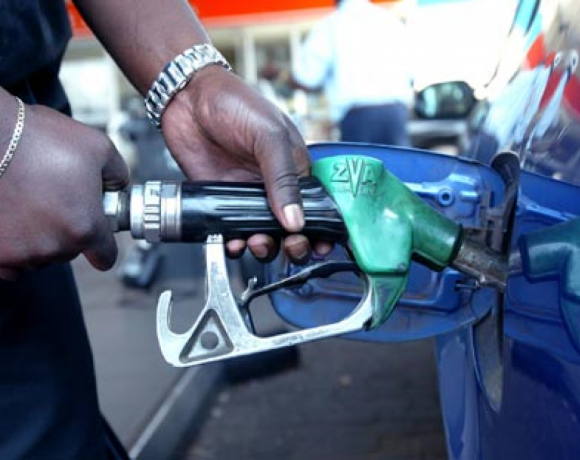
Recently the Federal Government increased the depot price of premium motor spirit, PMS, from about one hundred and forty-eight naira to one hundred and fifty-one naira, fifty-six kobo per litre.

However, the development was indeed a bitter pill to swallow for the citizens going by the reactions that trailed the decision. 

In the word of the Minister of State for Petroleum Resources, Timipreye Sylva, there is nothing the government can do to intervene in the new petrol price as it is a direct fall out of the deregulation policy announced in the petroleum sector in March. 

Though, most filling stations sell the commodity between one hundred and fifty nine naira and one hundred and sixty two naira.

Some couples of months ago, the government had increased the pump price at different times from one hundred and twenty-one naira fifty kobo to one hundred and thirty-eight naira eighty kobo and one hundred and forty-five naira per litre, on the advice of the Petroleum Product Pricing Regulatory Agency, PPPRA, after reviewing market fundamentals and operating costs.

Fuel price only crashed to one hundred and twenty-five naira in March due to the global coronavirus pandemic which led to a fall in demand, and subsequently a fall in price. 

It was at this point that the government effectively removes fuel subsidy since the landing costs had dropped below the pump price, and there was no longer need to subsidize the price for Nigerians.

 According to Federal Government, prior to the global crash, they paid the difference between the expected open market price and the approved retail price of petrol, known as fuel subsidy, to make the product available to the populace at an affordable price, irrespective of the prevailing market forces.

 It was alarming to Nigerians that the recent increase was done two days after the new tariff in electricity was announced, 

Consequently, Nigerians are troubled that the increase in petrol price and electricity tariff amounts to festering their sore of untold hardship, especially in the midst of the covid-19 pandemic. 

While it is evident that Nigeria is far from the era of queuing for long hours to buy fuel, which citizens appreciate, it is perhaps the timing of the current steps that the masses felt was wrong. 

Nevertheless, there is the need for government to put in place measures to address the adverse effects its current decision is having on the socio economic life of the citizens.

It is necessary for government to take the bull by the horn and revamp the country’s moribund refineries, which accounts for the unnecessary importation of petroleum products. 

This will stem the outward flow of much needed foreign exchange.

The take-off of private refineries next year may not translate to a reduction in the price of petrol as the processing plant will be selling at the international price.  

Also, Nigerian National Petroleum Corporation, NNPC, should ensure that oil marketers have access to foreign exchange at a uniform price so that product prices will be largely uniform across the country to protect the common man.

There is need for the security agencies to strengthen collaborative efforts to put an end to vandalism of oil pipelines, which sabotage fuel availability.

Indeed the nation is going through a trying time, thus it is imperative for government to do all in its power to bring succour to the people whose purchasing power have been eroded through the hike in petrol price.

Olukemi Akintunde

News Analysis

Electricity distribution companies, DISCOs, across the country this month implemented a new tariff regime.

This was as a result of the Nigerian Electricity Regulatory Commission’s, NERC, directive that DISCOs is to maintain a four naira tariff for all customers consuming less than fifty kilowatt of energy per month.

Under the new regime, consumers will now pay sixty-six naira per kilowatt unit of energy consumed in an hour.

Before now consumers were paying thirty naira, twenty three kobo per kilowatt.

President Muhammadu Buhari had emphasised that the review must translate to improved service delivery while poor and vulnerable Nigerians should not pay more in all cases.

Also, the president had ordered mass metering in the country to put an end to estimated billing which had been exorbitant and unbearable for Nigerians.

As expected, the hike in electricity tariff has been generating protests from all over the country.

Among the group that protested are National Association of Nigerian Students, workers, and different civil society groups.

The protesters condemned the policy as they believed the policy will bring untold hardship to the citizens.

Both Nigeria Labour Congress and Trades Union Congress accused the Federal Government of being hard on Nigerians.

President, Nigeria Labour Congress, Mr. Ayuba Wabba, noted that government was taking Nigerians for granted, describing the action as most insensitive and outrageous to the citizens who are currently bearing heavy burden of the covid-19 pandemic.

Also, President, Trades Union Congress, Mr. Quadri Olaleye, stated that increasing electricity bills at a time people were losing jobs and when businesses were adversely affected by Covid-19 was uncalled for.

It is disheartening that most Nigerians are not enjoying twenty four hour electricity supply, especially in the Southwest Nigeria after the fire incident that gutted the Transmission Company of Nigeria, TCN, office which supplies Oyo metropolis and parts of Ogun and Lagos states.

DISCOs should perform optimally by ensuring that the billing is commensurate with energy being supplied to the consumers.

It is obvious that Nigerians need power for the socioeconomic development of the society.

The multi-year tariff order (MYTO) was introduced to take care of different people but the structure seems to have failed. 

Therefore, the sector needs to be revamped to accommodate serious investors to move it forward.

States should also take step through legislation in removing generation of power from the exclusive list so as to generate and distribute power to its residents.

It is hoped that the Federal Government will listen to the yearnings of the people by reversing the new electricity tariff to the old one to make life bearable for the citizens.

Titilayo Kupoliyi

News Analysis

After months of forced stay at home occasioned by the Covid-19 pandemic, schools in some states in the country are looking forward to reopening this month, as announced by their governments.

While the Federal Government has given the nod for preparation for academic activities, it has not been categorically about Federal institutions under its jurisdiction, especially the universities.

On Analysis, an educationist, Dr Rotimi Awolere, in a chat with Simeon Ugbodovon examines the observable variance between the decision taken by some states and the Federal Government.