By Olaolu Fawole
In an uncommon alignment of religious calendars, millions of Christians and Muslims across the globe are simultaneously entering two of their most sacred seasons.
Lent and Ramadan, marking a period defined by fasting, reflection, prayer, and renewed spiritual discipline.
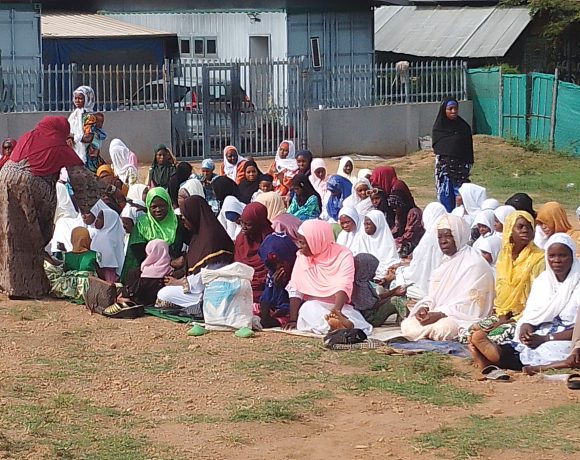
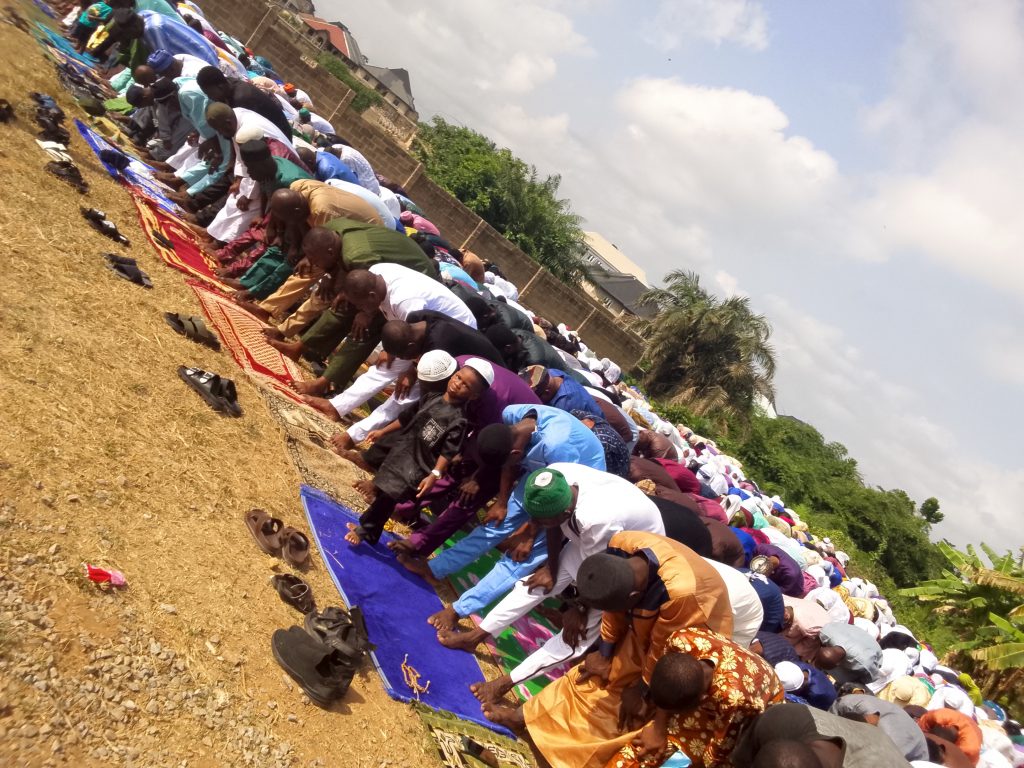
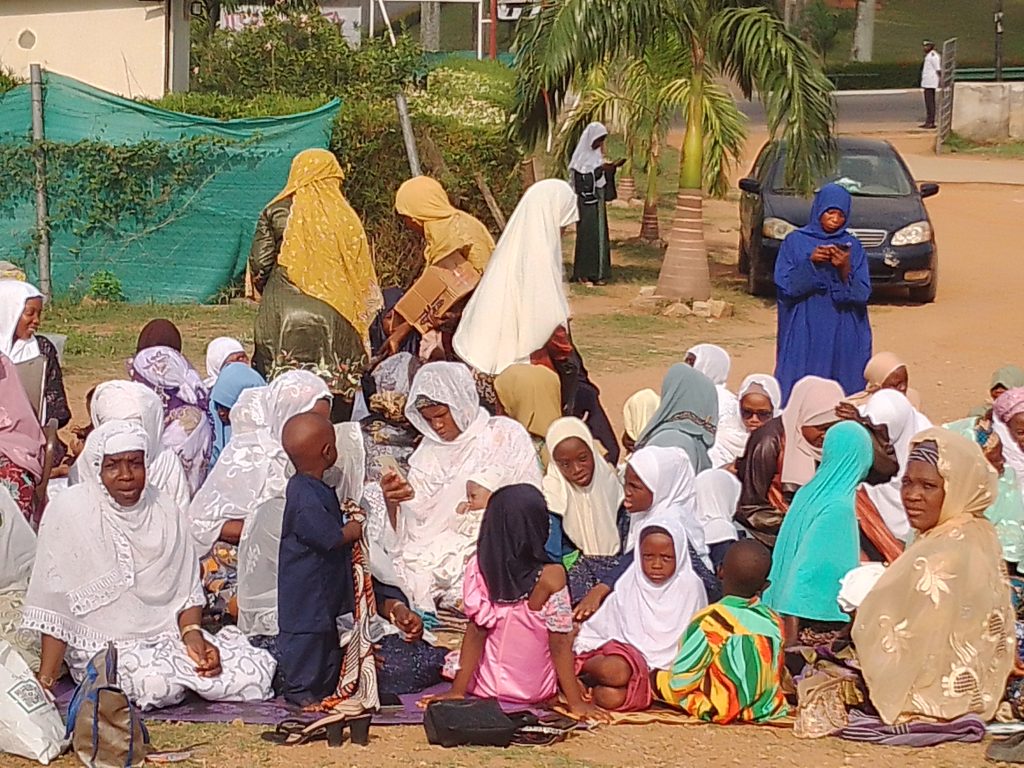
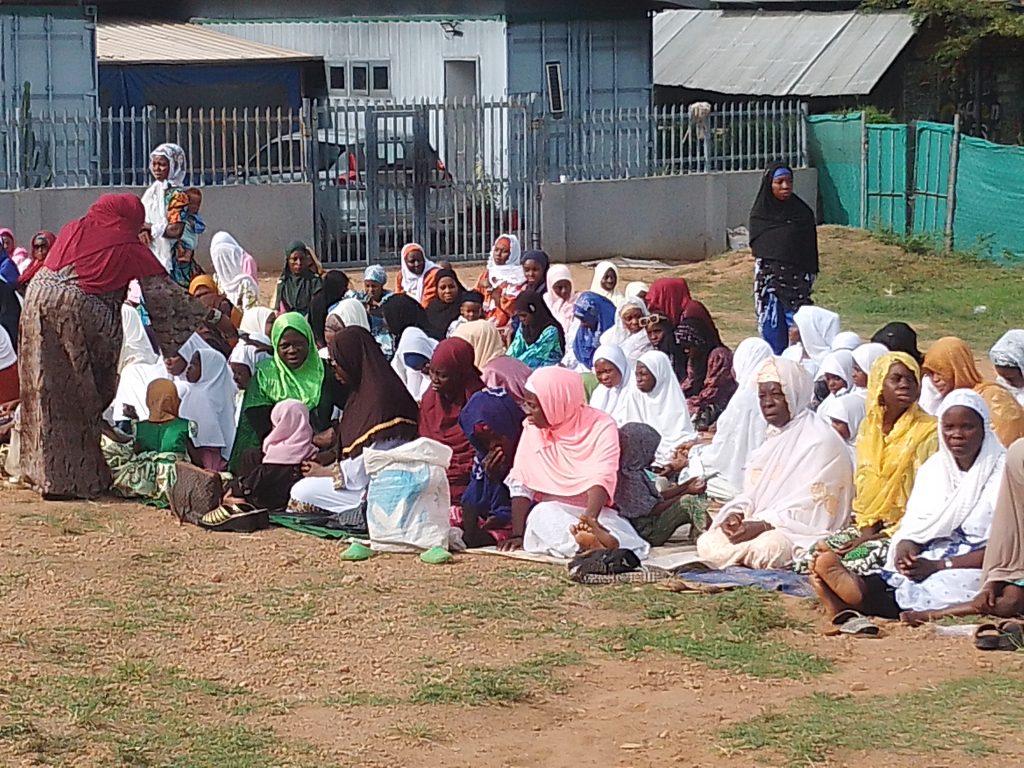
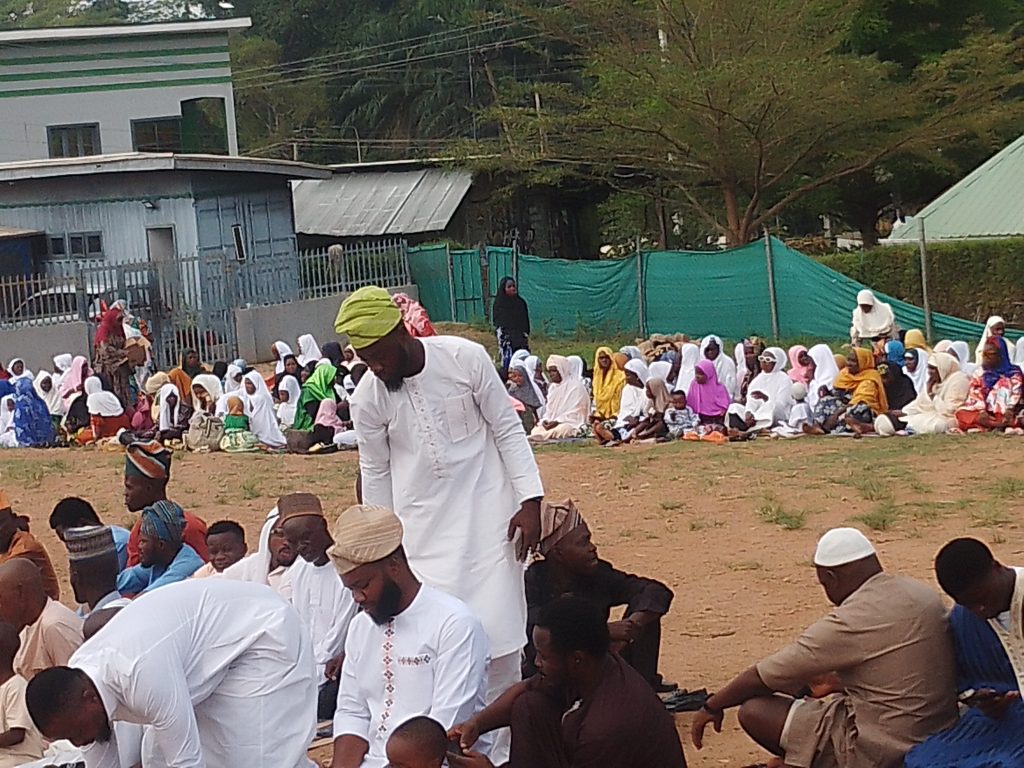
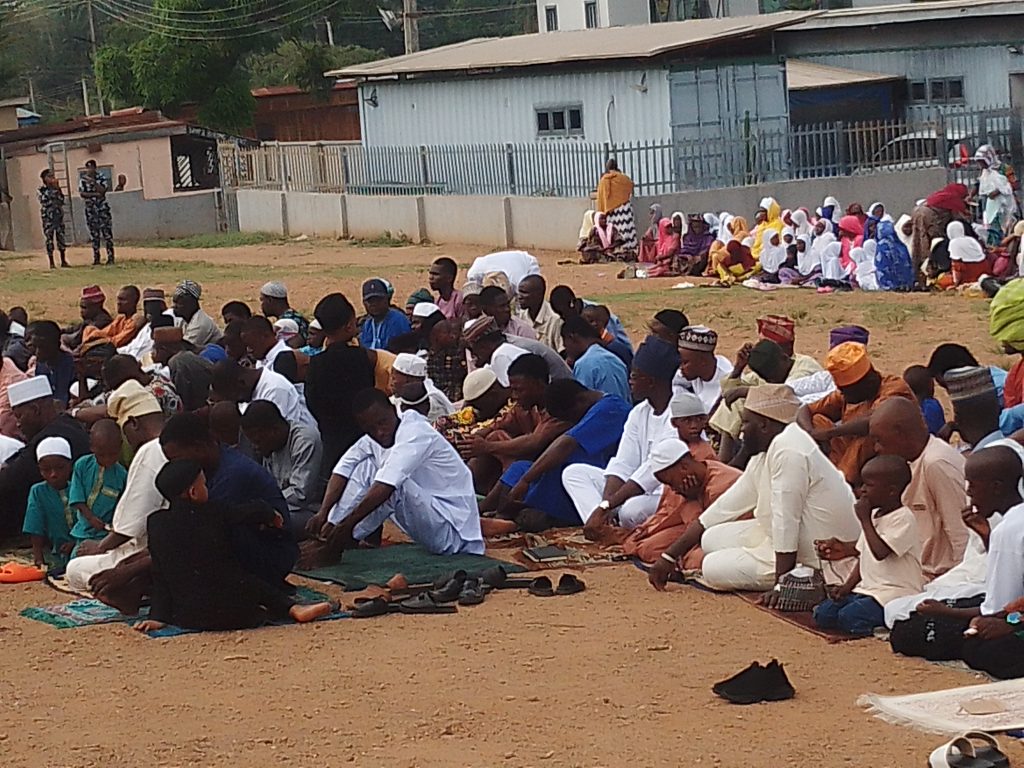
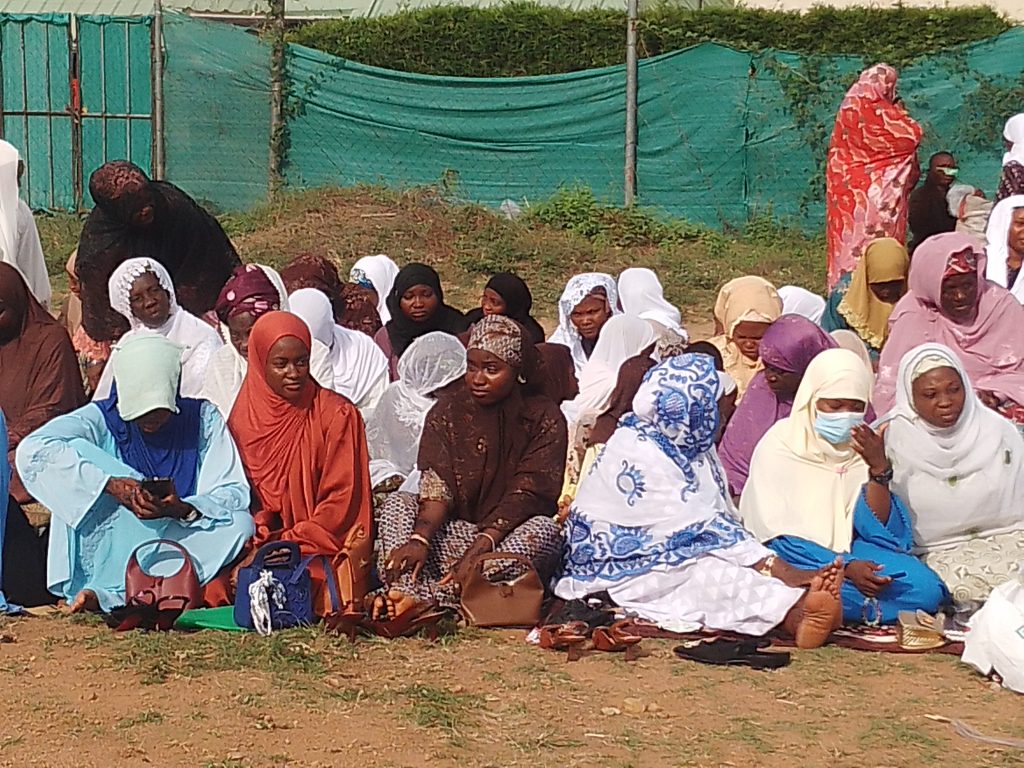
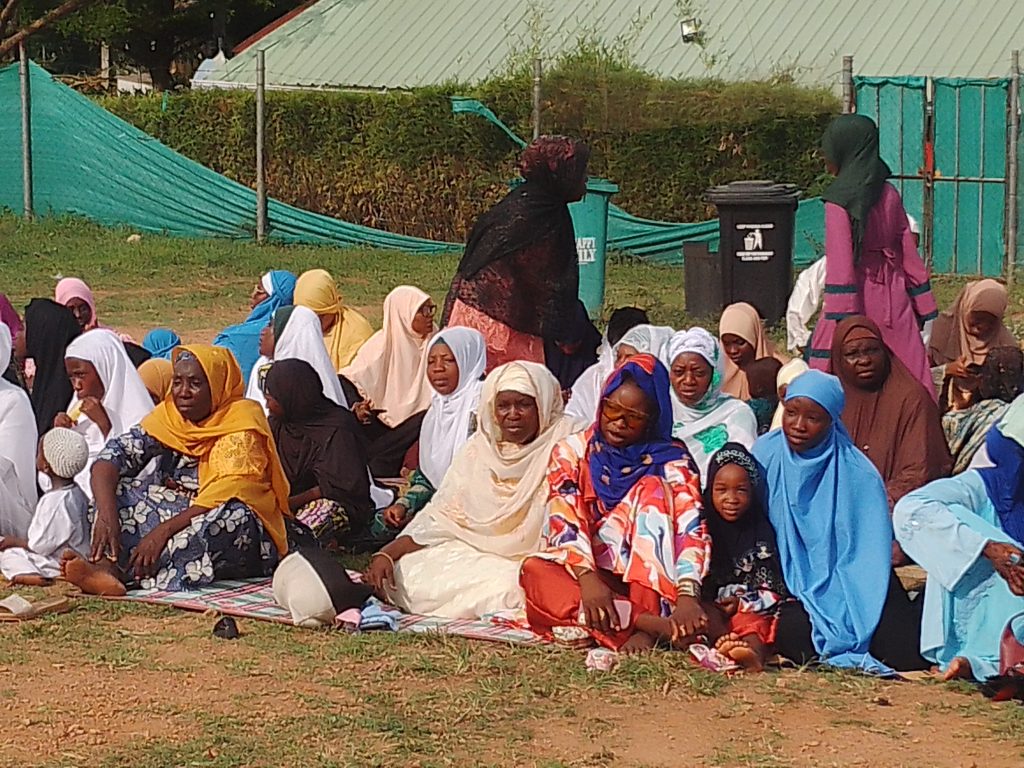
On Wednesday, the convergence became visible worldwide. For millions of Muslims, the day signalled the beginning of Ramadan, the ninth month of the Islamic lunar calendar and the holiest period in Islam.
For many Christian denominations, it marked Ash Wednesday, the start of the 40-day Lenten season.
Though rooted in distinct theological traditions, the overlap highlights shared themes central to both faiths: self-restraint, repentance, generosity, and moral introspection.
The Beginning of Ramadan
From dawn to sunset each day, practicing Muslims abstain from food, drink, and other physical needs.
The fast is broken at sunset with iftar, often beginning with fruits and water and shared with family members, friends and neighbours.
Beyond fasting, Ramadan emphasizes increased prayer, recitation of the Quran, acts of charity (zakat) and personal reflection.
Mosques often host nightly prayers known as Taraweeh, drawing large congregations.
The month comprises of 29 or 30 days, concludes with the celebration of Eid al-Fitr, a major Islamic festival marked by communal prayers and charitable giving.
The start of Ramadan depends on the sighting of the crescent moon.
This year, countries including Saudi Arabia, Egypt, Jordan, the United Arab Emirates, Kuwait, Qatar, Yemen, and Nigeria confirmed the beginning of Ramadan on Wednesday.
Other nations, such as Japan, Oman, Singapore, and Turkey, began observance a day later due to lunar sighting differences.
The Lenten Journey Begins
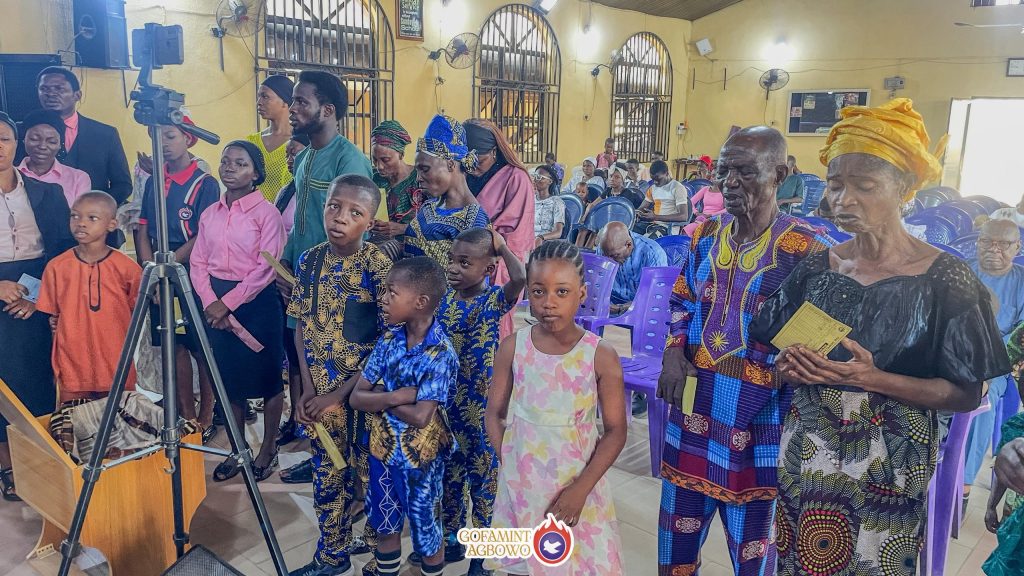
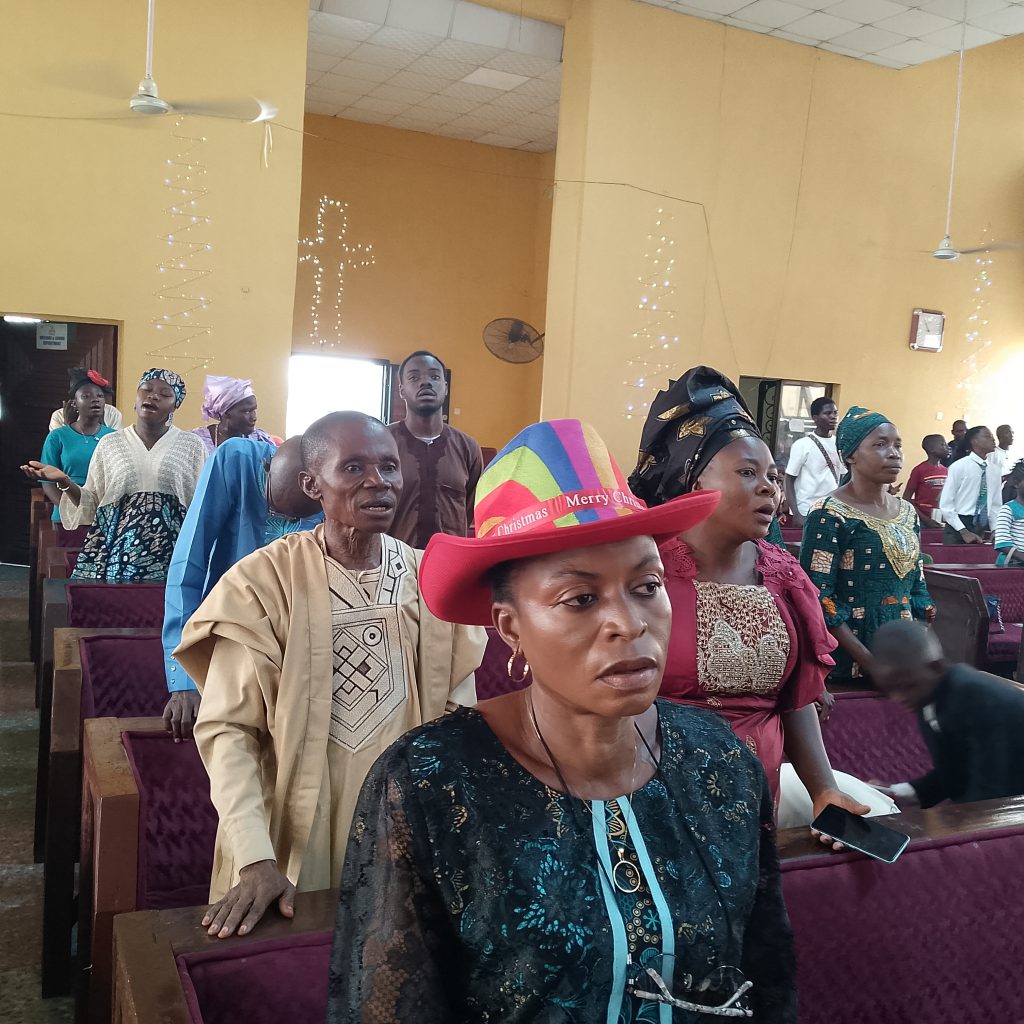
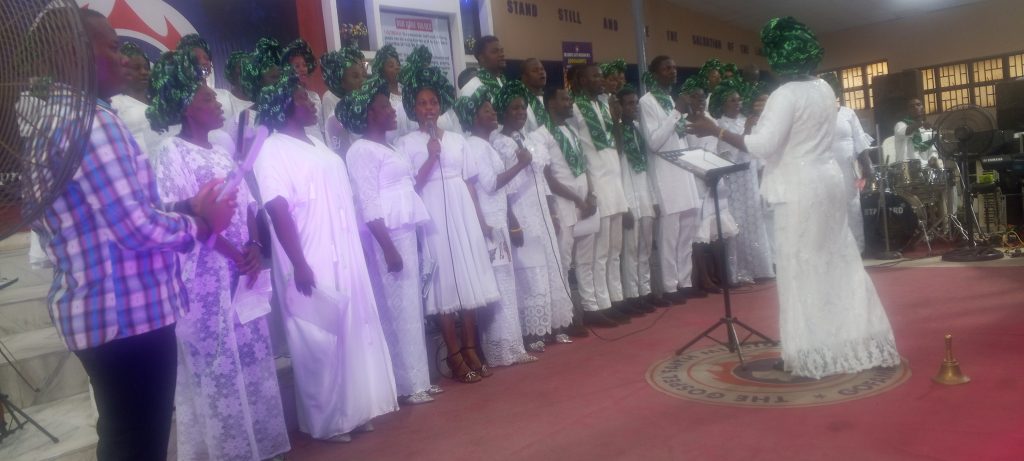
For Christians observing Lent, Ash Wednesday initiates a 40-day period of penitence leading up to Easter.
The season reflects the 40 days Jesus Christ spent fasting in the wilderness, as recorded in the Bible.
Ash Wednesday services are marked by the imposition of ashes on the foreheads of worshippers.
Lent traditionally involves prayer, fasting, and almsgiving.
While fasting practices vary among denominations, many Christians abstain from certain foods, reduce luxuries, or commit to spiritual disciplines aimed at deepening faith and encouraging self-examination.
In his Lenten message for 2026 titled “Listening and Fasting: Lent as a Time of Conversion” Pope Leo XIV emphasized the spiritual significance of fasting beyond physical deprivation.
He described it as a means of recognizing deeper moral and spiritual hunger, urging believers to cultivate attentiveness to God and to others.
He also called for restraint in speech, encouraging Catholics to refrain from harmful or divisive language in personal interactions, workplaces, social media platforms, and public discourse.
The message framed Lent as an opportunity not only for personal sacrifice but also for ethical renewal.
While Lent and Ramadan differ in theology, duration, and practices, scholars note common ethical emphases.
Both seasons encourage adherents to exercise discipline over physical appetites, increase charitable giving, strengthen prayer life, and demonstrate greater empathy toward the poor and vulnerable.
In both religions, fasting is not viewed solely as abstention from food. Rather, it is intended to foster spiritual awareness, humility, and social responsibility.
Acts of charity hold particular importance:
Muslims are encouraged to give zakat and additional voluntary charity during Ramadan, while Christians traditionally emphasize almsgiving during Lent.
The simultaneous observance comes at a time of global uncertainty marked by economic pressures, political tensions, and humanitarian crises.
Religious leaders in both communities have framed these sacred periods as opportunities for self-examination and constructive engagement rather than division.
The overlap of Lent and Ramadan does not occur every year, as the Islamic lunar calendar shifts approximately 11 days earlier annually relative to the Gregorian calendar.
When such convergence happens, it draws attention to the rhythms of faith that shape the lives of billions.
For many observers, this shared season underscores how deeply religion continues to influence social life, ethical frameworks, and community identity worldwide.
As Lent and Ramadan unfold in parallel, they represent two distinct spiritual paths unfolding side by side.
Each rooted in centuries old tradition, each calling adherents toward reflection, restraint, and renewal.