Feature

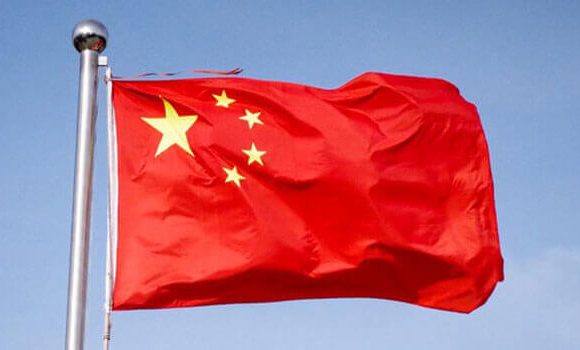
China says it will fully restore travel across its borders with Hong Kong and Macau next week, dropping Covid testing requirements and daily quotas after a lengthy pandemic separation.

The semi-autonomous cities have both stuck to Beijing’s zero-COVID strategy for nearly three years, splitting families, cutting off tourism and suffocating businesses.

The State Council’s Hong Kong and Macao Affairs Office said on Friday that all remaining restrictions would be dropped starting midnight on February 6, with group tours allowed to resume.

Limited travel across the border between Hong Kong and mainland China resumed in January after Beijing abruptly axed its isolationist policy.

Initially, only 60,000 people were allowed to cross each day in either direction and they were required to show a negative PCR test.

Hong Kong leader John Lee said on Friday that the partial reopening had been “orderly, safe and smooth”.

Hong Kong’s lengthy separation from its biggest source of growth inflicted a heavy toll, with some estimating it cost the financial hub $27 billion.

Mainlanders have long made up the vast majority of visitors to Hong Kong, with around 51 million arriving in 2018, nearly seven times the city’s population.

City officials are hoping an influx of visitors will revitalise the recession-hit economy, injecting cash into the once-vibrant tourism and retail sectors.

Unvaccinated overseas travellers will be allowed to visit Hong Kong starting Monday, but Lee said pre-arrival rapid antigen tests will still be required.

“As the full reopening of the border with mainland China will bring a large surge in travel, to ensure risks are manageable we will keep the testing requirement for overseas travellers for a period of observation,” he said.

The full relaunch of travel with the mainland comes a day after Lee rolled out a rebranding campaign to woo overseas tourists, pledging more than half a million free flights and “no isolation, no quarantine and no restrictions”.

Outdoor masking remains compulsory in Hong Kong, though Lee has said the policy could be scrapped after the winter flu surge.

AFP / Titilayo Kupoliyi

Subscribe to our Telegram and YouTube Channels also join our Whatsapp Update Group

Foreign

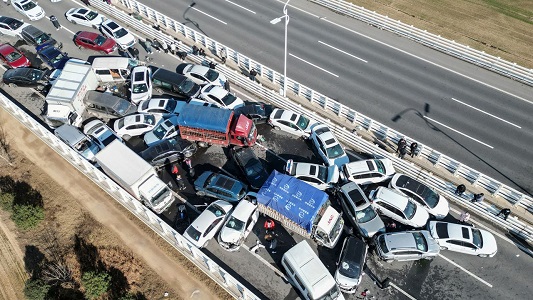
One person was killed during a massive pileup involving more than 200 vehicles in the central Chinese city Zhengzhou on Wednesday, according to state media.

The pileup took place on a bridge that was shrouded in the heavy morning fog, which caused multiple vehicles to crash, according to state-owned The Global Times.

Photos from the scene show the long multi-lane bridge, stretching across fields and the Yellow River, strewn with vehicles crammed into each other. Cars, cargo trucks, lorries and other vehicles can be seen in the pileup.

In videos filmed from the ground, the air is still thick with fog. One clip shows a truck sliding forward, crashing into several smaller cars, as sirens ring in the distance.

Many drivers and passengers were trapped in their cars, according to The Global Times. Emergency response workers and fire rescuers were deployed to the scene, including personnel from the traffic and health departments.

One eyewitness told The Global Times the pileup stretched several kilometres long, and that moisture on the bridge made the road particularly slippery.

In some areas, the visibility that morning was only 200 meters (about 656 feet), according to Reuters, citing the local meteorology agency. Several hours after the pileup, police issued a warning for cars not to cross the bridge due to the fog.

“In the winter the temperature is low and there is often heavy fog,” traffic police posted on their official account on Weibo, China’s version of Twitter. It reminded drivers to slow down, use their lights, and leave dangerous areas as quickly as possible.

The overpass connects Zhengzhou with the city of Xinxiang. Police shut down the bridge during rescue operations, with traffic resuming later that afternoon.

CNN/Simeon Ugbodovon

Subscribe to our Telegram and YouTubeChannels also join our Whatsapp Update Group

Foreign

A top Chinese health official says, he believes China is experiencing the first of three expected waves of Covid infections this winter.

The country is seeing a surge in cases since the lifting of its most severe restrictions earlier this month.

The latest official figures appear to show a relatively low number of new daily cases.

However, there are concerns that these numbers are an underestimate due to a recent reduction in Covid testing.

The government reported only 2,097 new daily cases on Sunday.

Epidemiologist Wu Zunyou has said he believes the current spike in infections would run until mid-January, while the second wave would then be triggered by mass travel in January around the week-long Lunar New Year celebrations which begin on 21 January. Millions of people usually travel at this time to spend the holiday with family.

The third surge in cases would run from late February to mid-March as people return to work after the holiday, Dr Wu said.

He told a conference on Saturday that, current vaccinations levels offered a certain level of protection against the surges and had resulted in a drop in the number of severe cases.

Overall, China says more than 90% of its population has been fully vaccinated. However, less than half of people aged 80 and over have received three doses of vaccine. Elderly people are more likely to suffer severe Covid symptoms.

China has developed and produced its own vaccines, which have been shown to be less effective at protecting people against serious Covid illness and death than the mRNA vaccines used in much of the rest of the world.

Dr Wu’s comments come after a reputable US-based research institute reported earlier this week that it believed China could see over a million people die from Covid in 2023 following an explosion of cases.

The government hasn’t officially reported any Covid deaths since 7 December, when restrictions were lifted following mass protests against its zero-Covid policy. That included an end to mass testing.

However, there are anecdotal reports of deaths linked to Covid appearing in Beijing.

Hospitals there and in other cities are struggling to cope with a surge, which has also hit postal and catering services hard.

Meanwhile, China’s largest city, Shanghai, has ordered most of its schools to take classes online as cases soar.


BBC/Taiwo Akinola
Foreign

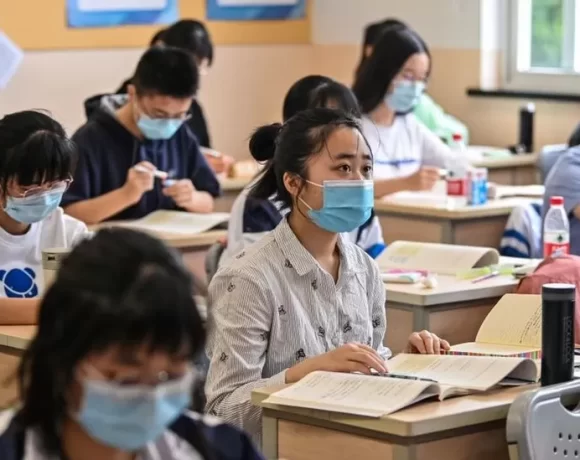
China’s largest city, Shanghai, has ordered most of its schools to take classes online as Covid cases soar.

According to Shanghai’s education bureau, Nurseries and childcare centres will also shut from Monday as restrictions were eased by Chinese authorities earlier this month following a wave of protests targeting China’s zero-Covid strategy.

But the easing of strict lockdown measures has led to growing concerns over the spread of Covid in China.

Significant changes in the country’s Covid testing and reporting systems have made it difficult to know just how widespread the virus has become.

But hospitals and medical facilities have come under increasing strain, with temporary health centres and intensive care facilities being set up across the country.

In Shanghai, it has been reported that an extra 230,000 hospital beds have been made available.

Some schools in the city have also already stopped in-person classes because teachers and staff are ill.

In a statement posted on the Chinese social media site WeChat on Saturday, Shanghai’s education bureau announced that most year groups in primary and secondary schools would move to online learning from Monday.

Students and children who do not have alternative childcare arrangements can apply to attend school.

The statement said the measures were being put in place in order to protect the health of teachers and students in line with current coronavirus prevention measures.

The decision means that schools in the country’s financial hub will be closed for in-person learning until the end of term on 18 January, when the Lunar New Year holiday starts.

Some Chinese social media users praised the decision, agreeing that it was best that students stay at home. Others complained about the efficacy of online learning in relation to in-person teaching and the extra strains put on working parents.

Following the abandonment of its zero-Covid strategy, there has been an explosion of self-reported cases across the country, with many cities eerily quiet as large numbers of people isolated at home, either sick with Covid or trying to avoid becoming infected, reports the BBC’s Celia Hatton.

There are concerns that China’s health infrastructure is not prepared to cope with a rapid increase in patients – especially as Covid spreads among the elderly, many of whom are not fully vaccinated.

BBC/Taiwo Akinola

Subscribe to our Telegram and YouTube Channels also join our Whatsapp Update Group

Foreign

US President Joe Biden has again said the US would defend Taiwan in the event of an attack by China.

Asked in a CBS interview if US troops would defend the island, Mr Biden said: “Yes, if in fact, there was an unprecedented attack.”

The remarks prompted the White House to clarify that US policy had not changed.

Washington has long maintained a stance of “strategic ambiguity” – it does not commit to defending Taiwan, but also does not rule out the option.

Taiwan is a self-ruled island off the coast of eastern China that Beijing claims as part of its territory.

Washington has always walked a diplomatic tightrope over the issue.

On the one hand, it adheres to the One China policy, a cornerstone of its relationship with Beijing. Under this policy, the US acknowledges that there is only one Chinese government, and has formal ties with Beijing rather than Taiwan.

But it also maintains close relations with Taiwan and sells arms to it under the Taiwan Relations Act, which states that the US must provide the island with the means to defend itself.

Taiwan responded to Mr Biden’s remarks on Monday by welcoming the “US government’s rock-solid security commitment to Taiwan”. Taipei said it would continue to deepen its “close security partnership” with Washington.

Only earlier this month, the US agreed to sell $1.1bn (£955m) in weaponry and missile defence to Taiwan, provoking anger from China.

Beijing is yet to respond to Mr Biden’s latest remarks, broadcast in a CBS 60 Minutes interview on Sunday. But China has previously condemned such comments from Mr Biden pledging US military action.

“Taiwan is an inalienable part of China’s territory… The Taiwan question is purely China’s internal affair that brooks no foreign interference,” a foreign ministry spokesman had said in May.

That was in response to Mr Biden’s comments in Tokyo in May when he said “Yes” when asked if the US would defend Taiwan. The White House had quickly issued a follow-up saying there was no departure from long-standing US policy.

This time too the White House issued a statement, downplaying the president’s comments: “The President has said this before, including in Tokyo earlier this year. He also made clear then that our Taiwan policy hasn’t changed. That remains true.”

It’s the third time since October last year that President Biden has gone further than the official stance.

But in the interview on Sunday, Mr Biden reiterated that the US was not encouraging Taiwan’s independence.

“There’s a One China policy and Taiwan makes their own judgements on their independence. We are not moving, not encouraging their being independent – that’s their decision,” he said.

Tensions between US and China have ramped up after US House Speaker Nancy Pelosi made a controversial visit to the island in August – a trip Mr Biden had said was “not a good idea”.

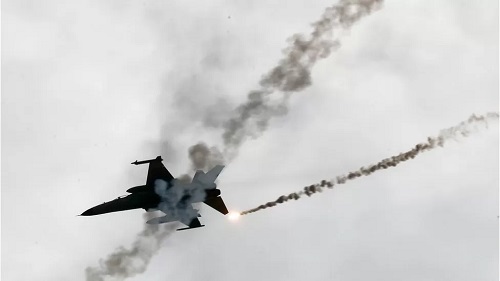
Beijing responded with a five-day military blockade around Taiwan. The US claims China shot missiles over the island, but Beijing did not confirm this. Taiwan said the missiles China fired flew high into the atmosphere and posed no threat.

Elsewhere in the pre-recorded interview, Mr Biden also warned Russia not to use chemical or tactical nuclear weapons in the war in Ukraine.

BBC/Simeon Ugbodovon

Subscribe to our Telegram channel

Foreign

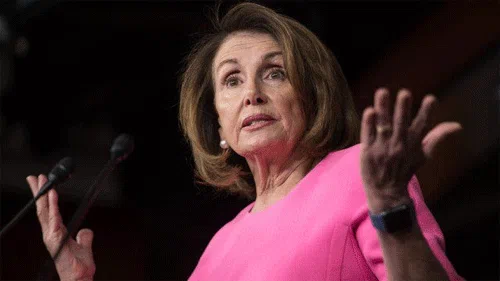
Chinese Foreign Ministry has announced Friday to sanction US House Speaker Nancy Pelosi and her immediate family members for ignoring China’s serious concern and firm opposition and insisted on visiting China’s Taiwan region.

According to the spokesperson, the decision seriously interferes in China’s internal affairs, undermines China’s sovereignty and territorial integrity, tramples on the one-China principle and threatens peace and stability in Taiwan Straits, Foreign Ministry .

Earlier on Wednesday, Chinese Foreign Minister, Wang Yi vowed that Beijing will punish Taiwan as Pelosi visited the island Asian country.

Pelosi met with Taiwan’s President, Tsai Ing-wen on Wednesday during the official visit to the island that had invited China fury.

The American lawmaker also called at the Taiwan parliament during the trip, which made her the highest-ranking US official to visit the nation in 25 years.

China regarded the self-governing island as a breakaway territory that would one day be reunited with the mainland and warned the US against allowing Pelosi to visit.

“This is a complete farce. The United States is violating China’s sovereignty under the guise of so-called ‘democracy’… those who offend China will be punished,” Wang said on the sidelines of a meeting of the Association of Southeast Asian Nations, ASEAN, in Phnom Penh.

But in reaction to the threat, Taiwanese President Tsai Ing-wen countered that the island of 23 million would not be intimidated.

“Facing deliberately heightened military threats, Taiwan will not back down. We will… continue to hold the line of defence for democracy,” Tsai said at an event with Pelosi in Taipei.

She also thanked the 82-year-old US lawmaker for “taking concrete actions to show your staunch support for Taiwan at this critical moment”.

China tries to keep Taiwan isolated on the world stage and opposes countries having official exchanges with Taipei.

Pelosi, second in line to the presidency, is the highest-profile elected US official to visit Taiwan in 25 years.

“Today, our delegation… came to Taiwan to make unequivocally clear we will not abandon our commitment to Taiwan,” Pelosi said at the event with Tsai.

Vanguard/Taiwo Akinola

News Analysis

In the later part of the eighteenth century to four decades into the nineteenth century, precisely between 1760s and 1840, the industrial revolution began in Britain.

Today, western countries top the list of the developed world.

 Asia is not left behind, as China, India, Malaysia, Singapore and Indonesia have emerged as strong manufacturing hubs.

African countries including Nigeria, are lagging behind as they depend mostly on manufactured products from the industrialized nations.

It has been detrimental economically as it tilts balance of trade and value placed on currency in favour of manufacturing nations.

It is therefore high time Nigeria as a nation changed this narrative by encouraging local inventions.

Transformation of the nation from a consuming to a manufacturing one should be the wish of any Nigeria leader.

Already, there are indices to show that the dynamics could be changed going by some inventions which have emerged in the country in the past till present. 

This includes the emergency blood transfusion system made by a medical doctor and retired brigadier general in the Nigerian army, Oviemo Ovadje . 

Similarly, another Nigerian Saheed Adepoju is credited with the invention of Inye-1 & 2, tablet computers designed for the African market, while research into the use of wind-propelled turbines to generate electricity is credited to another citizen, Sebastine Omeh.

Recently, a 67-year-old man, Hadi Usman, invented a cooking stove that uses water and air pressure to generate fire.

According to the Gifted Gombe technician, he has been inventing products since 70s and 80s

Report on Usman attracted global attention from the US, Germany and other countries.

Regrettably at home, it has been observed over the years that most inventions and their inventors always ended up as media affairs as nothing is heard of them again after the media bliss this attitude is not healthy.

These innovations and some others within the country are evidences that given more enabling environment, citizens could transform its standard of technology to be at par with developed countries.

To compete with developed nations in technology, there is need for government to set up special funds for rewarding individuals credited with proven inventions.

Corporate bodies, philanthropists and other well-meaning persons should assist aspiring inventors who need funds to realize their dreams

in addition, it is high time universities in Nigeria translated researches into pivot for inventions.

Furthermore, besides the academic environment, those in the informal sector, especially artisans with flair for innovations deserve to be funded to bring such work to completion, as artisans were great anchors of the industrial revolution in Britain.

Government should make inventions a significant part of national award criteria to stir more enterprising Nigerians to bend into the field of inventions in order to transform the nation’s technologically and economically.

Olukemi Akintunde

Opinion

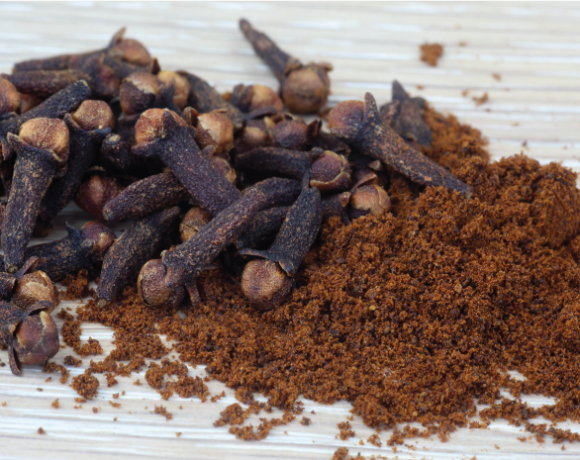
Cloves are the aromatic flower buds of the clove tree. 

They are native to the Spice Islands near China, cloves spread throughout Europe and Asia during the late middle ages as an important part of local cuisine. 

Cloves are available throughout the year owing to different harvest seasons in different countries.

Today, cloves remain an important spice that gives many dishes special kick and also serve as herbs which can cure many diseases.

Cloves can be used whole or ground.

People often include ground cloves in spice mixes and whole cloves in recipes to add depth and flavor to a wide variety of foods. 

Cloves are low in calories but rich source of manganese and an otherwise insignificant source of nutrients.

It is also a good source of fiber which serves as source for different nutritional benefits. 

These small dark brown pods are used to spice up curries, season meats, enrich sauces and even flavor spiced-baked foods. 

Cloves are a great source of beta-carotene, which helps give them their rich brown color. 

The carotene family of pigments is important antioxidants and pro-vitamins. 

Carotene pigments can convert into vitamin A, an important nutrient for keeping your eyes healthy.

Some health benefits of cloves include reduced inflammation, thereby it helps in reducing the risk of diseases such as arthritis and helping to manage symptoms.

According to a 2018 review, clove oil, and specifically the constituent Eugenol, shows advantages over potassium sorbate, sodium benzoate, and other chemical food preservatives in terms of antimicrobial activity, safety, and aroma, making it worthy of consideration as a substitute food preservative.

Medical experts noted that cloves are full of antioxidants, compounds which help the body to fight free radicals that damage the body cells and reduce risk of developing heart disease, diabetes, and certain cancers.

Report also shows that cloves may promote better liver function. 

Some trials have shown that the Eugenol found in cloves can help reduce signs of liver cirrhosis and fatty liver disease. 

Cloves have been used in traditional Chinese and Ayurvedic medicine to strengthen the immune system, reduce inflammation and aid digestion. 

Clove oil is used to kill parasites and repel insects as it contains Eugenol, a powerful germicide, as well as caryophyllene, which has antimicrobial properties. 

Clove oil is perhaps best known as a remedy for toothache and dental pain. 

The antibacterial properties of clove may help reduce oral bacteria that can lead to the development of plague, gingivitis, and cavities.

As beneficial as cloves are many Nigerians are yet to take advantage of it because they lack knowledge of what it entails and its numerous health benefits.

It behooves relevant stakeholders in the health sector to embark on an aggressive campaign on this medicinal plant to enable people take advantage of the health benefits it has.

Media organisations can partner health institution on regular awareness on clove and its advantages.

Titilayo Kupoliyi

News Analysis

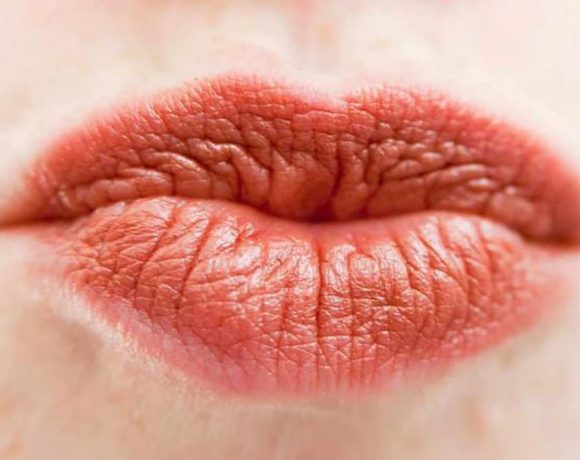
In many western weddings, the immortal words ‘you may now kiss the bride’ signifies the sealing of a couple’s vows with a kiss but in Sweden, the kissing ritual is taken to a whole other level.

At the wedding reception of newlywed Swedish couples, if the groom should leave the room the male guests of the bridal party are permitted to kiss the bride. Similarly, if the bride leaves the party female guests will hone in to kiss the groom.

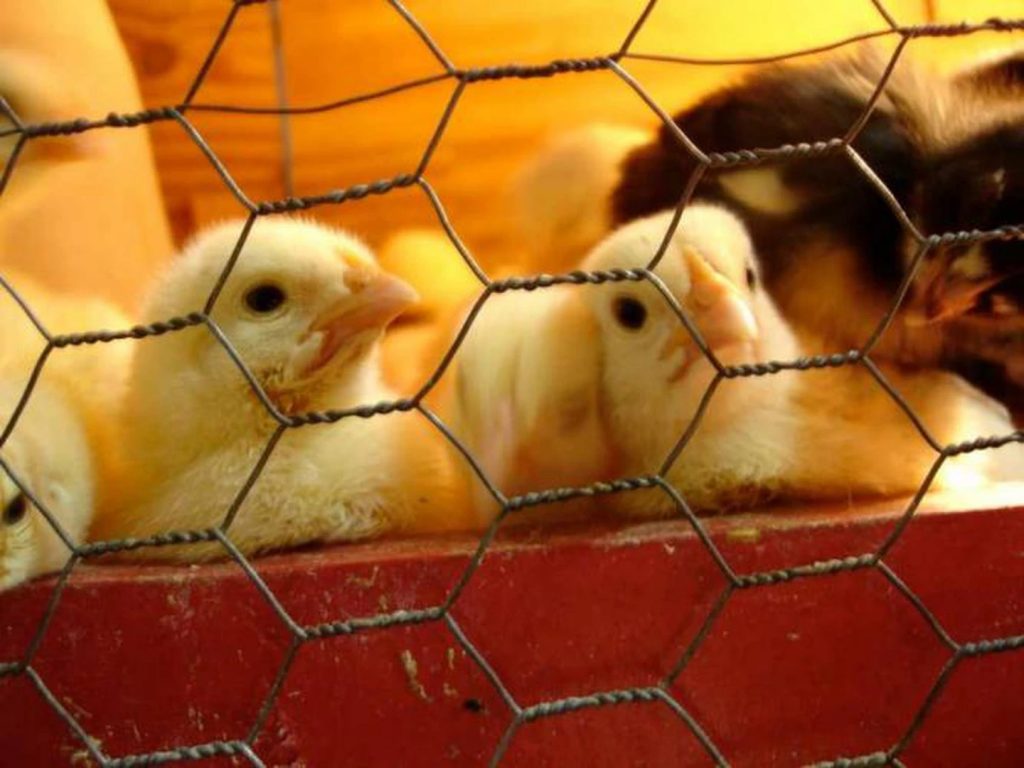
Meanwhile, for Daur people of China’s Inner Mongolia, before they can even set the date of their wedding, couples from the must observe a tradition that involves the killing of a chick.

The couple take a knife and together kill and gut the baby chicken before inspecting its liver.

If the chick’s liver is in a healthy condition, the couple can set a date for their wedding but if they discover that the chick’s liver is of poor quality or diseased they must repeat the process until they find a healthy liver.

Titilayo Kupoliyi

News Analysis

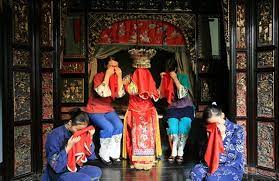
Weddings are often an emotional affair, but for the Tujia ethnic in China crying is a required part of preparation for marriage.

A month before their forthcoming nuptials, Tujia brides will cry for one hour each day.

Ten days into the ritual, the bride is joined by her mother and ten days after that, the bride’s grandmother joins the weeping duo and eventually other female family members will join in the cacophony of crying.

Termed Zuo Tang in the western Sichuan province, the ritual is said to date back to China’s Warring States era when the mother of a Zhao princess broke down in tears at her wedding.

Titilayo Kupoliyi

News Analysis

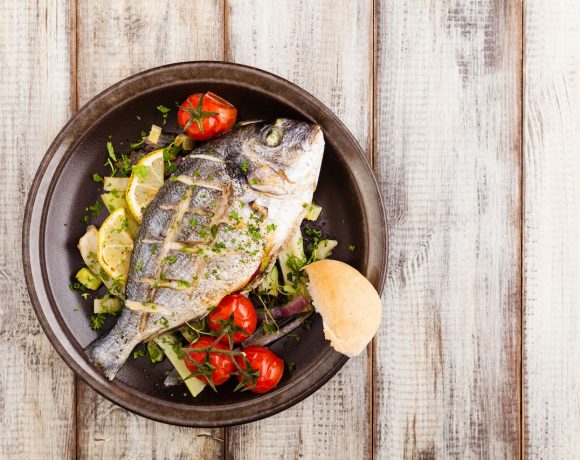
If you find yourself eating a whole fish in China, you might feel the urge to turn it over to get to the meat on the other side.

But we will warn you right now, don’t do it.

To turn a fish over, that means you have to turn the bones over, which symbolizes turning your back on someone or becoming a traitor.

It is also a no according to an old fishing superstition, which says that doing so could cause a boat to capsize. Whatever particular superstition your hosts may subscribe to, turning your fish over is generally frowned upon, so avoid it if you can. To get at the meat on the other side of the fish, just have patience and eat straight through it. Less efficient, sure, but you will draw fewer judgmental looks.

In Some Nigerian Cultures, children are served meals before the adults.  However, reverse is the case in South Korea.

No one is permitted to take a bite until the oldest person has started eating, a custom that’s viewed as a sign of great respect. It is also polite to wait for the oldest person to sit down before taking your own seat. Yeah, there’s a lot riding on the oldest person in the room, so you’d better hope they are hungry.

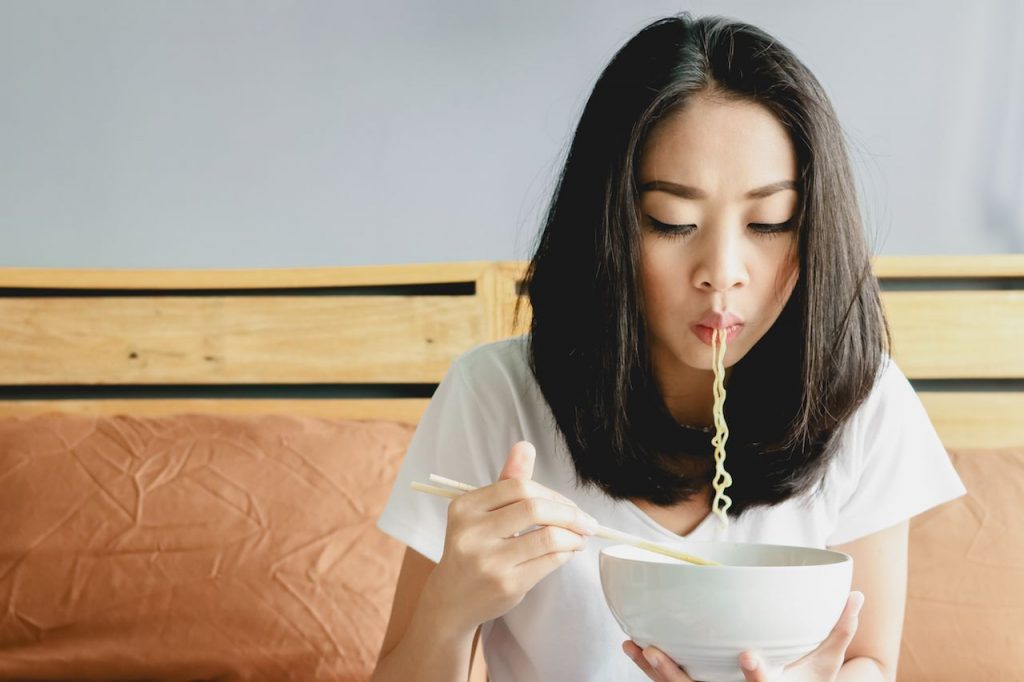
We all know a loud eater. They are that person who we try not to sit next to when they are eating spaghetti, because we will hear that annoying slurping sound all night.

Well, in Japan, that sound is not annoying, it is a sign that the eater is thoroughly enjoying their meal.

In addition to being a signal of respect, slurping is also believed to improve the flavour of noodles and allows you to enjoy hot food more quickly. Coating the noodles in saliva cools them down, meaning you don’t have to wait as long before you can dive in.

So, if you are in Japan, there is no need to delicately twirl your noodles on a spoon or cut them into fragments, Slurp away.

Titilayo Kupoliyi

Foreign

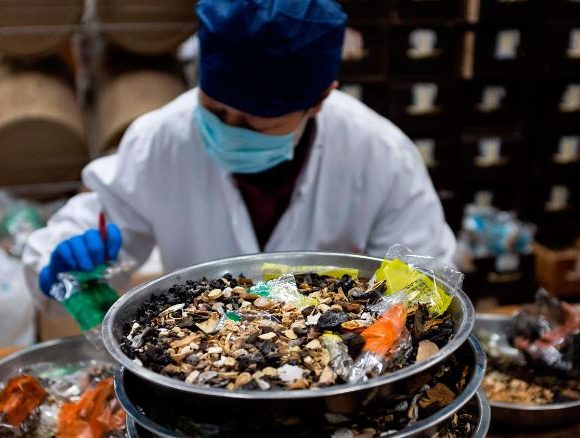
China has approved three traditional Chinese medicine (TCM) products for sale to help treat Covid-19, the government’s National Medical Products Administration announced on Wednesday.

The agency used a special approval procedure to green-light the three products, which “provide more options for Covid-19 treatment,” it said in a statement.

The herbal products come in granular form and trace their origins to “ancient Chinese prescriptions,” said the statement. They were developed from TCM remedies that had been used early in the pandemic, and that were “screened by many academics and experts on the front line.”

The three products are “lung-clearing and detoxing granules,” “dampness-resolving and detoxing granules,” and “lung-diffusing and detoxing granules,” said the statement.

The safety and effectiveness of TCM is still debated in China, where it has both adherents and skeptics. Though many of the remedies in TCM have been in use for hundreds of years, critics argue that there is no verifiable scientific evidence to support their supposed benefits.

In recent years, ancient remedies have been repeatedly hailed as a source of national pride by Chinese President Xi Jinping, himself a well-known TCM advocate.

“Traditional medicine is a treasure of Chinese civilization embodying the wisdom of the nation and its people,” Xi told a national conference on TCM in October 2019. Throughout the outbreak, Xi has repeatedly exhorted doctors to treat patients with a mix of Chinese and Western medicines.

Tens of thousands of Covid-19 patients received herbal remedies alongside mainstream antiviral

drugs last year, according to the Ministry of Science and Technology.

“By adjusting the whole body health and improving immunity, TCM can help stimulate the patients’ abilities to resist and recover from the disease, which is an effective way of therapy,” said Yu Yanhong, deputy head of China’s National Administration of Traditional Chinese Medicine, in March 2020.

In a clinical trial of 102 patients with mild symptoms in Wuhan, patients with combined treatments compared with the control group of patients receiving only Western medicine, Yu said. Their recovery rate was 33% higher, she added.

By late March last year, China had gotten its outbreak largely under control — and though it has endured occasional flare-ups in various locations, numbers have stayed low and daily life has resumed. Restrictions have been lifted, allowing people to travel around the country and gather without face masks.

Authorities have praised TCM as helping contain Covid symptoms and limit the outbreak — in January this year, up to 60,000 doses of TCM were sent to front-line police officers to protect them from Covid-19, according to the TCM administration.

A number of provinces, including Jilin and Hebei, implemented “TCM Prevention Plans” in January to prescribe TCM to Covid patients.

Now, authorities are looking to expand the industry, which was estimated to exceed 3 trillion yuan ($430 billion) by 2020.

The country will aim to cultivate 100,000 TCM professionals within the next 10 years, and implement measures such as TCM curricula in schools, announced the General Office of the State Council this February. More TCM rehabilitation centers will be built, some with clinical research centers.

State media has also promoted TCM in its coverage; state-run news agency Xinhua reported that TCM offered a source of “hope” for Chinese Americans in New York when the city’s public health system was close to collapse, and that remedies have been adopted by Kuwait for Covid treatment.

The World Health Organization, which gave its first-ever endorsement of TCM in 2018, had originally advised against using traditional herbal remedies for Covid-19 on its website — though that line was later removed due to it being “too broad.”

Some in the biomedical community say WHO overlooked the toxicity of some herbal medicine and the lack of evidence that it works, while animal rights advocates say it will further endanger animals such as the tiger, pangolin, bear and rhino, whose organs are used in some TCM cures.

CNN

Foreign

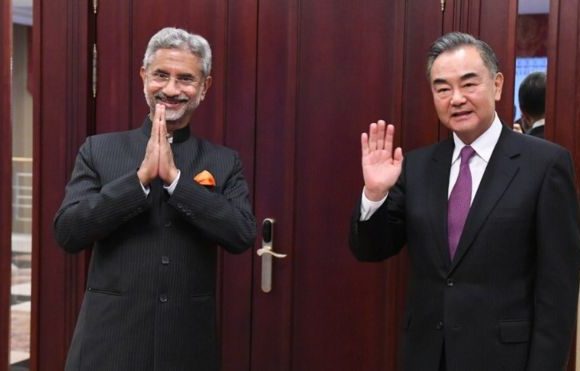
India and China have agreed to “quickly disengage” from a standoff that has seen gunfire at a disputed border and accusations of kidnapping.

Their foreign ministers met on Thursday and said they would ease tensions.

Soldiers from both countries have periodically skirmished along the poorly demarcated border, called the Line of Actual Control.

Both sides have accused each other of straying into their territory, and the clashes have sometimes turned deadly.

In a joint statement, the neighbours said the “current situation is not in the interest of either side”.

“They agreed, therefore, that the border troops of both sides should continue their dialogue, quickly disengage, maintain proper distance and ease tensions,” said the statement, released by Indian Foreign Minister S Jaishankar and his Chinese counterpart Wang Yi.

They added that they would expedite new measures that would “maintain and enhance peace and tranquillity”, but did not explain further what these would entail.

The two countries already have an agreement which bans the use of firearms along the border.

But relations took deteriorated further in recent days, after China on Tuesday accused Indian troops of illegally crossing the border and firing “provocative” warning shots at patrolling soldiers.

India rejected the allegation, accusing Chinese border forces of firing in the air and saying it was they who had “been blatantly violating agreements”.

India’s military had a day earlier also alerted Chinese officials to reports that five Indian civilians had been kidnapped by Chinese troops from an area near the disputed border.

China later confirmed to an Indian minister that the missing civilians had been found and arrangements were being made to hand them over to Indian authorities.

In June, 20 Indian soldiers were killed in a violent skirmish with Chinese forces. Local media outlets said then that the soldiers had been “beaten to death”.

The Line of Actual Control stretches for 3,440km (2,100 miles). The presence of rivers, lakes and snowcaps mean the line can shift.

Soldiers on either side – representing two of the world’s largest armies – come face to face at many points. India has accused China of sending thousands of troops into Ladakh’s Galwan valley and says China occupies 38,000sq km (14,700sq miles) of its territory.

India and China have previously attempted to ease tensions along the border. But several rounds of talks in the last three decades have failed to resolve the disputes.

The two countries have fought only one war, in 1962, when India suffered a humiliating defeat.

BBC

Foreign

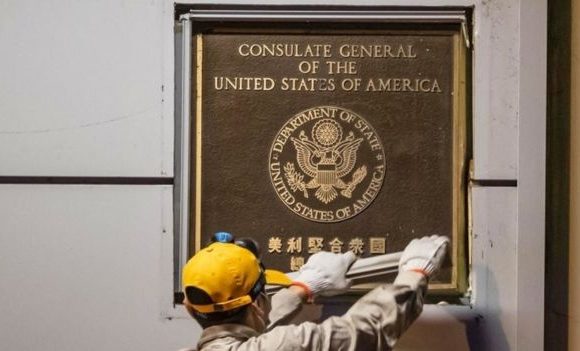
American diplomatic staff have left their consulate in the Chinese city of Chengdu, after a 72-hour deadline expired.

China ordered the closure in response to the US closing the Chinese consulate in Houston, Texas last week.

Before Monday’s deadline, staff were seen leaving the building, a plaque was removed, and a US flag was lowered.

China’s foreign ministry said Chinese staff entered the building after the deadline and “took over”.

A US state department spokesperson said: “The consulate has stood at the centre of our relations with the people in Western China, including Tibet, for 35 years.

“We are disappointed by the Chinese Communist Party’s decision and will strive to continue our outreach to the people in this important region through our other posts in China.”

As the US consulate closed, local residents gathered outside, with many waving Chinese flags and taking selfies.

Last Wednesday the US ordered the Chinese consulate in Houston to close, alleging that it had become a hub for spying and property theft.

Culled from BBC

Foreign

More than a million cases of coronavirus have been registered globally, according to the latest figures from Johns Hopkins University – another grim milestone as the world grapples with the spreading pandemic.

Nearly 53,000 people have died and more than 210,000 have recovered, according to the US University’s figures.

The US has the most cases, and more than 1,000 died there in the past day.

The disease, Covid-19, first emerged in central China three months ago.

Though the tally kept by Johns Hopkins records one million confirmed cases, the actual number is thought to be much higher.

It took a month and a half for the first 100,000 cases to be registered.

A million was reached after a doubling in cases over the past week.

Nearly a quarter of cases have been registered in the United States, while Europe accounts for around half.

The pandemic is taking a huge economic toll: an extra 6.6 million Americans applied for unemployment benefit last week.

BBC

Health

The Federal Government on Wednesday placed a travel ban on 13 high-risk Coronavirus countries.

The countries are China, Italy, Iran, South Korea, Spain, Japan, France, Germany, Norway, the United States of America, the United Kingdom, Netherlands and Switzerland.

The government said the ban would take effect on Saturday, March 21 and would last for four weeks

The travel restriction was placed on countries with over a thousand cases of coronavirus

Details later…

Culled from the Punch

Health

The Chairman, Nigeria Medical Association, NMA, Oyo State, Dr Akin Sodipo has urged members of the public to remain calm but maintain basic personal hygiene practices as the first case of COVID 19 also known as Coronavirus is recorded.

The case was of an Italian citizen who was in Nigeria for a brief business visit but fell ill and was taken to Lagos State Biosecurity Facilities for isolation and testing.

Dr Sodipo in an Interview with Radio Nigeria advised people to wash their hands with soap and water, use alcohol-based sanitizer, and avoid crowded places while people coughing or sneezing should stay indoors until they are better.

He urged medical practitioners and other health workers to be vigilant at this point and adopt safety measures such as wearing of face masks and gloves and prompt isolation of patients with symptoms of the disease to prevent spread.

Dr Sodipo assured residents that no case of COVID 19 has been confirmed in Oyo state but that the government was intensifying efforts to contain any outbreak of the virus.

Globally, more than eighty thousand people in about fifty countries have been infected while up to two thousand eight hundred have died.

Many countries are taking actions to prevent spread.

For instance, China, Hong Kong, Japan and Iraq have ordered schools closed while Saudi Arabia has halted travel to Mecca and Medina for this year’s Humrah.

Back home in Nigeria, a multi-sectoral Coronavirus preparedness group led by Nigeria Center for Disease Control, NCDC, has activated its operations centre which will work closely with Lagos State health authorities to respond quickly to any case.

Anthonia Akanji

Foreign

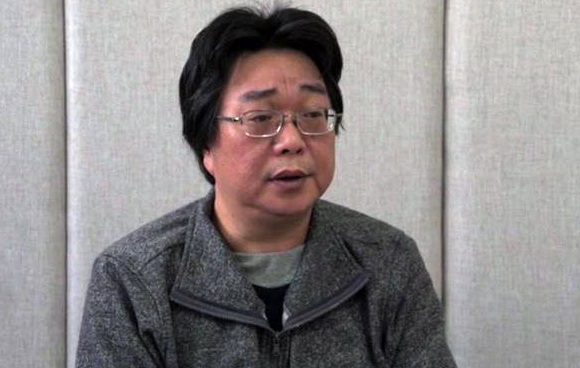
A Hong Kong bookseller, Mr. Gui Minhai has been sentenced to 10 years in jail by a Chinese court has sentenced for “illegally providing intelligence overseas”.

Mr. Gui, who holds Swedish citizenship, has been in and out of Chinese detention since 2015 when he went missing during a holiday in Thailand.

He is known to have previously published books on the personal lives of Chinese Communist Party members.

In delivering its verdict, the Ningbo Intermediate People’s Court said Mr. Gui’s Chinese citizenship had been reinstated in 2018 and that China does not recognise dual citizenship.

Sweden’s foreign minister has called for Mr. Gui’s release, referring to him as a “citizen”.

The human rights group, Amnesty International also called for Mr. Gui to be released immediately, saying the charges were “completely unsubstantiated”.

Mr. Gui was one of five owners of a small bookstore in Hong Kong who went missing in 2015 but it later emerged that they had been taken to China.

Four were later freed, but Mr. Gui remained in Chinese detention.

BBC

Foreign

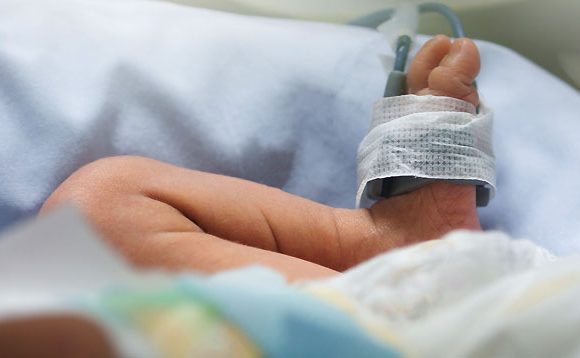
According to Chinese state media, Xinhua, a newborn has been diagnosed with the new coronavirus just 30 hours after birth, the youngest case recorded so far.

The baby was born on 2 February in Wuhan, the epicentre of the virus.

The baby’s mother tested positive before she gave birth and it is unclear how the disease was transmitted – in the womb, or after birth.

Only a handful of children have come down with the virus, which has killed 565 people and infected 28,018.

All but one of the deaths were in China.

Xinhua reported news of the infection late on Wednesday.

It added that the baby, who weighed 3.25kg at birth (7lbs 2oz), was now in a stable condition and under observation.

Medical experts say it could be a case where the infection was contracted in the womb.

Chief physician of Wuhan Children Hospital’s neonatal medicine department, Zeng Lingkong, told newsmen that, “This reminds us to pay attention to mother-to-child being a possible route of coronavirus transmission”.

But it is also possible that the baby was infected after birth from having close contact with the mother.

An epidemiologist at the Mailman School of Public Health at Columbia University, Stephen Morse, explained that, “It’s quite possible that the baby picked it up very conventionally – by inhaling virus droplets that came from the mother coughing”.

Reports add that very few children have tested positive in this recent outbreak, which is consistent with other coronavirus outbreaks in recent history including Sars and Mers.

Culled from BBC.com