Foreign

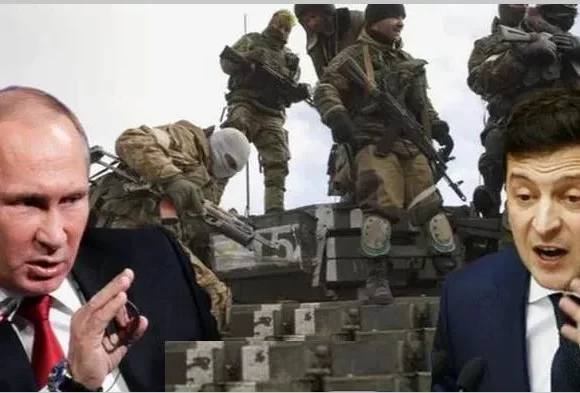
Dozens of civilians have been evacuated from Mariupol to both Russia-controlled and Ukraine-controlled territory after weeks under siege.

According to report, some have left the Azovstal steelworks, the last holdout of Ukrainian troops in the strategically significant city.

Russia said dozens of civilians have arrived in a village it controls.

Ukrainian President Volodymyr Zelensky said a large group is also on its way to Zaporizhzhia, which Ukraine maintains control of.

“The first group of about 100 people is already heading to the controlled area,” he tweeted. “Tomorrow [Monday} we’ll meet them in Zaporizhzhia. Grateful to our team! Now they, together with UN, are working on the evacuation of other civilians from the plant”.

The United Nations confirmed that a “safe passage operation” had begun to evacuate the citizens on Saturday, and that it was involved alongside the Red Cross.

The evacuation convoy arrived on Saturday morning, the UN said – but did not give details on where people were being taken or how many had left, saying that sharing details could jeopardise the safety of the operation.

Reuters footage from the complex show civilians – mainly women and children – being helped to walk over piles of rubble, and boarding a bus with missing windows.

One woman with a six-month-old baby said they had been trapped in the steelworks for two months. Another, older woman says they were running out of food.

Ukrainian officials said Russian shelling resumed on the steel plant after Sunday’s brief ceasefire.

BBC/Taiwo Akinola
Environment

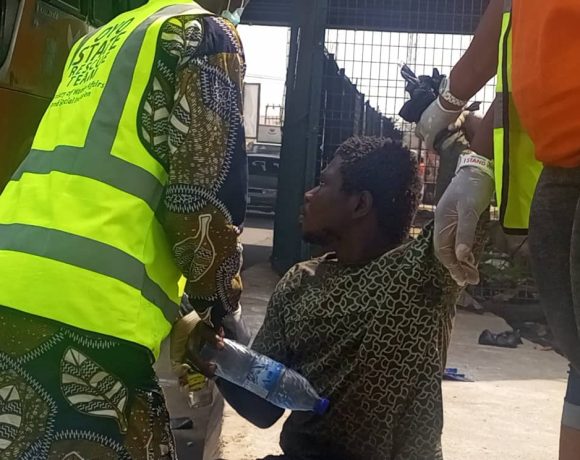
Oyo State Government says its plan is to rehabilitate all destitute, beggars and mentally ill persons evacuated from streets and give them better life.

The State Commissioner for Women Affairs and Social Inclusion, Alhaja Kafilat Olayiwola, stated this on Friday, in Ibadan, during the evacuation exercise.

According to Olayiwola, Oyo State Government is determined to rid the streets of destitute, beggars and mentally challenged persons to rehabilitation centre.

“The exercise is to ensure that the lives of the evacuees and that of the general public are safe and secured.

“Their presence in the society poses danger, as some of them could be agents for criminals.

“So we are going to profiling them, engage some of them in skill acquisition programmes aiming at enhancing the individual’s capacity to enable them build a better life.

“Those with mental health challenges will be moved to psychiatric section at the Adeoyo State Hospital, Ibadan, for medical attention.

The Commissioner said government had took a tough stance on the increasing number of destitute and beggars swarming around major areas, such as Mokola, Iwo road, new Gbagi market and Ojoo in the state capital.

She said the evacuation exercise would be a continuous one and that the well-being of all the evacuees would be adequately catered for.

Corroborating the views of the Commissioner, Mr Ademola Aderinto, the Special Adviser to the Governor, on Environment, noted that destitute, beggars and mentally ill persons were constituting environmental hazards on the streets and at strategic locations in the state.

Aderinto said the state government through the Ministry of Environment, in partnership with the Women Affairs and Social Inclusion ministry was intensifying efforts to address the menace.

He assured that all the evacuees would be adequately taking care and treated at the rehabilitation centre, thereafter engage them in what would add value to their life.

A cross section of Ibadan residents have commended the state government for evacuating the destitute and beggars.

Mrs Arinola Adedeji, a trader at Iwo road urged government to make the evacuation a routine exercise, so as to discourage the beggars from the acts.

Adedeji also appealed government not to allow those evacuees escape from the rehabilitation centre.

Another trader at Mokola roundabout, Mr Jude Oraka, said that government should make the rehabilitation centre condusive habitation for the evacuees so that they would not hesitate to leave the centre.

Nafiu Busari