Politics

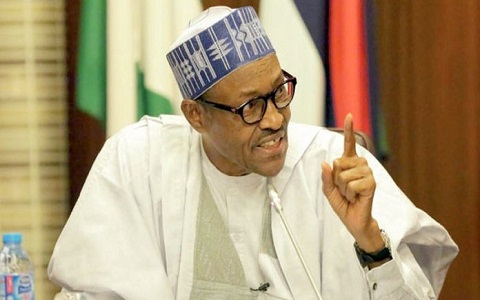
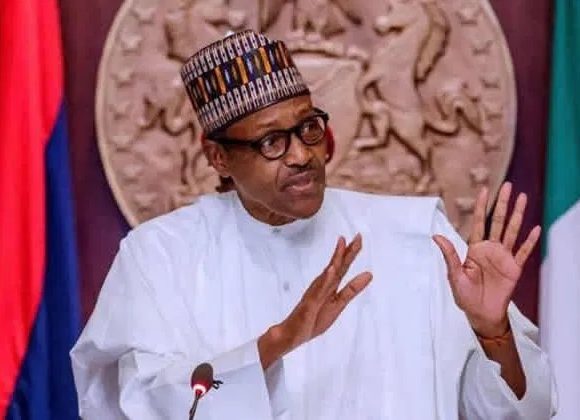
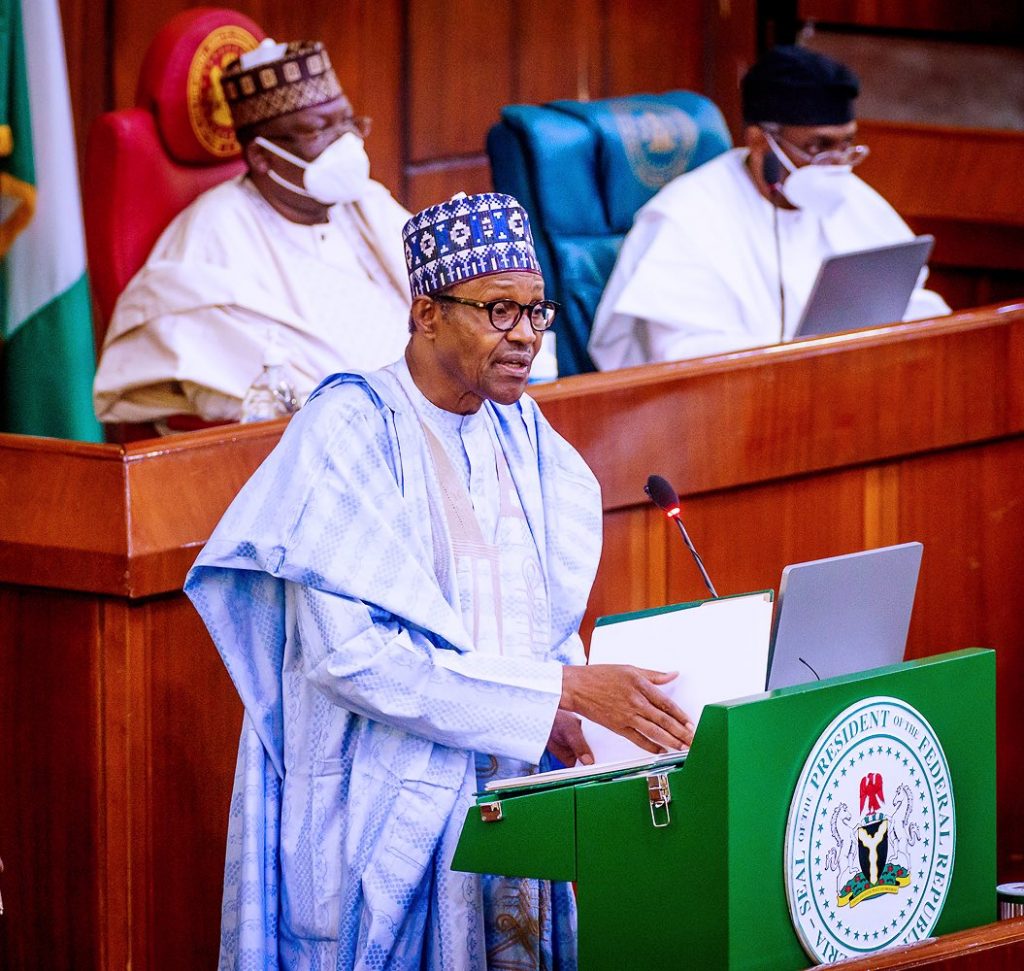
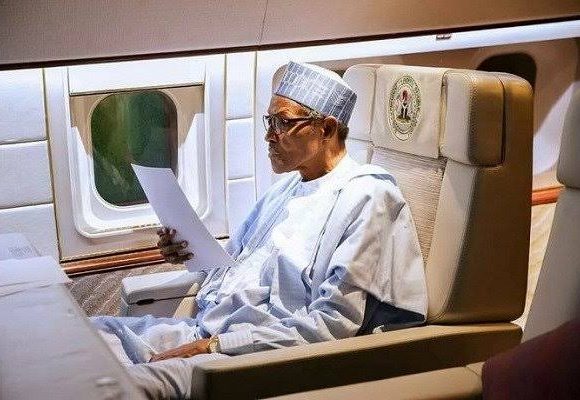
President Muhammadu Buhari has charged Nigeria Governors to work more with traditional rulers and community members to improve local intelligence gathering that will aid the work of security agencies.

He gave the directive during a meeting with the 36 governours of the federation at the Presidential Villa, Abuja

The President, who listened to presentations by a governor from each of the six geo-political zones on their specific security challenges, recalled that in the old order communities identified new comers and passed information to constituted authority.

He said the sub-region is no longer safe, more so with the collapse of the former Libyan leader, Muammar Gaddafi’s regime and the cross border movement of weapons and criminals.

He noted that Governors must work with traditional rulers. Try and work with traditional rulers to boost intelligence gathering.

Giving an overview of the security situation in each of the zones, the President said his administration had done well in the North East and South South, adding that the South South situation was still worrisome.

He stated that he received information situation reports about illegal refineries and the blowing up of pipelines.

He advised the governor’s stop local rogues from sabotaging oil installations.

Addressing the issue of banditry and kidnapping reported in each of the geo-political zones, President Buhari said security is important and the government must secure the whole country.

He explained that the closure of the nation’s land borders was partly an attempt to control the smuggling in of weapons and drugs.

President Buhari gave assurance that the country’s military will continue to get the support they needed to fight criminals.

On the issues raised on ENDSARS protest and its hijack by hoodlums to cause mayhem and destroy private and public property, President Buhari sounded a strong warning about recurrence, saying that no responsible government will allow that to happen.

President Buhari noted that the foreign press coverage of the ENDSARS violence was not balanced, citing specifically the CNN and BBC, for omitting the number of policemen killed, police stations that were razed, and the prisons that were thrown open for inmates to escape.

He said violent demonstrations will no longer be allowed, adding that democracy does not mean confusion or lack of accountability.

On the eight-month long strike by Academic Staff Union of Universities, the President said lecturers had not taken into consideration the larger challenges facing the country.

The president said Government conceded something. The problem is that they refused to look at the problem of the whole country. The Minister of Labour is working hard at it. It is amazing how ASUU will stay out of classrooms for so long.

He added that There’s a need for the countries elites to understand the challenges facing the country.

Bello Wakili

Politics

President Muhammadu Buhari on Monday said his administration will deal decisively with “any act of hooliganism hiding behind peaceful protests.”

He said although his government believed in the rights of citizens to embark on peaceful protests, such must be done responsibly.

Buhari stated these while virtually declaring open the Chief of Army Staff’s Annual Conference 2020 from the Presidential Villa, Abuja.

At a time when there are reports of possible repeat of the recent #EndSARS protests, Buhari regretted the violence that trailed the last protests.

He said, “Let me also mention the EndSARS protest which was recently hijacked by hoodlums which resulted in loss of lives and property in many situations across the country.

“I want to reiterate our government’s commitment to the rights of citizens to embark on peaceful protests.

“However, this must be done responsibly in accordance with the laws of the land.

“I also want to state that any act of hooliganism hiding behind the peaceful protests, will be highly dealt with decisively to ensure the peace and stability of our nation.

“On this note, I commend the Nigeria Army for their efforts to swiftly restore law and order in many states during the last scale of criminality that ensued in the wake of the EndSARS protests.”

 PUNCH/Positive FM

Religion

Restructuring Nigeria, as well as the need for christians to develope more interest in business, security and politics in order to drive rapid national development formed the bases of Ibadan Varsity Christian Union Alumni Association conference, reunion 2020 held at the chapel of resurrection University of ibadan.

Radio Nigeria was at the venue of the event reports that aside over 500 hundred members who were physically present, the event held through zoom is marking the 60th anniversary of the association.

Addressing newsmen, the President of the Association, Mr Babatunde Ajala lamented the spate of killings, kidnap and perceived imbalance in political appointment and urged christian leaders to mobilized its members to get involved in politics so as to assume position of leadership.

Mr Babatunde urged President Muhammadu Buhari to restructure the country for rapid development.

Some members of the association said the reunion has afforded them the opportunity to deliberate on issues affecting thier members and Nigeria

Aside payers for the nation, the event also featured seminars, talks, praise and prayers

The theme of the conference was, The Balanced Christian.

Rotimi Famakin

News Analysis

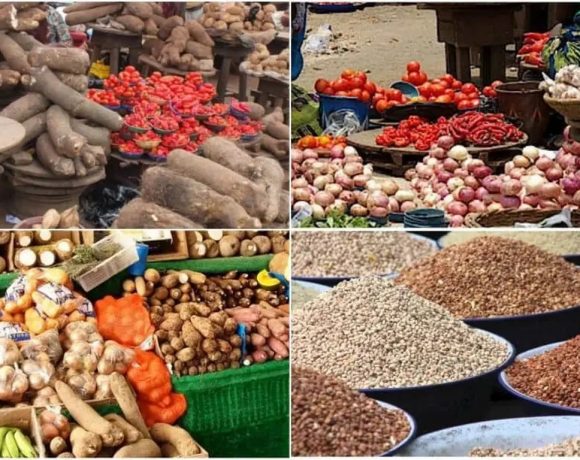
In a recent report by the National Bureau of Statistics on food security and analysis about nine million Nigerians are expected to be in hunger crisis between November and December this year as a result of the high cost of food in the country.

Also, Nigeria’s food inflation rose by one hundred and ten percent in five years, between September 2015 and September 2020.

A comparison of the Composite Food Index within that five years indicated that food inflation rose from over one hundred and eighty–one index points to over three hundred and eighty-two index points.

This means that the price of food items has not only increased, but more than doubled in the last five years.

Factors that could be responsible for this include flooding, the cost of transportation and storage as a large quantity of perishable food items spoil before they get to the market and farmers will want to recover the cost of production from whatever remains which then reflects in the price of the product in the market.

To deal with the situation, the federal government has, in line with its ease of doing business mantra, avoided imposing stockholding restrictions, in order not to discourage investments in modern warehousing and cold storage.

President Muhammadu Buhari has also approved the release of food items from the strategic reserves, including thirty thousand tons of maize to animal feeds producers to ease the high cost of poultry production.

Despite these efforts of the government, more still needs to be done.

There is an imperative need for the use of modern farming techniques in the country; this will go a long way in enhancing food production, boost the food production value chain and reduce the cost of food items.

Agricultural commodities that are required for industrial use should cost less for the products to penetrate not just the domestic market, but also the international market.

There is the need for re-orientation and attitudinal change as well as enlightenment of the youths to make them have interest in agriculture.

Graduates of agricultural sciences should be giving automatic employment by the federal government upon graduation.

Urgent action needed to be taken to avert pervasive hunger while the federal government should prioritise mechanised farming and train farmers subsequently on the use of mechanised equipment.

It is incumbent on the government to intensify efforts at improving the security, particularly in inaccessible and partially accessible areas, to ensure the safety of farmers.

To further mitigate the effect of the COVID-19 pandemic and flood on food production, the government should sustain the implementation of relief measures among the populace.

Olubunmi Agboola

News Analysis

Ghost workers are individuals who receive salary from an organization without showing up for work or who may not exist but their salaries are appropriated by someone else. 

Federal, state and local governments in the country pay hundreds of millions of naira monthly to thousands of non-existent workers captured in their respective payrolls, thereby draining the governments of resources that could have been channeled into other productive ventures.

In 2011, for example, several state governments reported that they discovered six hundred to twenty thousand ghost workers on their payrolls.

The ghost worker phenomenon remains a menace troubling successive administrations at the federal and state levels.

For instance, former president, Goodluck Jonathan identified a solution to the scourge by setting up the Integrated Payroll and Personnel Information System, IPPIS, thus saving the federal government billions of naira paid annually to imaginary workers.

In February last year, President Muhammadu Buhari revealed that nearly five hundred and fifty million dollars has been saved from identifying ghost workers on the federal government’s payroll in the past four years.

Other states which recently uncovered the scourge include Kogi, Bauchi and Ekiti.

As a way of checking the recurring menace, some states have had to conduct biometric capturing of workers now and then to track the actual number of workers on their payroll.

No doubt, ghost workers increase the wage bill of government workforce above the wage budget which leads to budget overruns.

This phenomenon is worrisome as there would have been tremendous progress if the national wealth looted by those involved over the years had been channeled into education, health, power, agriculture, transportation and other sectors of the economy.

It is worth pointing out that, while the federal and state governments have always unraveled ghost workers, they have not recorded the same success in unmasking the architects of the economic crime, who must be people within the system, and apparently highly placed officials.

To nip the problem in the bud, government should not just engage in forensic auditing of the workforce but also go the long stretch of fishing out the culprits through thorough investigation by the police and other relevant agencies.

It is also imperative that periodic census of public service personnel and the maintenance of records of all official personnel including sacks, retirements and deaths, be strengthened. 

The achievement recorded through the use of the Integrated Payroll and Personnel Information System, IPPIS, initiated by the federal government in April 2007, which is saddled with the responsibility of payment of salaries and wages directly to government employee’s bank account with appropriate deductions and remittances has been notable.

States need to consider employing the milestone initiative for tracking financial flow to workers in agencies and departments in order to block leakages arising from phantom workers.

Above all, transparency and accountability remain essential to solving ghost workers challenges and nipping the menace in the bud.

Olusola Otunuga

News Analysis

Political rights such as the right to vote and be voted for and stand for elections are fundamental human rights.

Political participation is deep-rooted in the universal declaration of human rights and the international covenant on civil and political rights, which emphasises the right of every person to equal participation in public affairs, the right to vote and to be elected, and the right to have access to public service.

Also, article twenty-nine of the convention on the rights of persons with disabilities states the rights of persons with disabilities to participate in political and public life without discrimination and on an equal basis with others. 

However, many persons with disabilities still face difficulties when trying to exercise these rights.

Multiple challenges related to accessibility of polling stations and information material and discrimination are part of the hindrances faced by persons with disabilities.

The country’s size and continued infrastructural challenges also complicate efforts to enjoy basic electoral rights by many of these marginalized citizens.

It is in the light of this that persons with disability in the country called on the government to enact policies that will include them in the electoral process.

The Executive Secretary, Nigeria Disability Rights Commission, Mr James Lalu said persons with disabilities needed to be included in the policies and programmes of political parties and given elective position in their parties.

Mr Lalu explained that the challenges faced by persons with disabilities in getting involved in party politics has limited their opportunities for contesting elective positions in the country.

According to the World Health Organisation’s 2011 report on disability about twenty-five million Nigerians live with a disability. 

In January last year, President Muhammadu Buhari signed into law the Discrimination against Persons with Disabilities Prohibition Act, 2018.

The law prohibits discrimination on the basis of disability and imposes sanctions including fines and prison sentences on those who contravene it.

It is gratifying that the discrimination against persons with disabilities prohibition act has been signed into law but this is a first step in the realization of the country’s obligations under the United Nations convention on the rights of people with disabilities.

Effective measures to guarantee its full implementation must be put in place to ensure equal treatment and participation of people with disabilities across the country.

It behooves political parties to be aware that people with disabilities are important part of the electorate and they should aim to create a culture of political participation on equal terms.

Political parties should demonstrate commitment to making political life more diverse and representative of the population by encouraging persons with disabilities to contest for election and offering them, without discrimination, electable positions.

Political parties can play an essential role in tackling lack of awareness and encouraging active participation of persons with disabilities by raising awareness on the importance of inclusion and participation of all, without discrimination, in political life.

In addition, accessibility of public buildings and information about electoral processes, voting procedures and political programmes need to be guaranteed to allow participation of all.

Aside from aforementioned, visibility of persons with disabilities in electoral debates in the media should also be encouraged.

Fawzeeyah Kasheem

Politics

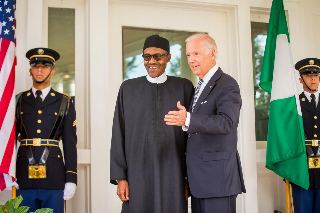
President Muhammadu Buhari has congratulated former Vice President Joe Biden on his election as new President of the United States “at a time of uncertainty and fear in world affairs.”

The Nigerian leader said “your election is a significant reminder that democracy is the best form of government because it offers the people the opportunity to change their government by peaceful means.”

According to President Buhari, “the most powerful group are not the politicians, but voters who can decide the fate of the politicians at the polling booth.”

He noted that “the main fascination of democracy is the freedom of choice and the supremacy of the will of the people.”

The President added that “respect for the will of the people is the very reason why democracy remains the best form of government, despite its limitations from one polity to another, and from one society to another.”

According to him, “I am thrilled by the fact that you are an experienced politician who had served as Congressman for 40 years and a Vice President for eight years. This is a remarkable track record that gives us hope that you will add value to the presidency and world affairs.”

President Buhari also noted that, “with your election, we look forward to greater cooperation between Nigeria and the United States, especially at economic, diplomatic and political levels, including the war against terrorism.”

On international affairs, President Buhari urged Mr. Biden to “deploy your vast experience in tackling the negative consequences of nationalist politics on world affairs which have created divisions, conflicts and uncertainties.”

The Nigerian leader also called on Mr. Biden “to introduce greater engagement with Africa on the basis of reciprocal respects and shared interests.”

Garba Shehu
Senior Special Assistant to the President
(Media & Publicity)
November 7, 2020

Politics

President Muhammadu Buhari is currently meeting with some selected traditional rulers from across the country, led by Sultan of Sokoto III, Alhaji Abubakar Sa’ad.

The meeting is taking place at the council chambers of the presidential villa, Abuja.

Also in attendance are royal fathers delegation, the Ooni of Ife, Oba Adeyeye Enitan Ogunwusi, Emir of Kano, Emir of Fika, Tor Tiv, Chairman Imo State, Council of Traditional Ruler, among other notable kings and title holders.

The agenda of the meeting is however not made public, but it is speculated that the meeting is aimed at ensuring peaceful co-existence across the country.

Bello Wakili

Politics

STATE HOUSE PRESS RELEASE

PRESIDENT BUHARI URGES NIGERIANS TO DESIST FROM DIVISIVE ACTIONS, SAYS COUNTRY’S UNITY WON AT GREAT COST

President Muhammadu Buhari on Wednesday in Abuja appealed to Nigerians to desist from actions and comments that could jeopardise the unity and progress of the nation.

Launching the 2021 Armed Forces Remembrance Day (AFRD) Emblem and Appeal Fund, President Buhari said this year’s occasion reminds Nigerians of the need to guard jealously the unity of the nation which was won at great cost.

The President, who stressed that ‘‘Nigeria’s strength lies in her diversity’’, honoured the memory of the nation’s fallen heroes and veterans, recounting their sacrifices during the First and Second World Wars, the Nigerian Civil War and Peace Support Operations around the world.

President Buhari also paid tribute to men and women currently engaged in internal security operations, particularly the ongoing fight against insurgency, terrorism and armed banditry in some parts of the country, praising them for remaining steadfast in the difficult task of restoring peace and security despite the coronavirus pandemic.

”We honour the memory of our gallant officers and men who have paid the supreme sacrifice in order to keep the country united as one entity.”

”The nation remains grateful for the efforts and sacrifice of the Armed Forces especially in the fight against insurgency and other internal security challenges confronting Nigeria.”

”The Armed Forces Remembrance Day or Veterans Day as it is known in some parts of the world is an important event observed in commemoration of the end of the Second World War.”

”In Commonwealth member countries, the Remembrance Day is observed on 11th November yearly.  However, for us the date was changed to 15th January annually to accommodate the commemoration of the end of the Nigerian Civil War,’’ he said.

On security operations in the North West and North Central zones in the country, President Buhari expressed delight at the return of normalcy in some of the areas that previously witnessed security challenges.”

”Our dear nation has witnessed numerous security challenges since independence.”

”These security threats have undermined Nigeria in the areas of trade, investment and economy, education, health as well as agriculture and frequently denied Nigerians the freedom of movement.”

”I am however pleased to state that a lot has been achieved in the Internal Security operations in the North West and North Central zones where in addition to Operations LAFIYA DOLE, HADARIN DAJI, HARBIN KUNAMA, WHIRL STROKE, other operations such as ACCORD, SAHEL SANITY and KATSINA were successfully launched.”

”This has led to the return of normalcy in some of the affected areas. However, all hands must be on deck to check attacks on soft targets, ” he said.”

The President, who restated that his administration will continue to forge useful alliances with neighbours and friends in the international community for the total defeat of the security threats affecting the sub-region, promised to ensure timely provision of adequate resources and necessary logistics support for the Armed Forces.

President Buhari further pledged that under his watch the Nigeria Armed Forces will operate with the best modern warfare equipment, with welfare issues receiving utmost attention.

”We are quite aware that it is our responsibility to provide a conducive environment that is devoid of security threats.”

”I want to re-assure Nigerians that security being one of the pillars of this administration will continue to be at the forefront until peace and security are restored in the country,’’ he said.

The President also used the occasion to reassure Nigerians of his administration’s commitment to creating an environment in which all citizens and foreigners are guaranteed freedom and returns on investments.

He, therefore, urged business enterprises to render discounts and rebates to men and women in uniform as a symbol of appreciation for their sacrifices, saying ‘‘this kind gesture will make life easier for them and deepen their patriotism’’.

On support for families of members of the Armed Forces who died in active service, President Buhari acknowledged that the unfortunate cost of the fight against insurgency and other internal security challenges was the unavoidable loss of lives of some gallant compatriots.

”The reality is that the spouses and defendants of these bread-winners in most cases experience trauma and deprivation. However, we can be of support to them to lighten their burdens especially in light of the COVID-19 Pandemic.

”I therefore call on all to spare a thought for them and take positive steps to come to their aid,” he said, commending charity organisations engaged in the noble cause of bringing succour to the families of fallen heroes and veterans.”

Speaking as the Grand Patron of the Nigerian Legion, the President expressed delighted that the Nigerian legion has continued to be a rallying point of veterans, doing a lot in catering for the welfare of ailing members

”To ensure that our veterans continue to share the comradeship that existed while in Service and that their welfare is adequately catered for, the Federal Government established the Nigerian Legion as well as fully paid all pension arrears of veterans,” he said.

He urged state governors, who are patrons of Legions in their respective States, as well as Nigerians, to continue to support and participate in the Legion’s initiatives in the areas of transportation, agriculture and housing development.

The President called on Nigerians and other residents in the country to procure and wear the emblems with pride in order to identify with those who laid down their lives for the peace and security of the county.

”I encourage all to donate generously in support of our veterans and dependents of our fallen heroes,” he said.

President Buhari announced a donation of 10 million naira to the Nigerian Legion.

In his address of welcome, the Minister of Defence, Major General Bashir Magashi (Rtd) called on members of the civil society, religious and political leaders, the academia as well as the media to educate and enlighten Nigerians on the need to recognize and appreciate the sacrifices of gallant compatriots in uniform.

He also encouraged Nigerians to procure and wear the emblem to boost the morale of serving personnel.

In his remarks, the Chairman Nigerian Legion, Brigadier General Adakole Jones Akpa (Rtd), thanked President Buhari for his unrelenting support to the ex-servicemen, particularly in ensuring the prompt payment of pensions.

Brigadier General Akpa, who also recognized the presence and support of Vice President Yemi Osinbajo, Senate President Ahmed Lawan, Speaker Femi Gbajabiamila, members of the Diplomatic Corps and the Service Chiefs, to the Nigerian Legion, said despite the challenges facing the country:

”God is with Nigeria. We should sing the Nigerian song as nobody will sing it for us.”

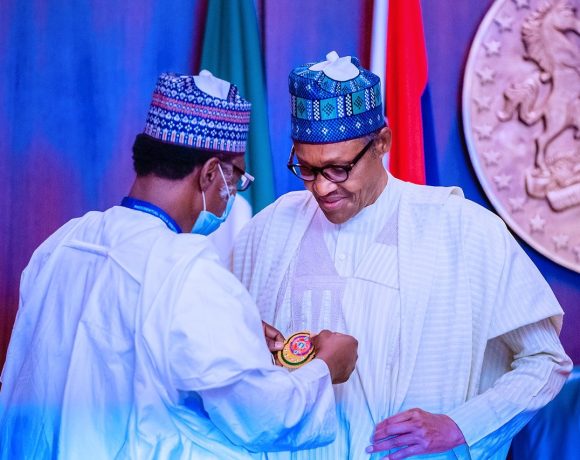
During the emblem launch ceremony, the Chairman Nigerian Legion decorated President Buhari and Vice President Osinbajo with the 2021 AFRD emblem.

Femi Adesina

Special Adviser to the President

(Media & Publicity)

October 28, 2020
Lifestyle

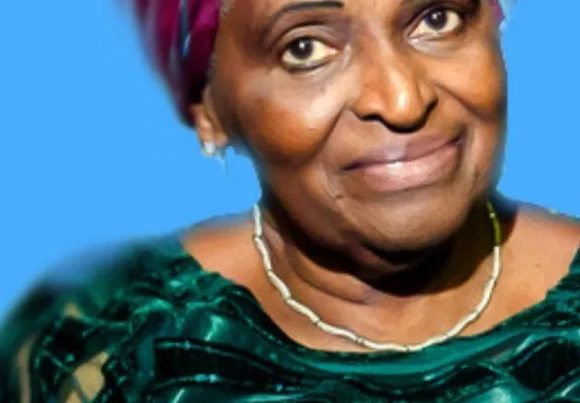
Tributes have been pouring in over the death of former Premier of the Western Region, late Chief Obafemi Awolowo’s eldest daughter, Mrs Omotola Oyediran.

President Muhammadu Buhari in a condolence message to the Awolowo family described the exit of Mrs Oyediran as sad.

According to a statement by his Senior Special Assistant on Media and Publicity, Mallam Garba Shehu, President Buhari sends condolences to the family of late Premier of the Western Region and nationalist, Chief Obafemi Awolowo, over the passing of Mrs Tola Oyediran, eldest daughter of the sage.

President Buhari commiserated with friends and associates of Mrs Oyediran, particularly her only surviving sister, Mrs Tokunbo Awolowo-Dosumu over the sad loss, urging the family to take solace in the investments of the deceased in making life better for others.

The president prayed that the Almighty God would receive the soul of the departed, and comfort all her loved ones.

In his own tribute, the National Leader of the All Progressives Congress, APC, Asiwaju Bola Tinubu, described the deceased as humble, amiable and person with graceful disposition which endeared her to many people.

Asiwaju Tinubu said Mrs Oyediran represented the Awolowo family positively through her excellent moral conduct and her sharing of her father’s welfarist political philosophy.

He said as Chairman of the Board of Directors of Tribune Newspapers until her death, Mrs Oyediran helped to take the Tribune titles to new heights through her emphasis on professionalism and integrity in all their editorial offerings.

On his part, Governor Dapo Abiodun of Ogun State said the death of Mrs. Oyediran had thrown the state into mourning.

He described the late Tola Oyediran as not only an embodiment of humility and virtues, but one who has exhibited independent-mindedness, foresight and managerial acumen in all tasks thrust upon her.

According to Governor Abiodun, Mrs Oyediran was also a great Nigerian in her own right and stood as a rock of Gibraltar behind her very successful medical doctor husband and former Vice Chancellor of University of Ibadan, Professor A.B. O. Oyediran, her successes as a home-maker cannot but be an irreparable loss to her immediate and extended family members and indeed a very painful exit for them.

Adewumi Faniran

Economy
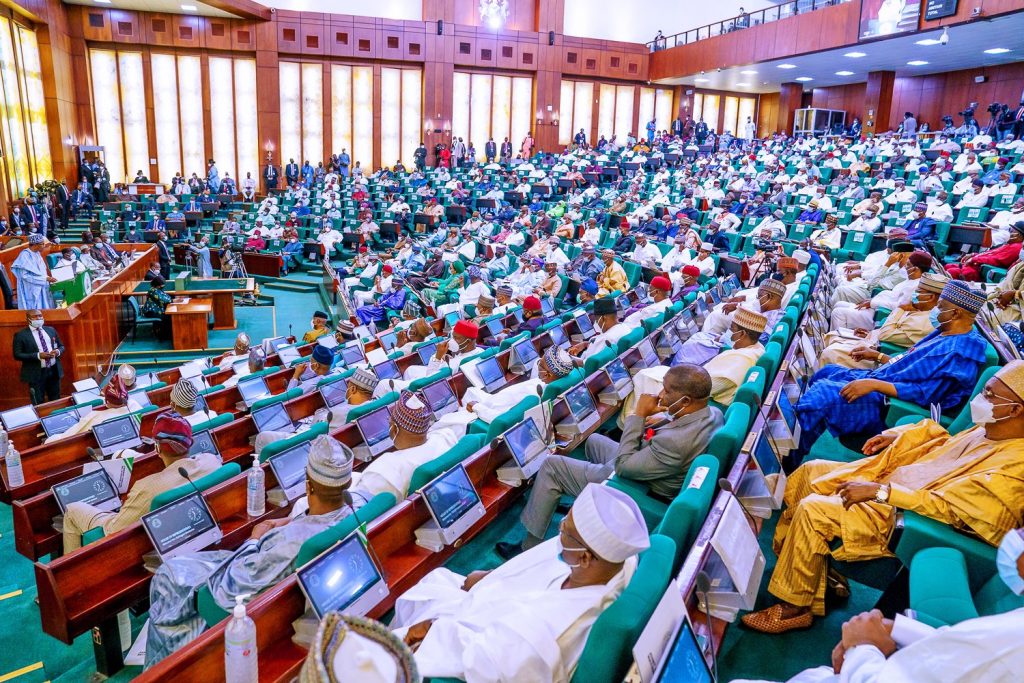
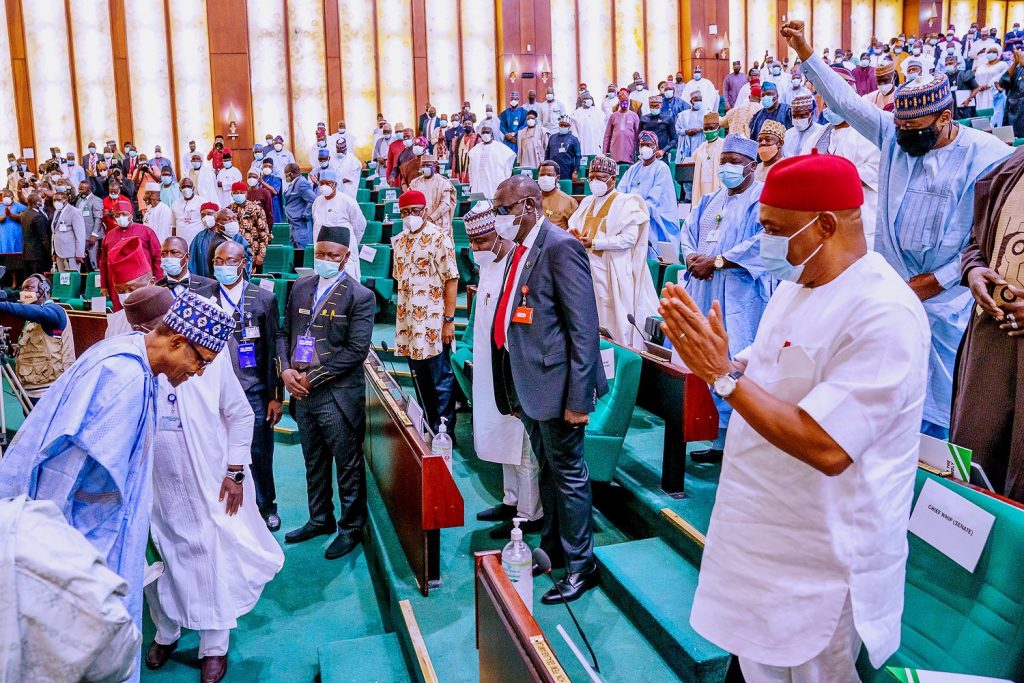
  1. It is with pleasure that I present the 2021 Federal Budget Proposals to this Joint Session of the National Assembly.
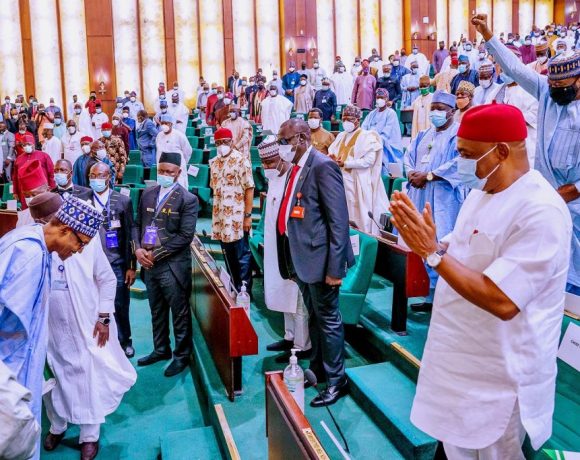
  2. Distinguished and Honourable Leaders, and Members of the National Assembly, at this juncture, I wish to commend your tremendous efforts in approving the revision of the 2020 – 2022 Medium-Term Expenditure Framework and Fiscal Strategy Paper, and passage of the 2020 Appropriation (Repeal and Amendment) Act, in response to the Coronavirus Pandemic.
  3. Today marks an important occasion in our quest to accord the federal budget process the seriousness it deserves. In line with our commitment, we have worked extra hard to ensure early submission of the 2021 –2023 Medium-term Expenditure Framework and Fiscal Strategy Paper, as well as the 2021 Appropriation Bill. It is my sincere hope that the National Assembly will pass this Bill into law early enough to enable implementation by 1st January 2021, given the collaborative manner in which the budget was prepared.
  4. In the course of this address, I will present the highlights of our budget proposals for the next fiscal year. The Honourable Minister of Finance, Budget and National Planning will, later, provide the full details of these proposals.

Recent Developments

  1. The 2021 Budget was prepared amidst a challenging global and domestic environment due to the persistent headwinds from the Coronavirus Pandemic. The resulting global economic recession, low oil prices and heightened global economic uncertainty have had important implications for our economy.
  2. The Nigerian economy is currently facing serious challenges, with the macroeconomic environment being significantly disrupted by the Coronavirus Pandemic. Real Gross Domestic Product (‘GDP’) growth declined by 6.1 percent in the second quarter of 2020. This ended the 3-year trend of positive, but modest, real GDP growth recorded since the second quarter of 2017. I am glad to note that, through our collective efforts, our economy performed relatively better than that of many other developed and emerging economies.
  3. GDP growth is projected to be negative in the third quarter of this year. As such, our economy may lapse into the second recession in four years, with significant adverse consequences. However, we are working assiduously to ensure a rapid recovery in 2021. We remain committed to implementing programmes to lift 100 million Nigerians out of poverty over the next 10 years.
  4. As skills’ deficits limit employment opportunities in the formal economy, various skills’ development programmes are being implemented simultaneously to address this problem frontally. For instance, the Government is implementing the Special Public Works programme to provide employment opportunities to 774,000 youths across the 774 local government areas of Nigeria. We have also recently introduced the N75 billion Nigeria Youth Investment Fund, of which N25 billion have been provided in 2021 Budget.
  5. We thank all Nigerians, for your perseverance and continued support during these difficult times. We remain unwavering in our commitment to actualize our vision of a bright future for everyone.

Performance of the 2020 Budget

  • Distinguished and Honourable Members of the National Assembly, you will recall that the 2020 ‘Budget of Sustaining Growth and Job Creation’ was amended in response to recent fiscal pressures. I am glad to report that these efforts enabled us to effectively respond to the public health challenge of Coronavirus outbreak and moderate economic impact.
  • Pursuant to our revised assumptions, the amended 2020 Budget was based on a benchmark oil price of 28 US Dollars per barrel; oil production of 1.80 million barrels per day; and exchange rate of N360 to the US Dollar.
  • Based on these budget parameters, aggregate revenue of N5.84 trillion was projected to fund N10.81 trillion in expenditure. The projected deficit of N4.98 trillion, or 3.57 percent of GDP, is expected to be financed mainly by borrowing.
  • In 2020, average daily oil production was 1.88 mbpd up to June, as against the revised estimate of 1.80 mbpd for the entire year. However, the market price of Bonny Light crude averaged 40.79 US Dollars per barrel, significantly higher than the revised benchmark price of 28 US Dollars.
  • As at July 2020, the Federal Government’s actual revenue available for the budget was N2.10 trillion. This revenue performance was only 68 percent of our pro-rated target in the revised 2020 budget. At N992.45 billion, oil revenue performed well above our budget target, by 168 percent. Non-oil tax revenues totalled N692.83 billion, which was 73 percent of the revised target.
  • To improve independent revenue performance, I have directed that the cost profiles of Government Owned Enterprises (‘GOEs’) should be scrutinized and limits imposed on their cost-to-revenue ratios. Supervising Ministers have also been directed to ensure closer monitoring of the revenue generating activities and expenditures of the Government Owned Enterprises.
  • On the expenditure side, as at end of July 2020, a total of N5.37 trillion had been spent as against the pro-rated expenditure of N5.82 trillion. Accordingly, the deficit was N3.27 trillion. This represents 66 percent of the revised budgeted deficit for the full year.
  • Despite these challenges, we met our debt service obligations. We are also up to date on the payment of statutory transfers and staff salaries, while overhead costs have been significantly covered.
  • For the first time in recent years, we commenced the implementation of this year’s capital budget in the first quarter. As at 15th September 2020 a total of about N1.2 trillion had been released for capital projects. Every Federal MDA has received at least 50 percent of its 2020 capital expenditure budget, in line with my earlier directives.
  • Let me emphasise that revenue generation remains our major challenge. Nevertheless, Government is determined to tackle the persisting problems with domestic resource mobilization, as there is a limit to deficit financing through borrowing. The time has come for us to maintain a healthy balance between meeting our growing expenditure commitments and our long-term public financial health.

Key Achievements in the 2020 Fiscal Year

  • Over the last year, this Administration has implemented several priority projects. I am happy to report that much progress has been made on several fronts and our Government has delivered on key policies, programmes and projects in these priority areas.
  • In agriculture, we have recorded appreciable success in rice and other crops mainly through the Anchor Borrowers Programme and the Presidential Fertilizer Initiative, anchored by the Central Bank of Nigeria and the Nigeria Sovereign Investment Authority, respectively. We are also accelerating the construction of 337 rural roads around key agricultural corridors to enhance access to market and reduce post-harvest losses. These efforts have reduced the adverse impact of Coronavirus on our food availability, prices and security.
  • We have made progress on the railway projects connecting different parts of the country. The Lagos-Ibadan Line will soon be operational. The Abuja-Kaduna Line is running efficiently. The Itakpe-Ajaokuta Line was finally completed after over 30 years since it was initiated and commissioned in September 2020.
  • Arrangements are underway to complete the Ibadan-Kano Line. Also, work will soon commence on the Port Harcourt-Maiduguri Line and Calabar-Lagos Coastal Line, which will connect the Southern and Eastern States to the North, and the South-South as well as South-East to the North, and South-West, respectively.
  • The Second Niger Bridge is at about 46 percent completion. We hope to commission the project before the end of our tenure in 2023. We have awarded several contracts to rehabilitate, reconstruct and construct major arterial roads, in order to reduce the hardship to commuters and increase economic activity.
  • To bridge the infrastructure deficit, we are also implementing innovative financing strategies to pull-in private sector investment. The Infrastructure Company, which I recently approved, will become a world-class infrastructure development vehicle, wholly focused on making critical infrastructural investments in Nigeria. This Infrastructure Company will raise funding from the Central Bank of Nigeria, the Nigeria Sovereign Investment Authority, the Africa Finance Corporation, pension funds as well as local and foreign private sector development financiers.
  • Under the Road Infrastructure Tax Credit Scheme, we are undertaking the construction and rehabilitation of over 780km of roads and bridges, nationwide, to be financed by the grant of tax credits to investing business. Ongoing projects under this scheme include:

a. Construction and Rehabilitation of Lokoja-Obajana-Kabba-Ilorin Road Section II (Obajana-Kabba) in Kogi and Kwara States;

b. Construction of Apapa-Oworonshoki-Ojota Expressway in Lagos State; and

c. Construction of Bodo-Bonny road with a Bridge across the Opobo Channel in Rivers State

  • To enhance good governance, we strengthened our anti-corruption agencies to ensure they work independently and jointly, while respecting the rule of law. We have also worked to address emergent cases of insecurity and insurgency, nationwide, with innovative approaches. Our security operations in the Niger Delta, North Central and North West are yielding desired results. We are determined to get rid of bandits, kidnappers and criminal behaviour from our midst.

Theme & Priorities of the 2021 Budget

  • Distinguished Senators; Honourable Members; let me now turn to the 2021 Appropriation Bill, which is designed to further deliver on the goals of our Economic Sustainability Plan. This Plan provides a clear road map for our post- Coronavirus economic recovery as a transitional plan to take us from the Economic Recovery and Growth Plan (2017 – 2020) to the successor Medium-Term National Development Plan (2021 – 2025).
  • In view of the many challenges confronting us, we must accelerate our economic recovery process, promote social inclusion and strengthen the resilience of the economy. The 2021 Appropriation has, therefore, been themed the ‘Budget of Economic Recovery and Resilience’. It is expected to accelerate the pace of our economic recovery, promote economic diversification, enhance competitiveness and ensure social inclusion.

Parameters & Fiscal Assumptions Underpinning the 2021 Appropriation

  • Distinguished Members of the National Assembly, the 2021 – 2023 Medium Term Expenditure Framework and Fiscal Strategy Paper set out the parameters for the 2021 Budget, which include:

a. Benchmark oil price of 40 US Dollars per barrel;

b. Daily oil production estimate of 1.86 million barrels (inclusive of Condensates of 300,000 to 400,000 barrels per day);

c. Exchange rate of N379 per US Dollar; and

d. GDP growth projected at 3.0 percent and inflation closing at 11.95 percent.

Finance Bill 2020

  • Distinguished and Honourable Members; I have directed the Minister of Finance, Budget and National Planning to finalise the Finance Bill 2020, which will be forwarded for your kind consideration and passage into law, shortly after today’s 2021 Budget presentation. The Finance Bill is to support the realization of our 2021 revenue projections, adopt appropriate counter-cyclical fiscal policies and enhance the efficiency of fiscal incentives.

Tax Expenditure Statement

  • In compliance with the Fiscal Responsibility Act of 2007, we will prepare and publish, a Tax Expenditures Statement for 2019. The 2019 Statement will be the first of these annual Statements, setting out the estimated cost of tax exemptions, incentives and rebates provided under Nigeria’s revenue and other laws. The 2019 Statement is expected to contribute to public discussion on the use of our tax policies and system to achieve socio-economic development.

Federal Government Revenue Estimates

  • Based on the foregoing fiscal assumptions and parameters, total federally distributable revenue is estimated at N8.433 trillion in 2021. Total revenue available to fund the 2021 Federal Budget is estimated at N7.886 trillion. This includes Grants and Aid of N354.85 billion as well as the revenues of 60 Government-Owned Enterprises.
  • Oil revenue is projected at N2.01 trillion. Non-oil revenue is estimated at N1.49 trillion. As you will observe, the format of the 2021 Appropriation Bill has been modified to include budgeted revenues, no matter how small, for each MDA, to focus on internal revenue generation. Accordingly, I implore you to pay as much attention to the revenue side as you do to the expenditure side.

Planned 2021 Expenditure

  • An aggregate expenditure of N13.08 trillion is proposed for the Federal Government in 2021. This includes N1.35 trillion spending by Government-Owned Enterprises and Grants and Aid funded expenditures of N354.85 billion. For 2021, the proposed N13.08 trillion expenditure comprises:

a. Non-debt Recurrent Costs of N5.65 trillion;

b. Personnel Costs of N3.76 trillion;

c. Pensions, Gratuities and Retirees’ Benefits of N501.19 billion;

d. Overheads of N625.50 billion;

e. Debt Service of N3.124 trillion;

f. Statutory Transfers of N484.49 billion; and

g. Sinking Fund of N220 billion (to retire certain maturing bonds).

Fiscal Balance

  1. The 2021 Budget deficit (inclusive of Government Owned Enterprises and project-tied loans), is projected at N5.20 trillion. This represents 3.64 percent of estimated GDP, slightly above the 3 percent threshold set by the Fiscal Responsibility Act, 2007. It is, however, to be noted that we still face the existential challenge of Coronavirus Pandemic and its aftermath; I believe that this provides a justification to exceed the threshold as provided for by this law.
  2. The deficit will be financed mainly by new borrowings totalling N4.28 trillion, N205.15 billion from Privatization Proceeds and N709.69 billion in drawdowns on multilateral and bilateral loans secured for specific projects and programmes.

Statutory Transfers

  • The sum of N484.49 billion provided for Statutory Transfers in the 2021 Budget represents an increase of N56.46 billion (or 13 percent) over the revised 2020 provision. The Statutory Transfer provisions are:

a. Niger Delta Development Commission – N63.51 billion;

b. North East Development Commission – N29.70 billion;

c. National Judicial Council – N110.00 billion;

d. Universal Basic Education Commission – N70.05 billion;

e. Independent National Electoral Commission – N40.00 billion;

f. National Assembly – N128.00 billion;

g. Public Complaints Commission – N5.20 billion;

h. Human Rights Commission – N3.00 billion; and

i. Basic Health Care Provision Fund – N35.03 billion.

  • In compliance with the Fiscal Responsibility Act 2007, all beneficiaries of Statutory Transfers will be required to provide the Budget Office of the Federation with periodic reports on the allocation and expenditure of funds for inclusion in the quarterly Budget Implementation Report.

Recurrent Expenditure

  • In our efforts to enhance national security and human capital development, a major part of the 2021 recurrent cost estimate is allocated to paying salaries and overheads in MDAs providing these critical public services. These include:

a. N227.02 billion for the Ministry of Interior;

b. N441.39 billion for the Ministry of Police Affairs;

c. N545.10 billion for Ministry of Education;

d. N840.56 billion for Ministry of Defence; and

e. N380.21 billion for Ministry of Health.

Personnel Costs

  • Personnel cost is still our largest single item of expenditure. In the 7 months to 31st July 2020, it accounted for 34 percent of total Federal Government spending and is projected at 33 percent of 2021 expenditure.
  • To check the incidence of payments to non-existent personnel and unauthorised allowances, only Federal staff that have been captured on the Integrated Personnel Payroll Information System (‘IPPIS’) platform will receive salaries.
  • All agencies have been directed to ensure that they obtain all necessary approvals before embarking on any fresh recruitment. Any breach of these directives will be severely sanctioned.

Debt Service

  • We remain committed to meeting our debt service obligations. Hence, we have provisioned N3.12 trillion for this in 2021, representing an increase of N445.57 billion from N2.68 trillion in 2020. A total of N2.183 trillion has been set aside to service domestic debts while N940.89 billion has been provided for foreign debt service. N220 billion is provided for transfers to the Sinking Fund to pay off maturing bonds issued to local contractors and creditors.

Overhead Costs

  • Total overhead costs of MDAs and Government Owned Enterprises are projected to rise to N625.50 billion in 2021, mainly due to the inclusion of the overheads of an additional 50 Government Owned Enterprises. Overhead provisions have also been made for newly created agencies. To keep a tab on running costs, MDAs must adhere to extant expenditure controls.

Capital Expenditure

  • An aggregate sum of N3.85 trillion is expected to be available for capital projects in 2021, as summarised below:

a. N1.80 trillion for MDAs’ capital expenditure;

b. N745 billion for Capital Supplementation;

c. N355 billion for Grants and Aid-funded projects;

d. N20 billion for the Family Homes Fund;

e. N25 billion for the Nigeria Youth Investment fund;

f. N336 billion for 60 Government Owned Enterprises;

g. N247 billion for capital component of Statutory Transfers; and

h. N710 billion for projects funded by Multi-lateral and Bi-lateral loans.

  • The 2021 capital budget is N1.15 trillion higher than the 2020 provision of N2.69 trillion. At 29 percent of aggregate expenditure, the provision moves closer to this Administration’s policy target of 30 percent.
  • Capital expenditure in 2021 remains focused on the completion of as many ongoing projects as possible, rather than the commencement of new ones. We have also made efforts to ensure equity in the distribution of projects and programmes in the proposed budget. I will be providing the National Assembly a list of some of the most critical projects which we must work collectively to ensure they receive adequate funding. Until projects reach completion, they do not deliver the dividends of democracy that Nigerians rightly deserve.

Highlights of the 2021 Capital Projects

  • Key capital spending allocations in the 2021 Budget include:

a. Power: N198 billion (inclusive of N150 billion for the Power Sector Recovery Plan);

b. Works and Housing: N404 billion;

c. Transportation: N256 billion;

d. Defence: N121 billion;

e. Agriculture and Rural Development: N110 billion;

f. Water Resources: N153 billion;

g. Industry, Trade and Investment: N51 billion;

h. Education: N127 billion;

i. Universal Basic Education Commission: N70 billion;

j. Health: N132 billion;

k. Zonal Intervention Projects: N100 billion; and

l. Niger Delta Development Commission: N64 billion.

  • The Ministry of Agriculture and Rural Development will facilitate the integrated development of its sector by promoting crops’ value chains; as well as providing rural roads, water and sanitation, veterinary and pest controls, grazing, food and strategic reserves, and access to inputs and extension services.
  • The 157 percent increase in the capital allocation to the health sector is to enhance the capacity to deliver healthcare services through the procurement of equipment, vaccines and other facilities. Two centres of excellence, as well as one Accident and Emergency Centre, will be equipped in Federal Teaching Hospitals in each geopolitical zone.
  • In addition, numerous Primary Health Care Centres will be equipped and upgraded across the six geopolitical zones. Furthermore, funds have been allocated for the expansion of Midwives Service Scheme in the six geopolitical zones. To enhance occupational safety, funds have been provided for the provision of Personal Protective Equipment for health workers.
  • The Ministry of Education’s capital allocation has been increased by 65 percent to improve the education of our children. Funds have been provided for the provision of scholarship awards to Nigerian students at home and abroad.
  • We have provided funds for the upgrade of security and other infrastructural facilities in our Unity Colleges nationwide. To improve access to education, we have made provision for the establishment of five new Federal Science and Technical Colleges. We have also provided for the payment of allowances to 5,000 teachers under the Federal Teachers Scheme.
  • In line with our commitment to invest in Transportation Infrastructure, capital allocation to the Works and Housing sector is to facilitate the completion of several critical projects in 2021. I have directed the Minister of Finance, Budget and National Planning to provide a detailed breakdown of key infrastructural projects in her subsequent Press Briefing.
  • Key projects for implementation in the Power sector include several Rural Electrification Projects in the 36 States and Abuja, Rural Electrification Access Programme in Federal Universities, the Kaduna LPFO Gas Fired power Plant, the Mambilla Hydro Power Project and the Zungeru Hydropower Project.
  • Provisions have been made for legacy debts owed to local contractors compensation and resettlement of project-affected communities, the Renewable Energy Micro Utility (Solar) project, and the construction of transmission lines and substations nationwide. These project’s implementation is expected to have positive impact on electricity supply nationwide, as well as boost productivity and employment.
  • Projects to be implemented by the Ministry of Water Resources in 2021 include provision of potable water in the North East, construction of irrigation and dams across the country, and the provision of Water, Sanitation and Hygiene facilities.
  • The Ministry of Transportation has earmarked funds for projects such as the Lagos-Ibadan-Kano Line, Abuja-Kaduna Line, Port-Harcourt-Maiduguri Line and Itakpe-Ajaokuta-Warri Line. These projects, when completed, will minimize the cost of transporting people and goods around the country.
  • To maintain the peace in the Niger Delta region for economic and social activities to thrive, the provision of N65 billion for the Presidential Amnesty Programme has been retained in the 2021 Budget. In addition, the sum of N63.51 billion has been appropriated for the Niger Delta Development Commission and N24.27 billion has been provided for the capital projects of the Ministry of Niger Delta Affairs. These allocations should further support the development of the region by facilitating the completion of important ongoing projects, such as the East-West Road.

Government Fiscal Strategy in 2021

  • The government is already implementing several measures to overcome our fiscal constraints. In addition to the Strategic Revenue Growth Initiatives, we are leveraging technology and automation, as well as more effective monitoring of Independently Generated Revenues. Our efforts are aimed at addressing revenue leakages and redirecting scarce resources to the poor and vulnerable. These efforts include:

a. Deregulation of the price of petroleum products;

b. Ongoing verification exercise with IPPIS; and

c. Implementation of service-based electricity tariffs.

  • The new petrol pricing regime has freed up resources that was allocated to subsidise petroleum products. Similarly, the ongoing IPPIS verification exercise has closed gaps that encourage ghost workers or pensioners. The service reflective electricity tariffs will help resolve liquidity crisis in the power sector and make the sector attractive to foreign investment. These reforms have released trillions of Naira for allocation to other priority areas.
  • Distinguished Senators, Honourable Members, permit me to reiterate that the main thrust of our capital spending programme in 2021 is the completion of as many ongoing projects as possible across the country. Accordingly, we have prioritized projects that can be rapidly completed to benefit our people.
  • Distinguished Senators and Honourable Members, I note, with satisfaction, your determination to promptly consider and pass the Petroleum Industry Bill into law. The enactment of this Bill will boost confidence and attract further investments into our oil and gas sector, as well as increase revenues.
  • I fully understand the difficulties many of our people are going through with the implementation of our reform agenda. However, the measures we are implementing are necessary for sustainable public finance, better allocation of our scarce resources and improved public service delivery. As we implement these reforms, social safety nets will be implemented to cushion the effect of the most vulnerable of our citizens as well as business owners.
  • In furtherance of our inclusiveness agenda, the sum of N420 billion has been provided to sustain the Social Investment Programme. N20 billion has also been set aside for the Family Homes Fund, our Social Housing Programme. We have expanded our National Social Register, to include an additional one million Nigerians following the onset of Coronavirus. We recently introduced the N75 billion Survival Fund Programme to support and protect businesses from potential vulnerabilities. Furthermore, the Central Bank of Nigeria is reducing the interest rate on its intervention facilities from 9% to 5% with a 1-year moratorium till 31st March 2021, to provide concessional lending of: . N100 billion to households and small businesses;

a. N100 billion to the healthcare and pharmaceutical industry; and

b. N1 trillion to large agricultural and manufacturing businesses.

  • We urge Nigerian businesses and individuals to make the most of these concessional credit facilities and other such opportunities.

Conclusion

  • Mr. Senate President, Mr. Speaker, Distinguished and Honourable Members of the 9th National Assembly; let me use this opportunity to, again, commend your firm commitment towards ensuring a very harmonious and productive relationship with the Executive. It is important to further deepen this relationship in the interest of our people.
  • As you review the 2021 Budget estimates, we believe the legislative process will be expedited to ensure its prompt passage to sustain the restoration of a predictable January – December fiscal year. In this regard, I have directed all Ministers and Heads of Agencies to be personally available for budget defence.
  • Let me re-emphasize that Nigerians expect that the 2021 Budget will contain only implementable and critical projects, which when completed, will significantly address current structural challenges of the economy, improve the business environment and accelerate economic recovery.
  • May I conclude my remarks by commending the National Assembly for its support in steering our economy during these very challenging times. We remain committed to sustaining this partnership. We believe that as we work together, we will jointly deliver on our joint mandate to our people.
  • FRCN Abuja
Education

President Muhammadu Buhari has approved a special salary scale for teachers in basic and Secondary schools, including provisions for rural posting allowance, science teachers allowance and peculiar allowance.

President Buhari also approved a special teacher pension scheme which extend Teacher’s retirement age to 65 years and teaching service years to 40

He stated this in a message to the celebration of the 2020 World Teacher’s Day in Abuja.

To further motivate and restore the lost glory of teachers in Nigeria, president Buhari also approved building of low cost housing for teachers in rural areas.

The president also approved sponsorship to at least one refresher training per annum to benchmark best practices for improved teaching and learning

Other areas of incentive include expansion of the annual presidential teachers and schools Awards to cover more categories and for the winners to be considered for National Awards and National Productivity Order of Merit awards

Prompt payment of salaries and timely promotion.

The National President of the Nigeria Union of Teachers NUT commended president Buhari for the kind gesture aimed at improving the status of teachers and called on relevant stakeholders to ensure full implementation of the incentives.

Daniel Adejo

Politics

President Muhammadu Buhari departs Abuja on Monday for Niamey, Niger Republic to participate in the 57th Ordinary Session of the ECOWAS Authority of Heads of State and Government.

Presidential aide, Femi Adesina, said in a statement that the one-day summit will deliberate on the Special Report on coronavirus to be presented by President Buhari who was appointed the ECOWAS Champion on the Fight against COVID-19 during the Extraordinary Virtual Summit of ECOWAS on April 23, 2020.

President Buhari is expected to coordinate the sub-regional response against the pandemic.

The Summit will also receive a Special Report on the ECOWAS Single Currency Programme to be presented by President Julius Maada Bio of Sierra Leone and Chair of the Authority of Heads of State and Government of the West African Monetary Zone (WAMZ), and President Alassane Ouattara of Ivory Coast, who is Chair of the West African Economic Monetary Union (WAEMU/UEMOA).

The President of the ECOWAS Commission, Jean Claude Kassi Brou will present to the West African leaders, the 2020 Interim Report on activities of the sub-regional body including ECOWAS Vision 2050.

The alarming rise in incidents of terrorism, insurgency, banditry and piracy will also come under focus, while the disruption of the democratic process by the military in Mali, will receive further attention.

Similarly, in Burkina Faso, Ivory Coast, Ghana, Guinea and Niger where Parliamentary and Presidential elections are scheduled for this year, the imperative to strengthen democracy in the sub-region by respecting constitutional provisions, rule of law and outcomes of free and fair polls, will be emphasised.   

Bello Wakili

Lifestyle

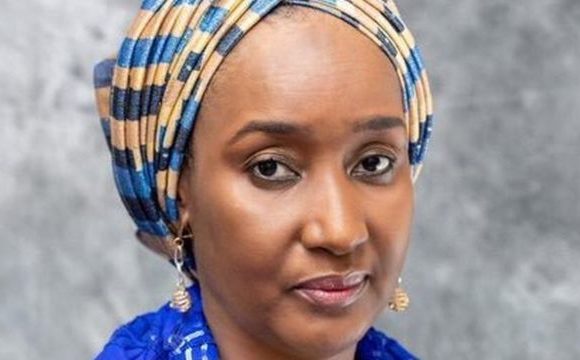
Minister of Humanitarian Affairs, Disaster Management and Social Development, Sadiya Umar Farouq, has announced the take off the National Disability Commission following the approval of the appointment of the Executive Members of the Commission by Excellency President Muhammadu Buhari in Abuja on Monday 24th of August 2020.

In a statement by Special Adviser, Strategic Communications, Halima Oyelade the Minister said since her appointment in 2019 she had reiterated her commitment to following up to ensure the take-off of the National Commission for Persons with Disabilities.

”Today is a very happy and fulfilling day for me as one of the vulnerable groups that are close to my heart finally have a Commission and Executives in place to cater to their needs, protect their rights and provide an enabling environment for them to maximize their potentials, thrive and contribute valuably to the society and the Nation as a whole.

I thank President Muhammadu Buhari for accenting to the Discrimination Against Persons with Disability (Prohibition) Act, 2019 last year which provides for the establishment of the Commission.

 By approving the  appointment of the Executive Secretary, Chairman and members of the Council of the Commission  ’His Excellency President Muhammadu Buhari has once again, proved his commitment and desire to improve the quality of life of vulnerable groups in Nigeria and ensure they enjoy their full rights and privileges as citizens of Nigeria’’.

 ‘’I congratulate our brothers and sisters living with disabilities in Nigeria for the realization of this worthy dream and encourage you to make use of the opportunity this Commission provides you  to be united in the pursuit of your dreams of social inclusion’’ the Minister stated’’

The statement adds that while urging chairman and members of Council to carry out their responsibilities with due diligence, the minister gave assurance that once the Senate confirms the appointments, the Commission will take-off accordingly.

‘’The functions of the Commission include;the formulation and implementation of policies and guidelines as appropriate for the education and social development of persons with disabilities, preparation of schemes designed to promote social welfare of persons with disabilities, promoting and uplifting the general well being of persons with disabilities by encouraging the public to change their negative attitude towards persons with disabilities.’’ The Minister concluded.

Adedayo Adelowo

News Analysis

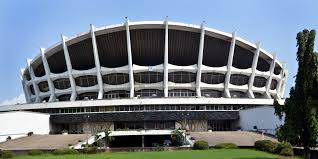
President Muhammadu Buhari has formally handed over the National Theatre Complex, Iganmu Lagos, to the Central Bank of Nigeria, CBN, and the bankers committee for restoration and redevelopment.

According to the governor of CBN, Mr. Godwin Emefiele, the scope of the intended project, which will be completed within eighteen months, is capable of generating over twenty billion dollars which is about eight trillion naira annually, this is more than what oil will ever contribute to the post-COVID-19 economy.

This is commendable as a means of diversification of the economy aside crude oil which is capable of producing massive employment and shared wealth.

According to Mr. Emefiele, National Art Theatre would create over one million jobs in the next 18 months after the renovation is completed.

Mr Emefiele said this at the official handing over of the edifice to the CBN and the bankers committee by the federal government of Nigeria last month.

While delivering his address at the event, the Minister of Information and Culture, Alhaji Lai Muhammed, said the project was in two phases, phase one will cost seven billion naira, while phase two would cost eighteen billion naira.

Altogether the project is estimated to cost twenty five billion naira.

The minister, who noted that the iconic edifice had not been renovated in forty years added that government cannot fund the renovation work, hence it was ceded to the private sector with a win-win agreement

The National Theatre will be one of the three legs of the project which will also have hubs in Kano and Port-Harcourt.

It will directly benefit sub-sectors such as information and communication technology, music, fashion and film.

These are areas that Nigerian youths have shown innovative capacity as Nigeria is already a leading force in world music and film.

It is believed that this programme will fare better than earlier efforts to revive the national theatre and the creative industry as a whole.

The CBN boss had on December 14, 2019 disclosed that the bankers’ committee would spend not less than n20 billion on the project, which he added would help to create economic activities around the national theatre and create job opportunities for people, especially the youth.

It is imperative that the CBN and bankers’ committee will mobilize the needed resources and ensure that massive investments in the creative industry on a business and profitable succeed to the benefit of all concerned.

All stakeholders should put necessary machinery in motion to revive the national theatre for effectiveness.

The move is indeed a right step in the right direction but care must be taken in order not to lead to a repeat of the failure associated with the two hundred billion naira which former President Goodluck Jonathan had granted the creative industry in 2014.

Titilayo Kupoliyi.

Economy

The Ministry of Humanitarian Affairs Disaster Management and Social Development says registration of Batch C of N-Power has closed on Sunday 9th of August, 2020. 

This is contained in a statement by the Senior Adviser, Strategic Communication of the Ministry, Halima Oyelade.

The statement notes that the registration which commenced on the 26th of June 2020 was initially scheduled to end on the 26th of July but the Ministry extended the date by two weeks to avail those that were unable to do so to apply. 

It states that a total of 5,042,001 Nigerian youths have applied as at the end of the exercise.

According to the statement, the Minister, Sadiya Farouq, has re-assured Nigerians that due diligence will be applied during the next stages of the selection to ensure that only duly qualified applicants are enrolled. 

It also notes that the ministry will ensure that the applicants, as well as the general public, are kept fully informed on the progress of the scheme. 

The statement adds the minister and the ministry remain committed to the vision of President Muhammadu Buhari to lift 100 Hundred million Nigerians out of poverty in the next 10 years and identified the N-Power as one of the platforms that can assist in the realization of that vision.

Adedayo Adelowo

Security

President Muhammadu Buhari has challenged Heads of Security  and Defence  Services to be resolute in promoting  National  aspirations  to end insecurity in the Country. 

President Buhari gave the charge in a message  to the graduation ceremony of the National Defence College Course 28 held in the College premises, Abuja.

The President who was Special Guest was represented by the Minister of Defence Maj Gen Bashir Salihi Magashi (rtd).

He stressed the need for the implementation of what he defined as Comprehensive Security Philosophies in tackling and  tracking criminalities in the dark spots of insecurity in parts of the Country. 

The Commander-in-Chief advocates a return to the long established principles of Jointness and Synergies among the Armed Forces, the Nigeria Police, Intelligence and Security Agencies to win the fight against the adversaries. 

While assuming on the resolve of his administration to sustaining the trajectory of defence Reformation, Transformation,  Reorganisation,  Expansion  and modernisation  he  said the National Defence College as the highest Nigerian Military training  Institution will be supported in the discharge of its mandate. 

He blamed what he described as complex and amorphous National Security  challenges on interconnected World, where the issues of insecurity  criss-cross international borders. 

The Special Guest who reaffirmed his unshaken faith in the nation and “Nigeria  First philosophy tasked Nigerians to harness the National strength in diversities and bridge political divides to emplace political  re-engineering  based on equality and mutual trust.

 The President who clearly stated that his administration has consolidated peace in the Niger Delta Region, recovered vast territories overtaken  by terrorists salute the gallantry of the troops, assuring that their sacrifices shall not be in vain. 

Highlights of the graduation ceremony for the one hundred and seven  participants were presentation of Certificates, Conferment of Fellowship on graduands, recognition of award winners and unveiling  of the  NDC Strategic Lens 4 by the Defence Minister Maj Gen Magashi  (rtd) on behalf of President Muhammadu Buhari. 

SIGNED BY 

Mohammad Abdulkadri, 

Special Assistant Media and Publicity to the Minister of Defence

Security

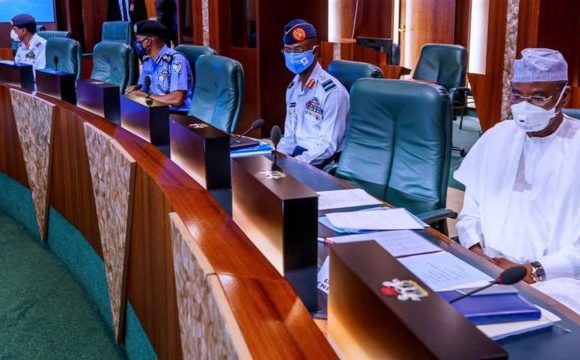
President Muhammadu Buhari is currently presiding over Security Council meeting at the Council Chamber, Presidential Villa, Abuja. 

In attendance at the meeting are the Vice President, Professor Yemi Osinbajo, the Chief of Staff to the President, Professor Ibrahim Gambari, the Secretary to the Government of the Federation, SGF, Boss Mustapha, and the National Security Adviser, NSA, Major General Babagana Monguno (rtd). 

Others are the Service Chiefs led by the Chief of Defence Staff, General Gabriel Olonisakin, the Chief of Army Staff, Lieutenant General Tukur Buratai, the Chief of Naval Staff, Vice Admiral Ibok Ekwe Ibas and the Chief of Air Staff, Air Marshal Sadique Abubakar. 

Also present are the Inspector General of Police, IGP Mohammed Adamu, the Director General of National, Department of State Services, DSS, Yusuf Bichi, the Director General, National Intelligence Agency, NIA, Ahmed Rufa’i, and the Directorate of Military Intelligence. 

Some of the Ministers are the Attorney-General of the Federation, AGF and Minister of Justice, Abubakar Malami, the Minister of Interior, Rauf Aregbesola, the Minister of Defence, Bashir Magashi, the Minister of Police Affairs, Mohammad Dingyadi and the Minister of State, Foreign Affairs, Ambassador Zubairu Dada. 

We will bring you the outcome of the meeting later.

Bello Wakili

Religion

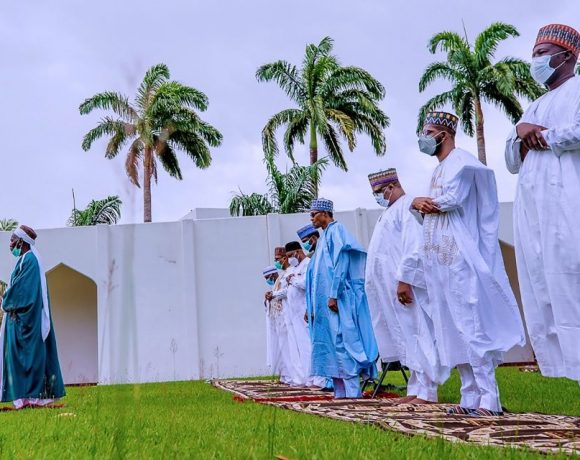
President Muhammadu Buhari will observe the Eid El-Kabir prayers with his family at home, just as he did during the Eid El-Fitr a little over two months ago.

This, in a statement by the Senior Special Assistant to the resident on Media and Publicity, Malam Garba Shehu, is in line with advisories from the Nigerian Supreme Council for Islamic Affairs, NSCIA and the Presidential Task Force, PTF on COVID-19.

According to the statement, the President in wishing all Muslims a safe and happy Eid, reiterated the need to avoid large gathering as issued by the PTF protocols.

The statement further advises that where small groups choose to hold the Eid together, face masks are absolutely necessary, as is social distancing.

Advisedly, such prayers should hold outdoors and worshippers are encouraged to bring their own prayer mats, it says.

The statement adds that to stop the spread of the disease, the President will not be receiving Sallah homages by religious, community, party and government leaders and urges all citizens to observe the occasion as advised by state and local authorities.

In a related development, President Muhammadu Buhari has reiterated his call on Nigerians to continue to exercise patience and understanding over the inconveniences created by precautionary measures taken for Covid-19, especially the regulations on places of worship.

In his Sallah message to Muslims on the occasion of Eid-el-Kabir celebration, President Buhari said the outbreak of coronavirus has made it difficult for people to gather in places of worship as they are used to, urging worshipers to abide by the guidelines for safety of their lives, and loved ones.

He stated that the coronavirus has had devastating adverse impacts on social, economic and spiritual lives.

He noted that the preventive guidelines government introduced to contain the spread of this deadly disease have unfortunately limited people’s freedom to gather and worship in large numbers in Mosques and Churches.

President Buhari maintained that no elected government would intentionally take away its people’s religious freedom by limiting the number of people that will gather in worship centres at the same time.

Stressing that the guidelines are dictated by necessity in order to safeguard public health and should, therefore, not be perceived as infringement on people’s right to worship.

President Buhari commended the sacrifices of Muslims and Christians in abiding by the COVID-19 guidelines for the good of society, assuring that government shall continue to provide economic reliefs to the people to minimize the unintended hardships these guidelines have inflicted.

The President reminded worshippers that COVID-19 is a worldwide affliction with Churches and Mosques closed around the world, while social distancing has been imposed to safeguard public health.

While wishing Muslims a happy celebration, the President called on worshipers not to forget the symbolic significance of the sacrifices of the Eidel Kabir.

The President reminded Nigerians of his efforts to root out corruption in the country, stating that the efforts had so far brought a lot of changes in the country’s polity.

He appealed for more support and understanding as investigations are carried out on both legacy and fresh cases.

Bello Wakili

Politics

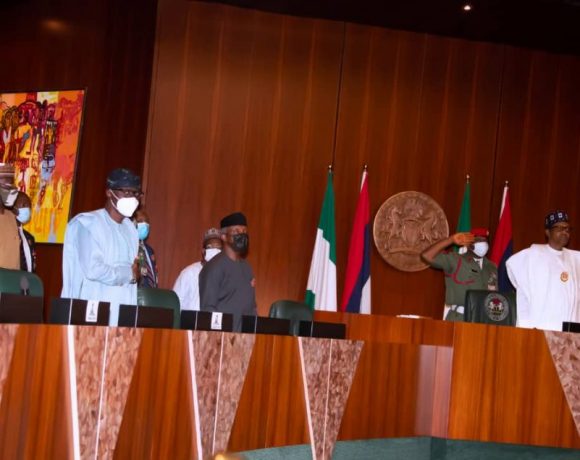
President Muhammadu Buhari is at present presiding over the weekly Federal Executive Council Meeting at the Presidential Villa, Abuja.

Before the commencement of the meeting, a minute silence was observed in honour of late Samaila Isa Funtua, a Minister of Water Resources during the tenure of former Head of State, Alhaji Shehu Shagari.

Present with the president during the virtual Federal Executive Council meeting were Vice President Yemi Osinbajo, Secretary to the Government of the Federation, Boss Mustapha, Chief of Staff to the President, Ibrahim Gambari and the National Security Adviser.

Others were the ministers of Justice, Finance, Minister of State for Education, Youth and Sports, Works and Housing, Interior and the Minister of Information.

Bello Wakili

Lifestyle

President Muhammadu Buhari received with deep sadness on Monday evening information on the passing of his longtime friend and associate, Malam Isma’ila Isa Funtua, who was Life Patron of International Press Institute and Newspapers Proprietors Association of Nigeria (NPAN).

In a statement by the Senior Special Assistant to the President on Media and Publicity, Mallam Garba Shehu says The President condoles with family members, government and people of Katsina State, also all associates of the former President of NPAN, especially the media industry, on the loss, describing him as “greatly admired and respected’’.

The statement states that President Buhari believes the demise of the publisher and businessman has created a huge gap as Malam Funtua consistently stood by him in his political journey.

The President prayed to Allah for the repose of Malam Funtua’s soul, and to grant the family strength and fortitude to bear the loss.

 The founding managing director of Democrat Newspaper and former President of the NPAN, Mallam Ismaila Funtua death on Monday.

Mallam Funtua aged 78, was a pioneer student of the Federal Training Centre, Kaduna.

Funtua, who was the Minister of Water Resources in the defunct Second Republic, established the Democrat Newspapers during the military era in Nigeria.

Also, he was trained as an administrative officer at the Institute of Administration, Ahmadu Bello University (ABU) Zaria as well as an administrator at Manchester University in the UK.

The late Funtua worked as the Katsina Native Authority as an Administrative Officer and later served in many ministries in the defunct Northern Region

Equally, the Kastina-born entrepreneur was a Manager of the United Nigerian Textile Company, Kaduna.

Bello Wakili

Lifestyle

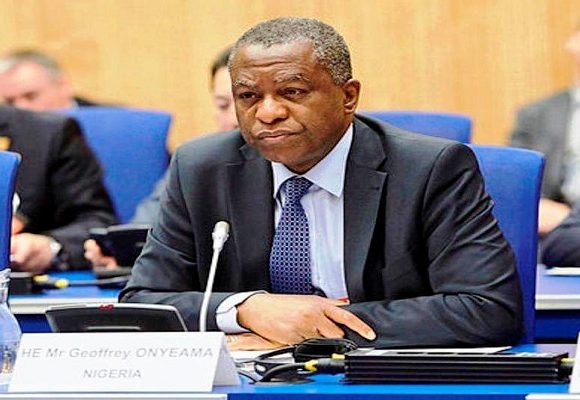
President Muhammadu Buhari wishes Minister of Foreign Affairs, Geoffrey Onyeama, quick recovery as he goes into isolation after testing positive to Covid-19 on Sunday.

In a statement signed by the Senior Special Assistant to the President on Media and Publicity, Mallam Garba Shehu said President Buhari described the minister as a strong pillar of his administration, commending him for tirelessly working to stem the spread of coronavirus in the country as a member of the Presidential Task Force on Covid-19, and ensuring the safety of Nigerians abroad.

It explained that the country is eternally grateful to Geoffrey Onyeama for his diligence in attracting international support for Nigeria to defeat the coronavirus pandemic and boost the economy.

Bello Wakili

News Analysis

As schools resume for another academic session, it is important for them to put in place necessary safety measures as stipulated by the Federal Ministry of Education.

The federal government last week approved what it called “Safe reopening of schools nationwide” as part of the next phase of the gradual easing of lockdown ordered to curtail further spread of Covid-19.

Though, only graduating students in primary 6, junior secondary school 3 and senior secondary school 3 will resume, higher institutions, daycare centres and other classes in primary and secondary schools, apart from final classes, will remain closed until further evaluation.

Chairman of the Presidential Task Force on Covid-19, Mr. Boss Mustapha, disclosed these at the daily briefing of the task force in Abuja.

Mr Mustapha said the reopening of schools was meant to allow pupils in graduating classes resume preparation for examinations.

However, the Federal Ministry of Education had issued guidelines for reopening which include use of distant learning centres and temporary shelters, disinfection and fumigation of facilities including hostel accommodation, with particular attention on those used as temporary isolation and treatment centres as well as use of infrared thermometers for temperature check.

It also wants schools to sensitise, train and build the capacity of teachers, administrators, and other education personnel to effectively use and comply with the school Covid-19 referral system and protocols for safe distancing and hygiene in schools.

The government has also lifted the ban placed on interstate travels with effect from July 1, provided such journeys are made outside curfew hours.

Chairman of the Presidential Task Force, P.T.F, on Covid-19 said President Muhammadu Buhari approved the extension of the Phase II of the lockdown by another four weeks with effect from Tuesday, June 30, 2020 through midnight of Monday, 27 July, 2020.

Similarly, Presidential Task Force Coordinator, Dr Sani Aliyu pointed out that the government had approved the safe resumption of domestic flights in the country and domestic aviation services while restrictions on mass gatherings and sporting activities remains.

While stressing that transporters must adhere to guidelines that will be released by the Federal Ministry of Transportation, passengers must maintain physical distancing, as well as temperature checks.

Dr. Aliyu added that state governments would inspect facilities and confirm compliance as a pre-condition for resumption of interstate operations by transporters.

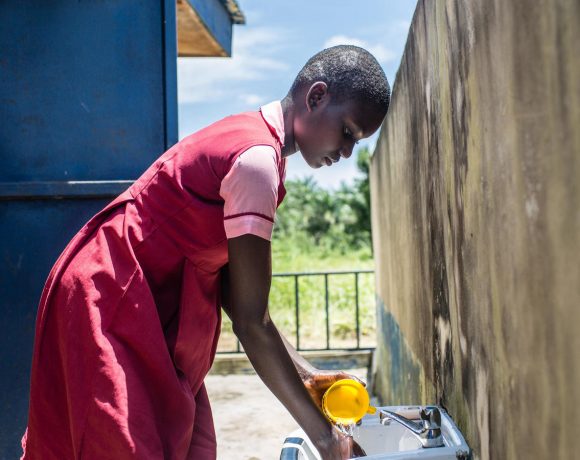
As some students resume, it is of utmost importance that schools adhere strictly to the Covid-19 protocols of providing running water with soap, hand sanitizers, physical distancing and regular nose covering.

Parents should ensure they pay attention to the health of their children while at home by providing them with nose masks, hand sanitizers and regular hand-washing under running water.

Titilayo Kupoliyi

Lifestyle

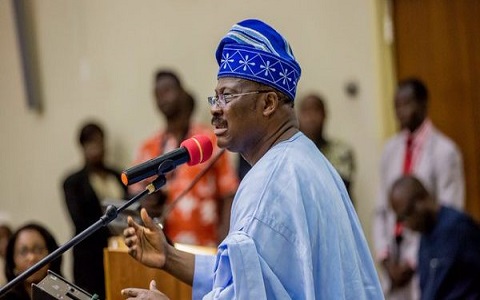
President Muhammadu Buhari condoles with government and people of Oyo State over the passing of a former governor, Isiaka Abiola Ajimobi, whose contributions to the development of the state, and nation, will always be remembered.

In a statement signed by the special adviser to the president on media and publicity Femi Adesina said the President commiserates with the family of the former governor, who served the country as a Senator, 2003, before winning the governorship election in 2011, remaining steadfast and consistent in his progressive views, and working assiduously for the creation of the All Progressives Congress.

As the party chieftain bows out, President Buhari believes he left the world at a crucial moment when the party and the country needed his counsels to heal, and grow, noting that his absence will be sorely felt by all associates, particularly in the APC.

The President prays that the Almighty God will comfort the family of the former governor, and grant him a peaceful rest.

Bello Wakil