Security

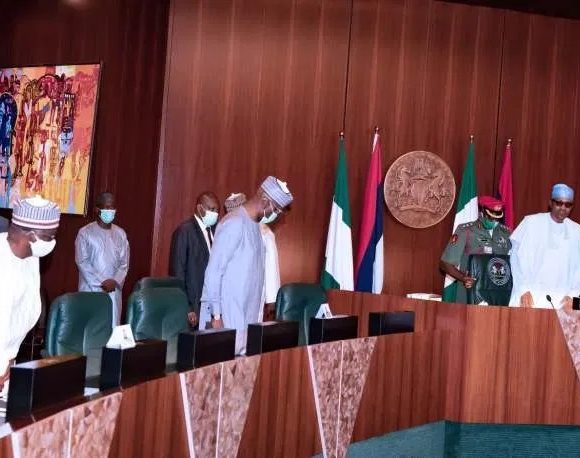
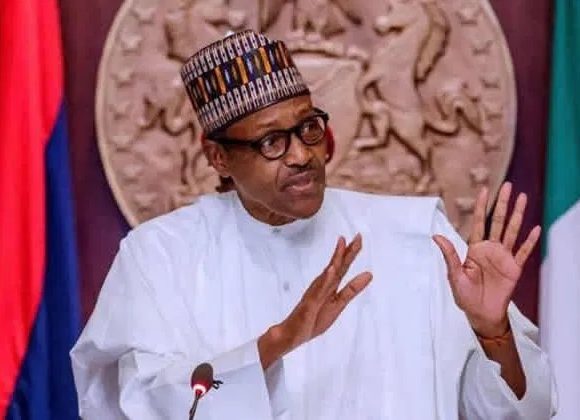
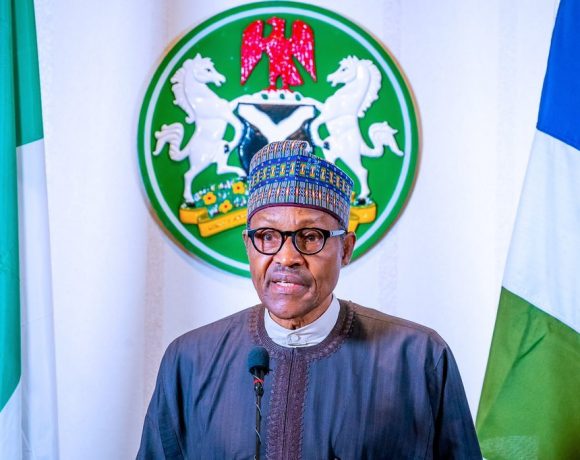
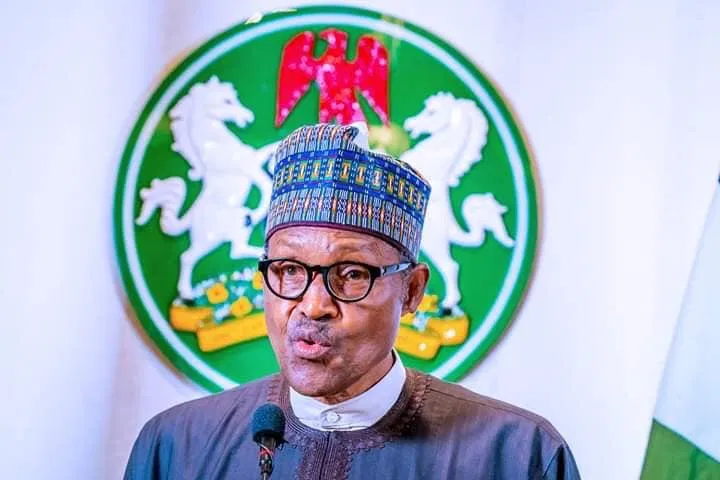
President Muhammadu Buhari has expressed his displeasure with the deteriorating security situation in the country.

The President conveyed his distaste on Thursday at a meeting with the service chiefs in Abuja, the Federal Capital Territory.

PMB, who described the security situation as quite worrisome, told the heads of the security agencies that their best was not good enough, tasking them to up their ante in order to save Nigerians the harrowing experience of deaths and loss of property to Boko Haram, bandits and other criminal elements.

The President who did not mince words said he was irked by the present unsatisfactory performance of the country’s security agencies, stressing that he would no longer accept further escalation in insecurity, urging the service chiefs to prove their mettle as they had been saddled with the security architecture of the country.

President Buhari, who decried the continuous lack of synergy among the security agencies, pointed out that the escalating insecurity in the country had led to protests, especially in the northwest.

Vanguard reports that after the meeting, the National Security Adviser, NSA, Major General Babagana retd, who brieed State House correspondents said, “Mr. President has expressed great concern over the declining security situation in the country.

“He is extremely unhappy about what is happening and he feels that even though the security agencies are doing their best, their best is not good enough for him and he wants an immediate reversal of the current trend.

“An immediate reversal of our misfortunes in all their dimensions. Mr President also told us clearly that he and indeed the administration came to power on the platform of three issues, fighting insecurity, overcoming our economic difficulties and dealing with the scourge of corruption.”
Culled/Simeon Ugbodovon

Politics

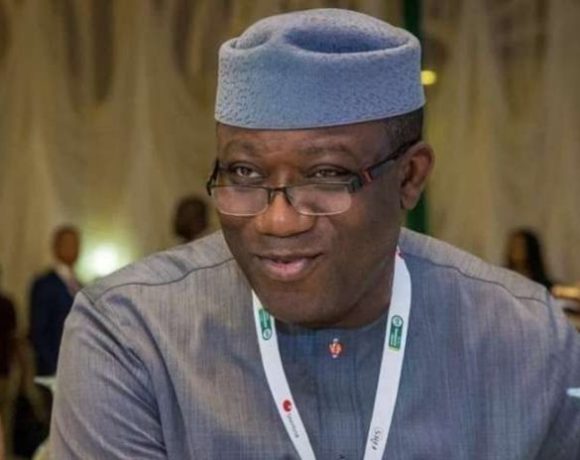
The Chairman of Nigeria Governors’ Forum, NGF and Ekiti State governor, Dr Kayode Fayemi wants leaders across the nation to instill confidence of a better Nigeria in the citizenry.

In a message to mark the second anniversary of June Twelve as national Democracy Day, Governor Fayemi explained that the significance of the celebration was to learn, teach and achieve a new Nigeria where the fault lines no longer matters.

He called for new conversation around democracy that would hold the promise of better life for all Nigerians, irrespective of culture, race, religious beliefs and political affiliations.

The Ekiti State governor who affirmed that a better Nigeria was possible noted that many known and unknown rights fighters have died as martyrs of democracy.

Governor Fayemi urged Nigerians irrespective of culture to join hands and make the country work for better greatness.

He observed that one of the things President Muhammadu Buhari would be remembered for after his tenure in office was the rightful placement of June Twelve in the national dairy as the symbol of struggle for the enthronement of democratic settings in Nigeria.

Governor Fayemi said the symbolic gesture of Mr President had brought accountability and relief for the people who suffered brutality during the regime of General Sani Abacha.

Oriola Afolabi

Politics

People in governance and activists in the political system of the country have failed to sustain the ideology behind the June 12 struggle citing insincerity and insensitivity to the plight of many Nigerians. 

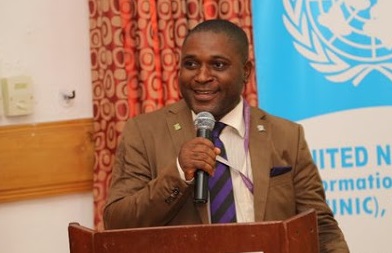
A political scientist, Dr Moses Duruji who made this known in an interview with Radio Nigeria explained that the Hope mantra of Chief MKO Abiola in 1993 do not reflect in the political system of the country, hence the need for a reform. 

Reacting on President Muhammadu Buhari’s speech, Dr Duruji advised the present administration to do more at reducing poverty to the barest level. 

Also speaking, lecturer at the Political Science Department, University of Ibadan, Dr Dhkirulai Yagboyaju said though the President Buhari’s administration is trying its best, Nigerians still expect a remarkable efforts in security, health and educational sectors.

Mosope Kehinde

Politics

Following the Democracy Day address delivered by President Muhammadu Buhari, some Nigerians have reacted to the various socioeconomic issues addressed by the president.

Reacting to the determination of the president to deal with gender violence through the instrumentality of the security force, a gender, environmental and water resources manager, Professor Grace Oloukoi said it was not enough to attack the menace through security officers, but silence of victims must be addressed while perpetrators should be brought to book to serve as deterrent to others.

In his opinion, an Ibadan-based digital expert, Mr Tunji Olagboye said the president’s decision to improve the digital economy was in order, noting that the Covid-19 pandemic which had increased the need for online conferencing and online education attested to the need to improve the sector.

The experts appealed to the president to work towards the resolution of other issues mentioned in his address.

Rotimi Famakin

Judiciary

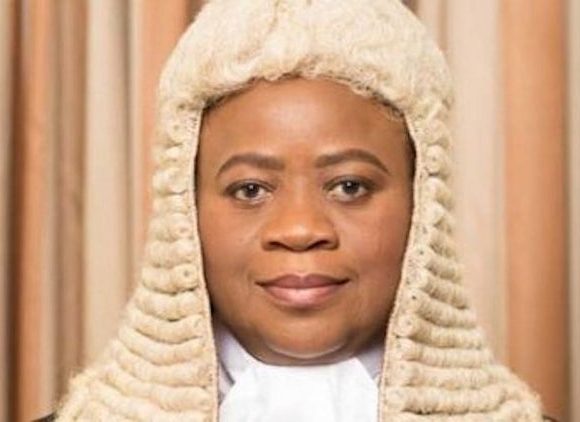
President Muhammadu Buhari, in-line with his constitutional responsibility has sent the nomination of Her Lordship, Justice Monica Dongban-Mensem, Acting President, Court of Appeal to the Senate for confirmation as President, Court of Appeal.
 
Justice Dongban-Mensem is a serving Justice of the Court of Appeal and was recommended, as is the practice, by the National Judicial Council for the nomination by the President.
 
Garba Shehu,
Senior Special Assistant to the President on Media & Publicity,
June 8, 2020

News Analysis

Last month, President Muhammadu Buhari signed an Executive Order granting financial autonomy to state assemblies and judiciary.

The order followed a report of a presidential committee set up to map out strategies for the implementation of financial autonomy for state legislatures and judiciary in accordance with Section 121(3) of the Constitution of the Federal Republic of Nigeria.

The Executive Order provides that the Attorney-General of the Federation and Minister of Justice, authorise the deduction from source of Federation accounts allocation from the money allocated to any state of the Federation that fails to release allocation meant for the state legislature and judiciary in line with the financial autonomy guaranteed by Section 121(3) of the Constitution of the Federal Republic of Nigeria 1999.

According to the Attorney-General and Minister of Justice, Abubakar Malami, the Executive Order no. 10 of 2020, makes it mandatory that all states of the Federation should include the allocations of both the legislature and the judiciary in the first-line charge of their budgets.

As expected, the Executive Order has drawn mixed reactions. There are some who believe it is not necessary since the provision is enshrined in the Constitution and that the National Assembly had already made laws in that regard.

Some also believe the order is a usurpation of the powers of the National Assembly.

On its part, Nigeria Labour Congress, NLC, said the autonomy of state judiciary and legislature is in the interest of good governance, strengthening of the principle of separation of powers, national stability and overall development of Nigeria.

Speaking through its national president, Ayuba Wabba, NLC urged political leaders at every level to respect the wishes of Nigerians and allow the full exercise of financial autonomy for the judiciary and legislatures in the states. 

Mr. Wabba urged governors of the thirty six states of the Federation to retrace their steps and accept the process in the interest of democracy and good governance while stressing that strong legislative and judicial institutions are pillars of democracy and good governance.

In a related development, Chief Judge of Akwa Ibom, Justice Godwin Abraham noted that financial autonomy of the judiciary would enhance quick dispensation of justice in the country as well as engender far reaching consequences for the institution in terms of infrastructure development and capacity building.

Justice Abraham solicited the cooperation of stakeholders towards realizing the objective of the new financial regime.

Despite the provision of the Constitution and the laws enacted by the National Assembly in this regard, state governors have not allowed their state legislatures and judiciary the necessary financial autonomy to perform their functions as required under our democratic practice.

Against this background, President Buhari’s Executive Order on financial autonomy for state legislatures and judiciary would not have been necessary if state governors had adhered to the Constitution.

While supporting the president in this move, we must caution that the state legislatures and judiciary, now granted financial autonomy, should not seek to abuse it, but rather see it as a challenge to help deliver the dividends of democracy to the people at that tier of government.

Autonomy must go hand-in-hand with accountability. It is likely that autonomy will be abused. Civil society must be up and doing at the state level to draw attention to the excesses of the three arms of government.

Also, the media have an important role to play in reporting abuses of powers by the different arms of government.

Furthermore, as the president’s action has strengthened and consolidated the foundation of democracy at the state level, the input of executive order 10 is therefore to ensure that governors allow the houses of assembly and judiciary in their states operate independently as provided by the 1999 Constitution.

Titilayo Kupoliyi

Energy

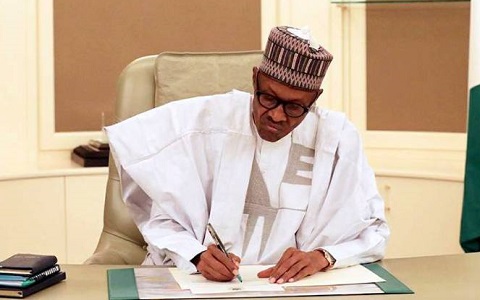
President Muhammadu Buhari has approved the reconstitution of the Board of the Nigerian National Petroleum Corporation, NNPC, after the expiration of the term of the board members appointed in 2016.

In a statement signed by the senior special adviser to the president on media and publicity Femi Adesina

According to the statement Members of the new Board were Mohammed Lawal (North West), Tajudeen Umar (North East),and Adamu Mahmood Attah (North Central

Others were Senator Magnus Abe (South South), Dr Stephen Dike (South East), and Chief Pius Akinyelure (South West).

The new board will be in place for three years.

FRCN Abuja

Lifestyle

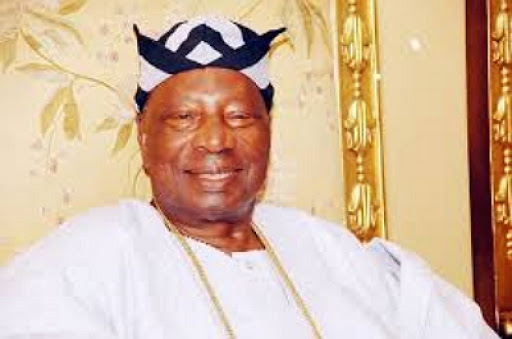
President Muhammadu Buhari rejoices with Oba Oladunni Oyewumi Ajagungbade III, the Soun of Ogbomoso, as he turns 94 on May 27, 2020.

The President says the almost five-decade reign of the monarch has witnessed peace, prosperity and development, with natives and settlers alike in Ogbomoso enjoying the amity that has attended the time of the respected Oba.

“Your time has brought joy and succour to the people, and may it continue to be so, as you turn 94,” President Buhari says, adding that the collaboration various governments at both state and national levels have enjoyed from the traditional ruler is invaluable.

The President prays continued good health and sound mind for Oba Oyewumi, noting that longevity is a divine gift, and thanking God for bestowing it on the frontline royal father.

Femi Adesina 

Special Adviser to the President

(Special Adviser, Media and Publicity)

Politics

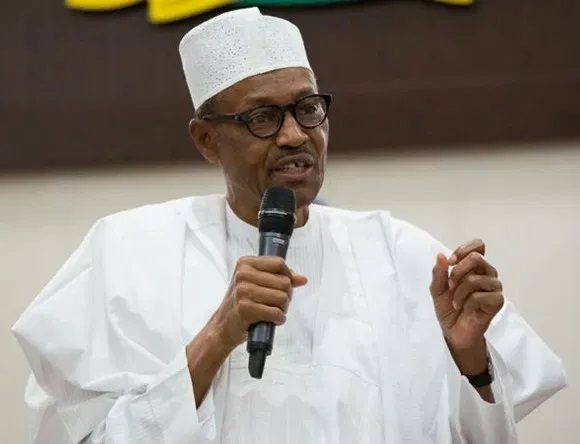
President Muhammadu Buhari has called for peace as a prerequisite for sustainable development.

In a message to African leaders to mark the ”Africa Day 2020,” commemorated by the African Union Commission in collaboration with the World Health Organization, WHO, President Buhari said Africa has given the world a new hope by choosing the theme ”Silencing the Guns in the context of the COVID-19” for this year’s Africa Day.

The president stressed the need for African leaders to ensure that every effort is made to ensure the success of silencing the guns on the continent, emphasizing the need to sensitize Africans about the inseparable connection between peace and development.

President Buhari also urged regional economic groups, civil society organizations and the private sector in Africa to take full ownership of the theme of this year’s celebration to strengthen collaborative efforts among member-countries of the African Union.

Africa Day is observed annually on the 25th of May, to commemorate the founding of the Organization of African Unity, OAU, the precursor of the African Union, which was created on 25 May 1963 in Addis Ababa, Ethiopia.

Bilikis Akintunde

Politics

Stakeholders in the judiciary have been expressing divergent views on the executive order of President Buhari granting financial autonomy to House of Assembly and judiciary at the state level. 

While some of the stakeholders commended the development, others called for caution in order not to distract judiciary from its primary assignment.

Our Correspondent has the rest of the story.

Sunday Ogunyemi

Politics

President Muhammadu Buhari has signed an Executive Order granting financial autonomy to the legislature and judiciary across the 36 states of the country.

The Attorney-General of the Federation and Minister of Justice, Abubakar Malami, said these in a statement by his Special Assistant on Media and Public Relations, Umar Gwandu on Friday.

He explained that the order also mandates the accountant-general of the federation to deduct from source amount due to state legislatures and judiciaries from the monthly allocation to each state for states that refuse to grant such autonomy.

Mr Malami said the Executive Order No. 10 of 2020, made it mandatory that all states of the federation should include the allocations of both the legislature and the judiciary in the first-line charge of their budgets.

According to the AGF, “a Presidential Implementation Committee was constituted to fashion out strategies and modalities for the implementation of financial autonomy for the State Legislature and State Judiciary in compliance with section 121(3) of the Constitution of the Federal Republic of Nigeria, 1999 (as Amended).”

He said consideration was given to all other applicable laws, instruments, conventions and regulations that provided for financial autonomy at the states.

Mr Malami maintained that the implementation of financial autonomy of the state legislature and state judiciary would strengthen the institutions at the states and make them more independent and accountable in line with the tenets of democracy as enshrined in the Nigerian Constitution.

The statement added that, “The President signed the Executive Order number 10 into law based on the power vested in him as the President of the Federal Republic of Nigeria under Section 5 of the Constitution of the Federal Republic of Nigeria 1999 (as Amended), which extends to the execution and maintenance of the Constitution, laws made by the National Assembly (including but not limited to Section 121(3) of the 1999 Constitution (as Amended), which guarantee financial autonomy of the State Legislature and State Judiciary.”

FRCN Abuja

Lifestyle

There was an inter-religious prayers at the palace of Owa-Ale of Ikare Akoko, against the coronavirus pandemic as a substitute for the popular annual Aringiya Festival which was supposed to hold today in the ancient city but was cancelled as a result of the COVID-19 outbreak.

The maiden festival was cancelled for this year due to the government’s directive on social distancing to prevent further spread of COVID-19.

During the prayers held by few religious leaders, the Owa-Ale of Ikare, Oba Kolapo Adegbite-Adedoyin urged Nigerians especially Muslims, to use the ongoing Ramadan fast to seek the face of God for an early cure to the disease.

Oba Adegbite-Adedoyin said the Aringiya festival which has been used to celebrate maidens in the town for about 800 years now, was shelved this year in the interest of the people, as it usually attracted a large crowd.

The monarch who prayed for all inhabitants, sons and daughters of Ikareland, home and abroad, also sought God’s guidance for President Muhammadu Buhari and Governor Oluwarotimi Akeredolu in running the affairs of the country and Ondo state.

Owa-Ale advised the political class to imbibe tolerance and decorum for a hitch-free governorship election in the state which is set for October 10, this year.

Leke Adegbite

Lifestyle

President Muhammadu Buhari has expressed appreciation for the donations given by public-spirited individuals and organisations to support the fight against Covid-19.

In a statement, the President says the citizenry is facing a national challenge, which calls for a collective push to successfully conquer the effects of the virus.

Citing the provision of isolation, treatment and laboratory centres by individuals and companies such as Alhaji Aliko Dangote, Alhaji Abdulsamad Rabiu, Guaranty Trust Bank and Thisday Newspapers and Partners among others, the President calls on other privileged Nigerians and corporate bodies to emulate their laudable gestures.

President Buhari notes that about seven hundred million Naira has been received from one hundred and eleven well-meaning donors.

Abdullah Bello

Health

President Mohammadu Buhari has approved a gradual easing of lockdown measures on Lagos, Ogun and FCT from 4th of May 2020.


In a Nationwide broadcast, the president said the step was taken based on the recommendations of the Presidential Task Force on COVID-19, the various Federal Government committees that have reviewed socio-economic matters and the Nigeria Governors Forum.

He said however that this will be followed strictly with aggressive reinforcement of testing and contact tracing measures while allowing the restoration of some economic and business activities in certain sectors.


Furthermore, the president explained that the new nationwide measure to be introduced include an overnight curfew from 8 pm to 6 am. This means all movements will be prohibited during this period except for essential services.

Also, There will be a ban on non-essential inter-state passenger travel until further notice, while Partial and controlled interstate movement of goods and services will be allowed for the movement of goods and services from producers to consumers.

The president stressed that mandatory use of face masks or coverings in public in addition to maintaining physical distancing and personal hygiene would be strictly enforced.


President Mohammadu Buhari, however, explained that the restrictions on social and religious gatherings would remain in place as State Governments, corporate organisations and philanthropists were encouraged to support the production of cloth masks for citizens.


While appreciating the first-line workers, the security agencies and other stakeholders for their relentless efforts in the fight against COVID-19, the president urged all Nigerians to continue to create awareness on the seriousness of the coronavirus among the populace and strictly comply with public health advisories.


Furthermore, new nationwide measures are to be introduced as follows;
a. There will be an overnight curfew from 8 pm to 6 am. This means all movements will be prohibited during this period except for essential services;
b. There will be a ban on non-essential inter-state passenger travel until further notice;
c. Partial and controlled interstate movement of goods and services will be allowed for the movement of goods and services from producers to consumers; and
d. We will strictly ensure the mandatory use of face masks or coverings in public in addition to maintaining physical distancing and personal hygiene.

Furthermore, the restrictions on social and religious gatherings shall remain in place. State governments, corporate organisations and philanthropists are encouraged to support the production of cloth masks for citizens.

Anthonia Akanji /Ojeakhe Ozoya/ Adebukola Aluko

Health

Fellow NoNigerians
I will start by commending you all for the resilience and patriotism that you have shown in our collective fight against the biggest health challenge of our generation.
As at yesterday, 26th April 2020, some 3 million confirmed cases of COVID-19 have been recorded globally with about 900,000 recoveries. Unfortunately, some 200,000 people have passed away as a result of this pandemic.
The health systems and economies of many nations continue to struggle as a result of the coronavirus pandemic.
Nigeria continues to adapt to these new global realities on a daily basis. Today, I will present the facts as they are and explain our plans for the coming months fully aware that some key variables and assumptions may change in the coming days or weeks.
Exactly two weeks ago, there were 323 confirmed cases in 20 States and the Federal Capital Territory.
As at this morning, Nigeria had recorded 1,273 cases across 32 States and the FCT. Unfortunately, this includes 40 deaths.
I am using this opportunity to express our deepest condolences to the families of all Nigerians that have lost their loved ones as a result of the COVID-19 pandemic. This is our collective loss and we share your grief.
Initial models predicted that Nigeria will record an estimated 2,000 confirmed cases in the first month after the index case.
This means that despite the increase in the number of confirmed cases recorded in the past two weeks, the measures we have put in place thus far have yielded positive outcomes against the projections.
The proportion of cases imported from other countries has reduced to only 19% of new cases, showing that our border closures yielded positive results. These are mostly fellow Nigerians returning through our land borders. We will continue to enforce land border arrival protocols as part of the containment strategy.
Today, the Nigeria Centre for Disease Control (NCDC) has accredited 15 laboratories across the country with an aggregate capacity to undertake 2,500 tests per day across the country.
Based on your feedback, Lagos State Government and the FCT with support from NCDC have established several sample collection centers. They are also reviewing their laboratory testing strategy to further increase the number of tests they can perform including the accreditation of selected private laboratories that meet the accreditation criteria.
Several new fully equipped treatment and isolation centres have been operationalised across the country thereby increasing bed capacity to about three thousand.
I commend the State Governors for the activation of State-level Emergency Operation Centres, establishment of new treatment centres and the delivery of aggressive risk communication strategies.
Over 10,000 healthcare workers have been trained. For their protection, additional personal protective equipment have been distributed to all the states.
Although we have experienced logistical challenges, we remain committed to establishing a solid supply chain process to ensure these heroic professionals can work safely and are properly equipped.
In keeping with our Government’s promise to improve the welfare of healthcare workers, we have signed a memorandum of understanding on the provision of hazard allowances and other incentives with key health sector professional associations.
We have also procured insurance cover for 5,000 frontline health workers. At this point, I must commend the insurance sector for their support in achieving this within a short period of time.
Nigeria has also continued to receive support from the international community, multilateral agencies, the private sector and public-spirited individuals. This support has ensured that critical lifesaving equipment and materials, which have become scarce globally, are available for Nigeria through original equipment manufacturers and government-to-government processes.
The distribution and expansion of palliatives which I directed in my earlier broadcast is still ongoing in a transparent manner. I am mindful of the seeming frustration being faced by expectant citizens. I urge all potential beneficiaries to exercise patience as we continue to finetune our logistical and distribution processes working with the State Governments.
Our Security Agencies continue to rise to the challenge posed by this unusual situation. While we feel deeply concerned about isolated security incidents, I want to assure all Nigerians that your safety and security remain our primary concern especially in these difficult and uncertain times.
As we focus on protecting lives and properties, we will not tolerate any human rights abuse by our security agencies. The few reported incidences are regrettable, and I want to assure you that the culprits will be brought to justice.
I urge all Nigerians to continue to cooperate and show understanding whenever they encounter security agents. Furthermore, for their protection, I have instructed that the personnel of all the security agencies be provided with the necessary personal protective equipment against infection.
As we continue to streamline our response in the centers of Lagos and the FCT, I am gravely concerned about the unfortunate developments in Kano in recent days. Although an in-depth investigation is still ongoing, we have decided to deploy additional Federal Government manpower, material and technical resources to strengthen and support the State Government’s efforts, with immediate effect.
In Kano, and indeed many other States that are recording new cases, preliminary findings show that such cases are mostly from interstate travel and emerging community transmission.
Drawing from these, I implore all Nigerians to continue to adhere strictly to the advisories published by the Presidential Task Force and the Nigeria Centre for Disease Control.
These include regular hand washing, physical distancing, wearing of face masks/coverings in public, avoidance of non-essential movement and travels and avoidance of large gatherings.
Fellow Nigerians, for the past four weeks, most parts of our country have been under either Federal Government or State Government lockdown. As I mentioned earlier, these steps were necessary and overall, have contributed to slowing down the spread of COVID-19 in our country.
However, such lockdowns have also come at a very heavy economic cost. Many of our citizens have lost their means of livelihood. Many businesses have shut down. No country can afford the full impact of a sustained lockdown while awaiting the development of vaccines.
In my last address, I mentioned that Federal Government will develop strategies and policies that will protect lives while preserving livelihoods.
In these two weeks, the Federal and State Governments have jointly and collaboratively worked hard on how to balance the need to protect health while also preserving livelihoods, leveraging global best practices while keeping in mind our peculiar circumstances.
We assessed how our factories, markets, traders and transporters can continue to function while at the same time adhering to NCDC guidelines on hygiene and social distancing.
We assessed how our children can continue to learn without compromising their health.
We reviewed how our farmers can safely plant and harvest in this rainy season to ensure our food security is not compromised. Furthermore, we also discussed how to safely transport food items from rural production areas to industrial processing zones and ultimately, to the key consumption centers.
Our goal was to develop implementable policies that will ensure our economy continues to function while still maintaining our aggressive response to the COVID-19 pandemic. These same difficult decisions are being faced by leaders around the world.
Based on the above and in line with the recommendations of the Presidential Task Force on COVID-19, the various Federal Government committees that have reviewed socio-economic matters and the Nigeria Governors Forum, I have approved a phased and gradual easing of lockdown measures in FCT, Lagos and Ogun States effective from Monday, 4th May, 2020.
3However, this will be followed strictly with aggressive reinforcement of testing and contact tracing measures while allowing the restoration of some economic and business activities in certain sectors.
Furthermore, new nationwide measures are to be introduced as follows;
a. There will be an overnight curfew from 8pm to 6am. This means all movements will be prohibited during this period except for essential services;
b. There will be a ban on non-essential inter-state passenger travel until further notice;
c. Partial and controlled interstate movement of goods and services will be allowed for the movement of goods and services from producers to consumers; and
d. We will strictly ensure the mandatory use of face masks or coverings in public in addition to maintaining physical distancing and personal hygiene. Furthermore, the restrictions on social and religious gatherings shall remain in place. State Governments, corporate organisations and philanthropists are encouraged to support the production of cloth masks for citizens.
For the avoidance of doubt, the lockdown in the FCT, Lagos and Ogun States shall remain in place until these new ones come into effect on Monday, 4th May 2020.
The Presidential Task Force shall provide sector specific details to allow for preparations by Governments, businesses and institutions.
In respect to the above guidelines, State Governors may choose to adapt and expand based on their unique circumstances provided they maintain alignment with the guidelines issued above.
To support our businesses and traders, the monetary and fiscal authorities shall deploy all the necessary provisions needed for production to continue and thus, jobs restored.
These revised guidelines will not apply to Kano State.
With regards to Kano, I have directed the enforcement of a total lockdown for a period of two weeks effective immediately. The Federal Government shall deploy all the necessary human, material and technical resources to support the State in controlling and containing the pandemic and preventing the risk of further spread to neighboring States.
I wish to once again commend the frontline workers across the country who, on a daily basis, risk everything to ensure we win this fight. For those who got infected in the line of duty, rest assured that Government will do all it takes to support you and your families during this exceedingly difficult period. I will also take this opportunity to assure you all that your safety, wellbeing and welfare remain paramount to our Government.
I will also recognise the support we have received from our traditional rulers, the Christian Association of Nigeria, the Nigerian Supreme Council for Islamic Affairs and other prominent religious and community leaders. Your cooperation and support have significantly contributed to the successes we have recorded to date.
I will urge you all to please continue to create awareness on the seriousness of the coronavirus among your worshippers and communities while appealing that they strictly comply with public health advisories.
I also thank the Nigeria Governors’ Forum and the Presidential Task Force for all their hard work to date. Through this collaboration, I remain confident that success is achievable.
I also wish to thank corporate organisations, philanthropists, the UN system, the European Union, friendly nations, the media and other partners that have taken up the responsibility of supporting our response.
And finally, I will thank all Nigerians again for your patience and cooperation during this difficult and challenging period. I assure you that government shall continue to take all necessary measures to protect the lives and livelihoods of our citizens and residents.
I thank you for listening and may God bless the Federal Republic of Nigeria.

H.E President Muhammadu Buhari

Monday, 27th April, 2020

Health

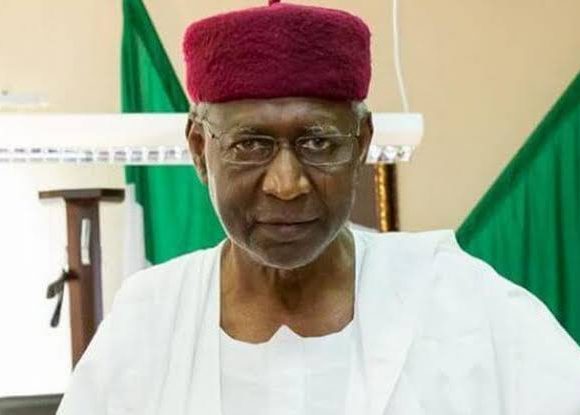
The Presidential spokesman, Femi Adesina has announced the news of the death of Abba Kyari, the chief of staff to the Nigerian President Muhammadu Buhari in a state House press release.
According to the press release:
The Presidency regrets to announce the passage of the Chief of Staff to the President, Mallam Abba Kyari.
The deceased had tested positive to the ravaging COVID-19, and had been receiving treatment.
But he died on Friday, April 17, 2020.
May God accept his soul.
Funeral arrangements will be announced shortly.
Femi Adesina
Special Adviser to the President
(Media and Publicity)
April 18, 2020

Politics

President Muhammadu Buhari will broadcast to the nation Monday, April 13, 2020 at 7pm.
Television, radio and other electronic media outlets are enjoined to hook up to the network services of the Nigerian Television Authority (@NTANewsNow),and Federal Radio Corporation of Nigeria (FRCN) respectively for the broadcast.
Femi Adesina
Special Adviser to the President
(Media & Publicity)
April 13, 2020

Health

President Muhammadu Buhari has declared curfew in Lagos, Abuja and Ogun State .

According to the President the curfew was to contain the community transmission of covid-19 in the states where it is prevalent.

He said this during a nationwide broadcast on Sunday the 29th of March 2020.

“Based on the advice of the Federal Ministry of Health and the NCDC, I am directing the cessation of all movements in Lagos and the FCT for an initial period of 14 days with effect from 11pm on Monday, 30th March 2020.

This restriction will also apply to Ogun State due to its close proximity to Lagos and the high traffic between the two States.

All citizens in these areas are to stay in their homes. Travel to or from other states should be postponed. All businesses and offices within these locations should be fully closed during this period.

The Governors of Lagos and Ogun States, as well as the Minister of the FCT, have been notified. Furthermore, heads of security and intelligence agencies have also been briefed.

We will use this containment period to identify, trace and isolate all individuals that have come into contact with confirmed cases. We will ensure the treatment of confirmed cases while restricting further spread to other States.

This order does not apply to hospitals and all related medical establishments as well as organizations in health care-related manufacturing and distribution.
Furthermore, Commercial establishments such as;

a. Food processing, distribution and Retail companies;

b. Petroleum distribution and retail entities,

c. Power generation, transmission and distribution companies; and

d. Private security companies are also exempted.


Although these establishments are exempted, access will be restricted and monitored. 

Workers in telecommunication companies, broadcasters, print and electronic media staff who can prove they are unable to work from home are also exempted”.

President Muhammadu Buhari

29th March 2020

Health

“Fellow Nigerians,
From the first signs that Coronavirus, or covid-19 was turning into an epidemic and was officially declared a world-wide emergency, the Federal Government started planning preventive, containment and curative measures in the event the disease hits Nigeria.
By the morning of March 29th, 2020, the total confirmed cases within Nigeria had risen to ninety-seven.
As of today, COVID-19 has no cure. Scientists around the world are working very hard to develop a vaccine.
We are in touch with these institutions as they work towards a solution that will be certified by international and local medical authorities within the shortest possible time.

For now, the best and most efficient way to avoid getting infected is through regular hygienic and sanitary practices as well as social distancing.
As individuals, we remain the greatest weapon to fight this pandemic.
By washing our hands regularly with clean water and soap, disinfecting frequently used surfaces and areas, coughing into a tissue or elbow and strictly adhering to infection prevention control measures in health facilities, we can contain this virus.
Since the outbreak was reported in China, our Government has been monitoring the situation closely and studying the various responses adopted by other countries.
Indeed, the Director General of the NCDC was one of ten global health leaders invited by the World Health Organisation to visit China and understudy their response approach.

I am personally very proud of Dr Ihekweazu for doing this on behalf of all Nigerians.
Since his return, the NCDC has been implementing numerous strategies and programs in Nigeria to ensure that the adverse impact of this virus on our country is minimized.
We ask all Nigerians to support the work the Federal Ministry of Health and NCDC are doing, led by the Presidential Task Force.
Although we have adopted strategies used globally, our implementation programs have been tailored to reflect our local realities.
In Nigeria, we are taking a two-step approach.
First, to protect the lives of our fellow Nigerians and residents living here, and second, to preserve the livelihoods of workers and business owners to ensure their families get through this very difficult time in dignity and with hope and peace of mind.
To date, we have introduced healthcare measures, border security, fiscal and monetary policies in our response. We shall continue to do so as the situation unfolds.
Some of these measures will surely cause major inconveniences to many citizens. But these are sacrifices we should all be willing and ready to make for the greater good of our country.
In Nigeria’s fight against covid-19, there is no such thing as an overreaction or an under reaction. It is all about the right reaction by the right agencies and trained experts.
Accordingly, as a Government, we will continue to rely on guidance of our medical professionals and experts at the Ministry of Health, NCDC and other relevant agencies through this difficult time.
I therefore urge all citizens to adhere to their guidelines as they are released from time to time.
As we are all aware, Lagos and Abuja have the majority of confirmed cases in Nigeria. Our focus therefore remains to urgently and drastically contain these cases, and to support other states and regions in the best way we can.
This is why we provided an initial intervention of fifteen billion Naira (N15 Billion) to support the national response as we fight to contain and control the spread.
We also created a Presidential Task Force (PTF) to develop a workable National Response Strategy that is being reviewed on a daily basis as the requirements change. This strategy takes international best practices but adopts them to suit our unique local circumstances.
Our goal is to ensure all States have the right support and manpower to respond immediately.
So far, in Lagos and Abuja, we have recruited hundreds of adhoc staff to man our call centers and support our tracing and testing efforts.
I also requested, through the Nigeria Governors Forum, for all State Governments to nominate Doctors and Nurses who will be trained by the NCDC and Lagos State Government on tactical and operational response to the virus in case it spreads to other states.
This training will also include medical representatives from our armed forces, paramilitary and security and intelligence agencies.
As a nation, our response must be guided, systematic and professional. There is a need for consistency across the nation. All inconsistencies in policy guidelines between Federal and State agencies will be eliminated.
As I mentioned earlier, as at this morning we had ninety-seven confirmed cases. Majority of these are in Lagos and Abuja. All the confirmed cases are getting the necessary medical care.
Our agencies are currently working hard to identify cases and people these patients have been in contact with.
The few confirmed cases outside Lagos and Abuja are linked to persons who have travelled from these centres.
We are therefore working to ensure such inter state and intercity movements are restricted to prevent further spread.
Based on the advice of the Federal Ministry of Health and the NCDC, I am directing the cessation of all movements in Lagos and the FCT for an initial period of 14 days with effect from 11pm on Monday, 30th March 2020.
This restriction will also apply to Ogun State due to its close proximity to Lagos and the high traffic between the two States.
All citizens in these areas are to stay in their homes. Travel to or from other states should be postponed. All businesses and offices within these locations should be fully closed during this period.
The Governors of Lagos and Ogun States as well as the Minister of the FCT have been notified. Furthermore, heads of security and intelligence agencies have also been briefed.
We will use this containment period to identify, trace and isolate all individuals that have come into contact with confirmed cases. We will ensure the treatment of confirmed cases while restricting further spread to other States.
This order does not apply to hospitals and all related medical establishments as well as organizations in health care related manufacturing and distribution.
Furthermore, commercial establishments such as;

a. food processing, distribution and retail companies;

b. petroleum distribution and retail entities,

c. power generation, transmission and distribution companies; and

d. private security companies

are also exempted.
Although these establishments are exempted, access will be restricted and monitored.
Workers in telecommunication companies, broadcasters, print and electronic media staff who can prove they are unable to work from home are also exempted.
All seaports in Lagos shall remain operational in accordance with the guidelines I issued earlier. Vehicles and drivers conveying essential cargoes from these Ports to other parts of the country will be screened thoroughly before departure by the Ports Health Authority.
Furthermore, all vehicles conveying food and other essential humanitarian items into these locations from other parts of the country will also be screened thoroughly before they are allowed to enter these restricted areas.
Accordingly, the Hon. Minister of Health is hereby directed to redeploy all Port Health Authority employees previously stationed in the Lagos and Abuja Airports to key roads that serve as entry and exit points to these restricted zones.
Movements of all passenger aircraft, both commercial and private jets, are hereby suspended. Special permits will be issued on a needs basis.
We are fully aware that such measures will cause much hardship and inconvenience to many citizens. But this is a matter of life and death, if we look at the dreadful daily toll of deaths in Italy, France and Spain.
However, we must all see this as our national and patriotic duty to control and contain the spread of this virus.
I will therefore ask all of us affected by this order to put aside our personal comfort to safeguard ourselves and fellow human beings. This common enemy can only be controlled if we all come together and obey scientific and medical advice.
As we remain ready to enforce these measures, we should see this as our individual contribution in the war against covid-19.
Many other countries have taken far stricter measures in a bid to control the spread of the virus with positive results.
For residents of satellite and commuter towns and communities around Lagos and Abuja whose livelihoods will surely be affected by some of these restrictive measures, we shall deploy relief materials to ease their pains in the coming weeks.
Furthermore, although schools are closed, I have instructed the Ministry of Humanitarian Affairs, Disaster Management and Social Development to work with State Governments in developing a strategy on how to sustain the school feeding program during this period without compromising our social distancing policies. The Minister will be contacting the affected States and agree on detailed next steps.
Furthermore, I have directed that a three-month repayment moratorium for all TraderMoni, MarketMoni and FarmerMoni loans be implemented with immediate effect.
I have also directed that a similar moratorium be given to all Federal Government funded loans issued by the Bank of Industry, Bank of Agriculture and the Nigeria Export Import Bank.
For on-lending facilities using capital from international and multilateral development partners, I have directed our development financial institutions to engage these development partners and negotiate concessions to ease the pains of the borrowers.
For the most vulnerable in our society, I have directed that the conditional cash transfers for the next two months be paid immediately. Our Internally Displaced Persons (IDPs) will also receive two months of food rations in the coming weeks.
We also call on all Nigerians to take personal responsibility to support those who are vulnerable within their communities, helping them with whatever they may need.
As we all pray for the best possible outcome, we shall continue planning for all eventualities.
This is why I directed that all Federal Government Stadiums, Pilgrims camps and other facilities be converted to isolation centers and makeshift hospitals.
My fellow Nigerians, as a Government, we will avail all necessary resources to support the response and recovery. We remain committed to do whatever it takes to confront covid-19 in our country.
We are very grateful to see the emerging support of the private sector and individuals to the response as well as our development partners.
At this point, I will ask that all contributions and donations be coordinated and centralized to ensure efficient and impactful spending.
The Presidential Task Force remains the central coordinating body on the covid-19 response.
I want to assure you all that Ministries, Departments and Agencies with a role to play in the outbreak response are working hard to bring this virus under control.
Every nation in the world is challenged at this time. But we have seen countries where citizens have come together to reduce the spread of the virus.
I will therefore implore you again to strictly comply with the guidelines issued and also do your bit to support Government and the most vulnerable in your communities.
I will take this opportunity to thank all our public health workforce, healthcare workers, Port Health authorities and other essential staff on the frontlines of the response for their dedication and commitment. You are true heroes.
I thank you all for listening. May God continue to bless and protect us all”.

President Muhammadu Buhari

29th March 2020

News Sport

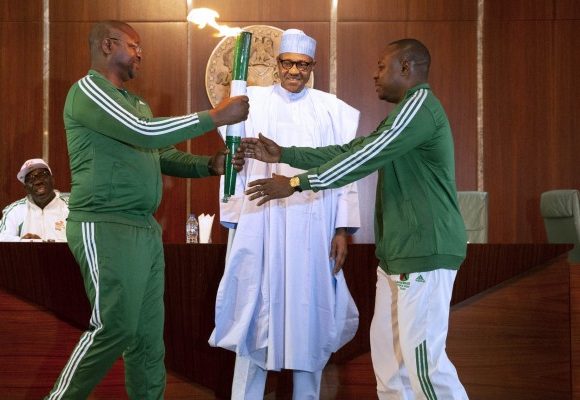
The President, Muhammadu Buhari has approved the postponement of the National Sports Festival, tagged Edo 2020.

The Minister of Sports, Mr. Sunday Dare, announced this at the Presidential Villa, Abuja, after a meeting with the President.

He said the postponement was due to the Coronavirus pandemic, adding that the decision was reached after close consultations with the Ministry of Health.

However in Ogun the postponement of the National Sports Festival, Edo 2020 by the Federal government has generated mixed reactions among sports stakeholders.

Some athletes and coaches at the Ijeja camp of team Ogun spoke with Radio Nigeria, said the announcement was coming at a stage when the spirit in camp was high.

Segun Folarin

Sport

President Muhammadu Buhari has approved the postponement of the 20th edition of the National Sports Festival, NSF, expected to begin next Sunday in Edo state to a future date. 

According to the Minister of Youth and Sports, Sunday Dare, the postponement was a precautionary move against the spread of COVID-19.

Dare noted that a meeting among stakeholders on COVID-19 vis-a-vis the Sports Festival was earlier held at the Ministry of Health towards making a decision on the postponement.

He added that President Buhari approved the postponement to a future date after receiving a briefing on the outcome of the meeting.

Olaolu Fawole

News Analysis

Last week, President Muhammadu Buhari gave an assurance that with various reforms by his regime, all government financial transactions will soon be done in the open.

According to President Buhari, the objective is to ensure transparency in governance through mainly information technology platforms especially government financial transactions.

The president noted that the aim is to ensure that no government financial transaction is done in secret to subject them to public scrutiny.

The federal government embarked on some innovations to deepen transparency and accountability in public finance management. 

The office of the Accountant General of the federation, ministries, department, and agencies among its functions is saddled with the responsibility of ensuring transparency and accountability.

By this, a summary of revenue coming in and going out will be published daily on an online portal.

According to the Minister of State for Niger Delta Affairs, Chief Tayo Alasoadura, this would ensure that all government financial transactions were made available to the public and the media, in line with the Freedom of Information Act 2014. 

It is heartwarming that all MDAs are expected to publish the monthly performance of their budget, functions and economic activities; while the AGF will publish monthly fiscal accounts, detailing the fiscal performance of the federation, including receipts from all the revenue collection agencies and payments out of the federation account.

It was discovered that the government’s inability to trace its funds and expenditure facilitates the continual looting of public treasury. 

Without a doubt, if this initiative had been in place before the allegation made by former Central Bank Governor, Sanusi Lamido that twenty billion naira oil revenue was missing at a time such would have been avoided.

It is, therefore, imperative that this policy should be enacted into law as advised by the House of Representatives.

This should include maximal severe sanctions against violators as done in the United States of America, where public funds were put under constant surveillance.

The country cannot afford to ignore these international best practices for the overall development of the country.

Good governance is every citizen’s business, therefore all eyes especially those of the civil society, the media and taxpayers must call the government to account for how public funds are being spent.

This is how citizens of developed countries of the world are able to hold their leaders accountable for any public fund spent.

Fawzeeyah Kasheem

Religion

President Muhammadu Buhari has enjoined Nigerians to imbibe and demonstrate the essence of Christmas to facilitate peaceful co-existence, which will in turn usher in progress.

In a message, President Buhari said love; goodwill among ethnic groups; giving and sharing; strengthening bonds of brotherhood and good neighbourliness; would promote and sustain unity and development.

He said celebrating the spirit and virtues of Christmas need not be a one-day affair, but to continue into the New Year.

He appealed to those, whose actions are opposed to what the season represents, especially, insurgents, terrorists, armed robbers, kidnappers and economic saboteurs, to retrace their steps and join people of goodwill and common humanity.

He warnsed that the armed forces, security and law-enforcement agencies were poised to confront and defeat them.

While it is gladdening to note that incidents of violence and conflicts have reduced drastically owing to the several operations embarked on by security agencies, Nigerians must not let their guards down, he said.

The President said as Christmas indicates good tidings of hope and redemption, “Nigerians can look forward to a turnaround in the administration’s priority areas of fighting corruption, providing security, economic diversification, job creation and infrastructure upgrade.”

He called on Christians to remember to pray for members of the armed forces and other security agencies “who are making so much sacrifice to protect Nigerians from people of evil intent.”

He says Nigerians should extend love to the families of those whose bread-winners have made the ultimate sacrifice while defending their fatherland.

The President appealed to motorists to drive with care this festive season, while road safety and security officials should ensure compliance with safety measures.

Abdullah Bello

Economy

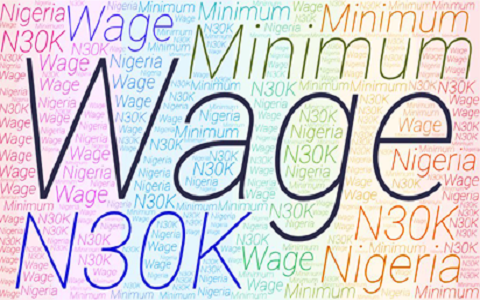
Since the signing of the thirty thousand naira minimum wage by President Muhammad Buhari early this year and the promise for immediate implementation when the harmonisation is carried out, many Nigerians have continued to express their displeasure on the fall out of the development on the society.

Radio Nigeria correspondent, Wale Oluokun, in this special report x-rayed the implications of the salary increase on the economy and the reactions of some civil servants in Ogun State on the new salary regime.

While Economists agreed that the consequential implications of the new minimum wage which has come to stay is always negative not minding the margin of the increments.

The economic experts were also of the view that the possibility of inflation arising from the increment should be considered. 

However, as the implementation is being awaited from both the federal and the state levels, traders and artisans have already started tailoring their prices to the new wage regime in some parts of Abeokuta, Ogun state capital.

Inflating and repair of vehicle tyres in Abeokuta have suddenly got hiked by 100 percent.

To inflate a tyre now cost 200 naira from the former 100 naira which when questions was raised, no satisfactory answer was provided.

Increase in prices of services and commodities, is synonymous to increase in salary of civil servants.

It is also worth of note that in some years before, petroleum prices sometimes got increased making the consequential increment  to be of no significance.

As the civil servants await the payment of the new wage increase, what are the thoughts of federal and state civil servants about this increment and the difference the increment will make in their lives.

Mr. Adeoye Dacosta a Federal civil servant with National Orientation Agency, Abeokuta while speaking said the labour unions and the government should ensure that power, housing, health and transportation sectors are well managed to make the new salary meaningful to the workers.

Also speaking, another civil servant with the Ogun State government Mr. Babatunde Abatan said state government should comply with the resolution of the labour at the federal level as the workers will buy from the same market.

It is also believed that problems have solutions, what possible step could be taken to prevent possible price increase of services and commodity and measures needed to prevent inflation, A professor of Production and environmental Economics of Federal University of Agriculture, Abeokuta, Professor Idris Ayinde called on the federal government to reenergize the non-formal sector to create more employment opportunities and to also put in place price control mechanism to stabilize prices.

According to him, crisis that will spring up from non-implementation of the new salary could affect the Gross Domestic Product of the nation.

With the concerns from the experts on the undue publicity given to the increase in salary, they also agreed that there may not be significant change in the livelihood patterns of the workers as a cost-push inflation is a possible problem that will affect the new salary regime.

Wale Oluokun

Economy

Protocols

1. I will start by asking you to pardon my voice. As you can hear, I have a cold as a result of working hard to meet your deadline!

2. I am delighted to present the 2020 Federal Budget Proposals to this Joint Session of the National Assembly, being my first budget presentation to this 9th National Assembly.

3. Before presenting the Budget, let me thank all of you Distinguished and Honourable Members of the National Assembly, for your avowed commitment to cooperate with the Executive to accelerate the pace of our socio-economic development and enhance the welfare of our people.

4. I will also once again thank all Nigerians, who have demonstrated confidence in our ability to deliver on our socio-economic development agenda, by re-electing this Administration with a mandate to Continue the Change. We remain resolutely committed to the actualization of our vision of a bright and prosperous future for all Nigerians.

5. During this address, I will present highlights of our budget proposals for the next fiscal year. The Honourable Minister of Finance, Budget and National Planning will provide full details of these proposals, subsequently.

OVERVIEW OF ECONOMIC DEVELOPMENTS IN 2019

6. The economic environment remains very challenging, globally. The International Monetary Fund, IMF, expects global economic recovery to slow down from 3.6 percent in 2018 to 3.5 percent in 2020. This reflects uncertainties arising from security and trade tensions with attendant implications on commodity price volatility.

7. Nearer to home, however, Sub-Saharan Africa is projected to continue to grow from 3.1 percent in 2018 to 3.6 percent in 2020. This is driven by investor confidence, oil production recovery in key exporting countries, sustained strong agricultural production as well as public investment in non-dependent economies.

8. Mr. Senate President; Right Honourable Speaker; I am pleased to report that the Nigerian economy thus far has recorded nine consecutive quarters of GDP growth. Annual growth increased from 0.82 percent in 2017 to 1.93 percent in 2018, and 2.02 percent in the first half of 2019. The continuous recovery reflects our economy’s resilience and gives credence to the effectiveness of our economic policies thus far.

9. We also succeeded in significantly reducing inflation from a peak of 18.72 percent in January 2017, to 11.02 percent by August 2019. This was achieved through effective fiscal and monetary policy coordination, exchange rate stability and sensible management of our foreign exchange.

10. We have sustained accretion to our external reserves, which have risen from US$23 billion in October 2016 to about US$42.5 billion by August 2019. The increase is largely due to favourable prices of crude oil in the international market, minimal disruption of crude oil production given the stable security situation in the Niger Delta region and our import substitution drive, especially in key commodities.

11. The foreign exchange market has also remained stable due to the effective implementation of the Central Bank’s interventions to restore liquidity, improve access and discourage currency speculation. Special windows were created that enabled small businesses, investors and importers in priority economic sectors to have timely access to foreign exchange.

12. Furthermore, as a sign of increased investor confidence in our economy, there were remarkable inflows of foreign capital in the second quarter of 2019. The total value of capital imported into Nigeria increased from US$12 billion in the first half year of 2018 to US$14 billion for the same period in 2019.

PERFORMANCE OF THE 2019 BUDGET

13. Distinguished and Honourable Members of the National Assembly, you will recall that the 2019 ‘Budget of Continuity’ was based on a benchmark oil price of US$60 per barrel, oil production of 2.3 mbpd, and an exchange rate of N305 to the United States Dollar. Based on these parameters, we projected a deficit of N1.918 trillion or 1.37 percent of Gross Domestic Product.

14. As at June 2019, Federal Government’s actual aggregate revenue (excluding Government-Owned Enterprises) was N2.04 trillion. This revenue performance is only 58 percent of the 2019 Budget’s target due to the underperformance of both oil and non-oil revenue sources. Specifically, oil revenues were below target by 49 percent as at June 2019. This reflects the lower-than-projected oil production, deductions for cost under-recovery on supply of premium motor spirit (PMS), as well as higher expenditures on pipeline security/maintenance and Frontier exploration.

15. Daily oil production averaged 1.86 mbpd as at June 2019, as against the estimated 2.3 mbpd that was assumed. This shortfall was partly offset as the market price of Bonny Light crude oil averaged US$67.20 per barrel which was higher than the benchmark price of US$60.

16. Additionally, revenue projections from restructuring of Joint Venture Oil and Gas assets and enactment of new fiscal terms for Production Sharing Contracts did not materialize, as the enabling legislation for these reforms is yet to be passed into law.

17. The performance of non-oil taxes and independent revenues such as internally generated revenues were N614.57 billion and N217.84 billion, respectively.

18. Receipts from Value Added Tax were below expectations due to lower levels of activities in certain economic sectors, in the aftermath of national elections. Corporate taxes were affected by the seasonality of collections, which tend to peak in the second half of the calendar year.

19. On the expenditure side, 2019 Budget implementation was also hindered by the combination of delay in its approval and the underperformance of revenue collections. As such, only recurrent expenditure items have been implemented substantially. Of the prorated expenditure of N4.46 trillion budgeted, N3.39 trillion had been spent by June 30, 2019.

20. In compliance with the provisions of the 2018 Appropriation Act, we implemented the 2018 capital budget till June 2019. Capital releases under the 2019 Budget commenced in the third quarter. As at 30th September 2019, a total of about N294.63 billion had been released for capital projects. I have directed the Ministry of Finance, Budget and National Planning to release an additional N600 billion of the 2019 capital budget by the end of the year.

21. Despite the delay in capital releases, a deficit of N1.35 trillion was recorded at end of June 2019. This represents 70 percent of the budgeted deficit for the full year.

22. Despite these anomalies, I am happy to report that we met our debt service obligations, we are current on staff salaries and overhead costs have also been largely covered.

2020 BUDGET PRIORITIES

23. Distinguished Senators, Honourable Members, let me now turn to the 2020 Appropriation, which is designed to be a budget of:

a. Fiscal consolidation, to strengthen our macroeconomic environment;

b. Investing in critical infrastructure, human capital development and enabling institutions, especially in key job creating sectors;

c. Incentivising private sector investment essential to complement the Government’s development plans, policies and programmes; and

d. Enhancing our social investment programs to further deepen their impact on those marginalised and most vulnerable Nigerians.

PARAMETERS & FISCAL ASSUMPTIONS UNDERPINNING THE APPROPRIATION BILL AND THE FINANCE BILL

24. Distinguished and Honourable Members of the National Assembly, the 2020-2022 Medium Term Expenditure Framework (MTEF) and Fiscal Strategy Paper (FSP) set out the parameters for the 2020 Budget. We have adopted a conservative oil price benchmark of US$57 per barrel, daily oil production estimate of 2.18 mbpd and an exchange rate of N305 per US Dollar for 2020.

25. We expect enhanced real GDP growth of 2.93% in 2020, driven largely by non-oil output, as economic diversification accelerates, and the enabling business environment improves. However, inflation is expected to remain slightly above single digits in 2020.

26. Accompanying the 2020 Budget Proposal is a Finance Bill for your kind consideration and passage into law. This Finance Bill has five strategic objectives, in terms of achieving incremental, but necessary, changes to our fiscal laws. These objectives are:

a. Promoting fiscal equity by mitigating instances of regressive taxation;

b. Reforming domestic tax laws to align with global best practices;

c. Introducing tax incentives for investments in infrastructure and capital markets;

d. Supporting Micro, Small and Medium-sized businesses in line with our Ease of Doing Business Reforms; and

e. Raising Revenues for Government.

27. The draft Finance Bill proposes an increase of the VAT rate from 5% to 7.5%. As such, the 2020 Appropriation Bill is based on this new VAT rate. The additional revenues will be used to fund health, education and infrastructure programmes. As the States and Local Governments are allocated 85% of all VAT revenues, we expect to see greater quality and efficiency in their spending in these areas as well.

28. The VAT Act already exempts pharmaceuticals, educational items, and basic commodities, which exemptions we are expanding under the Finance Bill, 2019. Specifically, Section 46 of the Finance Bill, 2019 expands the exempt items to include the following:

a. Brown and white bread;

b. Cereals including maize, rice, wheat, millet, barley and sorghum;

c. Fish of all kinds;

d. Flour and starch meals;

e. Fruits, nuts, pulses and vegetables of various kinds;

f. Roots such as yam, cocoyam, sweet and Irish potatoes;

g. Meat and poultry products including eggs;

h. Milk;

i. Salt and herbs of various kinds; and

j. Natural water and table water.

29. Additionally, our proposals also raise the threshold for VAT registration to N25 million in turnover per annum, such that the revenue authorities can focus their compliance efforts on larger businesses thereby bringing relief for our Micro, Small and Medium-sized businesses.

30. It is absolutely essential to intensify our revenue generation efforts. That said, this Administration remains committed to ensuring that the inconvenience associated with any fiscal policy adjustments, is moderated, such that the poor and the vulnerable, who are most at risk, do not bear the brunt of these reforms.

FEDERAL GOVERNMENT REVENUE ESTIMATES

31. The sum of N8.155 trillion is estimated as the total Federal Government revenue in 2020 and comprises oil revenue N2.64 trillion, non-oil tax revenues of N1.81 trillion and other revenues of N3.7 trillion. This is 7 percent higher than the 2019 comparative estimate of N7.594 trillion inclusive of the Government Owned Enterprises.

32. The increasing share of non-oil revenues underscores our confidence in our revenue diversification strategies, going forward. Furthermore, in our efforts to enhance transparency and accountability, we shall continue our strict implementation of Treasury Single Account (TSA) to capture the domiciliary accounts in our foreign missions and those linked to Government Owned Enterprises.

PLANNED 2020 EXPENDITURE

33. An aggregate expenditure of N10.33 trillion is proposed for the Federal Government in 2020. The expenditure estimate includes statutory transfers of N556.7 billion, non-debt recurrent expenditure of N4.88 trillion and N2.14 trillion of capital expenditure (excluding the capital component of statutory transfers). Debt service is estimated at N2.45 trillion, and provision for Sinking Fund to retire maturing bonds issued to local contractors is N296 billion.

STATUTORY TRANSFERS

34. The sum of N556.7 billion is provided for Statutory Transfers in the 2020 Budget and includes:

a. N125 billion for the National Assembly;

b. N110 billion for the Judiciary;

c. N37.83 billion for the North East Development Commission (NEDC);

d. N44.5 billion for the Basic Health Care Provision Fund (BHCPF);

e. N111.79 billion for the Universal Basic Education Commission (UBEC); and

f. N80.88 billion for the Niger Delta Development Commission (NDDC), which is now supervised by the Ministry of Niger Delta Affairs.

35. We have increased the budgetary allocation to the National Human Rights Commission from N1.5 billion to N2.5 billion. This 67 percent increase in funding is done to enable the Commission to perform its functions more effectively.

RECURRENT EXPENDITURE

36. The non-debt recurrent expenditure includes N3.6 trillion for personnel and pension costs, an increase of N620.28 billion over 2019. This increase reflects the new minimum wage as well as our proposals to improve remuneration and welfare of our Police and Armed Forces. You will all agree that Good Governance, Inclusive Growth and Collective Prosperity can only be sustained in an environment of peace and security.

37. Our fiscal reforms shall introduce new performance management frameworks to regulate the cost to revenue ratios for Government Owned Enterprises, which shall come under significant scrutiny. We will reward exceptional revenue and cost management performance, while severe consequences will attend failures to achieve agreed revenue targets.

38. We shall also sustain our efforts in managing personnel costs. Accordingly, I have directed the stoppage of the salary of any Federal Government staff that is not captured on the Integrated Payroll and Personnel Information System (IPPIS) platform by the end of October 2019. All agencies must obtain the necessary approvals before embarking on any fresh recruitment and any contraventions of these directives shall attract severe sanctions.

39. Overhead costs are projected at N426.6 billion in 2020. Additional provisions were made only for the newly created Ministries. I am confident that the benefits of these new Ministries as it relates to efficient and effective service delivery to our citizens significantly outweighs their budgeted costs.

40. That said, the respective Heads of MDAs must ensure strict adherence to government regulations regarding expenditure control measures. The proliferation of Zonal, State and Liaison Offices by Federal Ministries, Departments and Agencies (‘MDAs’), with attendant avoidable increase in public expenditure, will no longer be tolerated.

CAPITAL EXPENDITURE

41. As I mentioned earlier, investing in critical infrastructure is a key component of our fiscal strategy under the 2020 Budget Proposals. Accordingly, an aggregate sum of N2.46 trillion (inclusive of N318.06 billion in statutory transfers) is proposed for capital projects in 2020.

.

42. Although the 2020 capital budget is N721.33 billion (or 23 percent) lower than the 2019 budget provision of N3.18 trillion, it is still higher than the actual and projected capital expenditure outturns for both the 2018 and 2019 fiscal years, respectively. However, at 24 percent of aggregate projected expenditure, the 2020 provision falls significantly short of the 30 percent target in the Economic Recovery and Growth Plan (ERGP) 2017-2020.

43. The main emphasis will be the completion of as many ongoing projects as possible, rather than commencing new ones. MDAs have not been allowed to admit new projects into their capital budget for 2020, unless adequate provision has been made for the completion of ALL ongoing projects.

44. Accordingly, we have rolled over capital projects that are not likely to be fully funded by the end of 2019 into the 2020 Budget. We are aware that the National Assembly shares our view that these projects should be prioritised and given adequate funding in the 2020 Appropriation Act.

45. Therefore, I will once again commend the 9th National Assembly’s firm commitment to stop the unnecessary cycle of delayed annual budgets. I am confident that with our renewed partnership, the deliberations on the 2020 Budget shall be completed before the end of 2019 so that the Appropriation Act will come into effect by the 1st of January.

46. Some of the key capital spending allocations in the 2020 Budget include:

a. Works and Housing: N262 billion;

b. Power: N127 billion;

c. Transportation: N123 billion;

d. Universal Basic Education Commission: N112 billion;

e. Defence: N100 billion;

f. Zonal Intervention Projects: N100 billion;

g. Agriculture and Rural Development: N83 billion;

h. Water Resources: N82 billion;

i. Niger Delta Development Commission: N81 billion;

j. Education: N48 billion;

k. Health: N46 billion;

l. Industry, Trade and Investment: N40 billion;

m. North East Development Commission: N38 billion;

n. Interior: N35 billion;

o. Social Investment Programmes: N30 billion;

p. Federal Capital Territory: N28 billion; and

q. Niger Delta Affairs Ministry: N24 billion.

47. Although Government’s actual spending has reduced, our plans to leverage private sector funding through our tax credit schemes will ensure our capital programmes are sustained.

48. For example, we launched the Road Infrastructure Tax Credit Scheme, pursuant to which I have approved the construction and rehabilitation of 19 Nigerian roads and bridges of 794.4km across 11 States. Indeed, the Scheme has attracted private investment of over N205 billion and the first set of tax credits are being processed by the Federal Ministry of Finance, Budget and National Planning.

49. As I mentioned during my Independence Day Speech, under the Presidential Power Initiative, we will modernise the National Grid in 3 phases; starting from 5 Gigawatts to 7 Gigawatts, then to 11 Gigawatts by 2023, and finally 25 Gigawatts afterwards in collaboration with the German Government and Siemens.

BUDGET DEFICIT

50. Budget deficit is projected to be N2.18 trillion in 2020. This includes drawdowns on project-tied loans and the related capital expenditure.

51. This represents 1.52 percent of estimated GDP, well below the 3 percent threshold set by the Fiscal Responsibility Act of 2007, and in line with the ERGP target of 1.96 percent.

52. The deficit will be financed by new foreign and domestic borrowings, Privatization Proceeds, signature bonuses and drawdowns on the loans secured for specific development projects.

DEBT SERVICE

53. Nigeria remains committed to meeting its debt service obligations. Accordingly, we provided the sum of N2.45 trillion for debt service. Of this amount, 71 percent is to service domestic debt which accounts for about 68 percent of the total debt. The sum of N296 billion is provided for the Sinking Fund to retire maturing bonds issued to local contractors.

54. I am confident that our aggressive and re-energised revenue drive will maintain debt-revenue ratio at acceptable and manageable levels. We will also continue to be innovative in our borrowings by using instruments such as Sukuk, Green Bonds and Diaspora Bonds.

SOCIAL INVESTMENT PROGRAMME

55. Our government remains committed to ensuring the equitable sharing of economic prosperity. Our focus on inclusive growth and shared prosperity underscores our keen interest in catering for the poor and most vulnerable. Accordingly, we are revamping and improving the implementation of the National Social Investment Programme through the newly created Ministry of Humanitarian Affairs, Disaster Management and Social Development.

56. The National Social Investment Programme is already creating jobs and economic opportunity for local farmers and cooks, providing funding to artisans, traders, youths, and supporting small businesses with business education and mentoring.

57. The provision of N65 billion for the Presidential Amnesty Programme has been retained in the 2020 Budget. Furthermore, to fast track the rebuilding efforts in the North East region, a provision of N37.83 billion has been made for the North East Development Commission.

OTHER STRATEGIC PRIORITIES IN 2020

58. The 2020 Budget is expected to accelerate the pace of our economic recovery, promote economic diversification, enhance competitiveness and ensure social inclusion. We are optimistic of attaining higher and more inclusive GDP growth in order to achieve our objective of massive job creation and lifting many of our citizens out of poverty.

59. The efficiency of port operations will also be enhanced by implementing a single customs window, speeding up vessel and cargo handling and issuing more licenses to build modern terminals in existing ports, especially outside Lagos.

60. Furthermore, completing the reforms to the governance and fiscal terms of the Petroleum Industry will provide certainty and attract further investments into the sector. A consequence of this will be increase in jobs and in government’s take. I therefore seek your support in passing into law two Petroleum Industry Executive Bills I will be forwarding to you shortly.

61. In addition, we need to quickly review the fiscal terms for deep offshore oil fields to reflect the current realities and for more revenue to accrue to the government. The Deep Offshore and Inland Basin Production Sharing Contract (Amendment) Bill 2018, was submitted to the 8th National Assembly in June 2018 but was unfortunately not passed into law.

62. I will be re-forwarding the Bill to this Assembly very shortly and therefore urge you to pass it. We estimate that this effort can generate at least 500 million US dollars additional revenue for the Federal Government in 2020, and over one billion dollars from 2021.

63. Whilst the Budget is our principal fiscal tool to achieve these socio-economic development targets, we remain committed to prudently planning for our future economic prosperity. In this regard, I have directed the reconstituted Ministry of Finance, Budget and National Planning to commence preparations towards the development of successor medium – and long-term economic development plans, particularly as the Nigeria Vision 20-2020 and the ERGP expire next year.

CONCLUSION

64. Mr. Senate President, Mr. Speaker, Distinguished and Honourable Members of the National Assembly, this speech would be incomplete without, once again, commending the patriotic resolve of the 9th National Assembly to collaborate with the Executive in the effort to deliver inclusive growth and enhance the welfare our people. I assure you of the strong commitment of the Executive to deepen the relationship with the National Assembly.

65. As you review the 2020-2022 Medium Term Expenditure Framework (MTEF) and Fiscal Strategy Paper (FSP), as well as the 2020 Budget estimates, we believe that the legislative process will be quick, so as to restore the country to the January-December financial year.

66. It is with great pleasure therefore, that I lay before this Distinguished Joint Session of the National Assembly, the 2020 Budget Proposals of the Federal Government of Nigeria.

67. I thank you most sincerely for your attention.

68. May God bless the Federal Republic of Nigeria.

* Being the full text of the 2020 Budget Speech delivered by President Muhammadu Buhari at the Joint Session of the National Assembly, Abuja Tuesday, October 8, 2019