News Analysis

In this peice, Anthonia Akanji writes on ways of discouraging suicide in the society.

A quote by an anonymous author says “suicide doesn’t end the chances of life getting worse, it eliminates the possibility of it ever getting any better”

Suicide is death caused by injuring oneself with the intent to die over various issues.

Research shows that, people choose to end their lives when faced with different life challenges such as death of a loved one, loss of job, diagnosis of a major illness, financial difficulty and failed relationship, as well as mental imbalance.

When these sudden events occur, some people lack the wherewithal mentally, socially and economically to cope, hence the suicide option crept into their brain.

Other factors that could trigger suicidal thoughts include conflict, disasters, abuse and a sense of isolation.

Report has it that suicide is rife among vulnerable groups such as refugees, orphans and prisoners.

Statistics by the World Health Organization, W.H.O. show that seven hundred thousand people die due to suicide every year whiles it is fourth leading cause of death among teenagers.

W.H.O. says suicide is a serious public health concern which needs urgent action as it leaves lasting effects on the people left behind.

Psychiatrists have identified pointers to suicide to include withdrawal, extreme sadness, talking a lot about death, trying to get access to pills or firearms and extreme hopelessness.

Methods of suicide globally are ingestion of pesticides, drug overdose, hangings, use of firearms and drowning but twenty percent of global suicide are due to pesticide self-poisoning according to research by the experts.

For this reason, national agency for food, drugs administration and control, NAFDAC placed a ban on sale of sniper and other agricultural pesticides to curb its wrong use.

Cases of suicide and suicidal attempts abound in the media and this has raised a concern from different quarters to reduce the menace.

For instance, a new generation bank staff, Mwokene Godson reportedly committed suicide in Sapele, Delta State and his remains was found dangling from the scaffold of a water tank.

Last week, it was reported that a three hundred level student of the University of Jos, Henry Eli committed suicide over the on-going ASUU strike, and allegedly left a note for his parents.

Moreover, in Kwara state, a middle aged man, Olakunle Obaoye killed himself over debt owed while another man Idris Shuaib hanged on a cashew tree over impotence. Another middle aged man was seen in a video posted on the social media jumping into the lagoon in Lagos.

According to section 327 of the criminal code act and suicide is a crime, while suicide attempt is also punishable by one year imprisonment.

Rather than punishing the offenders, the act should be seen as a desperate plea for help and therefore appropriate response and alternative provided.

Suicide must no longer be termed a taboo but openly and thoroughly discussed for society to know its effect.

The country need to come up with data on suicide to mitigate causes and the way out.

Religious leaders should come out openly and let people know that the holy books frown at suicide and it is a crime against Islam and Christianity.

This is pivotal to acheiving the W.H.O. mental health action plan aimed at reducing suicide in countries by one third by 2030.

Be it as it may, suicide is never an option and in the words of former UK prime minister, Winston Churchill, “never, never, never give up
News Analysis

Cancer, a chronic disease characterized by uncontrollable growth and spread abnormal cells in the body is fast becoming a big health epidemic in Nigeria.

 Statistics from the World Health Organisation, W.H.O., revealed that eighty thousand Nigerians die from cancer yearly while two hundred and forty people die from the disease every day. 

Data from the W.H.O. also showed that Nigeria has the highest cancer death rate in Africa and one hundred thousand new cancer cases are diagnosed every year globally.

Cancer patients experience excruciating pains, grapple with problems such as high cost of treatment, discrimination, abandonment and lack of prompt access to care.

Unfortunately, due to inadequate information about the disease, those diagnosed often believe it was the end of life.

This belief most times leaves those suffering from cancer distressed and sometimes depressed.

Some also withdraw from families and society to avoid stigmatisation while others lose confidence and self-esteem.

It has been proven that early detection of cancer could save people from the stress of coming down with its complications.

For instance, when women notice small painless lumps in the breast or difficulty in urination by men, it should be critically examined by professionals to ensure that it is not cancerous.

It is for this reason that February 4th is set aside to raise awareness and to encourage prevention as well as treatment of cancer.

The goal of the day led by the Union for International Cancer Control is to significantly reduce illness and death caused by cancer.

It also serves as an opportunity to rally international communities to end the injustice of preventable suffering from cancer.

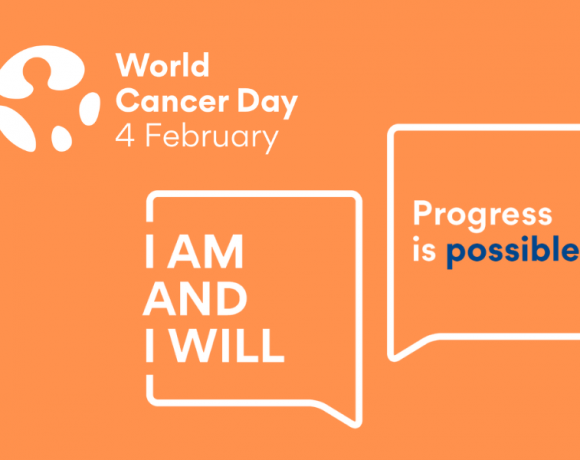
The theme for this year “I Am And I Will” is about the actions that would lead to progress in reducing the global impact of cancer.

So every action no matter big or small would make lasting positive change.

Sadly, the global COVID-19 pandemic has affected activities of most organisations involved in cancer control, treatment and management.

Despite this setback, however, the cancer community has continued to show resilience in providing services in terms of screening, diagnosis and treatment.

It is important therefore for government to continue to invest in the control of cancer as well as its management.

The National Health Insurance Scheme, NHIS, should be extended to cover all Nigerians.

Also, the cost of chemotherapy treatment which is on the high side should be reviewed.

There is need to train more specialists in the oncology field to increase access to care by cancer patients.

Furthermore, government should provide good diagnostic centres with increased capacity to reduce waiting period for treatment.

Pressure should be mounted by stakeholders on the producers of cancer drugs to manufacture them in Nigeria for easy accessibility.

Increased vaccination of girls against human papilloma virus, HPV, will also reduce the incidences of cervical cancer.

Individuals on their part should desist from lifestyle that could expose them to the risk of cancer, such as smoking, having multiple sexual partners, eating wrong diets, processed foods and use of oral contraceptives for a long period.

The theme, “I Can And I Will” is a clarion call for everyone to collectively reduce deaths from cancer.

Anthonia Akanji

News Analysis

In the past few days, a video of a former youth corps member, Towobola, who underwent a dehumanizing treatment from some policemen went viral on social media.

According to the video, she was said to have been arrested with a wanted armed robber and kidnapper in Ibadan, Oyo State.

The lady, Towobola, a twenty-five-year-old was handcuffed and interrogated about issues that were so private to her life.

In the video, Towobola was seen crying, begging and expressing her innocence to all the charges levelled against her.

This is indeed a show of shame and a clear act of impunity.

No doubt, this is just one of the many cases of assault on women in recent times in Nigeria.

Violence against women and girls is one of the most widespread, persistent and devastating human rights violations and it remains largely unreported due to the impunity, silence and stigma associated with it.

Impact of violence against women ranges from immediate to long-term multiple physical, sexual and mental consequences for women and girls, including death.

It negatively affects women’s general well-being and prevents women from fully participating in societal development.

Violence not only has negative consequences for women but also their families, the community and the country at large.

It has tremendous costs, from greater health care and legal expenses and losses in productivity, impacting national budgets and overall development.

Violence against women and girls not only devastates women’s lives and divide communities, but it also undermines development efforts and the building of strong democracies and just, peaceful societies.

Violence locks women and girls into poverty.

It limits women’s choices; their ability to access education, earn a living and participate in political and public life.

Poverty exposes them to further violence and lack of options.

Not enough is done to prevent violence, and when it does occur, it often goes unpunished.

As it is being done in developed countries, governments at both federal and state levels should come up with more policies that will protect women from the claws of men.

According to the World Health Organisation, W.H.O., men with low education are more likely to perpetrate violence.

Also, men with history of child maltreatment, exposure to domestic violence against their mothers, harmful use of alcohol, unequal gender norms including attitudes accepting of violence, and a sense of entitlement over women are said to be perpetrators of violence against women.

To this end, government and every stakeholder must rise up to the fight in ending violence against women in the society, which will make them have a sense of belonging in the society.

Olaolu Fawole

Yoruba

Àjọ eleto ìlera lagbaye, WHO s’ọpe àwọn owó ta ń ná nílè yíì leè mú ki atankale kokoro Coronavirus rugogo si. 

Nitori naa won pe fun iduna-dura èyítí kise atowodowo owó. 

Bakana wọ́n tún fìdí rẹ múlẹ̀ pé ó ṣe pàtàkì kí àṣà owó fifo lẹ́yìn dídi owó mú jẹ́ oun tí a gbodo mú lókunkúndùn. 

Nítorípé kòkòrò yí leè lè mọ nkan fún òpó ọjọ. 

Yẹmisi Dada/Kẹmi Ogunkọla