Health

By Ifeoma Nwovu

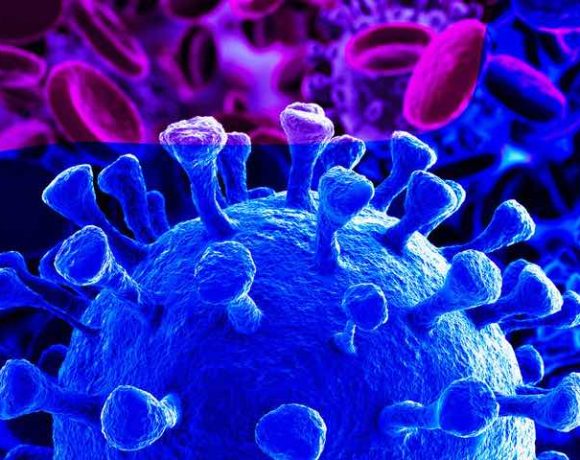
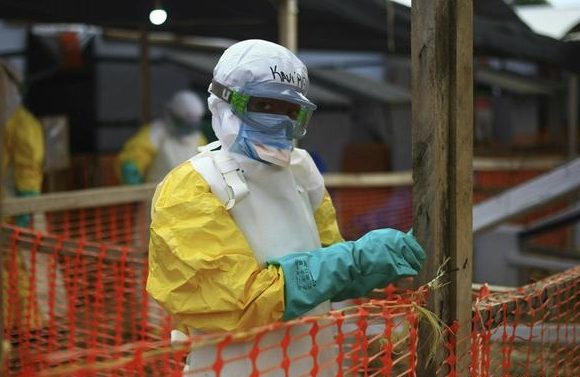
Ethiopia’s Ministry of Health has confirmed the country’s first outbreak of Marburg virus disease in the South Ethiopia Region.

The announcement followed laboratory tests that detected the virus in samples from a cluster of suspected viral haemorrhagic fever cases.

The World Health Organization (WHO) said genetic analysis from the Ethiopian Public Health Institute shows the virus strain matches those seen in earlier East African outbreaks.

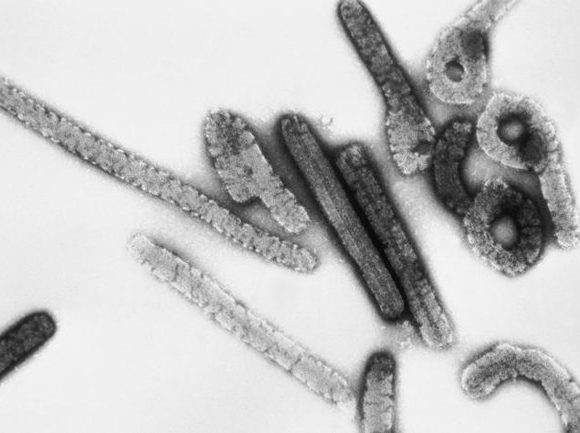
Marburg virus disease is a severe and often fatal illness spread through direct contact with infected bodily fluids or contaminated materials and it originates in fruit bats.

Early symptoms include high fever, intense headache, muscle pain and fatigue, with many patients developing severe bleeding within a week.

There are no licensed treatments or vaccines, though several are in clinical trials.

WHO noted that early supportive care, including oral or IV rehydration and symptom management, improves survival.

Previous cases in Africa have been recorded in Angola, the Democratic Republic of the Congo, Ghana, Kenya, Equatorial Guinea, Rwanda, South Africa, Tanzania and Uganda.

WHO reported nine identified cases in the current outbreak, which is centred in Jinka town.

Ethiopian health authorities have launched community screening, isolation and treatment of confirmed cases, contact tracing and public awareness campaigns.

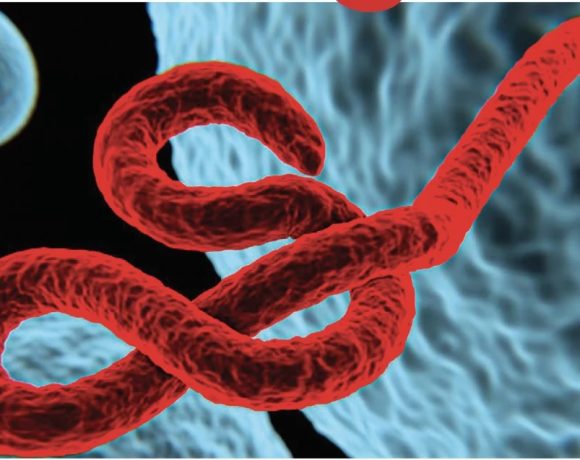
Marburg belongs to the same virus family as Ebola, making swift containment critical.

WHO and partners have deployed experts and supplied medical equipment to support Ethiopia’s response.

Follow us on Telegram and YouTube, and join our WhatsApp Update Group for more news updates.

Health

By Oluwatoyin Adegoke

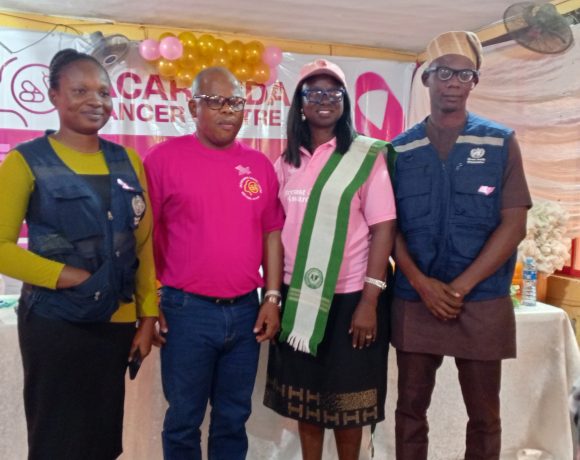
The World Health Organization, WHO, reaffirms its commitment to promoting breast cancer awareness and early detection across Nigeria, labeling the disease a pressing global public health challenge for women.

Speaking at a breast cancer awareness program in Abeokuta organized by a non-governmental organization, WHO Representative Dr. Goodness Ojo pledged the organization’s support for ongoing efforts to educate communities, encourage regular screening, and promote healthy lifestyles.

Dr. Ojo promised that the WHO would continue providing technical support and advocacy to sustain awareness campaigns.

In a lecture, President of the Medical Women’s Association of Nigeria (Ogun State Chapter), Dr. Adeola Ekundayo, emphasised the need to prioritise women’s health.

She noted that breast cancer remains a leading cause of maternal morbidity and mortality.

Dr. Ekundayo called for expanded community awareness, particularly among young people, to help them recognize risk factors and seek timely medical attention.

Also speaking, Secretary of the Association of Radiation and Clinical Oncologists of Nigeria (Ogun State Chapter), Dr. Bolaji Salako, stressed the necessity of continuous collaboration and support for patients and their families.

The Executive Director of the hosting non-governmental organization, Dr. Kehinde Ololade, advocated for the inclusion of comprehensive cancer care in Nigeria’s health insurance schemes.

Dr Ololade argued this would make treatment more affordable and accessible, noting that many patients still pay out of pocket.

Subscribe to our Telegram and YouTube Channels, and also join our WhatsApp Update Group.

Health

By Bukola Bardi

The Federal Government is set to implement the Maternal Mortality Reduction Innovation Initiative, MAMII, in five local government areas of Ondo State.

The Minister of Health, Professor Mohammed Ali-Pate, announced this in Akure at the opening of a five-day activation workshop for the MAMII project.

The programme is being implemented in 33 states of the federation, targeting 172 Local Government Areas, with Akure South, Ese Odo, Owo, Ondo West and Ifedore Council Areas benefiting in Ondo State.

Professor Ali-Pate restated the commitment of the federal government to the survival of mothers and children in the country.

Represented by the Director and Head of Child Health Division, Federal Ministry of Health, Dr Amina Mohammed, the minister commended Ondo State for demonstrating consistent leadership in maternal and child health innovations and expressed confidence that the activation of MAMII in the state would serve as a model of excellence for other states.

Governor Lucky Aiyedatiwa, while declaring the workshop open, appreciated the federal government for taking a bold step in ending maternal and newborn mortality in the country, saying Ondo State was ready for the implementation of the project in addition to the existing health policies of his administration.

Governor Aiyedatiwa, represented by his Special Adviser on Health, Professor Simidele Odimayo, expressed optimism that participants at the activation workshop would work out modalities for the smooth implementation of MAMII up to the community level in the bid to end maternal and newborn mortality in the state.

In a remark, the permanent secretary of Ondo State Ministry of Health, Dr Niran Ikuomola, hinted that the five local governments were selected based on their high mortality burden.

In their goodwill messages, representatives of the World Health Organisation, WHO, Dr Adebayo Ibrahim and that of the Clinton Health Access Initiative, Mr Olamide Ayedun, said their agencies had already keyed into the MAMII project with a pledge to support its implementation in reducing child and maternal death in Ondo State.

The Maternal Mortality Reduction Innovation Initiative, MAMII, was launched in November 2024 to further reduce maternal and child deaths in the country, and it is set for launch in Ondo State after the five-day activation workshop.

Subscribe to our Telegram and YouTube Channels, and also join our WhatsApp Update Group.

Health

By Fasilat Lawal 

The media has crucial role to play in ensuring that the public is well informed about the importance of vaccinating children. 

Oyo State Coordinator of World Health Organization, WHO, Dr Phillip Zorto stated this at the commemoration of this year’s African Vaccination Week held at Oranyan Primary Health Care Board Ibadan. 

Dr Zorto affirmed that adequate Sensitization on indispensability of vaccination is key to protecting children from any form of disease from childhood to Adulthood. 

Dr Zoro Emphasized that the African Vaccination Week is   celebrated on the continent  to create more awareness and educate people about the importance of vaccination as well as to  correct myths and misconception about it. 

In an address, the Executive Secretary, Oyo State Primary Health Care Board, Dr Muideen Olatunji who was represented by Director of Logistics, Mr Kehinde Olabode noted that introduction of vaccination to Africa Countries had drastically reduced cases of death among new born children before they attain the age of one, and called on parents to always present their children for vaccination to prevent childhood diseases, and to ensure they grow properly. 

He advised parents and guardians to properly keep their children Vaccination cards as they may need them in the future. 

Speaking on recent Measles Out break in the state, Dr Olatunji said the Agency had stepped up Surveillance team  to ensure Health Workers Visit every nooks and crannies of the state to attend to unvaccinated Children and  for other medical attention.

Earlier in an address of Welcome, Medical Officer Of Health, Ibadan South East  Local government, Dr Modupe Akinyemi who was represented by Mrs Tolulope Olusola_Jimoh appreciated Health Patners for their support in ensuring quality health care drive in the state.

In a good will message, a Deputy Director, National primary Healthcare Development Agency  Oyo State Office, Mr Paul Alasan and Representative of UNICEF in Oyo State, Mr Samuel Olatunji enjoined Mothers to properly position their children when  breastfeeding and ensure they practice six months exclusive breastfeeding to boost their immunity. 

High points of the event were songs session, practical way to properly breastfeed and administering of Vaccines to Children.

Subscribe to our Telegram and YouTube Channels and also join our Whatsapp Update Group

Health

By Mojisola Oladele 

The Speaker, Osun State House of Assembly, Prince Adewale Egbedun has called for continued collaboration and commitment to universal health coverage and the promotion of the fundamental human right to health. 

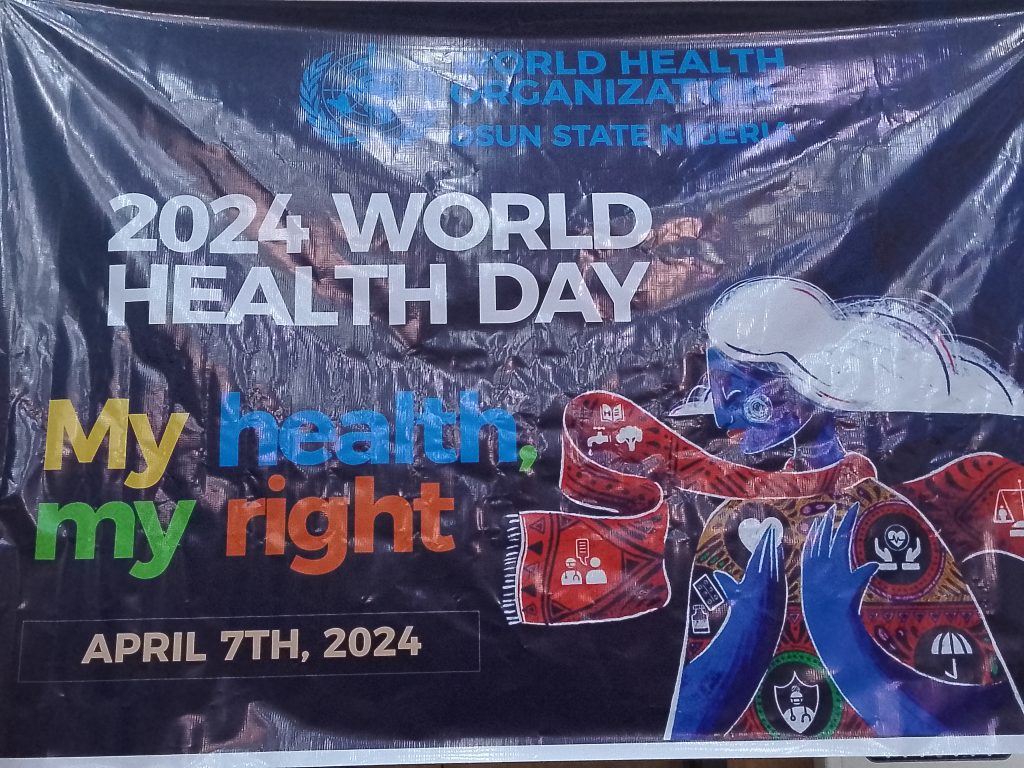
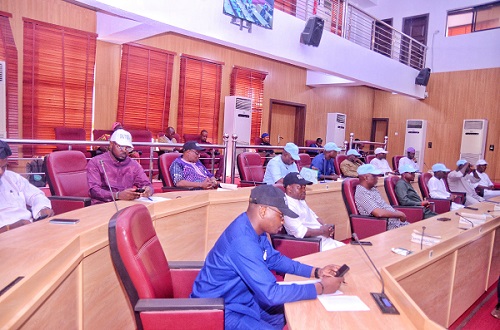
Prince Egbedun made the call while hosting the delegation of the World Health Organisation, WHO, at the Assembly Complex, as part of the programmes lined up to commemorate 2024 World Health Day in the State.

Prince Egbedun emphasized that The Osun State House of Assembly’s recent approval and passage of the Osun State Primary Health Care Development Board Law Amendment further demonstrates the state’s commitment to achieving the highest attainable level of health for all residents of Osun State and improving health outcomes.

Emphasizing the importance of accessible and quality healthcare, the Speaker recalled the state’s recent renovation of the Osun Assembly Clinic, despite financial constraints, the renovation was prioritized to uphold the fundamental right of assembly staff and members to good healthcare within the complex.

Speaking in line with this year’s theme: MY HEALTH MY RIGHT,  the State Coordinator, the World Health Organization, WHO, Doctor Oluwatoyin Ojediran said the theme was chosen to Champion the right of everyone everywhere to have access to Quality Health Service, Education and Information as well as safe drinking water, Clean Air, Good Nutrition, quality housing decent working and Environment Condition and freedom from discrimination.

Doctor Ojediran Urged the Speaker and other Legislators of the State House of Assembly to uphold the Abuja Declaration of 2001, which encourages governments to allocate at least 15% of their annual budget to improve the health sector. 

She urged the Legislators to personally and collectively commit more resources to the health system in their Constituencies and the State at large with a view to scaling up efforts to build and strengthen quality, people-oriented, sustainable and resilient health systems.

Also in a remark, The State Commissioner for Health, Mr. Jola Akintola explained that the remarkable achievements made in the health sector by Governor Ademola Adeleke are evident in the Imole Free Surgical and Medical Outreach held across the State for Residents.

Mr.Akintola Commended the 8th Assembly and appreciated the World Health Organization, WHO for thier support towards revamping the health sector of the State.

Highlights of the event included a medical check, deliberations on health issues and group photographs of the guest with members of the Osun State House of Assembly.

Subscribe to our Telegram and YouTube Channels and also join our Whatsapp Update Group

Foreign

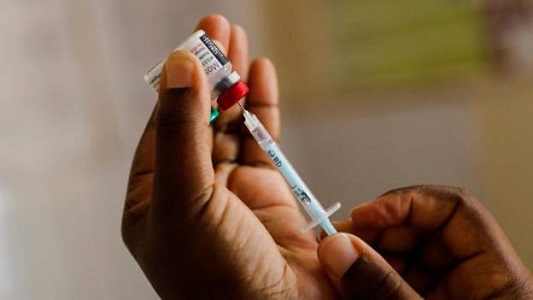
Cameroon is rolling out the world’s first routine vaccine programme against malaria, in a global fight projected to save thousands of children’s lives across Africa.

The World Health Organization (WHO)-approved RTS,S Vaccine, developed by British drugmaker GSK, is targeting infants in Cameroon’s 42 worst-affected districts.

The central African country will be the first country to administer doses through a routine immunisation programme, following successful pilot campaigns in Kenya, Ghana and Malawi.

The rollout, due to start on Monday, was described by health officials as a milestone in the decades-long effort to curb malaria in the continent.

Twenty other countries aim to roll out the programme this year, according to global vaccine alliance Gavi.

The four-dose vaccine is only about 30% effective and protection begins to fade after several months.

GSK said it can only produce about 15 million doses a year.

BBBC/Simeon Ugbodovon

Subscribe to our Telegram and YouTube Channels and also join our Whatsapp Update Group 

Health

The World Health Organisation, WHO, says plans are underway to deliver 1,800 vials of diphtheria antitoxin to Nigeria on August 2.

The WHO country representative, Dr Walter Mulombo, made this known at a joint press conference held in Abuja on diphtheria outbreak response organised by the National Primary Health Care Development Agency.

Mulombo said Nigeria will also receive erythromycin on or before two weeks, pending the government authorisation as the health commodities are essential for saving lives and reducing complications in affected patients.

Diphtheria antitoxin is a medication made up of antibodies used in the treatment of diphtheria. Erythromycin is a macrolide antibiotic that is used to treat various bacterial infections.

“These health commodities are essential for saving lives and reducing the sequelae in the affected patients, thus need to be prepositioned in Nigeria and ready to be deployed to the states in need,” Mulombo said.

Diphtheria is a serious bacterial infection caused by the Corynebacterium species that affects the nose, throat, and sometimes, the skin of an individual.

As of July 27, Nigeria had 836 diphtheria cases and 83 deaths from Cross River, Kano, Katsina, Kaduna, Lagos, Osun, Yobe, and the Federal Capital Territory.

From May 2022 to July 2023, an estimated 2,455 suspected cases have been reported in 26 states in the country.

Vanguard/Titilayo Kupoliyi

Subscribe to our Telegram and YouTube Channels also join our Whatsapp Update Group

Health

The World Health Organisation said on Friday that the Covid-19 pandemic was no longer considered a public health emergency of international concern.

The Director-General, WHO, Dr Tedros Ghebreyesus, announced this in Geneva, while also lifting the highest alert level that can be imposed in the event of a threat, which has been in place for more than three years.

This came after more than three years of declaring the outbreak to be a Public health emergency of international concern in January 2020, about six weeks before characterizing it as a pandemic.

WHO’s International Health Regulations Emergency Committee discussed the pandemic at its 15th meeting on Covid-19 and decided that the PHEIC declaration should come to an end.

The statement read in part, “The committee’s position has been evolving over the last several months. While acknowledging the remaining uncertainties posed by the potential evolution of SARS-CoV-2, they advised that it is time to transition to long-term management of the Covid-19 pandemic.

“The WHO DG concurs with the advice offered by the committee regarding the ongoing Covid-19 pandemic. He determines that Covid-19 is now an established and ongoing health issue that no longer constitutes a PHEIC.

“The WHO DG considered the advice provided by the committee regarding the proposed temporary recommendations and issued a statement. The WHO Director-General will convene an IHR Review Committee to advise on standing recommendations for the long-term management of the SARS-CoV-2 pandemic, taking into account the 2023-2025 COVID-19 Strategic Preparedness and Response Plan.”

It noted that during the transition, state parties were advised to continue following the issued temporary recommendations.

It quoted the DG as appreciating the members and the advisors of the committee for their engagement and advice during the last three years.

The global health body said while the global risk assessment remained high, there was evidence of reducing risks to human health driven mainly by high population-level immunity from infection, vaccination, or both; consistent virulence of currently circulating SARS-CoV-2 Omicron sub-lineages compared to previously circulating Omicron sub-lineages; and improved clinical case management.

It added, “These factors have contributed to a significant global decline in the weekly number of Covid-19 related deaths, hospitalisation and admissions to intensive care units since the beginning of the pandemic. While SARS-CoV-2 continues to evolve, the currently circulating variants do not appear to be associated with increased severity.

“WHO provided updates on the status of global vaccination and considerations of implications for the potential termination of a PHEIC. The committee was informed that, globally, 13.3 billion doses of Covid-19 vaccines have been administered.”

It noted that currently, 89 percent of health workers and 82 percent of adults over 60 years had completed the primary series (the initial one or two doses recommended as per the vaccine schedule), although coverage in priority groups varied in different regions.

It added that states would still be able to access vaccines and diagnostics, provided the manufacturers continue production.

It noted that COVAX would also continue to provide funded doses and delivery support throughout 2023 in line with demand.

Punch/Simeon Ugbodovon

Subscribe to our Telegram and YouTube Channels also join our Whatsapp

Health

A Chinese woman has become the first person to die from a type of bird flu that is rare in humans, according to the World Health Organization, WHO.

It, however, says the strain does not appear to spread between people.

The 56-year-old from the southern province of Guangdong was the third person known to have been infected with the H3N8 subtype of avian influenza, the WHO said in a statement late on Tuesday.

All of the cases have been in China, with the first two cases reported last year.

The Guangdong Provincial Centre for Disease Control and Prevention reported the third infection late last month but did not provide details of the woman’s death.

The patient had multiple underlying conditions, said the WHO, and a history of exposure to live poultry.

According to a recent ABC report, sporadic infections in people with bird flu are common in China where avian flu viruses constantly circulate in huge poultry and wild bird populations.

FRCN/Adetutu Adetule

Subscribe to our Telegram and YouTube Channels also join our Whatsapp Update Group

Foreign

The death toll from a strong earthquake in south-eastern Turkey, near Syria’s border, could rise eight-fold, the World Health Organisation has warned.

The toll, which currently stands at more than 3,400 people, has increased rapidly since the first earthquake struck early on Monday morning.

About 12 hours later, a second powerful tremor hit further north.

Rescuers have been combing through mountains of rubble in freezing and snowy conditions to find survivors.

Countries around the world are sending support to help the rescue efforts, including specialist teams, sniffer dogs and equipment.

The US Geological Survey said the 7.8 magnitude tremor struck at 04:17 local time (01:17 GMT) at a depth of 17.9km (11 miles) near the city of Gaziantep.

Seismologists said the first quake was one of the largest ever recorded in Turkey. Survivors said it took two minutes for the shaking to stop.

The second quake – triggered by the first – had a magnitude of 7.5, and its epicentre was in the Elbistan district of Kahramanmaras province.

Many aftershocks are still being felt across the region.

The number of dead and injured from both Turkey and Syria has increased rapidly throughout Monday.

WHO has warned that those numbers are likely to increase as much as eight times, as rescuers find more victims in the rubble.

“We always see the same thing with earthquakes, unfortunately, which is that the initial reports of the numbers of people who have died or who have been injured will increase quite significantly in the week that follows,” the WHO’s senior emergency officer for Europe, Catherine Smallwood, told AFP.

Ms Smallwood added that the snowy conditions will leave many people without shelter, adding to the dangers.

BBC / Titilayo Kupoliyi

Subscribe to our Telegram and YouTube Channels also join our Whatsapp Update Group

Health

By Oluwaseyi Ajibade/Adetutu Adetule

World Health Organisation, WHO has raised alarm following the death of some 300 children in three countries after consuming contaminated cough syrups.

In a statement, WHO warned all countries to be “on the alert” and prevent the spread of the killer cough syrups into their countries.

According to the statement, the affected children are below the age of five.

“Over the past four months, countries have reported several incidents of over-the-counter cough syrups for children with confirmed or suspected contamination with high levels of diethylene glycol (DEG) and ethylene glycol (EG).

“The cases are from at least seven countries, associated with more than 300 fatalities in three of these countries. Most are young children under the age of five. These contaminants are toxic chemicals used as industrial solvents and antifreeze agents that can be fatal even taken in small amounts, and should never be found in medicines,” the WHO statement said.

The outbreak is predominantly in The Gambia, Indonesia, and Uzbekistan, it said.

According to the statement, WHO demands that member countries urgently detect and remove the contaminated medicines from circulation in the markets, and increase surveillance and diligence within the supply chains of countries and regions likely to be affected.

It called for “immediate notification” to WHO “if these substandard products are discovered” in-country; otherwise, inform the public of the dangers and toxic effects of the substandard medicines at issue.

The statement also enjoined key stakeholders engaged in the medical supply chain to take immediate and coordinated action”.

Subscribe to our Telegram and YouTube Channels also join our Whatsapp Update Group

Foreign

Uganda has declared the end of the Ebola disease outbreak caused by Sudan ebolavirus, less than four months after the first case was confirmed in the country’s central Mubende district on 20 September 2022.

Uganda’s Minister of Health. Dr Jane Ruth Aceng Ocero, said, “Uganda put a swift end to the Ebola outbreak by ramping up key control measures such as surveillance, contact tracing and infection, prevention and control.


“While we expanded our efforts to put a strong response in place across the nine affected districts, the magic bullet has been our communities who understood the importance of doing what was needed to end the outbreak, and took action.”

It was the country’s first Sudan ebolavirus outbreak in a decade and its fifth overall for this kind of Ebola. In total there were 164 cases (142 confirmed and 22 probable), 55 confirmed deaths and 87 recovered patients. More than 4000 people who came in contact with confirmed cases were followed up and their health monitored for 21 days.

Overall, the case-fatality ratio was 47 percent. The last patient was released from care on 30 November when the 42-day countdown to the end of the outbreak began.


Director-General of the World Health Organization (WHO). Dr Tedros Adhanom Ghebreyesus, said, “ Uganda has shown that Ebola can be defeated when the whole system works together, from having an alert system in place, to finding and caring for people affected and their contacts, to gaining the full participation of affected communities in the response.

“Lessons learned and the systems put in place for this outbreak will protect Ugandans and others in the years ahead.”


The   WHO Regional Director for Africa, Dr Matshidiso Moeti, said, “With no vaccines and therapeutics, this was one of the most challenging Ebola outbreaks in the past five years, but Uganda stayed the course and continuously fine-tuned its response.

“Two months ago, it looked as if Ebola would cast a dark shadow over the country well into 2023, as the outbreak reached major cities such as Kampala and Jinja, but this win starts off the year on a note of great hope for Africa.”


Soon after Uganda declared the Sudan ebolavirus outbreak, WHO, worked with a large range of partners, including vaccine developers, researchers, donors and the Ugandan health authorities to identify candidate therapeutics and vaccines for inclusion in trials.

Three candidate vaccines were identified and over 5000 doses of these arrived in the country with the first batch on 8 December and the last two on 17 December. The speed of this collaboration marks a milestone in the global capacity to respond to rapidly evolving outbreaks and prevent them from becoming larger.


“While these candidate vaccines were not used during this outbreak, they remain the contribution of Uganda and partners to the fight against Ebola. The next time the Sudan ebolavirus strikes we can reignite the robust cooperation between developers, donors and health authorities and dispatch the candidate vaccines,” said Dr Yonas Tegegn Woldemariam, WHO Representative in Uganda.

Although the outbreak in Uganda has been declared over, health authorities are maintaining surveillance and are ready to respond quickly to any flare-ups. A follow-up programme has been put in place to support survivors. Neighbouring countries remain on alert and are encouraged to continue strengthening their capacities to detect and respond to infectious disease outbreaks.

Punch / Titilayo Kupoliyi

Subscribe to our Telegram and YouTube Channels also join our Whatsapp Update Group

Health

The World Health Organisation says COVID-19 vaccination coverage has stagnated in half of the African countries.

WHO said the number of doses administered monthly in Africa declined by over 50 percent between July and September.

It, however, noted that while Africa is far from reaching the year-end global target of vaccinating 70 percent of the population, some progress has been made in vaccinating high-risk population groups.

“The WHO analysis shows that the percentage of people with complete primary vaccination series (one dose for Johnson and Johnson and two doses for other vaccines) has barely budged in 27 out of 54 African countries in the past two months (17 August – 16 October 2022). In addition, in September, 23 million doses were given, 18% less than the number registered in August, and 51% less than the 47 million doses administered in July,” the statement reads.
“The number of doses provided last month is also about a one-third of the peak of the 63 million doses reached in February 2022. Overall, as of 16 October 2022, just 24% of the continent’s population had completed their primary vaccination series compared with the coverage of 64% at the global level.

“However, there are signs of improvement this month, with 22 million doses given as of 16 October 2022, representing 95% of the total administered in September. Liberia has now joined Mauritius and Seychelles as one of three countries to surpass 70% of people with full vaccination coverage. Rwanda is on the verge of achieving this milestone as well.

“Other small signs of progress are that the number of countries with less than 10% of people completing their primary series has dropped from 26 in December 2021 to five now. Despite these achievements, at the current pace of vaccination, Africa is expected to meet the global target of 70% of people with complete primary vaccination series by April 2025.”

Matshidiso Moeti, WHO regional director for Africa, said although the end of the pandemic is within sight, as long as Africa lags behind the rest of the world in vaccination, the virus can bounce back.

“I urge countries to make our goal of reaching every district a reality by improving preparations for vaccination campaigns,” she said.

According to the National Primary Health Care Development Agency (NPHCDA), 46,064,306 people representing 41.2 percent of eligible individuals in Nigeria have been fully vaccinated.

Culled/ Titilayo Kupoliyi

Subscribe to our Telegram Channel and join our Whatsapp Update Group

Health

Uganda has confirmed an outbreak of Ebola Virus Disease, EVD, in Mubende District, Uganda.

The confirmed case is a 24-year-old male a resident of Ngabano village of Madudu Sub County in Mubende District presented with EVD symptoms and later succumbed.

Permanent Secretary, Ministry of Health Minister, Dr Diana Atwine told journalists that the victim had exhibited symptoms before succumbing to the disease.

The clinical team took off samples for testing at UVRI.

Results confirmed that the patient was positive for the Ebola-Sudan strain.

The case of the relatively rare Sudan strain was confirmed by the Uganda Virus Research Institute, according to the World Health Organization, WHO.

It says eight people with suspected symptoms are receiving medical care, and that it is sending staff to the affected area.

WHO Regional Director for Africa, Dr Matshidiso Moeti said action has been taken too quickly to detect the virus and halt the spread of infections.

FRCN Abuja/Adetutu Adetule

Subscribe to our Telegram Channel and join our Whatsapp Update Group

Health

Ghana has declared the end of a Marburg virus disease outbreak that was confirmed nearly two months ago and caused two deaths, the World Health Organisation said on Friday.

The health ministry made the announcement after no new cases of the Ebola-like disease were reported over the previous 42 days, the WHO said in a statement.

No vaccine treatment exists for Marburg, which is almost as deadly as Ebola. Symptoms included high fever as well as internal and external bleeding.

“In total three confirmed cases, including two deaths, were recorded in the outbreak declared on 7 July 2022 after laboratory confirmation of the virus,” the WHO said.

Ghana’s cases were the first detected in West Africa.

There have been previous outbreaks and sporadic cases in other parts of Africa like Angola, DR Congo, Guinea, Kenya, South Africa and Uganda.

 “Any outbreak of Marburg is a major concern,” said WHO Regional Director for Africa, Dr Matshidiso Moeti.

“Despite having no previous experience with the disease, Ghana’s response has been rapid and robust.”

The WHO said it was working with Ghana’s health authorities to maintain surveillance, improve detection of the virus and better prepare for a potential resurgence.

The viral illness hits sufferers suddenly, triggering a high fever and severe headaches and patients can develop unstoppable bleeding within days.

Punch/ Oluwayemisi Owonikoko

Subscribe to our Telegram channel

Health

Journalists have been admonished to ensure their health reports are validated by experts before publishing

Oyo State Coordinator, World Health Organisation,WHO, Dr Phillips Zorto gave the admonition in Ibadan in a remark at a day capacity building for journalists in the state organised by WHO in partnership with the State Ministry of Health and the Nigeria Association of Women Journalists, NAWOJ, Oyo state chapter.

Dr Zorto explained that it was only when such reports were validated that a journalist could be sure of passing the right information to the public.

He noted that media personnel should be able to set the agenda on health reportage instead of creating panic for members of the public.

“Media have so much power that is the reason why I want to believe that Oyo State Government through the State Ministry of Health organised this training so that you can go and spread this information not only at the State capital but be disseminated at every nooks and crannies of Oyo state so that people can the magnitude of the problem we have at hand…”

Presenting the health situation report on epidemic diseases, the Oyo State Disease Notification Officer, Mrs Titilope Akinleye said that over eighty-five thousand samples were collected for COVID -19 testing, ten thousand, three hundred and eighteen were confirmed, ten thousand and sixty recovered while two hundred and two deaths were recorded.

In a lecture entitled,” The Role of Media in Diseases Emergencies, the Oyo State Chairperson of NAWOJ, Mrs Jadesola Ajibola hinted that reports must not be written to scare the public but to give accurate information.

Earlier, in a welcome address, Oyo State Director of Public Health, Dr Olubunmi Ayinde said the capacity training was an opportunity to enlighten journalists about epidemiology diseases in order to educate members of the public.

Other speakers who spoke on Monkey pox, Lassa fever, Yellow Fever, Meningitis and Neo-Natal Tetanus all appealed to the public not to overlook any sign but report such at the nearest hospital.

Morenike Tony-Esan.

Subscribe to our Telegram channel

Health

A World Health Organization, WHO, an official announced that a youngster who had the highly contagious Marburg virus, which is similar to the Ebola virus, had passed away in Ghana.

Since Ghana reported it’s the first-ever outbreak of the disease last month, there have been three fatalities in the nation as a whole, Reuters reports.

The outbreak is only the second in West Africa. The first ever case of the virus in the region was detected last year in Guinea.

FRCN Abuja/Adetutu Adetule

Subscribe to ourTelegram channel

Foreign

Ghana has confirmed its first two cases of the deadly Marburg virus, a highly infectious disease in the same family as the virus that causes Ebola.

It says both patients died recently in a hospital in the southern Ashanti region.

Their samples came back positive earlier this month and have now been verified by a laboratory in Senegal.

Health officials in the West African nation say 98 people are now under quarantine as suspected contact cases.

The World Health Organization, WHO, which is supporting the country’s health authorities, has praised Ghana’s swift response.

“This is good because, without immediate and decisive action, Marburg can easily get out of hand,” said Dr Matshidiso Moeti, the WHO’s Africa director.

No treatment yet exists for Marburg – but doctors say drinking plenty of water and treating specific symptoms improves a patient’s chances of survival.

The virus is transmitted to people from fruit bats and spreads between humans through the transmission of bodily fluids.

It is a severe, often fatal illness with symptoms including headache, fever, muscle pains, vomiting blood and bleeding.

Officials are warning people to keep away from caves and to thoroughly cook all meat products before consuming them.

This is the second time that Marburg has been identified in West Africa following one confirmed case in Guinea last year, but that outbreak was declared over in September, five weeks after the case was identified.

The first ever Marburg outbreak was in Germany in 1967 where seven people died.

The virus killed more than 200 people in Angola in 2005, the deadliest outbreak on record according to the global health body.

BBC/Maxwell Oyekunle

Foreign

The World Health Organization, WHO, says Monkeypox can be contained in countries outside of Africa where the virus is not usually detected.

More than 100 cases of the virus – which causes a rash and a fever – have been confirmed in Europe, the Americas and Australia.

That number is expected to rise still, but experts say the overall risk to the broader population is very low.

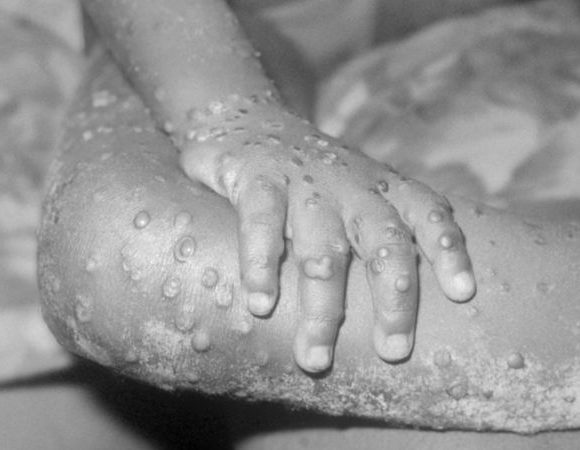
Monkeypox symptoms include a high temperature, aches, and a rash of raised spots that later turn into blisters.

The virus is most common in remote parts of Central and West Africa.

“This is a containable situation,” the WHO’s emerging disease lead Maria Van Kerkhove said at a news conference on Monday.

“We want to stop human-to-human transmission. We can do this in the non-endemic countries,” she added – referring to recent cases in Europe and North America.

The virus has now been detected in 16 countries outside Africa.

Despite being the largest outbreak outside of Africa in 50 years, monkeypox does not spread easily between people and experts say the threat is not comparable to the coronavirus pandemic.

“Transmission is really happening from skin-to-skin contact, most of the people who have been identified have more of a mild disease,” Ms Van Kerkhove said.

Another WHO official added that there was no evidence the monkeypox virus had mutated, following earlier speculation over the cause of the current outbreak.

Viruses in this group “tend not to mutate and they tend to be fairly stable”, said Rosamund Lewis, who heads the WHO’s smallpox secretariat.

Meanwhile, The Nigeria Centre for Disease Control, NCDC, has said there are no specific treatments available for the monkeypox infection.

The centre also urged Nigerians to take certain measures to prevent contracting the disease.

However, the Minister of State for Health, Dr Olorunnimbe Mamora, has allayed the fears of Nigerians, saying the NCDC is doing everything possible to mitigate the spread of the disease.


BBC /Taiwo Akinola

Health

Oyo State government has called on residents of the state to remain calm over the reported cases of Lassa Fever in Iwajowa Local Government Area of the state.

The Commissioner for Health, Dr. Bode Ladipo, made this known in a statement issued by the ministry and made available to newsmen in Ibadan.

The statement read in part: “The attention of the Ministry was drawn to reported cases of deaths at Iwajowa Local Government Area of Oyo State on Wednesday, 12th January, 2022. The deaths were said to have been associated with fever, gastrointestinal symptoms and some neck swelling.

“This warranted a high-level investigating team led by the Honourable Commissioner for Health to visit the LGA on Thursday, 13th January, 2022 to assess the situation and provide necessary support to abate any further transmission of the illness.

“The team comprised of senior officials of the Ministry, the State Primary Healthcare Board and the World Health Organization (WHO)

“An initial visit to the State General Hospital at Iwere lle revealed the fact that there was an increase in number of cases brought from the Gaa Agbaruru settlement with confirmation of two (2) deaths at the facility. The team was then led to Gaa Agbaruru, a Fulani settlement in Iwere ward of the LGA where victims of the illness came from.

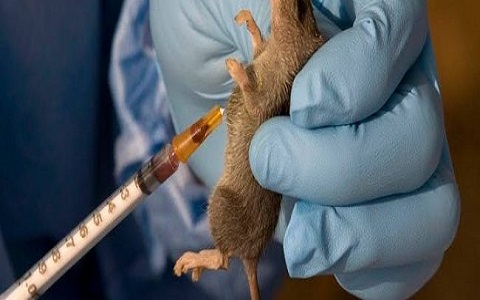
“It was observed that there were cases with symptoms mentioned above but were recuperating. It was also confirmed that there was indeed high degree of contact between the inhabitants, rodents and bats. In addition, the challenge of having potable water was noted.

“Blood samples were taken from the recuperating individuals with sample of water also taken. These samples were sent to the National Reference Laboratory for Haemorrhagic Fever in Abuja for analysis and confirmation”.

Dr Ladipo noted that the state government was doing everything possible to check further spread of the virus.

He said, government had already set up surveillance system across Local governments in the state to abate further transmission of the virus.

According to the commissioner, the Ministry of Health has repositioned doses of antiviral agents for treatment of the reported cases, while personal protective devices have been provided for health workers at Iwere Ile and Iganna.

Dr Ladipo therefore, enjoined the general public to refer similar cases to the nearest government hospitals for free and quality care.

He advised them to also call the following numbers: 09058704101,08025245800 and 08073431342 for prompt medical attention.

Iyabo Adebisi

Health

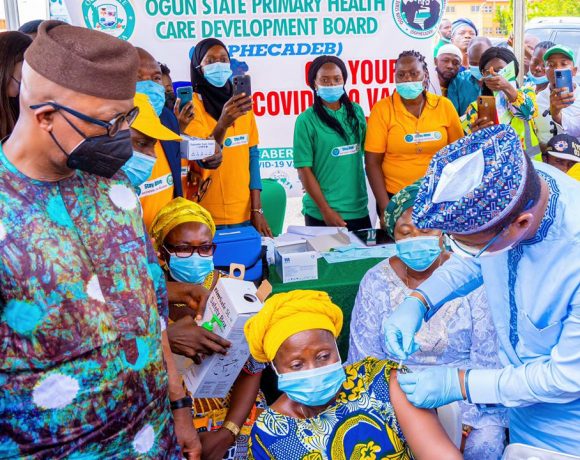
The Ogun State Government has issued a sixty-day ultimatum to residents to be vaccinated against Covid-19 or be prevented from enjoying essential public services or engaging in any form of business transactions.

Governor Dapo Abiodun who disclosed this in Abeokuta, at the official flag-off of the state’s mass Covid-19 Vaccination campaign, targeting 2 million people across the state, said unvaccinated individuals would not be allowed to be allowed entry into schools, markets, motor parks and other public facilities at the expiration of the ultimatum. 

Governor Dapo Abiodun at the flag-off of the mass vaccination exercise in Abeokuta

Governor Abiodun said the mass vaccination, to be carried out in all primary, secondary, tertiary and selected private health institutions across the state, would provide the opportunity for another forty per cent of the state’s population to be captured, especially at the grassroots level.

In a remark, the Executive Director, National Primary Health Care Development Agency, NPHCDA, Doctor Faisal Shuaib identified Ogun State as one of the foremost states in the utilisation of the vaccine and solicited the cooperation of the people towards flattening the curve of the Covid-19 pandemic. 

Also, the Representative of the World Health Organization, WHO, in the state, Doctor Dele David and the General Manager, Nigeria Solidarity Support Fund, NSSF, Doctor Chinneye Nwoko, promised their continued support towards ensuring the success of the mass vaccination exercise. 

Earlier, the Commissioner for Health, Doctor Tomi Coker who said about one hundred and fifty thousand people had been fully vaccinated while over three hundred thousand others had received the first jab in the state, explained that the campaign was part of efforts to reduce the spread of the virus ahead of the festive season.

Modupeola Sobukonla

News Yoruba

Ajo eleto ilera lagbaye, WHO ti ni ona ti Orile Ede Naijiria ngba bojuto ajakale arun Covid 19 o wa nipo kerin agbaye.

 Asooju ajo who nile yi, Ogbeni Walter Mulombo lo soro yi nibi eto kan to waye bi won se tewo gba abere ajesara Covid 19.

Johnson and Johnson to to egberun lona metadinlogosan o le niye to waye nilu abuja.

O ni ona ti  orile eded yi ngba bojuto arun covid 19 ni o je okan lara awon onato jafafa julo lagbaye.

Gege bi ogbeni Mulombo se so ajo who ti gboriyin fun  ile yi lopo igba laiyo igbimo amuseya ijona apapo ile  ise ijoba  apapo foro ilera ati ajo to mbojuto ile iwosan alaabode sile fun aseyori won lori fifun awon eniyan labere ajesara Covid 19 ni ipele akoko se.

 Ni ti e, asoju ajo UNICEF, Peter Hawkins ro awon asaju esin ato awon lobaloba lati se koriya fawon eeyan lati gba abere ajesara Johnson and Johnson.

Oluwayemisi Owonikoko

News

Globally, road traffic injuries is the leading cause of death among young people between the ages of fifteen and twenty years and among the top three causes of mortality among people between the ages of fifteen and forty-four years.

According to the World Health Organisation, W.H.O, African Region had the highest rate of fatalities from automobile injuries worldwide at over twenty-six per one hundred thousand population.

In Nigeria, injuries and deaths resulting from highway accident is on the rise and is the country’s third-leading cause of overall deaths, the leading cause of trauma-related deaths and the most common cause of disability.

Recently, the Minister Of Health, Dr Osagie Ehanire, said over thirty five thousand people lose their lives annually to accidents due to lack of emergency medical services in the country.

Majority of these deaths can be avoided if physical access is provided, when there is primary health centre, a transport and first aid system and financial support are put in place to reduce deaths from accidents.

The situation is challenging as a result of poor traffic infrastructure, poor road design, poor enforcement of traffic rules and regulations, a rapidly growing population and increase in the number of people driving vehicles.

Survivors often endure a diminishing quality of life from deformities and disabilities, post traumatic stress and loss of personal income, in a country not well known for exceptional rehabilitation services.

According to the W.H.O, about 80 billion naira is lost to road accidents annually in the country and this economic cost includes the cost of property and public amenity damaged, the cost of medical treatment, and the cost of productivity. 

With the increasing burden of road traffic accidents on the world economy, the UN General Assembly in 2010 adopted a resolution which proclaimed a decade of action for road safety with the aim of stabilizing and reducing the increasing trend in road traffic fatalities, saving an estimated 5 million lives and guide countries to take concrete national level actions to achieve this goal.

It is in line with this that the Nigerian Minister of Health, said the federal government is coming up with the National Emergency Medical Service System in collaboration with private medical practitioners and the governments of the twenty-four states where the Nigerian Communications Commission, NCC’s, 112 emergency call line was already in operation to render ambulance services and save lives.

Dr. Ehanire said the other states would join when the NCC call line had been installed in their areas, adding that, the pilot scheme would be launched in Abuja very soon.

It is pertinent for government at all levels to ensure that emergency call line is installed in all the states to reduce fatalities from road accidents while the necessary stakeholders should be equipped with modern first aid facilities to help save more lives in emergency cases.

Titilayo Kupoliyi

News Analysis

Tuberculosis, TB, is a contagious infection that usually attacks lungs and also spreads to other parts of the body, like brain and spine.


It is a type of bacteria called mycobacterium.


Due to the nature of the disease, every 24th of March is commemorated as the World Tuberculosis Day.


It is a day set aside to raise public awareness about the devastating health, social and economic consequences of tuberculosis, and to step up efforts to end the global tuberculosis epidemic.


The date marks the day in 1882 when Dr. Robert Koch announced that he had discovered the bacterium that causes tuberculosis, which opened the way towards diagnosing and curing the disease.


The day was created by the World Health Organization, WHO, to spread knowledge and awareness of tuberculosis, an infectious disease that kills millions every year.


Tuberculosis is easily curable, but it can lie dormant and undetected for years.


Recently, according to the Coordinator, National Tuberculosis and Leprosy Control Programme, Dr. Chukwuma Anyaike Nigeria has been ranked number one in Africa and sixth in the world on the Tuberculosis Mobility Index.


He explained that Nigeria accounts for 11% of the global gap between TB incidences and notified cases.


Dr. Chukwuma noted that out of 440,000 estimated new TB cases in Nigeria in 2019, only 120,266 were reported to the National Tuberculosis and Leprosy Control Programme with 27% treatment coverage.


It is estimated that close to three million people with TB are not diagnosed or reported annually around the world.


The Covid-19 pandemic is in its second year and is unfortunately taking increasing medical resources and attention away from providing necessary life-saving diagnosis, medicine and care to people suffering from tuberculosis (TB).


The Covid-19 pandemic has shown that people with TB are among the most marginalized and vulnerable, facing barriers in accessing care.


This is alarming as every single day 4,000 people die and 27,000 people get sick with TB.


TB remains the biggest infectious killer disease that really needs attention.


However, Nigeria has a lot to do as it has less than two years left to fulfill W.H.O’s promises and take action on the commitments made at the United Nations High-Level Meeting (UNHLM) on TB in 2018.
Despite the high rate of TB in some countries the W.H.O. through its global interventions has saved 63 million lives from the scourge.


The theme for this year’s TB day – “The clock is ticking” – conveys the sense that the world is running out of time to act on the commitments to end TB made by global leaders.


As W.H.O. is calling for action on several fronts to ensure that the commitments made to end TB are achieved, Nigeria needs to borrow a leave from developed countries that had won the battle.


To curtail the spread of tuberculosis in Nigeria, there is need for innovative approaches to TB, detecting new cases, arresting them through treatment and avoiding stigmatization as a strategy.


Also government, NGOs, health workers and other stakeholders must join the efforts of changing Nigeria’s negative record and fighting the menace before 2022.


It is imperative for Nigeria to follow W.H.O. new guidelines on TB systematic screening along with an accompanying operational guide.


Nigerians should not take TB for granted as it is deadly and has no respect for any person whether rich or poor though there is hope if people do the right thing to arrest the menace in the country.


Ending TB, requires concerted action by all sectors to provide the right services, support and enabling safe environment in the right place, at the right time.


Above all, everyone has a role to play in ending TB, do your part!


Olukemi Akintunde

News Analysis

The reopening of schools amidst the second wave of COVID-19 has been generating hiccups as the House of Representatives and some stakeholders faulted the decision, citing a surge in the cases.

The House said the reopening would pose a threat to the fight against the second wave of COVID-19.

It therefore advised the federal government to close all schools in the country for three months, a proposal the federal government did not adopt.

Earlier, the Presidential Task Force On COVID-19’s chairman and Secretary to the Government of the Federatio, Mr Boss Mustapha said following the outbreak of COVID-19 second wave all schools in the country would remain shut till January 18, a day the federal government kept faith with.

No doubt, the outbreak of COVID-19 altered the school calendar and staggered resumption of students nationwide.

As another school calendar year begins, the World Health Organisation, W.H.O had issued new guidelines on the safe reopening of schools amidst second wave of COVID-19 in respect to the protection of nearly 1.3 billion students worldwide.

These include reduction of pupils in classes and fumigation of learning environment.

Similarly, the Nigeria Centre for Diseases Control, NCDC, said some guidelines had been issued to schools to ensure the safety of the children and curtail the spread of the virus.

To complement these measures, schools management should ensure that conditions which reduce disease transmission and promote healthy behavior among the pupils are established.

Soap and water for hand-washing should also be made available while social distancing is maintained.

Regular inspection of schools is necessary to ensure that all COVID-19 instructions and guidelines are complied with.

Schools authorities must be made to inculcate COVID-19 safety protocols such as hand hygiene and respiratory etiquette, physical distancing, use of masks in the school environmental, cleaning, ventilation and respecting procedures.

Olubunmi Agboola