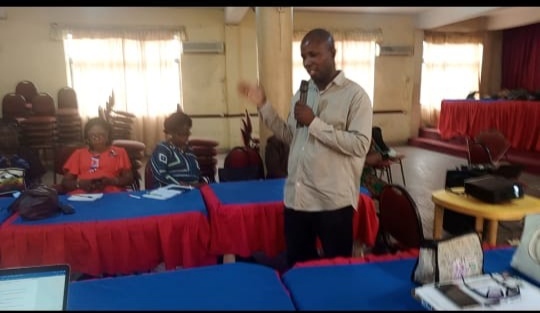
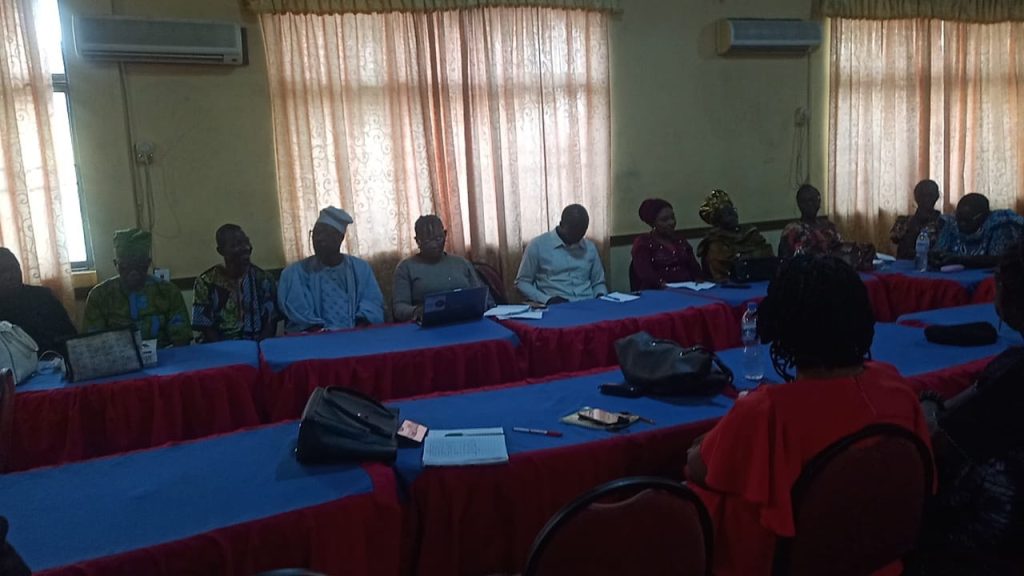
The Nigeria Centre for Disease Control and Prevention(NCDC) has tasked media organizations on accurate reportage of epidemics to combat public health challenges in Nigeria effectively.
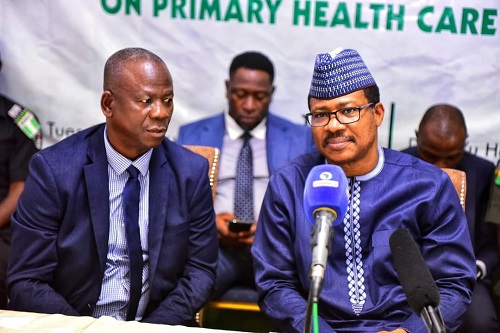
The Director General of NCDC, Dr. Ifedayo Adetifa, in his speech at the Media EIS Epidemiology, Infodemiology and Social Behaviour Change Programme Press Conference in Abuja, emphasized that the media played a vital role in disseminating information to every corner of the country, whether through traditional or social media otherwise known as new media.
Speaking further, Adetifa described the danger of the “infodemic” as an excessive amount of incorrect information that spreads rapidly, particularly through social media.
Adetifa, therefore, urged journalists to recognize the potential consequences of their headlines and stories, stressing that inaccurate information can directly result in citizens suffering or even losing their lives.
He cited past incidents where misinformation led to severe health consequences, such as individuals resorting to salt baths to cure Ebola, which only exacerbated the situation.
He also highlighted the importance of independent research and homework for journalists reporting on public health events.
While addressing the media’s focus on diphtheria, he directed attention to the NCDC’s website, which provides the most up-to-date information on the situation.
He revealed that over 70% of the reported cases occur in children aged two to 14 years, while more than 82% of the confirmed cases are among the unvaccinated. These statistics underscore the critical need for increased vaccination coverage to protect the vulnerable population.
Drawing attention to the consequences of historical gaps in vaccination coverage, Dr. Adetifa stressed that children who missed their vaccinations in the past are now bearing the brunt of the ongoing outbreak.
He explained that if individuals receive the recommended three doses of the pentavalent vaccine, which includes anti-diphtheria toxin, at 6, 10, and 14 weeks of age, they are protected against diphtheria. However, due to past failures in vaccination efforts, the current outbreak is affecting not only children but also older age groups.
“To address the alarming situation, the NCDC, in collaboration with the National Primary Health Care Development Agency(NPHCDA), initiated a vaccination campaign in the hot spots of the outbreak, starting in Abuja.
“The campaign includes a diphtheria antitoxin containing vaccine and targets older age groups.”
The DG, therefore, urged parents to take advantage of these campaigns and ensure that their children receive the necessary vaccinations.
“Catching up on missed vaccinations is the only way to halt the current outbreak and prevent future diphtheria outbreaks.”
Also, the Deputy Director of Risk Assessment and Communication of the Federal Ministry of Agriculture and Rural Development, Dr. Dupe Hambolu, emphasized the pivotal role journalist play in disseminating vital information to the public.
“The Media EIS Program aims to equip media professionals with the necessary knowledge and skills to effectively report on disease outbreaks and public health interventions.”
“By doing so, the program hopes to prevent negative reporting and encourage accurate, informative journalism that supports public health efforts.”
“Under this program, journalists will receive comprehensive training in a wide range of areas, including health capacity building, genetics, epidemiology, risk communication, and social behavior management.
Hambolu also explained the importance of investigative reporting and data confirmation, which will empower journalists to produce compelling disease outbreak stories and contribute to the development of a robust health database.
The Deputy Director expressed her confidence in the Media EIS Program’s ability to enhance emergency preparedness and response.
“By bridging the gap between scientific knowledge and effective communication, journalists will be better equipped to inform the public about health-related events and prevention measures.
In a Speech, Dr Olayinka Umar-Farouk, representative of BA-Nigeria, said COVID-19 pandemic, like many health events before it, has revealed the importance of promoting strong and healthy information ecosystems to improve health literacy.
Umar-Farouk, therefore, said bridging the gap between public health officials and the media will contribute to combating outbreaks and ultimately save more lives.
Following the renewed outbreak of Diphtheria infections in some parts of Osun State, Governor Ademola Adeleke has ordered the immediate activation of the State Emergency Response Centre to curb any further spread, launch contact tracing and treat the infected residents.
A statement by Governor’s Spokesperson, Mallam Olawale Rasheed indicates that the Governor gave the directive after a situation report from the state Ministry of Health on the outbreak which has claimed one life at Osogbo with other suspected cases under testing.
The Governor also directed emergency treatment of the infected noting that the National Centre for Disease Control have been contacted for exchange of information and technical support.
He assured the people of proactive steps being taken to nip in the bud any widespread escalation of the outbreak advising them to immunize their children and wards.
The Ministry of health had earlier briefed the Governor on the recent resurgence of diphtheria in the state, informing him that a suspected Diphtheria patient aged 6 years was said to have developed the sign and symptoms on the 25th of June, 2023 and died of the infection on July 7th.
According to the Ministry, detailed case investigation, contact tracing, line-listing, follow up and Active Case Search in the community of the index case and retroactive case search at the Health facilities within the community are ongoing.
The Ministry further advised members of the public to ensure the children and wards are fully vaccinated, avoid crowded environments, consult doctors in case of symptoms and eat more fruits and vegetables.
Osun State governor, Senator Ademola Adeleke has enjoined the state residents to give maximum cooperation to the mosquito net distribution team in their various localities in order to keep malaria fever in Osun on a continued decline.
Governor Adeleke gave the admonition while playing host to the federal ministry of health representatives and other stakeholders like society for family health, national malaria elimination programme and catholic relief service and others.
According to the governor, who was represented by the deputy governor, Prince Kola Adewusi, malaria remains one of the foremost killers of children worldwide and as a result, Osun state government is ready to deepen activities to reverse the trend.
He said Osun state has good track records in malaria prevention advocacy and treated nets distribution which has culminated in constant decline of its spread.
The governor however counseled all residents in the state to judiciously make use of the treated mosquito net, advancing that sleeping inside it is not only safe for use but also capable of preventing mosquito bite which is always a causative agent of malaria.
Nigeria is to introduce human papilloma virus, HPV, Vaccine into its routine immunisation schedule by September this year to stem the tide of cervical cancer in the country.
The Executive Director, National Primary Healthcare Development Agency, Dr Faisal Shuaib announced this in Akure at the opening of the quarterly review meeting of Southwest zone traditional leaders’ Committee on primary healthcare.
Dr Shuaib lamented that cervical cancer was cutting short the lives of many promising women and girls hence the need to make the HPV Vaccine available for girls between nine and fourteen years at at no cost.
He noted that traditional rulers, being the closest to the people should assist the federal government by encouraging people to access primary health care services especially on preventable diseases.
Dr. Faisal Shuaib, revealed that from January to June 2023, a total of 189,310 children in the Southwest zone lack access to or were never reached by any routine immunization.
He explained that the meeting was aimed at promoting an effective primary health care delivery to the people of the Southwest in particular and Nigeria in general.
His words: “These children are referred to as zero dose children. Notably, Lagos has the highest count, with 79,279 zero dose children, followed by Oyo State with 53,812 children, Ondo with 30,280 children, Osun with 19,737 children, Ogun with 3,204 children, and finally Ekiti with 2,998 children who have never received any form of vaccination effort.
Ondo State Acting Governor, Mr Lucky Aiyedatiwa while declaring open the meeting said the pivotal role played by traditional rulers in healthcare delivery system were yielding results especially in the ares of routine immunisation as well as maternal and child health.
The Ooni of Ife, Oba Enitan Ogunwusi disclosed that traditional rulers in the Southwest were working closely with the federal government to ensure that Nigerians have access to quality healthcare.
Oba Ogunwusi promised that the meeting would review ways of strengthening the nation’s health system with specific attention to resurgence of polio which the country had fully eradicated.
The Chairman, Ondo State Traditional Council and Deji of Akure, Oba Aladelusi Aladetoyinbo appealed to the federal government to make primary health care service more accessible to people at the grassroots to reduce cases of child killer diseases.
At the end of the quarterly review meeting, the monarchs are expected to come up with more advocacy and sensitisation plans for the development of primary healthcare in the country.
The meeting was attended by twenty-four traditional rulers from the six Southwest states.
The Federal Government has charged Osun State to pay its counterpart fund of about eight hundred million naira for three years as one of the benefiting thirteen Nigeria states in the ongoing Global Fund grant support for Malaria.
Osun State is expected to budget for about three hundred million naira annually to make up for the two hundred and sixty naira being 15% co-financing share expected to be provided for by the state.
Addressing Governor Ademola Adeleke during an advocacy visit on the insecticide Treated Net Campaign in Osogbo, the Permanent Secretary, Federal Ministry of Health, Mr Adebiyi Olufunso said the Global Fund was investing over five billion naira in Osun State between 2021-2023 to cover various activities aimed at combating Malaria disease in the state including Insecticide Treated Net, Malaria Rapid Diagnostics test kits and anti malaria drugs.
Represented by the Director of Surveillance, Evaluation and Operation Research of the National Malaria Elimination Programme, Mr Chukwu Okonkwo, the Permanent Secretary said despite the huge resources being committed by the Global Fund, the counterpart funding of the benefiting states was still required to fill the existing gaps.
“The Global Fund co-financing condition requires that Nigeria contributes at least 15% of the grant value over the grant period. Therefore, Osun State is required to Budget for and release the minimum sum of #784,898,668 for the control of malaria in your state over the 3-year period of the grant.(i.e, an average of 261, 632,889.33 annually).
He stated that though malaria prevalence nationwide has reduced from 42% in 2010 to 22% in 2021, while in Osun State it reduced from 33% in 2015 to 19% in 2021,much is needed to be done to reduce its prevalence and deaths to 50 pet 1000 births by 2025 as set out in the current National Malaria Strategic plan.
“It is critical that malaria services not just continue uninterrupted but improve significantly of we are to achieve our set targets. If Malaria interventions are halted or disrupted, it is estimated that the current number of deaths due to malaria occuring every hour could double in Nigeria,and we could return to the levels recorded 20 years ago “. The Permanent Secretary said.
Responding, the Osun State Governor, Senator Ademola Adeleke who was represented by his Deputy, Prince Kola Adewusi promised to compliment every resources received from the Global Fund on the malaria elimination Programme.
Senator Adeleke explained that Osun State had a good record in the malaria advocacy, adding that his administration is concerned about the grassroots where the bulk of the population is domiciled.
“Osun has good track records in malaria advocacy and treated nets distribution. This year is not going to be an exemption. I am giving the entire process of the net distribution my full support. Our people will receive the nets and use them. This will contribute to a further reduction in the malaria burden in our dear State.”
The Governor appreciated the contributions of the Global Fund, the National Malaria Elimination Programme and all other partners towards the reduction of the burden of malaria in Osun State.
Earlier, the representatives of one of the partners, The Catholic Relief Services, Mr Emmanuel Obi appealed to the state government to prevail on the people for the utilisation of the Treated Net which he noted was more important than mere ownership.
Giving a breakdown of the Osun 2023 distribution exercise, the Manager of the OSUN ITN Campaign, Mr John Ocholi said the net distribution had been enumerated into 1,181 hubs comprising 3 persons in each of the hubs, who would distribute the nets to each household on the basis of the numbers of mothers.
Mr Ocholi urged the state government to support the campaign with media sponsorship to enlighten and mobilize the people.
The Federal Capital Territory, FCT, has announced the breakout of Diphtheria in parts of the city of Abuja.
The FCT Director, Public Health Department, Dr. Sadiq Abdulrahman, announced the outbreak, at a news conference on Monday, in Abuja.
Abdulrahman, while addressing the news conference, said the disease had already killed a four-year-old, adding that outbreaks earlier recorded in Lagos, Ondo, and Kano states in January, had triggered a national response by the Nigeria Centre for Disease and Control.
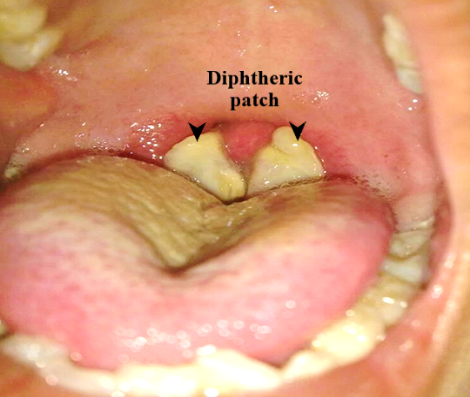
Diphtheria is an infection caused by strains of bacteria known as Corynebacterium Diphtheriae which produces toxins that cause difficulty in breathing, and heart rhythm problems, and could lead to death.
The Director said the outbreak was confirmed after tests on samples of suspected cases in a community near Dei-Dei, came back positive.
“Two weeks ago, we got information from a community within the FCT of eight cases and that made our team to pick some samples.
“The samples were taken to the National Reference Laboratory, Gaduwa, and the NCDC, and one of the suspected cases came out positive,” he said.
He urged residents to report any strange symptoms, particularly respiratory challenges to relevant authorities and tasked them to maintain good personal hygiene.
Abdulrahman said the Department was collaborating with neighbouring States, to checkmate the spread of the disease through border surveillance.
Also, the Executive Secretary, FCT Primary Health Care Board, Dr. Yahaya Vatsa, warned that unvaccinated people who lived in crowded and unhygienic environments were at high risk of contracting the disease.
He urged residents to ensure that their children were fully vaccinated, in line with the National Childhood Immunization Schedule.
“To reduce the risk of contracting the disease, FCT residents are hereby advised to ensure that their children are fully vaccinated with three doses of the pentavalent vaccine. This is recommended in the National Childhood Immunisation Schedule,” he said.
Dr. Vatsa advised individuals with any of the signs and symptoms to isolate themselves and notify the FCT Disease Surveillance Notification Officer or the Emergency Operation Center, through the FCT Call Center toll-free lines.
Federal Neuropsychiatric Hospital, Enugu, has called on individuals, and organisations to assist mentally-sick patients, especially those abandoned by their relatives and friends at the hospital.
The Medical Director of the hospital, Prof Monday Igwe, made the plea in Enugu on Sunday evening after receiving a Humanitarian Service Award from the Rotary Club of Maryland, Enugu.
Prof Igwe noted that the intake, treatment and outright daily care of mental-sick patients were becoming “a great burden” to the hospital and its benevolent staff, who cannot hold back but help.
The medical director noted that the hospital had a pile-up of unpaid bills, adding “We cannot locate their relatives or friends, who brought the patient to the hospital in the first place.”
According to him, “We cannot send them parking or throw them out to the streets; we ensure they are fed, clothed, cleaned up, accommodated and provided with the needed medical services.
“In the spirit of Rotary, we are calling on our people, especially people that have extra, to come to the aid of our patients, because there are a lot of them that have been abandoned by their relatives, caregivers and friends,” he said.
Prof Igwe also urged Nigerians to remember patients in the hospital as they visit other special-needs centres during festivities and merriments, whereas “our own patients are the people who need such donations more than other people because our patients most times have no one to take care and show love to them.
“Our patients are entirely dependent on other people, unlike other patients that can take care of themselves,” he said.
The medical director, who thanked the Rotary Club for the award, dedicated it to the entire staff of the hospital who has sacrificed all to keep the hospital rating high.
Are you a lover of sugarcane? Then you have got yourself a good juice for a friend!.
If sugarcane is not on your menu, guess what, you are missing a lot.
Now, let’s get to know about sugarcane:
Sugarcane or Sugar cane (Saccharum) is a genus of 6 to 37 species (depending on taxonomic interpretation) of tall grasses (family Poaceae, tribe Andropogoneae), native to warm temperate to tropical regions of the Old World.
The genus is widespread across tropical, subtropical, and warm temperate regions in Africa, Eurasia, Australia, the Americas, and assorted oceanic islands.
There are three classifications of carbohydrates: sugars (these include monosaccharides and disaccharides), oligosaccharides, and polysaccharides. Saccharide originates from the Greek word for sugar, “sákkharon.” Mono-, di-, oligo- and poly- refer to the number of sugar units present in a carbohydrate
According to HealthifyMe Note, there’s nothing better than a chilled glass of sugarcane juice on a hot summer day. Sugarcane, a grass plant that can be found in 36 varieties, has no fats and is a 100 percent natural drink.
An 8-ounce serving, approximately 240 ml of sugarcane juice (with no additives) contains 98kcal. It has zero cholesterol and small amounts of fat, fiber, and protein. It also contains sodium, potassium, calcium, magnesium, and iron.
Nutrition Value of Sugarcane Juice
One serving (28.35 grams) of sugarcane juice contains.
Nutrient
Amount
Calories
98
Protein
0.3 grams
Fat
0.5 grams
Carbohydrates
22.8 grams
Here are Ten Health Benefits of Sugarcane Juice :
1. Gives you a shot of instant energy:
There’s a reason sugarcane juice sells at most roadside kiosks in summer.
It’s the best way to energize yourself and ensure you don’t experience dehydration. The simple sugars in the juice are easily absorbed by the body and are used to replenish sugar levels.
2. Enhances liver function:
Sugarcane juice is rich in vitamins, minerals, and antioxidants and helps support the health of vital organs such as the liver.
Studies find sugarcane juice is alkaline in nature, it helps in maintaining the electrolyte balance in the body.
3. Help the body fight cancer:
Studies have shown that the plant polyphenols in sugarcane juice have a high antioxidant and anti-cancer activity. It’s good to make sugarcane juice a regular part of your diet.
4. It eases the digestive system:
Sugarcane juice is exceptional for people suffering from digestive distress.
The potassium in sugarcane juice balances the pH levels in the stomach. Drinking sugarcane juice also keeps one hydrated and helps with regular bowel movements. It also helps prevent stomach infections.
5. Helpful for people with diabetes:
Though the high sugar content in sugarcane juice may make diabetics wary of consuming this juice, in moderation, sugarcane juice can benefit diabetics, the natural sugar has a low glycemic index that prevents frequent spikes in blood glucose levels.
Studies also reflect that sugarcane contains various polyphenols that help in better managing diabetic conditions and also offer antioxidants to the body.
6. Maintains kidney health:
Being a natural zero-cholesterol, low-sodium food, with no saturated fats, sugarcane juice helps to keep the kidneys healthy.
7. It alleviates pain associated with UTIs:
If consumed in a diluted form, with lime juice and coconut water, sugarcane juice can help reduce body inflammation by increasing your fluid intake and help manage symptoms better, like urinary tract infections, kidney stones, and prostatitis.
8. Aids in the development of bones and teeth:
Back in the day, chewing on a sugarcane stick used to be a regular pastime for young children and adolescents.
Apart from keeping them occupied, the calcium-rich benefits of sugarcane juice also ensure the proper development of the skeletal system, bones, and teeth.
9. Keeps bad breath & tooth decay at bay:
Experiencing bad breath linked to tooth decay? Sugarcane juice can be your saving grace.
Sugarcane is rich in minerals, including calcium and phosphorus, and also helps build tooth enamel and strengthen teeth, ensuring they are prone to decay. It also overcomes bad breath caused due to the deficiency of these nutrients.
10. Can help cure acne:
The topical use of sugarcane juice has the ability to help reduce and cure skin problems such as acne. Since sugarcane juice contains alpha-hydroxy acids (AHAs) like glycolic acid, it increases cell turnover.
The high sugar content of sugarcane juice may cause lots of people to avoid consuming this natural summer drink. However, there are many studies that show a lot of health benefits of sugarcane juice making it a healthy beverage even for diabetics when consumed in moderation.
Wife of Osun State Governor, Mrs Titilola Adeleke has urged residents of Osun State, particularly mothers to make themselves available for the registration and distribution of Insecticide Treated Mosquito Net.
In a message to the residents, Mrs Adeleke expressed concern over the data revealing that 97% of Nigerians, most especially pregnant women and children were at risk of mosquito infested Malaria.
She said Osun was one of the states with high risk malaria in the country, hence the need for the people to cooperate with the government and it’s malaria partners in their bid to provide preventive measures through the treated nets.
The wife of the Osun Governor therefore charged the residents to provide correct information to the enumerators and collect the free net which will be distributed between 6th and 17th of this month.
“The Government and Roll Back Malaria Partners have provided insecticide treated mosquito nets free of charge to all households to protect you and your families from malaria. Now we can protect ourselves from malaria by hanging and sleeping inside the Insecticide Treated Nets every night.
Ensure that you air the net under a shade for 24hours before you hang and sleep inside every night. When everybody sleeps inside the mosquito nets, we are protected from mosquitos that spread malaria”
The leadership crisis rocking the Obafemi Awolowo University Teaching Hospital, OAUTH has assumed another dimension as the Joint Action Committee of Unions of the Teaching Hospital warns against what they tagged “planned imposition of Acting Chief Medical Director”.
The Joint Action Committee of the unions comprises of the Senior Staff Association of University Teaching Hospital Research Institutes and Associated Institutions (SSAUTHRIAI), Non-Academic Staff Union (NASU), Nigerian Union of Allied Health Professionals (NUAHP), Medical & Health Workers Union of Nigeria (MHWUN) and National Association of Nigerian Nurses and Midwives (NANNM.
Presenting the position paper signed by the leaders of ten Labour Unions in the hospital to newsmen in Ile-Ife, the spokesperson of the JAC, Comrade Lateef Adeyemi urged the federal government to Implement the recommendations of Hospital’s Board of Management in appointing a substantive Chief Medical Director for the hospital.
Comrade Adeyemi announced that the recommendation of the Board was the appointment of Professor Afolabi Owojuyigbe as the acting CMD who is to hand over to Dr Adekunle Adeyemo.
The Unions which maintained that there was peace in the hospital complex alleged that the uneasy calm was being promoted by the Medical and Dental Consultant Association of Nigeria, MDCAN in its attempt to impose one of it’s members, Professor Oladiran Adegbehingbe.
“We do not know the grouse of MDCAN in fomenting troubles in the hospital as if it is the only professional association that has monopoly of wisdom, in as much any issue does not go it ways, MDCAN will be calling bluff of everyone and other Unions”.
They urged Federal Ministry of Health to forward the recommendation of the Board of Management to the President of the Federal Republic of Nigeria for the appointment of a substantive Chief Medical Director noting that it will put a stop to the leadership crisis.
Radio Nigeria sent a message to the email on the website of the Federal Ministry of Health for clarification on the leadership impasse, but the mail is yet to receive a response.
Radio Nigeria had reported that there was uneasy calm in the hospital with respect to who is the acting Chief Medical Director among some senior medical personnel of the institution laying claim to the office, including Professor Oladiran Adegbehingbe who reportedly got a letter from the Federal Ministry of Health dated 22th of June, 2023 and signed by Director of Human resources, Hasaan Salahu and Professor Afolabi Owojuyigbe who also retuned to the hospital on Friday with a letter dated 27th of June, signed by the permanent Secretary Adebiyi Olufunso, directing him to act and stabilize the institution before handing over to Dr Adekunle Adeyemo who was directed to take over as the acting Chief Medical Director by 7th of July.
There is uneasy calm at the Obafemi Awolowo University Teaching Hospital, Ile-Ife, Osun State, following appointment of two persons as acting Chief Medical Directors for the hospital within one week.
Sources in the hospital said Prof. Oladiran Adegbehingbe, was made the new acting CMD of the hospital in a letter dated 22nd of June, 2023, signed by Hassan Sallahu, Director Human Resources on behalf of the Permanent Secretary, Federal Ministry of Health.
Professor Adegbehingbe, was said to have assumed duty immediately he got the letter and was even at the Ministry of Health in Abuja on Monday where he was introduced to the officials.
The letter appointing Professor Adegbehingbe as acting CMD further read, “I am directed to convey the approval of the Permanent Secretary for your appointment as Acting Chief Medical Director, Obafemi Awolowo University Teaching Hospital, Ile-Ife, with effect from Tuesday, 20th June, 2023.
“The appointment is for a period of six (6) months within which all processes for the appointment of a substantive Chief Medical Director (CMD) would be initiated and concluded by the Ministry.
“Similarly, and in the spirit of the agreement reached between you and the Medical and Dental Consultants Association of Nigeria (MDCAN) and other Unions of the Hospital, you are exempted from participating in the race for the appointment of a substantive Chief Medical Director.”
However, on Friday, Prof. Afolabi Owojuyigbe, who succeeded the last substantive CMD of the hospital, Prof Victor Adetiloye, returned to the hospital, with another letter dated 27th June, 2023, which addressed him as the Acting CMD written by the Permanent Secretary of the Federal Ministry of Health, Adebiyi Olufunso.
The letter directs Professor Owojuyigbe to stabilize the hospital and hand over its management to Dr Adekunle Adeyemo, who was directed to take over in acting capacity on or before Friday July 7, 2023.
It further read, ” I have approved the appointment of Dr. Adeyemo Adekunle, the Deputy Chairman Medical Advisory Committee (DCMAC) of the Hospital as Acting Chief Medical Director who will be in this capacity for a maximum period of six months, in line with Public Service Rules.
“You are therefore directed to handover the affairs of the hospital on or before Friday, 7th July, 2023 to the DCMAC OAUTHC, Ile-Ife.”
A consultant in the hospital, who revealed the letters and spoke to our correspondent in confidence on Saturday said the tension generated by the presence of three personnel having appointment letters as CMD was already having negative toll on the services in the hospital.
“OAUTH is already in a chaotic situation presently. We have three CMDs presently and curiously, two of them were appointed in the last 7 days by the PS Ministry of Health. Something urgent must be done because the tension is on the rise presently,” the Consultant said.
Efforts to get reaction from the management of the hospital failed, as calls to its Public Relations Officer, Mrs Kemi Fasooto, rang out and she has not replied to messages sent to her on the matter as of the time of filing this report on Sunday.
Nigerians have been enjoined to urgently seek medical attention for possible treatment against anthrax when they observe symptoms such as food poisoning, difficult in breathing, severe fever and bloody diarrhea.
Dr Ayosunkanmi Ogunrinde of Ekiti State Veterinary Hospital gave the advice in an exclusive interview with Radio Nigeria in Ado-Ekiti, following the announcement by Federal Government on the outbreak of anthrax in some neighbouring countries.
Dr Ogunrinde who identified anthrax as infectious bacterial disease of animals, said human-being could contract the disease through direct contact with infected animals, hence the need for prompt treatment for anyone with such symptoms to avoid untimely death.
The Veterinarian noted that human-being could contract anthrax by inhaling the bacteria during animal slaughtering, eating under cooked infected meat as well as touching the skin of affected animals.
While noting that animals do contract anthrax in the contaminated soil or water during grazing as well as when in contact with infected animals, the animal doctor emphasized the need for individuals and livestock owners to take precautions.
Dr Ogunrinde warned that any animal that died suddenly with unclotted blood snoozing from the eyes, nose, ears and anus should be reported to veterinary hospitals or ministry of agriculture for appropriate evacuation to avoid endemic situation.
While Nigeria has not yet reported cases of anthrax, the National Centre for Disease Control, NCDC, has encouraged citizens to vaccinate their animals against anthrax, as well as usage of gloves, facemasks, goggles and boots when handling sick animals.
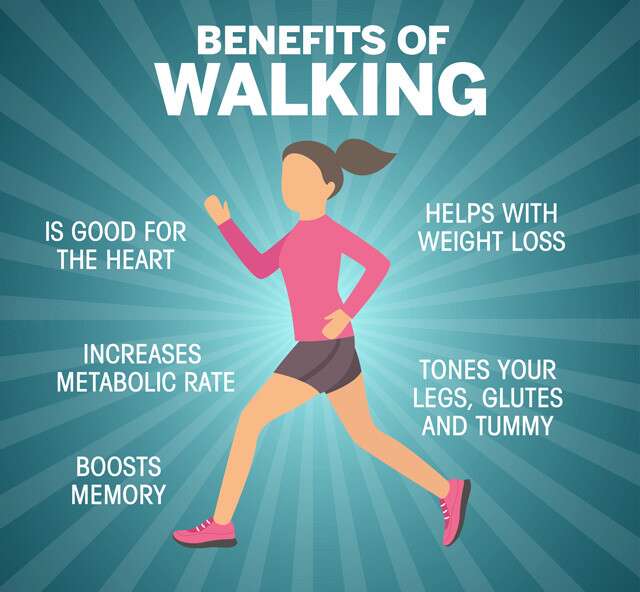
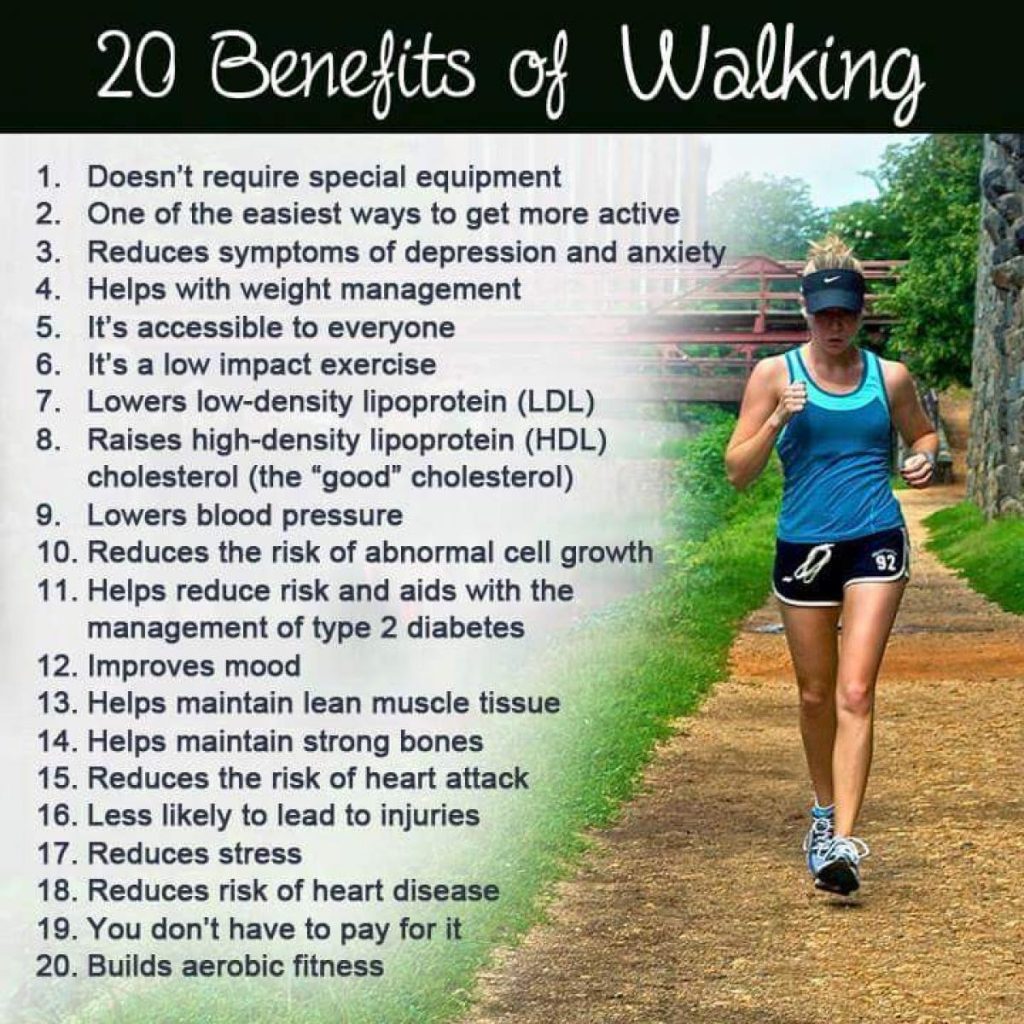
Unlike some other forms of exercise, walking is free and does not require any special equipment or training.
Physical activity does not have to be vigorous or done for long periods in order to improve health.
Walking is low impact, requires minimal equipment, can be done at any time of day, and can be performed at one’s own pace. You can get out and walk without worrying about the risks associated with some more vigorous forms of exercise.
Walking is also a great form of physical activity for people who are overweight, elderly, or who have not exercised in a long time.
Walking for fun and fitness is not limited to strolling alone around local neighborhood streets. There are various clubs, venues, and strategies that can be used to make walking an enjoyable and social part of the lifestyle.
Tips on Walking Exercise:
Walking for 30 minutes a day or more on most days of the week is a great way to improve or maintain your overall health.
If you can’t manage 30 minutes a day, remember even short walks more frequently can be beneficial.
Walking with others can turn exercise into an enjoyable social occasion.
See your doctor for a medical check-up before embarking on a higher-intensity new fitness program, particularly if you are aged over 40 years, overweight or have not exercised in a long time.
Health benefits of walking:
You carry your own body weight when you walk. This is known as weight-bearing exercise. Some of the benefits include:
Increase in cardiovascular and pulmonary (heart and lung) fitness
If it’s too difficult to walk for 30 minutes at one time, do regular small bouts (10 minutes) 3 times per day and gradually build up to longer sessions.
If your goal is to lose weight, you will need to do physical activity for longer than 30 minutes each day. You can achieve this by starting with smaller bouts of activity throughout the day and increasing these as your fitness improves.
The physical activity built into a daily lifestyle plan is also one of the most effective ways to assist with weight loss and keep weight off once it is lost.
Some suggestions to build walking into your daily routine include:
Take the stairs instead of the lift (for at least part of the way).
Get off public transport one stop earlier and walk to work or home.
Try to make walking a routine – for example, try to walk at the same time each day.
Remember, you use the same amount of energy no matter what time of day you walk, so do what is most convenient for you.
You may find that asking someone to walk with you will help make it a regular activity. Some people find that keeping an activity diary or log also makes it easier.
Wear a pedometer while walking:
A pedometer measures the number of steps you take.
You can measure your movement throughout the day and compare it to other days or recommended amounts. This may motivate you to move more.
The recommended number of steps accumulated per day to achieve health benefits is 10,000 steps or more.
A comfortable intensity for walking:
For most people, there is little difference in the amount of energy used by walking a kilometer or running a kilometer – it’s just that walking takes longer.
Plan to cover a set distance each day and monitor how long it takes you to walk this distance. As your fitness improves, you will be able to walk a longer distance and use more energy.
Walking fast burns more kilojoules per hour than walking slowly, but this does not mean you have to push yourself until you’re breathless. Instead, pace yourself so that you can still talk. This simple rule of thumb means that you walk safely within your target heart rate, which brings about health gains.
Our bodies tend to get used to physical activity, so continue to increase your intensity as you improve your fitness levels. You can increase the intensity of your walks by:
walking up hills
walking with hand weights
increasing your walking speed gradually by including some quick walking
increasing the distance you walk quickly before returning to a moderate walking pace
walking for longer.
Warm-up and cool down after walking:
The best way to warm up is to walk slowly. Start each walk at a leisurely pace to give your muscles time to warm up, and then pick up the speed.
Afterward, gently stretch your leg muscles – particularly your calves and front and back thighs. Stretches should be held for about 20 seconds.
If you feel any pain, ease off the stretch. Do not bounce or jolt, or you could overstretch muscle tissue and cause microscopic tears, which lead to muscle stiffness and tenderness.
It is best to dress lightly when you do physical activity. Too many layers can increase sweating and build up body temperature making you uncomfortable during a walk or possibly causing skin irritations.
A gradual cool-down will also prevent muscular stiffness and injury.
Footwear for walking:
Walking is a low-cost and effective form of exercise. However, the wrong type of shoe or walking action can cause foot or shin pain, blisters, and injuries to soft tissue.
Make sure your shoes are comfortable, with appropriate heel and arch supports. Take light, easy steps, and make sure your heel touches down before your toes.
Whenever possible, walk on grass rather than concrete to help absorb the impact.
Make walking a pleasure:
Some suggestions to help make regular walking a pleasurable form of physical activity include:
varying where you walk
walking the dog
walking with friends
joining a walking club.
Make walking interesting:
Ways to keep your daily walk interesting include:
If you want to stick close to home and limit your walking to neighborhood streets, pick different routes so you don’t get tired of seeing the same sights.
If you feel unsafe walking alone, find one or more friends or family members to walk with.
Walk at various times of the day. The sights to see first thing in the morning are bound to differ from those of the afternoon or early evening.
Drive to other reserves, park the car, and enjoy the views while walking.
Explore what’s happening around you; notice the sky, the people, the sounds.
Dog walking:
A dog that needs regular exercise motivates you to walk every day. You might like the companionship too. If you do not have a dog and are not planning on getting one, consider offering to walk a neighbor’s dog occasionally.
Suggestions for the safety of your dog and other people on foot include:
Be considerate of other pedestrians and always keep your dog on its leash.
If you plan to walk in a park, check first to see if dogs are permitted. Many national and state parks and other conservation reserves do not permit dogs.
Other parks generally permit dogs to walk on a leash. Many parks allow dogs off the leash – check with your local council.
Always take equipment such as plastic bags and gloves to clean up after your dog.
Walk with others:
Walking with other people can turn a bout of exercise into an enjoyable social occasion. Suggestions include:
Schedule a regular family walk – this is a great way to pass on healthy habits to your children or grandchildren and to spend time together while getting fit at the same time.
If you are walking with children, ensure the route and length of time spent walking are appropriate to ensure the route and length of time spent walking are appropriate for their age.
Babies and toddlers enjoy long walks in the pram. Take the opportunity to point out items of interest to young ones, such as vehicles, flowers, and other pedestrians.
Look for the self-guided nature walks that have been set up in many parks. Younger children enjoy looking for the next numbered post; older ones can learn about the plants and animals of the park, and perhaps take photos or record their experience in other ways.
Final Suggestions Safe walking
Walking is generally a safe way to exercise, but look out for unexpected hazards. Suggestions include:
See your doctor for a medical check-up before starting a new fitness program, particularly if you are aged over 40 years, are overweight, or have not exercised in a long time.
Ensure you read through the pre-exercise self-screening tool.
Choose walks that suit your age and fitness level. Warm-up and cool down with a slow, gentle walk to ease in and out of your exercise session.
Wear loose, comfortable clothing, and appropriate footwear to avoid blisters and shin splints.
Wear sunglasses, sunscreen, long sleeves, and a hat to avoid sunburn.
Take waterproof clothing to avoid getting wet if it rains.
Before bushwalking, check the weather forecast and take appropriate safety measures (for example, pack the correct clothing).
Look for hazards in alpine or coastal areas, such as cliff edges or large waves.
Drink plenty of fluids before and after your walk: If you are taking a long walk, take water with you.
Synergy between Primary Healthcare Centres, PHCs, and communities is pivotal to quality healthcare delivery.
Programme Officer, Global Fund Covid-19 Response Mechanism Projects, Oyo State, Mr Oluseun Adebiyi advanced this thought during a news briefing held at Yemetu, Ibadan to highlight achievements made in strengthening the health system in some communities within six local governments in the state.
Mr Adebiyi, who explained that communities play a vital role in ensuring that good healthcare services are rendered at the grassroots, noted that the Global Fund Covid-19 Response Mechanism Projects had had a tremendous impact on healthcare delivery in addressing diseases such as Hiv/AIDS, Tuberculosis, Malaria and Covid-19 in Oyo State.
Mr Adebiyi, while appealing to the federal government to further educate citizens about the value of primary healthcare, called for more involvement of community-based organizations to strengthen the health delivery services.
Earlier in an address of welcome, Oyo State Coordinator, Network of People Living with HIV/Aids in Nigeria, Oyo State Chapter, Mr Faith Olawale said the Global Fund Covid-19 Response Mechanism Projects had fostered love and cordial relationship between the health facilities and communities.
In a goodwill message, the Executive Secretary, Oyo State Agency for Control of Aids, OYSACA, Dr Lanre Abass, represented by Dr Olukayode Ogunkunle applauded the founder of the project for strengthening the healthcare system, pointing out that Governor Seyi Makinde government was working assiduously to reduce Hiv/AIDS disease in the state.
There were also goodwill messages from stakeholders in the health sector, religious leaders, traditional leaders, and security personnel, who all advocated for improved healthcare delivery in the state.
A total of three million six hundred thousand Insecticide Treated Mosquito Net, ITN is to be distributed to various households in Osun State.
The National Coordinator of the National Malaria Elimination Programme, Dr Perpetua Uhomoibhi gave the information at a media orientation on Insecticide Treated Mosquito Net in Osogbo, the Osun State capital.
The National Coordinator of the National Malaria Elimination Programme who was represented by an official of the agency, Mrs Chinbututu Margaret announced that the distribution would take place between the 6th and 17th of July this year.
Dr Uhomoibhi explained that the NMEP had designed an effective mechanism that incorporated the locals, traditional and religious institutions in Osun State in the distribution chain to ensure that it reached the remotest part of the state.
She said, although there was evidence of a reduction in malaria burden in Nigeria to 22 percent against 49 percent in 2010, but the federal government and its collaborating partners were determined to ensure that the burden was reduced more significantly.
The Coordinator noted that “from the last survey we did in 2001, Osun State recorded the lowest utilisation rate of the mosquito net. So it is imperative for all of us, particularly the Media to heighten its efforts in ensuring that the people are aware that the net is to be used and not kept in their homes”.
Also speaking at the Programme, the representatives of one of the collaborating partners, The Society for Family Health, SFH Nigeria, Mr Gbue Daniel pointed out that Nigeria alone accounted for one out of four malaria burden in Africa.
Mr Gbue said the burden was much among women and children as 30% of Child and 11 percent of maternal deaths in Nigeria were caused by malaria.
“I’m addition to the direct health challenge, Malaria scourge also exerts huge socio-economic burden on our communities and country. Billions of Naira are lost to malaria annually inform of treatment cost, prevention and loss of man-hours“. He said.
Mr Gbue appealed to the Media that to consider the fight against malaria as a key component of their health campaigns.
He also called on the private sector to incorporate malaria prevention in their social responsibility agenda by supporting government at all levels in the campaigns.
Speaking on behalf of Osun State government, the Manager of Osun Malaria Elimination Programme, Dr Olufemi Oroge urged the media to support the government in the campaign to eliminate malaria by using their various platforms to enlighten the people.
Dr Oroge promised the state government commitment to ensuring the utilisation of the treated mosquito net.
The federal government’s National Malaria Elimination Programme is supported by the Society for Family Health and the Catholic Relief Services.
Osun State Governor, Senator Ademola Adeleke says his administration will continue to prioritize the health of the people of Osun State.
This is just as he has given approval to the request of getting more medical equipment for the UniOsun Teaching Hospital which will soon be delivered to the hospital.
Governor Adeleke stated this when he received the management of the University of Osun Teaching Hospital, who were on a thank you visit in his office at Abere.
He said he was really encouraged to do more for the health sector considering the outcome of the last Imole medical outreach where about 25,000 people benefited.
The Governor added that his office is open to ideas that can develop the State as he is ready to run an open government to give the people who voted for him the opportunity to contribute to governance.
Earlier, Chief Medical Director, Uniosun Teaching Hospital, Professor Peter Olaitan appreciated the Governor for approving the hazard allowance and other allowances for the medical workers as well as approval for the employment of more staff.
Professor Olaitan appealed to the Governor to approve capital funds for the hospital so as to enable them to procure other necessary equipment for the hospital.
Also speaking, the Chairman, Nigeria Medical Association, NMA, Osun branch, Dr. Adetoye Adedapo who congratulates the Governor for his victory at the Supreme Court solicited the support of the Governor for the association to host national NMA games in November this year.
The highlight of the visit is the presentation of a letter of appreciation and gifts to the Governor by the President, Joint Health Sector Unions, JOHESU, Mrs Rasheedat Akinwumi.
Ondo State Primary Health Care Development Agency has implored parents to ensure that their children of eighteen years and above present themselves for Covid-19 vaccine in health facilities across the eighteen local government areas of the state.
Permanent Secretary of the agency, Dr Francis Akanbiemu stated this during a stakeholders meeting on routine immunisation and Covid-19 in Akure.
Dr Akanbiemu who was represented by the agency’s director, community health services and education, Dr Samuel Abiona noted that children who were not up to eighteen years when COVID-19 hit the country still had the opportunity of the vaccine now that they were at the prescribed age.
The medical expert also advised Nigerians who were yet to get vaccinated against COVID-19 to do so as there were still cases of the disease in the country.
Giving update on immunisation, the Ondo state Immunisation officer, Mrs Comfort Olagundoye said the state still maintained its leading position in routine immunisation while that of COVID-19 was not encouraging urging residents to go for booster doses of the vaccine at primary healthcare facilities.
The meeting was attended by some key stakeholders such as health educators, market women, journalists, religious leaders including the chairman of CAN in Ondo State, Reverend Father Anslem Ologunwa who applauded the efforts of Ondo State government at boosting the health sector.
The Oyo State Health Insurance Agency (OYSHIA) says it has enrolled over 60% of targeted enrollees into the Basic Health Care Provision Fund (BHCPF) scheme.
This was revealed by the Executive Secretary of Oyo State Health Insurance Agency (OYSHIA), Dr. Sola Akande, on Tuesday, in Ibadan.
In addition, Dr. Akande said the Agency has reviewed upwards the number of enrollees for BHCPF, to accommodate more residents of the State.
According to him, “the Basic Health Care Provision Fund (BHCPF) is financed through 1% of Federal Government consolidated revenue given to States that have fulfilled certain laid down guidelines.”
Akande said, the Basic Health Care Provision Fund was initially aimed at capturing 37,500 indigenes that include the aged, children (under 5), physically challenged and pregnant women across the 33 local government areas.
Dr. Akande added that so far, about 22,018 lives have been enrolled into the scheme.
The OYSHIA boss said that the agency is currently enrolling more lives, adding that the reviewed figure now stands at 65,000 lives.
He hinted that this is part of the Oyo State Government, under Engr. Seyi Makinde’s commitment to deliver on universal health care (UHC) services through the provision of a Basic Minimum Package of Health Services (BMPHS) and emergency medical treatment.
Dr. Akande also assured successful enrollees that they can access care without paying out-of-pocket through the ID card issued to them by the agency.
The BHCPF primary objective is to help achieve Universal Health coverage and enhance access to primary health care services for Oyo state residents especially the poor and the vulnerable, women, children under 5, and children in orphanages.
The National Agency for Food and Drug Administration and Control (NAFDAC) has raised the alarm over the nationwide proliferation of unapproved herbal products.
The enforcement team of the Agency has commenced a nationwide clampdown on the manufacturers and traders who sell such uncertified products, she describes the products as dangerous.
The Director General of the Agency, Professor Mojisola Adeyeye, stated this in Abuja.
The National Agency for Food and Drug Administration and Control (NAFDAC) has issued a warning over the dangerous nationwide growth of unlicensed herbal items.
She clarified that the majority of herbal remedies were marketed as snuff and oral liquids, primarily by street vendors.
“We are also making efforts to increase the number of staff that we have because we need more staff to go on the street for surveillance and post-marketing and monitoring,” she noted.
She explained that most of the herbal medicines were in the form of snuff and oral liquids, which she said were mainly sold by street hawkers.
Black tea is a popular beverage around the globe. In fact, after water, tea is the most-consumed drink worldwide, and it is made from a blend of black teas.
It tends to be stronger than other teas, like herbal teas and some green teas. Black tea is made from the Camellia sinensis plant.
Black tea has less caffeine than coffee, so many people drink it to stay healthier and improve their diet. You can find Black tea inside most grocery stores and at cafés around the world.
According to findings, black tea contains antioxidants which prevent damage in your cells that can lead to diseases.
Therefore, drinking black tea can lower your risk of diseases such as:
One of the reasons people enjoy drinking tea so much is for the health benefits it offers. For instance, the minerals and antioxidants in black tea improve or prevent health conditions like heart disease, stroke, diabetes, or dehydration.
Here’s a deeper look at some of the potential health benefits of drinking black tea:
The black teas that form English breakfast tea contain flavonoids that contribute to a healthy heart. Flavonoids are a type of antioxidant generally found in fruits and vegetables. Regular consumption of flavonoids can reduce the risk of coronary heart disease, in addition to lowering blood pressure and cholesterol. All of these elements help keep a heart healthy.
Lower Cholesterol
Antioxidants in black tea also help lower cholesterol. For instance, theaflavin and thearubigins have been found to help manage hyperlipidemia (high fat in the body, or high cholesterol) and related high-fat disorders or high cholesterol. In particular, theaflavin and thearubigins cause glucose (sugar) to decline and insulin to increase, which leads to lower cholesterol.
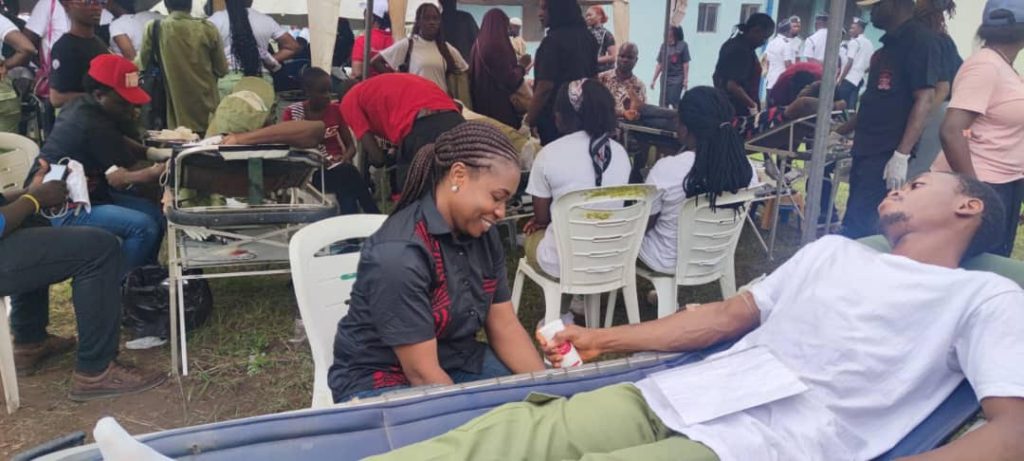
Voluntary non-remunerated blood donors form the backbone of the health care sector in Nigeria.
Acting Zonal Director, National Blood Service Commission South West Center, NBSC, Dr Oladapo Awonranti declared this at a news briefing to commemorate this year’s World Blood Donor Day held at the Total Garden Ibadan.
Dr Aworanti explained that Voluntary donors had to be celebrated and appreciated as they continued to give ailing citizens another chance to live, ñoting that despite recent challenges, donors have been supportive, describing them as champions.
He said NBSC had improved considerably at both the national level and regional level, citing an example of a recently purchased cold centrifuge that had started producing blood components Red cells, FFP, and platelets to boost service delivery in the country.
He added that the foundation for safe blood and blood products rested on effective and efficient donor selection and enjoined functional blood banks to abide by the regulatory role of the transfusion services in the country.
In their separate submission, Public Health Officer of World Health Organization, WHO, Mr Katibi Mustapha and National President Ahmadiya Muslim Youth Organization Oyo State, Mr Akinyemi Abdul Raqb who said their Organizations were ready to partner NBSC for safe blood, blood products and render service to humanity in the country, urged people to continue to donate blood to be healthy.
Earlier, blood donors had expressed readiness to donate more blood to save lives, followed by road Walk which took off from the commission’s office at the total garden and terminated at Gate.
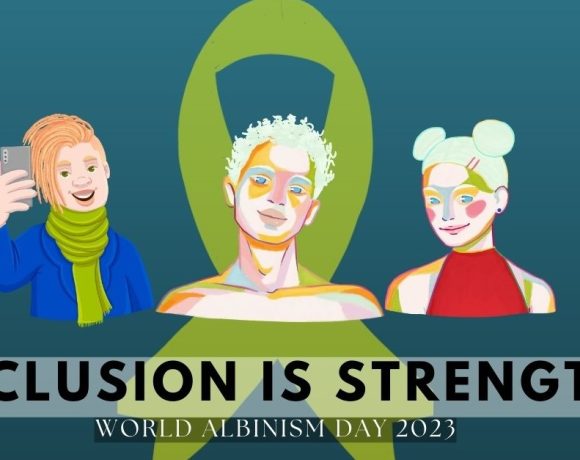
Actions must be taken against all forms of discrimination against Albinism.
State South West Coordinator of Albinism Network Association, ANA, Mr Muyiwa Abegunde stated this on the occasion of this year’s World Albinism Day.
Mr Abegunde in a statement notes that South West Albinism Network Association, ANA, is set to mark the United Nation’s International Albinism Awareness Day with different mapped out programmes to commemorate the day in Ekiti, Ondo, Osun, Oyo, Ogun and Lagos State.
While speaking on the theme of the celebration which is ‘Inclusion Is Strength’, the statement notes that the international community has come together to highlight the continuing stigma and discrimination against persons with albinism, against which states must take action.
Skin lightening, or skin bleaching, is a cosmetic procedure that aims to lighten dark areas of skin or achieve a generally paler skin tone.
It’s usually used to improve the appearance of blemishes such as birthmarks and dark patches, melasma.
Skin-lightening procedures work by reducing the concentration or production of melanin in the skin.
Melanin is the pigment that gives skin its colour and helps protect it from the sun.
The main techniques used in lightening the skin include:
[1.] Skin-lightening creams
[2.] Laser treatment
Trying a skin-lightening procedure is a major decision. It can be expensive, time-consuming, and the results cannot be guaranteed, and be absolutely sure about your reasons for wanting to try it and do not be in a haste into it, if you’re thinking of going ahead.
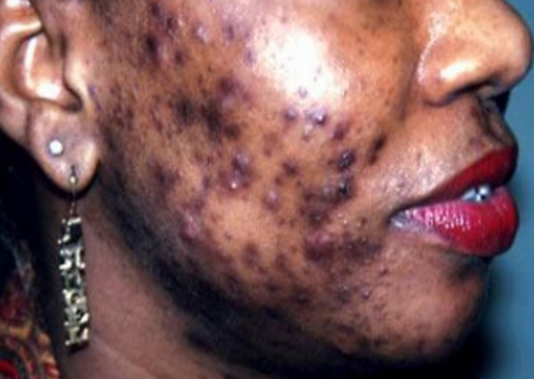
According to findings, skin-lightening techniques can result in serious side effects and complications. People with dark skin tones are particularly at risk of these problems.
Also, powerful skin-lightening creams are available on a prescription from a doctor. These usually contain one or both of the following medicines:
hydroquinone
topical steroids, such as hydrocortisone
TVG5
Skin-lightening creams you can buy without a prescription:
Many alternative skin-lightening products are available to buy online or in shops or pharmacies without a prescription.
Warning:
Check the ingredients of any product before buying it. Avoid it if hydroquinone, corticosteroids or mercury are listed in the ingredients, or if the product does not list the ingredients.
Creams that contain hydroquinone, corticosteroids or mercury, which have not been prescribed by a doctor, are banned in the UK because they can cause serious side effects if used incorrectly.
Many skin-lightening creams containing natural ingredients are also available. These are legal and unlikely to be harmful, but there’s no guarantee they work.
Here is how to use skin-lightening creams:
Doctor’s advice on how to use skin-lightening cream is essential.
You’ll usually be advised to:
use the minimum amount, once or twice a day, on the darkened area of the skin only
avoid getting the cream on the surrounding skin or in your eyes, mouth and nose
apply the cream with a cotton bud, or wash your hands thoroughly before and after applying the cream
avoid touching the treated area against another person’s skin for at least a few hours after applying the cream
use sun cream to protect your skin from the aggravating effects of sunlight
Most people will need to continue the treatment for around 3 or 4 months. Your doctor may recommend stopping treatment after this time, or only using it very occasionally.
Side effects of skin-lightening creams can include:
redness and swelling (skin irritation and inflammation)
a burning or stinging sensation
itchy and flaky skin
Possible risks of skin-lightening creams containing hydroquinone, corticosteroids or mercury include:
skin turning dark or too light
thinning of the skin
visible blood vessels in the skin
scarring
kidney, liver or nerve damage
abnormalities in a newborn baby (if used during pregnancy)
If you’re prescribed skin-lightening cream by a doctor, they should tell you about the potential risks and how common these are.
What to do if there are problems:
In case of side effects while using a prescribed skin-lightening cream, contact a doctor for advice.
If there are severe symptoms that need urgent medical attention, such as a nasty rash, swelling or increasing pain, visit the local accident and emergency facility.
Laser skin lightening:
A laser can also be used to lighten blemishes or dark patches of skin. This works by either removing the outer layer of skin or damaging the cells that produce melanin.
Laser skin lightening may work for some people, while for others it may not have any effect, or the skin lightening may only be temporary.
What it involves:
Before the procedure starts, a test may be done on a small area of skin to see how it reacts. In the absence of any problems, the first session takes place a few weeks later.
There may be a stinging or pricking sensation during the procedure, so a local anaesthetic cream may be used to numb the skin beforehand.
During a session:
Special goggles are worn to protect the eyes from the laser
a small handheld laser device will be held against the skin – this may feel like a rubber band snapping against the skin
a jet of cold air may be blown onto the skin to keep it cool during the treatment
Each session will usually last around 30 minutes to an hour. When done, one can go home.
Recovery:
It can take 1 to 2 weeks for the skin to recover from laser skin lightening. You may want to take a few days off work until your skin’s appearance starts to improve.
It is common for skin to be red and swollen for a few days afterwards, and it may be bruised or crusty for 1 to 2 weeks.
Over the next few weeks, the skin should start to fade to a lighter colour. It will be sensitive to the sun for up to 6 months.
To aid recovery requires doing the following:
wash the treated area gently with non-perfumed soap and carefully dab it dry
regularly apply aloe vera gel or petroleum jelly (such as Vaseline) to cool and soothe the treated area
not pick at any scabs or crusts that develop
take painkillers, such as paracetamol, if you have any discomfort and hold an ice pack wrapped in a towel against the skin to reduce any swelling
apply sun cream to the treated area for at least 6 months to protect it from the aggravating effects of the sun
Side effects to expect: It’s common after laser skin lightening to have, examples are:
redness and swelling
bruising
crusting
blistering
These effects usually pass after 1 to 2 weeks.
What could go wrong:
Serious complications of laser treatment are generally uncommon but can include:
scarring
skin infection
the skin turning darker or too light
It is essential to know how these complications are likely to be, and what could be done about them if they happen.
What to do when problems arise:
Cosmetic procedures can sometimes go wrong and the results may not be what you expected.
Should the results of the laser skin lightening be undesirable, or perceived inappropriate procedure, the matter can be taken up with the hospital or clinic that undertook the treatment.
It is best to go back to the practitioner who carried out the treatment in the event of any complications.
Culled/National Health Service, NHS, UK/Taiwo Akinola
The National Drug Law Enforcement Agency, NDLEA, Osun State Command has arrested seventeen persons, fourteen males, and three females during its mop-up operation in the state.
The operation which lasted four days was held at Sabo Area of Ilesa where hoodlums engaged the officers in a gun duel.
The hoodlums after the arrest were caught with different types of drugs, which included cannabis sativa, Tramadol Diazepam and other dangerous drugs which were discretely put on sale at Sabo and Atakumosa Markets in Ilesa, Osun State.
In another raid at Araromi Oke- Odo in Ife South local government, a team of operatives led by Odigie Charles Efosa arrested one Adewole Abidemi with dried weeds suspected to be cannabis sativa weighing 75kg.
The team also raided some joints in Iwo, Ila, Ikirun, Ejigbo & Iragbiji where many suspects were arrested.
Speaking on the development, the Osun State Commander of NDLEA, Chidi Nnadi commended efforts of his officers and warned drug barons iand Peddlers to stop their illegal business or be ready to go to jail..
He noted that the agency would not stop in its efforts at ridding the state of drug barons and peddlers.
The Osun NDLEA boss advised drug dealers to relocate from Osun State, as the heat will be too hot for them to bear.
Subscribe to our Telegram and YouTube Channels also join our Whatsapp
The Kano State Governor, Abba Kabir Yusuf, has revoked the sale of Hasiya Bayero Pediatric Hospital allegedly sold by the previous administration in the State.
Yusuf made this known in a post on his Twitter handle on Sunday.
According to the governor, the revocation was to renovate the medical centre.
The hospital has been dedicated to the treatment of children and women for about 30 years.
He wrote: “Today, we paid an assessment visit to the Hasiya Bayero Pediatric Hospital, once a haven for medical care to children and women in our state for over 30 years, which was closed down by the previous administration.
“I’ve revoked its sale to an individual for a paltry sum. And, we shall now work towards renovating and re-opening it for public use.”