News Analysis

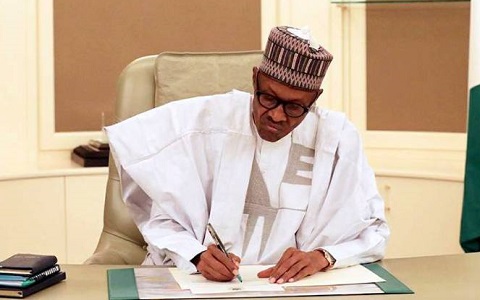
Last month, President Muhammadu Buhari signed an Executive Order granting financial autonomy to state assemblies and judiciary.

The order followed a report of a presidential committee set up to map out strategies for the implementation of financial autonomy for state legislatures and judiciary in accordance with Section 121(3) of the Constitution of the Federal Republic of Nigeria.

The Executive Order provides that the Attorney-General of the Federation and Minister of Justice, authorise the deduction from source of Federation accounts allocation from the money allocated to any state of the Federation that fails to release allocation meant for the state legislature and judiciary in line with the financial autonomy guaranteed by Section 121(3) of the Constitution of the Federal Republic of Nigeria 1999.

According to the Attorney-General and Minister of Justice, Abubakar Malami, the Executive Order no. 10 of 2020, makes it mandatory that all states of the Federation should include the allocations of both the legislature and the judiciary in the first-line charge of their budgets.

As expected, the Executive Order has drawn mixed reactions. There are some who believe it is not necessary since the provision is enshrined in the Constitution and that the National Assembly had already made laws in that regard.

Some also believe the order is a usurpation of the powers of the National Assembly.

On its part, Nigeria Labour Congress, NLC, said the autonomy of state judiciary and legislature is in the interest of good governance, strengthening of the principle of separation of powers, national stability and overall development of Nigeria.

Speaking through its national president, Ayuba Wabba, NLC urged political leaders at every level to respect the wishes of Nigerians and allow the full exercise of financial autonomy for the judiciary and legislatures in the states. 

Mr. Wabba urged governors of the thirty six states of the Federation to retrace their steps and accept the process in the interest of democracy and good governance while stressing that strong legislative and judicial institutions are pillars of democracy and good governance.

In a related development, Chief Judge of Akwa Ibom, Justice Godwin Abraham noted that financial autonomy of the judiciary would enhance quick dispensation of justice in the country as well as engender far reaching consequences for the institution in terms of infrastructure development and capacity building.

Justice Abraham solicited the cooperation of stakeholders towards realizing the objective of the new financial regime.

Despite the provision of the Constitution and the laws enacted by the National Assembly in this regard, state governors have not allowed their state legislatures and judiciary the necessary financial autonomy to perform their functions as required under our democratic practice.

Against this background, President Buhari’s Executive Order on financial autonomy for state legislatures and judiciary would not have been necessary if state governors had adhered to the Constitution.

While supporting the president in this move, we must caution that the state legislatures and judiciary, now granted financial autonomy, should not seek to abuse it, but rather see it as a challenge to help deliver the dividends of democracy to the people at that tier of government.

Autonomy must go hand-in-hand with accountability. It is likely that autonomy will be abused. Civil society must be up and doing at the state level to draw attention to the excesses of the three arms of government.

Also, the media have an important role to play in reporting abuses of powers by the different arms of government.

Furthermore, as the president’s action has strengthened and consolidated the foundation of democracy at the state level, the input of executive order 10 is therefore to ensure that governors allow the houses of assembly and judiciary in their states operate independently as provided by the 1999 Constitution.

Titilayo Kupoliyi

News Analysis

Federal Government this week announced further easing of the lockdown window commencing from June 2 to 29. The lockdown review included reopening of places of worship.

On analysis, a public and international affairs expert, Dr Moses Duruji, in a chat with Simeon Ugbodovon, examines the possibilities of the religious institutions observing the protocols laid down by government for gathering.

Simeon Ugbodovon

News Analysis

It is no longer news that Covid-19 just like in human beings, has equally been traced to animals.

In April, the United Nations Office on Drugs and Crime, UNODC, linked the outbreak of Covid-19 to the Coronavirus originating in wild bats that jumped to people through an intermediary animal, with pangolins among the leading suspects.

These isolated and night mammals are killed for consumption and some parts of their bodies used medicinally in Asia and Africa.

The United Nations Office on Drugs and Crime, UNODC notes that, majority of all emerging infectious diseases originated from animals and transferred to humans.

According to U.N.O.D.C, Pangolins are the most trafficked mammals in the world, with seizures of illegal cargo originating in Africa and intended for Asian markets having increased since 2014.

Report shows that between 2014 and 2018, three hundred and seventy thousand Pangolins were seized globally, this is evidence that millions have been trafficked and killed.

Also, wild animals trafficking contributes to the tragedy, making it a threat not only to the environment and natural heritage, but to human health and security.

To this end, the United Nations Office on Drugs and Crime, UNODC, has warned Nigerians against trafficking in wildlife, arguing that the practice endangers the health of humans and the planet.

Some veterinarians noted that the relation between animals and human are symbiotic which had been in existence over time.

However, the recent report which linked the outbreak of Covid-19 to some animals had necessitated the need for timely testing and treatment of infections in animals to prevent spread of diseases.

They emphasized that establishment of more veterinary laboratories and upgrading of the ones in existence will enable testing of animals for Covid-19 and timely treatment of positive ones to prevent the spread of the pandemic.

It is of utmost importance that pet owners keep their pets clean at all times while reducing the spread of covid19 to the barest minimum as well as maintaining the health standard of World Health Organisation, W.H.O, such as washing of hands with soap under running water, use of face masks and hand sanitizers.

Titilayo Kupoliyi

News Analysis

After weeks of total lockdown in some states including Lagos and Ogun, as well as Abuja, as a result of the Covid-19 pandemic, the Federal Government decided to relax the lockdown in Lagos and Ogun states, including Abuja for two weeks.

Residents of the affected cities did not hesitate to commence their daily activities on the first day of the relaxation, though restrictions on interstate travels, schools, religious and large gatherings remain.

Relaxing the lockdown and ensuring strict adherence to “Stay Safe” regulations, places a great task on the people and governments in observing and enforcing the regulations.

Or what can we say about commercial drivers who overload their buses despite several warnings for them to observe social distancing while carrying passengers.

The markets still witness large turnout of people without facemasks, shoving one another.

This also defeats the social distancing regulation.

President Muhammadu Buhari, in his latest nationwide broadcast, said the easing of the lockdown was to strike a balance between protecting public health and preserving livelihoods.

No doubt, the threat from the virus is far from being over, with over four thousand cases now recorded in Nigeria.

Now is the time for state governors to exercise their powers at enforcing the “Stay Safe” regulations.

For instance, Governor Nyesom Wike of Rivers state directed the demolition of a hotel that violated the lockdown order, while areas that flouted Covid-19 regulations were subjected to an indefinite lockdown.

The governor also constituted a task force to ensure compliance with the interstate travel protocols.

Also, state governors should be more vigilant, as many drivers conveying food items from the northern part of the country also smuggled passengers into some states.

Many state governments have come up with modalities to concerning the partial or total lockdown which included ban of commercial motorcyclists, fewer passengers in buses and taxis, hand-washing and sanitising at motor parks, controlled access to markets, allotting time-frame and schedules for business operations.

However, compliance by citizens and the ability of state officials to enforce the protocols are not forthcoming.

Despite the ban on interstate travels for those not on essential duties, many people not in this category still move from one state to another.

There is need for states to intensify public enlightenment campaigns, for people to know more about the dangers in violating the “Stay Safe” regulations.

The partial lockdown does not mean the nation has seen the end of the Covid-19 pandemic.

 In fact, the number of confirmed cases is increasing and if people fail to abide by all the regulations, there might be an explosion.

Now is the time for active testing and contact tracing measures, therefore state governors should set up the much-needed molecular laboratory test centres.

The Federal Government cannot alone provide the centres; therefore states should be actively involved.

The Director-General of the Nigeria Centre for Disease Control, Chikwe Ihekweazu, has hinted collecting samples for testing is the responsibility of state governments.

Lagos and Ogun states were the first states in the South that did not wait for the Federal Government before setting up testing centres, though some states have equally set up these centres.

Other governors should set up these centres now, while state health authorities should also stand on the front lines to ensure a collaborative response to the pandemic.

Countries hardest hit by the coronavirus have begun taking tentative steps towards easing lockdown, and as the country continues its fight against Covid-19, Nigerians should adhere strictly to guidelines issued by relevant agencies.

These guidelines include regular hand-washing, physical-distancing, wearing of face masks, taking body temperature in public places and avoiding non-essential travels, as it is widely believe that health is wealth.

Olaolu Fawole

News Analysis

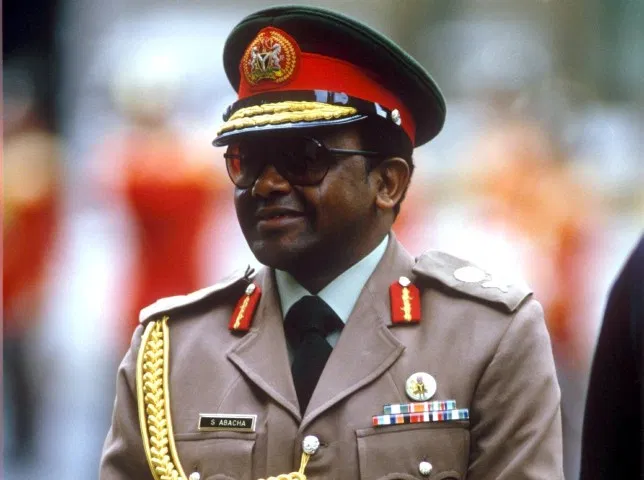
On May 4, 2020, the Attorney General of the federation and Minister of Justice, Abubakar Malami announced that the federal government has received over three hundred and eleven million dollars of the looted funds of former Head of State, late General Sani Abacha.

The money was from the United States and Bailiwick of Jersey.

The Attorney General of the federation and Minister Of Justice had in February travelled to the United States to represent Nigeria in the signing of the tripartite agreement between the governments of Nigeria, the United States and Bailiwick of Jersey for the repatriation of the looted funds.

The asset recovery agreement from the meeting was that the funds would be expended on the Lagos-Ibadan Expressway, second Niger Bridge and the Abuja-Kano expressway.

During the five-year regime of late General Sani Abacha, about five billion dollars were stolen and transferred to offshore accounts with the aid of some multinational companies.

However, since 1999, over two billion dollars had so far been recovered from diverse countries.

Some of the recovered looted funds had been expended on some projects and served as funds for the execution of Conditional Cash Transfers, CCT, the social intervention programme of the Muhammadu Buhari-led administration.

There is no doubt that Nigeria has suffered greatly from the effects of corruption.

Reports have it that ten to fifty per cent of public procurement funds are diverted and laundered abroad.

US Department of Justice is accusing the Nigerian government of planning to handover about one hundred million dollars to an alleged ally of the late head of state, though this has been denied by the federal government.

To this end, the United States Justice Department has warned that Nigeria must spend the repatriated funds on the agreed public projects or refund it.

Governments of countries where the looted funds were saved are still in shock that the allies’ of late General Abacha are still walking freely in the society and holding top political posts in Nigeria.

In line with the anti-corruption war of President Muhammadu Buhari, the federal government must be able to investigate, identify and prosecute those who looted public funds.

The government must be able to ensure and inform the world that recovered looted funds are not re-looted.

Nigeria is one of the one hundred sixty signatories to the United Nations Convention against Corruption that makes stolen assets recovery an international priority in the fight against corruption.

The practice of spending funds without parliamentary approval violates the constitution.

The National Assembly should approve all expenditure through supplementary appropriation bills, even where agreements are made to use the funds for specific projects.

The federal government must show more commitment to the fight against corruption by making it known that looters are punished and not rewarded.

Olaolu Fawole

News Analysis

As countries across the globe continue to grapple with the ravaging impact of the novel Coronavirus or Covid-19, a big issue which has come to the fore is the need to increase investment in healthcare systems.

The nation has to reorder her priority by putting health in the first place.

This will not only be in the best interest of Nigeria, it will also put an end to medical tourism which prior to now gulped millions of naira that should be in the country’s coffers.

Furthermore, it will defeat the projection by some evil-minded persons that Nigeria would be worse hit by the Covid-19 pandemic than Italy, USA and China due to inadequate health infrastructure.

Health Systems across the world has become over-stretched and overwhelmed.

In fact, some of the largest hospitals in Europe have been calling for donations from the public.

Not too long ago, the United States Mission in Nigeria warned its citizens planning to be evacuated back home that hospitals were already overwhelmed due to Covid-19.

Even countries with the most robust health facilities were all finding it difficult.

A functional healthcare system is no doubt important to deliver qualitative health service at this trying time.

Over the years, successive administrations have embarked on various programs to improve the health sector but these schemes have not been effective in achieving their aims and objectives due to corruption, poor welfare packages, poor implementation, unstable economy, inhumane attitude of some health workers and inadequate funding.

This had resulted to lack of access especially by those at the lowest rung of the ladder.

Also, the National Health Insurance Scheme, NHIS, though laudable has not been extended to all Nigerians.

Many of the vulnerable population are left at the mercy of private hospitals that charge exorbitantly or quacks who endanger their lives.

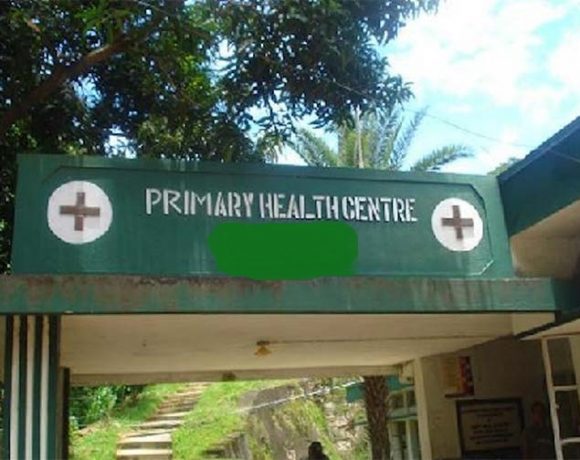
Sadly, the Primary Healthcare Centers, PHCs, which are expected to service those at the grassroots have become weakened due to lack of basic amenities, drugs and consumables.

At this juncture, it is important to note that revitalization of the PHCs across the country is necessary if the war against Covid-19 will be won.

Although, a World Health Organization, WHO, report showed that Nigeria has one of the largest stocks of human resources for Health in Africa, these number is too low compared with the population coupled with the fact that they are being lured to countries with better welfare packages and emoluments on a daily basis.

More so, inadequate personal protective equipment, PPE for health workers, ventilators and test kits for Covid-19 are beginning to generate concerns among Nigerians.

No wonder, a former Minister of Finance, Mrs Ngozi Okonjo-Iweala who is the chair of GAVI, The Vaccine Alliance, said the outcry in virtually every country about lack of equipment and supplies to test and protect against Covid-19 would lead countries to re-examine their supply chain for critical Health and livelihood-related products.

To this end, Nigeria should look inwards for the provision of essential products locally as well as strengthening pharmaceutical companies and other manufacturers.

Greater investment is also needful in research for vaccines, equipment and other medical supplies.

Commendably, the presidency said the latest tranche of Abacha loot repatriated would be allocated to infrastructural development, the Health sector should be considered in this regard.

Furthermore, the agreement reached by heads of government in 2001 that a minimum of fifteen percent of the budget be ploughed into the Health sector should be revisited.

To prevent brain drain, upgrade of facilities and improved working condition for health workers would not be out of place.

A stitch in time saves nine, time is now, therefore, to consider massive investment in Health Systems to stem the spread of coronavirus and to build a lasting health infrastructure for the coming generation.

Anthonia Akanji

News Analysis

Every First of May is set aside to commemorate International Workers Day also known as Labour Day.

It is a day to mark the freedom of workers.

For centuries, workers around the world have always had to struggle to earn living wages, and ensure safe working conditions.

In the 1860’s they campaigned for shorter working hours in many countries, while on May 1, 1886, workers in Canada and the United States, embarked on a protest to demand an eight-hour work day.

Two days later, in the United States, Chicago police killed some civilians during a workers’ protest which resulted to another violent protest at Hay Market Square, Chicago where seven policemen died and many protesters injured.

Consequently, eight leaders of the Chicago Workers Movement were charged with the death of the policemen and were all convicted.

Later, four were executed, one died in custody, and three were given life imprisonment, but were eventually pardoned.

In memory of this struggle and the struggle of all workers for better conditions, May 1 was declared an eight-hour holiday in 1889, by the International Workers’ Congress in Paris, France.

Since May 1, 1981, Labour Day has always been a public holiday in Nigeria.

Nigerian workers both from the formal and informal sectors usually gather at various designated places across the country to celebrate the day.

However, it is obvious that this year’s celebration would be low key, due to Covid-19 pandemic, which has wreaked havoc worldwide.

The pandemic has killed thousands of people worldwide among whom were essential workers who died on duty.

Since the entrance of Covid-19 into the country few months ago, Nigerian workers have been faced with so many socio-economic problems.

While the minimum wage of thirty thousand naira was fully implemented in November, 2019 for Federal Government workers, some states and employers in the private sector are yet to commence payment of the minimum wage to their workers even with the payment of the wage to some workers, many still find it difficult to live a standard life let alone now that Covid-19 is ravaging lives.

Suffice to note that, for some weeks now, federal government workers and those on essential duties have been at their duty posts to make sure the economic wheel and the safety of Nigerians are not jeopardised.

Also, many employees in the private sector have been told to stay at home as a result of poor patronage of goods and services due to the pandemic.

The situation has continued to take its toll on many workers especially in the private sector who any salary at all, only received half salaries for the months of March and April.

In developed nations, struggling companies and self-employed workers were offered financial help by their government, to strengthen their businesses while their staff were also paid during the lockdown occasioned by the coronavirus outbreak.

However, this is not the case in Nigeria.

Although government had been distributing palliatives to some categories of citizens, Nigerian workers seem not to be taken care of in the scheme.

While still hopeful that government would come up with some palliatives for Nigerian workers during this period, the federal government should be commended for acknowledging the fact that the labour force is contributing positively to the fight against coronavirus.

The Nigeria Labour Congress, NLC and the Trade Union Congress, TUC, must equally rise to the struggles of the Nigerian workers more than before.

The two labour leading unions must ensure job and wage protection by working round the clock that fiscal stimulus, financial aids and other macro-economic support incentives are provided for all workers in the formal and informal sectors.

Associations affiliated with the two labour unions should be saddled with the responsibility of distributing grants to their members, especially market men and women, commercial drivers, artisans and other categories of workers who are involved in involuntary lockdown to enable them to cope during the Covid-19 period.

Nigerian workers on the other hand, should remain dedicated to duty and continue to justify the reasons some workers laid down their lives.

They should remember that people were killed so they could have the 8-hour working hours being enjoyed today.

They should acknowledge that homes with families in them were burnt so that Saturday would be part of the weekend.

Workers must realise that people fought for the rights and dignities they enjoy today, but there is still a lot more to fight for.

The sacrifices of so many workers cannot be forgotten if not, the nation’s workforce will end up fighting for those same gains all over again.

Olaolu Fawole

News Analysis

Covid-19 has wreaked havoc worldwide, with over one million confirmed cases, while deaths are being recorded on a daily basis.

To curtail the spread of the pandemic, the federal and some state governments have been coming up with various measures, which include total lockdown in three states, partial lockdown in few states, with a ban on religious and social activities.

Also, dusk to dawn curfew was imposed in some states of the federation, where few cases of Covid-19 were recorded, while the large gathering of people is also banned.

Though it sounds so harsh, the lockdown order in Lagos and Ogun states as well as the Federal Capital Territory, FCT, remains the government’s most proactive step towards containing the spread of covid-19.

In China, the United States and England for instance, lockdowns worked to a large extent.

In China, in particular, the couple of weeks delay in imposing a lockdown by the country accounts for the importation of the virus into other parts of the world.  

According to research, if China had implemented its control measures a week earlier, it could have prevented a large percentage of all cases in the Asian country.

However, the government’s plans at cushioning the effects of the lockdown on Nigerians seem to be slow as this has caused the inability of citizens to comply with the lockdown, with some being arrested in parts of the country.

Though many Nigerians had stocked up their homes with food items in the wake of Covid-19 outbreak, the government must provide free electricity and water services to the people during this lockdown.

Some state governments had begun distribution of food packages to people of the state, efforts must be intensified at ensuring even distribution of the packages to virtually all indigent residents of their states.

The Ministers of Humanitarian Affairs, Disaster Management and Social Development, Hajiya Sadiya Farouq, and that of Information, Alhaji Lai Mohammed had at different functions said millions of Nigerians had benefitted from government’s palliative measures, but it is still like a drop of water in the ocean.

A large part of the population depends on a daily trade for survival; therefore, asking Nigerians to stay indoors for weeks in the name of lockdown will be so difficult and bring so much damage to their finances.

Though health is wealth, and effective lockdown will no doubt reduce the prevalence of Covid-19, but the government must as a matter of priority provide effective palliative measures for Nigerians.

Policymakers and other stakeholders must use the effects of the lockdown to address many challenges confronting the wellbeing of the masses, most especially the poor state of the healthcare system, epileptic electricity supply, provision of potable water and good road network.

Olaolu Fawole

News Analysis

Coronavirus, also known as Covid-19 is one disease that is currently ravaging the world with so many deaths recorded and new cases reported by the day.

Nigeria happens to be one of the countries of the world facing the challenge of coronavirus as it was imported into the country in February by an Italian national who has now recovered from the disease.

The entry of Covid-19 into Nigeria no doubt sent shivers down the spines of every Nigerian for the fact that it has no cure for now and that it is highly infectious, killing people by the day especially In Asia, Europe and America.

Since the emergence of this disease in Nigeria, the federal government has deployed all necessary measures to contain its spread while ensuring that victims get the best of medical care to prevent death from coronavirus.

Governors of states where confirmed cases of coronavirus have been announced have also put in place various safety measures to stem the tide of the viral disease.

It is noteworthy that even states where a single case of Covid-19 infection has not been recorded, are not leaving anything to chance in ensuring that the disease does not catch them unawares.

One of such states is Ondo, where the government wasted no time in announcing some safety measures towards preventing the entry of coronavirus into the state and also contain it in case of any eventuality. 

The first step was to embark massive media awareness campaign sensitizing people on the dangers of Coronavirus and the need to increase both environmental and personal hygiene especially regular hand washing with soap and running water to keep it away.

Another step being taken by the Ondo State Government against Covid-19 is the activation of its rapid response mechanism, mounting of surveillance on all border towns, ban on interstate travels, the closure of schools, markets, and worship centres.

Besides, the government has also directed workers on grade level one to twelve to work from home while Governor Akeredolu has also cancelled all official activities for two weeks, all in the bid to reduce the chance of contracting the disease.

Other safety measures are the ban on political gathering, social gathering and the convergence of more than fifty people at a time.

The government has also set up a task force to ensure total compliance with the shutting of markets, worship centres.

To cap it all, Governor Akeredolu directed all members of the state executive council to proceed to their local government areas to sensitise the people on the deadly virus.

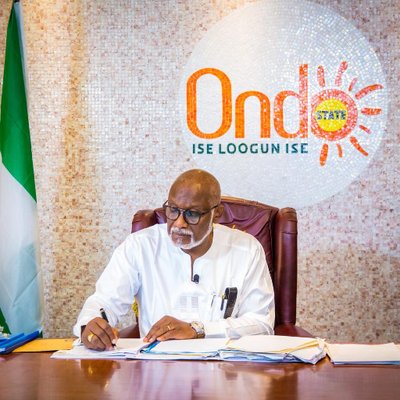
An awareness video post by Governor Rotimi Akeredolu

These steps have no doubt helped Ondo State in keeping coronavirus away thus becoming the only state in the Southwest of Nigeria that has not recorded any confirmed case of Covid-19.

While the government, through the Ministries of Health and Information has promised to introduce more precautionary measures against the disease as the days go by, residents are also calling on the government to sustain the tempo to help Ondo state remain coronavirus-free.

Stakeholders believe that if this is done, more people will live beyond the pandemic.

Adebukola Bardi

News Analysis

As the spread of Covid-19, also known as Coronavirus pandemic escalates across the world, a number of sports organisations have altered their schedules in response to the pandemic.

Indeed, in the past few weeks, the inevitable impact of the coronavirus on the sports industry has landed with a stunning blow. 

While most sports associations have suspended their nation’s leagues, some clubs were compelled to play without spectators.

In the longer term, summer events like the UEFA’s euro 2020 and the 2020 Tokyo Olympics, as well as the Paralympics have been postponed till next year.

Also, the bi-annual Nigerian National Sports Festival, NSF, billed for Edo State was postponed indefinitely, few days to its commencement. 

According to the World Health Organisation, W.H.O., over five hundred thousand worldwide cases of Covid-19 have been confirmed, while over fourteen thousand people have died so far.

Among the dead are two Spanish sports journalists.

A fifty-nine year old José María Candela, who worked for Radio Nacional De España (RNE) and Seventy-Eight year old director general, Motorpoint Networks Editores, Tomás Díaz-Valdés, both died of Covid-19 last Friday.

Few sportsmen have tested positive, while many of them are currently in self-isolation.

Sports events are no longer a simple diversion to brighten up midweek nights and weekends, but a dangerous public space.

For the first time since World War two, the billion dollars industry is suspended, affecting athletes, clubs, leagues, tournaments, organizations and thousands of people whose livelihood depends on sports, including sports journalists. 

No doubt, sports as a unifying factor, has suffered greatly due to the outbreak of Covid-19 and if this lingers on, it could result in job cuts.

Sports businesses would be affected due to the lockdown, many sports organisations might not be able to pay salaries of staff, while many stakeholders in the world of sports will likely be confronted with issues relating to contracts, insurance, employment, health and safety, sales, and operations.  

Also, the livelihood of thousands of sports journalists has gone as most sports media outfits could not meet their financial obligations, of course, they are not alone.

Though initial statements from leagues and national associations have set early next month as a target for resumption, however, health experts forecast the pandemic raging for a further three or even four months.

Sports’ suspension due to the Covid-19 outbreak may also mean a last full-stop for many sports publications, tipping even more colleagues into the abyss.

While it is commendable that some sportsmen are contributing to the financial kitty in the fight against Covid-19, it is imperative to know that the preservation of human lives is the most important thing right now.

Olaolu Fawole

News Analysis

In recent times, there have been cases of men who died during sex romps.

For instance, there was a trending video in which a sixty-year-old man purportedly died during sex with a twenty-two-year-old lady in Anambra State.

Early this year, a lady, Victory Amaize was arrested by the police in Abuja after her lover died during a marathon sex session.

Also, in Lagos, a father of two died during a sex romp with his female lover.

Commonly found at the scenes of these incidents were sachets/packets of used sex enhancement drugs, allegedly used by the men.

Further interrogations of the female lovers, revealed that the men had used the drugs and energy drinks prior to them having marathon sex.

It is reasonable to believe that recreational use of erectile drugs has exceeded medical use.

Sex pills are taken by people for a few specific sex-related problems or to improve the quality of their sex life in general, but, there are also pills that are unlicensed, herbal, or sold over-the-counter, which are not proven to work.

Unfortunately, so many people do not know that sex pills are not for people who are hypertensive and those that have a specific sex-related problem.

Such drugs are meant for those dealing with erectile dysfunction, and premature ejaculation which is common among men over forty years of age, while men under forty rarely need such sex enhancement drugs.

Though sex enhancement drugs are generally safe, especially on doctor’s prescription, there are definitely some side effects to watch out for, especially if they are overused and in certain cases, the side effects can be extremely dangerous.

Some of the side effects of using sex enhancement drugs include headache, congestion, flushed skin, upset stomach, muscle pains, and allergic reactions.

Others are dizziness, sudden hearing and vision loss, permanent damage to the penis, heart attack, stroke, and death.

Death might occur in those who have a case or history of heart attack, stroke, or serious allergic reaction to the drug.

Men who have underlying medical conditions might also be at a higher risk of death, but the situation should always be evaluated by a doctor prior to starting any medication.

Before thinking about what pill to take to boost sex life, it is a good idea to think about what people want from their sex life and what might be the best and safest way to make it happen.

Often, people can improve their sex life by making changes to lifestyles, getting counselling or therapy, or talking things through with their partners.

People should equally eat more healthy foods and less sugary foods.

Fruits such as dates, avocado, tiger nuts and watermelon can boost libido naturally.

Men should as well consume more cooked unripe plantains, which according to research will make them last longer sexually.

Also, it is on record that regular exercise can help them perform optimally.

Above all, no human being should take sex enhancement drugs with the primary aim of impressing their partners sexually.

Olaolu Fawole

News Analysis

Recently, the House of Representatives placed orders for the supply of four hundred units of Toyota Camry 2020 model.

At an executive closed-door session, the lawmakers rejected Nigerian brands, insisting on foreign ones, preferably imported and not locally assembled.

The four hundred saloon cars will be allocated to each of the three hundred and sixty members and some top members of management staff, chiefs of staff to the two presiding officers as well as some of their special advisers and assistants.

Before now, about fourteen Toyota Land Cruiser Prado were shared to the presiding and principal officers as well as chairmen of select House committees.

The House discovered that the national assembly had been turned into a dumping ground for smuggled and refurbished automobiles.

It is in the light of this that, the Socio-Economic Rights and Accountability Project, SERAP, and one hundred and ninety-two concerned Nigerians have filed a lawsuit asking the Federal High Court in Abuja to stop the speaker of the House of Representatives, Mr Femi Gbajabiamila, and all members of the House from spending an estimated five billion naira to buy cars.

SERAP is also seeking a court order to restrain and stop the National Assembly Service Commission from releasing any public funds to the House of Representatives to buy the vehicles, until an impact assessment of the spending on access to public services and goods like education, security, health and clean water, is carried out.

SERAP argued that lawmakers make up a small fraction of the country’s population and their needs should not be placed above the welfare of two hundred million Nigerians.

In the statistics of the World Poverty Clock, the number of extremely poor Nigerians has risen to over ninety-one million as at February last year.

The plan by the National Assembly to spend over five billion naira to buy vehicles for principal members of the Senate is a conflict of their personal interests with national interest of financial competence.

The nation’s lawmakers earn about thirteen point five million naira monthly which is one of the highest in the world.

For instance, in America, a senator earns one hundred and seventy-four thousand dollars and in the United Kingdom, a member of parliament earns about sixty-four thousand dollars a year.

It is unbelievable that the House of Representatives could shun indigenous auto assembly plant, in order to buy the 2020 edition of Toyota SUVs.

This is coming at a time when the government is asking Nigerians to tighten their belts by patronising made-in-Nigeria goods.

Government officials should also be seen as doing so.

It is not right for customs officials to impound imported rice, turkey and toothpicks while government officials are seen to be doing otherwise.

If the nation must be on par with developed countries of the world, the government needs to use the resources at its disposal for the development of the country.

It is therefore imperative that the idea of the National Assembly in purchasing imported cars should be discarded forthwith.

Fawzeeyah Kasheem

News Analysis

On February 22, 2020, a Nigerian footballer who played for Remo Stars Football Club, Kazeem Tiamiyu also known as Kaka, bade the world farewell in a very controversial manner in Sagamu, Ogun State.

The deceased who was also the assistant captain of Remo Stars was said to be driving in the company of one of his teammates, Sanni Abubakar.

According to the report, he was said to have been stopped by some officers of the Special Anti-Robbery Squad, SARS.

Report says one of the SARS officers had allegedly labelled Tiamiyu a cyber-fraudster, popularly known as yahoo boy and decided to take him to a police station close by.

Tiamiyu was said to have identified himself as a player of Remo Stars, however, this fell on the deaf ears of the SARS officers.

In a statement by the media officer of Remo Stars FC, one of the SARS officers was alleged to have pushed Tiamiyu out of the vehicle that was conveying him to the station and in the process, he was knocked down by a vehicle.

The young star was subsequently confirmed dead on arrival when he was rushed to a nearby private hospital.

The death of Kazeem Tiamiyu was just few of extrajudicial killings of innocent Nigerians by personnel of both the nation’s security agencies.

In October 2016, a player of Shooting Stars Sports Club of Ibadan, Joseph Izu was killed by soldiers of Joint Miltary Task Force in Okaki, Ahoada, Rivers State.

It is so cruel that a defenceless player like Tiamiyu who had gone to meet his manager a day before the incident ahead of his football trials coming up in Sweden would just be killed like a fly.

Instead of being remorseful and sympathetic, Nigeria Police, Ogun State Command, issued a statement which generated a public outcry on the situation that led to Kaka’s death which of course contradicted the position of Remo Stars FC.

A protest was staged on the police reaction by some youths in Sagamu where some people were feared dead.

In the light of this, the Inspector General of Police, Mohammed Adamu disbanded the Zonal Intervention Squad, ZIS, in Ogun State, while the officers involved was been arrested for being on illegal duty, and for failure to obtain clearance from the formation in Sagamu before the operation.

The killing of Tiamiyu should not be swept under the carpet as it was in the case of Joseph Izu where hasty investigation exonerated the person that killed him.

The Inspector General of Police should rise to the calls to reform the Nigeria Police to make them more people-friendly and as well conform to international standard in the discharge of their duties.

No matter the pressure, Nigeria Police must protect the people and not kill them.

The hierarchy of the police must admit its shortcomings and restore sanity into the force, thereby preventing such provocative cases in the future.

Furthermore, Ogun State Governor, Dapo Abiodun must live to his words that such ugly incident would not occur again in the state and that the case would be thoroughly investigated.

The governor should equally consider immortalising the footballer by naming a sports institution or facility after him.

The governor, during a visit to the parents of the dead footballer, had promised to use all instruments of government to unearth the circumstances surrounding the death of Tiamiyu.

The management of Remo Stars FC should equally ensure that all entitlements accrued to Kazeem Tiamiyu are paid to his family as soon as possible, while the Nigeria Football Federation, NFF, should equally come up with an award in honour of the late assistant captain of Remo Stars FC for his contribution to the development of football in Nigeria.

Nigerians are patiently waiting to see that not only is justice served but also seen that it has been served.

Olaolu Fawole

News Analysis

Coronavirus, also known as COVID-19, belongs to the family of viruses that are common in many different species of animals, including camels, cattle, cats and bats.

This virus can be transmitted from animals to human beings and can infect both.

 Coronavirus was first identified in the 1960s but no one knows where it originated from. The name was derived from their crown-like shape.

COVID-19 causes infection in the nose, sinuses or upper throat, it also causes upper respiratory infection.

The symptoms are stuffy nose, cough and sore throat.

 The virus spreads the same way like every other cold-causing viruses through an infected person’s sneezing, by touching an infected person’s hand or face, or touching things like door-nobs that had been touched by an infected person.

Researchers say the virus is like normal flu that can spread during its incubation period and blow out symptoms similar to normal flu.

COVID-19 was discovered from illegally traded wildlife at a seafood market in Wuhan, China and has spread to twenty-five countries of the world.

According to reports, the virus has killed over two thousand eight hundred people worldwide, the majority of which are in China, and infected more than eighty-three thousand people since the latest outbreak.

Close to sixty million people remain under lockdown in china, with three cities reporting over a thousand confirmed cases.

Different cases have also been reported in several other countries including Australia, France, Japan, Thailand and the United States.

Nigeria recorded its first case of coronavirus after an Italian national tested positive to the virus.

Nigeria is the third reported case of coronavirus in Africa after Egypt and Algeria 

As part of the measures to curtail the spread, the Federal Ministry of Health has been strengthening measures to ensure the outbreak in the country is controlled and contained.

The Nigeria Centre for Disease Control, NCDC, has activated its national emergency operations centre and will work closely with Lagos State Health Authorities to respond to the case and implement firm control measures.

The virus is common during the cold season, but anyone can come down with a coronavirus infection at any time.

 The infection can cause pneumonia, especially in older people, including people with heart disease or people with weakened immune systems.
 

There are no specific treatments for coronavirus and there is no vaccine that can protect people against the virus.

People infected may experience only mild illness and recover easily, but it can be more severe in others, particularly the elderly and persons with other underlying chronic illnesses.

To fight the spread of this virus, researchers and clinicians need to quickly develop effective drug treatments and vaccines.

It is necessary that Nigerians should take care of their health and maintain hand and respiratory hygiene to protect themselves and others, including their own families.

 There should be sensitization on the need to wash their hands thoroughly with soap and warm water or with an alcohol-based sanitizer.

Government advise that it is necessary to maintain about five feet distance between anyone who is coughing or sneezing and an uninfected person.

 Persons with persistent cough or sneezing should stay home or keep a social distance, but not mix in-crowd.

Government should ensure that health centers and hospitals are well equipped and functional.

Airport officials should make sure all travellers are well screened before entering the country.

Damilola Adewale

News Analysis

Tourism over the years has proven to be a strong and resilient economic activity and a fundamental contributor to economic growth of any nation.

As it generates billions of dollars in exports and creating millions of jobs.

Acknowledging these facts, many developing and developed countries today rely on tourism as an option for sustainable development of their nations.

Though Nigeria is richly blessed and endowed with both physical and cultural tourism potentials it has been relatively insignificant on the world tourism map.

This is because the nation’s economy has been mainly petroleum-driven, with the result that tourism does not play any significant role in the economy.

Much prominence has been given to oil production as the major source of revenue, particularly, foreign exchange at the expense of other industries including tourism.

Factors that affect the nation’s tourism sector include poor implementation of tourism plans, absence of defined measures to encourage participation in tourism, policy formulation and implementation, and poor infrastructural development.

It was also discovered that successive administrations have not shown commitment to tourism development beyond mere rhetoric.

Unless tourism is seen as strategically important to the economy of Nigeria and the necessary plans, policies, actions and resources to support this initiative are put in place, tourism will continue to be a missed opportunity.

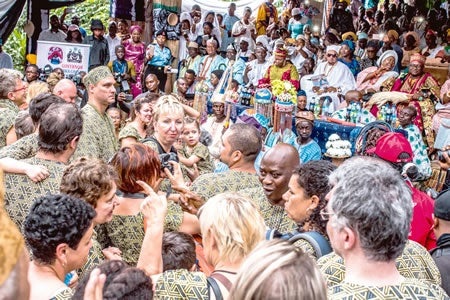
For instance, in Ondo state, much concentration is still on cultural tourism which is promoting the culture through festivals and celebrities.

The state is also endowed with natural resources which if developed, will help to generate employment for the people and boost the local economy.

The time has come for the country to harness the potential in the tourism sector to protect its culture and heritage.

To do this, government at all levels should commit a lot of resources to the development of tourism sector.

Also, federal government needs to create a conducive environment so that visitors could be attracted to the nation’s tourist sites.

The provision of efficient transportation, stable power supply, water and telecommunications will make Nigeria a tourism destination for foreign nationals.

Above all, there should be attitudinal change by states and local government to improve their Internally Generated Revenue, IGR, through tourism development thereby reducing dependence on federal allocation.

Abisola Oluremi

News Analysis

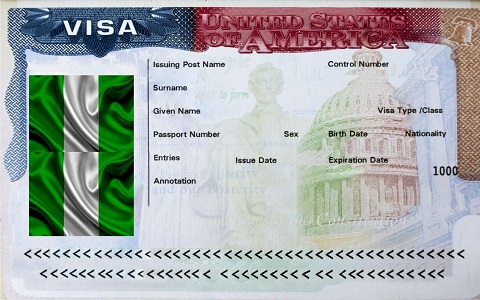
From the twenty-first of this month, the United States of America will stop issuing certain types of visas to Nigerians and some citizens from five other countries.

The U.S said it would suspend the issuance of visas that can lead to permanent residency for nationals of Nigeria, Eritrea, Kyrgyzstan and Myanmar.

Acting US Homeland Security Secretary, Chad Wolf, while making the announcement, said other nationals from Sudan and Tanzania will no longer be allowed to apply for diversity visas, which are available by lottery for applicants from countries with low rates of immigration to the United States.

The new measures were the result of failures by the six countries to meet United States security and information sharing standards.

The main reason Nigeria is suspended is due to non-availability of a credible background investigation system that will enable United States’ relevant agencies to verify status of Nigerians coming to the country as permanent residents.

United States began placing travel ban on nationals of some countries in 2017, after President Donald Trump signed a travel ban executive order.

According to president trump, the travel ban became necessary to end various insecurity challenges facing Americans on their soil.

The travel ban only affects Nigerians wishing to travel to the states as immigrants, while other Nigerians can still apply for tourism, students and business visas.

What this means is that the restrictions apply to immigrant visas for people who intend on living in the US permanently, including spouses or family members of US citizens, family members of permanent residents, or workers holding advanced degrees, among others.

In 2018, over eight thousand immigrant visas were issued to Nigerians, which is twice the immigrant visas issued in five countries in that year.

Since the announcement of the travel ban, Nigerians have been expressing mixed reactions to the development, while the Federal Government had set up a committee to look into the matter, with a view to fixing the security lapses that led to the ban.

According to the Presidency, the committee will study and address the reasons for the travel ban, as Nigeria remains committed to maintaining productive relations with the United States and its international allies, especially on matters of global security.

While this step of the Federal Government is commendable, as it will further redeem the image of the nation, there is still more the government at the centre needs to do.

Thousands of Nigerians do apply for US immigrant visas on a daily basis, to seek greener pastures, however, granting eight thousand immigrant visas alone to Nigerians in 2018 calls for great concern.

 Most of those applying for immigrant visas are wealthy Nigerians and seeking to relocate as residents to another country will one way or the other affects the nation’s economy.

The ban on issuance of immigrant visas to Nigerians could be a blessing in disguise for the country. 

As a family applying for an immigrant visa, millions of naira will be required to process such visa, and it is not one hundred percent certainty that the visa will be issued to such applicants.

In fact, some Nigerians have been turned back at the port of entry into the United States and this had resulted into psychological trauma for some of those affected.

Government needs to take more concrete approaches to the numerous challenges confronting the country, which have also been the reasons for the exodus of people out of the country. 

Some Nigerians are not willing to travel out of the country, but a second thought of factors militating against businesses thriving in Nigeria made them relocate to the United States.

Nigeria has a large percentage of citizens in the United States, as Nigerians are the most educated immigrant community in America, and seventy seven percent of black doctors are Nigerians.

Furthermore, the ban will make those who intended to apply for immigrant visas to apply for other categories of US visas, as it is certain that United States’ decision for the travel ban will not be achieved.

 Therefore, the Federal Government-led committee must work round the clock to make sure it meets the demands of the United States so that the temporary restriction is lifted, as most of Nigerians who migrated to the United States are now downcast as they will be unable to airlift their family members from Nigeria when the ban takes effect later this month.

Olaolu Fawole

News Analysis

Casualisation is the practice of employing temporary staff for short periods rather than making them permanent staff.

Under the arrangement, the worker is not entitled to any entitlements such as transportation, leave, medical allowances or any special benefits package.

Besides, the worker’s take-home pay is so miserable that it can hardly take him home.

According to the president, Nigeria Labour Congress, NLC, Ayuba Wabba, about forty-five per cent of workers in the country are operating as casual workers with employers in the banking as well as oil and gas sector.

Experts believed that casualization is thriving as a result of the high rate of unemployment, even though it contravenes section seven subsection one of the Labour Act, cap 198, laws of the Federal Republic of Nigeria, 1990.

The act provides that, “not later than three months after the beginning of a worker’s period of employment with an employer, the employer shall give to the worker a written statement specifying the terms and conditions of employment, which include the nature of the employment and if the contract is for a fixed term, the date when the contract expires.”

To boost the Labour Act, section seventeen (a) of the 1999 constitution condemns casualisation because it is at variance with its provisions, which guarantees equal pay for equal work.

Furthermore, convention one hundred and fifty-three of the International Labour Organisation (ILO), to which Nigeria is a signatory, does not support any form of discrimination in the workplace.

Report shows that companies engage casual workers in Nigeria for permanent positions as a practical option as well as a socio-economic necessity to cut costs and remain competitive in an environment of increasing competition, cost minimisation and flexibility.

In most scenarios, these casual workers have the same work hours as permanent staff but are entitled to less salary, with no pension and insurance coverage as well as other severance packages for full-employed staff.

According to the sponsor of the bill, the lawmaker representing Epe Federal Constituency, Mr. Olawale Raji, the proposal would protect workers in the country.

Therefore, the move by the House of Representatives to criminalise employing workers on casual contracts beyond six months is commendable.

The bill will also prohibit outsourcing to third parties, while any casual worker sacked by an employer after six months will be entitled to the benefits of full-time workers for six months.

Also, the house called on the Central Bank of Nigeria, CBN, to sanction commercial banks using casual workers to run their critical operations.

The House of Representatives should not rest on its oars until the bill becomes law.

The government should as a matter of urgency ensures that employers of labour conform to internationally accepted standards at all times.

The federal government should develop the political will to enforce compliance with the decent and acceptable work environment by organisations.

Titilayo Kupoliyi
News Analysis

Last week, President Muhammadu Buhari gave an assurance that with various reforms by his regime, all government financial transactions will soon be done in the open.

According to President Buhari, the objective is to ensure transparency in governance through mainly information technology platforms especially government financial transactions.

The president noted that the aim is to ensure that no government financial transaction is done in secret to subject them to public scrutiny.

The federal government embarked on some innovations to deepen transparency and accountability in public finance management. 

The office of the Accountant General of the federation, ministries, department, and agencies among its functions is saddled with the responsibility of ensuring transparency and accountability.

By this, a summary of revenue coming in and going out will be published daily on an online portal.

According to the Minister of State for Niger Delta Affairs, Chief Tayo Alasoadura, this would ensure that all government financial transactions were made available to the public and the media, in line with the Freedom of Information Act 2014. 

It is heartwarming that all MDAs are expected to publish the monthly performance of their budget, functions and economic activities; while the AGF will publish monthly fiscal accounts, detailing the fiscal performance of the federation, including receipts from all the revenue collection agencies and payments out of the federation account.

It was discovered that the government’s inability to trace its funds and expenditure facilitates the continual looting of public treasury. 

Without a doubt, if this initiative had been in place before the allegation made by former Central Bank Governor, Sanusi Lamido that twenty billion naira oil revenue was missing at a time such would have been avoided.

It is, therefore, imperative that this policy should be enacted into law as advised by the House of Representatives.

This should include maximal severe sanctions against violators as done in the United States of America, where public funds were put under constant surveillance.

The country cannot afford to ignore these international best practices for the overall development of the country.

Good governance is every citizen’s business, therefore all eyes especially those of the civil society, the media and taxpayers must call the government to account for how public funds are being spent.

This is how citizens of developed countries of the world are able to hold their leaders accountable for any public fund spent.

Fawzeeyah Kasheem

News Analysis

Lagos State Government banned okada riders and their tricycle counterparts from plying major highways, citing the need to check crimes and reduce accidents rate as factors.

However, different shades of views have been expressed on the likely impact of the step taken by Governor Babajide Sanwo-Olu

On Analysis, a Sociologist, Mr. Niyi Oladeji, in an interview with Simeon Ugbodovon, comments on the overall implications of the decision.

News Analysis

 Talk of any field of human endeavours anywhere in the world, names of Nigerians will not miss out.

Journalism, being one of the fields, is a noble profession that has records of brilliant and dedicated brains in Nigeria. Among those that have made remarkable impacts, especially in the area of radio broadcasting is prince Atilade Olatokunbo Atoyebi.

Born in the ancient town of Ogbomosho in April, 1948, into the royal family of Onpetu of Ijeruland, Oba Solomon Ladeji Atoyebi, Atilade radiated royalty.

Young Atilade began his educational pursuits at Ijeru Baptist Day School, Ogbomoso after which he attended Fiditi Grammar School and Ogbomoso Grammar School before proceeding to the prestigious university of Lagos where he studied Mass Communication and finished in 1972 as the best graduating student in the department, which earned him the Daily Times of Nigeria prize of 2-week facility tour of the United Kingdom.

The zeal to be a force to reckon with in his chosen profession spurred Prince Atoyebi to have his Master programme in Journalism at University of Wisconsin, USA after which he advanced his career with Management Training in Public Corporations and Enterprises at the Administrative Staff College of Nigeria, ASCON, Badagry.

Prince Atoyebi became a graduate at the age of 24, a feat very rare at that period and after a brief stay as an information officer with Federal Ministry of Information joined the service of Nigerian Broadcasting Corporation, NBC now Federal Radio Corporation of Nigeria, FRCN.

Ati-Ato or Atila as fondly called made remarkable impacts in FRCN where he rose through the ranks to become the Executive Director, FRCN Lagos National Station for 6 years after which he was transferred back home, making him the last to hold the position of Executive Director in Ibadan National Station.

He bowed out of service in 2008, after 35 years of meritorious contributions.

Prince Atoyebi, an achiever, a prolific writer and a professional to the core, famous for his news analysis write ups in the 80s, contributed tremendously to the establishment of many radio stations among them are radio Nigeria’s Treasure FM, Port Harcourt, Amuludun FM, Ibadan, and the then Choice FM, Ikeja as well as Ajilete FM, Ogbomoso, Oke-Ogun FM in Oyo north, Impact Business Radio, Ibadan and Unilag FM.

At a time when many staff still belonged to analogue era, he initiated the integration of his core interest, information and communications technology, ICT into the operations of Radio Nigeria. For that initiative, he was given the privilege of serving as the chairman of the committee that launched Radio Nigeria into the internet. In fact, the first cyber cafe for FRCN, Ibadan National Station was established by Prince Atoyebi in 2008.

According to a maxim, a gold fish has no hiding place, it was therefore not surprising that on his retirement in 2008, Prince Atilade Atoyebi was appointed as Executive Chairman of the Broadcasting Corporation of Oyo State where he made indelible impact.

Prince Atoyebi also served as a member of the Federal Government committee that produced the current National Policy on Information.

Unlike some chief executives who use their power to inflict hardship on their subordinates, for Prince Atoyebi, as executive director, advancing the cause of the workforce was his top priority.

He travelled far and wide to impart knowledge, especially broadcast journalism, a profession which he spent all his productive life to master.

Prince Atoyebi never detached from his source, Ogbomosho as he played active roles in the development of the town. He was a member of Ogbomoso Recreation Club and Special Adviser/ Trustee of Ogbomosho Community Initiative, which focused on turning miscreants in the town to responsible and productive citizens.

Who really will forget you, Prince Atoyebi? Are we talking of immediate family to whom you were  a source of hope and aspirations or the extended family members who have succeeded from your words of admonition or groomed broadcasters who are thriving from your pool of knowledge or friends who are still relevant based on your connections?

As the pen drops, the ink dries and the mouth closes while heaven opens to receive a doyen of journalism, prince Atilade Olatokunbo Atoyebi has successfully etched his name in the sand of history and shall forever be remembered for his impactful life.

Ridwan Fasasi

News Analysis

Valentine’s Day is a day when people show their affection to others by sending cards, flowers or chocolates with messages of love.

The day is celebrated on 14th February, as an annual festival to celebrate romantic love, friendship, and admiration.

Valentine Day is named after a Catholic priest, Saint Valentine, who believed in the importance of love.

The Catholic priest began to conduct marriage for soldiers in secret Christian ceremonies at a time, when Emperor Claudius Two, a pagan created strict laws about what Christians were allowed to do.

 Claudius believed that Roman soldiers should be completely devoted to Rome, and therefore passed a law preventing them from marrying.

Eventually, Valentine’s act was found out, and he was jailed for it. While in prison, Valentine cared for his fellow prisoners as well as the blind daughter of the jailer.

He was said to have cured the girl of blindness and that his final act before being executed on February 14 in the year 270 was to write her a love message signed ‘from your Valentine’.

It was not until more than two hundred years later that 14 February was proclaimed St Valentine’s Day.

While Valentine’s Day is celebrated in most countries, different cultures have developed their own traditions for this festival.

In some parts of the world, Valentine’s Day is observed as a day for expressing love between family members and friends, rather than that of romantic couples.

Some traditions include leaving lollies and gifts for children and others, including acts of appreciation between friends.

Gifts of flowers or a single red rose are sent with romantic messages to loved ones while couples spend special time together. 

Many couples choose to celebrate Valentine’s Day with dinner, a picnic or special home-cooked meal. Many restaurants offer Valentine’s Day dinner promotions, and food is often presented with symbols of love like hearts and flowers.

Marriage proposals are also popular on Valentine’s Day, and it is often chosen as the perfect day to express love and commitment.

Sharing of love to one another should not be a day issue, as people need to express love to loved ones not only on Valentine’s Day but to the less privileged in the society.

The less privileged in the society need love and care, and just as Saint Valentine went extra miles to showcase this to soldiers who intended to get marry.

People should try and pay visits to the sick in the hospitals, prisons and rehabilitation centres, these are categories of people who need love and care the more.

Also, the media, parents and schools should brace up about spreading the real reasons for celebrating Valentine’s Day. It is not just about romantic love. Children of school age need to be taught about concentrating more on their studies and not debased the spirit of Saint Valentine’s Day, as many view it as an opportunity to engage in immoral practices.

Government should as well show more love and care to those affected by natural disasters or clashes, while corporate social responsibility of companies should equally focus on service to humanity. 

Love, they say makes the world go round, and to this end, people should strive to care enough for the living to make a better place for all.

Olaolu Fawole

News Analysis

By Olaolu Fawole

The absorption and utilization of food by the body is fundamental to nutrition and is facilitated by digestion while food processing is the transformation of agricultural products into food.

Primary food processing is necessary to make most foods edible, as secondary food processing turns the ingredients into familiar foods, such as flour to bread.

In Nigeria, there are many ways to process and cook food, but these days, however, most people have adopted very harmful methods to cook and process food.

A new method adopted is the use of substances such as bleach, detergents and potash to soften soaked cassava roots in a day or two, that will be used for fufu.

This method is quite different from the original processing method, where the cassava roots are grated after three days of fermentation.

Also, most food vendors use paracetamol to boil meat.

Paracetamol, people say, tenderises the meat to avoid the long hours of boiling in order to meet the increasing demands as hard meat takes long to soften while boiling but adding the paracetamol to it softens it quickly reducing the amount of time to cook it naturally.

Research has shown that the drug breaks down into other chemicals while being used for cooking meat, that could lead to high acidity and very toxic to the kidney.

It is worrisome that many people are unable to explain how they came across some ailments, not knowing it was due to what they consumed.

This is indeed death by installments.

Last December, the National Agency for Food and Drug Administration and Control, NAFDAC, cautioned people against paracetamol to boil meat and beans due to its harmful effects.

NAFDAC says instead, people should soak meat into water for thirty minutes and boil their meat in a pressure cooker.

The agency says it will continue to monitor restaurant operators on the need to stop using paracetamol to cook meat.

NAFDAC should not stop at that, the agency should intensify efforts at apprehending people who engage in using harmful substances to cook or process food.

There should be more orientation for Nigerians on the dangers in using detergents, potash and bleach to process fufu as well as using paracetamol to cook meat.

Nigerians on their part, need to expose those fufu processors and restaurant operators who engage in these deadly acts.

Also, people should be wary of eating food they do not know how it was prepared.

As we all know, health is wealth and if we are not healthy, we cannot enjoy life not to talk of being productive.

News Analysis

In 2016, the World Health Assembly adopted the global health strategy on viral hepatitis to eliminate hepatitis by 2030. Since its adoption, activities have been scaled up in all member countries towards achieving this goal.

Hepatitis control strategies adopted include the introduction of HBV vaccination which ensures that infants receive three doses in the first year of life, prevention of mother to child transmission of HBV, ensuring the safety of blood in case of transfusion and increased testing as well as treatment.


Despite these strategies, the number of people with hepatitis is still high.
It is estimated that over three hundred million people worldwide are living with viral hepatitis while about 1.3million deaths occur yearly. In Nigeria, the prevalence of hepatitis B is about eleven percent of the population, meaning that up to two hundred thousand Nigerians are infected.

Experts say people with untreated hepatitis are at risk of developing liver diseases like cirrhosis and even cancer. They could also easily infect others with it. Moreover, nonchalant lifestyles such as sharing of razor blades, clippers and body scarification such as tattooing could expose people to hepatitis B as well as transmission from mother to child.


Time had come therefore for individuals to take their health seriously by avoiding all modes of transmission. It is also important to avoid indiscriminate use of drugs while pregnant women must make it a point of duty to know their status and do the needful.


It is heartwarming that the House Committee on Health has pledged its commitment towards eliminating hepatitis by 2030. The success recorded in the fight against immunodeficiency virus, HIV, malaria and tuberculosis were mainly due to support from donor agencies. If these agencies give same support to hepatitis elimination, the rate at which people die from liver-related diseases would be greatly reduced.

Therefore, there must be increased funding from government. civil society organisations, non-governmental organisations, well-meaning Nigerians and corporate organisations should extend helping hands.

It is imperative to strengthen health care delivery systems and the primary health care centre across the country. Close monitoring of traditional birth attendants, mission houses and other unrecognized birth outlets is necessary to ensure that babies get the first shot of HBV at birth and subsequent ones.

Most importantly, there should be increased capacity for testing of hepatitis B and C especially in the rural areas while treatment drugs and vaccines be subsidised for low income Nigerians to gain access.

Anthonia Akanji