In today’s digital age, adolescents and young people are constantly bombarded with information on social media, which can be detrimental to their sexual and reproductive health, SRH.
In this report, Olufisoye Adenitan spoke with a cross-section of adolescents who shared their concerns about this development.
The adolescents between ages 10-16 revealed that misinformation on social media posed a significant challenge to their SRH education.
One of them, Dunsin Rejoice said they often relied on social media for information, which sometimes led to confusion and perpetuate myths surrounding their reproductive health.
According to the teenager, since many people share the same information on social media this often makes it become believable.
Another teenager, Timileyin Ilesanmi spoke of how she encountered misinformation on menstrual hygiene, sexual activity, and relationships making her believe an erroneous notion that regular stomach aches were due to a lack of sexual activity at an early age.
Others, Fadaora Oluwatobi, Joshua Toluwani, Bakare Joy and Ayetan Ayomide emphasized the need for comprehensive SRH education to protect them against unwanted pregnancies, sexually transmitted diseases, STDs which could disrupt their education.
They also called for regular and open discussions with parents, educators, and healthcare professionals.
A school counsellor, Mrs Sofas Abdulsalam emphasized parents’ roles in providing accurate information to their children.
Mrs Abdulsalam advised parents to introduce their wards to e-learning and educational apps, rather than social media platforms like TikTok and Snapchat.
Some parents who spoke on the issue, Mrs Folasade Oladeinde and Mrs Margaret Adebayo expressed concerns about the impact of technology and exposure of children to series of harmful information especially on the internet and suggested placing restrictions on the adolescents’ phones while also creating time to physically interface with them regularly.
A sexual and reproductive health expert from the Ondo State Primary Health Care Development Agency, Mrs Damilola Adeniyi emphasized the importance of starting sex education from age 3 years upwards to empower the children so they could make informed decisions about their bodies.
Mrs Adeniyi expressed that accurate and comprehensive SRH education for adolescents and young people would go a long way to address some of these issues.
She added that it would aid in making them aware properly and handle well, decisions about their health, relationships, and future.
Mental health remains one of Africa’s most overlooked health crises, worsen by poverty and hunger.
While Millions suffer in silence due to stigma, inadequate services, and socio-economic hardships, urgent action is needed to integrate mental health into broader development efforts.
The Burden of Mental Illness
Africa has the lowest mental health workforce globally, with some countries having fewer than 10 psychiatrists for millions of people.
Conditions like depression, anxiety, and PTSD remain untreated, affecting individuals’ well-being and economic productivity.
Link Between Poverty, Hunger, and Mental Health
Poverty creates chronic stress, insecurity, and limited access to healthcare, increasing vulnerability to mental disorders.
At the long run, hunger and malnutrition worsen mental health conditions, particularly among children, leading to developmental and cognitive issues.
Stigma and Cultural Barriers
Many African societies associate mental illness with weakness or spiritual causes, discouraging people from seeking help. This cultural stigma, coupled with limited mental health resources, leaves many without support.
Addressing Mental Health
There should be more funding, professionals, and infrastructure are needed to make mental healthcare accessible.
Also, tackling root causes through economic development, social programmes, and food security initiatives can reduce mental health stressors. Public campaigns, community programmes, and education can encourage early intervention and support.
Addressing mental health alongside poverty and hunger is crucial for Africa’s development, to this end, governments, Non Governmental Organisations, and other stakeholders must collaborate to ensure mental well-being is a priority, creating a healthier and more resilient society.
Osun State Governor, Ademola Adeleke has flagged off the fourth edition of Imole Free Surgical and Medical Outreach, disclosing that over 50,000 residents of the state have benefited from the initiative.
Speaking at the opening ceremony of the initiative, which is part of the activities marking the two-year anniversary of his administration, Governor Adeleke described the outreach as one of the major achievements of his government.
He noted that the initiative had become a lifeline for the masses as it provided fast and accessible medical and surgical care to those in need.
“Since its inception, this programme has provided life-changing care to over 50,000 people. Many of these individuals could not afford treatment and lived with their conditions for years.
“In the last two years, we have achieved remarkable milestones in the health sector. We have strengthened primary healthcare, which is closest to the people. Over 200 primary health centers have been upgraded with 24-hour power and water supply.
“Our state was recently rated the best in the South West for health governance and leadership by the Nigeria Governors’ Forum. This success is a result of our commitment and strategic planning”.
Earlier in his remarks, the coordinator of the outreach, the Permanent Secretary, Ministry of Health, Dr Isiaka Adekunle, said the latest edition of the health initiative is unique because the outreach had incorporated additional health interventions without leaving any of the interventions of the previous episodes which include dental services, cervical cancer screening and breast examination to rule out breast cancer.
Dr Adekunle mentioned that beneficiaries would be treated for hypertension, diabetes, malaria, cough, arthritis and other medical diseases while there would be surgical removal of hernias, hydroceles and various lumps.
He added that there would be cataract and pterygium operation, distribution of reading glasses and other eye treatments, noting that scaling and polishing, tooth extraction and general dental examination, cervical cancer screening and breast examination will be carried out.
The programme will be taking place at six State Hospitals in Osun State namely Osogbo from 17th to 18th of December 2024; Iwo from 14th to 15th January 2025; Ilesa from 21st to 22nd January 2025; Ikirun from 28th to 29th January 2025; Ife, from 4th to 5th February 2025 and Ede from 11th to 12th of February 2025.
Beneficiaries of the ongoing free health programme at Specialist Hospital Asubiaro, Osogbo, commended the governor at the flag-off.
Ogun State House of Assembly has challenged the management of the State Ministry of Health and Hospital Management Board to accord high priority to the purchase of more hospital equipment for all health facilities during the next fiscal year.
This, according to the lawmakers, will enhance healthcare delivery to the people.
The Assembly through the members of the House Committee on Finance and Appropriation, led by Mr Musefiu Lamidi, stated this while playing host to the State Commissioner for Health, Dr Tomi Coker during the ongoing budget defence session held at the Assembly Complex, Oke-Mosan, Abeokuta.
The Committee Chairman together with his co-lawmakers enjoined the Ministry to do more to equip the various health facilities in the State to further deliver on the qualitative health programmes of the government, calling for the immediate purchase of MRI machine for use at the Olabisi Onabanjo Teaching Hospital, Sagamu.
In her presentation, the State Commissioner for Health, Dr Coker explained that the purchase of MRI machine for the Olabisi Onabanjo University Teaching Hospital was already receiving the attention of the government, stating that the Ministry proposed a total of N15.591bn as its total expenditure for the next financial year.
Giving a breakdown of the budget proposal, the commissioner said that capital expenditure for next year would gulp N11.785bn, while personnel cost would take N2.094bn, just as N1.712bn was earmarked for overhead.
Other commissioners, who defended their ministry’s 2025 appropriation bill included State Commissioner for Forestry, Engr. Oludotun Taiwo, his Sports Development counterpart. Mr Wasiu Isiaka, State Auditor General, Mr Lateef Balogun and his Local Government counterpart.
National Agency for Food and Drug Administration and Control, NAFDAC, has destroyed unregistered and unwholesome products worth about eleven billion naira.
The exercise which took place at the Oyo State Government-approved dumpsite in Akinyele Local Government Area of the state was witnessed by NAFDAC Director General, Professor Mojisola Adeyeye.
Professor Adeyeye who was represented by the Director of NAFDAC South West Zone, Mrs Roseline Ajayi, explained that the items destroyed were seized in the five states of the Southwest Zone and, Kwara State in the North Central due to their nearness to the zone.
The NAFDAC Director-General listed the items set ablaze by the agency, including expired products that were voluntarily forfeited by people in the drug distribution channel, unregistered and unwholesome products that were raided from different outlets and warehouses, fake and counterfeit as well as unregistered imported products smuggled into the country.
Professor Adeyeye pointed out that the public destruction of the products was to show the people that the seized items were not diverted for personal use but to prevent them from being circulated and consumed by the public.
The DG who noted that the exercise was carried out under close monitoring in an approved dumpsite to reduce the impact of environmental pollution, solicited the continued partnership from sister agencies and Nigerians to keep the country safe and free from unwholesome, substandard, fake and counterfeit medicine and other regulated products.
The Head of Investigation Enforcement Directorate, NAFDAC, Mr Mohammed Shaba who said products worth 98.2 billion naira were also destroyed by the agency in October this year, urged the public to see reporting activities of manufacturers of fake products, expired products being repackaged, as a civic responsibility.
Mr Shaba stated that NAFDAC had signed a Memorandum of Understanding, MOU, with the Nigeria Customs Service, NCS and the National Drug Law Enforcement Agency, NDLEA, to strengthen their collaboration in combating product counterfeiting and trafficking of illicit drugs.
In a remark, the Chairman, the Oyo State Hospital Management Board, Dr Akin Fagbemi reiterated Governor Seyi Makinde’s administration’s efforts in safeguarding the health of citizens and applauded NAFDAC’s transparency in its destruction of the confiscated products.
The event featured goodwill messages from the Nigeria Customs Service, NSC, Nigeria Civil Defence Corps, NSCDC, and Nigeria Police Force, among others.
The Speaker, House of Representatives, Dr. Tajudeen Abass has urged all relevant stakeholders to join hands with the National Drug Law Enforcement Agency, NDLEA, and the United Nations Office on Drugs and Crime, UNODC, in the fight against drug abuse and illicit trafficking.
Dr Abass gave the charge while speaking at the 2024 International Day Against Drug Abuse and Illicit Trafficking, held at the Conference Centre of the Presidential Villa in Abuja, with the theme: ‘The Evidence is Clear, Invest in Prevention.’
The speaker, who was represented by the member representing Ibadan South East/North East federal constituency and the Chairman of the House Committee on Narcotic Drugs, Mr. Abass Adigun lamented that the menace is speedily destroying the fabric of Nigerian society, particularly the youth population.
Mr. Adigun, while presenting the Speakers’ speech, called for more investment in comprehensive prevention programmes that would address the root causes of drug use and trafficking, saying stakeholders must ensure that traffickers are stopped from getting their destructive substances into the society.
“This requires a multi-sectoral approach involving government agencies, civil society organizations, families, and communities. It is against this background that we support increased investment in preventive actions especially in the areas of awareness-creation, education, counselling, advocacy and therapy to strengthen individual’s resistance against drug abuse,” he stated.
While commending the efforts of the NDLEA and one of its partners, UNODC, for working tirelessly to combat the menace, Mr. Adigun called for more budgetary provisions for NDLEA in the face of its multi-faceted mandate.
He, however, assured that the House of Representatives will continue to combat drug trafficking and abuse in the country, maintaining that the fight is a collective responsibility.
“We have passed several laws and resolutions aimed at strengthening the legal framework for drug control and providing the NDLEA with the resources it needs to effectively carry out its mandate. The recent amendment of the NDLEA ACT which prescribes the harshest punishments for manufacturers and traffickers of hard drugs is a clear indication of our commitment to this cause”, he concluded.
In his address, the Chairman/Chief Executive of the National Drug Law Enforcement Agency, NDLEA, Brigadier General Mohamed Buba Marwa (Rtd), OFR, said operatives of the agency have arrested 52,901 drug traffickers, including 48 barons, and obtained over 9,000 convictions of suspects in the last three years.
The NDLEA boss said efforts to achieve a drug-free Nigeria are being led with preventive steps, one of which has been blocking distribution channels.
Other dignitaries who spoke at the event include Secretary to the Government of the Federation, SGF, Senator George Akume, who represented President Bola Ahmed Tinubu; Senator Sadiq Umar, who represented the Senate President; Attorney General of the Federation and Minister of Justice, Lateef Fagbemi, SAN; the Minister of Education, Professor Tahir Mamman; Chairman of MTN Foundation, Julius Adeluyi and guest lecturer at the event, Dr. Vincent Udenze of Intersect Consortium, among others.
The high rate of drug abuse, especially among the youths is responsible for the influx of mentally derailed people in the society.
A professor of Psychiatry and Addiction Medicine at the University College Teaching Hospital, UCH, Ibadan, Victor Laosebikan stated this in a lecture in Ibadan to commemorate this year’s International Day Against Drug Abuse and Illicit Trafficking organized by the Oyo State Drug Abuse Control Committee, OYSDACC in collaboration with National Drug Law Enforcement Agency, NDLEA.
Professor Laosebikan said drug abuse always have negative effects on people’s health psychologically, physically and mentally.
He said at the psychiatrist wards of most hospitals in Nigeria, drug abusers took the larger percentage in the number of the patients.
Professor Laosebikan explained that consequences of drug abuse could be immediate or long term, which most times affect brain and possibly lead to mental illnesses or disorders.
He called on people, especially those addicted to drugs to seek help in order not to jeopardize their lives.
On her part, the Commissioner for Health in Oyo State, Dr Oluwaserimi Ajetunmobi said the event marked yet another landmark in their collective journey towards advancing strategies to stem the tide of the societal menace of drug abuse and its illicit trafficking.
The health commissioner said the programme would address a pressing issue of drug abuse and illicit trafficking that pose as threat to national security and development.
“As we mark the United Nations International Day against Drug Abuse and Illicit Trafficking, we are reminded of the devastating impact of drugs on individuals, families, and communities worldwide” she explained.
She noted that with this year’s theme, “The evidence is clear: invest in prevention”, it was pertinent for all stakeholders to see preventive measures as the most effective way to address drug abuse menace in the society.
“By investing in prevention, we can reduce the demand for drugs, support healthier choices, and build safer communities.” the commissioner explained
She explained that prevention was not just a strategy but a necessity for young people who deserve a future free from addiction.
“It’s a necessity for families who have lost loved ones to drug-related violence and overdoses. It’s a necessity for the communities torn apart by drug-related crime and corruption.”
“Investing in prevention means providing access to education, healthcare, and social services, it means promoting healthy lifestyles, life skills, and coping mechanisms. It means supporting research and innovation to better understand addiction and develop effective treatments”.
“Governments, civil society, international organizations, and individuals must work together to create a world where drug abuse is not tolerated and where support and treatment are available to all who need them.”
“As we convene to commemorate the United Nations International Day Against Drug Abuse and Illicit Trafficking, we are reminded of the intricate and far-reaching consequences of drug abuse on individuals, communities, and societies worldwide”. Dr Ajetunmobi explained.
The theme, “The Evidence is Clear: Invest in Prevention” underscores the imperative of prioritizing prevention strategies in our collective efforts to address drug abuse and illicit trafficking.
Prevention is a multifaceted approach that encompasses a range of evidence-based interventions, policies, and programs aimed at reducing the demand for drugs, mitigating the harms associated with drug use, and promoting healthier and safer communities.
In her good will message, Chairman of the Codeine Control and Other Related Matters Working Group, Professor Toyin Odeku said the war against drug abuse should not be left for government alone, hence the need for collaboration of religious, community and traditional leaders who are closer to the grassroots.
Professor Odeku explained that if all hands are on deck in the fight against the menace, it would be reduced to the barest minimum.
Earlier, Director, National Drug Enforcement Agency, NDLEA, Oyo State Command, Mr Olayinka Joe-Fadile said the major bottleneck in fighting drug war was the way social media and movie industry glamorizes in their content.
Mr Joe-Fadile said if Nigeria Broadcasting Commission, NBC, could sanction movie producers who were fond of showcasing drug usage and trafficking in their works, it would go a long way at reducing the menace.
The NDLEA boss in Oyo State, therefore, called on parents and guardians to monitor their children and wards in order for them not become a victim of drug offenders.
Osun State Government has assured residents of the state of its commitment to ensure that they are free of Cholera outbreak ravaging some parts of the country.
The Special Adviser to the state governor on Health Matters, Doctor Adekunle Akindele gave the assurance in a statement in Osogbo.
Doctor Akindeke maintained that Osun was yet to record any confirmed case of cholera, describing the report of 11 confirmed cases of Cholera in the state as inaccurate.
He clarified that contrary to the claim in the report, Osun recorded 13 suspected cases of cholera but all turned out negative upon a laboratory assessment.
He assured residents of adequate preventive measures by the state government to prevent and respond to the outbreak whenever a case is recorded.
Dictor Akindele explained that the state government has reactivated and established the Public Health Rapid Response Team and Cholera Technical Working Group to ensure adequate surveillance and risk communication activities in order to guarantee the health of the citizens.
He also noted that the State Government was exploring the media to sensitize the public on preventive measures against cholera, while surveillance mechanisms across the 30 local government areas and border towns has been heightened to fight the disease.
The special adviser called on the media not to pander to sensationalism at a time like this but rather focus on the dissemination of information that will save lives.
No fewer than 37 deaths have been recorded in the current Cholera outbreak, which has hit 30 states, including Lagos and Ogun.
The Special Adviser to the Lagos State Governor on Health, Dr Kemi Ogunyemi, in a statement on Thursday by the Director of Public Affairs in the state Ministry of Health, Tunbosun Ogunbanwo, said the state had recorded an additional six cholera deaths as against the previous 15.
She said cholera cases had risen to 401 in the state.
On her part, the Ogun State Commissioner for Health, Dr Tomi Coker, told one of our correspondents that the state had recorded one death and 14 cases.
The Nigeria Centre for Disease Control and Prevention, in its recent report, said from January 1 to June 11, 2024, over 1,141 suspected and over 65 confirmed cases of cholera, resulting in over 30 deaths, had been reported from 96 local government areas in 30 states.
With the six additional deaths in Lagos, and one death in Ogun, the fatalities are no fewer than 37.
On Tuesday, the World Health Organisation, the United Nations Children’s Fund, and the International Organisation for Migration held an emergency meeting in Lagos over the cholera outbreak in the country.
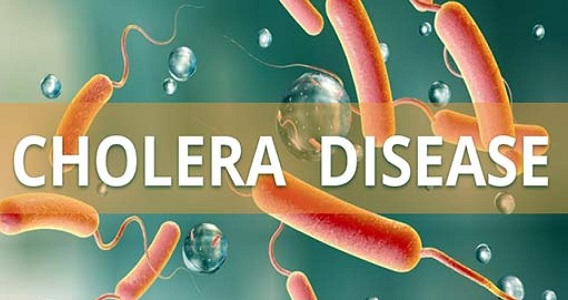
Cholera is a food and water-borne disease caused by ingesting the bacteria— Vibrio cholerae— in contaminated water and food. Cholera can cause severe acute watery diarrhoea, and the severe forms of the disease can kill within hours if left untreated.
In Nigeria, cholera is an endemic and seasonal disease, occurring annually mostly during the rainy season and more frequently in areas with poor sanitation.
Cholera outbreak has claimed one life in Ijebu Igbo area of Ogun State while 5 others have been hospitalized.
The outbreak, which reportedly happened early this week , was confirmed to have claimed the life of a 62 year old woman who allegedly contacted the deadly disease while catering for her infected child.
The State Commissioner for Health, Dr Tomi Coker who confirmed the incident said it was recorded at Ijebu-Igbo in Ijebu-North local government area of the state.
Also, the State Chairman, Nigerian Medical Association, NMA, Dr Kunle Ashimi while speaking with journalists in Abeokuta expressed condolences to the affected families, noting that the NMA was on high alert and the government had provided a contact number for reporting new cases among other measures.
The local government area and two others, Abeokuta South and North had witnessed cholera outbreak last year, affecting 236 persons and claimed 12 lives within one month.
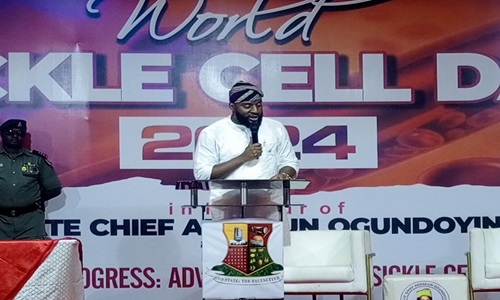
Speaker, Oyo State House of Assembly, Mr Adebo Ogundoyin says the assembly will work with other arms of government to pass laws that will protect the rights of Sickle Cell patients and improve their living conditions.
Mr Ogundoyin made the promise while speaking at a sensitisation and empowerment programme organized by the Ogundoyin family to mark the 2024 sickle cell day in honour of their late father, an Ibarapa born philanthropist, Chief Adeseun Ogundoyin.
The Speaker, who said such legislation would help people living with Sickle Cell condition to live a productive and fulfilling life, hinted that the programme was also to honor the resilience of every individual who has fought against the disease.
Mr Ogundoyin explained that 70% of the world’s cases of the disease occur in Africa with Nigeria having the highest number of carriers worldwide, and stated the need for policies that would reduce the economic burden put on families by Sickle Cell patients
Also speaking, chairman on the occasion, the deputy governor of Oyo State, Barrister Bayo Lawal described late Adeseun Ogundoyin as a dogged business mogul, who lived an impactful life despite his condition.
Barrister Lawal advised the children to imbibe the courage and resilience exhibited by their late father.
One of the sickle cell patients at the event, Mr Peter Ajiboye appealed to governments at all levels and well-to-do individuals to support Sickle Cell foundations so as to help patients manage their health status.
Highlights of the event were five million naira donation by the Ogundoyin family to support sickle cell patients, presentation of over five hundred medical kits, and the unveiling of a memoir of late Adeseun Ogundoyin.
June 19 is significant for persons with Sickle Cell Anaemia as a date earmarked to share their pains. What does Sickle Cell Anaemia mean for carriers, its trauma and management?
Meet Mrs Aduralere Ayinde, a sickle cell carrier, who runs a non governmental organization, NGO, counselling sufferers and educating the public about the inalienable place of government’s intervention and social support system.
In the video below she incisively shares from life experience how carriers can rise above challenges associated with the disease and look forward to a productive and happy life.
Mrs Aduralere Ayinde’s story is one that holds out hope for all sickle cell patients. She is married with children. Her NGO, GASBOL Sickle Cell Faith Centre located in Sagamu, Ogun State offers counselling to carriers, with quite a number of beneficiaries from her advocacy. To support her efforts, you can reach her through these numbers 08067116850,09043501093, or send correspondence to this mail box, [email protected]
2024 World Sickle Cell Day theme is ‘Global Care for Sickle Cell Patients’
It is important that people take necessary safety measures to prevent outbreak of Cholera especially during the Eid-el-Kabir festivities.
The Special Adviser to Governor Dapo Abiodun on Media and Strategy, Mr Kayode Akinmade who gave the advice in statement in Abeokuta, said the step became necessary following the recent cholera outbreak in the 30 states of the federation, including neighbouring Lagos and Oyo.
Mr Akinmade explained that the Governor was seriously concerned about the development and the need to protect the people in the state, considering the proximity of Ogun to Lagos and the degree of interactions between the two states.
He encouraged residents of the state to drink safe water, wash their hands with soap and water after visiting the toilet and before handling food, wash fruits and vegetables properly with safe water before eating and for preparing food; cook food properly.
Mr Akinmade who noted that people in the state had been given six months grace to provide toilets in their houses, said there was the need for schools, petrol stations, garages and mechanic villages to provide toilet facilities with running water.
He noted that the Ministry of Environment would ensure strict compliance of all the measures as violators would be made to face the wrath of law accordingly.
In a related development, the government has charged residents and visitors to the state during this festivities to celebrate in a cleaner, healthier and safer environment, and maintain personal and collective hygiene
Commissioner for Environment, Mr Ola Oresanya in a press statement in Abeokuta said the charge became necessary in the wake of the outbreak of Cholera in surrounding states.
Mr Oresanya called on people not to litter the environment with waste especially from animal droppings, urging them to dispose properly with government approved waste collectors in their area or drop them in government-provided waste bins nearest to them.
The Commissioner gave an assurance that officials of the state Waste Management Authority, OGWAMA would provide twenty -four hours service throughout the state while Environmental Health Officers would also be counseling people for a cleaner, healthier and safer Sallah celebration.
While felicitating with Muslim Ummah on this year’s Sallah celebration, urged motorists to maintain proper speed limit, as sweepers and other environmental workers would be on duty to keep the environment neat and tidy.
Health challenges are no doubt undesirable as they come with costs often beyond the means of the majority, especially middle or low income earners. Gratuitously, however, there is a level of succour, endowment from God found in nature, which provides raw sources of medication. These are leaves which are commonly available in virtually any clime, and often at little or no cost.
Leaves are as numerous as the number of trees in the world, and that figure is estimated to be around 3.04 trillion trees on Earth, which is equal to around 422 trees for each person.
Among these trillions of trees are mango, avocado, guava, moringa and soursop, which leaves have significant health benefits, especially their combined mixture.
Mango
Huk Poly Mass Communication Dept
First, let’s consider these leaves individually. Mango leaf extracts have been used in traditional medicine to treat a wide range of diseases, including diabetes, bronchitis, diarrhea, asthma, scabies, respiratory problems, syphilis, and urinary disorders
The leaves contain several beneficial plant compounds, including polyphenols and terpenoids. Polyphenols have antioxidant and anti-inflammatory properties, which help improve gut bacteria and treat or prevent conditions such as obesity, diabetes, heart disease, and cancer. Terpenoids are antioxidants that protect cells from harmful free radicals and play a key role in optimal vision and immune health.
In addition, mango leaves are a potential source of minerals such as nitrogen, potassium, phosphorus, iron, sodium, calcium, magnesium, and vitamins such as A, B, E, and C..
Mango leaves contain phenolics and flavonoids—antioxidants that help lessen the adverse effects of free radicals and prevent cellular damage. According to one animal study, mango leaf extract as well contain anti-inflammatory effects which may help counteract artificially induced oxidative and inflammatory biomarkers in the brain. Chronic inflammation (a prolonged immune response) can increase the risk of various diseases including Alzheimer’s or Parkinson’s disease. Also, animal studies suggest that the tender leaves of the mango tree contain phytochemicals and tannins called anthocyanidins, which can help treat high blood sugar levels.
The leaves contain a compound called 3beta-taraxerol and ethyl acetate extract that synergize with insulin to activate glucose transporter type 4 (gated channel in the cells that facilitates glucose movement in the cells) and stimulate the synthesis of glycogen. Due to these factors, mango leaves may help treat diabetic angiopathy and diabetic retinopathy.
Regular intake of mango leaf infusion acts as a stomach tonic, flushing out toxins from the body and helping prevent various stomach ailments such as stomach ulcers and digestive disorders.
Polyphenols present in mango leaves including gallotannins, phenolic acids, quercetin, and mangiferin exert chemo-preventive effects against various types of cancer due to their anti-inflammatory and antioxidant properties.
Mango leaf extract contains mangiferin, a compound that helps activate higher levels of adiponectin. Adiponectin is a cell signaling protein that plays a role in fat metabolism and sugar regulation in the body.
Multiple animal studies have reported that mango leaf extract inhibits fat accumulation in the tissue cells, thus helping manage obesity, diabetes, and metabolic syndrome.
Mango leaves have hypotensive properties and help strengthen the blood vessels and treat varicose veins.
Mango leaves have antioxidant properties that can combat signs of skin aging, increase collagen production, and promote wound healing. Mangiferin, a compound present in mango leaves, may also help treat psoriasis (a skin condition that causes itchy, dry patches).
Because mango leaves are rich in antioxidants, they may help protect hair follicles from damage and promote hair growth. (Medicinenet.com)
Avocado
Pua Keiki
What about Avocado?
Avocado leaves are a source of fiber to regulate the digestive tract, vitamin C to strengthen the immune system, and potassium to balance fluid levels within the body. The leaves also provide iron to develop the protein hemoglobin for oxygen transport through the bloodstream, vitamin E to protect the cells against free radical damage, vitamin A to maintain healthy organs, and other nutrients, including calcium, magnesium, and zinc. Avocado leaves notably contain quercetin, a natural flavonoid with antioxidant properties to reduce inflammation and protect the body’s overall health.
Historically, Avocado leaves were used among Mesoamerican indigenous populations to remedy coughs and digestive disorders and as a gas reducer. The leaves were traditionally crushed and steeped in hot water to make teas and tonics. Infusions of the leaves were also rubbed on the skin to soothe redness and swelling, lessen acne, and unclog pores (Specialtyproduce.com)
Guava
Ubuy
Benefits of guava leaves
We all depend on western medicine for simple problems like fever, cold, cough etc. But, don’t forget that guava leaves are very healthy too. If guava fruit is healthy, then its leaves are super healthy. Here are some of the benefits of guava leaves that you need to know.
Helps in stopping diarrhoea
Hells reduce cholesterol levels
Helps in losing weight
helps to manage blood sugar levels
Helps to fights cancer
Helps in good vision
Used for healing acne
Helps in improving your skin texture
Note: Guava leaves can either be boiled in hot water and consumed or made tea using them. Either of these will benefit you in many ways. (Dr. Nikita Tosh, PharmEasy)
Moringa
Tropical Plantae
1. Rich in Vitamins and Minerals
Moringa leaves are rich in vitamins A, C, B1 (thiamin), B2 (riboflavin), B3 (niacin), B6 and Folate. They are also rich in magnesium, iron, calcium, phosphorus, and zinc.
One cup of moringa leaves will contain 2 grams of protein, magnesium (8 per cent of the RDA), Vitamin B6 (19 per cent of the RDA), Iron (11 per cent of the RDA), Riboflavin (11 per cent of the RDA) and Vitamin A (9 per cent of the RDA).
2. Rich in Amino Acids
Moringa leaves are rich in amino acids, the building blocks of proteins. 18 types of amino acids are found in them and each of them makes an important contribution to our wellbeing.
3. Fight Inflammation
Inflammation is how a body naturally responds to pain and injury. Moringa leaves are anti-inflammatory in nature due to the presence of isothiocyanates. They have niazimicin that is known to reign in the development of cancer cells. Inflammation is the root cause of many diseases like cancer, arthritis, rheumatoid arthritis, and many autoimmune diseases. When we suffer an injury or infection, the body suffers increased inflammation.
Basically, it is a protective mechanism against trauma but because of a wrong lifestyle and an unhealthy diet, inflammation can increase in the body. Long-term inflammation leads to chronic health issues. Eating moringa leaves helps to reduce inflammation.
4. Rich in Antioxidants
Moringa leaves have anti-oxidative properties and protect against the damaging effects of free radicals present in the environment. The damage caused by free radicals is responsible for many chronic diseases like type 2 diabetes, heart problems and Alzheimer’s.
Moringa leaves are rich in vitamin C and beta-carotene that act against free radicals.
They also have Quercetin which is an antioxidant that helps to lower blood pressure. Another antioxidant that is present in moringa leaves is Chlorogenic acid which helps to stabilize blood sugar levels post meals.
A study in women showed that taking 1.5 teaspoons of moringa leaf powder regularly for three months had shown a significant increase in blood antioxidant levels.
5. Lower Blood Sugar Levels
Sustained high blood sugar levels lead to the development of diabetes in individuals. Diabetes, in turn, can cause heart problems and organ damage in the body. To avoid this, it is good to keep the blood sugar levels in check. Moringa leaves are a perfect resource for that as they stabilize the blood sugar levels due to the presence of isothiocyanates.
6. Lowers Cholesterol
Apart from oats, flaxseeds, and almonds, moringa leaves are a dependable remedy against high cholesterol. Cholesterol is the major reason why people suffer from heart diseases and eating moringa leaves has known to show considerable improvement against high cholesterol levels. Moringa oleifera can lower those levels and protect against the risk of heart disease. Pregnant women usually experience higher levels of cholesterol, which can in turn increase the risk of developing gestational diabetes during their term. What is gestational diabetes? It is a type of diabetes that is first detected in pregnant women who did not have diabetes before they were pregnant. Moringa leaves can certainly be included in the diet for gestational diabetes.
7. Protects the Liver
Those who have tuberculosis can benefit greatly from moringa leaves as they reduce the negative effects of anti-tubercular drugs. The leaves accelerate the repair of the liver cells. The leaves have a high concentration of polyphenols that protect against oxidative damage to the liver and may even reduce it. They increase the protein levels in the liver.
The liver is the site of blood detoxification, fat metabolism and nutrient absorption and it can function properly only if the liver enzymes are normal. Moringa leaves stabilize these liver enzymes.
8. Protects Against Arsenic Toxicity
In many parts of the world, arsenic contamination is a common problem. Arsenic has found its way in our systems through many food items, particularly rice.
Long-term exposure to this element can lead to the development of cancer and heart disease. Research on lab animals has shown that moringa leaves to combat the effects of arsenic toxicity.
9. Good for the Stomach
Moringa leaves are beneficial against digestive disorders. Those who suffer from constipation, bloating, gas, gastritis and ulcerative colitis should add Moringa leaves to their diet.
The leaves have antibiotic and antimicrobial properties which make them an ideal remedy against digestive disorders. Even the high amount of B vitamins in the leaves helps in improving digestion.
10. Improves Bone Health
Moringa leaves are rich sources of calcium and phosphorus. Both of these elements are needed for good bone health. Since moringa leaves have an anti-inflammatory nature, they help combat arthritis and may even heal bones that are damaged.
Moringa oleifera also fights against osteoporosis and keeps bone and teeth strong
11.An Antiseptic
Moringa leaves are antiseptic and fight off many bacterial infections. They are even beneficial towards wound healing and help to heal bruises, minor cuts, and burns quickly as they reduce the clotting time.
12. Improve Lactation
Moringa leaves for pregnancy can be beneficial due to their nutrient-rich composition, potentially supporting the health of both the expectant mother and the developing baby. In traditional Ayurvedic medicine, moringa leaves were used to increase lactation in nursing mothers. Since they are a rich source of protein, important vitamins, and essential nutrients, consuming moringa leaves is very good for the health of the mother and the baby.
13. Helps in Weight Management
Moringa leaves increase fat burning in the body. They slim down the person without depleting energy reserves. This keeps the person feeling buoyant and nourished. They reduce cravings for food and boost metabolism. They also lower cholesterol.
14. Good for Skin and Hair
Due to an abundance of antioxidants and nutrients, moringa leaves improve the health and appearance of skin and hair. They add suppleness to the skin and shine to the hair. The antioxidants present in moringa leaves reduce the appearance of fine lines and wrinkles on the skin. They have about 30 antioxidants present. Not just this, a paste of moringa leaves for hair. when applied to the scalp reduces dandruff and adds life and bounce to dull, lifeless hair. The leaves also strengthen the hair follicles. Moringa leaves for skin also has proven to be beneficial for acne-prone skin, however, more research is required. This is why moringa leaves are part of many cosmetics. They improve the skin tone and add a glow due to their purifying nature and therapeutic properties.
15. Good for Nervous System
Many nervous disorders have been known to show positive results with the moringa leaves uses. They support brain health and work as neuro-enhancers. The high concentration of vitamins E and C combat neural degeneration and help improve brain function. Those who have a migraine or suffer from recurring headaches must eat moringa leaves regularly. These leaves also work as mood balancers as they stabilize the production of neurotransmitters like serotonin, dopamine, and noradrenaline which are important for memory, mood, and for stimulus-response.
16. Good for Detoxification
Moringa leaves are natural cleansers and help to detoxify the system. This helps to keep the body and increases immunity against various infections. They also increase the energy levels in the body.
Potential Downsides
Moringa and its leaves may not be for everyone. While generally considered safe and healthy for most, there are some minor moringa side effects to watch out for. In large doses, the leaves, bark, roots, and moringa fruit may have laxative properties.
In pregnant women, the roots, bark, and extract of Moringa may cause uterine contractions. Pregnant women should take the advice of their doctors before including Moringa leaves or products into their diets.
Similarly, breastfeeding women should avoid Moringa leaves since it is unknown whether any of the chemicals or substances present can pass through the milk to the child.
In some cases, Moringa leaf powder has been found to contain higher than the recommended tolerable amounts of lead, please source any extracts you use only from reputable companies.
Lastly, it is recommended that people on blood thinners should also avoid Moringa unless you consult your doctor first. As with all things, when taken in moderation it can be safe for most people, so always use it with caution. (Dr. Nikita Toshi, PharmEasy)
Graviola/Soursop
Oasisbirago.org
It provides various nutrients including vitamins C and B (including thiamin, riboflavin and niacin) as well as minerals: calcium, phosphorus, and iron (González-Stuart, 2014; Small, 2012; Duke, 1986; Morton, 1979).
In traditional herbal medicine, the fruit and leaves of the tree are used to relieve digestive ailments (including diarrhea), pain, hypertension, inflammation, fever, coughs, and asthma, among many other medical afflictions.
A tea made from the leaves has been reported to have a soothing and calming action, especially for insomnia and nervous disorders, but should not be used in small children.
The seeds can be toxic and are used to make a liquid hair wash to kill lice, but caution should be taken, as the liquid is very irritating to the eyes.
The leaves and fruits contain natural compounds that could potentially be beneficial for prostate as well as other cancers, although more scientific studies are needed.
Some studies have shown that the plant’s active ingredients possess antioxidant, anticancer, anticonvulsant, anti-arthritic, anti-parasitic, anti-malarial, liver protective and anti-diabetic effects.
Graviola / Soursop extracts have a promising potential for treating gastric ulcers.
A study showed that an alcohol-based extract of soursop possessed antiviral activity.
Extracts made from the rind of the fruit showed antimicrobial activity.
Safety/Precautions:
The delicious fruit is safe to eat and nutritious, but the seeds are toxic and should not be consumed
Tea made from the leaves should be avoided during pregnancy
Do not take tea for long periods of time and avoid use in small children
Due to its blood glucose lowering effects, supplements containing soursop or graviola should be taken with caution by patients taking anti-diabetic medications.
Due to its blood pressure lowering effects, supplements containing soursop or graviola should be taken with caution by patients taking antihypertensive medications. (Armando Gonzalez Stuart, Herbal Safety)
The Nigeria Centre for Disease Control and Prevention says the number of confirmed Lassa Fever cases have increased significantly resulting in a cumulative 162 deaths in 2024.
The agency also urged the public to adhere to recommended safety protocols and to report any symptoms to local health authorities promptly.
The NCDC said on Saturday via its official website that the country registered 10 cases of Lassa fever cases across four states in one week, spanning 20 to 26 May.
According to reports It is transmitted to humans through contact with food or household items contaminated by infected rodents or persons.
Its symptoms include fever, headache, sore throat, general body weakness, cough, nausea, vomiting, diarrhoea, muscle pains, and chest pain. In severe cases, it manifests in unexplainable bleeding from ears, eyes, nose, mouth, and other body openings.
The Centre said the number of confirmed Lassa Fever cases rose from 4 in a week to 20 and later 10, in the current reporting week cases had increased to 21.
It pointed that in addition to the rise in confirmed cases, there was an increase in the number of suspected cases compared to the same period in 2023.
Cumulatively, it said that the country has recorded 897 confirmed cases and 162 deaths in 2024 with a case fatality rate of 18.1 per cent, which is higher than the CFR for the same period in 2023 (17.1 per cent).
According to it, 28 states have confirmed, at least, one case across 125 local government areas in 2024.
It noted that 65 per cent of the confirmed cases were recorded from four states: Ondo, Bauchi, Edo and Plateau, while 35 per cent were reported from 25 states. Of the 65 per cent, it said that Ondo State accounted for 25 per cent, Edo, 22 per cent, and Bauchi, 18 per cent.
The NCDC said that people between the ages of 31 and 40 were predominantly affected by the disease, stressing that no health worker was infected in the reporting week.
It noted that the surge highlighted the growing concern and the need for heightened surveillance and preventive measures across the country.
The NCDC stressed that it was also intensifying its efforts to trace contacts and implement control measures to curb the spread of the disease.
The agency added that it would continue to monitor the situation closely and was working with state health authorities to ensure a coordinated response.
There is more to Menopause than what you think it is.
For every beginning, there will surely be an end, so is the life of every individual. Every woman possesses a reproductive organ that is responsible to carry life to a maturation period. The onset of maturation of this reproductive organ capable of performing various functions is the menstrual cycle.
However, Menopause is the time that marks the end of a woman’s menstrual cycles.
A random sampling was taken among women in their 40s and 50s. They were asked about their knowledge of menopause. Their responses were:
Respondent1: I dont know anything, all I know is that you stop seeing blood
Respondent 2: I believe that when women reach certain age like late 40s, they cannot give birth again, and I know some people shrink and reduce in size and weight.
Respondent 3: I think it’s a period of ceasure of menstrual cycle in women and it’s preceded by some symptoms such as nervousness, loss of sexual drive and dryness.
Respondent 4: Menopause is the ceasation of monthly flow of a woman, it can start as early as 30s depending on the nature of individual
From these responses, it can be deduced that majority of the women population do not really have a deeper knowledge of the concept of menopause let alone the coping strategies to deal with the condition, should any woman find herself in such a situation.
An Assistant Director of Nursing, University College Hospital UCH, Mrs Oluseyi Owoade shed more light on what Menopause is all about.
“Menopause is a natural process that begins with a decline in the reproductive hormones produced in the ovaries. In a woman, there are two ovaries, one on each side of the body. It is from these ovaries that eggs are produced which brings about menstrual cycle and fertility.
From these ovaries, two hormones are produced which are called estrogen and progesterone. When menopause is about to begin, these hormones, i.e., the estrogen and progesterone reduce in the level of their production, and this reduction comes with age.
There are quite a number of eggs that each ovary will produce in the life cycle of an individual. When this number of eggs is about to be completed, the rate of the release of this egg reduces and this in turn affects the hormones that are produced in the ovaries, and at this point, on the average, a woman starts missing her period for 1 or 2months. Hence her cycle becomes irregular, but this is not the menopausal stage”.
Mrs. Owoade explained further that, ”Menopause is attained after an individual has gone 12 months without a menstrual period, this shift in hormones can happen in persons between the ages of 40s and 50s. This can be early or later depending on the individual and genetic makeup.
Ecosh
Menopause is a natural biological process, presenting some physical symptoms such as fatigue, hot flashes, bone density reduction which leads to fracture, change in Libido, because there is dryness due to the reduction in estrogen production”, She added.
According to the Assistant Director of Nursing, sleep may be altered, although this vary from person to person, and all these gradual changes may result in anxiety and can affect a woman psychologically and later may lead to depression.
Everyday Health
Mrs. Owoade counseled women to prepare themselves psychologically in other to cope with the challenges of menopause.
“In a situation when the changes are overwhelming for the individual and cannot be tolerated, there is the need to speak with the health care professional so that cases can be managed and addressed accordingly.
Also support of loved ones is very important.
There are many effective treatments available from lifestyle adjustments to hormone therapy”. She concluded.
Remember Health is Wealth
Join the author next week for part 2 of “ Coping with Challenges of Menopause
Oyo State Governor, Engineer Seyi Makinde has inaugurated the first solarized medical oxygen plant in Nigeria and level 2 newborn units, Jericho Specialist Hospital, Ibadan.
Governor Makinde also launched the Oyo state strategy for the scale-up of medical oxygen in health facilities.
Radio Nigeria correspondent reports that the projects were put in place by the Oyo State Government, United Nations International Children’s Emergency Fund UNICEF and some development partners.
Since the onset of the COVID-19 pandemic in 2020, the Federal and State governments and development partners have ramped up investments to increase access to safe and efficient medical oxygen in the country.
The strategy for the Scale-up of Medical Oxygen is envisioned to ensure that all patients with hypoxaemia are properly diagnosed and treated with medical oxygen and that no patient dies from hypoxaemia, which is the low levels of oxygen in the blood.
Inaugurating the project, Governor Makinde said his administration would always key into projects that would improve the health of the citizenry.
While pointing our that provision of oxygen was an issue in the wake of Covid_19, Governor Makinde believed that the project would be beneficial to the people of the state.
Governor Makinde thanked the development partners for the choice of the state for the project.
The country representative of UNICEF Nigeria, Ms Chistian Munduate said the projects were shared to improve maternal and child health in Oyo state and Nigeria as whole.
Ms Munduate maintained that the plant is a beacon of innovation and resilience, with a view to saving lives and provide a model for similar initiatives across the country.
The Nigeria UNICEF representative added that the Level 2 Newborn Unit established at Jericho Specialist Hospital, Ibadan is equipped with state-of-the-art equipment and staffed by trained healthcare professionals dedicated to providing specialized care for premature and critically ill newborns.
She said”his triple milestone represents a remarkable step forward in our shared commitment to improving maternal and child health in Oyo State and across Nigeria”.
“Firstly, I would like to extend my heartfelt gratitude to the Government of Oyo State for their unwavering support and collaboration. I also express deepest appreciation to our partners, IHS Nigeria, Bill and Melinda Gates Foundation, and the Governments of Canada and Norway for this partnership. This is a testament to what we can achieve when we work together towards a common goal – ensuring the health and well-being of every child and mother in this state”.
“The installation of the solarized medical oxygen plant is a groundbreaking achievement. Oxygen is a critical life-saving intervention, particularly for newborns and children suffering from pneumonia and other respiratory illnesses. By harnessing solar power, we ensure reliable and sustainable oxygen supply, even in times of limited electricity”.
“Today, we also launch the Oyo State Strategy for the Scale-Up of Medical Oxygen in Health Facilities. This strategy is a comprehensive roadmap designed to ensure that every health facility in the state is equipped with the necessary resources to provide medical oxygen. It outlines the steps for capacity building, infrastructure development, supply chain management, and sustainable financing mechanisms”.
“These facilities including the strategy are critical in our efforts to improve health outcomes and is aligned with UNICEF’s commitment to achieving the Sustainable Development Goals, particularly Goal 3, which aims to ensure healthy lives and promote well-being for all at all ages”.
“The significance of these developments cannot be overstated. According to recent data, Nigeria has one of the highest rates of neonatal mortality globally. Investments in healthcare infrastructure and strategic planning, like the facilities being commissioned today, are crucial in reversing this trend”.
In a message, the representative of Immigration Health Surcharge,Canada AYOBAMI ADISA said the oxygen plant is a symbol of solidarity, resilience, and hoped that,with collaboration,the world would overcome its challenges.
“In these challenging times, we have all witnessed the critical importance of raising access to healthcare infrastructure. The COVID-19 pandemic underscored the urgent need for reliable medical oxygen supply, a lifeline for countless patients battling respiratory ailments such as pneumonia, hypoxemia disorders in newborn babies and pregnant women, as well as support for emergency cases such as during surgeries and in obstetric care and anesthesia”.
Other development partners are IHS Towers, the Governments of Norway and Canada and Bills & Melinda Gates Foundation.
Vaccinating girls between ages 9 and 14 against the Human Papiloma Virus will help shield them from Cervical cancer.
Oyo State First Lady, Mrs Tamunominini Makinde stated this at the Flag off Ceremony of the Human Papilomavirus Virus Vaccination, HPV, in Oyo State held at Saint Paul Anglican Primary School, Iyanbule, Basorun Ibadan. Represented by Wife of Oyo State Deputy Governor, Mrs Ajibola Lawal, Mrs Makinde explained that HPV is the primary cause of Cervical Cancer and is the second most common cause of death among women in Nigeria. She affirmed that the decision to administer the HPV Vaccine to the age bracket was guided by sound scientific evidence, pointed out that the Vaccine is most effective when administered early against the virus before any potential exposure. Mrs Makinde said the proactive approach would ensure that young girls have a better chance and a healthy future. Speaking at the event, the Oyo State Commissioner for Health, Dr Oluwasherimi Ajetunmobi urged people to disregard any myths and misconceptions that the HPV Vaccine causes Infertility. “Over 600,000 young girls would be vaccinated in Oyo State according to what they gave to Oyo State.” “HPV vaccine is going to be part of our routine programme and it is going to be given to Children from nine years.” ” As time goes on if any of anyone is allergic to the products of the vaccine such children may not be given” she said. Dr Ajetunmobi appealed to parents and guardians to ensure their young girls get vaccinated, stressing that safeguarding the health of the people is a priority of the state government Also Speaking, A Health Specialist at UNICEF, Dr Ijeoma Agbo while commending Oyo State Government for measures put in place to ensure children at the grassroots get vaccinated, reiterated that the vaccine would be available at the primary health care centers across the state.
The Amira, Federation of Muslim Women Association of Nigeria,Oyo State Chapter, Dr Lateefat Dahiro, who spoke through Alhaja Fawzeeya Adeleye described the exercise as a great achievement to the state and promised that the association would amplify their voice in educating people.
In an interview with Radio Nigeria, Two Students who were elated for getting vaccinated, said they were glad to be protected from HPV.
High point of the event was the administering of the HPV Vaccine to eligible young girls.
Present at the event were, Health Personnel, Traditional Rulers, Religious leaders, Market Women and Students.
In the Meantime, The Executive Secretary, Oyo State Primary Health Care Board, Dr Muideen Olatunji has assured that out of School and the disabled children in Oyo State will be vaccinated against Human Papiloma Virus, HPV.
Dr Olatunji who made this known during a news briefing at Secretariat, Ibadan said no eligible young girls will be left out as hook and crannies areas will be visited to ensure they all benefit from the programme.
He said the infection could be contacted through sexual intercourse by having multiple partners and could affect both males and females but more pronounced in female because it prediposes them to Cerval Cancer.
Dr Olatunji emphasized the need for journalists to effectively sensitize people on efficacy of HPV Vaccine.
He noted that HPV vaccine was not newly introduced in the country, and those who have been vaccinated are healthy without complications, encourage women and men to visit Medical Health Facilities for Cancer Screening at least once in a year for precautions.
The Executive Secretary maintained that HPV Vaccines are safe to human body, enjoined parents and guardians whose wards have any symptoms after taken the HPV vaccines to visit any Primary Healthcare Center.
The Oyo State Government has launched the Human Papilloma virus, HPV, Vaccine and ready to be added into Routine Immunization, targeting girls from ages 9 to 14 across the State.
The Executive Secretary, Oyo State Primary Healthcare Board, Dr. Muideen Olatunji made this known while speaking with Newsmen at the Secretariat, Ibadan.
Dr. Olatunji described cervical cancer as one of the most common forms of cancer that affects women, hence, the need to prevent it through vaccination.
The Executive Secretary advised women who had been sexually exposed to ensure they undergo regular cervical cancer screening to prevent the disease, saying, it is a preventable disease.
He maintained that the State Government under the leadership of Governor Seyi Makinde was committed to providing quality health care delivery to its citizens, irrespective of where they are residing across the State.
Dr Olatunji commended the Federal and State Governments as well as Development Partners like World Health Organisation, WHO, and UNICEF for introducing the HPV vaccine and sensitizing people on the need to receive it, saying the vaccine would protect future generations of Nigerian girls and women against the danger of the disease.
He reassured residents of the State that the vaccine is safe, free and will be available in all primary healthcare facilities across the State in the next few days.
According to him, as against the rumours being pestering by some people, it became pertinent to restate that, the vaccine was not designed to reduce the population of the State, as some people have received it some years back and are doing well without any side effects
” It is our continued partnership and indeed, collective efforts to protect young girls and women against the prevalence of cervical cancer disease which is a serious and second most fatal cancer that affects women especially females of productive age”.
Dr Olatunji added that, the Agency had trained and retrained those that would be administering the vaccine, which would be given on the Left Upper Arm left with measures put in place to reach every part of Oyo State.
“We want to make sure no one is left out in this vaccination, for this reason we must utilize the opportunity as critical stakeholders to significantly reduce the prevalence of this disease to protect the lives of our citizens, particularly young girls between the ages of 9 and 14”.
“Though, we are starting from Schools but that does not mean that out of school girls within the ages would not benefit. We are going to find common places like markets, palaces or central areas for them to also partake in the exercise”
He further said that the vaccine has no consequences, but enjoined people to promptly visit Primary Health Care Centre around them if they noticed any reaction.
In a goodwill Message, the UNICEF SBC Consultant, Oyo State, Mr. Gbenga Olatunji pledged the continued support of the Organization to the immunization programme for the overall wellbeing of young girls and women in Oyo State.
Others at the event were Representatives of World Health Organisation, WHO, National Primary Health Care Development Agency while Oyo State Health Educator, Mr. Olaoye Olarinde and State Immunization Officer, Mrs Buzrat Adeoye also attended.
Hug can be seen as a way of holding each other by resting head on the shoulder of the other person, which exhibits exchange of pleasantries, consoling a person in distress, encouraging somebody who is doing good in life, among others.
It can as well been seen as comforting those who are on sick beds, and every other good thing associated with it.
According to medical findings, hug lowers blood pressure and heart rate, and also improves cardiovascular function.
Cropped shot of two young women embracing each other at homeHandsome man embracing woman calms in difficult moment. Husband hugging wife relieves stress from work or health. Friends and couple relationship concept.
Hug decreases the release of cortisol, making one less stressed and allowing for improved sleep.
It boosts oxytocin in the human body, which is associated with feeling happier.
Socially, hug is a form of feeling wanted, pampered, loved and cared for, even when one does not see it coming.
As the saying: “a man’s food, is another man’s poison”.
In some religions, hug is not acceptable due to the general belief in the religions that, it gives room for adulterous act and other sinful tendencies between the opposite sexes.
About one million girls between the ages of nine and fourteen will be vaccinated against the Human Papiloma Virus, HPV next week Monday Children’s Day in Oyo State.
The Executive Secretary, Oyo State Primary Health Care Board, Dr Muideen Olatunji, made this known while speaking with Radio Nigeria in Ibadan.
Dr Olatunji explained that one dose of HPV Vaccine protects against Cervical Cancer noted that sexually active school age girls needed to verify their HPV Status before taking the Vaccine.
He pointed out that the vaccine is free for every eligible young girls called on parents and guardians to give their consent to enable them benefit from the exercise.
Dr Olatunji said the exercise will last for six days in schools, house to house and community .
He emphasized that the HPV Vaccine will be incorporated into the routine immunization schedule at the primary healthcare centres across the state to make it available to girls who have not reach the age of nine.
The Executive Secretary, Oyo State Primary Healthcare Board added that out-of-school girls between age 9 to 14 will also be vaccinated, enjoined people to support the programme.
Oyo State is among the second phase to roll out HPV Vaccine.
Does Human Papilloma Virus (HPV) vaccine lead to depopulation? Will it encourage promiscuity among girls?
Does it have adverse effects?
These are among questions addressed at a two day Media Dialogue on “Combating the Most Preventable Form of Deadly Cancer Affecting Women and Girls (HPV) through Vaccination” held in Lagos recently.
Addressing these issues, the Social and Behavioural Change (SBC) Specialist, UNICEF, Lagos Field Office, Mrs. Aderonke Akinola-Akinwole, described all these as mere rumours and misconceptions which she said are unfounded.
She attributed low uptake of the HPV vaccine to misinformation, saying this has militated against the objective of the. HPV vaccination campaign.
The SBC Specialist therefore called on the media to champion the awareness to demystify misconceptions about the Human Papilloma Virus (HPV) vaccination in order to increase the uptake of the vaccine.
Akinola-Akinwole noted that the media could stop the spread of rumours on the vaccine by providing correct and adequate messages and facts consistently.
According to her, these rumours were only meant to rob women the benefits of taking the vaccine which was to tackle cervical cancer in women.
“If these misconceptions are not addressed, it can lead to total rejection of the vaccine and consequently increase the outbreak of vaccine -preventable diseases,” Akinola-Akinwole submitted.
In a presentation, a Health Specialist, UNICEF, Lagos Field Office, Dr. Ijeoma Agbo, maintained that HPV was the most common viral infection of the reproductive tract and responsible for more than 95% cases of cervical cancer.
The Health Specialist, who hinted that cervical cancer was the second most common cancer in Nigeria after the breast cancer, said the objective of the HPV vaccination campaign was to ensure that 80% of girls between 9-14 years were vaccinated by December 2024.
“Nigeria has put in efforts to reduce morbidity due to HPV so that on the long run, we can reduce high incidence and prevalence of cervical cancer,” the Health Specialist stated.
She listed Lagos, Ogun and Osun States as some of the South West states that took part of the exercise when the first phase of the vaccine was launched last year.
Dr Agbo stated that the second phase of the vaccination programme would be launched on Monday, May 27, 2024 in 21 states including Oyo, Ondo and Ekiti states.
She gave the public assurance of safety of the vaccine, adding that it is free for beneficiaries who are girls of ages 9 – 14 years.
Medical Experts have warned against child marriage to avoid suffering from Obstetric Fistula.
The experts gave the warning to mark this year’s International Day to End Obstetric Fistula in Ibadan.
A Senior Registrar at the Department of Obstetrics and Gynecology, University College Hospital, Ibadan, Dr Opeyemi Adedeji said predisposing factors of Obstetric Fistula was as a result of untimely pregnancy occasioned by child marriage.
Dr Adedeji highlighed the common cause of the condition to include pronged labour at childbirth and complicated surgical operations leading to voluntary leakage of urine or feaces between the vagina and rectum.
He advised expectant mothers irrespective of age to visit health centers for antenatal care to avoid complications.
Similarly, a Consultant Obstetrician and Gynaecologist, at the Ladoke Akintola University of Technology Teaching Hospital, Ogbomoso, Dr Olufemi Aworinde while speaking on this year’s theme “Breaking the Cycle, Preventing Fistula World Wide,” advocated reorientation against child marriage and pregnancy.
Dr Aworinde who called on government to ease the struggles of Obstetric Fistula patients through affordable healthcare, emphasized the need for recruitment of specialized healthcare personnel at the grassroots.
The Ondo State government has celebrated forty women as champions of immunisation and family planning having stuck to the life-saving procedures for a long period of time.
The programme was launched in Ifedore and Odigbo Local Government Areas of the state, with twenty women in each of the council area benefiting from the gift items which included foodstuffs, cash of ten thousand naira, plaques (inscribed with their names and pictures) and other items.
Speaking at the event in Igbaraoke, Ifedore Council area, the Commissioner for Health, Dr Banji Ajaka expressed optimism that the initiative would spur more women to embrace family planning and also present their babies for immunisation regularly.
Dr Ajaka who was represented by the Special Adviser to the Governor, Professor Simi Odimayo restated the commitment of Governor Lucky Orimisan Aiyedatiwa to the wellbeing of mothers and children in Ondo State, using all available strategies.
The commissioner congratulated the champions for their commitment to family planning and immunisation in the bid to keep a healthy family, assuring them that government would regularly come up with programmes and policies that would make life more meaningful for women and children in the state.
He said,“the government is really in love with the people and wants to showcase the love at all times that’s why these women are being appreciated today. The government is not only appreciating the women but making family planning and immunisation commodities available and the teams supported. Family planning will help women to be in good form to take their children for immunisation, so I congratulate the champions and urge them to become advocates of immunisation and family planning in their communities”.
The Permanent Secretary, Ondo State Primary Health Care Development Agency, ODPHCDA, Dr Francis Akanbiemu said the idea of the programme was conceived by the award winning agency to encourage mothers who had shown great commitment to matters of immunisation and family planning being propagated by government to enhance maternal and child health in the state.
Dr Akanbiemu noted, “We tell our mothers, take your children for immunisation, ensure you space your children through family planning, but not all of them take to this, so the government under the leadership of Governor Lucky Aiyedatiwa considered it worthwhile to reward those mothers who listened to and acted on the government’s advice so that they will serve as role models for others”.
He said even though, the immunisation coverage of the state was currently at over eighty-four percent, the programme, “rewarding the champions” would be held in all the local government areas in the state to ensure one hundred percent coverage of both mothers and children in terms of family planning and immunization”.
“By the time we are done taking this programme round all the eighteen local government areas of Ondo State, our immunisation data must have gone up and also improve service delivery. The champions emerged through rigorous selection processes and we are hopeful that for every ten persons motivated, one thousand other mothers would join the train”.
The Director of Disease Control and Immunisation in the agency, Dr Victor Adefesoye while congratulating the champions stressed the need for other women to embrace family planning so they could avoid unplanned pregnancies which he noted was dangerous to their health while also ensuring that their children do not miss any immunisation schedule.
Also speaking, the Director of Medical Services, ODPHCDA, Dr Paulinus Omode admonished mothers generally to embrace preventive health care system by making sure that their children live in a clean environment, eat good diet and are immunised against child-killer diseases.
In their goodwill messages, representatives of World Health Organisation, WHO, Mrs Modupe Dosumu and that of United Nations Population Fund, UNPF, Mrs Opeyemi Agunbiade commended Ondo State government for the innovation.
Primary Health Care Coordinator in Ifedore Council Area, Dr Adedayo Fayanju described the strategy as a step towards boosting the health of women and children.
A royal father, the Adapogun of Ipogun, Oba Rapheal Ojo expressed delight that the exercise started in his domain especially at this time when economic challenges were compelling families to have only children they could cater for.
Responding on behalf of the beneficiaries, Mrs Ebunoluwa Charles, and Hajia Mariam Yusuf appreciated Ondo State government for the gesture, promising to be advocates of family planning and immunisation in their various localities.
According to them, “this is one honour we will appreciate in a long time to come, we appreciate the gifts, the foodstuff and other items the government has given us today, we will definitely continue in this line and convince more women to be part of be committed to immunisation and family planning”.
At Odigbo Local Government Area, the ODPHCDA train landed in Ore Town where another set of twenty champions were celebrated.
At the event, the Commissioner for Health, Dr Banji Ajaka also congratulated the lucky mothers for emerging champions of immunisation and family planning and charged them to always key into government’s programmes and policies aimed at improving their child and maternal health.
On his part, the Permanent Secretary, ODPHCDA, Dr Francis Akanbiemu hinted that women who adhere to all medical procedures on maternal and child health would continue to receive motivation from government.
The Ondo State Immunisation Officer, Mrs Comfort Olagundoye while enumerating the criteria used in selecting the champions noted that those considered were found to have completed all immunisation schedules for their children right from birth and also encouraged other women to keep immunisation appointments for them to have healthy children.
Two of the champions from Ore, Mrs Ajoke Ikumawoyi, Deborah Ige Imisioluwa Akintunde also hailed the Ondo State government for the encouragement with a pledge not to renege.
In all, 40 women were decorated as immunisation and family planning champions in both Ifedore and Odigbo Council areas with each of them going home with foodstuff, ten thousand naira cash, plaques and other items.
The event was witnessed by the Director of Public Health, Ondo State Ministry of Health, Dr Stephen Fagbemi, who represented the Permanent Secretary, Dr Niran Ikuomola, top officials of the Ondo State Primary Healthcare Development Agency which include Director Planning, Research and Statistics, Dr Yetunde Olagbuji, Director Medical Services, Dr Paulinus Omode, Director, Health System Development, Dr Olajide, Dr Isreal Adeyemi, Director of Finance and Administration, Mrs Folasade Ale, Dr Isreal Adeyemi, and Director Pharmaceutical Services.
The media has crucial role to play in ensuring that the public is well informed about the importance of vaccinating children.
Oyo State Coordinator of World Health Organization, WHO, Dr Phillip Zorto stated this at the commemoration of this year’s African Vaccination Week held at Oranyan Primary Health Care Board Ibadan.
Dr Zorto affirmed that adequate Sensitization on indispensability of vaccination is key to protecting children from any form of disease from childhood to Adulthood.
Dr Zoro Emphasized that the African Vaccination Week is celebrated on the continent to create more awareness and educate people about the importance of vaccination as well as to correct myths and misconception about it.
In an address, the Executive Secretary, Oyo State Primary Health Care Board, Dr Muideen Olatunji who was represented by Director of Logistics, Mr Kehinde Olabode noted that introduction of vaccination to Africa Countries had drastically reduced cases of death among new born children before they attain the age of one, and called on parents to always present their children for vaccination to prevent childhood diseases, and to ensure they grow properly.
He advised parents and guardians to properly keep their children Vaccination cards as they may need them in the future.
Speaking on recent Measles Out break in the state, Dr Olatunji said the Agency had stepped up Surveillance team to ensure Health Workers Visit every nooks and crannies of the state to attend to unvaccinated Children and for other medical attention.
Earlier in an address of Welcome, Medical Officer Of Health, Ibadan South East Local government, Dr Modupe Akinyemi who was represented by Mrs Tolulope Olusola_Jimoh appreciated Health Patners for their support in ensuring quality health care drive in the state.
In a good will message, a Deputy Director, National primary Healthcare Development Agency Oyo State Office, Mr Paul Alasan and Representative of UNICEF in Oyo State, Mr Samuel Olatunji enjoined Mothers to properly position their children when breastfeeding and ensure they practice six months exclusive breastfeeding to boost their immunity.
High points of the event were songs session, practical way to properly breastfeed and administering of Vaccines to Children.