Ogun State House of Assembly wants the Ministry of Health to create awareness among residents on the existence of fake websites extorting prospective applicants into the state’s schools of nursing.
The Speaker of the House, Mr Oludaisi Elemide made the call while reacting to the presentation by the Minority Leader, Mr Lukman Adeleye who raised the issue under a matter of urgent public importance.
Mr Adeleye had informed the House about a series of complaints from his constituents that prospective applicants into the schools of nursing across the state had discovered that the cloned websites were being used to extort money from unsuspecting applicants under the pretext of offering admissions into the schools.
The House Minority Leader urged the Ministry of Health to educate the people on the features of the original website of the institutions, while also educating them on the process for admission and the need to avoid financial transactions on the fake websites.
The lawmakers unanimously cautioned parents and guardians of prospective applicants to be careful and seek clarification from the State Ministry of Health before proceeding with the admission process for their wards given the challenges of Information and Communication Technology, ICT.
Parents and guardians have been advised to ensure all-around routine immunization for their children to guard against preventable diseases.
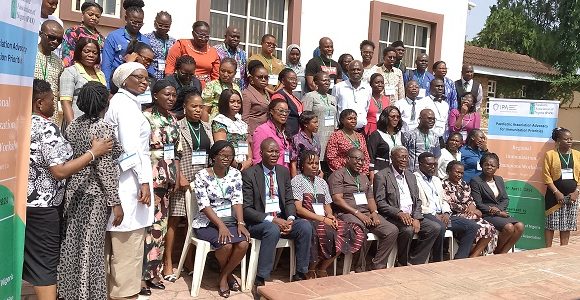
A consultant Paediatrician at the Ekiti State University Teaching Hospital, EKSUTH, Ado, Dr Oladele Olatunya gave the advice at A-Day Regional Immunization Champion workshop organized by the Paediatric Association of Nigeria and the International Paediatric Association on Human Papillomavirus Vaccines, HPV, to prevent Cervical Cancer among girls and women in the country held at Bodija, Ibadan, Oyo State.
Dr Olatunya explained that administering vaccines in early age would help to prevent Cervical Cancer and enable the government to focus on other needs of the citizenry rather than on health challenges.
The Medical Practitioner called on the participants to key into government policy of newly introduced vaccine at their health facilities and to disseminate facts to people at the grassroots especially the HPV Vaccines for girls from age 9 to 14 in the second phase that would be launched this month.
In a presentation entitled “Reducing Cases of Cervical Cancer Burden: The Case for HPV Vaccine and Single Dose Strategy,” A Consultant Paediatrician at the Osun State Teaching Hospital, Dr Temitope Ayeni explained that cervical cancer had become a burden causing death among women in Nigeria hence more people should be vaccinated to prevent it.
Also speaking, the immediate Past President of the Paediatric Association of Nigeria, and a Professor of Paediatrics at the Ahmadu Bello Teaching Hospital, Zaria, Olufemi Ogunrinde affirmed that the HPV vaccine is a natural way of preventing cervical cancer among girls, urging them to embrace it.
In a remark, the Oyo State Commissioner for Health, Dr Oluwasherimi Ajetunmobi who commended the Paediatric Association of Nigeria for its regular advocacy and leadership in promoting immunization, called on community leaders, policymakers and development partners to collaborate in strengthening the immunization system.
Some of the participants said the workshop had broadened their knowledge and pledged to raise awareness about the benefits of immunization in preventing childhood diseases towards good health service delivery.
Participants were drawn from Lagos, Oyo, Ondo, Osun Ogun and Ekiti states while the HPV Vaccines will be launched in 21 states including Oyo State this month
The Federal Government says efforts are on going to boost the capacity of healthcare delivery to safeguard the people against emerging Public Health cases in the country.
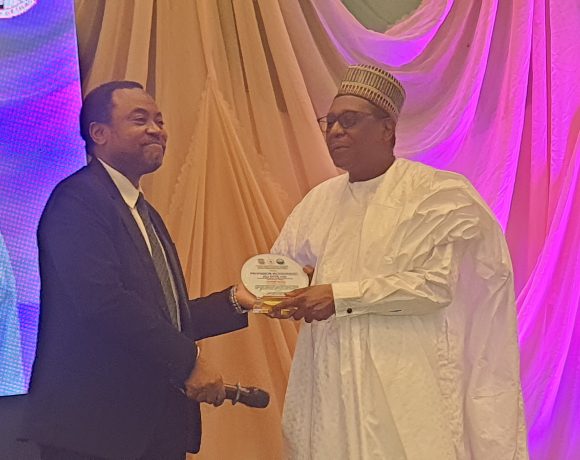
Coordinating Minister of Health and Social welfare, Professor Muhammad Ali Pate stated this in Ibadan at the valedictory programme and 70th Birthday of former Minister of Health, Professor Isaac Folorunso Adewole.
Professor Ali Pate explained that health security was one of the pillars of strategic blueprint of President Bola Tinubu administration saying measures are being put in place to enhace capacity to diagnose and pick up infectous diseases and map out interventions that will prevent its spread.
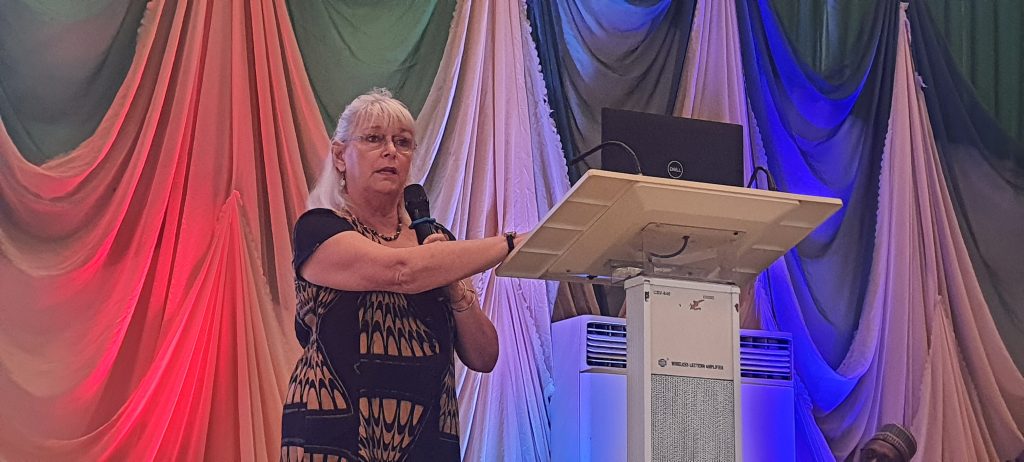
In a lecture entitled “African Response to Emerging Public Threats: Lessons Learnt From EBOVAC and HPV Vaccine Trials”, Professor Deborah Watson-Jones from the faculty of Infectious Diseases, London School of Hygiene and Tropical Medicine, United Kingdom, advocated single dose vaccine to combart emerging public health cases in Nigeria .
Professor Watson-Jones who gave her experience in vaccine trials in the East Africa noted that studies from the trails showed that a single dose was more effective than double dose regimen because reciepients of the first dose might not represent themselves for second dose thereby halting the efficacy of the vaccination programme.
Vice-Chancellor, University of Ibadan, Professor Kayode Adebowale, represented by Deputy Vice-Chacellor, Research, Innovation and Strategic Partnerships, Professor Oluyemisi Bamgbose, described the celebrant as a national figure who distinguished himself as role model for excellence in Academics and public healthcare delivery.
Former Secretary to the Government of the Federation, Barrister Boss Mustapha, in A virtual address, described Professor Adewole as a beacon of dedication and excellence in public healthcare delivery in Nigeria and the world.
In his response, the celebrant, Professor Isaac Adewole appreciated God for the opportunity to attain age seventy and the achievements and impacts recorded during his tenure of practice.
The Ilesa-born Professor of obstetrics and gynaecologist served as the 7th Provost of College of Medicine, University of Ibadan, 11th Vice-Chancellor of the same university and was later appointed as Minister of Health under former President Muhammadu Buhari Administration
Cabbage may not be the most attractive vegetable, but it’s full of nutritional goodness that can keep you feeling strong and healthy. From boosting your immune system to improving your digestion, cabbage and its health benefits deserve a place at your table.
“Cabbage is good for you. It’s one of those foods that tastes better than it looks, and it has even more nutritional value than people expect,” says registered dietitian Julia Zumpano, RD, LD. “Plus, it’s versatile, affordable and easy to find.”
Some research suggests that it may have health benefits that include supporting digestion and heart health, among others.
Despite its impressive nutrient content, cabbage is often overlooked.
While it may look a lot like lettuce, it belongs to the Brassica genus of vegetables, which includes broccoli, radishes, and Brussels sprouts.
This vegetable has been grown around the world for thousands of years and can be found in a variety of dishes. Additionally, cabbage is loaded with vitamins and minerals.
Cabbage also contains small amounts of other micronutrients, including vitamin A, iron, and riboflavin.
It is rich in vitamin B6 and folate, both of which are essential for many important processes in the body, including energy metabolism and the normal functioning of the nervous system
In addition, cabbage is high in fiber and contains powerful antioxidants, including polyphenols and sulfur compounds.
Antioxidants protect the body from damage caused by free radicals. Free radicals are molecules that have an odd number of electrons, making them unstable. When their levels become too high, they can damage your cells.
Cabbage is especially high in vitamin C, a potent antioxidant that may protect against heart disease, certain cancers, and vision loss.
Different Types of Cabbage
Cabbage is a versatile cruciferous vegetable. The term ‘cruciferous’ refers to vegetables characterized by the four-petal flowers that look like a cross or crucifix shape. Cabbage comes in several varieties, from common to exotic
This common leafy green vegetable comes in a range of colours, shapes and sizes that you can use for soups, salads, sandwiches, and more. Eat it raw or stir-fried to get the most benefit. Find it fermented in gut-healthy foods— or chopped into coleslaw for a quick fix.
Your body relies on the inflammatory response to protect against infection or speed up healing. This kind of acute inflammation is a normal response to an injury or infection.
On the other hand, chronic inflammation that occurs over a long period is associated with many diseases, including heart disease, rheumatoid arthritis, and inflammatory bowel disease.
Cruciferous vegetables like cabbage contain many different antioxidants that have been shown to reduce chronic inflammation.
One 2014 study of young adults aged 20-40 showed that eating more cruciferous vegetables could reduce certain blood markers of inflammation.
Another older study of over 1,000 females showed that those who ate the highest amounts of cruciferous vegetables had considerably lower levels of inflammation, compared to those who ate the lowest amounts.
Fights inflammation
Some of cabbage’s health benefits are due to anthocyanins, which are naturally occurring antioxidants. Anthocyanins not only add color to your fruits (think blueberries) and vegetables but may also reduce inflammation.
Chronic inflammation (long-term swelling) is associated with heart disease, cancer, rheumatoid arthritis and many other medical conditions. In animal studies, anthocyanins have been shown to help control inflammation.
We need more research, but one small human study showed that those who ate the most cruciferous vegetables had much lower inflammation levels than those who ate the least.
Keeps you strong
Vitamin C, also known as ascorbic acid, does a lot of work for your body. It helps make collagen and boosts your immune system. It also helps your body absorb iron from plant-based foods.
Improves digestion
Packed with phytosterols (plant sterols) and insoluble fiber, cabbage can help keep your digestive system healthy and bowel movements regular. It fuels the good bacteria in your gut that protect your immune system and produce essential nutrients. That’s especially true when you eat fermented cabbage.
Fiber is a non-digestible or absorbed carbohydrate, so it adds bulk to meals and takes space in your belly causing you to feel full faster and longer without ingesting the carbs that you’re absorbing.
Protects your heart
The anthocyanins found in cabbage help with more than inflammation. Research suggests they add to the health benefits of cabbage by reducing your risk of heart disease. Scientists have found 36 different kinds of anthocyanins in cabbage, which could make it an excellent option for cardiovascular health.
Lowers your blood pressure
Potassium is a mineral and electrolyte that helps your body control blood pressure. One cup of red cabbage can deliver a healthy amount of potassium — as much as 6% of your recommended daily value. This could help lower your blood pressure, reducing your risk for heart disease.
Lowers cholesterol
Too much “bad” cholesterol, can cause heart problems if it builds up in your arteries. Cabbage contains two substances — fiber and phytosterols (plant sterols) — that compete with cholesterol to be absorbed by your digestive system. They wind up reducing your bad cholesterol levels and improving your health.
Maintains bone health and healthy blood clotting
Vitamin K is essential to your well-being. Without it, you’d be at risk of developing bone conditions like osteoporosis, and your blood wouldn’t be able to clot properly. Enter cabbage, a great source of vitamin K. One cup provides 85% of the recommended daily value.
“Vitamin K helps keep our bones strong and our blood clotting well,”“Cabbage can give you that boost you need to make sure your levels are adequate, and your body stays protected against illness and disease. And you don’t even need to eat that much cabbage to get great health benefits.”
What are the side effects of eating cabbage?
Excited to add more cabbage to your diet? Just be careful not to go overboard. To maximize its health benefits, increase your cabbage intake slowly and allow your body to adjust. Also, stay hydrated to reduce constipation, which can cause excess gas.
Cabbage might not be the best choice for a romantic night out since eating too much can cause diarrhea, flatulence or abdominal discomfort. It also contains substances that can interfere with medications like blood thinners or cause hypothyroidism, a condition where your thyroid doesn’t create enough thyroid hormone and causes your metabolism to slow down.
In most cases, you can avoid side effects by eating cabbage as part of a healthy diet. Talk to your healthcare provider if you experience symptoms or have any concerns.
May Help with Better Gut Health
As a natural source of dietary fiber, cabbage aids digestion and promotes regular bowel movements, reducing the risk of constipation. Furthermore, cabbage is a natural source of prebiotics, an indigestible fiber that acts as “fuel” for live and beneficial probiotics. Prebiotics may also decrease the gut pH, potentially preventing potentially harmful bacteria, like E. coli, from thriving, according to a 2019 review in Foods. If you eat your cabbage as an ingredient or certain types of sauerkraut, you will also reap the benefits of the probiotics found in this fermented food.
May Reduce Inflammation
Crushed cabbage leaves are one of the most widely used anti-inflammatory remedies in Polish folk medicine. This veggie is packed with antioxidants, including vitamin C, as well as anti-inflammatory compounds sulforaphane and anthocyanins, which are known to tamp down inflammation.
May Improve Total Cholesterol
Approximately 25 million Americans have high total cholesterol, according to the Centers for Disease Control and Prevention. Having high blood cholesterol raises the risk of heart disease, the leading cause of death. According to a systematic review and meta-analysis published in Phytotherapy Research, after evaluating nine studies, researchers found that eating brassica vegetables, like cabbage, appears to have a positive effect on total cholesterol levels.
May Support a Healthy Pregnancy
Folate is a nutrient that is encouraged on a pregnancy-friendly diet, as this nutrient appears to support the healthy development of the spinal cord. One serving of cabbage provides 10% of your Daily Value of folate, helping pregnant people get this key nutrient in their diet simply by including this veggie in their dishes.
May Sharpen Eye Health
Cabbage is a natural source of lutein and zeaxanthin, two carotenoids that are linked to a reduced risk of macular degeneration, according to research in 2022 in Nutrients. This leafy vegetable is also a source of beta-carotene, another carotenoid that supports healthy vision as you age.
Cabbage and Weight Management
It is important to note that, while it is true that eating cabbage may support weight-management goals, this veggie should not be over-consumed, as too much cabbage can lead to gastrointestinal side effects, like bloating. It is also important to enjoy cabbage as a part of a balanced and healthy diet. If you are focused on losing weight, following the guidance of a healthcare provider can help ensure you are embarking on your weight-loss journey healthily.
Do you know that understanding our BMI Status is very vital in relation to our health?
It has been observed that most individuals do not really know what the term BMI stands for. In a recent survey conducted by some medical personnel involving health checks on groups of individuals, while asking questions randomly, it was observed that most of them were not aware or do not really know what BMI is, and the implication of not checking regularly to determine their health status.
What then is BMI? Body Mass Index (BMI) is a person’s weight in kilograms divided by the square of height in meters. It is an estimate of total body fat. It is defined as weight in kilograms divided by the square of the height in metres: i.e BMI = weight/height 2.
BMI screens for weight categories that may lead to health problems, but it does not diagnose the body fatness or health of an individual.
Since Body Mass Index is a measure of body size, It combines a person’s weight with their height. The results of a BMI measurement can give an idea about whether a person has the correct weight for their height. For example, a high BMI can indicate high body fatness, and vice-versa. This number, which is central to determining whether an individual is clinically defined as obese, parallels fatness or even underweight. BMI can also indicate whether a person is underweight or if they have a healthy weight, excess weight, or obesity. If a person’s BMI is outside of the healthy range, their health risks may increase significantly.
A person having too much weight can lead to a variety of health conditions, such as type 2 diabetes, high blood pressure, and cardiovascular problems. A weight that is too low can increase the risk of malnutrition, osteoporosis, and anemia.
BMI does not measure body fat directly, and it does not account for age, sex, ethnicity, or muscle mass in adults.
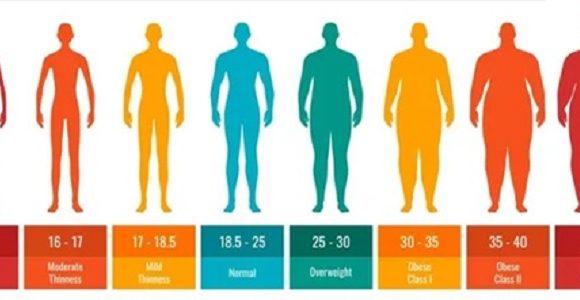
The following table shows standard weight status categories associated with BMI ranges for adults. BMI Weight status Below 18.5 Underweight 18.5–24.9 Healthy 25.0–29.9 Overweight 30.0 and above Obese BMI of less than 18.5
A BMI of less than 18.5 indicates that you are underweight, so you may need to put on some weight. It Is Important to ask your doctor or a dietitian for advice.
BMI of 18.5–24.9
A BMI of 18.5-24.9 indicates that you are at a healthy weight for your height. By maintaining a healthy weight, risk of developing serious health problems is reduced.
BMI of 25–29.9
A BMI of 25-29.9 indicates that you are slightly overweight. You may be advised to lose some weight for health reasons.
BMI of over 30
A BMI of over 30 indicates that you are heavily overweight. An individual’s health may be at risk if he or she does not lose weight.
BMI in children and teens
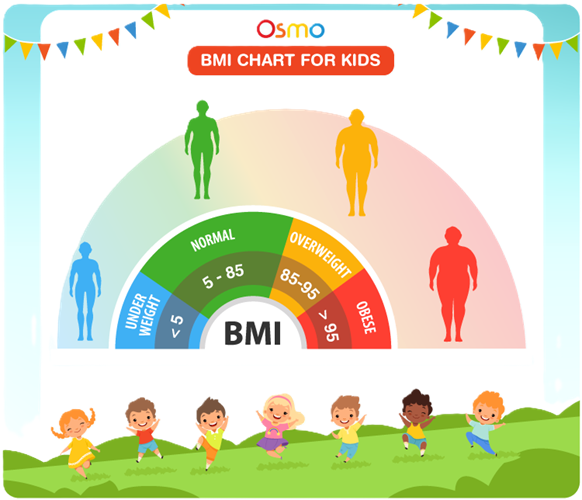
In adults, BMI values are not linked to age, and are the same for both sexes. However, measuring BMI in children and teens is slightly different. Girls and boys develop at different rates and have different amounts of body fat at different ages. For this reason, BMI measurements during childhood and adolescence take age and sex into consideration.
Doctors and other health professionals do not categorize children by healthy weight ranges because they change with each month of age: male and female body types change at different rates and they change as the child grows taller.
Doctors calculate BMI for children and teens in the same way as they do for adults by measuring height and weight.
As individuals, it is therefore pertinent to know that knowing your status early can help avert some health challenges
Do you know that excessive weight gain can increase the risk of the following conditions:
Hypertension or high blood pressure
Type 2 diabetes
Coronary heart disease
Stroke
Osteoarthritis
Sleep apnea and respiratory problems
Remember you are what you eat, eat healthily to live a healthy lifestyle and have your check ups regularly
Experts have advocated for more funding in the Health sector more collaboration with stakeholders to eradicate malaria in the country.
They made the call in commemoration of this year’s World Malaria Day in Ibadan.
A medical expert, Dr Olufemi Aworinde explained that malaria could be deadly if not well treated early, and mostly affects the vulnerable in the society who do not have access to medical care at the grassroots.
Dr Aworinde said, expectant mothers and children below the age of 5 are predisposed to malaria due to their low immunity .
Speaking on this year’s theme: Accelerate the fight against malaria for a more equitable world, Dr Aworinde called on African leaders to collaborate with one another and invest both capital and human resources in tackling
malaria scourge to reduce the burden of the disease and death in the Continent.
The medical practitioner called on government to allocate more fund to the Health Sector and also Partner foreign Organizations in the Sector
A pharmacist, Abiodun Ajibade, pointed out that the cost of Anti Malaria drugs was high, and canvassed that government should subsidize the drugs to make them affordable to the common man.
An environmentalist, Abiodun Adegoke advised people to Prevent malaria through clearing of mosquito breeding sources such as drainages and keeping their surrounding clean.
Some residents of Ibadan who spoke with Radio Nigeria equally called on government to control the prices of pharmaceutical products particularly, Anti malaria drugs and make insecticide treated mosquito nets available to the public.
A public health practitioner in Osun State, Doctor Funmilola Owolabi who promoted the merits of using insecticide-treated-net to fence around the bed before sleep said mosquitoes did have free-day while one had fallen into a deep sleep.
Doctor Owolabi said no one was excluded from using insecticide-treated-net especially the pregnant woman and babies who would be in need of care.
A nurse, Mrs Toriola Adeleke who frowned at the attitude of those who had received the net from government but had refused to use it accordingly said many would rather prefer to use the net for farming while others would cut it into pieces for domestic use.
Mrs Adeleke advocated more public sensitization that would make the people see the fight against Malaria menace as a collective fight.
She said Malaria had not only caused the death of many in the world but had also led to many structural deficiencies of the body, which was why there must be need to keep people abreast of harm the infection does.
Others who spoke with Radio Nigeria including a public affairs analyst and health provider, Mr Adekunle Omosogo who lauded the effort of the federal government under the administration of President Bola Tinubu for developing an home-grown medicine to combat Malaria said Artemisinin-based Combination Therapy (ACT) was the recommended first line antimalarial medicine for uncomplicated malaria.
Mr. Omosogo advised that people should seek medical help from professionals first even if there would be need for the use of less efficacious medicines such as Sulphadoxine-pyrimethamine and chloroquine.
The theme for this year World Malaria Day is ‘Accelerating the fight against malaria for a more equitable world.
As part of sustained measures towards boosting the immune system of children for healthy growth, a second round of polio vaccination exercise tagged: “Outbreak Response Two” has been flagged off in Oyo State.
The Outbreak Response Two targeting children from zero to five years old is a collaborative project between the Oyo State government, the World Health Organization, WHO, the United Nations Children’s Education Fund, UNICEF and other partners.
Performing the official flag-off ceremony at the Oke Apon Health Care Centre, Total Garden, Ibadan, the Executive Secretary, Oyo State Primary Health Care Board, OYSPHCB, Dr Muideen Olatunji said polio melytis is a deadly ailment posing an impediment to the healthy growth of children as well as terminating the life of children.
The Executive Secretary who was represented by the Director, Disease Control and Immunization of the Primary Health Care Board, Dr Johnson Osoku said it is important for mothers to present their children for the immunizations to protect them against diseases.
Dr Olatunji who said the exercise is more important than palliatives being clamoured for by the mothers advised them to shun any misconceptions from individuals and report noticeable adverse reactions and complications to the primary health centres
The OYSPHCB executive secretary who claimed that there was no outbreak of polio in Oyo State however said traces of the disease were noticed from samples collected from dump sites.
While emphasising the need for timely presentation of children for immunization, Dr Olatunji said early vaccination of children would give children the required immunity against diseases.
Oyo State coordinator of WHO, Dr Phillip Zorto and representatives of UNICEF Mr Samuel Olatunji stressed the need for mothers to ensure proper positioning of children for breastfeeding and presentation of the children for the vaccination.
Earlier, the Public Health Coordinator, Ibadan North Local government, Mrs Olatunbosun Aderoju who said the first round of the exercise was carried out in early March this year noted that the current exercise would last between today 20th of April and Monday 23rd April.
Mrs Aderoju urged mothers to maintain proper hygiene and cooperate with the vaccination team who she said would be moving from house to house to administer the drugs on children.
Some of the nursing mothers who were present lauded the programme describing it as timely and worthwhile.
Another round of the Polio Immunization campaign for children under the age of five is to commence in Kwara State.
The exercise, which is second in series for the year, is expected to cover all the nooks and crannies of the state, beginning from Saturday 20th to Tuesday, 23rd April, 2024.
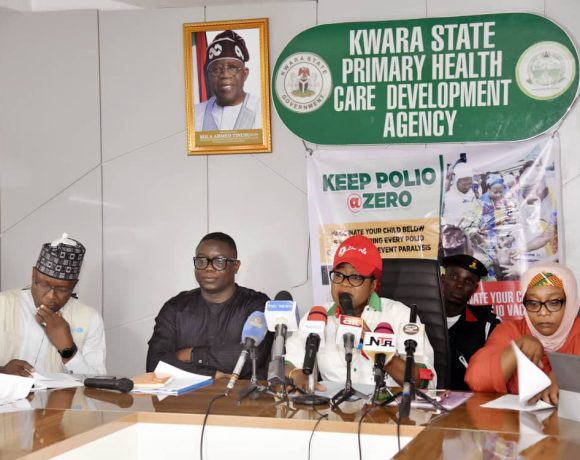
At a press briefing in Ilorin, the Executive Secretary of the State Primary Healthcare Development Agency, Dr Nusirat Elelu, said at least 2,034 vaccination teams will be going from house-to-house to carry out the exercise.
Dr Elelu said all children 0-5 years are expected to be vaccinated irrespective of their previous vaccination status.
She called on parents, religious bodies and schools to get the target children vaccinated within the stipulated time, adding that the vaccine is safe and effective.
According to Dr Elelu, poliomyelitis (polio) is a highly infectious viral disease that largely affects children under 5 years of age, and that the virus can be transmitted through the fecal-oral route or, less frequently, by contaminated water or food.
She said though Nigeria has been certified polio free, there is however the need to sustain the gains by ensuring that the most at risk group is protected by boosting population immunity of eligible children through supplementary and routine immunization activities.
The Executive Secretary also said that the state government would continue to partner the development partners, such as WHO, UNICEF and NPHCDA to sustain the polio-free status of the country.
She explained that the agency recorded a huge success during the last polio campaign, which she said had covered at least 1.5 million children within the age bracket across all communities in the state.
Federal and State Ministries of Health have been advised to prevent Hepatitis B Virus through effective childhood immunization program.
Chief Medical Director, CMD, University College Hospital, UCH, Ibadan, Professor Jesse Otegbayo stated this while delivering the 548th Inaugural Lecture of the University of Ibadan, UI held at the Trenchard Hall of the institution.
The UCH CMD also suggested the need to activate and properly fund the special task force on viral hepatitis prevention.
Professor Otegbayo explained that Hepatitis B is a disease that cannot be seen but affects the heart, causing liver cirrhosis which can kill within six weeks if not reported early.
Professor Otegbayo while making reference to the statistics from the European Union, EU, said currently about 8 million people die from Hepatitis B virus annually while 13 million people are likely to die from the disease by the year 2050.
The Gastroenterology and Herpetology specialist citing the World Health Organization, WHO, explained further that the disease has global distribution while about 2 billion people have markers of the infection worldwide.
He said in Nigeria the prevalence rate of the disease ranges from 6% to 20% adding that more than twenty million people are living with Hepatitis B,C or both while more than 80% of people who have the disease do not know their status.
In Ibadan, Professor Otegbayo said 12% of HIV patient have been found to have a co-infection with Hepatitis B virus noting that the virus is spread in the ancient city among blood donors, health workers, people with multiple sex partners, men who have sex with men, infants of infected mothers and through bloodletting, sacrificial and indiscriminate injections use.
He therefore advised government to adopt house-to-house immunization approach in tackling the disease to prevent greater havoc.
Professor Otegbayo implored Nigerians to embrace constant medical checks so as to prevent the disease.
The National Agency for Food and Drug Administration Control, NAFDAC has called on supermarkets and stores not to get products from importers not certified by the agency to stamp out parallel importation of products into the country.
The NAFDAC Coordinating Director for the six geo-political zones in Nigeria, and Director of Southwest Zone Mrs Roseline Ajayi made the call while interacting with our correspondent, Dayo Adu on the shutdown of a popular wholesale supermarket in the Dugbe area by officials of the agency.
Mrs Ajayi explained that the facility was shut down due to the supermarket management’s refusal to honour the invitation served on them by the Directorate of Investigation and Enforcement from Lagos.
She noted that imported products without NAFDAC approval were mopped up at the supermarket during a visit by the enforcement team following reports from whistle-blowers in which the management was summoned to Lagos for investigation but failed to show up since January till the day the facility was sealed.
While stating that parallel importation was prohibited, the NAFDAC Boss enjoined supermarkets and stores that deal in imported products to buy from authorised importers or obtain the licence for global listing for supermarket items to enable them to import branded items in large quantities into Nigeria.
The Speaker, Osun State House of Assembly, Prince Adewale Egbedun has called for continued collaboration and commitment to universal health coverage and the promotion of the fundamental human right to health.
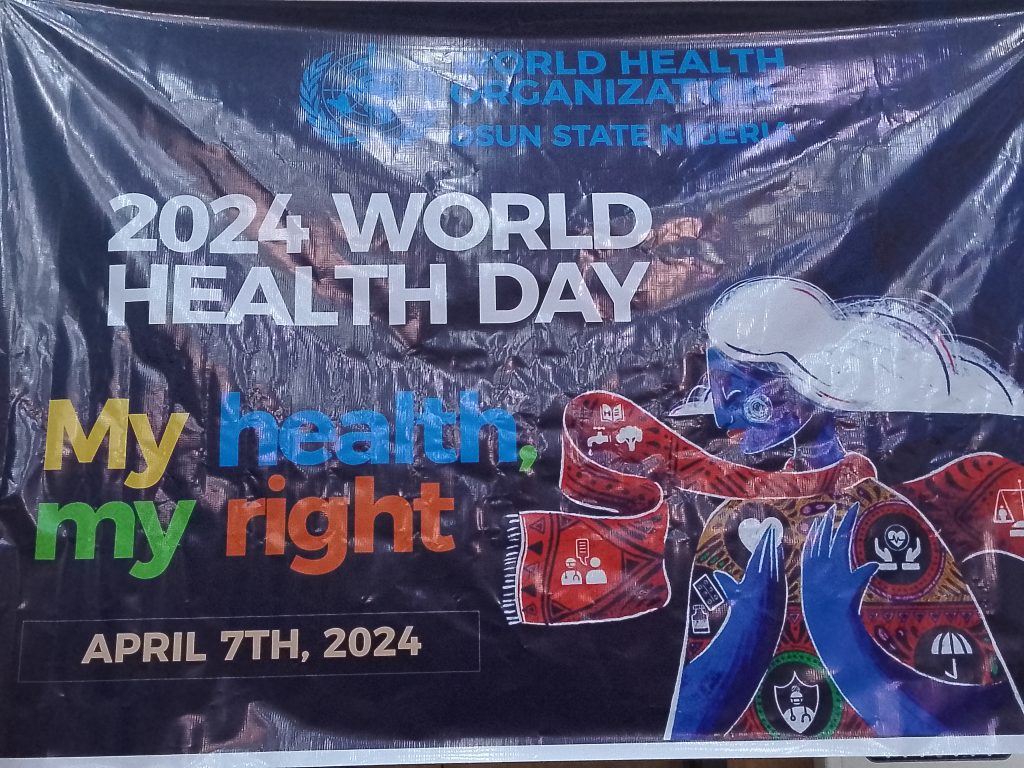
Prince Egbedun made the call while hosting the delegation of the World Health Organisation, WHO, at the Assembly Complex, as part of the programmes lined up to commemorate 2024 World Health Day in the State.
Prince Egbedun emphasized that The Osun State House of Assembly’s recent approval and passage of the Osun State Primary Health Care Development Board Law Amendment further demonstrates the state’s commitment to achieving the highest attainable level of health for all residents of Osun State and improving health outcomes.
Emphasizing the importance of accessible and quality healthcare, the Speaker recalled the state’s recent renovation of the Osun Assembly Clinic, despite financial constraints, the renovation was prioritized to uphold the fundamental right of assembly staff and members to good healthcare within the complex.
Speaking in line with this year’s theme: MY HEALTH MY RIGHT, the State Coordinator, the World Health Organization, WHO, Doctor Oluwatoyin Ojediran said the theme was chosen to Champion the right of everyone everywhere to have access to Quality Health Service, Education and Information as well as safe drinking water, Clean Air, Good Nutrition, quality housing decent working and Environment Condition and freedom from discrimination.
Doctor Ojediran Urged the Speaker and other Legislators of the State House of Assembly to uphold the Abuja Declaration of 2001, which encourages governments to allocate at least 15% of their annual budget to improve the health sector.
She urged the Legislators to personally and collectively commit more resources to the health system in their Constituencies and the State at large with a view to scaling up efforts to build and strengthen quality, people-oriented, sustainable and resilient health systems.
Also in a remark, The State Commissioner for Health, Mr. Jola Akintola explained that the remarkable achievements made in the health sector by Governor Ademola Adeleke are evident in the Imole Free Surgical and Medical Outreach held across the State for Residents.
Mr.Akintola Commended the 8th Assembly and appreciated the World Health Organization, WHO for thier support towards revamping the health sector of the State.
Highlights of the event included a medical check, deliberations on health issues and group photographs of the guest with members of the Osun State House of Assembly.
University College Hospital, UCH, Ibadan workers under the aegis of the Joint Action Committee, JAC says it is taking steps to resolve the lingering crisis with the Management.
In a statement, joint Chairman, Mr Oladayo Olabampe and Secretary Mr Alabi Victor say JAC has been reaching out to well-meaning Nigerians for an amicable solution.
The statement points out that the workers were complying with the 8 am to 4 pm duty in line with the unions’ directive, stressing that the welfare of patients and staff remains a top priority and encouraging the staff to remain calm.
The crux of the crisis, according to the JAC, was the refusal of workers to resume night duties as directed by UCH’s management, due to a power outage.
The hospital management had, as a consequence, threatened the workers.
In a related development, the Association of Resident Doctors, UCH, has expressed solidarity with all health workers, concerning the sub-par working conditions.
This is contained in a statement by the President of the association, Dr John Oladapo.
Dr Oladapo said patient care had been hampered while hazard risk to hospital workers had increased.
Dr Oladapo stressed that medical doctors would remain available at their duty post to provide care and services needed by patients.
Over 200 residents of Ibadan have benefited from the free medical outreach organized by Christ Apostolic Church, C.A.C, Oke Agbara Irapada, Ile Titun, Idi Ishin, Ibadan.
The beneficiaries including members of the church were full of appreciation for the medical intervention in view of the current inflation in the country.
Speaking with Radio Nigeria on the rationale behind the outreach, Minister in Charge of the Church, Pastor Daniel Ogundipe said the programme was not only meant to emphasize the love of Jesus Christ to mankind as demonstrated through his sufferings and death on the cross but to also demonstrate the social responsibilities of the church towards the host community.
Speaking in the same vein, the leader of the church evangelical and medical outreach, Mr Jide Egunjobi said the outreach was designed to evangelise Jesus Christ to the world.
He said participants who had health issues discovered during the outreach were advised to seek medical interventions in the hospital.
Mr Egunjobi who said the outreach covered provision of foods to the less privileged, test of cervical and breast cancer, sugar and body mass index, high blood pressure, weight and health talks urged beneficiaries to be conscious of their food choices.
The Chairman of, the Medical Advisory Committee, CMAC, University College Hospital, UCH, Ibadan, Dr Abiodun Adeoye says the Federal Ministry of Health has commenced the process that will lead to the restoration of power supply to the hospital.
Dr Adeoye stated this while speaking with Radio Nigeria on efforts being made by the tertiary health institution to reconnect power, which was earlier disconnected from the national grid.
The Medical Advisory Committee Chairman explained that the Federal Ministry of Health had communicated with the Federal Ministry of Power to ensure that electricity was restored to the University College Hospital.
“The bone of contention here is not about the current bill, it is about the old bill. As it is, this year alone IBEDC sent a bill of 147 million nairas to the hospital and the management was able to pay 145 million nairas, they still went ahead to disconnect us being the third time this year because of the outstanding debt.”
Dr Abiodun explained that the disconnection of the power supply in UCH from the national grid was a sequel to outstanding debts inherited by the present leadership of the hospital and the accumulation of monthly high tariffs.
The CMAC explained that the Management had been at the forefront of the monthly payment of hospital electricity bills alongside the old bills.
He appealed to the Ibadan Electricity Distribution Company, IBEDC, to look into the monthly tariff of the Teaching Hospital which is a known world-class healthcare provider for all categories of the public.
“Each time IBEDC comes here and threatens us to disconnect, and we don’t want our patients to suffer. The management has now constituted an Energy Committee to look into the short run, mid-term and long run Energy issues, led by the chairman, Dr Obaro Michael”
Speaking further, Dr Abiodun, who is also the Director of Clinical Services, Research and Training, noted that the management of UCH had put in place an alternative power supply in some units and critical areas of the Health facility, adding that power supply is being extended to all Patients’ Wards for optimal health services.
Meanwhile, a relative of a patient, who pleaded anonymity, explained that the power outage had led to the avoidable death of his brother due to deteriorated health occasioned by the power disconnection.
Nigerians have been advised to disregard the misconceptions that tuberculosis is hereditary, caused by curses or witches and wizards.
Programme Manager, Tuberculosis, Leprosy and Buruli Ulcer in Ekiti State, Mr. Joshua Orojo gave the advice while speaking with Radio Nigeria in Ado-Ekiti on the commemoration of World Tuberculosis Day.
The TB program Manager who identified tuberculosis as an airborne disease which could be transmitted from one person to another, stressed that late presentation often resulted in blood coughing, hence the misconceptions.
Mr Orojo noted that the misconceptions made many people not to submit themselves for early screening, which led to ten percent death of the discovered cases last year in Ekiti State.
He urged anyone with more than two weeks coughing, fever, night sweats and unexplained weight loss to visit the nearest health facilities, as funds were available from global partners in conjunction with the Ekiti State goverment to treat tuberculosis patients free of charge.
Mr. Orojo who emphasized that anyone is at risk of contracting tuberculosis, including children, added that early detection and treatment of the disease would help to eradicate the scourge.
He opined that men were more prone to contracting the disease than women because of social behavior such as smoking and alcohol consumption, which reduced their immunity.
Mr. Orojo noted that with avoidance of over crowded places, good cough etiquette and adherence to drugs regulations, tuberculosis would be eradicated to safe the future.
Since March 24, 1882 when the bacterium causing tuberculosis was first discovered, the disease still remain one of the world’s deadliest diseases, and the theme for this year is “Yes! We can end TB”.
The Osun State Primary Health Care Development, OSPHCD, Board Establishment Amendment No 1 bill has been passed into law at the floor of the State House of Assembly.
The Chief Whip, Mr. Olawale Akerele and member representing , Ede South, Mr. Taofeek Olayiwola moved the motion for the passage of the Bill during plenary presided by the Speaker of the House, Prince Adewale Egbedun.
Also, the Osun State Road Fund Bill scaled through the second reading in a motion moved by The Chief Whip of the House, Mr. Olawale Akerele and seconded by Member Representing Ayedaade,Mr. Folorunsho Ogundare.
Stating the Policy thrust of the Bill earlier, The Sponsor of the Bill and member Representing, Ife Central State Constituency,Engr. Abiola Awoyeye said the Bill came at the right time stressing, several literatures had establish the fact that development on road infrastructures in any society directly impact positively to the Economy of the Society.
In separate contributions, Other Lawmakers including, Engr. Lawrence Adeoti, Mr Adeyemi Adewunmi, Mr. Abiodun Afeez and Doctor Kasope Abolarin who explained that the Economy of Osun State solely lies on Roads connecting Villages to towns, stressed that the Bill when passed into law would boost the Economy of the State, and attract massive development to the State hence the need for its accelerated passage.
While aligning with other colleagues, the Speaker of the House, Prince Adewale Egbedun noted that lots of benefits would be accrued into the State.
Also during the plenary,the House dissolved to the committee of the whole for further consideration of Osun State Employment Trust Funds Bill 2023, after which the 2023 was changed to 2024 in the title amongst other relevant corrections which formed the Amendment of the Bill.
People are advised to take proper care of their oral health to avoid their mouths becoming infected with bacteria that could lead to life-threatening complications.
A consultant, who is a community dentist at University College Hospital, UCH, Ibadan, Dr Olusola Ibiyemi who gave the advice while speaking on the occasion of this year’s Oral Health Day, pointed out that poor oral health could heat up the teeth, gum and bone of the mouth leading to serious health challenges.
Dr Ibiyemi also highlighted the symptoms of poor oral health care to include bad breath which could lead to low self-esteem and discomfort to whoever perceives the breath.
Speaking on this year’s theme, “A Happy Mouth Is a Happy Body”, Dr Ibiyemi emphasized that the mouth as a gateway to the body should be in good condition for other parts of the body to be healthy.
The medical expert advised people to brush their teeth twice daily and eat fruits to protect the soft tissues in the mouth.
Similarly, a dentist, Dr Omowumi Femi-Akinlosotu enjoined mothers to monitor and nurture their children’s oral health care and give them a balanced diet and fruits to aid the development of their teeth.
Some residents of Ibadan who spoke to Radio Nigeria urged the government to tackle the nation’s economic challenges as prices of oral items such as tubes of toothpaste and brushes have increased, leading to them to the use local chewing sticks which has several benefits.
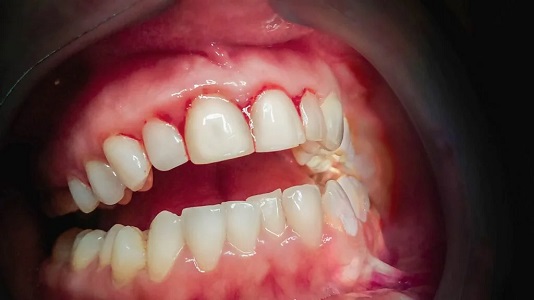
Gingivitis, Akokoro in Yoruba is a disease of the gum that causes inflammation of the gingiva which is the part of the gum around the base of the tooth.
If it is not treated promptly, it can lead to periodontitis, a more serious gum disease which can lead to the loss of a tooth.
The most common cause of gingivitis is poor oral hygiene which can lead to the formation of plaque (a sticky film inhabited by bacteria which arises from the interaction with residues of food in the mouth). Good oral hygiene (regular brushing, good health practices, regular dental examination) is the remedy to the formation of plaques.
Without this, plaques develop into tartars which make them (plaques) more difficult to clean and they may cause the gingiva to get inflamed (gingivitis)
From this level, they may develop into dental caries (tooth decay) which can advance into periodontitis.
Surely, there is a need to prevent tooth decay. While toothpaste comes in handy in this regard, but then chewing sticks can also provide the necessary help.
A chewing stick is a traditional brush created from a slender twig (usually about 1 cm or less in diameter) or from slices of more or less the same sizes split from bigger stems of plants that are used as chewing sticks. The common names include cattle stick (English), Ikpafum, Ndiyan, Nyayanga (Ibibio), Abekpok ibuhu (Eket), Agba, Angalagala (Igbo)Egbo, Oshunshun (Yoruba). The frontline chewing sticks are sold in the market stacked as bundles of about 6 to 10 sticks each about 25 cm in length. A chewing stick may have the bark intact as in Massularia acuminata which is called Pako Ijebu in Yoruba; the top is worked with the teeth into a brush which is used to clean the teeth. The chewing stick is convenient for a radial motion along the rows of our teeth just as it is able to brush each tooth in a vertical or downward direction.
Brushing with the stick is effective in terms of the application of the optimal force, determined by reflex, to achieve effective cleaning without damaging the root. For people who use the chewing stick sparingly, some pain in the teeth may be experienced after the brushing exercise. This pain goes after the first experience; it only serves to strengthen the roots of our teeth.
No one will advocate that we should go back to the chewing stick as a sole solution for our oral health but it is a past that we must keep alive because it is beneficial to do so.
They were exclusively used for cleaning teeth in the olden days but, with the advent of toothpastes, they could either be used before the paste as a finisher for oral cleaning. Chewing sticks are mandatory in the mornings but they could be used at any time that oral cleaning is desired.
The sticks are prepared by washing to free them from soil particles and other debris; they are then shaped properly by cleaning off rootlets, and prominent outgrowths, complete removal of the barks in some cases as in Garcinia kola (orogbo in Yoruba) and slicing of the wood into manageable sizes for use followed by packaging for sale.
The chewing sticks showcase different kinds of attributes based on taste as demonstrated by Massularia (acceptable bitterness from the bark), Xanthoxylum zanthoxyloides (orin ata; Yoruba: root has a peppery taste), Vernonia amygdalina (wood, bitter taste turning sweet later) and T. glaucescens; T. laxiflora (root, a yellowish discolouration of the mouth and lips).
Nigerian researchers have demonstrated that three local chewing sticks performed better than fluoride-based and conventional kinds of toothpaste in preventing tooth decay.
According the Nigerian Tribune, the study, published in the British Journal of Pharmaceutical Research was entitled “A Study of the Anticaries Activity of Three Common Chewing Sticks and Two Brands of Toothpaste in South West Nigeria”.
It included Odeleye Olubola Florence; Okunye Olufemi Lionel; Kesi Christopher; and Abatan Temitope Olubunmi, all from the Faculty of Pharmacy, Olabisi Onabanjo University, Ago-Iwoye, Ogun State,
The researchers evaluated three common chewing sticks – Fagara zanthoxyloides, Vernonia amygdalina and Massularia accuminata- and two brands of toothpaste in southwest Nigeria for the ability to control caries-causing bacteria.
Zanthoxylum zanthoxyloides (Fagara zanthoxyloides) is called orin ata in Yoruba. Veronica amygdaline commonly called bitter leaf. Commonly called Chewing stick, Massularia acuminata is called pako-ijebu, orin-ijebu in Yoruba and atu uhie in Igbo.
The results showed that the ethanol extracts of Fagara zanthoxyloides showed the highest anti-caries activity followed by Vernonia amygdalina (VA) and then Massularia acuminata (MA).
They concluded: “The chewing sticks used in this study showed good antimicrobial activity against the isolates and could provide better care than fluoride kinds of toothpaste. The active compounds if isolated would be good caries-controlling components of herbal kinds of toothpaste.
”The active constituents in the ethanol extracts of the chewing sticks will be useful as anti-caries components of herbal kinds of toothpaste which are becoming common in the market.”
The use of chewing sticks is still being practised in some parts of the world such as Africa, South Asia, an isolated area in America and the Southern United States, owing to some unique characteristics such as foaminess, hardness and bitterness.
Some of these chewing sticks have been shown to possess varying degrees of antimicrobial activity against germs that cause dental diseases. This indicates, therefore, that the chewing sticks, in addition to providing mechanical stimulation of the gums, also destroy microbes, a feature which is absent in the common toothpaste and brush method. This advantage of chewing sticks over conventional toothpaste and brush could explain why many Africans have strong teeth.
Some African chewing sticks have also been reported to contain fluoride ions, silicon, tannic acid, sodium bicarbonate and other natural plaque-inhibiting substances that can reduce bacterial colonisation and plaque formation.
Claim: A Facebook user, Nomthandazo Mokoena, shared a reel that castor oil is deadly.
Verdict: Mostly True. Available medical studies revealed that castor oil could be deadly depending on the individual immunity system. However, it could be medicinal for skin care as well.
Full Text
Castor oil is a thick, odourless oil made from the seeds of the castor plant. It is obtained by pressing the seeds of the castor oil plant (Ricinus communis L), mainly cultivated in Africa, South America, and India. Its use dates back to ancient Egypt, where it was likely used as fuel for lamps and other medicinal and beauty purposes. Today, most is produced in India.
A Facebook user, Nomthandazo Mokoena, shared a one-minute reel claiming castor oil is deadly. As of the time of verifying on Tuesday, Feb. 5, 2024, the post had garnered 583k views, 1.5k reactions, and 257 comments on the reel. Some users appear to believe the assertion with commentator Gobusamang Kenneth, saying: “I will never in my life.”
However, another user, Willie Erving, said, ‘’Two spoons of Castor oil in hot tea or coffee was to get rid of a cold. It really works.’’
In his own opinion, a Facebook user, Maina Gakuru, recommended a tablespoon every 8 hours for three days. “Over and above, that can really upset your stomach.”
The nature of the assertion and its potential to negatively impact public health made DUBAWA verify it.
Verification
Castor oil could be considered deadly when consumed in large amounts due to toxicity and allergic reactions that can occur. According to MD Anderson Cancer Centre, ingesting large amounts of castor oil can lead to adverse effects such as diarrhoea, cramping and dehydration. Furthermore, topical application of castor oil may cause skin irritation or allergic reactions in some individuals.
The Cancer Centre submitted that castor oil works as a laxative by stimulating nerves in the gastrointestinal tract and increasing intestinal secretions. This allows food to pass through the intestines more quickly while it can help relieve constipation. Castor oil should only be used for short-term relief under medical supervision.
Similarly, a Literature review by WebMD stated that castor oil is unhealthy for human consumption and may be deadly. However, some of the usefulness of castor oil is also highlighted in hair growth. Some people use castor oil as a hair conditioner or treatment to promote hair growth and thickness. Massaging castor oil into the scalp may improve hair health for some individuals.
Despite the benefits, it’s advisable to consult a healthcare professional before using castor oil for medicinal purposes.
Experts Opinions
DUBAWA researcher spoke to Dr Olutoyin Olajide of the Nigerian Centre for Disease Control (NCDC) to confirm if castor oil is deadly.
Dr Olajide said due to the strong component of the oil, it is not safe; it is deadly when used in large quantities. She said that when used excessively on the skin, it could result in nausea and rash.
‘’Yes, it is not good for intake. Its adverse effect is enormous; I don’t recommend it for intake,” Dr Olajide said.
Similarly, a public health physician at the Obafemi Awolowo University Teaching Hospital, Ile-Ife, Dr Mercy Adeyemi explained that she can not recommend castor oil intake as it could be dangerous and may be deadly considering the oil component.
Dr Adeyemi highlighted that although the natural plant helps moisturise the skin and boost the immune system, it must be taken on the instruction of medical personnel.
Conclusion
Medical professionals say castor oil intake may lead to death, depending on an individual’s immunity, excessive usage, and allergies.
The researcher produced this fact-check for the DUBAWA 2024 Kwame KariKari Fellowship, in partnership with Olufisoye Adenitan, FRCN positive fm Akure Ondo state Nigeria, to facilitate the ethos of “truth” in journalism and enhance media literacy in the country.
Osun State Governor, Senator Ademola Adeleke has described health care delivery as a critical and valuable service that any government can give to its citizens.
Governor Adeleke stated this while declaring open the Imole-Icare Medical Outreach in Ede, Osun State.
He maintained that expanding access to quality health care services is the pro-people agenda of his government, therefore the decision of the government to rehabilitate all the Primary Health Care facilities across the state.
While commending the partner of the Medical Outreach, Icare foundation for their support to the state government, Governor Adeleke called on other indigenes of the state at home and in the diaspora to give back to the society.
Governor Adeleke advised government officials to follow due process in the procurement of any materials for government, warning that violators of procurement law would be sanctioned.
In a remark, the Commissioner for Health, Mr. Jola Akintola said the state government would continue to partner with well meaning individuals and organizations that would ensure a better welfare for the people.
Earlier, the Permanent Secretary, Ministry of Health Dr Isiaka Adekunle had explained that the three day, Imole-Icare Medical Outreach is free for all citizens of the state.
Nails protect the sensitive tips of fingers and toes.
We don’t need our nails to survive, but they do support the tips of our fingers and toes, protect them from injury, and help us pick up small objects.
Without nails, we will have a hard time scratching an itch or untying a knot.
However, nail care is often overlooked as an essential part of self-care, but it is vital for overall health.
Taking care of your nails can help prevent infection and other health problems. If you’ve ever had an ingrown toenail or a nail fungus, you know just how painful and inconvenient these conditions can be.
Additionally, keeping your nails looking nice can boost your confidence and help you feel put together. Feeling good about your appearance reflects your attitude and interactions with others, making your entire aura confident and attractive.
Nail care has many benefits. Besides preventing infection and boosting confidence, nail care can also do the following:
Helps You Relax
Manicures and pedicures are usually bundled with massages that help improve blood circulation and reduce stress. So, these treatments can be a great way to relax too!
Improves Your Mood
When you look good, you feel good. This is why pampering your nails can help you improve your mood and feel more positive about yourself.
Promotes Healthy Habits
Caring for your nails can be good for your health in general. It can promote healthy habits like regular hand washing and help you avoid potential health hazards like dirt and bacteria.
Prevents Nail Damage
You could damage your nails if you regularly use harsh chemicals or cleaners without gloves. Wearing gloves and using gentle products can help keep your nails healthy and strong. Moreover, getting regular manicures and pedicures with soothing and nourishing products helps repair the damage.
Tips for Nail Care
To keep your nails from ravaging, you can follow these tips:
Regular cleaning
Wash your hands and feet regularly, and make sure to scrub your nails with mild soap and water. It will help remove dirt, grime, and bacteria that can cause infection.
Frequent trimming
Trimming your nails helps prevent them from getting too long and catching on to things. It is also important to file your nails regularly to keep them smooth and prevent them from breaking.
Moisturizing
Keeping your nails moisturized helps prevent them from becoming dry and brittle. If your nails are dry, they become more prone to breakage. You can use a nail cream, or lotion, or massage coconut oil into your nails and cuticles to keep them soft and nourished.
Osun State government says it has implemented a comprehensive strategy to address concerns in family planning among reproductive women in the state.
The Commissioner for Health, Mr. Jola Akintola made this known at a special media interactive session to mark International Women’s Day.
The discussions at the media interaction underscored the pivotal role of family planning in advancing gender equality, women’s rights, and sustainable development.
Addressing Journalists, the Commissioner for Health, Mr. Jola Akintola explained that targeted interventions and community outreach programs had been carried out to ensure the strategy’s effectiveness.
The Commissioner reaffirmed the government’s commitment towards enhancing women’s health and well-being across the state.
In a remark, the Coordinating Director, World Health Organisations, Dr. Oluwatoyin Ojediran noted that for two decades, from 2000 to 2020, Africa witnessed the Maternal mortality ratio decreased by 33 per cent while the proportion of women satisfied with modern family planning methods has increased from 47 per cent to 56 per cent in 2022.
Also speaking, the state Family Planning Coordinator, Mrs. Ololade Abatan said the government is steadfast in its dedication to women’s health emphasising the importance of comprehensive reproductive health services, including access to contraceptives, education, and healthcare resources, in empowering women to make informed choices about their bodies and futures.
As the world celebrates Women’s Day, Osun state government focuses on the theme “Inspire Inclusion: Inspire others to understand and Value Women’s Inclusion to Accept Contraceptives”.
International Women’s Day celebrated on March 8 is a global day recognising women’s social, economic, cultural, and political achievements.
Osun State Governor, Senator Ademola Adeleke says his administration will double its effort at improving Childhood Tuberculosis and Paediatric HIV case detection and treatment.
Governor Adeleke stated this at the handing-over over of the Tuberculosis Situation Room renovated and upgraded by the Tuberculosis Data Impact and Communication Hub, TB-DIAH, funded by the United States Agency for International Development, USAID, and support from National Tuberculosis Leprosy Control Program, to the state government at State Specialist Hospital, Asubiaro, Osogbo.
The Governor, represented by the Commissioner for Health, Mr. Jola Akintola noted that Osun State had been on the top list of states in Nigeria that had demonstrated strong commitment to eradicate Tuberculosis.
He explained that the state detected and placed on treatment 22,799 tuberculosis cases in 2022 while the state notified 25,000 tuberculosis cases in 2023 which showed more commitment to eradicating Tuberculosis cases.
Governor Adeleke commended the good leadership and coordination of the state Tuberculosis Team work which he said was the reason for the success recorded by the state in eradicating tuberculosis.
The Governor added that the government is concluding a plan to procure additional Tuberculosis testing machines to enhance the already overloaded thirteen GeneXpert machine sites in the state.
Presenting the handover documents to the Governor, The leader of the team, Tuberculosis Data Impact and Communication Hub, TB-DIAH, USAID and National Tuberculosis Leprosy Control Program, Dr. Abiodun Hassan urged the state government to utilize the situation room to upgrade TB data in the state.
Earlier, the Permanent Secretary, of the Ministry of Health, Dr. Isiaka Adekunle had said that the Situation Room would ease the generation of TB data and communication with all Tuberculosis centres across the state.
For better understanding of mental health among Nigerians, there is a need for more advocacy and sensitization.
A Professor of Medicine, Babatunde Salako made the assertion to commemorate the 4th Jemila Abubakar Memorial Essay, JAME and Award Ceremony held at the International Conference Centre, University of Ibadan.
Professor Salako who was the Chairman on the occasion, said mental health is wealth, and described mental disorder as a psychological disease which could be a result of accumulated stress in the body.
“Mental health has to do with how you manage stress, your emotion, your response to situation. They see only people who roam the streets as people who have mental health issues but there are millions of people who don’t roam the streets, but whose response to events of life sometimes put them on the edge”
Professor Salako, who is also the Director General of the Nigeria Medical Institute, Yaba , Lagos state, urged Nigerians to ensure they always check on the wellbeing of their loved ones particularly during this hardship period, calling on the youths to emulate the exemplary life of Late Jemila Abubakar having spent years to impact positively on the society.
In a keynote address, a former lawmaker, who represented Afijio State Constituency, Mr Seyi Adisa maintained that solution to mental health issues should be a collective effort, lauded the convener Of Asido Foundation for the recognition and award of Excellence saying, the gesture would spur the winners of the essay competition to be Advocates of Mental Health.
“I think there is a need for more advocacy, more awareness about mental health especially at workplaces, ignorance has played a big part, there is a lot of work in our hands to direct how people see mental health”.
The Convener of a Non-Governmental Organization, Asido Foundation, who is also a Lecturer at the Department Of Psychiatry, University of Ibadan, Dr Jibril AbdulMalik explained that the aim of the event was to celebrate, remember and to appreciate the Late Jemila Abubakar, who was the pioneer program manager of the Foundation for her selfish service to humanity and a role model to younger generation.
“Late Jemila Abubakar took the role for free as a volunteer, part of the reason we feel a sense of obligation to her memory is because in her short life, she achieved so much such a legacy and we want to hold her up as a model for the younger generation. It is not about how long in life it is about the impact“ he added.
The Event featured presentation of Awards to the Top 15 2023 JAME Awardees and Investiture Ceremony Awards Of Patrons to some dignitaries.
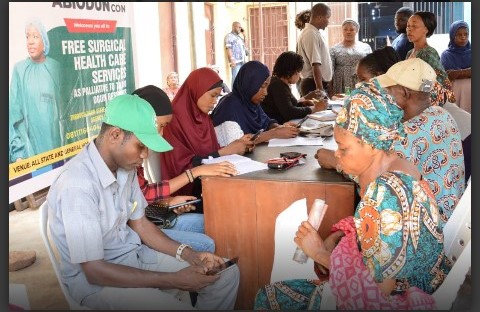
As part of measures to cushion the effects of hardship due to the economic situation and to promote effective healthcare services, Ogun State government has launched free surgical intervention Programmes for 70,000 residents of the state.
The Executive Secretary of Ogun State Health Insurance Agency, Dr. Afolabi Dosunmu, who stated this at the flag-off of registration for the intervention held at the State Hospital, Ijaye, Abeokuta, said the intervention was a directive from Governor Dapo Abiodun to provide succour to the people at this difficult time.
Dr. Dosunmu said hospitals in the state are ready to carry out the directive of the Governor, saying interested individuals are to enrol on the state’s insurance scheme or at any nearest General Hospital for registration.
The Executive Secretary noted that surgery operations would start on Tuesday, 27th February to meet the needed cases that required urgent attention.
He explained that out of the targeted 70,000 people, 20,000 pregnant women are to benefit for pre and post maternal treatment, 20,000 market women and 30,000 vulnerable people would also benefit from the initiative in the state.
Over one hundred applicants have so far registered for the Programme.