News Analysis

Corruption remains a global phenomenon with no racial boundaries.

More often than not, print and electronic media are awashed with cases of sleaze, monetary or in kind.

And there is hardly any sphere of activities or profession that corruption is not found.

Corruption wreaks enormous damage on good governance, disrupts systemic administration, compromises the integrity, lay ground for avoidable deaths and other forms of dire consequences in societies. 

Aside these, it undermines democratic institutions, slows economic development, contributes to governmental instability, distortion of electoral processes and perversion of the rule of law.

In cognizance of the monumental effects of corruption, the United Nations general assembly designated 9 December as international anti-corruption day and has been observed annually since the passage of the United Nations Convention against corruption on 31 October 2003 to raise public awareness for anti-corruption. 

In Nigeria, efforts to tackle corruption saw the creation of anti-corruption agencies such as the economic and financial crimes commission and the independent corrupt practices commission.

The current administration has followed this up with the formal institution of the whistleblower policy in December 2016 to check endemic corruption.

A major challenge in this regard is the justice system which political office holders and other big-time looters exploit to drag cases on for years.

Besides, there is also the political angle to it as politicians alleged of financial impropriety while in office often find safe haven in the party in power.

The immunity clause in the Nigerian constitution, which protects sitting governors against litigation until after their tenure is also a factor as it delays justice and gives room for cover-up over time.

Since greed, poverty and unemployment fuel corruption, it is important that the government build upon current poverty eradication derive, job creation.

Nobody is above the law, anyone who acts contrary to it should be given the punishment that he or she deserves.

Anti-corruption agencies, should ensure transparency in handling cases of graft and avoid controversies that had trailed some of their personnel in the past.

To win the war against corruption, religious bodies should stress the importance of moral rectitude to their members while parents inculcate desired social values in their children for the good of the society as a saying goes “charity begins at home”.

With this year’s theme being your right, your role, say no to corruption, it is therefore pertinent as a citizen to say no to corruption irrespective of position in order for the country to attain its rightful leadership role in the comity of nations.

Olukemi Akintunde
News Analysis

Over the years, mainstream media played a pivotal role in information dissemination to the public, upon which decision of the people is formed about a particular subject.

The media has played important role in influencing the opinions and attitudes of its viewers and listeners, as the choice of words of news stories and images on a particular group of people speaks volumes about the public perception and inform their belief about such.

During the elections, women are the most visible and in the forefront of leading songs with different types of uniforms to eulogize aspirants and candidates in elections who are often their male counterparts, while most women who contest political posts are manipulated and frustrated out from the race by the male stakeholders who mostly hold key party positions.

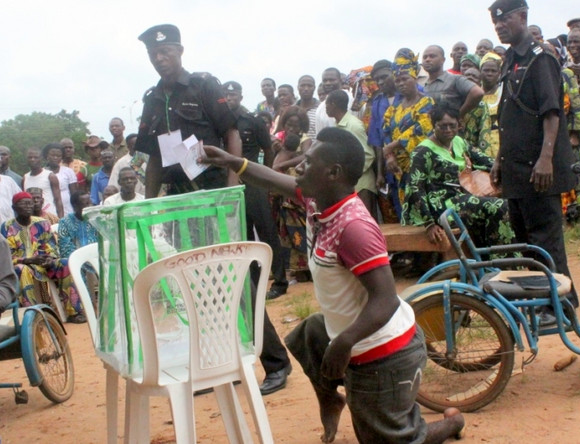
Similarly, youths who should be an element of peace and development are usually portrayed by the media as objects of thuggery while the people with disabilities have low or even no representation because of limitations of their physical appearance making them the most ostracized during elections, either as voters or candidates.

However, the inclusion of women, youths and people with disabilities in the electoral system will undoubtedly create a just, fair and equitable society, promote peace and enhance human cohesion.

To achieve this, it behoves on broadcast media to go out of their comfort zones to hear and air the views of these groups over that of the majority who govern the system.

The Independent National Electoral Commission, INEC, as an election umpire has set machinery in motion especially for people with disabilities through the provision of magnifying glasses, braille papers and special voting queues. 

These should adequately be monitored and publicized for the people with disabilities to have more confidence in the capacity of INEC and serve as an encouragement for them to participate in future elections.

Pieces of evidence abound that the opportunities provided by INEC to incorporate people with disabilities in the electoral process are still faced with some challenges.

For example, during the last governorship election, the EC30C Form provided for people with disabilities was not adequately utilized by ad-hoc staff because of complaints of inadequate time resulting in some polling units recording zero for people with disabilities.

The broadcast medium being the most accessible to the larger population should put INEC on its toes in ensuring that adequate provision was made in the process to allow this category of people exercise their franchise.

It is also important that media organisations give more coverage to women and youths by promoting policies and programmes that would give spaces for equity in social development.

The media should desist from derogatory phases that could further lead to injury on the emotions and interests of this group of people.

It is also believed that the extension of polling units across the country would further improve participation of women, youths and people with disabilities but the media has a duty to hold the electoral body responsible regarding the implementation of its policies not only on paper but in reality for the benefit of the people.

Olufisoye Adenitan

News Analysis

Nigeria Prison Service is one of the major institutions in the criminal justice system. It provides restraint to individuals accused or convicted for offence.

Prisons could be referred to as correctional centres which is the third phase in the criminal justice system.

Their functions include keeping custody, producing suspects in court as and when due, identifying the causes of anti-social behaviour retribution, reformation and rehabilitation of inmates among others.

In Nigeria, the first prison, Faji prison, was established in Lagos in 1861 during the colonial era to suppress native authorities and indigenous Nigerians who kicked against colonial tendencies.

Other early prisons that were established include Calabar prison, which was established in 1890, Badagry prison, 1883 and Hadejia old prison in 1901.

Some of the prisons in Nigeria include, Kuje medium prisons, Abuja, Kirikiri maximum security prisons, Lagos, Agodi prison, Ibadan, Abakiliki prisons, Gashua maximum prisons, Yola, Koton karfe prison, Kogi,  to mention but a few.

In recent time, Nigerian prisons service has been battling and contending with jailbreaks.

Last week, about nine hundred and seven prisoners escaped from the Nigeria correctional service, Abolongo, Oyo state.

Just last month, no fewer than two hundred and forty inmates at the medium-security custodial centre in Kabba, Kogi state, escaped from jail following an attack on the facility by yet to be identified heavily armed gunmen..

According to the minister of interior, Rauf Aregbesola, four hundred and forty-four out of nine hundred and seven escapees in the Abolongo correctional facility in Oyo state have been recaptured.

The minister explained that the service has an updated database of the escapees which includes their biometrics while their database will be shared with all security agencies in the country including Interpol, to recapture those that escaped.

Some of the factors responsible for jail break include negligence of duty, low morale, poor remuneration and incentives, poor maintenance, quest for freedom on the part of the inmate’s congestion, as well as old and inadequate working tools.

The various attacks on jails in the country should serve as an eye opener for the federal government to begin rehabilitation of prisons across the country.

There is urgent need to beef-up security in prisons and for prison officials to wake up to their responsibilities.

Federal government should commit resources to maintenance of the prisons, training and retraining of officers to achieve standards in prison management.

There is the need for overhauling of the prison system to enable it function optimally in accordance with its statutory function which include upgrading the facilities and possibly build model prisons in virtually all states of the federation.

Stakeholders in the justice system should also contribute their quota by giving prompt judgement on awaiting trial inmates to decongest the prison.

The adoption of non-custodian sentence such as community service would not only help to reduce prison congestion but would reduce jail break.

Above all, parents and guardians should not renege in their duty of proper upbringing of their children and wards as this would reduce the commission of offences.

Adeyoyin Shomoye

News Analysis

Coast redwood, (Sequoia sempervirens), also called California redwood, coniferous evergreen timber tree of the cypress family (Cupressaceae), the tallest of all living trees.

They are endemic to the fog belt of the coastal range from southwestern Oregon to central California, U.S., at elevations up to 1,000 metres (3,300 feet) above sea level.

The coast redwood tree takes 400 to 500 years to reach maturity, and some trees are known to be more than 1,500 years old.

They often exceed 90 metres (300 feet) in height, and one has reached 112.1 metres (367.8 feet).

Their trunks reach typical diameters of 3 to 6 metres (10 to 20 feet) or more, measured above the swollen bases.

The leaves on the main shoots are spirally arranged, scale-like, and closely appressed to the branches; those of the lateral shoots are spreading, needlelike, and arranged in two rows.

As the tree ages, the lower limbs fall away, leaving a clear, columnar trunk.

When a tree is cut or damaged from wind or fire, sprouts arise from the sapwood below the injured surface.

Natural reproduction occurs through seed production, although only a small percentage of the seeds germinate unless exposed to fire.

The coast redwood’s insect, fungus, and fire-resistant bark is reddish-brown, fibrous, and deeply furrowed and may be as thick as 30 cm (12 inches) or more on an old tree.

The base of the tree forms massive buttresses, and hemispheric burls may occur on the trunk.

Coast Redwoods are exceptionally fire-adapted. In August 2020, stands of the trees were burned in various wildfires in northern and central California, including a famous grove of old-growth trees in Big Basin State Park.

Although some individuals were lost, most were expected to survive, owing to their ability to withstand fire.

Coast redwood is one of the most valuable timber species in the lumber industry, and the trees are extensively logged.

The lightweight wood is valued for its beauty and resistance to decay, and coast redwood timber is used in carpentry and general construction, as well as for furniture, shingles, fence posts, and panelling.

It was used extensively for railroad ties throughout California. Burls cut from the trunk are made into bowls, trays, turned articles, and veneer.

Titilayo Kupoliyi

News Analysis

According to a survey in 2018 by Nigeria demographic and health, thirty percent of girls and women aged between fifteen and forty-nine suffers sexual abuse.

The survey sates that at least two million girls experience sexual abuse annually and that only twenty-eight percent of cases is reported while only twelve percent result in convictions.

Available records show that a good number of suspected rapists move freely on the streets after committing the heinous act.

Also worrisome is the fact that not much is being done in respect of strengthening the law to incisively deal with perpetrators of rape.

Rape victims suffer a sense of abuse that goes beyond physical injury. They may become skeptical of men and experience feelings of embarrassment and disgrace. Victims, who suffer rape trauma syndrome experience physical symptoms such as headaches, sleep disturbances and fatigue.

The weak stance of the law towards rape needs to be seriously addressed. Women and girls who are raped have little hope of obtaining justice and reparation. Victims are sometimes pressured into withdrawing the case or parents of victims prefer financial settlement out of court to a criminal prosecution.

Such as the case of a grandmother who was recently arrested for allegedly collecting fifty thousand naira bribe from a man, Seun Olarewaju, for raping her three year-old granddaughter to cover up the crime.

Where cases are brought to court, prosecution sometimes fails because police refer cases to a court lacking appropriate jurisdiction and progress is then obstructed by the slow administration of the judicial system. In some cases, the alleged perpetrator is charged with a different and less serious criminal offence.

The nation’s justice system should be strengthened to enforce

The child rights act which provides that sex with a child is rape and anyone who has sexual intercourse with a child is liable to imprisonment for life upon conviction to serve as deterrent to others.

Commendably, the Nigerian governors’ forum has strongly condemned all forms of violence against women and children and pledges commitment to ensuring that offenders face maximum weight of the law.

Furthermore, the ministry of women and social welfare should up its game by liasing with relevant authorities to find lasting solutions to rape issues.

The boy child from a tender age must be taught respect and dignity for women while musical videos and films depicting women as mere sex symbols should be reviewed.

It is essential to recognise the need to provide emotional therapies for survivors in the nation’s hospitals.

Rape is never the fault of survivors; they live with the shame and guilt and often find it difficult to forgive themselves.

Knowing this, therefore, family support and favorable environment is needful to promote the healing process which is often slow while linkage with a support group is essential to encourage experience sharing and eventual recovery.

Monijesu Oseni

News Analysis

In the word of a former president of the United State of America, John Kennedy  ‘’education is a means of developing a nation’s greatest abilities, because in each of its citizens, there is a private hope and dream which if fulfilled, can be translated into benefit for everyone and greater strength for the nation.’’

Education incorporates any form of learning that transforms and add values to an individual’s life for the benefit of his family and society at large.

No nation can achieve meaningful socio-economic, political, technological and cultural advancement without solid educational investment in its citizens.

It plays significant roles in shaping the lives of individuals towards contributing their quota to the development of the nation.

Over the years, the nation’s educational system had witnessed a decline in its standard which is as a result of the various challenges confronting it, which is inadequate personnel who studied education in their chosen field.

To reawaken the hope of the future generations and restore the value of the educational sector, federal government has approved the sum of seventy-five thousand naira as stipend per semester for students undergoing degree programmes in education in public universities in the country.

Also, the Nigeria Certificate in Education, NCE, students will get fifty thousand naira as stipend per semester as part of the deliberate effort of the government to attract the best brains into the teaching profession.

According to President Muhammadu Buhari the measures was part of ongoing moves to revitalize and reposition the teaching profession.

The president noted that a review of teachers’ development policies had revealed huge gaps in quality and quantity of teachers at all levels of the nation’s education system, adding that the status and morale of teachers were currently at their lowest ebb.

Part of the review include the tertiary education fund, tetfund, will now fund teaching practice in universities and colleges of education, special salary scale for teachers in basic and secondary schools and provision for rural posting allowance for science teachers.   

No doubt, this is a right step in the right direction given the fact that education is the bedrock of excellence in all fields of human endeavour.

Successful countries of the world had gotten it right as a result of huge investment in their education system.

The approved funds, if properly channeled, would alleviate the suffering of indigent but brilliant students and encourage aspiring students to consider a career in education, thereby strengthen the foundation for a greater Nigeria.

It is pertinent that government put necessary machinery in place to ensure that funds allocated for this purpose is not diverted into the wrong purpose.  

Fawzeeyah Kasheem

News Analysis

Rabies Is A Viral Ailment That Affects All Warm Blooded Animals.  

The Disease Is Endemic In Nigeria Resulting In The Death Of About 10,000 Victims Annually. On The Global Scene.

It Accounts For More Than 55,000 Deaths, Signalling The Disease As A Major Public Health Burden.

The First Reported Incidence Of Human Rabies Case In Nigeria Was Diagnosed In 1912 While Rabies In Dogs Was First Diagnosed In 1925 At Yaba Rabies Laboratory.

Dogs Are The Main Vectors Of Human Rabies Accounting For About 94% Of The Cases, Most Of Which Occur In The Rural And Peri-Urban Areas Where There Is Limited Access To Veterinary Services, Lack Of Prompt Diagnosis And Non-Existent Post Exposure Prophylaxis Leading To Increase Human Deaths.

Due To The Significance Of This Disease, In Terms Of High Level Of Fatality Despite The Fact That It Is 100% Preventable Through Vaccination, The Global Alliance For Rabies Control Has Been At The Forefront Of Campaign For The Elimination Of Rabies Worldwide And Hence Elimination Of Human Deaths Arising From The Disease By The Year 2030 In Line With The Sustainable Development Goals (Especially, Goal 3) As Enunciated By The United Nations In 2015.

This Is Why September 28 Is Celebrated Annually As “World Rabies Day” To Promote Activities That Would Eventually Lead To The Elimination Of The Disease Globally. The Day Is Also Used To Commemorate The Death Of Louis Pasteur, The Legendary Scientist Who Created A Vaccine Against Rabies.

The Theme Of This Year’s Event Is “Rabies: Facts Not Fear”. By This, It Is Envisioned That The Fear That Has Enveloped Our Communities And Individuals Arising From Misconceptions, Misinformation And Myths Associated With Rabies Would Be Demystified By The Promotion Of Scientific Facts Which If Properly Disseminated Among All And Sundry Would Lead To The Achievement Of A World Without The Misery Of Rabies.

Some Of The Facts Are As Follows: Rabies Disease Is Caused By A Germ Called Rabies Virus. “It Is Not A Spiritual Attack”

Rabies Virus Is Not A Poison That Could Be Neutralised By Any Antidote. It Is A Virus That Attaches Itself To The Nerve.

Bats Are The Reservoirs Of Rabies Disease. Dogs Become Infected Through Complex Epidemiological Interactions. Dogs Are The Major Source Of Infection To Man And Other Animals.

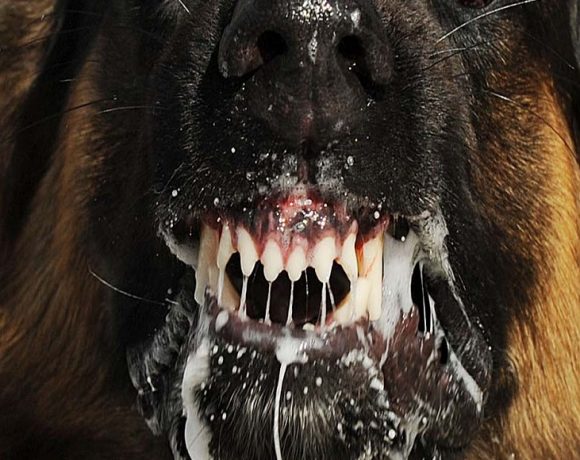
Dogs Could Transmit Rabies To Man Through Bite Or Licking Of Open Wounds. The Virus Is Present In the Saliva Of The Rabid Dog In Large Quantity.

Vaccination Of Dogs Could Prevent The Disease From Being Transmitted To Man 100%.

Clinical Signs of Rabies in Dogs Include Sudden Behavioural Changes, Loss Of Appetite (Anorexia), Staggering (Ataxia), Fear Of Water (Hydrophobia), Disobedience To Owner, Eating Of Strange Objects (Pica), Paralysis Of The Lower Jaw, Excessive Salivation (Drooling), A typical Aggression Among Others.

Immediate Commencement Of Post Exposure Prophylaxis In Man After The Bite Of A Rabid Dog (Within The First 24hours) Could Eliminate The Virus And Enhance Survival Of The Victim.

After The Onset Of Symptoms Of Rabies In The Affected Patient, Disease Progression Is Irreversible With Death Resulting Ultimately.

The Manifestation Of Rabies In Man Depends On The Site Of Dog Bite. The Closer the Bite To The Central Nervous System, The Earlier The Manifestation Of Symptoms In Man.

After A Bite From A Rabid Dog, It May Take Between Three Months And One Year Before Manifestation Of Symptoms.

Not All Dog Bites Are Caused By Rabies Infection, But All Dog Bites Must Be Reported In The Hospital For Appropriate Evaluation And Management.

Any Dog With Strange Behavioural Signs And Or History Of Human Bite Must Be Quarantined For 10-14 Days Under Strict Veterinary Supervision. A Rabid Dog Would Die Of The Disease Within The Period.

All Dogs From Three Months Of Age And Above Must Be Vaccinated Annually By A Veterinarian Who Must Issue A Duly Signed Certificate.

Transmission Of Rabies From Man To Man Has Not Been Reported. People Who Process Dog As Meat Is At High Risk Of The Infection. Cooking Also Destroys The Virus.

In Case Of A Bite From A Known Or Unknown Dog, The First Aid Treatment Is The Washing Of The Bite Wound Copiously With Detergent Solution For Up To 5 Minutes. The Virus Cannot Survive In Detergents

If Rabies Must Be Eliminated In Man, Rabies Must Be Eliminated In Dogs, Especially, Through Vaccination.

With Concerted Efforts Of Government, Non-Governmental Organisations and Citizens, Especially In The Area Of Responsible Dog Ownership, It Is Hoped That The War Against Rabies Shall Be Won, And Achieving Zero Rabies Incidences Globally By 2030.

Doctor Ibikunle Faramade

News Analysis

Spider silk exhibits a high resilience and can absorb three times as much energy as a synthetic fiber, such as Kevlar (material used in bullet-proof vests).

In ancient times, silks were also used to stop the bleeding for wounds and also as a delivery method for applying “antiseptic” agents, such as vinegar.

Spider silk is a protein, and proteins are formed inside of living cells. A process that happens at body temperature, unlike the manufacturing of steel, which happens in a furnace.

The magic of spider silk has everything to do with the transmission of information through DNA.

Human engineering is adept at using more energy to solve problems. Nature does it through the use of better information.

Also, proteins are made of abundant elements such as carbon, hydrogen, oxygen and nitrogen, and the only byproduct of the reaction that makes proteins is water.

So, natural materials such as spider silk can claim to be “environmentally friendly”, because they use less energy and abundant elements, making the processing superior to most engineering materials.

Spider silk, then, is stronger than steel on a per weight basis while being very environmentally friendly.

This may not have the same pithy ring to it as “spider silk is stronger than steel”, but it tells a much more dramatic story about why the mimicry of natural materials is a rapidly growing area of materials science and engineering.

Titilayo Kupoliyi

News Analysis

This one is not a festival, but it is no less of a bizarre ritual conducted, to this day, in many parts of India.

The more popular reason for this is that some folks are born during a particularly terrible astrological combination called Mangal Dosh.

These guys, called Mangliks, are considered bad news for whoever they marry.

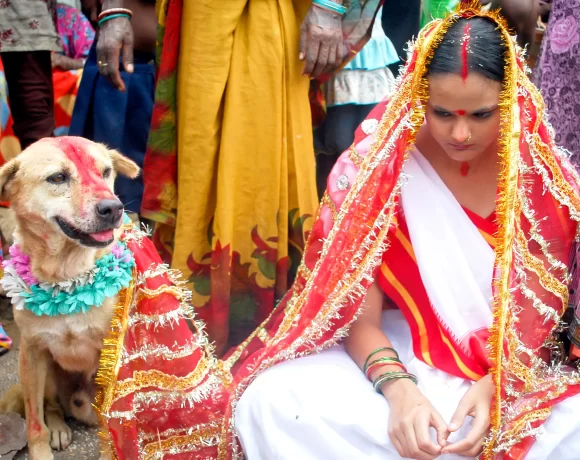
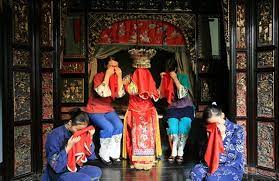
So to get rid of the terrible fate that their spouses would be burdened with, they are made to marry an animal, usually a dog or a goat. Sometimes even a tree.

After a quick prayer and offerings made to the gods, the Manglik is now free to marry whosoever he or she chooses.

The marriage with animals is also done for other less common reasons, like if the girl has some facial deformation or her teeth arrive too early.

Naturally, girls draw the short end of the stick here, but these rituals are thankfully getting less common these days.

Titilayo Kupoliyi

News Analysis

The recent military interventions in some African countries have brought into the spotlight illegal and overt attempts by armed forces to remove sitting leaders.

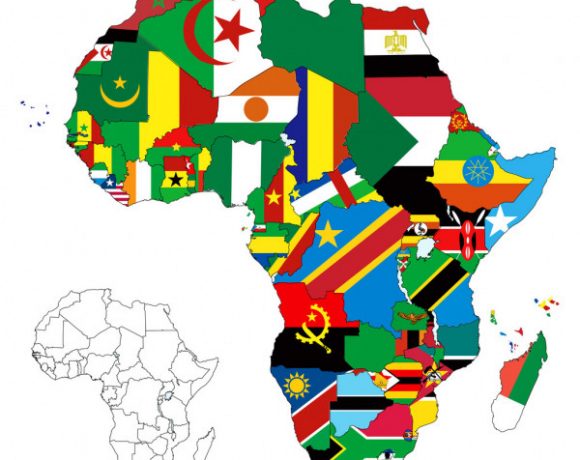
There have been 19 coups in 13 African countries between 2002 and 2021, which translate to an average of one coup per year.

The recent one was the removal of democratically elected president of guinea, Military Coups, from office by the head of country’s elite army unit, Mamady Doumbouya, who tried to justify the military action.

 In august last year, soldiers overthrew President Ibrahim Boubacar Keita in Mali and suspended the country’s constitution.

 Apart from Mali and Guinea, there was a coup attempt in Niger.

 In chad, President Idriss Deby, who took over the mantle of leadership in 1990 after a coup, died in April this year while fighting with rebels on the battlefield.

 It is estimated that there have been at least 100 successful coups in Africa in the past four decades, with more than twice the number of coup attempts. The prevalent of coups in Africa are due to incompetent leadership and corruption.

The military is not by inclination trained to rule, but to defend. However, when the situation arises which brings them into the corridors of power, it is an aberration.

However, taking into consideration the nature of their calling, a dedicated and disciplined military could bring sanity into the body politics of a nation.

 Indeed, the various controversial military coups d’etat might be undesirable, but it was not unexpected.

 It is very sad that the kind of democratic rule in Africa is prone to breeding coups, which firstly staged in West Africa in 1963 by Gnassingbe Eyadema of Togo.

 Sudan has had 15 coups, the highest in Africa.

Nigeria recorded its first coup in 1966 and since 1999; the country has been transiting from one civilian government to another through democratic elections.

Recently, former president Olusegun Obasanjo at a book launch titled “making  Africa work”, explained that no matter the excuse, military interventions had major negative impact on democracy, governance and unity of Nigeria.

He, however, argued that the often prescribed solution of specifically putting a ban on coups in the constitution was not the answer.

 Military involvement in politics has been attributed to dissatisfaction with civilian governments, specific grievances and ambitions of officers. 

It is for this reason that the African union and its regional institutions placed emphasis on the normative framework for enhancing and protecting democracy.

 Some other African leaders who manipulated the constitution to elongate their stay in office include Ismail Omar Guelleh of Djibouti, the late Lansana Conte of Guinea, the late Gnassingbe Eyadema of Togo and Paul Kagame of Rwanda.  

The implication of manipulating the constitution for tenure elongation is that what happened in post-independence Africa, when coups were fashionable, may resurface and cause more political instability in the West African region.

African leaders must find a way to ensure that this disturbing trend does not continue.

Meanwhile, the quality of electoral processes is a recurrent trigger point, as was the case with Mali’s delayed and allegedly rigged March 2020 parliamentary elections.

On elections, the au and regional organisations routinely resort to observer missions.

Their conclusions rarely challenge official results, even though emboldened civil society and judiciary identify rigging.

Politicized militaries often get involved when countries face political and socio-economic problems.

The most promising way to reduce politicization is through professional security forces which facilitate an improved ability to tackle security risks such as terrorism and insurgencies without resorting to excessive force.

The AU should activate the African charter on democracy, elections and governance which it ratified in 2012.

The charter calls on member states to identify illegal means of taking over power or staying in office and sanction the culprits.

 Like it did to Mali in the wake of two recent coups, the au should suspend any country that engages in violent overthrow of the government to serve as a deterrent to other countries that may be contemplating a similar thing.

Nafiu Busari 

News Analysis

That Nigeria is passing through grave security challenges is a well known fact.

These challenges include armed robbery, banditry, insurgency, kidnapping, pipeline vandalism, ritual killings, cyber crimes and the most grievous of all is terrorism in the northern part of the country.

However, one disturbing issue associated with virtually all the security breaches is the increase in the number of people perpetrating criminal acts through impersonation of security personnel.

The regular and social media are daily awashed with stories and warnings on the new tactics being employed by criminals.

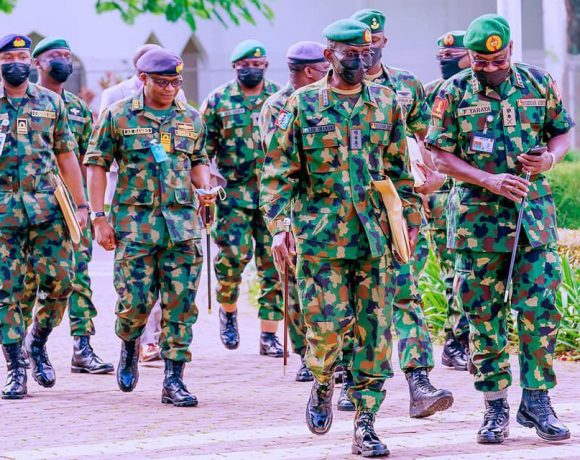
These tactics include ,adoring uniforms, carrying identity cards and posing as either army officer, police, civil defense ,federal road safety corps or state security men and officers to rob, dupe or even kidnap unsuspecting members of the public on the highways, at relaxation joints or while going about their daily activities.

For example, during the weekend, police in Ogun state arrested one ex-convict, Segun Ogundeji for impersonating a soldier.

According to the police spokesperson in Ogun state, Mr. Abimbola Oyeyemi, the impersonator was arrested when he went to Sango Ota divisional headquarters, fully dressed in army camouflage to solicit for the release of a suspect.

Two dismissed policemen were arrested in Lagos state while impersonating and using police uniform to harass innocent Nigerians by extorting money from motorists at various locations.

There have also been stories of people posing as security men who stopped motorists, accused them of committing one offence or the other, enter their car under the pretext of taking them to a police station only to divert them to ritualists den.

The list is endless, but the most disturbing aspect of this practice is the security threat posed by these criminals whose actions are adding to the discomfort of the already apprehensive citizens.

The question on the lips of Nigerians is why is the security so porous that some crooks could easily lay their hands on the uniforms, identity cards and other paraphernalia of office of security personnel and use same for unwholesome acts.

What are the rules for disengagement of security officers and are the rules being adhered to?

With the level of insecurity in the country, there is urgent need for actions that could reverse the ugly trend of impersonating the nation’s security personnel.

These steps are welcome to check the menace of criminals posing as security personnel.

Any retired or dismissed officer of any security agency must be compelled to submit all documents relating to his duties before payment of final entitlements.

Also, the sale of army or police wears or even the camouflage to civilians should be totally prohibited.

It behoves on Nigerian army, the police, NSCDC and other security outfits to be more productive in the management of their apparatus and tools of trade, to save the citizens from further agonies being inflicted on them daily by these undesirable elements.

Above all, federal government needs to create an authentic logo or stickers for all the security operatives for easy identification.

There should be stiffer penalty for illegal seller of security uniform as well as those that are fond of wearing it for fun to serve as deterrent to others to reduce the crime being perpetrated with the fake security uniforms.

Rasheedah Makinde

News Analysis

Diagnostic errors are diagnosis that are delayed, wrong or missed altogether with fake or wrong results on the part of a doctor or laboratory scientists.

According to World Health Organization, diagnostic errors had led to patient harm and it is the fourteenth leading cause of the global disease burden, cause of morbidity and mortality across the world comparable to diseases such as tuberculosis and malaria.

It is estimated that there are four hundred and twenty one million hospitalizations in the world annually, and approximately forty two point seven million adverse events occur in patients during these period.

W.H.O says that there is a one in three hundred chance of a patient being harmed during health care.

According to report one-third of death cases or permanent disability began with an errant or delayed diagnosis, making it the biggest cause of serious harms among medical errors.

Diagnostic errors that led to death or permanent disability were linked with misdiagnosed cancers, vascular events and infections while half of the most severe harm cases ended in patient’s death and the other half resulted in permanent disability while failures of clinical judgment caused more than eighty five percent of the misdiagnosed cases.

Furthermore, report shows that misdiagnosis in treatments of cardiovascular events, cancers and infections comprise seventy four percent of all serious harms from diagnostic errors as well as thirty four percent of malpractice cases for death or permanent disability began with an errant or delayed diagnosis, making it the biggest cause or serious harms among medical errors.

It is stating the obvious that diagnostic errors, from missed diagnoses to misdiagnoses, are becoming rampant in Nigeria as numbers of people affected are increasing daily which has led to death of many or left them with a permanent injury.

Though, the list is endless but that of the wife of former APC national chairman, Adams Oshiomole, Mrs Clara who was wrongly diagnosed of breast cancer that eventually claimed her life on December 7, 2010.

Also, the case of late human rights activists, Chief Gani Fawehinmi, SAN, was diagnosed with pneumonia and was undergoing treatment, but by the time his case got critical and he was flown abroad, correct diagnosis showed that he had cancer at that point, it was too late, as the cancer had reached an advanced stage and he died of the ailment.

Some medical experts suggested that provision of quality diagnostic test reports in the least turnaround time (tat) will enable doctors to improve patient’s treatment and safety, noting that about forty to fifty percent of samples are sent outside of Nigeria for testing which increases the tats and leads to delay in treatment for Nigerians.

They noted that these samples sent to countries like India, South Africa, United kingdom, America and Europe led to delay of the results needed for diagnosis of patients as the turnaround time of results, which comes from any of these countries take about seven, ten and sometimes 30 days for some of the tests report to come out which might be late for treatment.

While some medical laboratory scientists have blamed the increasing misdiagnosis in laboratory practice on wrong reagents, equipment, and lack of enabling environment, experts and other stakeholders have described most of the deaths as avoidable.

Aside from causing avoidable deaths, misdiagnoses have also left many victims with new and strange ailments and could condemn them to a lifetime of permanent disability while legs and arms have been amputated as a result of wrong diagnosis.

Considering the havoc caused by diagnostic errors, it is of note that the advice of former APC national chairman, Adams Oshiomhole be considered which called for a review of Nigeria’s medical system so that doctors treat patients only in their specialized areas for a professional and perfect delivery.

He added that the menace of wrong diagnoses could be prevented by government, if it provided robust regulation on the health system.

Titilayo Kupoliyi

News Analysis

Strange Ways of the Asmat Tribe

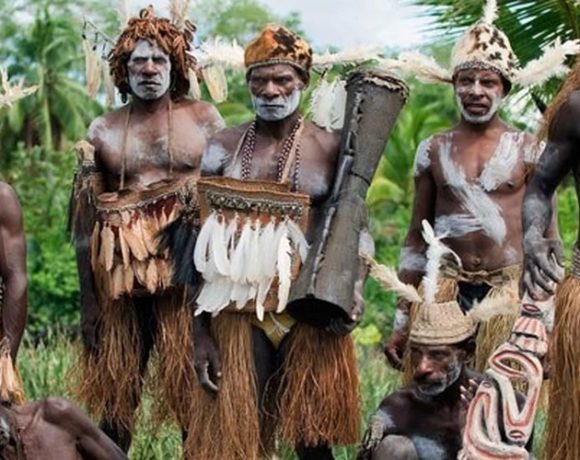
Asmat is a tribe living on small islands in mangrove vegetation nearby the sea, on the south side of the western part of the New Guinea Island.

They are the most famous cannibalistic tribe on Papua, a province of Indonesia.

This coastal people occupy a low-lying swampy region that covers approximately 9,652 square miles (25,000 square kilometers) in southwestern Irian Jaya.

The Asmat population is estimated at about 65,000 people, living in villages with populations of up to 2,000.

Their languages belong to the Papuan language family known as Asmat-Kamoro, which has over 50,000 speakers.

The members of the Asmat tribe believe that they arose out of wood. Therefore, wood is sacred for them. Even in ancient times they carved wonderful things from wood. Asmat are considered to be the best woodcarvers of the stone-age and many of their engraved carvings are in museums around the world

Though, they are widely known for the quality of their wood sculptures, they are also notorious for their traditional practises of headhunting and cannibalism.

Asmat did not only hunt for skulls, they also worshipped them. The skulls of the deceased were stripped of the brain and the eyes and nasal parts were closed up in order to prevent evil spirits to enter or exit the body.

Skulls that were modified and decorated in this way, were displayed by the Asmat in a honourable place in their long homes.

They would put human skulls under their heads instead of a pillow.

They would eat brains of their animals mixed with sago worms straight from their halved skulls.

Besides the fact that the Asmat were head-hunters, they also “hunted for names”. They believed that when they killed a man and ate him, they take his power and become him.

Every person was named after someone deceased, or after a killed enemy.

A child was sometimes given a name only ten years after it was born, and after its village set out to kill a man from an enemy village nearby.

They had to learn the name of the man they killed, and then bring his skull to their village. Only in this way could a person get a name.

Fortunately, the evil reputation of Asmat has become history. The missionaries have done a lot of work in changing this.

Titilayo Kupoliyi

News Analysis

The Wodaabe tribe is a Fulani tribe in Niger, West Africa.

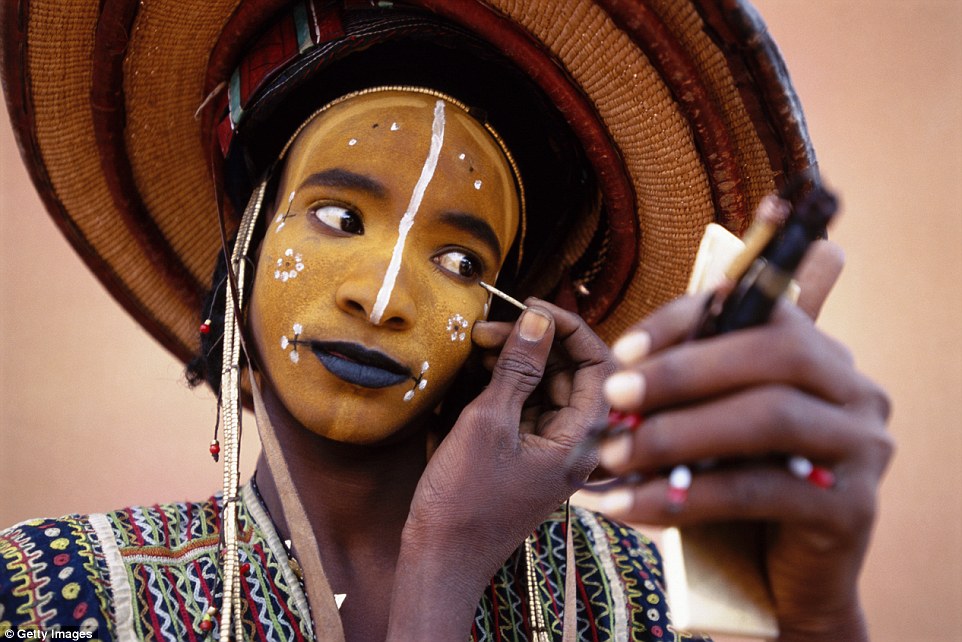
The males in the tribe are regarded as very vain because they believe that they are the most handsome set of men and they always carry mirrors.

In the tribe, marriage is always contracted in infancy, and the women can have as many sexual partners as they desire before marriage.

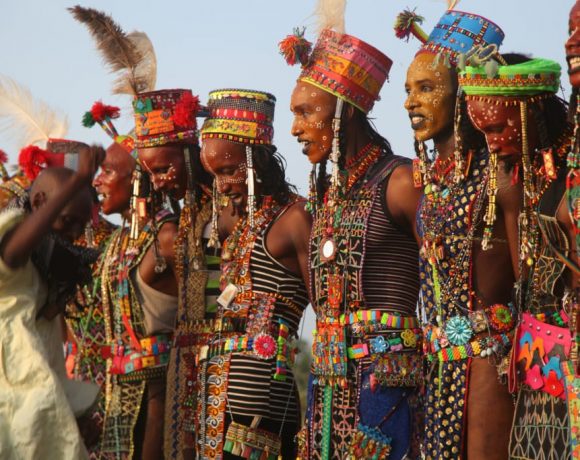
The tribe holds an annual festival called the Gerewol during which men dress elaborately, wear make-up and hold a beauty pageant of some sort. During the festival, men dress to impress the wives of other men.

The culture believes that beauty can be judged by the whiteness of the eye, the firm straight bridge of the nose and white teeth. Therefore, the make-up done is to accentuate these features.

Before the festival begins, it takes the men six hours to prepare and get ready so they can dance and show themselves off.

They paint their faces with red clay, use eyeliners to make their eyes appear whiter, and wear a shade of lipstick that will make their teeth appear whiter. They also wear white ostrich feathers in their hair making them appear taller.

During the festival, three of the tribe’s most beautiful women are chosen to judge as the men display through a dance, moving in circles.

Other women, already wives of other men, admire the men they most desire to choose as their second husband. If a man successfully steals a wife without being caught, the man automatically becomes her husband and the union is accepted.
The tribe is a polygamous one hence the wife stealing is widely accepted. In spite of this, some men do not wish their wives to be stolen, and so do not allow them to participate in the festival.

News Analysis

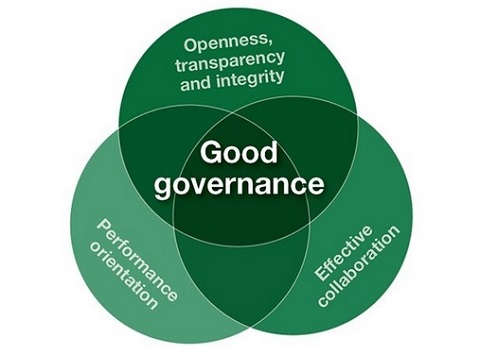
In every democratic setting, there are three basic arms of government which are the executive, the legislature and the judiciary.

These arms are independent in their operations and at the same time serve as checks and balances on one another to avoid over concentration of power in a single authority.

Though the primary responsibility of the legislative arm of government is to formulate laws, Nigerian constitution also empowers lawmakers to embark on other certain legislative duties.

These include amendment of laws, oversight functions, screening and confirmation of political appointees, approval of executive loans and proper representation of constituents on matter of urgent public importance.

On many occasions, the lawmakers lobby many issues to be in the favour of the legislature, their constituencies, and for personal political gains, especially issues on infrastructure, projects and budgetary allocations.

In doing so, sometimes there are clashes of interest among the lawmakers as; they become bias and only see reasons to place priority on personal interest than national interest.

These rivalries are not in exception of executive-legislative relationship especially in situations where they belong to different political parties or caucuses within the same party.  

However, it has been proven that this development had in the past had negative impact in the delivery of good governance to the citizenry.

So, it is necessary for all the arms of governments, especially the executive and the legislature as partners in progress to work towards achieving a common goal of development.

But in doing so, lawmakers both at the national and state houses of assemblies, should remain independent, objective, interface with relevant stakeholders and serve as watchdog on all the tiers of government to avoid been referred to as “rubber stamp”.

Only laws that will positively affect the masses, women and children should be given accelerated consideration and priority as they are the most vulnerable in the society.  

Since the electorate have the right to engage their representatives on matters affecting them, members of the assemblies should endeavour to regularly make themselves available to their constituencies for constant engagements on their needs.

The quest for nation building must be a collective responsibility; therefore constituents should not see their lawmakers as money bags who are to splash public money on people, rather engage them on their electioneering promises.

Constituents should also understand that lawmakers are for the formation of laws and monitoring through oversight functions, not for infrastructural projects which is one of the sole responsibilities of the executives

Standing committees on legislative compliance in the national and houses of assemblies across the country should be up and doing at ensuring motions, resolutions and bills passed are implemented by the executive and other relevant authorities.   

Since the legislature is an institution where people directly involved in the democratic process through their representatives, it is significant at achieving good governance

With these legislative duties and more, it has become evident that the parliamentarians play major roles in either to make or mar the sustenance of democracy and good governance in Nigeria.

To achieve the common goals of development, good governance and dividend of democracy for all, lawmakers must live above party divides, personal interest and avoid politicizing national issues at the detriment of the masses.

Mosope Kehinde

News Analysis

This is not to undermine the current strike by the resident doctors in public hospitals to press home their demands from government, but an effort to look at the moral implication on the medical profession and it impact on the ordinary man on the street.

Doctors are trained to save lives first before any other thing going by the Hippocratic Oath they administer on them upon graduation from medical schools.

However, once there is crisis between the doctors and government, human lives are endangered in the course of this war of nerves forgetting that no amount of monetary value fought for can replace the loss of lives at the end.

Public hospitals remain the only health care providers available to the common man in terms of cost implications for the range of services provided by them.

Therefore, the most unfortunate part of the current face-off between the resident doctors and the federal government is that the common man who is the highest beneficiary of the services provided by the doctors in the public hospital is the worst hit.

While the strike last, hospital ward are evacuated of patients, while the affluent can afford to be taken to private hospitals, the common man is cash- strapped and left to die in most cases.

Some of them often resort to quack doctors and other obnoxious alternatives which are death prone.

Facilities at the abandoned hospitals are affected too in one way or the other in terms of deterioration and level of hygiene by the time the doctors are back to work after the strike.

Although, there is remarkable improvement in the traditional health care delivery, there is still a wide gap between the orthodox medicine, and alternative medicine, specifically health conditions that require emergency and prompt management.

Strike as a tool for labour agitation should not be abused, especially by medical doctors who are trained to save lives and give succor to the patients.

How can they feel so unconcerned and unmoved that people are dying every second on each day they stay away from work?

While the threat by the federal government to have the striking doctors replaced because they appear to have lost the feeling of the doctors is counter-productive, there is the need to examine options to manage this type of crisis in the future.

Government at all levels should endeavour to have a pool of volunteer doctors attached to public hospital to manage health crisis occasioned by strike till matters are resolved to avoid unnecessary loss of lives.

The current doctors’ strike across the country is the most insensitive coming at a period of a major pandemic like COVID-19 that has put many lives at risk and it is even more disturbing that the federal government has been unable to resolve the crisis amicably.   .

We cannot have international best practices in the health sector when the major stakeholders embark on strike every now and then.

All contentious issues raised by the striking doctors must be looked at holistically to resolve the impasse as the egoistic posture on both sides of the divide can only make the health sector crisis a recurring decimal.

Tayo Sanni

Feature News Analysis

Schools have always been recognized as institutions for transfer of knowledge and culture to future generation. 

It is a dynamic human system dedicated to the nurturing of mutual growth and understanding between children and adults.

The school is also expected to be a place where students should feel safe and secure and where they can count on being treated with respect and care.

There are day and boarding schools and the major purpose of boarding was for communal coexistence among students from different background and culture.

Some scholars believe that boarding school is essential for the overall development and growth of a child and the most critical aspect of boarding schools are the networking opportunities it renders.

The students learn the importance of tolerance and respect for different views and perspective through the bonds they develop in such a close-knit educational setting. 

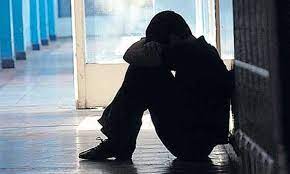
The reality, however, seems to be that only few students or pupils can harmoniously blend with their school mates without experiencing violence in their various learning environments. 

The extreme cases of bullying in Nigerian boarding schools have gone on for decades and it is seen as a lifestyle that students are expected to adapt to.

Bullying in Nigerian boarding schools seems to be an acceptable culture which unfortunately might have sent some students to their early graves while some sustained a life time injury both physically and mentally. 

While hearing some of the stories of bullying, such like sexual molestation, gang rape, exploitation and torture of students in Nigerian boarding schools bring to memories the pictures of traumatic scenes and horror movies which are cringe worthy.

For example, some months back, a mother, Mrs. Deborah Okezie posted a video on social media, where she cried out that her eleven year old son, a student of a private school in Uyo, Akwa -Ibom state, was sexually molested by his seniors.

Last week, a video went viral in Benin City, Edo state, where some students were seen brutalizing and humiliating their classmates where one of them was stripped naked.

The development has led the state government to suspend the principal, housemaster and all the students involved in the abusive behaviour while they have also been handed over to the ministry of justice for investigation and prosecution in accordance with the child rights law.

  The question is, will this erase the trauma of the harassed student?

Stealing of boarder’s food stuff, beverages, cash, clothing and other personal belongings by seniors have traumatized the juniors who are helpless.

The consequences of bullying could be far reaching ranging from low self esteem to increased violence and juvenile crime within the school environments. 

The act of bullying at the end not only does more harm to the intended victims and the perpetrators, but may affect morale of teachers and indirectly, the capacity of all students to learn to the best of their ability.

To reduce the incidence of bullying and prevent its occurrence, individual, groups and systematic interventions need to be implemented in schools and it must include students, teachers, administrators, parents and host community.

There should be an established and strictly followed zero tolerance to bullying in schools.

Guardians and councilors should administer surveys to determine the extent of the problem in schools.

It is essential also that surveillance camera should be mounted in strategic places in schools for proper monitoring of daily activities of students by schools authorities. 

Above all, ministries of education should come up with a strong and firm disciplinary measure for violators to serve as deterrent for others to reduce the spate of bullying in boarding schools. 

Rasheedat Makinde

News Analysis

Employees are the bedrock of every organisation. Even when its injects new technology into its system in a bid to enhance workers welfare, positive result will not be achieved, without human factor.

A positive or negative attitude affects how workers approach their jobs, and this can have a ripple effect on those around them.

In essence, when an employee reports to work, his attitude affects his work performance and can have an impact on the morale of other employees around him.

In general, a positive attitude will have a positive impact on productivity, while the reverse is also true beyond the skills and experience to do the job; attitude plays an important role in an organization’s productivity and employee satisfaction.

There is a common saying among the workers in most Nigerian establishments that “government work no be anybody’s work”.

This attitude to work of most Nigerian workers is a very common phenomenon in most state government establishment be it state federal or local which will have negative impact on the socio economic development of the country.

The commitment of most workers to their work has drastically declined in recent years compared to their attitude to work years ago.

Nowadays, people refuse to work for their pay, instead they avoid their work slowly so as not to finish the work on time in an effort to do overtime and receive allowances.

Even when they work, it is always done with less concern without minding the quality of their output and the profitability of the business concerned.

Generally, workers with good attitudes have stronger performance, and workers with poor attitudes exhibit less-than-superior performance 

Recently, Oyo state government disclosed plans to promote efficiency and effectiveness that would stimulate optimal performance of its workforce, and ensure the state public and civil service operate in line with international best practices.

This is to ensure a transition of its record keeping processes and registries in the state public and civil service from analog to digital through its office on ICT and e-governance.

In March this year, Lagos state government rewarded 12 outstanding public school teachers and administrators with 12 car gifts for their commitment and diligence to duty.

Government needs to reward excellence among civil servants to serve as morale boosters for others.

It is important that government embarks on training and retraining of its workforce to improve productivity.

There is the need for government to ensure that workers are paid as and when due to motivate workers for optimal performance.

 It makes a lot of sense that people will work harder, faster and better when they are happy and positively motivated.

To improve the public service, it is pertinent that workers play their part by being diligent and dedicated to their duties while the government should equip the service with technological know how for improved service delivery.

To whom much is given much is expected, it behoves Nigerian workers to reciprocate governments gesture by contributing their quota to the socio economic development of the country.

 Fawzeeyah Kasheem

News Analysis

In the Philippines, a popular thing to eat is balut. This fertilised duck egg is boiled alive and then eaten from the shell with salt, chilli and vinegar including the partly developed embryo inside.

You’re supposed to tap a hole in the top of the shell, sup the savoury liquid and then crunch down the rest of what’s inside which include feathers, bones.

It’s unsurprising that Filipino balut might not sound overly appealing, but it is a duck egg delicacy for a reason.

The consumption of certain insect species in Nigeria wouldn’t raise any eye brow but no Nigerian will look at a tarantula, a giant spider specie and think “lunch”, so it’s perhaps no surprise that these spiders were first eaten by Cambodians starving under the Khmer Rouge regime.

Bizarrely, fried spiders in Cambodia became popular and are now served as a deep-fried snack throughout the country. Apparently they taste a bit like crab, so they probably look a lot worse than they taste.

Titilayo Kupoliyi

News Analysis

Education is key to development in any country; as a matter of fact education drives all sectors of national development, without which sustainable development can be compromised.

Given the importance of education, it can be given only in a safe and secured environment.

In effect, education and its pedagogies can only be guaranteed in a safe school system where school personnel and learners are at ease physically and emotionally.

Over the years, successive governments have spent fortunes in order for the sector to thrive and be attractive by creating an enabling environment for pupils and students to learn without stress or distraction and for teachers and other school personnel to discharge duties expected of them.

This is to underscore the importance and priority accorded the education sector as a major driver of socio-economic and political development.

All seems to be well and running smoothly until the recent times when the sad incidents of terrorism, insurgency, banditry and kidnapping reared their ugly heads, with the schools becoming centres of violent attacks by miscreants instead of being centres of excellence that they ought to be.

Hardly will a day pass without reports of attacks on schools by bandits abducting students for ransom.

There have been occurrences of this dangerous trend in almost all the states of the North West and North East of Nigeria beginning with the kidnap of school girls in Chibok, Borno State by Boko Haram insurgents in 2014.

Ever since that time, kidnapping of innocent pupils and students in their school compounds and hostels have become rampant.

These incidents have reached an alarming proportion.

The menace, therefore, must be tackled headlong because of its far-reaching implications on the education sector.

Obviously, the Nigerian school system, especially the primary and secondary schools have never had it so bad as it is presently due to the ceaseless war against it.

Call it “banditocracy” if you like, our school system in the north in particular is under siege, through which teaching and learning is no longer guaranteed and cannot also be provided.

Between December, 2020 and the first week of July, 2021, not less than one thousand school children have been kidnapped and millions of naira paid as ransom. 

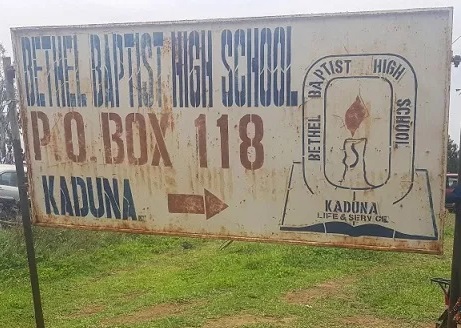
The latest being the abduction of one hundred and forty students of Bethel Baptist High School, Kajuma in Kaduna state. 

To say the least, the Nigerian educational system, with particular reference to primary and secondary sectors, has never had it so bad and never in our history have we lost students to kidnapping as witnessed in the past eight months.  

This development portends a bleak future for the entire country, as the effects of school insecurity will sooner than later, reverberate to the entire country in forms of resurgence of crimes in various shades and dimensions.

This is not to say about the collapse that will greet whatever remains of western education in many parts of the north.

As the country continues to witness insecurity in schools, occasioned by the various abductions, many schools that are said to be vulnerable and soft targets for bandits are being closed down and thousands of children will, out of morbid fear and anxiety, drop out.

Similarly, many youngsters will develop poor school-esteem, lack of school going resilience and interest as a result of post traumatic abduction–laden stories of many of their peers who either, their parents paid ransom or were lucky to have escaped from the captivity of bandits.    

This in essence means that Nigeria may witness more out-of-school children in some years to come in that part of the country. 

Statistics have it that Nigeria has the highest record of out of school children globally.

The number of out of school children is said to be more than ten million.

Unfortunately, school insecurity is more pronounced in the north especially in the north east and west. 

While COVID-19 has been curtailed to a great extent, in Nigeria, violence against the school system is alarmingly on the increase.  

All these, could culminate into extinction of schools especially in the north if the ugly situation is not halted. 

Unfortunately, if the in person school system becomes extinct in the north, our educational system is not ripe and does not have technological infrastructures to run home school systems.

It is worrisome and very disturbing that as at the second week in July, not less than three hundred and forty-eight students, according to UNESCO are still in the dens of bandits. 

It would therefore, take a very serious commitment and efficacy for such distraught students and their parents to think of returning to school. 

Abductions of school children and personnel should therefore, attract more concerted efforts that will be geared towards restoring the school system back to normalcy. 

That can only be guaranteed if the entire country is safe from banditry and insurgency. 

Above all, it is instructive for the federal government to review the 2014 policy on safe school initiative with a view to incorporating security education.

Professor Oyesoji Aremu,

University of Ibadan Ibadan

News Analysis

In many western weddings, the immortal words ‘you may now kiss the bride’ signifies the sealing of a couple’s vows with a kiss but in Sweden, the kissing ritual is taken to a whole other level.

At the wedding reception of newlywed Swedish couples, if the groom should leave the room the male guests of the bridal party are permitted to kiss the bride. Similarly, if the bride leaves the party female guests will hone in to kiss the groom.

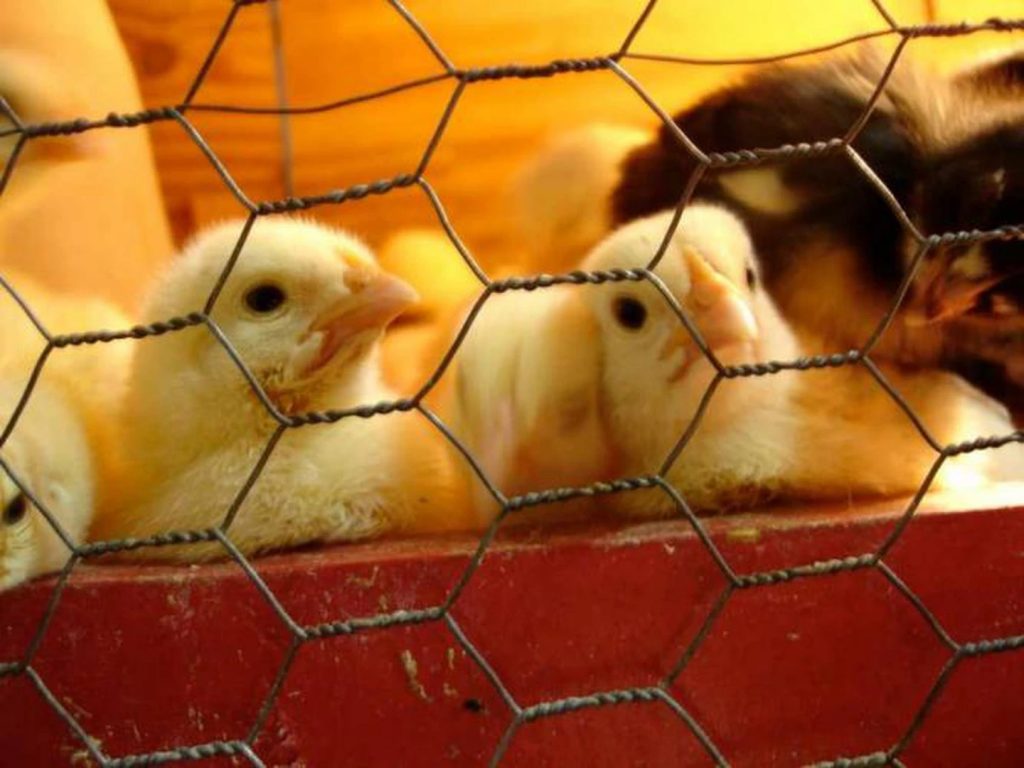
Meanwhile, for Daur people of China’s Inner Mongolia, before they can even set the date of their wedding, couples from the must observe a tradition that involves the killing of a chick.

The couple take a knife and together kill and gut the baby chicken before inspecting its liver.

If the chick’s liver is in a healthy condition, the couple can set a date for their wedding but if they discover that the chick’s liver is of poor quality or diseased they must repeat the process until they find a healthy liver.

Titilayo Kupoliyi

News Analysis

Weddings are often an emotional affair, but for the Tujia ethnic in China crying is a required part of preparation for marriage.

A month before their forthcoming nuptials, Tujia brides will cry for one hour each day.

Ten days into the ritual, the bride is joined by her mother and ten days after that, the bride’s grandmother joins the weeping duo and eventually other female family members will join in the cacophony of crying.

Termed Zuo Tang in the western Sichuan province, the ritual is said to date back to China’s Warring States era when the mother of a Zhao princess broke down in tears at her wedding.

Titilayo Kupoliyi

News Analysis

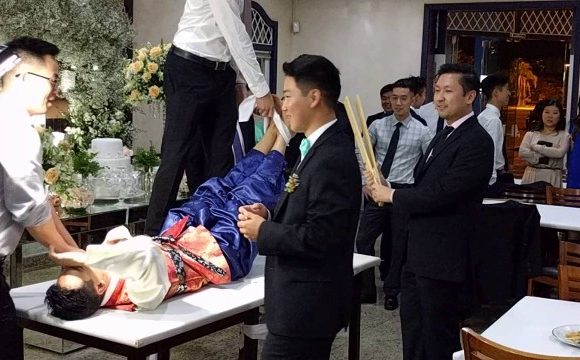
Prior to their wedding ceremonies, some South Korean grooms are subjected to a certain ritual before they can live with their new wives.

The ritual is called ‘the beating of their feet’.

The groomsmen or family members remove the groom’s shoes and bind his ankles with rope before taking turns to beat his feet with a stick or, in some cases, a dried fish.

Though obviously painful, the ritual is over quickly and meant to be more amusing than an act of punishment.

Also, the tradition is performed to quiz his attention and memory as the groom is asked questions in between the beatings.

They also believe that the groom will become stronger for his wedding night with this exercise.

It is so important that it’s never missed out at weddings in this region.

Furthermore, the beating of feet is meant as a test of the newly wedded husband’s strength and character.

Titilayo Kupoliyi

News Analysis

Last week, the national assembly passed a bill abolishing the existing dichotomy between higher national diploma, HND, and Bachelor’s of Science, BSC, degree holders in the country.

The bill seeks to end perceived discrimination against polytechnic graduates and remove the challenges faced by HND holders, especially those in the public service concerning their promotion.

It also seeks to promote Nigeria’s technological advancement by encouraging many qualified candidates to pursue polytechnic and technological studies.

In the words of the senate president Ahmad Lawan the passage of the bill will serve as a motivation to HND holders from polytechnics.

Senator Lawan explained that government employment policy that places degree holders ahead of HND holders without recourse to the skill and ability of the HND holders, does more harm than good to the nation’s development plans.

It is important to know that most industries in the country are hiding under this undue discrimination to utilize and under remunerate Labour from the polytechnic field by employing them more and paying them pittance.

This disparity has led to rancor and enmity among co-workers.

For instance, most banks employ more of HND holders even ND holders to do the work of degree holders, then the question is, if these set of people can do the work of a degree holders properly, why the dichotomy?

The enactment of the bill to abolish and prohibit discrimination between first degrees and higher national diploma for the purpose of employment will no doubt free holders of HND from stagnation and ensure balanced treatment with their counterparts from other higher tertiary institutions in Nigeria.”

With this, abolishment of the existing dichotomy between HND holders and graduates of universities would meet the huge manpower needs of Nigerians, ensure social justice and enhanced corporate governance, as well as encourage patriotic contributions amongst HND employees in both public and private sectors.

It is expected that the bill is expeditiously signed into law by President Muhammadu Buhari for action by concerned agencies.

Public and private sectors to ensure the implementation of the bill’s provisions as soon as it is signed into law by President Muhammadu Buhari.

 Fawzeeyah Kasheem

News Analysis

Nestled deep with the Chestnut Ridge Park in New York, is a burning flame. While eternal flames caused by the presence of natural gas pockets are common, what make this one unique is its location—under a waterfall. Placed at the heart of the Eternal Flame Falls, this naturally burning flickering flame is the result of natural gas pockets. 

Located in the Erie County, the park has several hiking trails, cycling paths and playing fields and is frequented by hikers and picnic-goers. The waterfall is directly accessible from a trail beginning from the southern edge of the park and away from the crowds. Although the flame burns out sometimes, the hikers in the area re-light the gas pocket and keep the flame lit, thus, making it eternal. 

Over the years, many legends have occupied the space regarding the mystery of the falls, however, nothing has been proven scientifically. Initial scientific theories say that the eternal flame was kept alight due to the presence of ancient and extremely hot rocks called shale. However, recent research says that the rocks in the small chamber under the falls are not hot enough to produce such a reaction. They bear the same temperature as a cup of tea. And the shale isn’t as old as it was thought to be. Thus, the shale beneath the waterfall cannot produce such a reaction.

For such a phenomenon to occur, the temperature of the rocks has to be near the boiling point of water, or hotter, which in turn breaks down the carbon molecules, thus giving off natural gas and hence the burning flame. 

Natural eternal flames occur when gas seeps through the soil, and bacteria eats the methane converting it into carbon dioxide. At the Eternal Flame Falls, the gas is contained and is not converted, leading to an eternal flame. 

As you near the fall, a pungent smell fills the air, a result of the natural gas leaks. The gases produced during the decomposition of the organic matter are under high pressure and are pushed out through cracks and loose layers within the rocks.

Titilayo kupoliyi