News Analysis

Every 8th September is celebrated as the World Physiotherapy Day.

The day was first celebrated in 1996 to commemorate the world confederation of physical therapy now known as world physiotherapy

The day was founded in 1951.

The global observance is to spread the word about the negative effects of immobility on body systems and functions, social participation and disability and to highlight the functions physiotherapists assume in preventing and mitigating the negative impact of immobility.

The day is an opportunity for physiotherapists from all over the world to raise awareness about the crucial contribution the profession makes to keeping people well, mobile and independent.

According to the chartered society of physiotherapy, physiotherapist workforce has a key role to play in the public health agenda through its contribution to the prevention of diseases, promotion of good health, particularly through physical activity and improvement in the general quality of life.

The theme for this year is rehabilitation and covid-19.

This emphasizes the rehabilitation needs of people with covid-19 as physiotherapists are vital to the rehabilitation efforts for people with covid-19 throughout the continuum of care.

The appropriate deployment of physiotherapists to reflect the local needs facilitates early discharge of people with covid-19, empowering individuals to self manage their rehabilitation and reduces the burden on scarce healthcare resources.

This is important to reduce morbidity and mortality as the world awaits vaccines and cures for the disease. 

These professionals are crucial in circumstances where movement and function is threatened by ageing, injury, pain, diseases, disorder or environmental factors, which encompasses physical, psychological, emotional and social wellbeing.

They provide services to individuals to develop, maintain and restore maximum movement to function throughout their lifespan. 

President, Nigeria Society of Physiotherapists, NPS, Taiwo Oyewumi, noted that Nigeria could only boast of four thousand registered physiotherapists, and that fifty percent of the nation’s registered physiotherapists have migrated to seek greener pasture.

Although the global ratio of physiotherapists stands at one to four thousand people, the country has one of the worst ratios in the world with one to one hundred and seventy thousand people, after recording a shortfall of more than forty thousand.

Nigeria still needs about forty-two thousand five hundred physiotherapists to be able to meet the growing demands of the citizens.

Despite the importance of physiotherapist for optimal public health of every nation’s citizenry, there is the need for more public health-oriented evidence-based physical therapy practice to reduce the challenges faced by the professionals.

It is pertinent for the government to raise the physiotherapy education to the level of doctor of physical therapy to meet the global standard of the profession.

Dr. Olubukola Olaleye  
News Analysis

Recently, President Muhammadu Buhari directed the commencement of a nationwide mass-metering programme as part of efforts to end estimated and arbitrary billings for electricity.

In a statement by the chairman of the Nigerian Electricity Regulatory Commission, NERC, James Momoh, the president’s directive was in response to the yearnings of Nigerians.

President Buhari also approved a waiver of the import levy on metres, so that those without metres can be supplied at reasonable costs as early as possible.

Consumers have been groaning under the burden of estimated billing as a result of insufficient metering which has been attributed to the thirty-five percent levy imposed on imported items, forcing the electricity distribution companies, discos, to abandon meters at the ports.

 This development has stalled the implementation of the meter asset providers, MAP, scheme.

The government in a bid to improve the power situation in the country has continually implemented different strategies to solve the problem of unstable power supply.

This gave rise to the enactment of the Electric Power Sector Reform Act of 2005, which calls for unbundling of the national power utility company into a series of eighteen successor companies: six generation companies, twelve distribution companies covering all the thirty six states, and a national power transmission company.

Also in 2013, PHCN was dissolved by the Federal Government which left eighteen successor companies to run the affairs of the power sector.

These successor companies were located across the country with the mandate to reorganise the power management sector to allow for easier and efficient communication with consumers of the electricity produced.

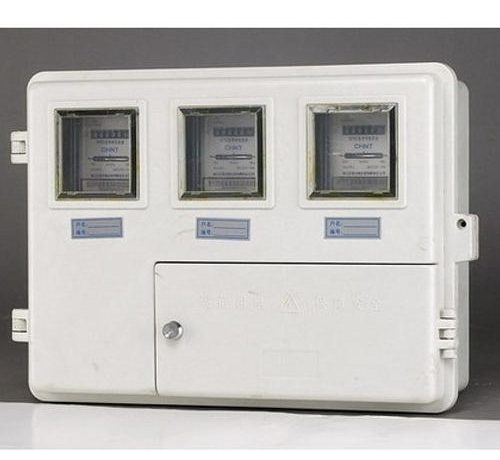
To further improve the power sector in Nigeria, prepaid meters were introduced in the country.

These types of meters do not need to be analysed by officials of the power companies to know the amount payable by a consumer.

The power sector also has the National Electricity Regulatory Commission (NERC) with the mandate to look into consumer complaints and the protection of their rights.

However, despite the fact that there are existing laws and regulatory bodies established to protect consumers’ interest, consumers have hardly approached them to enforce their rights.

Some of the problems faced by consumers include overcharging of bills, delay in delivery and installation of prepaid meters.

National Electricity Regulatory Commission, NERC, instructed consumers who have requested and paid for the prepaid meters and have still not received the prepaid meters not to pay for any statutory bills brought forth by the Electricity Distribution Companies, DISCOs.

This directive is intended to put the DISCOs on their toes and ensure they make the prepaid meters available to consumers.

To curb the challenges faced by Nigerian electricity consumers require bold step to be taken by government and other stakeholders.

 The bill initiative by the House of Representatives to criminalise estimated billing is a welcome development.

The bill seeks to protect the right of every electricity consumer to be metered within thirty days of applying for the device.

 It also proposes different categories of penalties, ranging from five hundred thousand to one million naira fines and a jail term of six months, for failure to comply or for illegally disconnecting a consumer on the grounds of estimated billing.

Many deadlines for mass metering of customers have been set and disobeyed by the DISCOs, to which NERC has not had any effective response. Thus, providing meters to customers has become a privilege instead of a matter of routine.

Providing customers with prepaid meters in the country is therefore, an option that the discos have to embrace for efficiency and ease of revenue collection.

Discos should live up to their responsibility by responding swiftly to reports of complaints by consumers.

Fawzeeyah Kasheem

News Analysis

The recent verbal attack on a journalist, Eyo Charles of the Daily Trust newspaper by a former minister of Aviation, Femi Fani-Kayode at a news conference in Calabar, Cross Rivers State has brought to the fore harassments being faced by journalists in the country.

The former minister was seen in a viral video threatening the journalist Eyo Charles, who has since claimed that a security aide in the entourage of the former minister confronted him after the news conference.

This of course generated reactions and counter reactions from groups, associations and regulatory bodies demanding that the former minister should apologise to the journalist and give an assurance of his safety in view of the alleged further threats.

Though, the former minister later apologised ten days after the incidents, which many Nigerians believed was not well said.

According to the nation’s Constitution, journalists are saddled with the constitutional obligation of monitoring governance and holding the government accountable to the people, and should not be subjected to harassment in the course of duty.

Section 22 of the Constitution as amended also empowers them to hold those in government accountable and responsible to the masses in line with the dictates of the Constitution.

In the course of upholding the constitutional provisions, journalists are encounter hatred from powerful people in the society because their wrong deeds are exposed to the people, and this has led to occasional and unbridled attacks on journalists.

The story of Dele Giwa, a Nigerian journalist and co-founder of Newswatch Magazine, whose death by letter bomb in 1986 rocked the nation still lingers.

According to findings, he was killed by some top shot in Nigeria while trying to expose some of their atrocities.

The harassment of journalists in the country is becoming rampant, and this had made many brave hearts to chicken out of the profession while some have to be contented with what their organisation dictate what to write.

To put an end to this, national assembly should urgently enact a law that will protect this noble profession, including good funding, good remuneration, security of pen pushers, functional insurance policy and conducive working environment.

When such law is enacted, violators should be dealt with accordingly so as to serve as deterrent to others. This of course will boost the morale of every journalist.

As is the case in other noble profession, journalists should see themselves as one big family irrespective of their organisation, ethnic or years of experience. 

This will automatically make the umbrella body strong and a force to reckon with.

For instance, the boycotting of a media conference organised by Femi Fami –Kayode in Ibadan shows that with one voice, those who call themselves ‘too big to be confronted’ will bend their kneels at the sight of any journalist.

The decision of the Nigeria Union of Journalist to boycott further assignments by Mr. Femi Fani-Kayode as it was witnessed in Akwa Ibom and Oyo states was a good step in the right direction.

Besides this, NUJ must come out in time and sound note of warning to Nigerians who cannot hold their emotions while addressing news conference.

Journalists should be open to their supervisors or editors on what transpire on the field in order to identify loopholes and put adequate measures in place for their protection.

Above all, Nigeria Union of Journalists, NUJ, should continually agitate and hold the government accountable by keeping cases of harassment in the news.

Abisola Oluremi

News Analysis

Charity is the act of extending love and kindness to others unconditionally, a conscious decision from the heart without expecting a reward.

Charity begins with the inward recognition of a need to show compassion to others whether consciously or unconsciously.

Everyone has problems, troubles, and grieves of some sort in life but charity starts with those who learn to downplay their own problems.

In order to extend compassion, kindness, and love to help others, some people set aside their own pains and challenges to relieve others of theirs.

Charity is essential and therefore meant to be done for relief and to provide assistance to people in times of need especially victims of war, natural disaster, hunger, disease, poverty, orphans by supplying them food, shelter, medical aid and other basic needs of life.

It assists the advancement of culture, science, sports, and the protection of cultural, natural heritage and promotes the rights of the marginalized, underprivileged and spreads the message of humanity in conflict situations.

In recognition of the role of charity in alleviating humanitarian crises and human suffering within and among nations, as well as of the efforts of charitable organizations and individuals, especially Mother Teresa of Calcutta, who spent her life caring for the poorest of the poor, the United Nations General Assembly declared September 5th as International Day of Charity.

The day was established with the objective of sensitizing and mobilizing people, NGOs, and stakeholders all around the world to help others through volunteer and philanthropic activities.

These organizations often provide essential services to impact the lives of citizens such as building hospitals, schools, orphanages and religious centres.

Without mincing words, they partner government in many aspects including empowerment, training, fighting poverty, combating social diseases like drug abuse and attempting to narrow the deep divide between the rich and poor.

In the sustainable development goal, the United Nations recognizes that the eradication of poverty in all its forms and dimensions, including extreme poverty, is the greatest global challenge and an indispensable requirement for sustainable development.

It also acknowledges the role of the diverse private sector, ranging from micro-enterprises, cooperatives, multinationals, civil society organizations and philanthropic organizations in the implementation of the new agenda.

In the wake of Covid-19 pandemic, some charitable organizations like the Nigeria Red Cross provided palliatives to some less privileged in the country, this is laudable.

It must however be pointed out that charity works should not be a periodical activity but a continuous one to make life bearable for the less privileged.

It also behoves philanthropists in the country to come to the aid of millions of the less privileged in the country as the pandemic lingers on.

Titilayo Kupoliyi

News News Analysis

It is on record that when a new government from a different political party replaces an incumbent in the country, on-going projects, programs and policies suddenly become abandoned and terminated. 

The newcomers would want to have their own ideas implemented, regardless of the credibility of previous policies and projects.

Most times these projects have impacted positively on the lives of the citizenry.

In a 2019 report of a Civil Society Organization, on the nineteen projects of the Federal government it monitored in twelve states of the federation, no fewer than fifteen projects had been abandoned or unexecuted.

A look at construction of projects embarked upon by successive government revealed that there are many abandoned projects scattered across the country.

In the words of a former Director-General of the Bureau of Public Procurement, Emeka Eze, there are nineteen thousands of such projects in various stages of abandonment.

The figure does not include projects begun and abandoned by state governments.

Evidently, many of such projects exist in the records of successive governments, unfortunately, Nigeria is not the only country where governmental projects are begun and abandoned.

For instance, in the United Kingdom, there was the abandoned internet technology projects which is an elaborate National Health Service patient record system, whose abandonment cost the taxpayers 10 billion pounds.

Obviously, no public sector in the world is protected from waste, poor judgment, indiscretion and even corruption which in many cases produce abandoned projects, resulting in significant loss of public revenue.

The various anti-corruption programme, with its limitations, seeks to redress this anomalies with little result to show for it as government contracts have become the major avenue for siphoning public wealth into private accounts.

Unfortunately, the programme has not yielded much result as nobody has been brought to book over these abandonments.

To address the situation, governments both federal and state need to do an audit of all abandoned projects so that sanctions should be meted out to those found culpable of deliberately denying citizens from enjoying the dividends of good governance.

For Nigeria to take its rightful position among the comity of nations, a concrete and decisive step must be taken to ensure the sustainability of government programs and projects initiated by past administrations as governance is a continuum.

In addition, the machinery of government should be streamlined to reduce duplication of projects by different arms of government, often embarking on them in an overlapping manner.

There is also the need for the creation of project management office with its responsibilities to include developing and maintaining projects, providing administrative support and supervision to projects, as well as providing management training for project executors.

Government agencies such as offices of the bureau of public enterprises, the bureau of public procurements, as well as the infrastructure concession regulatory commission, should be merged for better oversight and monitoring of projects at the federal level while state governments can equally set up projects monitoring committee to track ongoing projects and prevent abandonment that will lead to mismanagement of public resources.

Fawzeeyah Kasheem

News Analysis

Anything that has a beginning must have an end, just like there is time to be born and time to die.

For anyone in the Civil Service, the countdown begins once an employment letter is given and after spending approved years of service, disengagement letter is given and the agile workers turn to retirees, who have transformed from the young, vibrant and energetic individuals they were at the point of entry to old, wrinkled, weak, and perhaps, tired people at the point of their exit as public servants.

It is a must for civil servants to vacate their cherished and highly coveted offices for another phase of life outside the comfort zone of work either in the public or private sector.

Unfortunately, the world outside is sometimes frustrating, harsh, and uncertain for many retirees who are now forced to be on their own.

The experience can be hell on earth if one is not careful as monthly salaries, running cost, travel and duty tour allowances, access to banks and cooperative loans with salaries as collateral are no longer available.

 Worse still is the delay in the payment of gratuities, and if paid eventually at all, it is grossly inadequate to cater for bills, rents, feeding and other sundry expenses.                                                                                                      

This had cut short the life span of many retirees due to heavy burden and challenges of day-to-day living, though few retirees are lucky to maintain their status in retirement as a result of financial background.                                                    

But despite all these scary but realities of life, there is still hope.

To ensure graceful retirement, civil servants while in service should be disciplined, courageous, determined and prayerful even before their exit from service.                                                                                         

 The slogan of the Nigerian Union of Pensioners, which is ‘rest is sweet after labour’, is very instructive. If you must have sweet rest after labour, start planning ahead of retirement.                              

This can be done by setting aside certain amount of money from your monthly salary, no matter how meagre for saving every month and this demands discipline and self-denial.

All legitimate income must be judiciously utilized, especially in the area of shelter.

Utilizing credit facilities while still in service can assist to make retirement comfortable and less painful.

Also, civil servants should invest more in getting good education for their children, who are expected to take care of their parents after retirement.

 Government must be transparent in the remittance of monthly pension of civil servants to their retirement savings account.

Above all, payment of gratuities and pensions must be paid immediately after disengagement.

Tayo Sanni

News Analysis

Global nuclear test began in the early Mexico, when the United States of America, USA, exploded its first atomic bomb and the rat race ensued among world powers.

Between 1945 and 1996, over 2000 nuclear tests were conducted for military purposes at sixty locations worldwide.

1996 heralded the opening of a Comprehensive Nuclear Test Ban Treaty, ETBT. But it was short-lived as 10 nuclear bomb tests were carried out after the treaty.

Worried by this development, the world powers under the guidance of the United Nations came up with a treaty on the non-proliferation of nuclear weapons in January,1963                                                                                                                           

The treaty restricted nuclear bomb test to underground from earth surfaces because of its devastating effect on world population.

The recent North Korea nuclear bomb test has once again brought to the fore the delicate and hanging balance the world has found itself since the first nuclear bomb test by us in 1945.

North Korea, formerly Democratic Peoples Republic of Korea has an active history of increasingly sophisticated nuclear weapons and ballistic missile programmes and is believed to possess chemical and biological weapons.

 North Korea withdrew from the treaty on nonproliferation of nuclear weapons in January 2003 and by 2018, the leader Kim Jong-Un announced a halt to all nuclear test.

On 12th June, 2018 US President Donald Trump and North Korean leader met face to face for the first time in Singapore to work toward a complete denuclearization of the Korean peninsula. However, Kim Jong-Un resumed nuclear test in May 2019 and the latest in June 2020.

 Reacting to the unending nuclear test among world powers, a chemical engineer, Nik Dais said it had put the entire world on the brinks of extinction.

Research findings reveal that blast from nuclear test produced shock wave higher than the conventional explosives.

 Research institutions, policy making organizations, peer review journals and witness accounts have confirmed that nuclear bomb tests are damaging and injurious to human health, habitation, vegetation and weather condition including climate change.

There are evidences of this devastating effect of nuclear bomb test on eardrums, lungs, hurling people at high speed, casualties due to collapsing structures and flying debris.  

It also showed that human organs, skin, eyes and living cells could be damaged as a result of world population exposure to radiation and can even lead to death.

 It is time for the world to rise and demand a total halt to nuclear test to save humanity.

The world powers must be ready and willing to put an end to the old, but still existing cold war of military and economic rivalry among all American and Russian allies.

If there must be nuclear technology, it must be geared at developing medicine, health care delivery, agriculture, economic and peaceful purposes.

 Tayo Sanni

News Analysis

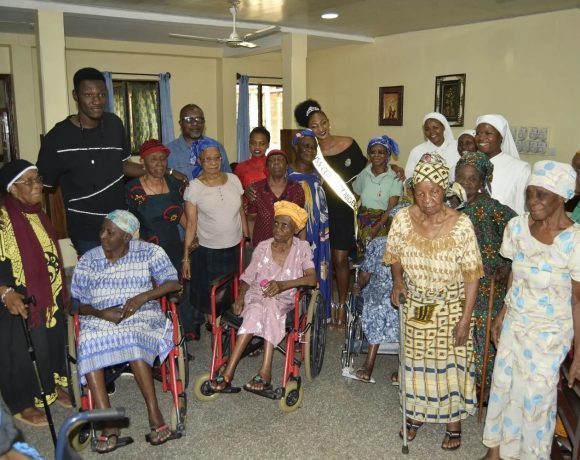
Minister of Humanitarian Affairs, Disaster Management and Social Development, Hajiya Sadiya Umar Farouq said the federal government was trying to set up a special centre to monitor the situation of elderly men and women in the country.

The centre is called the National Senior Citizens Centre.

Essentially, the National Senior Citizens Centre when it becomes operational is to facilitate section 16 of the 1999 Constitution, which provides that the state shall direct its policy towards ensuring that old age care and pensions, and unemployment, sick benefits and welfare of the disabled are provided for all citizens.

Hajia Farouq made the announcement during a meeting with the Coalition of Societies for the Rights of Older Persons in Nigeria, COSROPIN in Abuja.

According to the Federal Ministry of Humanitarian which announced this on its twitter handle, the take-off of the National Senior Citizens Centre is on the way.

The minister assured the members that her ministry was working to ensure that the Centre was set up and operational, assuring the group of her full support.

She added that many of them had served the country during their active ages and still have a lot to contribute because of their experience.

Hajia Farouq noted that the ministry would not relent on its oars to give due importance to the issues involved while ensuring that they were consulted during the establishment of the National Senior Citizens Centre.

The minister maintained that there is a law which allowed the establishment of the Centre and when it comes into operation, its activities would include identifying the needs of these seniors, developing programmes to engage them, provision of amenities in sports, education, health and leisure facilities for the full enjoyment of life for the elderly.

At the Centre, development and implementation of schemes to provide income or supplementary earnings for the aged citizens, record keeping and statistics concerning the senior citizens would be a priority while the Centre will partner sub-national, national and international bodies in achieving its objectives.

Hajia Farouq assured the group of her support, adding that the elders were among the category of people whom the ministry was concerned about.

In the coming years, the ageing population in Nigeria is expected to increase in numbers and life expectancy rates will gradually increase with significant social and economic implications to the individuals and the government.

At present, the old-age dependency ratio is not high compared with the developed nations and this serves as pointer to problems to come.

At this juncture, it is pertinent that a national policy on the care and welfare of older persons enacted since March 2003 which had remained in the draft form be enacted for proper care of these category of people.

It would be recalled that President Muhammadu Buhari signed the Senior Citizens Centre Bill, into law on the twenty-six of January 2018, two years after it was first introduced into the House of Representatives.

It came with the promise of a new dawn for Nigeria’s nine point six million elderly citizens, who are aged sixty and above. 

It is therefore of utmost importance that government match their words with action by putting all necessary machinery in motion for the operation of the National Senior Citizens Centre as this would make life more comfortable for elderly.

Titilayo Kupoliyi

News Analysis

August 22 this year was another remarkable day for residents of Akinyele as the suspected emissary of death among them, Sunday Shodipe, was rearrested by the police days after he made his escape from their custody under questionable circumstances.

But before the culprit’s first arrest and the current apprehension, residents of Akinyele Local Government Area of Ibadan, the Oyo State capital lived in palpable fear between the months of June and July this year.

The reason, death stalked leaving behind gory images of victims in the public’s glare; sorrow and tears for bereaved families.

Among the dead was 18-year-old Barakat Bello, a student of Oke Ogun Polytechnic, Saki, raped and machete to death while sleeping in her room at Idi Ori, Sasa, Ibadan.

The gruesome murder of 21-year-old Grace Osiagu, and 29-year-old pregnant Azeezat Shomuyiwa were soon to follow.

While the community was still reeling under these unfathomable tragedies, the assailants struck again as a 5 year old Mojeeb Tirimisiyu was killed behind his father’s uncompleted building.

Two other victims, a 45 year old woman in Alaja community area of Moniya, Mrs. Adeola Bamidele and her daughter aged 23, survived after the horror of being hacked with machete.

The trappings indicated that ritualists were indeed on the prowl, and more foreboding to residents of the Akinyele was that the murderers were intractable.

Consequently, fear as a dark omnibus hung in the air, as no one knew who could be the next, knowing the confine of the house was no safeguard from the vampires hunting for blood.

Then came the cheery news – the alleged mysterious culprits had been apprehended in early July. The suspected evil leeches lived right in Akinyele.

One of the suspects was 19 years old, Sunday Shodipe, who said his major work was to kill females for his master a 50-year-old alleged herbalist, Ajani Adedokun, who was his master, who denied the allegation.

While residents of Akinyele and environs were heaving a sigh of relief that their travails in the hands of the ritualists were over, then came the heart sinking news that the alleged serial killer had escaped from the custody of the police!

According to the police, Sunday Shodipe escaped from lawful custody on August 11, 2020, almost a month after his incarceration. 

Oyo State Commissioner of Police, Joe Nwachukwu Enwonwu, informed the public that a police inspector, who was not on duty, collected the keys to the cell and opened the cell to take the suspect to have his bath and from there, the said killer ran away.

To the residents of Akinyele, the tale was incomprehensible as the youths took to the streets, especially when residents of Ori-Oke Olorunkole in Akinyele some days after woke up to yet another horrendous murder of a midde-aged woman, Mrs Olufunmilayo, who was again reportedly machete to death.

The police inspector, who was on duty, while the the suspect escaped was subsequently arrested, detained and facing orderly room trial.

However, Shodipe’s escape obviously raised some posers in the mind of the public.

People would certainly wonder how come that the alleged killer had such freedom to easily make a bolt without resistance and under what circumstances did the alleged messenger of death make his escape bid without any alarm raised by the inspector involved?

Already the public had become suspicious of the possibility that vested interest and insider antics might be involved in the escape of the dreaded culprit.

And this had further rekindled distrust the people had for the men in the rank and file of the Nigeria Police, which the Force had been striving to correct.

The re-arrest of Sunday Shodipo is no doubt a happy conclusion to a dramatic saga, as it represents a serious attempt by the Nigeria Police Force to reinvigorate public confidence.

Incontrovertibly, winning the heart of residents in any community is very essential in fostering collaboration for neighbourhood security and promptness in nipping crime in the bud.

Kudos to the Inspector General of Police, IGP, Mr Mohammed Abubakar Adamu, for giving a bite to the investigation through the deployment of additional investigative aids to Oyo State to complement the efforts of the state police command.

Not the least was the steps taken by Oyo State Government and stakeholders in Akinyele Local Government and the Oyo State House of Assembly, which all urged the Commissioner of Police, Joe Nwachukwu Enwonwu to ascertain and unravel the circumstances surrounding the escape of Sunday Sodipe.

 For now, the residents of Akinyele can heave a sigh of relief knowing that suspected death emissary has been put out of circulation again.

As for the police it is not yet Uhuru as it still needs to weed out of its rank and file personnel who continue to dent the image of the Force through unscrupulous actions.  

Simeon Ugbodovon

News Analysis

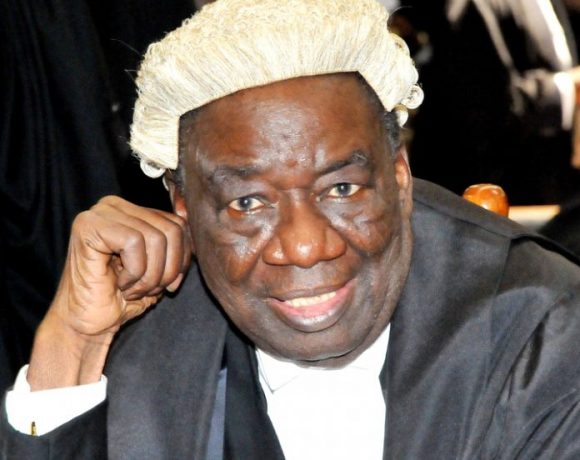
Chief Akinjide, who is no doubt one of the prides of Yoruba nation and Nigeria as a whole was born in the city of Ibadan in early 1932 to a famous and influential family of warriors.

He attended the renowned Oduduwa College, Ile Ife from where he graduated with Grade One.

Following his unprecedented brilliance and excellent performance, Chief Akinjide travelled to the United Kingdom in 1951 for his law degree and was called to the English Bar, the Inner Temple in 1955 and later the Nigerian Bar in March 1956.

In recognition of his leadership traits and excellent performance at the local level, the young Akinjide was appointed the minister of education by the then Prime Minister of Nigeria, Alhaji Tafawa Balewa.

The defender of the defenceless also tasted the other side of life as he spent eighteen months in detention following the January 15, 1966 coup.

Chief Akinjide was a member of the Judicial System Sub-Committee of the Constitution Drafting Committee between 1975 and 1977 later joined the National Party of Nigeria in 1978 and became the legal adviser of the party.

Being a highly versatile and a foremost legal luminary by then, Chief Akinjide became a senior advocate of Nigeria, SAN

The Ibadan born politician was later appointed the attorney general of the federation and minister of justice by President Sheu Shagari in 1979, under the Second Republic.

 The erudite lawyer became president, Nigeria Bar Association, NBA from 1970 to 1973, because of his services to the nation, he was awarded the national honour of a commander of the Order of the Niger, CON, in 2002. Chief Akinjide had forty seven publications to his name, while ten members of his family read law.

Under his watch in the nation’s judiciary, Chief Akinjide temporarily reversed executions of armed robbers and abolition of a decree barring exiles from returning to the country.

The illustrious son of Ibadan was the lead prosecutor in the treason trial of Bukar Zana Mandara which led to the eviction of many illegal foreign nationals from Nigeria.

This singular act of the legal icon exposed some weaknesses within the West African economic community.

The role of Chief Akinjide in the 1979 presidential election tribunal cannot be forgotten in a jiffy.

A detribalized Senior Advocate of Nigeria played a very prominent role which led to the legal victory of the eventual winner of the election of National Party of Nigeria, Alhaji Sheu Shagari at the Presidential Election Tribunal petition instituted by the candidate of the Unity Party of Nigeria, Chief Obafemi Awolowo.

The triumph of Alhaji Sheu Shagari at the Supreme Court in the celebrated case earned Chief Akinjide the title of twelve-two third among lawyers and the public.

Chief Richard Osuolale Abimbola Akinjide’s legacies of humility, professionalism, brilliance, service to god and humanity would forever linger in the minds of all Nigerians.

The legal icon, a chieftain of the Peoples Democratic Party died of old age related ailment in the night of April 20, 2020 at the University College Hospital, Ibadan at the age of eighty nine.

Morenike Tony-Esan

News Analysis

Recently, a 300 level student of European Studies, Faculty of Arts, University of Ibadan, Richard Gbadebo, lost his life to a soap-making machine at a factory in Oluyole Area of Ibadan, the Oyo State capital.

According to reports, Richard was on a holiday job at the factory due to the closure of schools caused by COVID-19.

The deceased, who was an operator, was on a night shift when he unknowingly slipped into the machine that took his life.

The other workers were not aware until they saw blood coming out through the other side of the machine.

In a swift reaction to the incident, the Oyo State government shut down the factory to pave way for a thorough investigation of the circumstances surrounding the sad incident.

In a statement issued by the Chief Press Secretary to the Oyo State Governor, Mr Taiwo Adisa, the government had begun a safety audit of the factory and would ensure that necessary sanctions are meted out on the company upon completion of their investigations.

Richard’s death is one out of many of such incidents that has been happening in the country.

In November last year, an employee of an Ikorodu-based firm, Sunday Usenobong, reportedly fell into a melting pot and died while operating the company’s machine.

Several hapless workers had similarly lost their lives to avoidable factory accidents, while others survived but emerged to be confined to using artificial limbs.

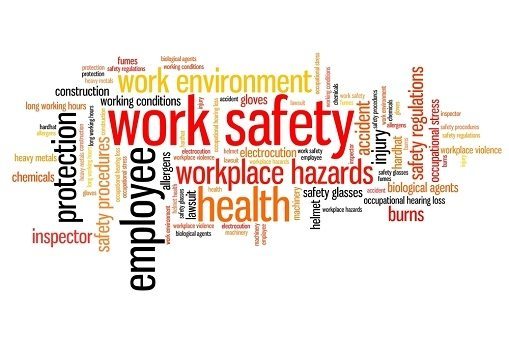
Factory workers have one of the highest rates of workplace injury and death as a result of their exposure to heavy machinery, toxic and flammable chemicals, extreme temperatures, and other potential dangers.

As a result of high unemployment rate in the country, the rules of safety in the workplace have been compromised.

Many of the laws governing workplace safety are often violated by employers of labour.

Sadly, people saddled with the responsibility of ensuring safety at work are lacking in their duty while workers’ unions have failed to treat the issue with the required seriousness it deserves.

There are extant laws governing employer/employee relations and the relationship between employers and the government.

Laws such as the Factory Act, the Labour Act and the Workmen’s Compensation Act call on employers to ensure safety and security for workers, among other safety measures, there must always be protective gear and firefighting equipment.

Unfortunately, these laws are not enforced in many of the country’s factories.

The organised labour movement should always be persistent and genuinely demand efficient and transparent regulations from relevant agencies to rid the country of killer factories.

It will be necessary that the ongoing investigations by the federal and Oyo State government beam its searchlight on the extent of compliance with the extant laws by the employer in question.

Irrespective of the outcome of the investigations, the government must ensure that, all factories are equipped with the necessary gadgets for safety of the employees, and observe all the relevant laws.

Concerned authorities must ensure thorough prosecution of defaulters to serve as deterrent to others.

It is pertinent for the government to make workplaces safe for all workers by enforcing rules and regulations.

Workplaces should not be deathtraps for workers if the regulatory authorities are alive to their responsibility by ensuring strict enforcement of laid down rules and regulation.

Fawzeeyah Kasheem

News Analysis

The world eco-system and its geo-physical structure creates space for movement of people, goods and services from one place to another.

According to a globally rated travel magazine, it is estimated that Nigerians are the leading travelers among all countries in Africa.

As a result of the COVID-19 pandemic, the tide has changed and Nigeria is now the leading country with the number of returnees escaping from their foreign safe havens due to rampaging pandemic.

Research findings reveal that so many Nigerians in their large number on a daily basis are fleeing from countries like the United Kingdom, America, Saudi Arabia, United Arab Emirates and other neighboring countries.

Worried about this development, Nigerians especially families of people living abroad have been making their voices loud on the plight and possible evacuation and re-integration of their loved ones.

The federal government of Nigeria under the administration of President Muhammadu Buhari must be commended for rising up to the challenge of COVID-19 pandemic.

It has demonstrated responsibility as stated in section 14(2) b of the 1999 constitution of the Federal Republic of Nigeria as amended in 2010 which states that the security and welfare of the people shall be the primary purpose of government.

As far as COVID-19 pandemic and Nigerian returnees are concerned, the government has discharged that constitutional mandate as all the returnees are made to feel welcome in their fatherland.

They are being made to undergo all COVID-19 pandemic safety protocols.

However, it must be pointed out that there are many battles ahead of the government and the entire nation.

The emerging scenario is that many Nigerians now look at these returnees with suspicion and will do anything to avoid them.

Whereas majority of these returnees do not test positive to COVID-19 as they were subjected to series of tests before being allowed into the country.

All organs of government at every level should provide information and awareness platforms so as to re-integrate the returnees back into the society.

Non-government organizations, civil society groups, religious and communities leaders as well as the media also have roles to play in education and orientation of Nigerians, so they can see the returnees as their kinsmen and women.

Tayo Sanni

News Analysis

President Muhammadu Buhari has formally handed over the National Theatre Complex, Iganmu Lagos, to the Central Bank of Nigeria, CBN, and the bankers committee for restoration and redevelopment.

According to the governor of CBN, Mr. Godwin Emefiele, the scope of the intended project, which will be completed within eighteen months, is capable of generating over twenty billion dollars which is about eight trillion naira annually, this is more than what oil will ever contribute to the post-COVID-19 economy.

This is commendable as a means of diversification of the economy aside crude oil which is capable of producing massive employment and shared wealth.

According to Mr. Emefiele, National Art Theatre would create over one million jobs in the next 18 months after the renovation is completed.

Mr Emefiele said this at the official handing over of the edifice to the CBN and the bankers committee by the federal government of Nigeria last month.

While delivering his address at the event, the Minister of Information and Culture, Alhaji Lai Muhammed, said the project was in two phases, phase one will cost seven billion naira, while phase two would cost eighteen billion naira.

Altogether the project is estimated to cost twenty five billion naira.

The minister, who noted that the iconic edifice had not been renovated in forty years added that government cannot fund the renovation work, hence it was ceded to the private sector with a win-win agreement

The National Theatre will be one of the three legs of the project which will also have hubs in Kano and Port-Harcourt.

It will directly benefit sub-sectors such as information and communication technology, music, fashion and film.

These are areas that Nigerian youths have shown innovative capacity as Nigeria is already a leading force in world music and film.

It is believed that this programme will fare better than earlier efforts to revive the national theatre and the creative industry as a whole.

The CBN boss had on December 14, 2019 disclosed that the bankers’ committee would spend not less than n20 billion on the project, which he added would help to create economic activities around the national theatre and create job opportunities for people, especially the youth.

It is imperative that the CBN and bankers’ committee will mobilize the needed resources and ensure that massive investments in the creative industry on a business and profitable succeed to the benefit of all concerned.

All stakeholders should put necessary machinery in motion to revive the national theatre for effectiveness.

The move is indeed a right step in the right direction but care must be taken in order not to lead to a repeat of the failure associated with the two hundred billion naira which former President Goodluck Jonathan had granted the creative industry in 2014.

Titilayo Kupoliyi.

News Analysis

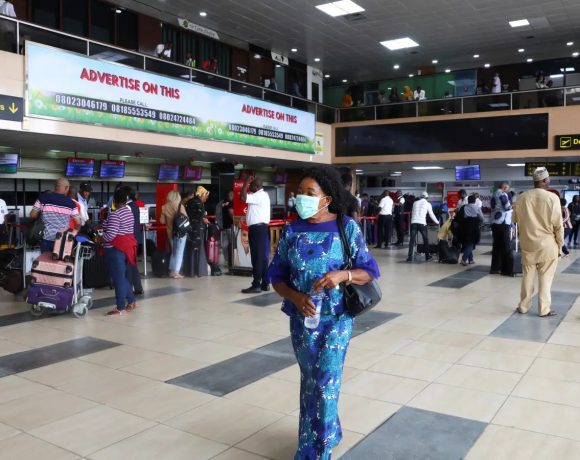
Prior to the reopening of the nation’s airspace last month, the Federal Ministry of Aviation had instituted Covid-19 protocols at the nation’s airports to safeguard the lives of airport workers and passengers.

And to ensure safe air travel in Nigeria amidst the ravaging Coronavirus pandemic.

However, it is so worrisome that some major incidents of violation of Covid-19 protocols were recorded at the nation’s local airports by some important personalities.

In Port-Harcourt, Rivers State, Governor of Adamawa State, Ahmadu Fintiri, allegedly ignored efforts by officials to board him according to Covid-19 rules at the local wing of Port-Harcourt International Airport.  Also, former governor of Zamfara State, Abdulaziz Yari, allegedly assaulted officials of Federal Airports Authority of Nigeria, FAAN, at the Kano airport.

Another case of violation of Covid-19 protocols was reported at the Abuja Airport. According to the Federal Airports Authority of Nigeria, FAAN, the head of Department of State Services at the international terminal of Abuja Airport deliberately obstructed airport security process, and allegedly slapped an aviation security officer.

It is regrettable that people who are considered as leaders and expected to show good examples decided to exhibit indiscipline, thereby endangering the lives of both airport workers and other users of the airports.

The reopening according to Covid-19 presidential taskforce was considered necessary in order to resuscitate the economy, however the breach of the Covid -19 rules could have adverse effects on the nation’s economy at the long run.

The Federal Airports Authority of Nigeria, FAAN had vowed to do the needful if ongoing investigations find the accused persons culpable of breaching the Covid -19 protocols.

Also,  Mnister of Aviation, Hadi Sirika, at the 51st Presidential Task Force on Covid-19 briefing in Abuja, warned that if found guilty, the culprits could be jailed for two months or above, and also pay a fine or be additionally sanctioned.

Weeks after the incidents, Nigerians are still in dark concerning the investigations carried out.

In some quarters, it is believed that rules and laws are not made for important personalities, they therefore violate them.

Relevant authorities must prosecute those guilty of violating Covid-19 protocols at the airports so as to send the right signal to other air travellers.

Even if due to their immunity they cannot be jailed, they must pay fines and be suspended from the use of the nation’s airports for a stipulated period.

Olaolu Fawole

News Analysis

Recently, United States navy awarded a Nigerian officer Lieutenant Victor Agunbiade its medal of commendation for his meritorious service.

The US navy said Agunbiade effectively managed its largest cash disbursing office handling forty-five million dollars about seventeen billion naira in cash transaction, this they said accounted for seventy percent of its overseas disbursing volume.

While commending Agunbiade, Chairman, Nigerians in Diaspora Commission, Abike Dabiri Erewa applauded him for being a good ambassador of the country.

Also, appointments of Professors Charles Akande as President of Champlain University, United States on july 1 and Charles Egbu as Vice-Chancellor-Designate of Leeds Trinity University, United Kingdom are some results of good character, honesty and dedication of these Nigerians. 

These portend a good image for the country, and contradicts the regular stories of misdeeds by some undisciplined Nigerians in the diaspora.

This is not the first time that Agunbiade will be recognized for outstanding performance as in 2018 he and seventeen other officers were honoured as officer recruiter of the year at the annual recruiter of the year in Washington D.C.

It is heartwarming that Agunbiade is presenting the country in a good light as he is no doubt a good export from the country to the world.

 Though there may be many like Agunbiade in Nigeria’s armed forces, including the police and other organizations, Nigerians rarely hear about them.

 Such enviable characters in our public institutions ought to be appreciated publicly as a way of telling the citizens that, the country has her moral heroes and villains, like their counterparts in other human communities.

It is crucial to note that the country has had the good old days which is unknown to today’s youth.

That was the time honesty and diligence paid, where the society honoured individuals who possessed such virtues.

It was a time when young men and women would not flaunt wealth they could not account for or risked sanctions as grave as being ostracized. 

In the light of this, Agunbiade’s exemplary conduct will rub off positively on Nigeria’s image in the United States of America as it will be on record that the country’s story and Nigerians is not all about fraud, and terrorism.   

It behoves Nigerian youths to emulate Agunbiade’s honesty, probity ,integrity and good judgment as a once sane society that lost its bearing along the line needs to retrace its step towards restoration of sanity and greatness.

More significantly, the society must change its social parameters for recognition and celebration of citizens in a way that discourages the tendency for dishonesty.

 Otherwise, any hope of reproducing more Nigerians like Agunbiade will remain a fantasy. 

Fawzeeyah Kasheem

News Analysis

Road transportation is the most important and inevitable for human existence.

No doubt, without access to road, humanity will remain at a standstill and immobile.

This is because workers will go to work.

Teachers and students will have to go to school; people will have to continue to move from one place to another.

Human activities are made easy through availability of road transportation.

Road is also vital for the development and promotion of infrastructure.

Knowing these facts the federal, state and local governments allocate huge amount of money in their annual budget for construction, rehabilitation and expansion of roads.

However, research over the years has shown that the good intention of government is gradually becoming a nightmare to motorists and other road users. 

Research findings revealed that most Nigerian highways are becoming death trap to users.

This dangerous turn of event was attributed to the collapse of railway transportation.

In the late 70s, shortly after the departure of RITES of India, a company that effectively managed the Nigerian Railway Corporation, haulage businesses involving movement of heavy duty containers, petroleum products, automobile and other goods and services were done through railway transportation. 

Unfortunately, the story is no longer the same as there is now enormous strain on roads in the country.

It was discovered those that were constructed to have a lifespan of 30 years now hardly last for 10 years.

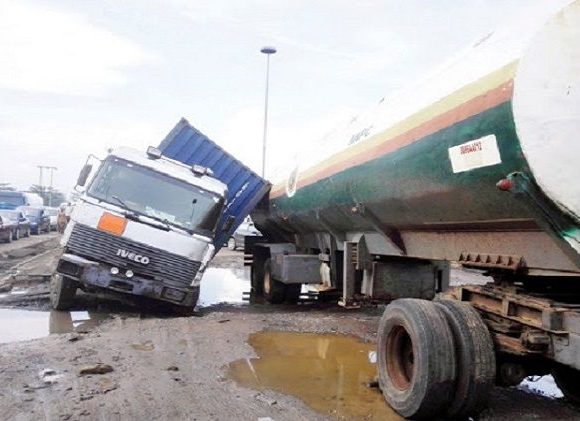
Trucks loaded with unmanned, unguarded and loose containers engage smaller vehicles in a competition for right of passage on the ever-busy highways.

The outcome of this friction between articulated trucks carrying containers, on smaller vehicles and other road users are most times fatal.

Almost on daily basis, we have reported cases of containers falling off their mother trucks to wreak havoc on other moving vehicles on the highways with attendant loss of human lives and material resources.

Recently, the reported tragic mishap that happened to a woman in Lagos state few weeks ago remain fresh in the heart of many Nigerians. 

The unsuspecting woman had earlier petitioned Governor Babajide Sanwo-Olu on the need to check the menace of articulated trucks carrying containers across highways in Lagos state.

Shortly after her petition, she was crushed to death by a container that fell off and landed on her, unfortunately she died instantly.

To stem the tide of this avoidable carnage on the highways.

There is urgent need to declare state of emergency on railway transportation in Nigeria.

There must be a restriction on the movement of articulated trucks carrying heavy duty containers and must only be allowed to move on specially dedicated highways.

The Federal Road Safety Corps, FRSC, policy on banning articulated vehicles without minimum safety standards from operating in the nation’s ports and tank farms should be strictly enforced. 

Lastly, owners of such long lorries must be made to provide safety measures for containers to guarantee the safety of other road users including regular maintenance of such articulated trucks.

Tayo Sanni

News Analysis

Having a vision is good, but actualising the vision for the benefit of humanity is the best.

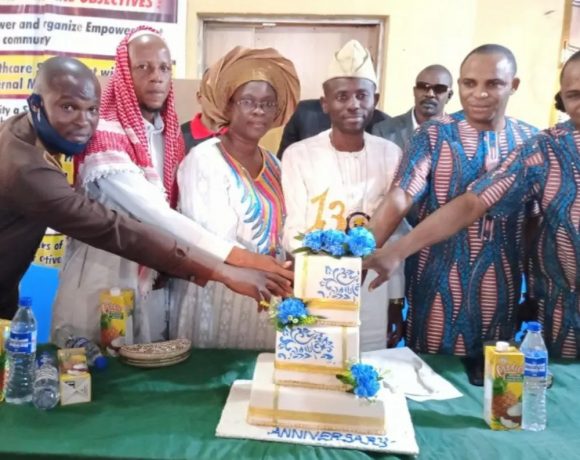
One of such visions was the birth of Crime Alert Security Network 13 years ago.

The vision driving Crime Alert Security Network was to complement efforts of security agencies in intelligence gathering and adequate security of lives and property.

Crime Alert in its thirteen years of existence rests on a tripod vision which are health, safety and security.

At inception, its services were not widely accepted by members of the public.

However, its customers picked up in the last ten years as a result of its utility.

No wonder, the network has now hit over fifty thousand subscribers within the southwest region of the country.

Crime Alert Security Service through its operations has been able to prevent crimes such as armed robberies, kidnappings, rape and burglary.

Many of its subscribers have always testified to the effectiveness of its services.

Crime Alert Security Network within the thirteen years of its existence has also fostered unity among the nation’s security agencies.

Also, local security agencies such as Oodua People’s Congress, OPC, Vigilante Group of Nigeria, VGN, Agbekoya and local hunters have in no small measure benefited from the services of Crime Alert Security Network.

The existence of Crime Alert Security Network has also made it easy for Nigerians to call on police and other security agents while in distress.

The induction of the Chief Executive Officer, CEO, of Crime Alert Security Network as patron of the Police Community Relations Committee, PCRC, in Oyo State is also a testimony to the cordial relationship between Crime Alert and other bodies in the security sector.

At different fora, Chairman of Oyo State Command of the PCRC, Reverend Peter Omofowe confirmed the effectiveness of Crime Alert Security Network and recommended the organization to residents of the state.

Apart from crime prevention, Crime Alert has also saved many lives and property from fire accidents through a device used to prevent explosion known as “Technokontrol”.

The collaboration between Crime Alert Security Network and the PCRC has led to the donation of a one-storey administrative block to the Nigeria Police Force, Egbeda Police Division, by the security company.

Six patrol cars were recently donated to the Oyo State Command of the Nigeria Police Force and handed over to the Oyo State Police Commissioner by the CEO of Crime Alert Security Network, Ambassador Amos Olaniyan.

Aside this, Crime Alert has been repairing police patrol vans to enhance the works of police personnel.

Widows who have benefited from the philanthropic gesture of Chief Executive Officer of Crime Alert Security Network, Ambassador Olaniyan will never forget the impact of the security company in their lives, as more than five thousand less-privileged people have received various forms of welfare packages to better their lives.

Crime Alert has also embarked on many medical outreaches to promote a sound and healthy society through its non-governmental organization, Safety Ambassadors United Global Center.

Another achievement of Crime Alert Security Network in thirteen years is the way the company has been able to provide means of livelihood to people through its investment program.

Despite the effects of COVID-19 on global economy, investors of crime Alert are still collecting their dividends and rewards as and when due.

As parts of its initiatives, Crime Alert Security Network, the company is currently selling a special gas cylinder, which has been fitted with “Technokontrol”.

The addition of “Technokontrol” prevent cylinder explosion.

Nigerians should be part of the success story of Crime Alert Security Network by patronizing their products.

These include “Technokontrol”, “Technokontrol” gas cylinder, tyre sealant, fuel saver as well as subscribing to Crime Alert Security Network for their safety.

No doubt, the future of Crime Alert is bright as its services are unique and relevant to the lives of individuals, groups and the society at large.

Sunday Ogunyemi

News Analysis

Recently, President Muhammadu Buhari approved the establishment of the Nigeria Youth Investment Fund, NYIF.

The fund in tune of seventy five billion naira for three years is for innovative ideas, skills and talent of Nigerian youth to provide a special window for accessing funds, finances, business management skills and other inputs critical for sustainable enterprise.

Establishment of the fund followed the approval of a memo by the Minister of Youth and Sports Development, Mr. Sunday Dare.

Mr. Dare had noted that investing in youth through the establishment of a specialized fund was capable of increasing the country’s gross domestic products, G.D.P.

To this end, the Ministry of Youths and Sports Development has been directed to put necessary machinery in motion for the implementation and legislation of the NYIF in collaboration with relevant MDAs.

Also, Ministry of Finance, Budget and National Planning as well as the Central Bank of Nigeria are to source for the required funds to kick start the programme.

The programme, first of its kind by any Nigerian government, is to serve as a youth bank that will fund and support the innovative ideas, skills, talents and enterprise of the Nigerian youth, a loan and credit pathway dedicated to assessing credit and soft loans.

The funds will be distributed through micro-credit banks to beneficiaries within the age bracket of eighteen and thirty five years.

Youths and sports minister pointed out that President Buhari through the establishment of NYIF had demonstrated his unflinching support for the Nigerian youth and his implicit confidence in their innovative talents and potential industry.

He explained that once the youths present their ideas, the funds could be assessed directly.

 Mr. Dare however emphasised that it required collective effort at providing adequate resources to meet the basic needs of the teeming youth.

The minister explained that the funds would not just be randomly distributed among youths, but would be used to assist most qualified ones with genuine business ideas.

He maintained that youths who fall within the stipulated age bracket with genuine business ideas could approach any of the one hundred and twenty five micro-credit banks across the country to access the fund.

The youth and sports minister assured that the scheme would be closely supervised by the ministry and would not be hijacked by politicians.

This is no doubt a commendable venture, being one of the latest schemes of the federal government since the declaration of a nationwide lockdown to ease the effects of the lockdown on Nigerians and stimulate the economy.   

A report by the Nigeria Employers’ Consultative Association, NECA, shows that rate of unemployment in Nigeria may rise to thirty three point five percent this year from the current rate pegged at twenty three point one percent.

NECA attributed lack of employment opportunities and the shutdown of several companies as reasons for the renewed fears.

It is imperative that necessary machinery be put in place to implement the youth investment fund to reduce the effects of unemployment among this category of people.

Titilayo Kupoliyi

News Analysis

Nigeria is one of the countries of the world blessed with green land for agriculture which her forefathers were known for.

No wonder in the southern part of the country, school pupils are made to memorize a song in Yoruba language that western education without hoe and cutlasses is not a complete education.

Previous administrations in the country had introduced various programmes such as Operation Feed the Nation, Green Revolution to boost agriculture.

The present administration is not different as it has made agriculture one of its cardinal points to prevent total reliance on foreign goods as well as to improve the nation’s economy.

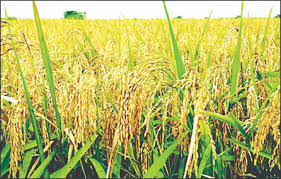
The administration in its first tenure embarked on vigorous campaigns and sensitizations of the people on the need to embrace local production of crops with emphasis on rice production.

Soft loans were introduced to motivate rice farmers as well as to encourage more Nigerians to embark on rice production.

Subsequently, the Federal Government in collaboration with some states like Ebonyi, Kebbi and Lagos invested billions of naira in the production of local rice with a ban on the importation of foreign rice.

The ban on rice importation did not go down well with some Nigerians who believed that local rice were not available and that commencement of its production by few states might be insufficient to adequately feed the nation.

Commendably, the Federal Government’s determination and the bold step to commence large scale production of rice with few states and granting of soft loans to rice farmers are appreciated by Nigerians during this period of pandemic.

 More so, many have wondered how Nigerians would have survived in this period when importation of goods is impossible due to international lock down caused by Covid-19.

Now that Nigerians are appreciative of the little efforts so far in the local production of rice, the Federal Government should increase funding of the produce.

Furthermore, more states should support this laudable project by supporting local production of rice by farmers.

Corporate organisations and other wealthy individuals in the country need to see the project as a collective responsibility to revive the nation’s economy and make local rice more affordable.

The media should also join the crusade of sensitizing Nigerians through various programmes and jingles on their expected roles in rice production.

Above all, it should be realized that investment in this direction will improve the nation’s economy, increase rice availability, create jobs as well as reduce crimes often perpetrated by jobless youths.        

Aderemi Omotoso

News Analysis

Breastfeeding, also known as nursing, is the feeding of babies and young children with milk from a woman’s breast.

Health professionals recommend that breastfeeding begin within the first hour of a baby’s life and continue as often and as much as the baby wants. 

During the first few weeks of life, babies may nurse roughly every two to three hours and the duration of a feeding is usually ten to fifteen minutes on each breast while older children feed less often.

Mothers may extract milk so that it can be used later when breastfeeding is not possible.

Breast milk delivers health, nutritional and emotional benefits to both children and mothers which infant formula lacks while it decreases the risk of respiratory tract infections and diarrhea for the baby.

Other benefits include lower risks of asthma, food allergies, and type 1 diabetes. 

Breastfeeding may also improve cognitive development and decrease the risk of obesity in adulthood.        

Benefits for the mother include less blood loss following delivery, better uterus shrinkage, and decreased risk of postpartum depression.

Breastfeeding delays the return of menstruation and fertility, a phenomenon known as lactational amenorrhea.

Also, long-term benefits for the mother include decreased risk of breast cancer, cardiovascular disease, and rheumatoid arthritis.

Indeed, analysis indicates that increasing rates of exclusive breastfeeding could save the lives of eight hundred and twenty thousand children every year.

That is why health organizations, including the World Health Organization, W.H.O, recommends breastfeeding exclusively for six months.

After the introduction of foods at six months of age, recommendations include continued breastfeeding until one to two years of age or more.

Though while breastfeeding is a natural process, it is not always easy.      

To this end, mothers need support both to get started and to sustain breastfeeding.

Healthcare centres should ensure that mothers and families receive this support, along with the information, the advice, and the reassurance they need to nourish their babies optimally. 

During the COVID-19 pandemic, it is even more important to find innovative solutions to ensure that access to core essential health services are not disrupted and that prospective mothers and nursing mothers continue to receive the breastfeeding counselling they need.

Therefore, it is imperative for government to train and retrain healthcare workers, including midwives and nurses, to deliver skilled breastfeeding counselling to mothers and families.

Government at all levels should therefore work towards ensuring availability of skilled breastfeeding counselling to every woman  which will require increased financing for breastfeeding programmes and improved monitoring and implementation of policies, programmes and services.

The theme of World Breastfeeding Week 2020 is “Support Breastfeeding For A Healthier Planet”.

Abimbola Bamgbose

News Analysis

Recently, the National Population Commission, NPC, predicted that the continued closure of schools across the country due to coronavirus might lead to an increase in teenage pregnancy, abortion and the number of early school dropout.

The acting Executive Chairman of the NPC, Dr Tayo Oyetunji, said there had been a noticeable increase in gender-based violence ranging from rape to physical and emotional assaults on girls.

Although, the country conducted its last population census in 2006, the 2006 population and housing census put the nation’s population at one hundred and forty million and since then, estimates had been used to update the country’s growing population every year.

In the 2018 Nigerian Demographic and Health Survey that was conducted by the NPC in conjunction with the Federal Ministry of Health, World Health Organisation, WHO and the United Nations Population Fund, UNPF, among others, which was released last year, reveals a troubling trend which must be checked.

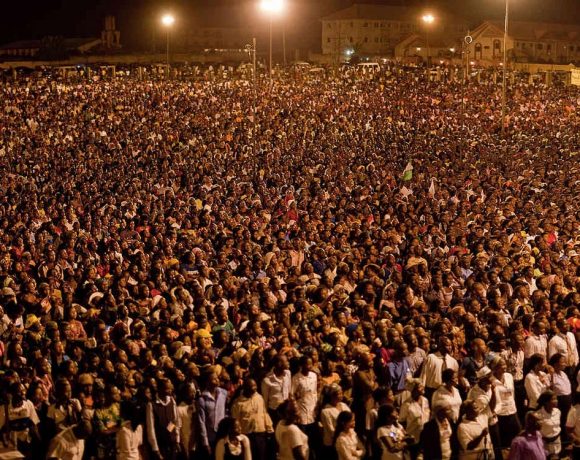
An astronomical increase in population could deepen poverty, escalate violence and worsen unemployment.

According to the survey, Nigeria is estimated to be two hundred and six million people with the birth rate put at five point three children per woman with Katsina state having the highest at seven point three children per woman.

The survey found that forty-four percent of teenage girls with no education have begun childbearing, while only one percent of teenage girls with more than secondary school education have given birth.

While Lagos has the lowest rate of teenage pregnancy at just one percent while Bauchi has the highest at forty-one percent.

According to the United Nations Sexual and Reproductive Health Agency UNFPA’S “World Population Report 2020”, thirty-three thousand Nigerian girls under the age of eighteen will be forced into marriage, usually to much older men.

One in five females married today in Nigeria is underage.

About nineteen percent of women between fifteen and nineteen years have begun child bearing while about fourteen percent would have given birth and four percent are pregnant with their first child.

It is common knowledge that the more educated a woman is, the fewer children she will bear.

It is pertinent therefore to increase the enrolment of girl child in primary and secondary schools especially in the most vulnerable areas.

Unfortunately, about eleven northern states are yet to domesticate the Child Rights Act despite its obvious benefits for children which include being unable to get married till the age of eighteen as girls stay longer in school.

Sadly, Nigeria has not been able to address the root causes of population explosion, which include polygamy, child marriage and low prevalence of contraception.

For instance, a motion moved by a federal lawmaker in the Eighth National Assembly to implement effective population management policy degenerated into a religious debate and failed to achieve its intended outcome. 

To mitigate the effect of increasing population therefore, Nigeria’s modern contraceptive prevalence rate of twelve per cent for married women and twenty-eight percent for sexually active unmarried women is still too low and needs to be scaled up. 

Saudi Arabia, one of the world’s most conservative countries, has placed a ban on marriage of persons below the age of eighteen.

State governments must also stop the practice of spending public funds in sponsoring mass weddings.

Addressing birth rates through a mix of women empowerment, education opportunities, birth control clinics and public enlightenment will make a difference.

Fawzeeyah Kasheem

News Analysis

Eid-ul adha also known as eidul-kabir is an important festival celebrated every year in Islam on the tenth day of the month of dhūl-hijjah, which is the twelfth and the last month in the Islamic calendar.

The day is celebrated exactly two months and ten days after the eidul-fitr which marks the end of Ramadan fast. 

Eidul-adha is a festival to commemorate the willingness of prophet Ibrahim to sacrifice his son Ismael as an act of obedience to God. But before he could sacrifice his son, almighty Allah provided a ram instead. 

By taking part in the celebration, Muslims will be portraying their obedience to almighty Allah in emulation of what prophet Ibrahim did.

In commemorating eidul-adha, Muslim faithful gather as a congregation to offer Eid prayer, which consists of two rakats with seven takbir in the first raka’ah and five takbirs in the second, which is then followed by the khutbah, or sermon, by the imam.

After the congregational prayer observed either in a mosque or open field, the imam slaughters the animal for the festival, after which individuals then follow suit.

It is important to note that either the flesh or the blood of the slaughtered animals does not reach the almighty Allah but what reaches him is the piety behind the sacrifice as exhibited by prophet Ibrahim and obedience as demonstrated by his son, Ismail.

It is also obligatory to share the meat of the sacrificed animal in three equivalent parts, one for family, another for relatives and the rest for friends as well as poor people. 

In fact, scholars have agreed that after the sharing of the meat and there are still some remaining, such should be given out, as a lot of people are having financial challenges which is made worse by coronavirus pandemic, which is responsible for their inability to get animal for the sacrifice. 

This year’s eidul-kabir celebration no doubt comes with a caution due to the ravaging covid-19 pandemic. Although there are strict regulations in some states that Eid prayers should not be observed, Muslim faithful should ensure that all the measures to prevent the spread of the virus are followed to the letter.

And where the condition of such Eid ground is not in conformity with COVID-19 protocols, praying at homes like the way it was done during eidul-fitri is advisable.

The advice of the Sultan of Sokoto, Alhaji Sa’ad Abubakar that Eid prayer should be observed in jumat mosques should be adhered to, to prevent population explosion, which may be recorded in Eid prayer grounds.

It is therefore advisable for mosques to organize the congregation prayers in such a way that there would be physical distancing among the devotees, and where it is possible the prayer group could be broken down into smaller groups instead of having a very large crowd in a single place.

Security operatives and other government’s taskforce should be vigilant and should not hesitate to enforce compliance of Muslim faithful to COVID-19 protocols like washing of hands with soap under running water, using of face masks and maintaining social distancing. 

Every Eid is indeed a period of interaction, merry making and visitation but due to the situation across the world, the best is to celebrate only with one’s  immediate family while preventive measures at the same time is put into consideration so as to curb the spread of the deadly coronavirus. 

 It behoves every individual attending the congregation prayer to protect themselves and their loved ones during the prayer and throughout the celebration. 

Above all, if Saudi Arabia, which is the cradle of Islam could limit participation in this year’s hajj to ten thousand from over two millions and strictly for residents so as to contain the spread of coronavirus, no sacrifice could be too much for individual Muslims to take to secure their health, that of the family and the communities as more Eids would come but only the living will celebrate. 

Oluwayemisi Dada

News Analysis

Chief Bode Akindele was born Eighty-Seven years ago, precisely on the 2nd of June 1932. His father, Pa Joshua Laniyan Akindele, was a Chief Tax Clerk for the whole of the Western Region and as such his position can be equated to that of the Chairman of the Inland Revenue today and his mother, Rabiatu Adedigba, was a wealthy Ibadan trader who was politically influential.

Worthy of note is the fact that Alhaja Rabiatu was the first woman to go on pilgrimage to Mecca in Ibadan.

Chief Akindele’s business empire operates under the name Modandola group of companies, named after his mother, which translates to ‘God, if you give me the wealth’.

Madandola group interests range from maritime to properties, manufacturing, real estate, investments, finance and flour milling with its headquarters in the United Kingdom.
Chief Akindele was not born with a silver spoon but through hard work and perseverance, he made his mark becoming a force to reckon with in the areas of trade and business.

His encounter with schooling was quite an interesting one. He would help his elder brother carry his school bag from Mapo where they lived to Baptist School, Idikan, Ibadan, trekking the distance. He later enrolled at Olubi Memorial School Ibadan, afterwards he attended Lisabi Commercial College, in Abeokuta for his secondary school education.

After completing his Secondary school education, Akindele and a couple of his friends had nursed the idea of traveling to the United Kingdom to study law, but the growth of his business activities eventually took precedence. Like his other peers, he was given money to obtain a passport but rather than go for the international passport, the young Bode, who was more business inclined at that time, used the money to place an order for a sewing machine which he sold at what one could call good profit.

His first paid employment was in 1952, as Secretary to an Assistant district officer and later as a Cadet Manager with the United Africa Company (UAC), where he was an assistant to the Expatriate Manager at Oyo. Akindele left UAC foods for the Western Nigerian Union of importers and exporters.

Young Bode Akindele realized that becoming a civil servant, which was his father’s dream for him, was not what he wanted to do. He had developed a good business orientation during his college days. This flair saw him helping his mother who had a factory in the north where dried meat is prepared for the market in the south.

He was one of two Federal agents out of a dozen in Lagos for whom the produce trade was profitable. He bought land in Agege, a Lagos suburb and constructed a warehouse where he stockpiled and graded Cocoa.

Later, he became a shipping agent, chartering vessels in London and using long time connections with the National Bank of Nigeria which had opened an office in London 1956, to finance his transactions.

During the 1970s, the group opened a large Roll-on Roll-off (RORO) Terminal and warehousing operation at Tin Can Island port. The RORO terminal company was the managing agent of the Nigeria Ports Authority for RORO terminals in all Nigerian ports. The group also went into fishing after securing four trawlers from Ghana in 1971.

 Obelawo Farcha fishing industries Ltd currently has a fleet of 28 trawlers while five shrimpers are under construction. In the early 1980s, the group expanded into boat building and ship repair as well as dry-dock facilities in a joint venture with Damen Shipyards of Holland.

A new phase in the development of the Modanola group began with the start-up of manufacturing and processing industries at Alomaja, a village very close to Ibadan. These included a large brewery, biscuit, plastics and soft-drinks (the largest single unit in Nigeria) factories, four match factories acquired from Lebanese owners and a large Flour mill with $80 million invested.

To honor his mother, the octogenarian and philanthropist decided to build the Aramed Medical Centre along the Lagos-Ibadan expressway, Ibadan to assist human kind in the society. Just like the Modandola name was one of his mother’s names, Aramed is also named after his mother as it stands for Alhaja Rabiatu Adedigba Medical Centre and regards Aramed as the healing ministry of Bode Akindele foundation.

Chief Bode Akindele the Baba Ijo of Methodist Cathedral, Agbeni, Ibadan was a friend of the Federal Radio Corporation of Nigeria, FRCN, Ibadan, a relationship that was sustained with an annual  festival of nine lessons and carols, held in his house in Alomoja and carried live on Radio Nigeria .

He died on the 29th of June 2020 at the age of eighty seven.

 Morenike Tony-Esan

News Analysis

In the past few days, a video of a former youth corps member, Towobola, who underwent a dehumanizing treatment from some policemen went viral on social media.

According to the video, she was said to have been arrested with a wanted armed robber and kidnapper in Ibadan, Oyo State.

The lady, Towobola, a twenty-five-year-old was handcuffed and interrogated about issues that were so private to her life.

In the video, Towobola was seen crying, begging and expressing her innocence to all the charges levelled against her.

This is indeed a show of shame and a clear act of impunity.

No doubt, this is just one of the many cases of assault on women in recent times in Nigeria.

Violence against women and girls is one of the most widespread, persistent and devastating human rights violations and it remains largely unreported due to the impunity, silence and stigma associated with it.

Impact of violence against women ranges from immediate to long-term multiple physical, sexual and mental consequences for women and girls, including death.

It negatively affects women’s general well-being and prevents women from fully participating in societal development.

Violence not only has negative consequences for women but also their families, the community and the country at large.

It has tremendous costs, from greater health care and legal expenses and losses in productivity, impacting national budgets and overall development.

Violence against women and girls not only devastates women’s lives and divide communities, but it also undermines development efforts and the building of strong democracies and just, peaceful societies.

Violence locks women and girls into poverty.

It limits women’s choices; their ability to access education, earn a living and participate in political and public life.

Poverty exposes them to further violence and lack of options.

Not enough is done to prevent violence, and when it does occur, it often goes unpunished.

As it is being done in developed countries, governments at both federal and state levels should come up with more policies that will protect women from the claws of men.

According to the World Health Organisation, W.H.O., men with low education are more likely to perpetrate violence.

Also, men with history of child maltreatment, exposure to domestic violence against their mothers, harmful use of alcohol, unequal gender norms including attitudes accepting of violence, and a sense of entitlement over women are said to be perpetrators of violence against women.

To this end, government and every stakeholder must rise up to the fight in ending violence against women in the society, which will make them have a sense of belonging in the society.

Olaolu Fawole

News Analysis

Hepatitis is an inflammation of the liver, a condition that can be self-limiting or can progress to liver cancer.

Hepatitis viruses are the most common cause of hepatitis in the world but other infections, toxic substances like alcohol, certain drugs, and autoimmune diseases can also cause hepatitis.

There are 5 main hepatitis viruses, referred to as types A, B, C, D and E.

The commonest types are B and C lead to chronic diseases in hundreds of millions of people and are main cause of liver cirrhosis and cancer.

Hepatitis A and E are typically caused by ingestion of contaminated food or water while hepatitis B, C and D usually occur as a result of parenteral contact with infected body fluids.

Common modes of transmission for these viruses include receipt of contaminated blood or blood products, invasive medical procedures using contaminated equipment and for hepatitis B, transmission from mother to baby at birth, from family member to child, and also by sexual contact. 

Acute infection may occur with limited or no symptoms, or may include symptoms such as jaundice, dark urine, extreme fatigue, nausea, vomiting and abdominal pain. 

According to medical experts, ninety percent of people living with hepatitis are unaware of this thus leading to health complications like cancer.

They, however, canvassed for testing to allow for early detection and treatment of the disease.

Due to the debilitating effect of the disease, world health organization set aside every Twenty Eighth of July as World Hepatitis Day to enhance awareness of viral hepatitis and encourage greater participation in curtailing the disease.

Together, Hepatitis B and C are the most common cause of deaths, with one point four million lives lost each year.

Amid the Covid-19 pandemic, viral hepatitis continues to claim thousands of lives every day as some patients refuse to present to the hospital due to the fear of the pandemic.

This year’s theme is “Hepatitis-Free Future,” with a strong focus on preventing Hepatitis B, HBV, among mothers and newborns.

HBV can be prevented among newborns through the use of a safe and effective vaccine.

Most importantly, hepatitis patients should make consumption of balanced diet and lot of fruits a lifestyle for a healthy living.

At this juncture, it is pertinent for hepatitis patients who have developed advanced liver diseases and deteriorating health as a result of hepatitis B or C to be vigilant in protecting themselves from contracting Covid-19 as they are at risk of more serious illnesses.

Titilayo Kupoliyi