The Executive Director, Centre for Religious Cooperation and Tolerance (CRCT), Wakajaye, Ibadan, Professor Sabit Ariyo Olagoke wants parents to shun divorce or separation at all costs as it always harms children
Professor Olagoke, who is the spiritual head and grand Imam, Shafaudeen-in Islam Worldwide gave the charge at a “One-Day Capacity Building for Religious Adherents on Advocacy Against Sexual and Gender-Based Violence in the Religious Space ” held at the CRCT hall of the organization.
The programme had adherents of the Islamic and Christian faiths in attendance.
He noted that adhering to the conditions for marriage would serve as a foundation for a happy home and an antidote to sexual/gender-based violence
Speaking on the girl-child, the Islamic cleric called for a change of mindset about the girl-child or women, saying women are the better half and a partner for a successful journey of life.
According to him, men should strive to be better husbands and father and to desist from marriage to minors
He emphasized the need for gender balancing in child-rearing stating that the male child must be trained to understand that women are not slaves and sex objects while men must uphold fidelity and women, chastity
Professor Olagoke, however, urged the public to stop the stigmatization of victims of rape in the spirit of social inclusion, adding “They must be able to carry out activities with a normal lifestyle like others in the society.
While in the midst of some ophthalmologists who came on medical outreach to Ibadan, Oyo state, Nigeria, some time ago, a young, dark in complexion beautiful girl was brought before the medical team.
The girl in her teens, appeared calm and promising but was assisted because she had a visual impairment.
While waiting to be attended to, I learnt the sight challenge of the girl was not congenital but the consequence of the scolding she received from her uncle.
The uncle was said to have angrily slapped her in the face for misbehaviour and the resultant effect was that the girl had sight impairment, which led to her unenvisaged appearance before the opthalmologist.
Consider another case, a tragic one indeed: a little boy was asked to stoop down by stretching one of his legs backwards while touching the ground with one toe.
The child was forgotten on that spot, and eventually, he gave up the ghost.
Slapping the face, giving a child knock on the head, hitting the belly and employing all manners of corporal punishment to the extent of inflicting injuries all in the name of disciplining a child are very common among parents, especially in the African setting.
However, these forms of punishment are inimical to a child’s physical and mental well-being.
Corporal or physical punishment is defined by the UN Committee on the Rights of the Child, which oversees the Convention on the Rights of the Child, as”any punishment in which physical force is used and intended to cause some degree of pain or discomfort, however light”.
Some psychologists argue that corporal punishment can make children fearful of their parents and encourage them to hide.
Medical experts on their part, explained that the force of a slap could be injurious to the face region. Slap to the eye can lead to trauma, including retinal detachment and possible blindness, while slaps to the ears can cause ruptured eardrums, hearing loss, or tinnitus.
Though children may misbehave at times because they are still growing and under tutelage, it is advisable to focus on the shortcomings and teach them to change rather than subject them to life-threatening punitive measures.
A child may also get used to a particular punishment or form of discipline constantly meted out to him with the measure failing to achieve the desired correction.
Some forms of punishment can equally turn some children into bullies, and should such children grow up with these tendencies, they become belligerent or aggressive adults, men who could easily hit their wives or women who pounce on their husbands at the slightest provocation.
Cursing a child as well is not an option. The dangers of raining curses are not easily seen, as the Yoruba would say” Epe kii ja loojo”, meaning a curse bids its time before baring its fangs.
As a parent, one must study the punitive measures that would bring about transformation, and avoid those that could bring ruin upon a child.
That is not to say you should spare the rod but use it wisely and lovingly.
Olaitan Oye-Adeitan in this piece writes on indulgence as a breeding ground for incorrigibility among children.
Perhaps, we should ask, how did we get to this point? How did all these begin, that a child will have the effrontry to frame up a teacher just because the teacher scolded him for a misbehaviour in school? The child was only asked to stand up in class for disturbing, as a minor punishment, only for him to complain to his mother that his body was seriously aching because he claimed the teacher canned and insulted him. In anger, the mother stormed the school and vented her anger on the teacher, raging profusely.
The experience of another teacher also comes to mind, as a student lied against her just because she enforced discipline. It was discovered that the student had a chat book, where she wrote all manners of unbelievable things whenever the teacher was in the class. Rather than listen in class, she conversed with her book of ‘mischief’, until the teacher caught her one day.
Should we also talk about the experience of a primary school teacher, who was assaulted to the point of death by the parents of a Primary One pupil at a school in Ibadan, the Oyo State capital, for canning the pupil who was found to have written answers on his laps during exams? But for the saving grace of God, the teacher would have lost her life in the hands of these parents.
Recently, there was the report of a school teacher at a secondary school at Agbor, in Delta State, who was attacked on the school premises by the father of a student, disciplined for misconduct. Eventually, the teacher died.
Numerous are the examples of high level of indiscipline among children and culpability of parents taking sides with their wards over actions they should have been well scolded for. It is a dangerous thing for a child in her formative years to be made to see the immoral, abnormal as acceptable and normal way of life.
Dangling the carrot and sparing the rod is not in any way ideal for child training and development. We are now in a society where some parents are controlled by their kids, with the parents even defending what shouldn’t be defended at all. There are some actions that are to the detriment of the child’s health.
For instance, a woman once took her ill daughter to hospital. After consultations, the doctor recommended some drugs to be administered to the child. But , the mother said the child would not take the particular tablet from her, and declined giving the child the prescribed drug despite the doctor’s suggestion, not until her husband told her that he would know how to ensure their daughter took the drug.
I have also heard, some parents, especially mothers utter statements such as ” I can’t allow anyone to cain my child oo.I knew what I faced on the day of delivery.
Such mindset is the reason some parents fight or abuse their children’s teachers or anyone who tries to scold them for their misbehaviour, forgetting that sparing the rod bakes a spoilt brat who in turn would become a trouble to the home and society.
Some mothers are equally in the habit of indulging their kids when being punished for an offence by their fathers rather than speaking with one voice to correct that child.
This among other factors accounts for increasing level of moral decadence, youthful exhuberance and juvenile delinquency.
Parents who are guilty of this should realise that loving a child is not in pampering and providing all material needs but also requires enforcing appropriate discipline when the child errs, in love.
A child that is left to go away with what he should be punished for will grow up believing, that is the normal way of life .And like the Yoruba adage, ” Ati kekere lati peka iroko, to ba dagba tan, ebo ni yio gba lowo eni, meaning .a stitch in time saves nine.
Birth pains, struggles encountered while raising a child, the soft spot you have or special instructions attached to the destiny of that child should not debar parents from inculcating discipline in a child.
One unarguable truth we must remember is that, children are gifts of God to families and a such, they are divine assignments in the hands of custodians. Like the Holy Scriptures instructs, “Train your child in the way of the Lord, when he grows up, he will not depart from it”.
If this instruction is neglected, then the child is vulnerable to being trained by the ‘World.’
“Dear Mum, it’s with a heavy heart that I’m writing this note, knowing the pain it is going to cause you.
Mum, I want you to know that I love you dearly and if given the opportunity to live again, I will still choose you as mum and our family will still be my place of birth.
But, unfortunately, I know there is not going to be such opportunity.
Mum, I didn’t want to do this but it was compelled by circumstances beyond my control.I tried my best to pull through but my best was not good enough.
I battled along for like thirteen months now until my strength failed me.
You and Dad could not decipher what I was going through, and may be I should not blame you for that. My one and only brother came very close, understanding what I was passing through but it was too much for his young mind to comprehend.
Mum, I know that you and Dad loved me and did all you could to show it, but I was not feeling loved. You provided for me more than I even wanted, took me to places most of my mates had not even heard of.
Despite all these, my heart was longing for love. I needed someone who would love me for who I was. I needed someone who could reach to the depth of my soul and fill the vacuum there. The material provision you spoiled me with could not do that and I was alone all the while despite the fact that we laughed together and had gists as family.
Then came the last straw that broke the camel’s back, your brother, Uncle Tony came to live with us made me feel that he knew exactly what my soul was longing for, companionship! Yes, he chose to stay with me when you and Dad were too busy to notice my loneliness. He tried to keep me company when I needed someone to talk to but I had only gadgets and Teddy Bear. I was fooled to trust him and he hacked into my foolishness and he did it perfectly and deeply.
Mum, your brother raped me and used me as a sex toy for three whole years. I expected you and Dad to notice but none of you did. When he left our house last year, I was shattered because I had grown to fill the void of your presence with his dirty deeds. I couldn’t complain because I was afraid to lose him. But when he eventually left for Canada, the magnitude of the emptiness became too heavy for me to bear.
I struggled to forget those experiences but I could not. My grades dropped in school and Dad quickly arranged for a home lesson teacher. That singular act instead of helping me, fuelled what was going to happen to me.
The home lesson teacher you brought so much reminded me of Uncle and on several occasions, I felt like grabbing him and make him fill the void that Tony’s absence created in me.
Mum, I had to do this because I was lonely. Did you ever imagine what I was doing in my room all the time I stayed there alone? Couldn’t you for once go out of your way and spend time with me so that we could talk?
There are many things I would have liked to tell you but I did not want to add to your pain.
Let those other torments be buried with that undignified body of mine. Make sure my brother, David does not get to this point I am now. Also, please tell your friends and colleagues who have children to find out what is happening to their beloved kids before it gets too late.
Many of the things parents do in the name of showing love are not what we, the younger ones need. I would have been gone long hours before you get to read this note, but one cheering thing is that David is still there. Transfer the love you had for me to him. My bank details and the password of my phones and laptops are in the piece of paper I dropped in the drawer of your dressing table.
I miss you and it pains to empty the content of this bottle into my hand but I am constrained to do it all the same.Tell Dad and David that I love them.Tell my Pastor that I will miss his sermon and long prayers.Tell my friends not to envy me. Good bye mum”.
That was the pathetic letter of a fifteen year old girl to her mother.
If it is the question of who should be held responsible or blame , then every actor in the letter is guilty. But then, one should look deeper to save many other children who may be going through similar situation.
It is a case of a child starved of Love while the parents felt they were showing her love like the letter read “Many of the things parents do in the name of showing love are not what we, the younger ones need”.
Love is not defined by chocolates, ice creams, teddy bears, visiting the best places in the world, going a shopping and just lavishing a child with anything he or she needs. These are things done occasionally without necessarily having to sit down with the child, making it a case of just throwing goodies at the child without the affectionate attention.
Truth be told, your child NEEDS ATTENTION and AFFECTIONATE CARE. No amount of gadgets, technological devices can be substitute for the quality time you should, as a parent spend with your child.
Unfortunately, parents have allowed the hustle bustle of life to submerge the attention they are to give their children.
That is why many children die silently or unburden their heart to outsiders or friends who may take advantage of this vacuum,while parents take pride in the fact that they send them to the best schools, buy them best clothes, load their accounts with substantial money, buy all the needed gadgets for them and make them to be at par or above their mates.
Some children don’t get to see their parents in the morning because they would have left for work very early and also had slept before they returned in the night, leaving the care in the hands of house helps, friends, relatives .
Ask yourself, do you know what your child is going through? Do you know what that house-help, neighbor, uncle, aunt, teacher are doing to your child? Do you know their whereabouts? Popular TV presenter, Frank Olize whenever he was launching his programme, ‘Newsline’, way back then, would ask “Parents where are your children?”
On many occasions, these children want to let out issues bothering them, they want to ask questions, they need counsel, advice, they just want to sit down with their parents and rob minds together but parents are not there.
Never assume all is well with your child and don’t be too busy to find out.
Care must be taken to avoid thinking you know your child when in reality you do not.
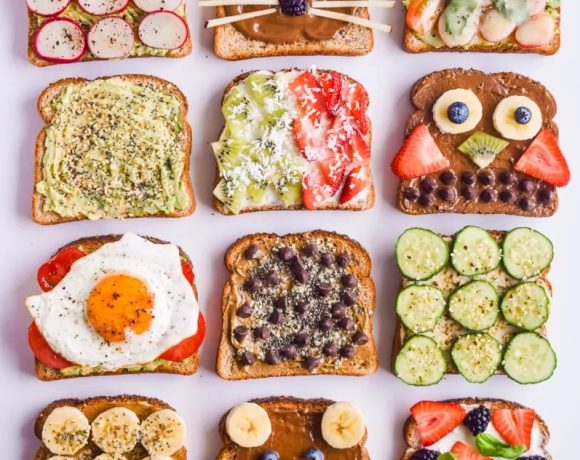
Breakfast, also called brunch, early meal and morning meal, the food prepared for a breakfast, is the first meal of the day, taken in the morning.
Being the first meal of the day, the fast metabolism rate means your body will effortlessly break down food to release energy and utilize that energy to keep you energized all day. You are breaking the fast your body went through the night and fueling it with essential nutrients to get your day started.
“The morning is a busy time! When you are trying to get yourself to work, even when working from home, or taking your kids to daycare or school, time for you to eat breakfast is not going to naturally occur. It takes conscious effort to make sure you provide yourself with the time to sit down at a table, in a chair, and enjoy at least 15 minutes consuming a well-balanced breakfast.”
The best time to have breakfast is between 7 am and 8 am. Under no circumstances must you delay your breakfast beyond 10 am. So, don’t be late for breakfast! When you’re hungry, it’s harder to concentrate.
Your body and brain are craving nutrients, start the day by refueling with nutritious foods like milk, fruits, and whole grains, protein, carbohydrate-rich foods like yogurt and oatmeal are especially important for improving concentration and focus. Yet many of us just grab a cup of coffee and miss out on all of breakfast’s amazing benefits.
What are the different types of breakfast?
Continental breakfast
A light morning meal, typically consisting of pastries and baked goods, fruits, toast, and coffee.
American breakfast
A cereal or an egg-based dish, however, pancakes, waffles, toast, and variants of the full breakfast and continental breakfast are also prevalent.
English breakfast
A substantial breakfast including hot cooked food such as bacon and egg
Nigerian Breakfast
Bread with egg, akara and pap, instant noodles and eggs, moi moi with custard or pap, okpa.
Hausa koko and koose (Spicy millet porridge and akara).
Benefits of Eating Breakfast Each Day
Improves your energy levels
Improves metabolism
Provides many beneficial nutrients and boosts your fibre and calcium intake (compared to not eating breakfast)
Reduces the likelihood of over-consuming high kilojoule foods later in the day
Stabilises your blood sugar levels
Essential Nourishment
Essential vitamins and minerals (fuel)
Increased Energy levels and ability to concentrate in the short term
Improved Concentration and focus
Helps control emotions
Better weight management
Reduced risk of diabetes and heart disease in the long term
Is it important what you eat for breakfast?
However, it’s important to choose the right mix of macro nutrients to give your brain and your body what it needs to thrive. For example, choose breakfast foods that contain a mix of carbohydrates, protein, healthy fats and fiber. Carbohydrates will give you energy right away, and the protein will give you a boost later on.
What happens when you skip breakfast?
Low blood sugar causes people to feel irritable, confused and fatigued. The body begins to increase production of cortisol, leaving us stressed and angry.
Skipping meals can also cause your metabolism to slow down, which can cause weight gain or make it harder to lose weight.
Effects of Skipping Breakfast
According to Mary Sabat, says, “If people skip breakfast, they are more likely to overeat later in the evening or nighttime when their bodies don’t need the extra calories. This late-night eating can lead to insulin spikes before bed and put them into fat storage at night.
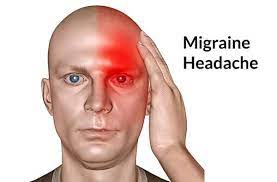
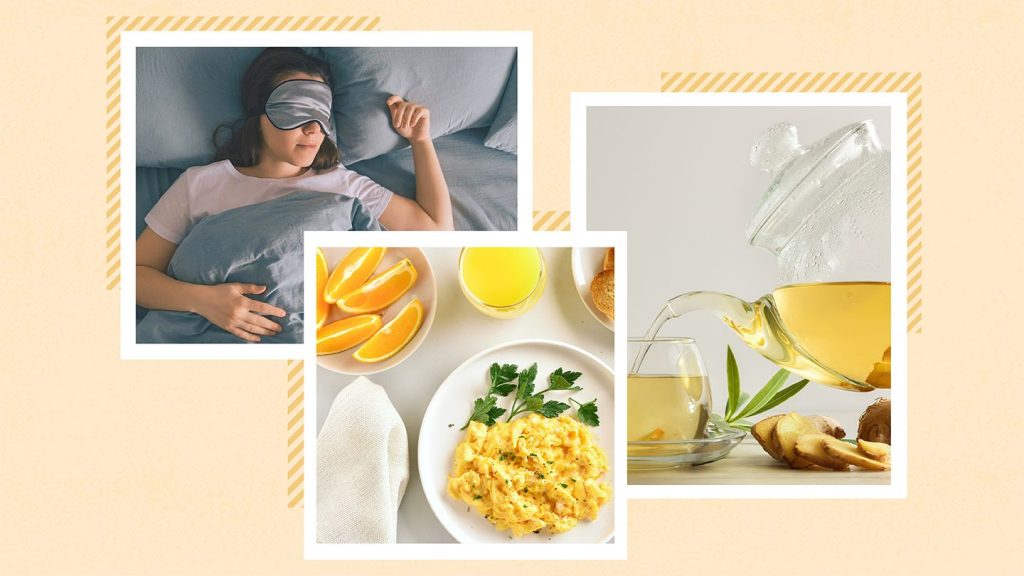
Could Cause Migraines– Hypoglycemia is the medical term used to indicate low levels of blood sugar. Skipping meals trigger a massive dip in sugar levels, in turn, triggering the release of hormones that could compensate for the low glucose levels. On the other hand, increases blood pressure levels, triggering migraines and headaches. The incidence is higher when you skip breakfast, as it is the first meal of the day you are consuming after nearly 12 hours of fasting. So, if you want to keep those headaches away, do ensure that you eat your breakfast. Will your car ever start if there is no fuel? No, right? Similarly, you need breakfast to give your metabolism a jump start. It is the first meal of the day you are feeding your body with, after its rest for about 12 hours. According to various studies conducted on the importance of breakfast, people who eat this meal have a higher level of resting metabolism.
· Bad for Your Heart
Triggers Hair Loss- One of the major side effects of skipping breakfast results is hair loss. Yes, a meal that contains dangerously low levels of protein could affect the levels of keratin, averting hair growth and triggering hair loss. Breakfast is the quintessential meal of any day and has a major role in promoting the growth of hair follicles. So, if you wish to enjoy lush, strong hair with zero hair fall, then you ought to indulge in a protein-rich breakfast daily.
Worsens Hangover-It is perfectly fine if you overdid on your alcohol consumption the previous night. You can use a nourishing breakfast to ward off your hangover. A healthy breakfast rich in iron, folate, and other minerals and vitamins will help your body to compensate for the lost nutrients. It will also kick up your energy levels. Skipping breakfast could worsen the hangover by bringing down the sugar levels, inviting headaches and nausea. So, just have a healthy breakfast to overcome your hangover.
· Higher risk of type-2 Diabetes
Skipping breakfast may affect the genes involved in the circadian clock and metabolism and leads to elevating postprandial sugars. However, quality research is warranted in this regard.
Even worse, working women who skipped their morning meals had 54% more chances of developing.
Skipping Breakfast Might Cause Weight Gain.
Negative Impact On Mood (Bad Mood) and Energy Levels
Risk Of Cancer- Skipping breakfast can make you overindulge in food during the day time.This in turn paves the way for the increased prevalence of obesity, person who is overweight or obese has an increased risk of developing cancer.
Affects Cognitive Functioning– The finding Inclusion of breakfast gives the cognitive function a boost. While the study was conducted on adolescents, it can easily be extended to adults too.
If you are on a weight loss regimen and have the habit of skipping breakfast, give it a second thought now. According to the studies conducted on the negative impacts of not eating breakfast, people who miss the morning meal had higher chances of gaining weight, quite contrary to your slimming goal. Are you confused? Just read on. Those who skip breakfast tend to consume more calories, saturated fat, and simple sugars during lunch and dinner.
Dominique Andreoli, MS, a nutritionist, says, “Skipping breakfast can disrupt hormone levels, including the hunger hormones ghrelin and leptin, which can lead to overeating later in the day. Additionally, skipping breakfast will raise the stress hormone, cortisol.”
Which meal is best to skip?
Study also suggests that skipping breakfast or dinner might help people lose weight, since they burned more calories on those days. Dominique Andreoli says that the elevated levels of inflammation noted after lunch “could be a problem,” and adds that the finding warrants further research.
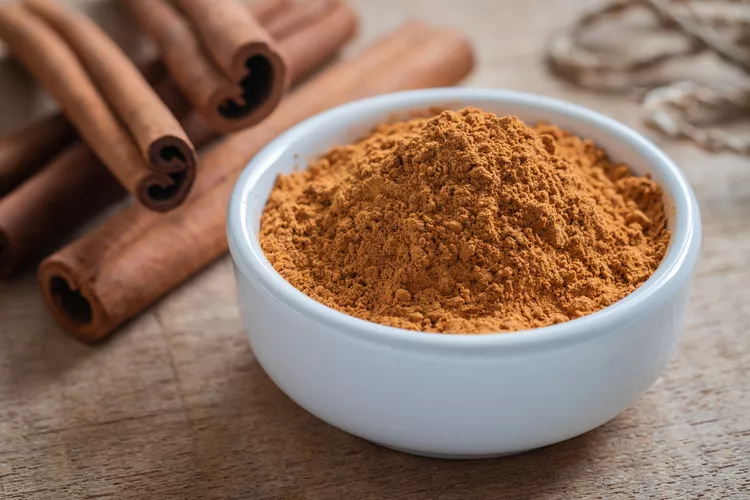
Do you know that high consumption of cinnamon is very dangerous to health? Cinnamon is a popular spice derived from the bark of several species of cinnamon trees including cinnamomum verum or ceylon cinnamon and cinnamomum aromaticum or cassia cinnamon.
It has a warm, subtly spicy flavor and is commonly added to baked goods such as pies, cookies, and cakes as well as savory dishes and drinks like cider.
In addition to its culinary uses, cinnamon can be taken as a supplement.
Cinnamon contains various medicinal compounds that may benefit those with health conditions such as diabetes and heart disease.
A quick glimpse of the cinnamon nutrition will shed more light on the possible side effects of taking cinnamon powder in large quantity or even consuming it in dry or powdery form.
Cinnamon Nutrition
You may not have ever thought about the nutritional content of cinnamon. It’s true that cinnamon contains almost no protein or fat, but a teaspoon of ground cinnamon does include many vitamins and other nutrients: About 6 calories About 0.1 gram of protein About 0.03 grams of fat About 2 grams of carbohydrates About 1 gram of fiber About 26 milligrams of calcium About 11 milligrams of potassium About 3 mcg (micrograms) of beta carotene About 8 IU (International Units) of vitamin A
Can You Take Too Much Cinnamon?
The amount of cinnamon found in food is generally safe. However, taking high doses of cassia cinnamon supplements could negatively impact health due to its high levels of coumarin.
One teaspoon of cassia cinnamon may contain 7 to 18 mg of coumarin.
The tolerable daily intake for coumarin is 0.1 mg per kilogram per day, which equates to about 7 mg for a 150-pound person. Ingesting more than 50 mg of coumarin daily can lead to hepatotoxicity, or injury to the liver.
While it’s unlikely you would ingest this much coumarin through cinnamon, it’s best to avoid consuming very high amounts of cassia cinnamon.
People with conditions relating to the liver may be more sensitive to smaller amounts.
Side Effects of Cinnamon
Cinnamon is generally well-tolerated and has little reported side effects. However, consuming high doses of cinnamon including high-dose cinnamon supplements could lead to side effects such as headache, heartburn, bloating, abdominal discomfort, nausea, diarrhea, allergic reactions.
If you experience any side effects including one or more of the symptoms listed above after taking cinnamon supplements, stop taking the supplement and contact your healthcare provider.
Note that too much intake of cinnamon, may lead to excessive sweating, heavy breathing, and a rapid heart beat. Contact your healthcare provider immediately if you experience these symptoms after taking a cinnamon supplement.
The two main types of Cinnamon are
Cassia: Also called “regular” cinnamon, this is the most commonly used type.
Ceylon: Known as “true” cinnamon, Ceylon has a lighter and less bitter taste.
While Cassia cinnamon is safe to eat in small to moderate amounts, eating too much may cause health problems because it contains high amounts of a compound called coumarin.
Research has found that eating too much coumarin may harm your liver and increase the risk of cancer
Furthermore, eating too much Cassia cinnamon has been linked to many other side effects.
Here are 6 possible side effects of eating too much Cassia Cinnamon:
May Cause Liver Damage Cassia (or regular) cinnamon is a rich source of coumarin. The coumarin content of ground Cassia cinnamon may range from 7 to 18 milligrams per teaspoon (2.6 grams), while Ceylon cinnamon only contains trace amounts of coumarin. The tolerable daily intake of coumarin is approximately 0.05 mg/pound (0.1 mg/kg) of body weight, or 5 mg per day for a 130-pound (59-kg) person. This means that just 1 teaspoon of Cassia cinnamon could put you over the daily limit . Unfortunately, several studies have found that eating too much coumarin may cause liver toxicity and damage.
May Increase the Risk of Cancer Animal studies have shown that eating too much coumarin, which is abundant in Cassia cinnamon, may increase the risk of certain cancers. For example, studies in rodents have found that eating too much coumarin can cause cancerous tumors to develop in the lungs, liver, and kidneys. The way in which coumarin may cause tumors is unclear. However, some scientists believe that coumarin causes DNA damage over time, increasing the risk of cancer . Most research on the cancerous effects of coumarin has been performed on animals. More human-based research is needed to see if the same link between cancer and coumarin applies to humans.
May Cause Mouth Sores Some people have experienced mouth sores from eating products that contain cinnamon flavoring agents Cinnamon contains cinnamaldehyde, a compound that may trigger an allergic reaction when consumed in large amounts. Small amounts of the spice don’t seem to cause this reaction, as saliva prevents chemicals from staying in contact with the mouth for too long. In addition to mouth sores, other symptoms of a cinnamaldehyde allergy include tongue or gum swelling, burning or itching sensation, white patches in the mouth While these symptoms aren’t necessarily serious, they can cause discomfort . However, it’s important to note that cinnamaldehyde will only cause mouth sores if you’re allergic to it. You can get tested for this type of allergy with a skin patch test Also, mouth sores seem to mostly affect those who use too much cinnamon oil and cinnamon-flavored chewing gums, as these products can contain more cinnamaldehyde.
May Cause Low Blood Sugar Having chronic high blood sugar is a health problem. If left untreated, it may lead to diabetes, heart disease, and many other health problems. Cinnamon is well-known for its ability to lower blood sugar. Studies have found that the spice can mimic the effects of insulin, a hormone that helps remove sugar from the blood . While eating a bit of cinnamon may help lower your blood sugar, eating too much may cause it to fall too low. This is called hypoglycemia. It can lead to tiredness, dizziness, and possibly fainting . People who are most at risk of experiencing low blood sugar are those taking medications for diabetes. This is because cinnamon may enhance the effects of these medications and cause your blood sugar to fall too low.
May Cause Breathing Problems Eating too much ground cinnamon in a single sitting may cause breathing problems. This is because the spice has a fine texture that can make it easy to inhale. Accidentally inhaling it can cause, coughing, gagging difficulty when trying to catch your breath Also, the cinnamaldehyde in cinnamon is a throat irritant. It may cause further breathing problems. People with asthma or other medical conditions that affect breathing need to be especially careful of accidentally inhaling cinnamon, as they are more likely to experience trouble breathing.
May Interact with Certain Medications Cinnamon is safe to eat in small to moderate amounts with most medications. However, taking too much may be an issue if you’re taking medication for diabetes, heart disease, or liver disease. This is because cinnamon may interact with those medications, either enhancing their effects or intensifying their side effects. For example, Cassia cinnamon contains high amounts of coumarin, which can cause liver toxicity and damage if consumed in high amounts. If you’re taking medications that may affect your liver such as paracetamol, acetaminophen, and statins, excessive intake of cinnamon may increase the chance of liver damage. Also, cinnamon may help lower your blood sugar, so if you’re taking medications for diabetes, the spice may enhance their effects and cause your blood sugar to fall too low. Risks of Eating Dry Cinnamon Since the “cinnamon challenge” has become wildly popular, many have attempted to eat large amounts of dry cinnamon. This challenge involves eating a tablespoon of dry ground cinnamon in under a minute without drinking water. While it may sound harmless, the challenge can be very dangerous. Eating dry cinnamon can irritate your throat and lungs as well as make you gag or choke. It can also permanently damage your lungs. This is because the lungs cannot break down the fibers in the spice. It may accumulate in the lungs and cause lung inflammation known as aspiration pneumonia. If aspiration pneumonia is left untreated, the lungs may become permanently scarred and possibly collapse. Very high doses of cinnamon may lead to hepatotoxicity.
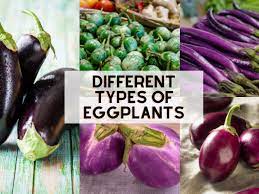
The eggplant is a nightshade vegetable, like potatoes, tomatoes, and peppers.
This versatile vegetable comes in a variety of colours and shapes, oval, long and slim, and melon-shaped eggplants with white, green, pink, orange, and even striped skin.
It originally comes from India and Asia, where it still grows wild and Eggplants made it way to Europe with the Islamic empire in the 7th and 8th centuries.
It is called Igba in Yoruba language, the Igbos call it añara and known as Shuka Kwai among the Hausas. it is also known Aubergine and Brinjal.
Historians believe the British coined the term eggplant during their occupation of India.
Eggplant has a rich, meaty inside that takes on a creamy consistency when you cook it. The hearty texture makes it a good stand-in for meat.
Eggplant comes in these varieties:
Dusky or classic – the familiar eggplant shape with shiny purple skin
Epic – teardrop-shaped with purple-black skin
Black bell -pear-shaped with glossy black skin
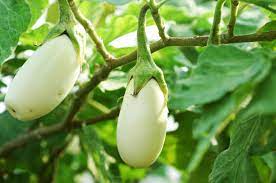
Ghostbuster – long, white, oval
Ichiban -long, thin, purple
Slim Jim – thin, bright purple
Easter egg – small, oval that’s coloured white, orange, yellow, or green
Health Benefits of Eggplants
The eggplant has been an ingredient in traditional medicine for thousands of years. In the ancient Indian system of ayurvedic medicine, practitioners used white eggplant to treat diabetes and the roots to relieve asthma.
While eggplant isn’t the most nutritious vegetable, it does give you a decent supply of potassium and fiber. And at just 25 calories and less than 1 gram of fat per serving, it’s a pretty guilt free food as long as you don’t soak it in oil.
However, Eggplant and other nightshade vegetables have the chemical solanine, which some people claim adds to inflammation and makes diseases like arthritis worse, though, there is no solid evidence that the small amount of solanine in eggplant worsens arthritis symptoms. But if you notice that your joint pain flares up after you eat eggplant, avoid it.
Eggplant has antioxidants like vitamins A and C, which help protect your cells against damage. It’s also high in natural plant chemicals called polyphenols, which may help cells do a better job of processing sugar if you have diabetes.
Early laboratory studies in cells suggest that eggplant protects against the type of DNA damage that leads to cancer.
Rarely, people are allergic to eggplant. Symptoms of an allergic reaction include a rash, swelling of the face, itching, hives, and a hoarse voice.
Ways Eggplant can be Prepared
Before you cook eggplant, wash it and cut off both ends. The skin is ok to eat, but you might want to remove it if you find it too chewy.
Eggplant is naturally a little bitter. Sprinkle it with salt and let it sit for 30 minutes. The salt will draw out some of the bitterness. It will also prevent the eggplant from absorbing too much oil and becoming greasy during cooking. Rinse off the salt before you cook it.
You can roast, bake, steam, or sauté eggplant. When it’s cut up, it makes a good addition to curries and soups.
And, of course, a favorite recipe is eggplant parmesan, but keep in mind that rolling eggplant in breadcrumbs and frying it in oil will add calories and fat. To make a lighter version, bake the eggplant instead of frying it.
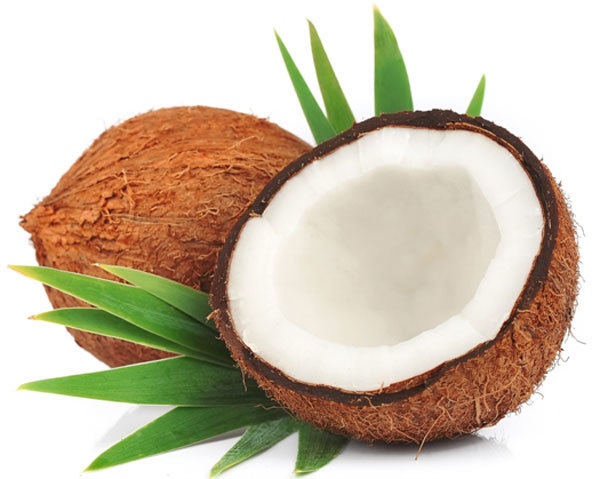
The Coconut tree is a member of the palm tree family (Arecaceae) and the only living species of the genus Cocos. The term “coconut” or (archaic “cocoanut”) can refer to the whole coconut palm, the seed, or the fruit, which botanically is a drupe, not a nut.
The name comes from the old Portuguese word coco, meaning “head” or “skull”, They are ubiquitous in coastal tropical regions and are a cultural icon of the tropics.
They likely originated in India and Southeast Asia. Today, coconuts grow in warm climates across the globe, such as the Caribbean and parts of Africa and South America. When coconuts are harvested, they are typically filled with coconut water and meat, the water is accessed by cutting or drilling a hole into the coconut, allowing the liquid to be extracted and consumed.
The mystery behind the water in a coconut fruit is still inexplicable till date. We keep wondering how this happen but from a scientific point of view , it will be best explained under the topic below.
How does water enters into the coconut? Usually, coconut tree roots are very long and absorb water, The root system of the coconut tree will absorb the water from the ground by osmosis. Osmosis is the process of water diffusion from a dilute solution to a concentrated solution through a partially permeable membrane.
It is the process of liquid flowing in narrow spaces without external forces like gravity. Then the water will move to the innards through the capillary actions; but the water is saline. As this water reaches every part of the tree, the water is filtered and turns into freshwater. Freshwater gets accumulates inside the coconut, and it is called endosperm. This endosperm acts as the food or nourishment for the coconut’s growth.
Here’s how it happens: Development of the Coconut: Coconuts are the fruit of the palm tree (Cocos nucifera). As the coconut develops, it goes through several stages.
Endosperm Formation: The inner part of the coconut, known as the endosperm, is initially a liquid called “coconut water” or “coconut juice.” The endosperm is the nutrient-rich tissue that nourishes the developing embryo inside the coconut.
Coconut Water Accumulation: During the early stages of development, the coconut water accumulates within the cavity of the coconut, surrounding the developing embryo. It is a clear liquid that contains various nutrients such as sugars, vitamins, minerals, and electrolytes.
Maturation and Growth: As the coconut matures and the embryo inside develops into a coconut meat or kernel, the coconut water continues to provide nutrients to support the embryo’s growth. Coconut Maturation and Water Absorption: As the coconut matures further, the endosperm solidifies into the white flesh or meat. The young coconut meat absorbs some coconut water during this process.
Whole Coconut
Coconut meat is the edible white flesh lining the inside of a coconut, also called the “kernel.” Coconut meat can be used to create coconut oil, coconut cream, coconut milk, and dried coconut, you also can eat it fresh,. According to research coconut meat provides nutritious fats and various other potential health benefits.
Health Benefits of Coconut Coconut can be a healthy addition to your diet when consumed in moderation. Here are some of the possible health perks to keep in mind. Coconut is generally regarded as a source of healthy fat. The meat contains protein and fiber, as well as some essential minerals such as: Iron Manganese Copper Magnesium Two tablespoons of fresh, shredded coconut contain the following nutrients: 35 calories Less than 1 gram of protein 3 grams of fat 2 grams of carbohydrates 1 gram of fiber 1 gram of sugar Historically, people have used coconut as part of traditional medicine. The meat is said to, among other things: Counteract some poisons Protect against disease, Ease inflammation, Kill bacteria.
Nutritious And Healthy Coconut water is considered to be more nutritious and healthier than whole milk. It contains lauric acid which is considered equivalent to mother’s milk. It is naturally sterile as it permeates through the filtering husk. It also helps with hangovers. Coconut water has a natural isotonic beverage in the same level as that in the blood.
Treats Epilepsy A ketogenic diet is a low-carb diet that is used to treat various disorders. Its best-known application is treating epilepsy in children. The diet involves eating little carbs and large amounts of fat which can lead to increased concentrations of ketone bodies in the blood. This diet can dramatically reduce the rate of seizures in epileptic children.
Prevents Skin Cancer It improves the moisture and lipid content in the skin and prevents skin cancer by blocking 20% of harsh Ultra Violet rays. It can be used as a body and skin moisturizer as it hydrates the skin by replenishing the natural oils. Coconut oil can also be used to clean the face by rubbing it in circular motions.
Promotes Blood Circulation Eating coconut regularly boosts oxygen in the skin and promotes blood circulation. Our cells need an adequate amount of oxygen which can only be made possible by proper circulation in the body that carries oxygen. This allows proper breathing of the skin and promotes healthy and flawless complexion.
Fights Bacteria Coconut contains high content of monolaurin and lauric acid which helps to kill bacteria, viruses and fungi and keeps infections at bay.
Prevents Urinary Tract Infection
The natural diuretic property of coconut treats urinary tract infections. It improves the flow of urine to get rid of the infection naturally.
Better oral health The MCFAs found in coconut meat also contain antimicrobial properties. These can be useful in preventing infections related to root canals and other teeth issues. Although eating coconut meat is not a substitute for proper dental hygiene, it can help kill some of the unwanted bacteria found in your mouth and protect your gums and teeth from infection or cavities.
Helps lose weight Regularly eating coconut meat might help with weight loss. The MCFAs widely found in coconut meat are associated with fat burning.
Possibly Helps Improve “Good” Cholesterol About half of the saturated fat in coconut comes from lauric acid, which can help raise levels of heart-protective HDL (“good”) cholesterol, Unfortunately, it increases the more harmful LDL (“bad”) cholesterol, too. In the context of a healthy diet, there’s nothing wrong with using small amounts of coconut oil, but it shouldn’t be the only oil you use.
May Support Healthy Blood Pressure Coconut water offers a good source of potassium, a mineral that helps balance sodium levels in the body and regulate blood pressure, helps Improve Skin Health
Helps Improve Skin Health Smoothing coconut oil on skin and hair is a popular way to add moisture. Coconut oil can seal moisture into skin to treat dryness and address eczema, likely because it improves the skin barrier function (skin’s ability to keep water in and irritants out.
Coconut can best be processed into the following
Coconut Oil Unrefined virgin coconut oil can be used to cook or applied to your skin and hair. Coconut oil does not have to be refrigerated. Simply store it in a cool, dry place, Coconut oil is a solid at cooler temperatures, at warm temperatures, it’s a liquid.
Coconut Milk Coconut milk can be bought in a can, and you have the option of full- or reduced-fat, depending on your dietary goals. Ideally, coconut milk contains just coconut and water. The cans can be stored unopened in your pantry.
Coconut Water You have a lot of options when shopping for coconut water, and it mainly comes down to your taste preference. However, look for beverages with no added sugar.
Coconut Flour Look for coconut flour as a new addition to the other flours at the grocery store. You can also easily buy bags online. Store coconut flour in a cool dry place in an airtight container out of the sunlight.
Subscribe to our Telegram and YouTube Channels also join our Whatsapp Update Group. Additional Information from https://www.webmd.com/diet/health-benefits-coconut https://www.stylecraze.com/articles/benefits-of-coconut-for-skin-hair-and-health/
This is the concluding part of our discussion on cholesterol levels in the body, Harmful or beneficial? ( for Part 1, click here).
Considering the factors responsible for a high lipid level, it is however important to sit down and think of what and what to do to address the problem.
Before going further, the routine check is key to keeping you abreast of your status, be it high, low, or even normal lipid profile.
Having done this, it is necessary to go for a cholesterol level check. Your healthcare provider may order a cholesterol test as part of a routine examination. You may also have a cholesterol test if you have a family history of heart disease or if your risk for heart problems is high because of: High blood pressure, Type 2 diabetes, smoking, excess weight or obesity, lack of physical activity, a diet high in saturated fat and your age may also be a factor because your risk for heart disease increases as you get older.
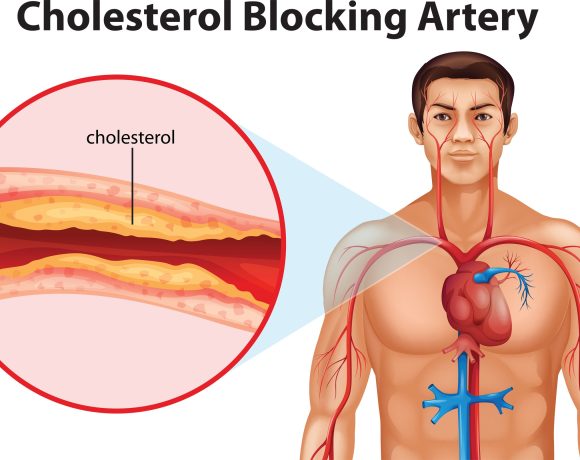
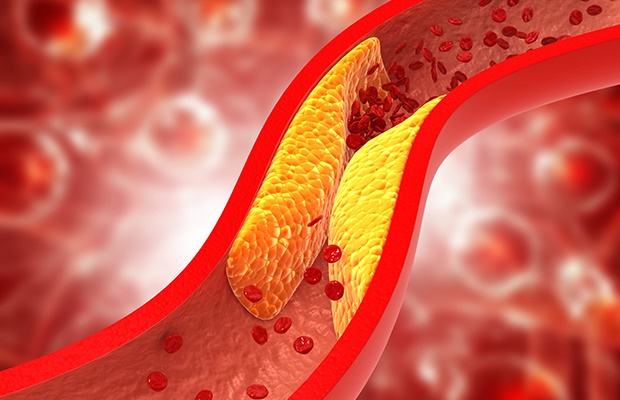
Too much LDL cholesterol in your blood increases your risk for coronary artery disease and other heart diseases. Increased LDL levels can cause the buildup of a sticky substance called plaque in your arteries. Over time, plaque can narrow your arteries or fully block them, and when this happens, parts of your body do not get enough blood:
If the blood flow to the heart is blocked, it can cause a heart attack.
If the blood flow to the brain is blocked, it can cause a stroke.
If the blood flow to the arms or legs is blocked, it can cause peripheral artery disease.
LDL levels. Also known as the “bad” cholesterol, LDL is the main source of blockages in the arteries.
HDL levels. Considered the “good” cholesterol, HDL helps get rid of “bad” LDL cholesterol.
Total cholesterol. The combined amount of LDL cholesterol and HDL cholesterol in your blood.
What is a Cholesterol Test?
A cholesterol test is also called a Lipid profile or Lipid panel, it is a blood test that measures the amount of cholesterol and certain fats in your blood, like we earlier said that Cholesterol is a waxy, fat-like substance that is found in your blood, and every cell of your body. You need some cholesterol to keep your cells and organs healthy.
A cholesterol test gives you important information about your risk of developing heart disease. If your test shows you have high cholesterol, you can take steps to lower it. This may decrease your risk of developing heart problems in the future.
Preparation Before The Test
You may need to fast (not eat or drink) for 9 to 12 hours before your blood cholesterol test. That is why the tests are often done in the morning.
A healthcare professional will take a blood sample from a vein in your arm, using a small needle.
Now, after conducting the test, the result will determine how you will modify your lifestyle changes and what medication to use and, in a situation, where the Cholesterol levels are high, what do you do?
Lifestyle changes such as exercising and eating a healthy diet are the first line of defense against high cholesterol. But, if you’ve made these important lifestyle changes and your cholesterol levels remain high, your doctor might recommend medication.
The choice of medication or combination of medications depends on various factors including your personal risk factors, your age, your health, and possible drug side effects.
Lifestyle and home remedies
Lifestyle changes are essential to improve your cholesterol levels.
Medications can also help improve your cholesterol. But if you had rather first make lifestyle changes to improve your cholesterol, try these lifestyles.
1. Eat heart-healthy foods
A few changes in your diet can reduce cholesterol and improve your heart health:
Reduce saturated fats. Saturated fats, found primarily in red meat and full-fat dairy products, raise your total cholesterol. Decreasing your consumption of saturated fats can reduce your low-density lipoprotein (LDL) cholesterol — the “bad” cholesterol.
Eliminate trans fats. Trans fats, sometimes listed on food labels as “partially hydrogenated vegetable oil,” are often used in margarine and store-bought cookies, crackers, and cakes. Trans fats raise overall cholesterol levels. The Food and Drug Administration has banned the use of partially hydrogenated vegetable oils by Jan. 1, 2021.
Eat foods rich in omega-3 fatty acids. Omega-3 fatty acids don’t affect LDL cholesterol. But they have other heart-healthy benefits, including reducing blood pressure. Foods with omega-3 fatty acids include salmon, mackerel, herring, walnuts, and flaxseeds.
Increase soluble fiber. Soluble fiber can reduce the absorption of cholesterol into your bloodstream. Soluble fiber is found in such foods as oatmeal, kidney beans, Brussels sprouts, apples, and pears.
Add whey protein. Whey protein, which is found in dairy products may account for many of the health benefits attributed to dairy. Studies have shown that whey protein given as a supplement lower both LDL cholesterol and total cholesterol as well as blood pressure.
2. Regular Exercise on most days of the week and increase your physical activity
Exercise can improve cholesterol. Moderate physical activity can help raise high-density lipoprotein (HDL) cholesterol, the “good” cholesterol.
Work up to at least 30 minutes of exercise five times a week or vigorous aerobic activity for 20 minutes three times a week.
Adding physical activity, even in short intervals several times a day, can help you begin to lose weight. Consider: –
Taking a brisk daily walk during your lunch hour
Riding your bike to work
3. Quit smoking
Quitting smoking improves your HDL cholesterol level. The benefits occur quickly:
Within 20 minutes of quitting, your blood pressure and heart rate recover from the cigarette-induced spike.
Within three months of quitting, your blood circulation and lung function begin to improve.
Within a year of quitting, your risk of heart disease is half that of a smoker.
4. Lose weight
Look for ways to incorporate more activity into your daily routine such as using the stairs instead of taking the elevator or parking farther from your office. Take walks during breaks at work. Try to increase standing activities such as cooking or doing yard work.
5. Drink Alcohol only in moderation
Moderate use of alcohol has been linked with higher levels of HDL cholesterol. Too much alcohol can lead to serious health problems, including high blood pressure, heart failure, and strokes.
Sometimes healthy lifestyle changes are not enough to lower cholesterol levels. If your doctor recommends medication to help lower your cholesterol, take it as prescribed while continuing your lifestyle changes. Lifestyle changes can help you keep your medication dose low.
Eat right, eat healthily, and remember “You are what you eat”.
Gbenga and Wura(Pseudo names) are siblings.However, for about ten years, their relationship was estranged due to hostilities stemming from their parents’ favouring Wura over Gbenga who is the elder brother.
They both lived in the same house, yet they weren’t greeting each other.Gbenga exhibited so much hatred for Wura,while Wura disrespected her brother even in the presence of her friends, a situation that compounded the problem.
The stiffness in this family tie lingered till they became adults and after the demise of their father. It was so bad that attempt by a relative to settle the rift did not yield the desired result. Gbenga said categorically, “no one could settle what their parents caused.”
While there’s the natural tendency for a child to win the heart of a parent or both, not every parent has been able to manage the feelings.
This life story tells of how as parents, you may be inadvertently fostering rivalry among your children by displaying favouritism as also revealed in the experiences of other children captured in their different excerpts.
Expressions such as “Oh!, that’s my girl, you won’t be like your sister or brother, Can’t you see that your brother/ sister behaves better than you or is more brilliant than you?” are all indicative of parental favouritism. The truth is, kids can be so intuitive about the presence of favouritism in their family.
Parental favoritism can create an environment of inequality and resentment among siblings.
Psychologists say, unfavored children may experience negative emotions, depression leading to withdrawal, develop low self-esteem and nurse the feeling of incompetency, sadness,anger, hatred, jealousy, throughout their lives due to lack of parental affirmation and affection.
On the other hand, a child that is endeared to the parent may develop an overbearing attitude and disrespect other siblings, moving around with so much pride.
These feelings can fester over time, forming the foundation for generational hostility that can permeate adult lives.
Generational hostility stemming from parental favoritism isn’t confined to childhood. As children grow into adults, the bitterness they harbor can manifest in strained family gatherings, passive-aggressive behavior, and even estrangement. The cycle may continue as they, in turn, unknowingly exhibit favoritism in their own parenting styles.
Unfortunately, the effects ripple through the lives of family members, creating emotional scars that can echo across generations, influencing interpersonal relationships and overall well-being of individuals and family life.
Due to the consequences of parental favouritism, it is necessary that the cycle be broken before generations unborn catches the strange fire.
Therefore, parents should open conversations within the family to help in understanding how each member feels and foster empathy.
Engage in activities that bring the family together. Shared memories and experiences can help bridge the gap between generations and mend old wounds.
Family therapy or counseling can also provide a safe space to address underlying issues and rebuild strained relationships
As parents,do not praise or encourage only one child. Learn to treat them equally with the help of God to nurture healthier relationships that span generations. Through this, we can work towards creating a more harmonious and supportive family environment that would be sustained well after we may have departed the world.
Join me next week,for more on parenting.You can follow the author on Facebook Olaitan Oye-Adeitan.
Sure, you remember this old school song often rendered whenever holiday was approaching.
Though some schools are already on vacation, I’m very sure that is the song now on the lips of many pupils and students, including S.S3 and JS3 students writing NECO and BECE examinations.
It is with great joy and anxiety that pupils and parents look forward to a break at the end of the school session.
This is because, such would give parents some relief economically especially with the high cost of transportation now, while the children too are more relaxed at home ,having more time to sleep,eat and play.
Psychologically, the brain needs to rest having been subjected to rigorous academic work for months.So it is expected that children be given the opportunity to relax. This drives home the saying, “All work and no play,makes jack a dull boy”.
Work is always to be relieved by some form of play or recreation because constant pressure of work depresses the mind and impairs the health. So, when children find some time to play, their health rejuvenates and the soundness of their mind returns.
Beyond the physical activities one area that helps both the physical and mental rejuvenation of a child during the holidays is Bonding with the parents.
We rush them every day for school, all to return in the evening to catch up again .By this time, parents are tired, mother goes to the kitchen, children busy with their assignment with little or no supervision from parents. By the time dinner is ready, everybody eats and goes to bed and the routine continues like that.
Except we want to decieve ourselves, the daily struggle to make ends meet has deprived many children the attention needed from and strong feeling of closeness to their parents.
On weekends, some parents are honouring invitations to ‘Owambe’, meaning parties and by Sunday we are already preparing for another week.So where is the time for the kids?
Now that the children are on holidays, find time to bond with them.Yes, you may be going to work but prepare an atmosphere they would love, enjoy and remember for good.Work life balance is the optimum balance between our work, social and home lives.
Do not say you don’t have the time, create time and be intentional to make it up to your kids. Wake them up with a kiss, a hug ,and a reassuring smile.
It costs nothing but impacts much on a child. Prepare their food and ensure you put them in safe custody while away at work.
No matter how tired you are while returning from work, do not transfer the work stress to them.Ask God for grace to come back home cheerful, ready to receive their welcome too.Children are sensitive to moods.
When you’re off duty or during weekends, take them out on a walk. Let them enjoy and appreciate nature’s gifts around them As you go, respond to their questions and curiosity.Not everything is going a shopping or Cinema.
If you are the type that loves to party, you may have to cut down once a while to stay and play with the kids at home. Parenting is sacrificial,so you must not count it too much to sacrifice your time for them.
The benefits of spending quality time with your kids will reach far beyond their childhood.
Join me next week ,for more on parenting.You can follow the author on Facebook Olaitan Oye-Adeitan.
Back then as a student in the school, we all looked forward to high scores in our examinations and so does our parents. A child with very good grades was celebrated and almost seen as the toast of his parents. So we all struggled, to get good grades and receive the applause of the school and hugs of our parents.
In fact, we detest ever having red ink on our report cards because we knew what that meant.
Today, this same spirit resides in students and parents and there’s absolutely nothing wrong. But one truth every teacher, parent, and student needs to know is that examinations and grades are very important but they are not everything.
Sad schoolgirl showing her grade on a test at elementary school.
Due to the so much emphasis placed on high scores, a lot of students only read to pass exams. Some do a lot of cramming, ‘read and download’ with very few studying to internalize what had been taught.
Some also resort to examination malpractice just to be able to record good grades, looking for ‘expo’, that is, exam questions at all costs. This kind of attitude informs statements such as “Enito ba mo way e, lo mo we”, meaning, “Whoever knows his way, is the one that’s brilliant”.
There had also been cases where some students were pushed to take up science subjects or courses based on their excellent grades in those subjects whereby such students do not have the capacity or potential for those courses. Some would have been better off in Arts class.
No doubt, grades are good, but they certainly do not define a student. Beyond the grades is a life whose destiny is yet to be revealed.
Benjamin Solomon Carson, popularly called Ben Carson, is an American neurosurgeon and politician, who performed the first successful operation on conjoined twins who were separated at the back of the head(Occipital craniopagus twins).
Dr. Benjamin Carson
Ben was not brilliant in his elementary school days. He was so dull in class that he became an object of mockery among other fellow classmates. His performances were so bad that the school asked his mother to withdraw him as he could not cope. What a sad day for his mother when the letter, asking her to withdraw his son from school was handed over to her.
But years later, this same Ben Carson became the World acclaimed Surgeon, achieving a feat no surgeon ever recorded in history.
Aside the separation of the Siamese twins, he had laurels of other achievements. He was awarded William E Simon Prize for philanthropic leadership in 2005, the Spingarn Medal from the NAACP; the highest honor for outstanding achievement in 2006 while the United States white house awarded him the Presidential Medal of Freedom, the nation’s highest civilian honor in 2008. His achievements are just too numerous to count but way back then in school, he performed poorly.
As a Singaporean head teacher once wrote, ” If your child gets top marks, that’s great! But if he or she doesn’t, please don’t take away their self-confidence and their dignity from them. They are cut out for much bigger things in life. Let them know that no matter what they score, you still love them. One exam or low grade won’t take away their dreams or talents. And please, do not think that doctors and engineers are the only happy people in the world”.The principal wrote.
Parents and teachers ought to realize that, amongst students sitting for exams, there’s a future entrepreneur who would not need history or literature in English, an artist who doesn’t need further maths, a musician whose chemistry work won’t matter and a sports person whose physical fitness is more important than their grade in physics.
Do not think that doctors and engineers are the only important and needed people in the world. The world is so large requiring expertise in various fields of life and more discoveries are emerging every day that will still require specialized skills hidden in young boys and girls who God has chosen to break such grounds.
What is therefore required of parents and teachers is to discover the hidden potential in their children or students, not compare them with others, and help each child develop his potential to the fullest to be the man or woman God intends him to be for God the Creator has deposited in everyone what he or she requires to succeed in life.
A German-born Physicist, Albert Einstein corroborated this in one of his statements, “Everyone is a genius but if you judge a fish by its ability to climb a tree, it will spend its whole life believing that it is stupid”.
Grades do not measure intelligence. Academic records may show performance levels during exams, but additional factors may alter their applicability to your professional potential.
By Adebukola Aluko Your mood is the way you are feeling at a particular time. If you are in a good mood, you feel cheerful, however if you are in a bad mood, you feel angry and impatient. Your Productivity or how you relate with people is however dependent on your mood. Nevertheless, it is important that we ensure to keep a right and positive mood at all times. When you’re feeling down, it can be tempting to turn to food to lift your spirits. However, the sugary, high calorie treats that many people resort to have negative consequences of their own. Thus, you may wonder whether any healthy food can improve your mood. Recently, research on the relationship between Nutrition and Mental health has been emerging. Yet, it’s important to note that mood can be influenced by many factors, such as stress, environment, poor sleep, genetics, mood disorders, and nutritional deficiencies. Therefore, it’s difficult to accurately determine whether food can raise your spirits, Nonetheless, certain foods have been shown to improve overall brain health and certain types of mood disorders.
Here are some healthy foods that may boost your mood.
Fatty fish Omega-3 fatty acids are a group of essential fats that you must obtain through your diet because your body can’t produce them on its own. Fatty fish like salmon and albacore tuna are rich in two types of omega-3s,they are docosahexaenoic acid (DHA) and eicosapentaenoic acid (EPA) that are linked to lower levels of depression. Omega-3s contribute to the fluidity of your brain’s cell membrane and appear to play key roles in brain development and cell signaling, hence Fatty fish like salmon are rich in omega-3 fatty acids, which may lower your risk of depression.
Dark chocolate Chocolate is rich in many mood-boosting compounds. Its sugar may improve mood since it’s a quick source of fuel for your brain Furthermore, it may release a cascade of feel-good compounds, such as caffeine, theobromine, and N-acylethanolamine a substance chemically similar to cannabinoids that has been linked to improved mood .
Fermented foods Fermented foods, which include kimchi, yogurt and kefir, may improve gut health and mood. The fermentation process allows live bacteria to thrive in foods that are then able to convert sugars into alcohol and acids . During this process, probiotics are created. These live microorganisms support the growth of healthy bacteria in your gut and may increase serotonin levels. Serotonin is a neurotransmitter that affects many facets of human behavior, such as mood, stress response, appetite, and sexual drive. Up to 90% of your body’s serotonin is produced by your gut microbiome, or the collection of healthy bacteria in your gut Serotonin is a chemical messenger that’s believed to act as a mood stabilizer. It’s said to help produce healthy sleeping patterns as well as boost your mood.
Bananas Bananas may help turn a frown upside down, They’re high in vitamin B6, which helps synthesize feel-good neurotransmitters like dopamine and serotonin. Furthermore, one large banana (136 grams) provides 16 grams of sugar and 3.5 grams of fiber . Bananas are a great source of natural sugar, vitamin B6, and prebiotic fiber, which work together to keep your blood sugar levels and mood stable.
Oats Oats are a whole grain that can keep you in good spirits all morning. You can enjoy them in many forms, such as overnight oats, oatmeal, and granola. Fiber helps slow your digestion of carbs, allowing for a gradual release of sugar into the bloodstream to keep your energy levels stable. Oats provide fiber that can stabilize your blood sugar levels and boost your mood. They’re also high in iron, which may improve mood symptoms in those with iron deficiency, anemia.
Berries Curiously, eating more fruits and vegetables is linked to lower rates of depression. Berries pack a wide range of antioxidants and phenolic compounds, which play a key role in combatting oxidative stress an imbalance of harmful compounds in your body. Berries are rich in disease-fighting anthocyanins, which may lower your risk of depression.
Nuts and seeds Nuts and seeds are high in plant-based proteins, healthy fats, and fiber. Additionally, they provide tryptophan, an amino acid responsible for producing mood-boosting serotonin. Almonds, cashews, peanuts, and walnuts, as well as pumpkin, sesame, and sunflower seeds, are excellent sources. Certain nuts and seeds are high in tryptophan, zinc, and selenium, which may support brain function and lower your risk of depression.
Coffee Coffee is the world’s most popular drink, and it may make the world a bit happier, too. The caffeine in coffee prevents a naturally occurring compound called adenosine from attaching to brain receptors that promote tiredness, therefore increasing alertness and attention. Moreover, it increases the release of mood-boosting neurotransmitters, such as dopamine and norepinephrine Coffee provides numerous compounds, including caffeine and chlorogenic acid, that may boost your mood. Research suggests that decaf coffee may even have an effect.
Beans and lentils In addition to being high in fiber and plant-based protein, beans and lentils are full of feel-good nutrients. They’re an excellent source of B vitamins, which help improve mood by increasing levels of neurotransmitters like serotonin, dopamine, norepinephrine, and gamma aminobutyric acid (GABA), all of which are important for regulating mood . Finally, they’re a good source of zinc, magnesium, selenium, and non-heme iron, which may likewise elevate your spirits, Beans and lentils are rich sources of mood-boosting nutrients, particularly B vitamins. You should aim for wholesome foods that have been shown to not only boost your mood but also your overall health. Try out some of the foods above to kick-start your positivity routine. However if you have any medical condition, consult you doctor for guide on what is good for your health. Eat Right to Stay Healthy , Remember you are what you eat. Additional information from Healthline.com
‘When a kind gesture is becoming a threat to a home, what should affected couples do?
This is the question begging for an answer in Heart to Heart’, a love and relationship programme, where ‘Dayo Adenuga presents the story of an assistance that is almost tearing a couple apart.
Watch, like, share, and most importantly comment to advise the couple and save their relationship via this link
Knowing ones status is very vital in determining a healthy lifestyle; a regular or routine check will help address some inadequacies or excesses in our body.
During a recent visit to the clinic, a young lady was asked to carry some test including her “Lipid Profile” and was told it was relatively abnormal. The lady was abruptly shocked seeing her result and was immediately booked for an appointment to see a dietician for an advice on her present status.
Lipid profile…lipid profile, at the mention of this, what really comes to mind? To expatiate on this, we need to understand what cholesterol is. This subject of discussion is indeed a wide one and really needs to be understood from the basics.
What is Cholesterol?
Cholesterol is a waxy, fat-like substance that our bodies need to build healthy cells. Although it often gets a bad rap (and too much can be dangerous), the truth is that our bodies simply cannot function without cholesterol.
Your liver makes all the cholesterol your body needs to perform essential functions like building cells and producing vitamin D and hormones.
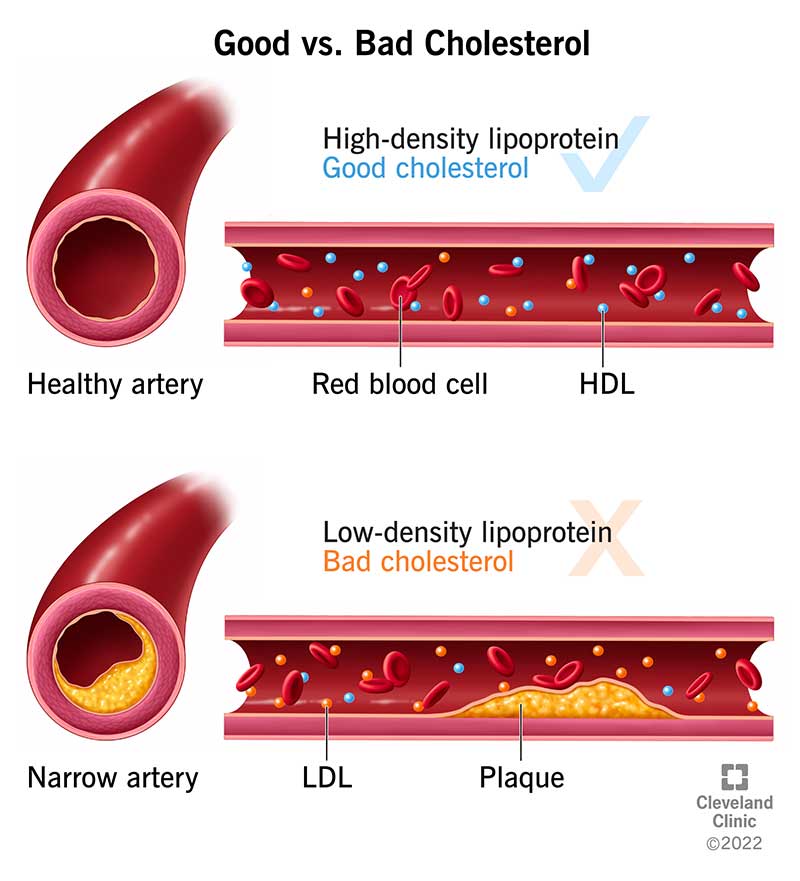
Not all cholesterol is the same, Low-density lipoprotein (LDL) or “bad cholesterol” can make plaque in your arteries, putting you at risk for hardened arteries (atherosclerosis), heart disease, vascular issues and more.
On the other hand, high-density lipoprotein (HDL) “good cholesterol” actually helps remove that bad cholesterol from your bloodstream.
If you have high cholesterol levels, it usually means that you have too much LDL and not enough HDL. But there are changes you can make today to help lower your LDL and increase your HDL.
In other words the level of cholesterol in your body is very important in the overall well being of health.
While cholesterol is necessary for health, having normal cholesterol levels is key. For adults, a normal total cholesterol level is 125-200mg/dL. For children, a normal total cholesterol level is less than 170mg/dL. These levels are measured through a blood test called a lipid panel. The test measures not only cholesterol as a whole but also levels of specific types of cholesterol, such as LDL and HDL. Having high total and LDL cholesterol levels and low HDL levels can increase your risk of heart disease and other health issues.
Normal Cholesterol Levels for Men and Women
Here are the cholesterol recommendations for adults aged 20 and over.
Total Cholesterol
Recommended Range 125-200 mg/dL
Borderline High 200 to 239 mg/dL
High 240 mg/dL or higher
What Affects Cholesterol Levels?
There are certain factors that impact your cholesterol levels. Some factors, like age and gender, may be out of your control. But you can change other factors, like diet and activity, to improve your levels.
Factors that affect your cholesterol levels include:
Age and sex: Many people’s cholesterol levels increase as they get older. After menopause, women’s LDL levels get higher, which can increase heart disease risk.
Genetics: Those with a family history of high cholesterol are more likely to have high cholesterol levels. One in every 250 people has something called familial hypercholesterolemia, a genetic condition that causes high levels of LDL cholesterol.
Diet: Following a diet high in ultra-processed and fatty foods and low in nutritious, fiber-rich foods can increase levels of LDL cholesterol and decrease HDL cholesterol.
Body fat levels: Having high body fat levels increases your risk of developing high LDL and low HDL cholesterol.
Activity levels: Leading a low-activity lifestyle is associated with lower HDL and higher LDL cholesterol. Becoming more active can improve cholesterol levels and lower your risk of heart disease.
Smoking and excessive drinking: Smoking is significantly associated with high LDL cholesterol and low HDL cholesterol. Heavy alcohol use can also negatively impact cholesterol levels and heart health.
Maintaining a nutrient-rich diet, getting the recommended amount of exercise, and quitting smoking can help you reach and maintain normal cholesterol levels.
If you’re unsure whether your cholesterol is within a healthy range, make an appointment with your healthcare provider so they can check your levels.
Eat right, eat healthily, remember you are what you eat.
Snail goes by the scientific name Gastropoda, a derivative from two Greek words meaning “stomach” and “foot”, a reference to the position of the foot below the gut.
Gastropods belong to the Phylum of Mollusca, and in terms of the number of species, they are the largest class within the phylum.
They were once considered to be mere pests by farmers as they then used to hunt them.
However, after discovering that this animal offers several health benefits, it quickly became one of the most popular diets.
Snail contains a high concentration of protein as well as vital amino acids.
Meat extract and snail slime provide benefits for treating eye lining irritation, menstrual discomfort, itching, toothache, and other conditions.
While snails are rich in protein, they are also a fantastic source of iron, calcium, Vitamin A, and a slew of other essential minerals.
It helps the immune system and your eyes, which are both strengthened by vitamin A.
It also aids in the growth of new cells in your body.
Health Benefits Of Snail
Snails are highly nutritious meat that is eaten all around the world.
Due to their anti-inflammatory and antioxidant qualities, they have anti-cancer capabilities and strengthen the immune system.
An average snail is composed of 80% water, 15% protein, and 2.4 percent fat.
They are high in vitamins E, A, K, and B12 and vital fatty acids, calcium, iron, Selenium, and magnesium.
Several Benefits of Consuming Snails Are:
One of the benefits of eating snails is their high Selenium content. Selenium is one of the most critical elements required by the body to combat deadly heart illnesses and cancer.
It protects your body against various illnesses and chronic ailments, and it doesn’t stop there.
Selenium is essential for the regulation of thyroid hormones.
Selenium works well with vitamin E and is a powerful antioxidant in the body. They aid in the prevention of tissue aging by the use of oxidation.
It is also required for optimal bodily functioning and is thus found in body cells, mostly in the kidney, liver, and testes in males.
To itemize this:
Selenium functions as a strong antioxidant in the body, lowering the risk of some malignancies.
It protects against heart disease.
Assists in preventing mental deterioration.
Vital for thyroid health.
It also strengthens your immune system.
Selenium aids in the prevention or reduction of asthma.
It Contains Vitamins and Minerals
Snail meat’s vitamin and mineral value shone out to me among all the other benefits of eating snail meat.
Eating snail meat is beneficial to health at any age. Snail meat is high in vitamins A, E, B1, B3, B6, and B12.
As an antioxidant, vitamin E has a role. Vitamins B1, B3, B6, and B12 are important vitamins that aid in the treatment and prevention of diabetes.
Vitamin A is known to be a fat-soluble vitamin that works as an antioxidant in the body. It is also helpful for people to keep their vision.
Other vital roles include brain function, skin health, and others. It is also beneficial in minimizing inflammation by resisting damage.
There are two types of vitamin A: the active vitamin A, commonly known as retinol, and beta-carotene.
Vitamin E is essential for skin care and cell renewal. It is also an antioxidant and aids in the stabilization of cell membranes.
It also protects the eye, skin, breast, liver, and testicular tissues. Vitamin E protects the lungs from oxidative damage, particularly from environmental pollutants.
Snail meat includes vital elements such as iron, which aids in the production of blood and provides zinc to the body.
Iron also aids in the production of connective tissues and certain neuro transmitters in the brain.
It also aids in the maintenance of the immune system. Others, such as Niacin, have carbohydrate metabolism and generate energy, but pregnant women require folate.
It Prevents Stroke
Snail water or snail meat not only prevents but also treats stroke. It accomplishes this by calming the brain.
Snail water also decreases blood pressure; high blood pressure is linked to stroke; by reducing blood pressure, stroke risk is reduced.
Snail water lowers your risk of having a stroke. Eating snails and drinking their water is therefore beneficial since they contain active substances that calm the brain.
These substances also heal damaged cells caused by a stroke.
Snail Has a High Phosphorus Content
Phosphorus-rich snail (272 mg or 27 percent of DV), The significance of phosphorus is second only to the overall calcium level in the body.
The primary role of phosphorus is as an energy conduit for the metabolism of fats and carbohydrates, as a support for healthy teeth and gums, DNA synthesis, and calcium absorption.
Phosphorus is present in all body cells, with the majority of it concentrated in bones and teeth. It offers structure and strength to the teeth, assisting in the preservation of healthy teeth and gums.
Phosphorus is essential for gene transcription and maintaining a balanced pH in extracellular fluid.
It also aids in enzyme activation, DNA synthesis, and intracellular energy storage.
Snail meat has a significant amount of phosphorus, which is necessary for body nutrition and the normal functioning of body cells.
It is Very Low in Fat
If your interest is to lose weight, the snail is the best meat to help you get there. High-fat levels in the body have several concerning implications: an increased risk of diabetes.
To maintain a healthy level of fat in the body, limit your intake of high fat-containing foods. The snail meat or water that comes out of the snail’s body is low in fat.
This makes snail meat more appealing to individuals who are watching their weight. If you don’t want to gain weight, avoid fatty meat and eat more snails.
Based on the various benefits of eating snail meat described, snail meat is necessary and plays an important function in the body.
An average snail is composed of 80% water, 15% protein, and 2.4 percent fat. They are high in phosphorus and include important fatty acids, calcium, iron, Selenium, and magnesium.
Add the snail meat to your diet today.
Snail is good for the body for men, women, young or old.
It keeps the body free of sugar, reduces high blood pressure, and contains no fat.
Its nutrient content is outstanding when compared to other related meat.
Locust beans, an aromatic local seasoning widely used in preparing soups and stews across West Africa is scientifically known as Parkia biglobosa.
It is called ‘iru‘ by Yoruba, ‘ogiri‘ by Igbo, and ‘dawa dawa’ by Hausa. It is also known as Irú or Eware among the Edo people of Nigeria.
Locust beans is cultivated from a perennial deciduous tree found in Africa.
It is worthy to note that locust beans isn’t just a culinary condiment, as it has valuable nutritional properties and myriads health benefits, besides other numerous uses.
Iru is mainly used as a condiment for cooking.
Yorubas classify Iru into two types: Iru Woro, which is commonly used to make stew, and Iru Pete, which is used to make ewedu and egusi soup.
The leaves of the locust beans tree are also used to wrap moi moi.
Also, the seeds are also used as animal feed for livestock and poultry.
The plant is also used is some parts of Africa to treat wounds, hypertension, malaria and bacterial infections, because it is said to contain medicinal properties.
Locust beans is high in lipids, proteins, carbohydrates, fats and calcium.
It also contains a good amount of essential nutrients such as potassium, ascorbic acid, phosphorus, tannin, phytate, oxalate, among others.
A study in 2007 on the Nutritional Composition of the African locust beans attests to the facts above.
It also showed that locust beans contains a fair amount of saponins, phenols and ascorbic acids.
The nutritional value of locust beans indicates that it is an excellent source of macro and micro-nutrients.
Below are some surprising health benefits of locust bean:
Prevents/Treats Diabetes
Locust beans is capable of reducing risk of diabetes. Recent shows that there is a significant relationship between the aqueous and methanolic extracts of locust beans and cholesterol levels. That is, the natural condiment is effective in increasing the levels of ‘good’ HDL cholesterol while lowering that of ‘bad’ LDL cholesterol in the body.
In a similar study published in the journal, Clinical and Experimental Pharmacology, and Physiology, reveals that the blood sugar-lowering the effect of locust beans could be likened to the one exhibited by glibenclamide, a reference anti-diabetic drug.
Additionally, some set of researchers at the Department of Chemical Pathology, College of Health Sciences Ladoke Akintola University of Technology, Osogbo, discovered that locust beans is not only good for protecting against some diabetes complications but also helps in accelerating weight loss and reducing the risk of ischaemic heart diseases.
Regular locust beans intake is considered one of the natural ways of regulating cholesterol levels. This is because the natural condiment contains certain antioxidant and hypolipidaemic properties that interfere with the cholesterol in the body to strike the right balance.
In support of the above, a study published in The American Journal of Clinical Nutrition a few years ago states that locust bean gum could help lower cholesterol as its hypolipidemic effect is being tested in familial. hypercholesterolemic adults and children.
Promotes Healthy Sight
Locust bean is an excellent source of Vitamin A, which promotes good eyesight alongside bone growth and immune system.
Vitamin A in locust beans is one of the essential vitamins the eyes need to function properly.
Chances of developing eye conditions such as night vision, cataracts, and xerophthalmia can be reduced simply by increasing your locust beans intake.
Vitamin A in locust beans also helps in reducing the risk/effects of eyes infections, minus eyes, myopia, glaucoma, etc.
Some medicines use the roots of the locust beans as part of the major ingredients, indicating how effective this natural condiment is.
Treats Hypertension
Hypertension, otherwise known as high blood pressure, occurs when the pressure of blood pumped through the arteries is relatively higher than expected. One thing about this health condition is that it is a silent killer, meaning one may never be aware that one has it even for several years unless one goes for checkups.
Consumption of locust beans has been said to prevent and treat hypertension. This is because the seeds of the condiment are found to be rich in antihypertensive properties. The leaves of locust beans also contain procyanidin, another component proven to be effective in lowering blood pressure in humans.
Remedy for Diarrhea
Diarrhea occurs when there is a sudden increase in the frequency, looseness, and volume of your faeces.
Locust bean contains tannins and pectin, both of which are recommended most times for people with diarrhoea.
In addition to the above, Nyandanu et al., 2017 in a study reveal that leaves, bark, roots, and fruit of African locust bean could be prepared as a local remedy for treating myriads of health conditions, such as fever, diarrhoea, stomach problems, boils, and burns.
In support of this claim, Sina and Traoré, 2002 in a study also reveal that the bark of locust bean can be used locally for treating a wide range of diseases, including diarrhoea, sterility, bronchitis, pneumonia, leprosy, skin irritations, inflammation, parasitic worms, to mention but a few.
Excellent for Gum Health
The mouth is packed with legions of bacteria. Although some are harmless, yet there are some that can attack the teeth and gums to cause certain infections.
However, one of the best ways to prevent /treat gum-related diseases is by consuming locust beans.
These natural condiments contain some properties that are very helpful in healing mouth ulcers and relieving receding gums while also inhibiting the growth of bacteria, causing tooth decay in the mouth.
There are also African countries (such as Cote d’Ivoire) where the bark of locust beans is being infused, soaked and boiled to prepare local mouthwash for steaming and relieving toothache.
Additional Information from Healthguide NG
Subscribe to our Telegram and YouTube Channels also join our Whatsapp
Ondo state deputy governor, Lucky Ayedatiwa, has denied ever raising his hands against his wife Oluwaseun.
A civil society group, Society for Women Empowerment (SWE), has accused the Ondo state deputy governor of assaulting his wife, Oluwaseun twice in the last four months.
It’s National Coordinator of the group, Mrs Damilola Charles, in a statement made available to newsmen in Akure, accused the deputy governor of repeatedly beating his wife in the presence of his staff and friends.
Charles said “wife beating is a civil rights problem of enormous magnitude, the campaign on violence against women must be applicable to elected officers in the country.
But the deputy governor, denied ever raising his hands against his wife since they got married.
Ayedatiwa in a statement by his Chief Press Secretary, Kenneth Odusola-Stevenson, described the group as faceless and the allegation baseless.
He said that the report was capable of creating needless tension in our State.
The statement reads that ” the allegation of domestic abuse against the person of the deputy governor is a figment of the imagination of those behind it and their ungodly intentions to cause crisis in the State had been known for weeks and therefore such falsehood did not come as a surprise.
“While His Excellency reserves the right to privacy on issues pertaining to his family, it is pertinent to state clearly that there has never been any domestic violence between the Deputy Governor and his lovely wife, Mrs. Oluwaseun Aiyedatiwa, who at the moment is outside the shores of the country.
” It is not a secret that Mrs. Oluwaseun Aiyedatiwa has lived and worked in the United Kingdom for many years before her husband became an elected public official in Nigeria and since then she has been shuttling between United Kingdom and Nigeria to take care of the home and the children who are also in the United Kingdom.
“Therefore, any report of alleged domestic issues within the family should be taken as the handiwork of the enemies of the State who are bent of causing crisis where there is none and we therefore warn those spreading such falsehood to desist or face the consequences.
” It is concerning to see that a faceless group said to be headed by a name not known anywhere in the State could sell such fabrication to media men.
“It is more concerning, however, that such lie, which was not backed with any evidence whatsoever, could be promoted into a news item by journalists.
“In the last four months quoted in the false report as timeline, His Excellency has been busy with official duties of his office and has during the period performed the duties of the office of the Governor as delegated to him by his boss, Arakunrin Oluwarotimi Odunayo Akeredolu, while he was on Leave.
Potato leaf is one of the two major types of leaves that tomato plants exhibit.
It has a smooth edge when compared with the serrated edge of the regular leaf.
The shape is oval and may feature notches separating large lobes.
It has a dark green colour.
Examples of Potato leaf tomatoes include the Brandywine, Prudens Purple, Brandy Boy, Lillian’s Yellow Heirloom, Japanese Black Trifele, and others.
The potato leaf trait is recessive.
Potato leaf is called Ewe Anamo in Yoruba and Hausa call it Ganyen Dankali
According to a study by the Louisiana State Agricultural Center, sweet potato leaves or “talbos ng kamote” provide ascorbic acid (Vitamin C) and Vitamin B to the body.
But it also offers other vital nutrients like Vitamin A, Vitamin K, B-Carotene, B6, Thiamine, Niacin, Zinc, Riboflavin, Iron, Folic Acid, Calcium, and Protein.
It is an all-season vegetable with so much more to offer. Here are some of the health benefits of sweet potato leaves:
Anti-Diabetes
Foods like sweet potato leaves are desired for its anti-diabetes properties and for diet therapy. Several studies have already proven that this plant has anti-diabetic compounds that lower blood glucose content. This is advantageous to know considering that the Philippines was reported to be a diabetes hotspot now with 6 million Filipinos having diabetes in the country today.
Helps in Heart Health
Sweet potato leaves have lots of Vitamin K which helps in de-calcifying arteries of hard and harmful plaque deposits, a major cause of heart attacks. Vitamin K in sweet potato leaves also helps reduce inflammation of the cells lining the blood vessels along your veins and arteries. Including sweet potato leaves in your daily diet helps you maintain healthy blood pressure and reduces the risk of heart attacks.
Anti-mutagenic and Antioxidant
Now, this is the most interesting quality of sweet potato leaves: they have antioxidants and antimutagenic compounds or substances that reduce the rate of mutation of cancer cells. In fact, a study of the effects of 82 kinds of vegetables and plant compounds on the mutation and replication of cancer cells indicated that sweet potato leaves are the ones with the highest cancer-checking rate.
Anticoagulant
The vitamin K component of sweet potato leaves facilitates the blood clotting abilities of our blood. Sweet potato leaves are known to have this particular quality, assisting the body to help recovering fast from cuts, bruises, and blood clotting problems.
Enhances Eye Health
Sweet potato leaves are proven to be high in lutein and zeaxanthin (xanthophylls) which is supposed to contribute to the prevention of cataracts and Age-related Macular Degeneration (AMD). Lutein is also an antioxidant which means it prevents oxidative damage to eye lens muscles that contribute to cataracts due to old age.
Anti-bacterial
An extract from the lyophilized sweet potato leaf powder from a variety of sweet potatoes provides antibacterial properties. Moreover, the water extracted from the sweet potato leaves inhibited the further growth of food-poisoning bacteria such as the pathogenic E. coli, Staphylococcus aureus, and Bacillus cereus.
Helps in Bone Health
The Vitamin K in sweet potato helps in maintaining the calcium in our bones, thus reducing the risks of developing osteoporosis (bone loss) and lowering the incidence of bone fractures in post-menopausal women.
Additional Information from naturalcancermedicine.org/sweet-potato-leaves-talbos-ng-kamote-amazing-health-benefits/
When you see an oval green fruit with spikes on the outside, and a soft, white pulp on the inside, what comes to mind is the soursop fruit.
Soursop is a member of the Annonaceae family, the fruits, which grow on trees, are large and oval-shaped. The green exterior, which has spines on it, covers a white, fibrous flesh which grow up to 8 inches and can weigh up to 10 pounds.
Also known as graviola, custard apple and Brazilian pawpaw, soursop is a tropical fruit native to Central and South America. Soursop (Annona muricata) and is a tangy and edible fruit, cultivated and grown in evergreen regions. The fruit is largely exported to other countries such as Italy and Nigeria, where it’s used in various foods and drinks, as well herbal medicines.
In Nigeria, Yoruba call soursop ebo or apekan, sawansop by Ibo, and fasadarur or tuwon biri by the Hausa.
The exact origin of soursop is unknown, but it has been cultivated in South America and Africa for thousands of years. It can also be found in Asia, by the name of “sirsak”.
Soursops are mostly available year-round in tropical climates. Every region varies with specific availability, but the fruit’s peak season generally occurs from spring through the late fall.
It tastes sweet and is slightly acidic, and can be consumed raw or used in smoothies, desserts, and juices. In addition to the pulp, soursop leaves are also used to prepare tea.
Soursop is a source of fiber that decreases the rate at which sugar is absorbed from foods. This can help to manage blood sugar levels and prevent insulin resistance and diabetes.
This fruit also contains high amounts of vitamin C and flavonoids, which are compounds with antioxidant and anti-inflammatory properties that help to combat free radicals and reduce inflammation. It can be used to relieve gastric problems (like ulcers and gastritis) and prevent the development of health conditions like high blood pressure and cataracts.
Broader Health and Nutritional Information
Relieving Anti-Inflammatory Diseases
Soursop contains anti-inflammatory properties that prevents the reduction of inflammation-producing cytokines. These are generated by the body in the presence of inflammation. This fruit can therefore be useful for the relieve of symptoms of inflammatory diseases, like arthritis, arthrosis and rheumatoid arthritis. Learn more about naturally anti-inflammatory foods you can add to your diet.
Preventing Diabetes
Soursop contains great amounts of antioxidants that protect the pancreatic cells that are responsible for the production if insulin. This helps to prevent insulin resistance and diabetes.
Furthermore, soursop is a great source of fibers, which decrease how quickly sugar is absorbed. This can help to regulate glucose levels in the blood, which can help to control diabetes in people who have already been diagnosed with it.
Maintain Eye Health
Because it contains lutein, an antioxidant compound that is important for eye health, soursop helps to decrease the development of illnesses like cataracts and macular degeneration. These conditions are associated with aging and cause eye damage, leading to vision loss.
Protecting the Stomach
Soursop contains anti-inflammatory and antioxidant properties, which reduce damage caused by free radicals in the stomach. This promotes a reduction in stomach acid production, making this fruit beneficial for protecting the stomach, improving digestion, and help to manage some diseases, like ulcers and gastritis.
Improving Stress and Anxiety
Soursop leaves contain anonaine and asimilobine, compounds that soothing properties that act on the central nervous system. These compounds interact with serotonin (a neurotransmittor responisble for mood regulation), which can improve mood, stress and anxiety. Read more about other home remedies for gastritis that you can prepare to relieve symptoms.
Regulating Blood Pressure
Soursop contains potassium, an mineral that is essential for the body’s elimination of sodium through the urine. Potassium is also important for blood pressure management.
In addition, this fruit also contains antioxidants which promote arterial health and act as a vasodilator. It helps to promote blood circulation, which can also influence blood pressure. Check out other natural home remedies for blood pressure that can complement your medical treatment.
Strengthening the Immune System
Because it is rich in antioxidants and anti-inflammatories, like vitamin C and quercetin, soursop helps to manage excess free radicals and strengthen immune system cells. This helps to prevent allergies, colds and flu.
Combating Constipation
Soursop helps to combat constipation because it is rich in water and fibers. These components promote natural bowel movements and add bulk to the stool, which facilitate stool elimination. See a list of other naturally laxative fruits that can facilitate regular bowel movements.
Maintaining Hydration in the Body
Soursop pulp contains about 82 g of water, which can significantly hydrate the body. It is often consumed in hot environments or during exercise, which helps to prevent dehydration.
Possibly Prevent Cancer
Recent studies show that soursop is rich in acerogenins, which are a group of metabolic compounds that have a cytotoxic effect that targets cancerous cells. In addition, it was noted in some studies that consuming soursop on a long-term basis can help to prevent and treat many types of cancer, like breast, colon, lung and prostate cancers.
Nonetheless, these studies have only been done in lab settings with isolated cells and animals. More studies are needed in humans to support the possible effect of this fruit on cancerous cells.
Nutritional Information
The following table outlines the nutritional information in 100 g of soursop:
Components
100 g of soursop
Energy
62 calories
Protein
0.8 g
Fat
0.2 g
Carbohydrates
15.8 g
Fiber
1.9 g
Calcium
40 mg
Magnsium
23 mg
Phosphorus
19 mg
Potassium
250 mg
Vitamin C
19.1 mg
Folic acid
14 mcg
To obtain all the benefits that soursop has to offer, it is important to include it in a healthy, balanced diet and to exercise regularly.
How to consume
Soursop can be consumed in its natural state, or used in other recipes for juices, mousses and ice cream. Soursop leaves can also be used to make tea.
Soursop tea: Place 10 g of dried soursop leaves in 1 liter of boiling water. Cover and allow to steep for 5 to 10 minutes. Strain and drink up to 3 cups per day, after meals.
Soursop juice: In a blender, place 1 cup of soursop pulp (diced and without seeds), 500 mL of water and 1 teaspoon of brown sugar (or sweetener). Blend until well-combined, then serve.
Facebook
Dubawa
Another way to consume soursop is through capsule supplements. Dosing varies between manufacturers, although the general recommended dose is 2 capsules per day, 30 minutes before meals. Soursop can cause some side effects; therefore, it is important to take it as directed a doctor or medicinal plant specialist.
Possible Side Effects
Some toxic effects, like kidney damage or death, can occur with very high doses of soursop leaves. These effects will only evolve, however, if you drink over 70 cups of this tea.
The development of neurodegenerative disease from consumption (like Parkinson’s disease) are associated with excessive, long-term consumption of soursop, although studies on this matter are not conclusive [2] .
Contraindications
Soursop should only be consumed by pregnant or breastfeeding women under the guidance of a doctor, as there are not studies available that confirm its safety in these populations.
This fruit is not recommended for people with Parkinson’s disease or low blood pressure. People who take medications for depression, high blood pressure and diabetes should communicate soursop use to their doctor before taking it, as this fruit can interfere with the effects of these medications.