News

The Nigeria Centre for Disease Control and Prevention on Thursday said the Lassa fever death toll in Nigeria has risen to 177.

The latest epidemiological report released by the NCDC stated that as of epidemiological Week 44, 2025, the Case Fatality Rate now stands at 18.3 per cent, up from 16.5 per cent recorded during the same period in 2024.

According to the World Health Organisation, Lassa fever is an acute viral haemorrhagic illness caused by the Lassa virus, a member of the arenavirus family of viruses.

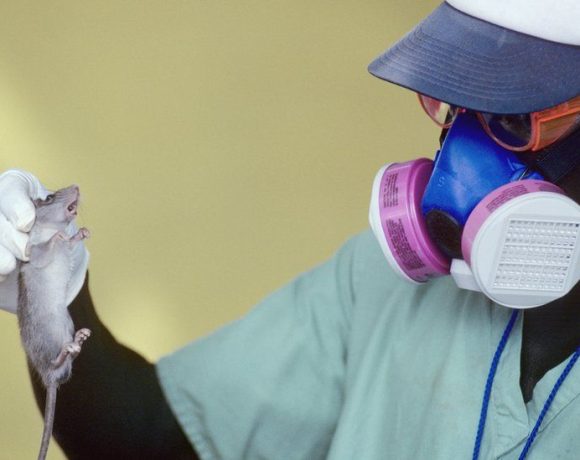
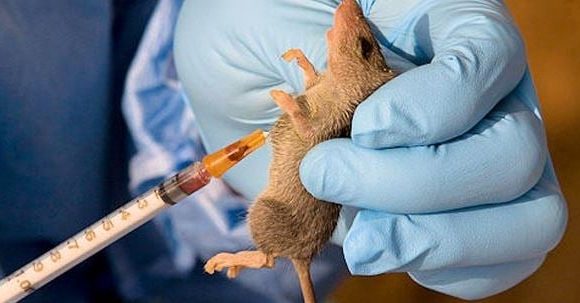
WHO said humans usually become infected with the Lassa virus through exposure to food or household items contaminated with urine or faeces of infected Mastomys rats. The disease is endemic in the rodent population in parts of West Africa.

The UN body noted that Lassa fever is known to be endemic in Benin, Ghana, Guinea, Liberia, Mali, Sierra Leone, Togo and Nigeria, but probably exists in other West African countries as well.

As of Week 44, ending November 2nd, Nigeria has reported a total of 966 confirmed cases.

In total for 2025, 21 states have recorded at least one confirmed case across 102 Local Government Areas.

It said, “In week 44, the number of new confirmed cases increased from 11 in epi week 43 to 12. These were reported in Ondo, Edo and Benue States.

“Cumulatively, as at week 44, 2025, 177 deaths have been reported with a Case Fatality Rate (CFR) of 18.3 per cent, which is higher than the CFR for the same period in 2024 (16.5 per cent).

“In total for 2025, 21 States have recorded at least one confirmed case across 102 Local Government Areas.”

According to NCDC, 87 per cent of all confirmed Lassa fever cases were reported from four states (Ondo, Bauchi, Edo, and Taraba), while 13 per cent were reported from 17 states with confirmed Lassa fever cases.

It noted that of the 87 per cent confirmed cases, Ondo reported 36 per cent, Bauchi 21 per cent, Edo 17 per cent, and Taraba 13 per cent.

“The predominant age group affected is 21-30 years (Range: 1 to 96 years, Median Age: 30 years). The male-to-female ratio for confirmed cases is 1:0.8.

“The number of suspected and confirmed cases decreased compared to that reported for the same period in 2024. No new healthcare worker was affected in the reporting week 44.

“The National Lassa fever multi-partner, multi-sectoral Technical Working Group continues supporting coordination of response activities at all levels”, it added.

Punch/Adebukola Aluko

Follow us on Telegram and YouTube, and join our WhatsApp Update Group for more news updates.

Health

The Nigeria Centre for Disease Control and Prevention says the number of confirmed Lassa Fever cases have increased significantly resulting in a cumulative 162 deaths in 2024.

The agency also urged the public to adhere to recommended safety protocols and to report any symptoms to local health authorities promptly.

The NCDC said on Saturday via its official website that the country registered 10 cases of Lassa fever cases across four states in one week, spanning 20 to 26 May.

According to reports It is transmitted to humans through contact with food or household items contaminated by infected rodents or persons.

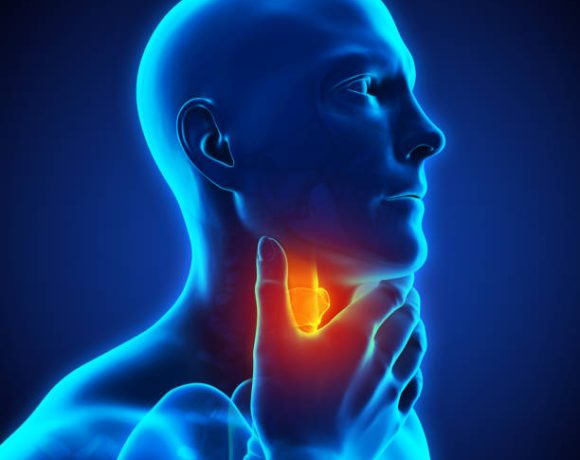
Its symptoms include fever, headache, sore throat, general body weakness, cough, nausea, vomiting, diarrhoea, muscle pains, and chest pain. In severe cases, it manifests in unexplainable bleeding from ears, eyes, nose, mouth, and other body openings.

The Centre said the number of confirmed Lassa Fever cases rose from 4 in a week to 20 and later 10, in the current reporting week cases had increased to 21.

It pointed that in addition to the rise in confirmed cases, there was an increase in the number of suspected cases compared to the same period in 2023.

Cumulatively, it said that the country has recorded 897 confirmed cases and 162 deaths in 2024 with a case fatality rate of 18.1 per cent, which is higher than the CFR for the same period in 2023 (17.1 per cent).

According to it, 28 states have confirmed, at least, one case across 125 local government areas in 2024.

It noted that 65 per cent of the confirmed cases were recorded from four states: Ondo, Bauchi, Edo and Plateau, while 35 per cent were reported from 25 states. Of the 65 per cent, it said that Ondo State accounted for 25 per cent, Edo, 22 per cent, and Bauchi, 18 per cent.

The NCDC said that people between the ages of 31 and 40 were predominantly affected by the disease, stressing that no health worker was infected in the reporting week.

It noted that the surge highlighted the growing concern and the need for heightened surveillance and preventive measures across the country.

The NCDC stressed that it was also intensifying its efforts to trace contacts and implement control measures to curb the spread of the disease.

The agency added that it would continue to monitor the situation closely and was working with state health authorities to ensure a coordinated response.

Punch/Adebukola Aluko

Health

By Annabel Nwachukwu

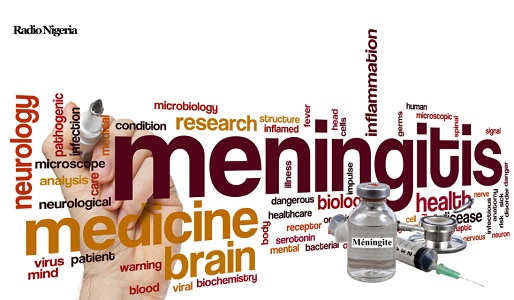
Due to the prevailing weather conditions in the country, the Nigeria Centre for Disease Control and Prevention (NCDC) has released a public health advisory concerning cerebrospinal meningitis.

Cerebrospinal Meningitis (CSM) is an acute inflammation of the membranes covering the brain and spinal cord.

This disease becomes epidemic under certain circumstances, such as the dry season marked by dust, winds, cold nights, and a higher frequency of upper respiratory tract infections. These environmental factors, coupled with crowding and inadequate ventilation, increase the risk of infection.

In a statement on Thursday, Dr. Ifedayo Adetifa, the Director General of the NCDC, said that in 2022-2023, Nigeria recorded 2765 suspected and 303 confirmed cases, with 190 deaths across 140 Local Government Areas (LGAs) in 30 states, including the Federal Capital Territory.

‘’The highest burden of CSM in Nigeria occurs in the “Meningitis Belt,” which includes all 19 states in the Northern Region, the Federal Capital Territory (FCT), and some southern states such as Bayelsa, Cross River, Delta, Ekiti, Ogun, Ondo and Osun,” the statement read.

Dr. Adetifa said the Federal Government, through the Federal Ministry of Health and Social Welfare, and the Agency are actively engaged in efforts to prevent, detect, and respond to cases of CSM.

He pointed out that despite substantial progress in surveillance, diagnostic capabilities, and vaccination in recent years, CSM remains a prioritized disease and a significant public health threat.

In addressing the threat of cerebrospinal meningitis, the Director General of NCDC said the agency, in collaboration with ministries, departments, and agencies (MDAs) and partners, had implemented several measures.

These include alerting all state governments and public health authorities about the heightened risk of a CSM outbreak and emphasizing the need for resource mobilization for preparedness and response activities.

Other measures involve regular communication with states experiencing a high burden of CSM to assess their status, progress, and challenges; ongoing surveillance in all states through routine integrated disease surveillance and response (IDSR) and event-based surveillance (EBS); and awareness campaigns to educate the public on CSM prevention measures and recognize the signs and symptoms of the disease.

About Cerebrospinal Meningitis (CSM)

The health advisory explained that meningitis could be triggered by bacteria, viruses, parasites, fungi, injuries, and certain drugs.

The transmission of meningitis typically occurs through person-to-person contact, including droplets from the nose and throat of infected individuals.

Symptoms of cerebrospinal meningitis include fever, headache, nausea and vomiting, photophobia (pain when exposed to bright lights), neck stiffness, and altered levels of consciousness.

While meningitis can affect individuals of all ages, those most at risk include young children, especially those who are either under-immunized or not immunized at all.

Other vulnerable groups comprise individuals living in overcrowded households, smokers, those exposed to poor ventilation and indoor air pollution, and individuals with poor hygienic practices.

Health Advice to the Public

The NCDC therefore advised the public to receive the appropriate vaccinations necessary for protection against meningitis.

Also, individuals should avoid close and prolonged contact with a confirmed case of CSM, including relatives, overcrowding in households and refraining from smoking.

Practising proper respiratory hygiene when coughing or sneezing, avoiding self-medication to prevent antimicrobial resistance, and ensuring proper diagnosis and treatment when necessary are other preventive measures.

Advice to Healthcare Workers

The Nigeria Centre for Disease Control and Prevention also cautioned healthcare workers to always adhere to standard infection prevention and control practices, maintain a high index of suspicion for cerebrospinal meningitis (CSM), and promptly report all suspected cases to their local government Disease Surveillance and Notification Officer for immediate access to healthcare.

The agency emphasised that early identification and treatment of cases are more effective and could potentially save lives.

Subscribe to our Telegram and YouTube Channels and also join our Whatsapp Update Group 

Health

By Nafiu Busari

The Director General, Nigeria Centre for Disease Control and Prevention, NCDC, Dr Ifedayo Adetifa says the purported new Omicron variant of the SARS-CoV-2 virus, named BA.2.86 is not in Nigeria.

It also denied any increase in cases of COVID-19 in the country.

In a statement on the new COVID-19 variant, Dr Adetifa said while cases had been reported in 51 countries, risk assessment by WHO found this new variant poses a low risk at the global level.

“In addition, EG.5 has not been associated with any change in symptoms/clinical manifestation and has not produced an increase in severity of illness and/or hospitalizations or difference in death rates in reporting countries,” he added.

Dr Adetifa declared that EG.5 causes symptoms like those seen with other COVID-19 variants, including fever, cough, shortness of breath, fatigue, muscle aches, headache, and sore throat. 

The statement stated, “So far, only one case of EG.5 has been seen in Africa, it has not been identified in Nigeria”.

“The recently discovered/reported BA.2.86 is a descendent lineage of BA.2 (a sublineage of Omicron, also found in Nigeria in 2022). As of August 23, 2023, the BA.2.86 variant had been reported in a handful of countries – the United Kingdom, Israel, Denmark, South Africa, and the United States”. 

“It has been classified by the WHO as a “variant under monitoring” (VUM) because it has multiple genetic differences that make it substantially different from its ancestor, BA.2 and from other currently circulating XBB-derived SARS-CoV-2 variants”.

“Since there are few cases identified so far, there is not enough information to make conclusive assessments of virulence, transmission, and severity. However, we do not expect it to be much different from other omicron descendants currently circulating. Although the ancestor, BA.2 has been previously found in Nigeria, no BA.2.86 variant has been identified in Nigeria”.

“The NCDC’s COVID-19 Technical Working Group (COVID-19 TWG) is closely monitoring COVID-19 epidemiology – local, regional, continental, and global – including emerging variants”. 

“Our influenza sentinel surveillance sites continue to provide information on COVID-19 prevalence in patients with influenza-like illness and severe acute respiratory illness”.

 “We have not observed any increase in the trend of COVID-19 in this patient group. We continue to carry out genomics surveillance even with the low testing levels and encourage testing locations in states to ensure their positive samples are sent on to the NCDC for sequencing”.

 “Unrelated to the news of these emerging variants, the NCDC and partners are working on implementing an enhanced COVID-19 testing exercise in four states to obtain complementary and more detailed information about circulating variants in the country. In addition, COVID-19 rapid diagnostic kits are being distributed for the purpose of improving bi-directional COVID-19 testing.”

He, however, urged Nigerians including media practitioners to act responsibly and share only verified information.

“There is no need to cause unnecessary anxiety and panic. As we have consistently advised, COVID-19 is here to stay and is now mainly a problem for those at high risk – the elderly, those with underlying chronic illnesses, especially hypertension, diabetes, those on cancer treatment, organ transplant recipients, and those whose immune systems are suppressed for one reason or the other.”

According to him, actions that individuals and families need to take to prevent the infection include testing for any febrile illness and respiratory symptoms regardless of how mild to be sure it’s not COVID, vaccination against COVID-19, good hand hygiene by washing hands regularly with soap under running water and wearing of masks by individuals with flu-like symptoms like coughing and sneezing.

Subscribe to our Telegram and YouTube Channels also join our Whatsapp Update Group

Health

The Federal Government has approved the upward review of hazard allowance for non-hospital-based health professionals in the country.

The government made this known in a circular dated July 26, 2023, and signed by the Chairman and Chief Executive Officer of the National Salaries, Incomes, and Wages Commission, Ekpo Nta.

The circular was titled, “Review of hazard allowance for non-hospital-based agencies on the Consolidated Medical Salary Structure and the Consolidated Health Salary Structure.”

The circular partly read, “Further to our circular No. SWC/S/04/S.218/II/405 dated December 22, 2021, the Federal Government has approved the upward review of hazard allowance applicable to non-hospital-based health professionals in the federal public service.”

The letter shows that the hazard allowance for health professionals on the Consolidated Health Salary Structure from grade level one to five was reviewed upward from N5,000 to N10,000.

Also, health professionals on CONHESS from grade level six to 15 will henceforth get N18,000 instead of N10,000.

Similarly, the allowance for health workers from grade level one to 10 on the Consolidated Medical Salary Structure was reviewed upward from N10,000 to N18,000.

The commission noted that the approval took effect on June 1, 2023.

According to reports the non-hospital-based agencies are the Nigeria Centre for Disease Control and Prevention, the National Agency for the Control of AIDS, the National Agency for Food and Drug Administration and Control, the Nigerian Institute of Medical Research, the National Health Insurance Authority, The National Institute for Pharmaceutical Research and Development, and the National Primary Health Care Development Agency, among others.

Punch/Adebukola Aluko

Subscribe to our Telegram and YouTube Channels also join our Whatsapp Update Group


Health

By Nafiu Busari

The Nigeria Centre for Disease Control and Prevention(NCDC) has tasked media organizations on accurate reportage of epidemics to combat public health challenges in Nigeria effectively.

The Director General of NCDC, Dr. Ifedayo Adetifa, in his speech at the Media EIS Epidemiology, Infodemiology and Social Behaviour Change Programme Press Conference in Abuja, emphasized that the media played a vital role in disseminating information to every corner of the country, whether through traditional or social media otherwise known as new media.

Speaking further, Adetifa described the danger of the “infodemic” as an excessive amount of incorrect information that spreads rapidly, particularly through social media.

Adetifa, therefore, urged journalists to recognize the potential consequences of their headlines and stories, stressing that inaccurate information can directly result in citizens suffering or even losing their lives.

He cited past incidents where misinformation led to severe health consequences, such as individuals resorting to salt baths to cure Ebola, which only exacerbated the situation.

He also highlighted the importance of independent research and homework for journalists reporting on public health events.

While addressing the media’s focus on diphtheria, he directed attention to the NCDC’s website, which provides the most up-to-date information on the situation.

He revealed that over 70% of the reported cases occur in children aged two to 14 years, while more than 82% of the confirmed cases are among the unvaccinated. These statistics underscore the critical need for increased vaccination coverage to protect the vulnerable population.

Drawing attention to the consequences of historical gaps in vaccination coverage, Dr. Adetifa stressed that children who missed their vaccinations in the past are now bearing the brunt of the ongoing outbreak.

He explained that if individuals receive the recommended three doses of the pentavalent vaccine, which includes anti-diphtheria toxin, at 6, 10, and 14 weeks of age, they are protected against diphtheria. However, due to past failures in vaccination efforts, the current outbreak is affecting not only children but also older age groups.

“To address the alarming situation, the NCDC, in collaboration with the National Primary Health Care Development Agency(NPHCDA), initiated a vaccination campaign in the hot spots of the outbreak, starting in Abuja.

“The campaign includes a diphtheria antitoxin containing vaccine and targets older age groups.”

The DG, therefore, urged parents to take advantage of these campaigns and ensure that their children receive the necessary vaccinations.

“Catching up on missed vaccinations is the only way to halt the current outbreak and prevent future diphtheria outbreaks.”

Also, the Deputy Director of Risk Assessment and Communication of the Federal Ministry of Agriculture and Rural Development, Dr. Dupe Hambolu, emphasized the pivotal role journalist play in disseminating vital information to the public.

“The Media EIS Program aims to equip media professionals with the necessary knowledge and skills to effectively report on disease outbreaks and public health interventions.”

“By doing so, the program hopes to prevent negative reporting and encourage accurate, informative journalism that supports public health efforts.”

“Under this program, journalists will receive comprehensive training in a wide range of areas, including health capacity building, genetics, epidemiology, risk communication, and social behavior management.

Hambolu also explained the importance of investigative reporting and data confirmation, which will empower journalists to produce compelling disease outbreak stories and contribute to the development of a robust health database.

The Deputy Director expressed her confidence in the Media EIS Program’s ability to enhance emergency preparedness and response.

“By bridging the gap between scientific knowledge and effective communication, journalists will be better equipped to inform the public about health-related events and prevention measures.

In a Speech, Dr Olayinka Umar-Farouk, representative of BA-Nigeria, said COVID-19 pandemic, like many health events before it, has revealed the importance of promoting strong and healthy information ecosystems to improve health literacy.

Umar-Farouk, therefore, said bridging the gap between public health officials and the media will contribute to combating outbreaks and ultimately save more lives.

Subscribe to our Telegram and YouTube Channels also join our Whatsapp Update Group

Health

Francisca Irekpita

Medical experts want Nigerians to pay more attention to routine immunization coverage and effective vaccinations in the bid to combat the spread of diphtheria in the country. 

The experts, while speaking with Radio Nigeria on the reported upsurge in cases of diphtheria in parts of the country also emphasized the need for sustainable mechanisms to strengthen the delivery of primary health care services to the people. 

The Nigeria Centre for Disease Control, NCDC, had alerted Nigerians on the outbreak of the vaccine-preventable bacteria infection, which affects the nose, throat and skin with records that it had killed at least 38 persons in the country. 

Reacting to the development, the experts in Infection Prevention and Control, Community and Public Health, as well as Epidemiology, were united in their submissions that the disease outbreak in different parts was an indication that more children needed to be immunized against diphtheria, tetanus and pertussis.

On his part, the infection prevention and control expert and Secretary-General, of Nigeria Medical Association, NMA, Ogun State, Dr Festus Adetanwa described diphtheria as a deadly but curable bacterial infection commonly found among children and the elderly with low immune systems. 

He highlighted fever, sore throat, nasal discharge, cough, difficulty in breathing and swollen glands of the neck as some of the symptoms associated with diphtheria, noting that, the disease could spread easily from person to person through droplets from cough and sneeze.

Dr Adetanwa advised the people to maintain a maximum level of hygiene as a precaution to prevent a resurgence of the disease in other locations. 

Also, the Community and Public Health expert, Dr Toluwalase Adegboye blamed the resurgence of diphtheria on the inadequate coverage of routine immunization and non-adherence to standard health safety precautions among Nigerians.

Dr Adegboye while appealing to relevant agencies to educate the people on the need to get vaccinated, also emphasized that reviewing the available primary Health care system for better performance would help to check outbreaks of vaccine-preventable diseases.

In a reaction, an Epidemiologist at the department of Public Health, Ogun State Ministry of Health, Dr Yusuf Akeem pointed out that the state government had commenced the needed public sensitization, especially among the rural dwellers about the symptoms and mode of transmission of diphtheria.

Dr Akeem explained that the state surveillance system had also been strengthened through the provision of adequate resources and training of healthcare workers, while effective communication channels had been established between health authorities and the public to further educate the people. 

Others who contributed to the issue urged the government to deploy more medical personnel to identify areas with the prevalence of diphtheria and make conscious efforts to treat the affected persons and vaccinate those classified as high-risk groups.

In Kano state, one of the worst-hit states in the country’s north, Dr Aminu Tsanyawa the health commissioner for the state had recorded more than 70 suspected cases along with 25 deaths related to the bacterial infection.

The total number of confirmed cases and deaths is not yet known.

Nigeria’s Centre for Disease Control and Prevention revealed it initiated an emergency response to the outbreak and is monitoring the situation in four of the nation’s 36 states.

Authorities were first alerted about an outbreak among children in Kano state in late December, according to the state’s chief epidemiologist.

Diphtheria causes breathing difficulties, heart failure and paralysis. The people most at risk are unvaccinated or live in areas with poor sanitation.

Nigeria has not had a diphtheria outbreak of this magnitude in recent years. The nation’s capacity to diagnose the disease and treat patients is limited in many remote areas.

Subscribe to our Telegram and YouTube Channels also join our Whatsapp Update Group

Health

The Nigeria Centre for Disease Control , NCDC, has reported 21 more cases of monkeypox in the country within the past seven days.

The NCDC via its official website announced on Sunday that the disease could be spread by close contact and exposure to an infected person’s respiratory droplets, skin lesions or bodily fluids.

The agency also reported that Nigeria recorded six monkey pox-related deaths between January and August and that six states in the country had recorded one death each from the disease.

It listed the six states where monkeypox deaths occurred as Delta, Lagos, Ondo, Akwa Ibom, Taraba and Kogi.

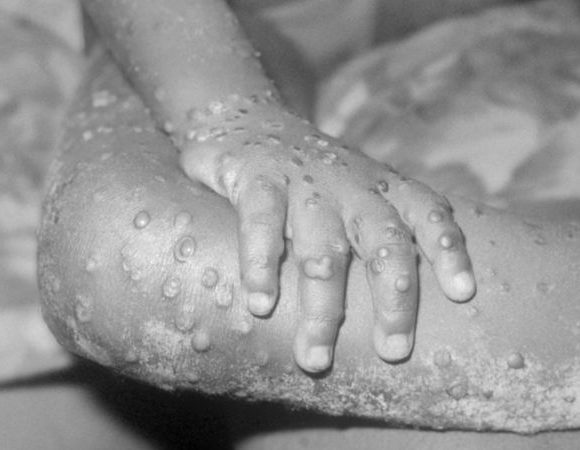
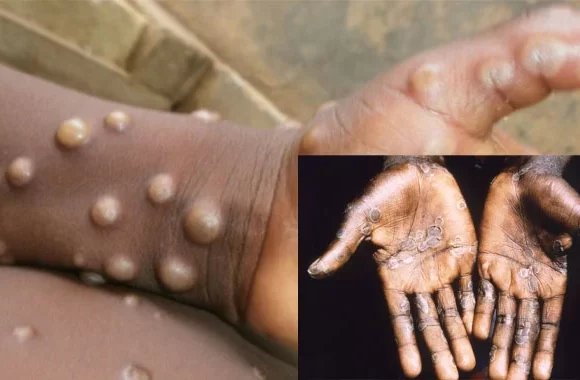
According to the NCDC, monkeypox symptoms include swollen lymph nodes, fever and a rash that may initially be mistaken for chickenpox or a sexually transmitted disease, if in the genital or anal region.

“Between Aug. 15 and Aug. 21, Taraba and Kogi States recorded two deaths,” the agency added.

It said that the total number of confirmed cases of monkeypox in the country had also risen to 241, with 21 new cases reported in one week between Aug. 15 and Aug. 21.

The NCDC said that the 21 confirmed cases were reported from 12 states.

It listed the states as Lagos – seven, Adamawa – two, Ebonyi – two, Imo -two, Akwa Ibom – one, Anambra – one, Edo – one, FCT – one, Katsina State – one, Kaduna State – one, Kogi – one and Ondo  State – one.

“Of the 241 confirmed cases of monkeypox in the country, Lagos State has the highest burden of the disease, with 42 confirmed cases since the beginning of the year.

“This translates to 17.4 per cent of the total burden of the disease in the country.

“Overall, since the re-emergence of monkeypox in September 2017 to August this year, a total of 1,116 suspected cases have been reported from 35 states.

“Of the 1,116 suspected cases, there have been 467 (41.8 per cent) confirmed (309 male, 158 female) from 32 states.

“In addition, from September 2017 to August 2022, a total of 14 deaths have been recorded, with a case fatality rate of three per cent, in 10 states.

“The states include: Lagos – three, Edo – two, Imo – one, Cross River – one, FCT – one, Rivers – one, Ondo State – one, Delta – one, Akwa Ibom – one, Taraba – one and Kogi – one.”

According to report, monkeypox is an infection, caused by a virus similar to the now-eradicated smallpox virus.

It has been common in some African countries but outbreaks have occurred in other parts of the world from time to time.

In 2022, the World Health Organisation declared a global health emergency after the spread of monkey pox to many countries through social interactions and intimate contacts.

Monkeypox may be most severe in young children, especially if they have poor nutritional status.

In previous years, fatal cases have occurred primarily among children in Africa.

Vaccines can prevent monkeypox, but vaccines are currently in short supply worldwide.

When widely available, the vaccine may also be used to protect at-risk populations, including men having sex with men, bisexual people, commercial sex workers and others who engage in behaviours that put them at risk.

The infection continues to spread but because transmission requires close personal contact, the rate is much slower than that of SARS-CoV-2 virus the coronavirus that causes COVID-19 .

VANGUARD/Taiwo Akinola

Subscribe to our Telegram channel

Health

The Nigeria Centre for Disease Control, NCDC, says the number of Lassa fever infections since the beginning of 2022 is 894, with 168 deaths.

The latest situation report released for week 33 by the NCDC also showed that there are 6392 suspected cases of the infection across 101 Local Government Areas in 25 states.

The report showed that of all confirmed cases, 70% are from Ondo (31%), Edo (26%), and Bauchi (13%) states.

The report read in part, “In week 33, the number of new confirmed cases decreased from 9 in week 32, 2022 to 5 cases. These were reported from Ondo and Edo States”.

The report noted, “Cumulatively from week 1 to week 33, 2022, 168 deaths have been reported with a case fatality rate of 18.8% which is lower than the CFR for the same period in 2021 (23.3%).

 “In total for 2022, 25 States have recorded at least one confirmed case across 101 Local Government Areas.

“Of all confirmed cases, 70% are from Ondo (31%), Edo (26%), and Bauchi (13%) States.

“The predominant age group affected is 21-30 years (Range: 0 to 90 years, Median Age: 30 years). The male-to-female ratio for confirmed cases is 1:0.8“.

“The number of suspected cases has increased compared to that reported for the same period in 2021”.

“No new Healthcare worker affected in the reporting week 33.”

Lassa fever is a viral haemorrhagic fever and an acute viral illness, the zoonotic disease has a high morbidity and mortality rate and economic and health security implications.

Punch/Maxwell Oyekunle

Subscribe to our Telegram channel

Health

Nigeria Centre for Disease Control, NCDC, has confirmed 157 cases of monkeypox across 26 States in the country.

The Centre disclosed this in its latest Monkeypox situation report for week 30.

Monkeypox is a rare viral zoonotic infectious disease transmitted from animals to humans that occur sporadically, primarily in remote villages of Central and West Africa near tropical rainforests.

Nigeria is one of the countries in Africa where the disease is endemic.

The agency said from January 1 to July 31, 2022, four deaths were recorded in 4 states, Delta (1), Lagos (1), Ondo (1) and Akwa Ibom (1).

The report also showed that there were at least 413 suspected cases of the disease in the country.

According to the reports “There were fifty-six (56) new suspected cases reported in Epi week 30, 2022 (25th to 31st July 2022) from nineteen (19) states, Ondo (13), Plateau (8), Lagos (6), Adamawa (4), Abia (3), Borno (3), Delta (2), Kano (3), Anambra (2), Bayelsa (2), Kwara (2), Akwa Ibom (1), Gombe (1), Imo (1), Nasarawa (1), Osun (1), Oyo (1), Rivers (1) and Taraba (1)

 “Overall, since the re-emergence of monkeypox in September 2017 and to 31st July 2022, a total of 925 suspected cases have been reported from 35 states in the country.”

Culled/Adetutu Adetule

Subscribe to ourTelegram channel

Health

The Nigeria Centre for Disease Control NCDC reported 880 new cases of coronavirus on Saturday, raising the tally to 258,517 since the onset of the pandemic.

The figure is the highest number of weekly cases recorded since between January 17 and 23, when the cases reached 1,258 .

According to the agency’s latest update, the new COVID-19 cases were recorded in seven states and the federal capital territory, FCT, from July 2 to 8. 

Lagos, the epicentre of the disease, recorded the highest number with 750 cases, followed by the FCT with 48 positive samples and Rivers recorded 40 cases. 

Others are Delta with 21, Akwa Ibom with 11, Kano with five, Nasarawa with four and Plateau had one case. 

The agency said Abia, Kaduna and Sokoto states reported zero cases.

So far, Lagos accounts for the highest number of coronavirus cases with 101,391 positive samples, followed by FCT , 28,811, and Rivers, 16,866 .

Since the outbreak of the pandemic in 2020, a total of 250,388 patients have recovered from the virus, with 3,144 people losing their lives to the disease. 

Meanwhile, the NCDC has advised Nigerians to take necessary precautions during the Eid-el-Kabir celebrations following the recent increase in COVID cases globally.

The NCDC said the number of weekly cases had increased globally for the third consecutive week.

Cable/Taiwo Akinola

News

The Nigeria Centre for Disease Control says,62 cases of monkeypox have been confirmed in the country.

The NCDC disclosed this in its latest monkeypox situation report released on Tuesday.

The World Health Organisation says monkeypox is a viral zoonosis, a virus transmitted to humans from animals, with symptoms very similar to those seen in the past in smallpox patients, although it is clinically less severe.

The agency said from January to June 26, 2022, the disease was confirmed in 18 states and the Federal Capital Territory.

The report also showed that, there were at least 204 suspected cases of the disease in the country.

There were 42 new suspected cases reported in Epi week 25, 2022 (June 20 to 26, 2022) from 18 states – Lagos (five), Bayelsa (four), Nasarawa (four), Plateau (four), Gombe (three), FCT (three), Adamawa (two), Cross River (two), Delta (two), Ondo(two), Oyo (two), Rivers (two), Taraba (two), Abia (one), Benue (one), Edo (one), Katsina (one) and Kwara (one).

“Out of 42 suspected cases, there were 21 new positive cases in Epi week 25, 2022 from 13 states – Cross River (2), Delta (2), FCT (2), Lagos (2), Nasarawa (2), Plateau (2), Rivers (2), Taraba (2), Abia (1), Adawama (1), Bayelsa (1), Edo (1) and Katsina (1).

“Overall, from January 1 to June 26, 2022, there have been 204 suspected cases and 62 confirmed cases (44 male, 18 female) from 19 states – Lagos (10), Adamawa (6), Bayelsa (5), Delta (5), Rivers (5), Cross River (4), Edo (4), FCT (4), Plateau (4), Nasarawa (3), Kano (2), Imo (2), Taraba (2), Abia (1), Katsina (1), Niger (1), Oyo (1), Ondo (1) and Ogun (1). One death was recorded – a 40-year-old man with co-morbidity that was receiving immunosuppressive treatment,” the reported noted.

The NCDC says the exact reservoir of monkeypox is still unknown although African rodents are suspected to play a part in transmission.


Punch/Taiwo Akinola

Health

The monkeypox situation report released on Sunday by the Nigeria Centre for Disease Control revealed that no fewer than 66 suspected cases of monkeypox disease have been reported in Nigeria.

The agency also noted that while 21 had been confirmed, only a single death had been reported.

Report says, monkeypox is a rare disease caused by infection with the Monkeypox virus which belongs to the Orthopoxvirus genus in the family Poxviridae.

The disease, according to the World Health Organization, is endemic to West and Central African countries.

However, it has surfaced in other parts of the world such as the United States of America, the United Kingdom, Canada, and Italy among others.

“A total of 66 suspected cases have been reported between January 1st to May 29th, 2022. Of the suspected cases, 21 were confirmed from nine (9) states – Adamawa (5), Lagos (4), Cross River (2), FCT (2), Kano (2), Delta (2), Bayelsa (2), River (1) and Imo (1) – with 1 death recorded. This was in a 40yrs old man with renal co-morbidity and on immune-suppressive drugs.

“The twenty (20) new suspected cases in May 2022 were reported from 11 states – Lagos (5), Bayelsa (2), Adamawa (2), Rivers (2), Niger (2), FCT (2), Delta (1), Oyo (1), Kaduna (1), Edo (1) and Gombe (1).

“This is a 100% increase in case reporting as compared with April 2022, when 10 new cases were reported, and is likely due to ongoing efforts to increase awareness and improve surveillance.

“The six (6) new confirmed positive cases (out of the 20 suspected cases) in May 2022 were confirmed from four (4) states – Bayelsa (2), Adamawa (2), Lagos (1), and Rivers (1),” the agency stated.

According to report, from September 2017 to May 29th, 2022, a total of 578 suspected cases have been reported from 32 states in the country.

The NCDC noted that it had activated the National Multisectoral Emergency Operations Centre at level 2.

“This EOC will continue to coordinate ongoing response activities in the country while contributing to the global response.”


Punch/Taiwo Akinola

Health

Lagos and Adamawa states have the highest figures of three each as Nigeria recorded 15 confirmed cases of monkeypox in seven states between January 1 and April 30, 2022.

The confirmed cases were from the 46 suspected cases recorded during the period.

The Nigeria Centre for Disease Control disclosed this in its latest Monkeypox situation report made available to our correspondent in Abuja on Tuesday.

Monkeypox, which is a rare disease that is caused by infection with the Monkeypox virus, belongs to the Orthopoxvirus genus in the family Poxviridae.

The United Kingdom, through the United Kingdom Health Security Agency, disclosed how an individual diagnosed with monkeypox had a travel history from Nigeria.

In the situation report, the NCDC said no death has been recorded this year as a result of the disease.

It said it would conduct active case searches in facilities and communities that have been reporting positive cases in the country.

The NCDC situation report read, “Since September 2017, Nigeria has continued to report sporadic cases of monkeypox.

The Monkeypox National Technical Working Group has been monitoring cases and strengthening preparedness/response capacity.

“A total of 46 suspected cases have been reported between January 1 and April 30, 2022.

Of the suspected cases, 15 were confirmed from seven states – Adamawa (3), Lagos (3), Cross River (2), Federal Capital Territory (2), Kano (2), Delta (2), and Imo (1) – but no death has been recorded.”

Punch/Olaolu Fawole

Health

The Association of Medical Laboratory Scientists of Nigeria says its members are working towards developing indigenous vaccines against the Novel SARS-COV 2 and other infectious diseases.

In a communiqué issued at the end of the association’s Special General meeting, the National President, Professor Garba Damen solicited the federal government’s support for adequate funding and laboratory infrastructure to make the local vaccines possible.

Professor Damen also called on the government to employ medical laboratory scientists at port health services across Nigeria to support the disease surveillance response and activities across the nation’s port.

He explained that the nation cannot effectively fight pandemics if the country depends on the importation of all diagnostic tools and relegate its in-country research and development efforts.

The medical laboratory scientists’ national president while commending the appointment of Dr Ifedayo Adetifa as the Director-General of the Nigeria Centre for Disease Control, NCDC, applauded President Muhammadu Buhari for approving nine hundred and fifty million naira intervention fund for the establishment of Molecular Laboratories in all Federal Tertiary Hospitals.

Professor Damen expressed optimism that the building and equipment at the laboratories will tremendously help in mitigating the spread of the Covid-19 pandemic as well as that of other infectious diseases.

He said infectious diseases will continue to re-emerge at National and sub-national levels, urging medical laboratories to continue to reinvent policies and practices that will effectively anticipate outbreaks to contain them early.

Mosope Kehinde

Health

The Nigeria Centre for Disease Control on Wednesday morning confirmed the first case of the Omicron variant in the country.

This was contained in a press release by the centre and signed by the Director-General, Dr Ifedayo Adetifa.

Omicron variant, a new strain of the coronavirus disease, was reported by South Africa and first detected in Botswana.

Following the discovery, countries such as the United Kingdom, Saudi Arabia, Israel among others placed travel bans on southern African countries.

FRCN, Abuja

News Yoruba

Olori eka to nrisi isele pajawiri, lajo to n mojuto itankale aarun nile yi, dokita EVERISTUS ANIAKU, ti kesi awon eeyan ile yii lati ma kaare nidi igbese liana abo arun covid-19.

Dokita Aniaku, soro amoran yi lasiko eto idanieko fawon osise naa nipinle Eko.

O tokasi pe gbigba abere ajesara ko ni kawon eeyan dehin nidi pipa liana arun covid-19 mo, pelu atokasi pe opo orileede lo ti n koju arun covid 19 eleketa ati ekerin.

Ninu oro re, oludari ajo NCDC, leka idahun kiakiia eto ilera, Dokita JOHN Oladejo ni, Pataki idanileko ohun ni lati siseto bi adinku ati amojuto too peye yoo sewa fun itankale aarun nijoba apapo, ipile ati ibile.

Net/Idogbe

News Analysis

The reopening of schools amidst the second wave of COVID-19 has been generating hiccups as the House of Representatives and some stakeholders faulted the decision, citing a surge in the cases.

The House said the reopening would pose a threat to the fight against the second wave of COVID-19.

It therefore advised the federal government to close all schools in the country for three months, a proposal the federal government did not adopt.

Earlier, the Presidential Task Force On COVID-19’s chairman and Secretary to the Government of the Federatio, Mr Boss Mustapha said following the outbreak of COVID-19 second wave all schools in the country would remain shut till January 18, a day the federal government kept faith with.

No doubt, the outbreak of COVID-19 altered the school calendar and staggered resumption of students nationwide.

As another school calendar year begins, the World Health Organisation, W.H.O had issued new guidelines on the safe reopening of schools amidst second wave of COVID-19 in respect to the protection of nearly 1.3 billion students worldwide.

These include reduction of pupils in classes and fumigation of learning environment.

Similarly, the Nigeria Centre for Diseases Control, NCDC, said some guidelines had been issued to schools to ensure the safety of the children and curtail the spread of the virus.

To complement these measures, schools management should ensure that conditions which reduce disease transmission and promote healthy behavior among the pupils are established.

Soap and water for hand-washing should also be made available while social distancing is maintained.

Regular inspection of schools is necessary to ensure that all COVID-19 instructions and guidelines are complied with.

Schools authorities must be made to inculcate COVID-19 safety protocols such as hand hygiene and respiratory etiquette, physical distancing, use of masks in the school environmental, cleaning, ventilation and respecting procedures.

Olubunmi Agboola

Yoruba

Káabo tó péye le wà láwọn ibùdó ìfinimọ́lé fáwọn àgùnbánirọ̀ yíká orílẹ̀èdè yí, àjọ tón gbógunti ìtànkẹ́lẹ̀ àrùn ti sọpé gbogbo àwọn tó fẹ́ sìnrúlu ni wọ́n yo se àyẹ̀wò fun nípa irinsẹ́ tuntun fún síse àyẹ̀wò fún àrùn COVID-19.

Olùdarí àjọ náà Ọ̀mọ̀wé Chukwe Ihekweazu ló sọ̀rọ̀ yí lásìkò tón jíròrò papọ̀ pẹ̀lú àwọn ikọ̀ tó jẹ́ tìjọba àpapọ̀ pẹ̀lú àtọ́kasí pé ó se pàtàkì láti mú kí àbò wà ní gbogbo ibùdó ìfinimọlé yíká ilẹ̀ yí.

Ó sọ síwájú pe, ìjọba ti se ìfilọ́lẹ̀ ìlànà láti fòpin sí ìtànkálẹ̀ yíká gbogbo ìpínlẹ̀, pẹ̀lú àtọ́kasí pé gbogbo ọ̀dọ́ tó nífẹ sí ìdánilẹ́kọ lórí ìtọ́jú ara ẹni ni wọ́n yò dálẹ̀kọ́.

Oluwakayode Banjọ/Ọlọ́ládé Afọnja