Lifestyle

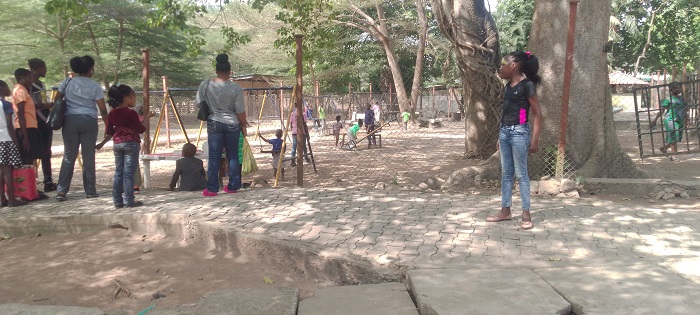
Fun seekers in Ibadan defy the harmattan and economic situation in the country and stormed recreation centres with their loved ones.

Radio Nigeria correspondents, who monitored the situation, report that as some fun seekers were moving around enjoying themselves, others were using the occasion for picnics.

During a visit to the Zoological Garden, the University of Ibadan, fun seekers including parents, and couples were trooping into the garden with their loved ones.

Those who came to the garden for the first time were being conducted around various cages housing wildlife, birds and reptiles.

 The situation was not different at Agodi Garden where fun seekers in large numbers visited the garden to relax and chat with their relations and friends.

 At the Trans Amusement Park, Bodija, fun seekers were using the occasion to hold picnics while others were patronizing facilities at the park.

Some children, who spoke with Radio Nigeria shared their experiences on what they saw at the gardens and park

Some parents, Mr Adeola Adebayo, Adekunle Adebayo and Abayomi Olayiwola said they decided to visit the parks and gardens to relieve themselves of stress.

The parents appealed to the government to urgently address the current inflationary trend affecting Nigerians.

Fasilat Lawal and Rotimi Famakin 

Subscribe to our Telegram and YouTubeChannels also join our Whatsapp Update Group

Lifestyle

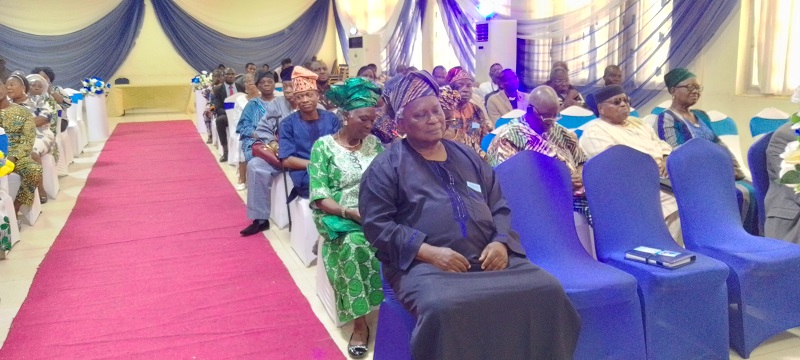
The need to urgently address the numerous socioeconomic and political challenges confronting Nigeria took the centre stage at a book launch held at the International Conference Centre University of Ibadan.

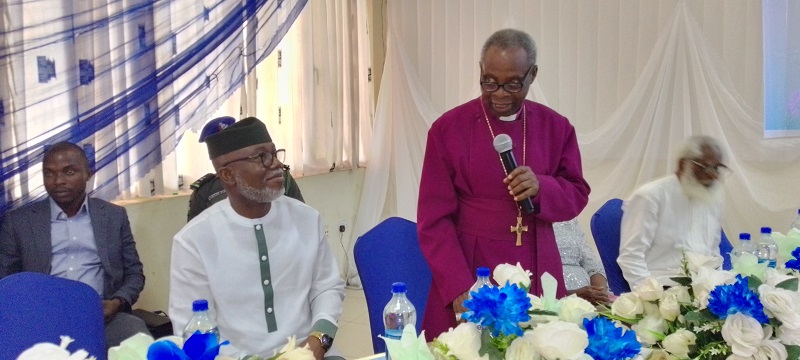
The book titled: “Time for Amendment of Life” authored by Emeritus Bishop Matthew Owadayo, attracted clerics from Anglican Communion.

The 25 chapters book with 186 pages had the first six chapters x-rayed the sad state of Israel, and its travails amidst leadership challenge vis a vis Nigeria’s fundamental challenges from independence till date.

Addressing the gathering, the special guest on the occasion, who is also the Ondo State Governor, Arakunrin Rotimi Akeredolu represented by his Deputy, Mr Lucky Ayedatiwa noted that it was the responsibility of the political institution to ensure the security of the lives and property of its citizens.

Governor Akeredolu said the priority accorded to the life of citizens by his administration was evident in the Amotekun Security Network put in place by the state governor.

Speaking on the title of the book: ” Time For Amendment of Life”,  the author of the book, Emeritus Bishop Matthew Owadayo said kidnap for ransom and sales of human body parts had become norms rather than exceptions.

The author said Nigeria would not experience the desired change if corruption persisted.

Born in Ifira-Akoko, Nigeria in 1939 Bishop Matthew Oluremi Owadayo was the former Dean of Immanuel College of Theology, Ibadan.

In December 1994, he was elected Bishop of the Diocese of Egba, Ogun State.

The book:” Time for Amendment of Life” was a special series given as a message for the nation.

Rotimi Famakin 

Subscribe to our Telegram Channel and join our Whatsapp Update Group

Education

The Senate of the University of Ibadan at a Special Meeting on Monday 17 October, 2022 approved that academic activities should resume in the University effective Monday, 24 October, 2022 for the continuation of the 2021/2022 session.

Consequently, Halls of Residence would be opened from Sunday, 23 October, 2022.

On behalf of Council and Senate of the University, we wish our students journey mercies as they return to the campus.

Thank you.

Olubunmi O. Faluyi, MCIPM
Registrar and Secretary to Council

Subscribe to our Telegram Channel and join our Whatsapp Update Group

Lifestyle

Life begins at forty, so captured the title of American author Walter B. Pitkin’s self-help book in 1932.

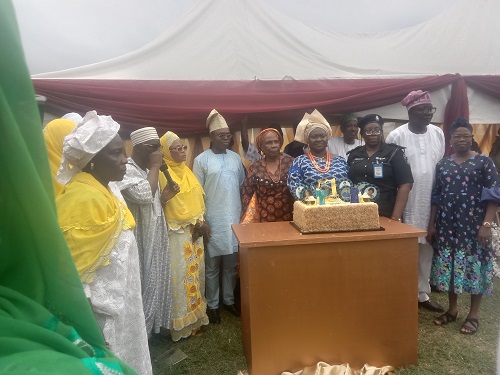
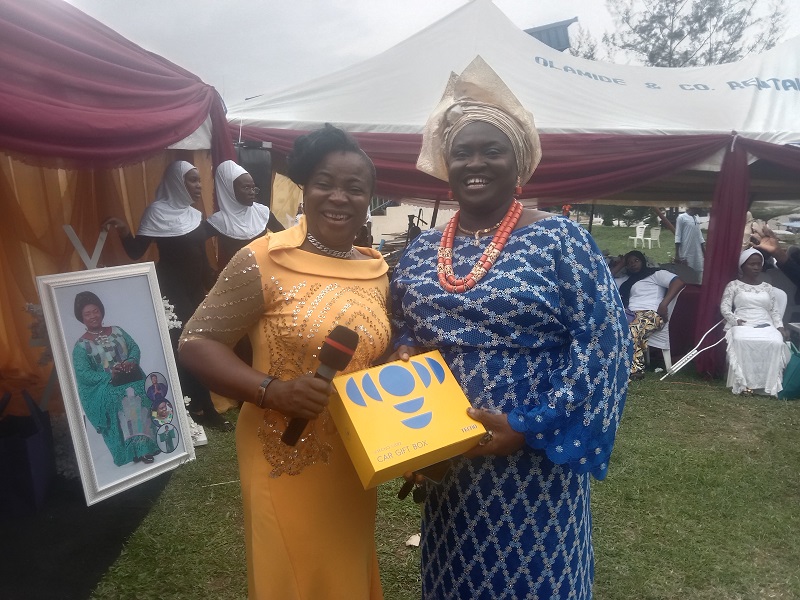
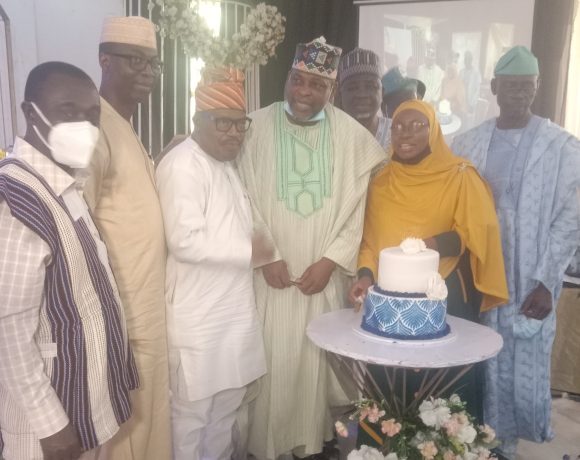
Ambassador Romoke Ayinde, the Iyalaje Adinni of Oyo State, a philanthropist of repute has been living that life to the full in the past eleven years.

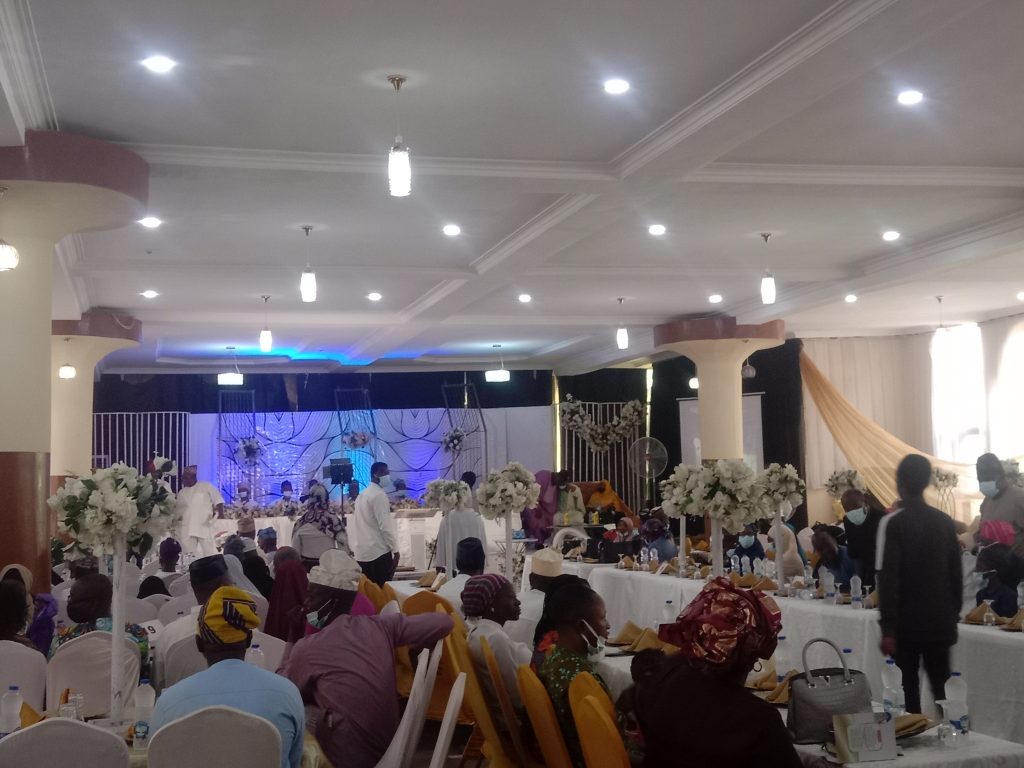
Thus when she marked her 51st Birthday in Ibadan on Tuesday; it was in grand style, with a gathering of who and who at Lead City Pavilion, Lead City University Ibadan.

Guests at the event included the Chief Imam of Oluyole Central Mosque and its environs, Alhaji Mudashiru Bada,  Alhaji Akeugbagold, Councils of Imam of Ibadan land, representatives of the Olubadan of Ibadan.

In a remark, Chief Imam of Ibadan land, Alhaji Abdulbakrri Agbotomokekere, said the occasion was a fitting expression of gratitude to God for the gift of life.

Chief Imam of Bodija, who is also a retired lecturer at the University of Ibadan, Professor Kamilu Olosho described the celebrant as a woman, who had a great passion for making a change in society.

Professor Kamilu noted that assisting the less privileged in society was what all well-meaning Nigerians should embrace.

A visibly elated Ambassador Romoke Ayinde, decked in vibrant attire, while expressing appreciation to God for notching 51 years, was full of gratitude to guests who took their time off to grace the occasion.

Lilian Ibomor

Subscribe to our Telegram Channel and join our Whatsapp Update Group

Education

Some students and business operators at the University of Ibadan have reacted to the eight monthly strikes suspended by the University striking lecturers.

A Master Student of Microbiology, Ridwan Adeagbo, 500 Level Student of Crop Protection and Environmental Biology, Dorcas Kayode and a 600 Level student of Veterinary Medicine, Joshua Akinniyi said the strike should have been called off rather than being suspended.

The students, who said they were ready for academic work, however, lamented the delay, saying they were not morally and mentally motivated for academic stress as their academic calendars had been affected.

Two business operators in the institution, Mr Christian John and Segun Oke said the suspension of the strike represented the restoration of their business activities.

They urged the government to urgently do the needful to forestall a repeat of the strike by the lecturers.

When contacted, the Chairman, the Senior Staff Association of Nigerian Universities, SSANU, U.I Chapter, Mr Abiodun Omisore said the union had some local issues yet to be resolved.

Mr Omisore added that his members would join their counterparts in the academia, the moment lingering issues affecting SSANU are resolved.

Radio Nigeria however, observed that none of the ASUU executive members in the University was on the ground for an interview.

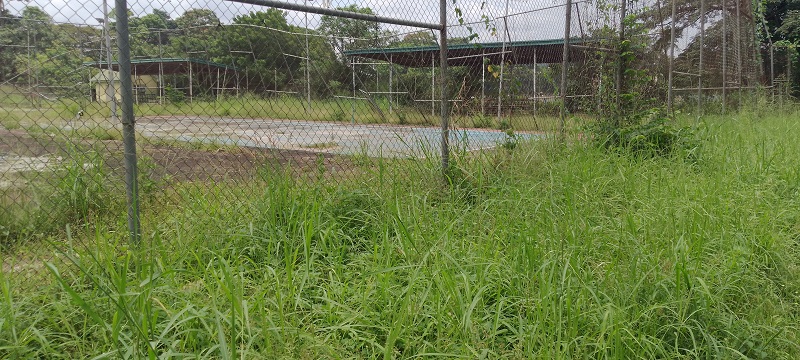
Aside from classrooms that were still under lock, students’ halls of residence were empty while grown bushes were visible in and around the campus.

Rotimi Famakin

Subscribe to our Telegram Channel and join our Whatsapp Update Group

Education

Nigerians have been baring their mind on the assurance by the Speaker, the Federal House of Representatives, Mr Femi Gbajabiamila and the National President, the Academic Staff Union of Universities, ASUU that the lingering strike would come to an end within days.

The assurance followed recent intervention by the Lower Chamber on the crises and unresolved judicial involvement in the conflict.

Reacting to the statements, some residents of Ibadan, including Mr Isiaq Abdulkabiru described the position of the two bodies as a welcome development.

They appealed to ASUU and the Federal Government to consider the plights of students and restore the dead academic activities on the nation’s campuses.

Meanwhile, the ASUU Chairman, University of Ibadan Chapter, Professor Ayoola Akinwole, in an interview with newsmen in Ibadan, has described the general opinion on the Union’s plans to call off the eight months strike as mere speculation.

Professor Akinwole said ASUU members were awaiting the outcome of the National Executive Council’s meeting before any decision could be taken at the branch level.

The ASUU strike which commenced on 14th February this year marks eight months old this Friday 14th October 2022. 

Rotimi Famakin

Subscribe to our Telegram Channel and join our Whatsapp Update Group

Religion

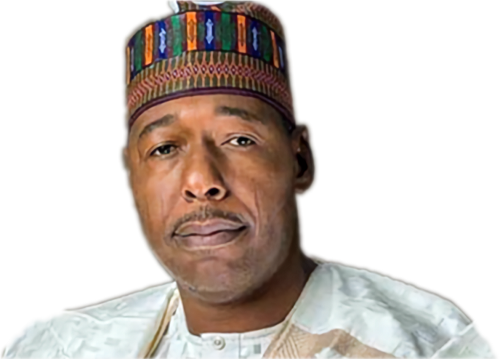
Governor of Borno State, Professor Babagana Zulum will be in Ibadan on Sunday, 18th September as the lead speaker at the 11th annual symposium of Muslim Students’ Society of Nigeria,  MSSN, B- Zone.

Professor Zulum will be speaking on the theme of the symposium “The Nation’s Destiny” which holds at the International Conference Centre, University of Ibadan.

Professor Afiz Oladosu of the Department of Arabic and Islamic Studies,  University of Ibadan is the first guest discussant on the topic  “Redefining Nigeria’s Destiny through Credible Poll” while another guest discussant and a Senior Advocate of Nigeria,  Dr Muiz  Banire’s focus is on “Ethno-religious agitation & imperative of inclusiveness”.

In a statement issued in Ibadan by the Chairman,  Media and Publicity Committee of the symposium,  Alhaji Ridwan Fasasi,  the Chairman of the occasion is the former Governor of Ogun State, Senator Ibikunle Amosun, the Distinguished Guest of Honour is Governor Seyi Makinde of Oyo State while the father of the day is Aare Musulumi of Yorubaland,  Edo and Delta,  Alhaji Dawud Akinola.

Other guests include the Royal Father of the day, the Olubadan of Ibadanland, Oba Lekan Balogun,  the spiritual father is Chief Imam of Ibadanland,  Shaikh  AbdGaniy Agbotomokekere , while the mother of the day is Iyaloja of Ibadanland,  Alhaja Iswat Ameringun.

 Mallam Uthman Abubakar, National Amir, MSSN is the special guest of honour, the MSSN B-Zonal Amir, Barrister Qaasim Odedeji is the Chief host while the Amir, MSSN, Oyo State Area Unit, Engr Abdulkabir  Al’Yakeen is the host.

According to the Chairman, Local Organising Committee, Mallam Shakirullah Adedoja, the annual symposium is aimed at addressing issues of national interest with a view to bringing about a better Nigeria.

The annual symposium which began in Lagos in 2012  with the theme ” Insecurity in Nigeria: Myth,  Reality and Panacea” has been held in different States in the Southern part of the country.

Some of the States include Ogun,  Osun, Ondo,  Ekiti and Edo.

The 10th edition of the programme was held last year at Olusegun Obasanjo Presidential Library,  Abeokuta with the theme” Saving a Nation on the Precipe “.

The 11th edition holding at the International Conference Centre, the University of Ibadan on the 18th of this month starting from 10 am has a feature of a pre-registration tagged ” Get yourself a seat”.

The registration according to the Chairman, Planning Committee,  Alhaji Mushafar Alaran would give the online registered participants the opportunity of getting seat tags and symposium materials earlier while those who will engage in physical registration will have to face the rigour of the exercise at the venue.

The link for the online registration is

bit.ly/mssnsymposium while not less than 2,000 participants have booked their spaces through the pre-symposium registration. 

Apart from students, others from all walks of life are expected to participate in the epoch-making symposium while those who might not be available will have the luxury of joining through a virtual platform. 

Rilwan Fasasi

Economy

Director, Centre for Entrepreneurship and Innovation, University of Ibadan, Professor Oyeduni Arulogun has called for the full implementation of business-friendly policies that will encourage entrepreneurship among Nigerian youths.

Professor Arulogun made the call while featuring on Straight Talk, an interview programme on Premier 93.5FM.

She said many bottlenecks confronting entrepreneurs in the country could be surmounted if favourable business policies that would create enabling environment are implemented.

Professor Arulogun said there should be a solid reward system for whoever has skills, entrepreneurship and vocational mindsets to encourage more people into the initiative.

She also recommended the introduction of entrepreneurship and vocational skills in the nation’s curriculum, especially in nursery and primary schools.

The university lecturer advised prospective entrepreneurs to go about with a conscious and positive mindset of breaking untapped opportunities in their environments and the country at large.

While speaking on the importance of mentorship in business, Professor Arulogun urged entrepreneurs to always show a willingness to be mentored, which she said would help them learn the process and get the necessary networks for sponsors.

Mosope Kehinde

Lifestyle

A foremost Historian, Broadcaster and University Lecturer, Professor Timothy Adedeji Awoniyi is dead

He was the first professor of Early Childhood/Mother Tongue Education at the University of Ibadan

Pa Awoniyi died on Sunday, according to an announcement by the University of Ibadan Staff Club and which was corroborated by the Zonal Director of the FRCN, Ibadan Zonal Station, Mrs Bolatito Joseph.

Born on July 7, 1939, in Ila Orangun, Osun State the prolific writer and public analyst was a chairman, Governing Council, College Of Education, Ila Orangun, member of Governing Council, Ladoke Akintola University Ogbomoso, a former member of Board of Directors BCOS, among others.

Meanwhile, the Nigeria Union of Journalists (NUJ) Oyo State Council on Sunday mourned the passage of the foremost Historian.

In a statement, the NUJ Chairman, Ademola Babalola admonished the family to rejoice because their patriarch left indelible marks on the sand of time.

The deceased, according to the immediate past Senior Assistant National Secretary of NUJ, Mr. Gbemiga Bamidele, was an intellectual giant and encyclopedia of Yoruba cultural norms and history.

Bamidele said he started listening to the deceased programmes on the then Radio OYO and WNTV in the early seventies! “May Baba find solace in the bosom of his creator. Amen,” he said.

The Zonal Director, Radio Nigeria, Ibadan, Mrs Bolatito Joseph said Baba also known as Eri Okan was until his death the Asiwaju Agbakin of Ede.

Mrs Joseph hinted that before his demise, he was a retired professor in Early Childhood Education at the University of Ibadan.

The deceased who was aged 82 years, is survived by his wife, children and grandchildren.

Burial arrangements will be announced later by the family.

PR/Sola Agboola

Religion

For society to emerge out of the descent into degeneracy, religious leaders must teach adherents the essence of a righteous lifestyle and submission to God.

This was the submission of a guest lecturer, Professor Mahfouz Adedimeji at the 29th annual Ramadan lecture organized by the University of Ibadan Muslim Community.

Professor Adedimeji explained that if righteousness, peace and love were implemented in daily lives, the world would be a beautiful place for everyone.

He noted that the prevalence of moral decadence in the society which had resulted in all forms of atrocities had made life extremely difficult for humans.

Professor Adedimeji, however, advised members of the public and world leaders to retrace their steps back to the teachings of God and total submission to the will of God.

He further called on religious leaders to do more in teaching their followers the essence of love as exemplified by Prophet Muhammed.

Earlier in an address, the chairman on the occasion, a former governorship aspirant in Oyo State, Dr Yunus Akintunde said there was the need for people to give value to life more than worldly affairs.

Also speaking, the President University of Ibadan Muslim Community, Professor Musiliu Onilude encouraged Muslims to always be an ambassador of peace.

Dignitaries present at the event included the wife of Oyo State Deputy Governor, Professor Hamdalat Olaniyan, Oyo State Commissioner for Budget and Economy Planning, Professor Musbaudeen Babatunde and a recipient of an order of British Empire Award, Professor Daud Noibi among others.

 Tawakalit Ibrahim

Education

The management of the University of Ibadan has  ordered students to vacate the halls of residence with immediate effect.

The development is consequent upon the extention in the ongoing strike by the Academic Staff Union Of Universities, ASUU.

In a statement, the Registrar of the institution Olubunmi Faluyi, said there was no need  for students to stay on campus since  the strike had  been extended by eight  weeks.

The statement however exempted  from the vacation notice,Postgraduate students who had paid their fees and undergraduate students who were on industrial attachment or practical training.

It advised such students to visit the Office of the Dean of Students for accommodation arrangement.

Abisola Oluremi

Lifestyle

Stakeholders in the education sector have stressed the need to pay proper attention to the education of the girl-child.

They stated this at a lecture to mark the elevation of a lecturer at the University of Ibadan, Morufat Balogun, to the rank of Professor of Genetics in Ibadan.

One of them who is a lecturer at the Lagos State University, LASU, Dr Khadijat Shobowale who said education was pivotal to any nation’s development, noted that there have been societal and cultural inhibitions to the education of the girl-child.

In another presentation, Professor Afis Oladosu of the University of Ibadan said gone are the days when women were relegated to the background, hence the need to invest in them.

Chairman on the occasion, who is also the Registrar, Joint Admission and Matriculation Board, JAMB, Professor Ishaq Oloyede said it was important to educate the girl-child to enable her to attain the best positions in life.

A cross-section of people who gathered to celebrate Professor Morufat Balogun

The wife of the Deputy Governor of Oyo State, Professor Hamdalat Olaniyan described Professor Balogun as a woman of substance and with a large heart.

Husband of the celebrant who is currently the spokesperson of Nigerians in Diaspora Commission, NIDCOM said couples need to be supportive of each other to achieve the best in life.

The celebrant, Professor Morufat Balogun while appreciating the guests urged them to be supportive of their family members in all their endeavours in life.

The event was attended by family, friends, and stakeholders in the education sector.

Lilian Ibomor

Education

Oludayo Tade, a criminologist and sociologist who teaches at the University of Ibadan, has won the 2021 Science Communication Award.

A statement on Wednesday in Ibadan said the Conversation Africa, a research-based communication outfit based in South Africa, presented the award.

The award is the Conversation Africa’s second annual West Africa Science Communication Awards, an event that honours researchers and partner universities based on the number of contributions and readership generated by their research.

Mr Tade, who had won the inaugural award in 2020 for making the highest contributions to science communications, also retained the same position in 2021.

In the statement, Adejuwon Soyinka, the West Africa regional editor of Conversation Africa, explained that the organisation was already in partnership with 73 institutions.

Mr Soyinka added that the organisation had embarked on training to ensure that research findings are communicated to policy actors and non-academic audiences to impact society beyond the academic community.

“Our mission is to mainstream the voices of scientists and support science communication activities. We do this by working with academics and researchers, who themselves write and provide fact/evidence/research-based analytical articles on various societal issues and articles about their research findings as well,” said Mr Soyinka.

Also, the duo of Feyisitan Ijimakinwa and Janet Ogundairo won the most read article from the University of Ibadan.

The statement further disclosed that Lanre Ikuteyijo and Akin Akinyemi of the Obafemi Awolowo University, Ile-Ife in Osun, were awarded the most contribution and most-read piece, respectively.

Scholars from the University of Lagos, Federal University Oye-Ekiti, University of Ghana Legon and the University of Cape Coast were also awarded.

Peoples Gazette

Culture

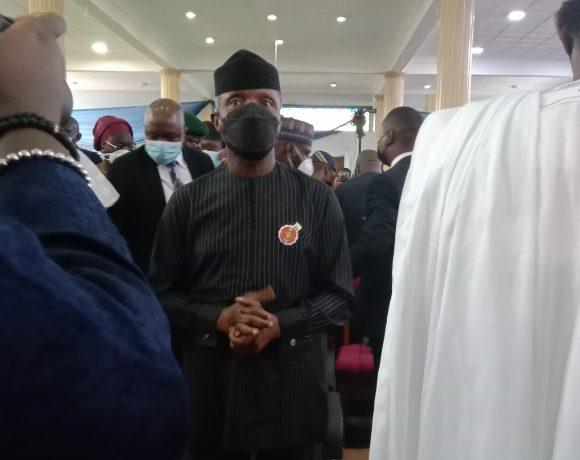
Nigeria’s Vice President, Professor Yemi Osinbajo, the Alaafin of Oyo, Oba Lamidi Adeyemi are among the dignitaries at the launch of Yoruba World Centre ongoing at the University of Ibadan. 

Radio Nigeria Correspondent who is at the venue of the ceremony also reports that the Deputy Governors of Oyo, Ondo and Ogun States, as well as prominent Yoruba sons and daughters, are also in attendance. 

Alaafin of Oyo, Oba Lamidi Adeyemi at the launch of Yoruba World Centre, University of Ibadan

When completed, the Yoruba World Centre will have a standard library, an archive, a museum, a recreation, reconstruction and digital centre, a broadcasting and film village, and an artificial zoo.

More details later…

Lilian Ibomor

Education

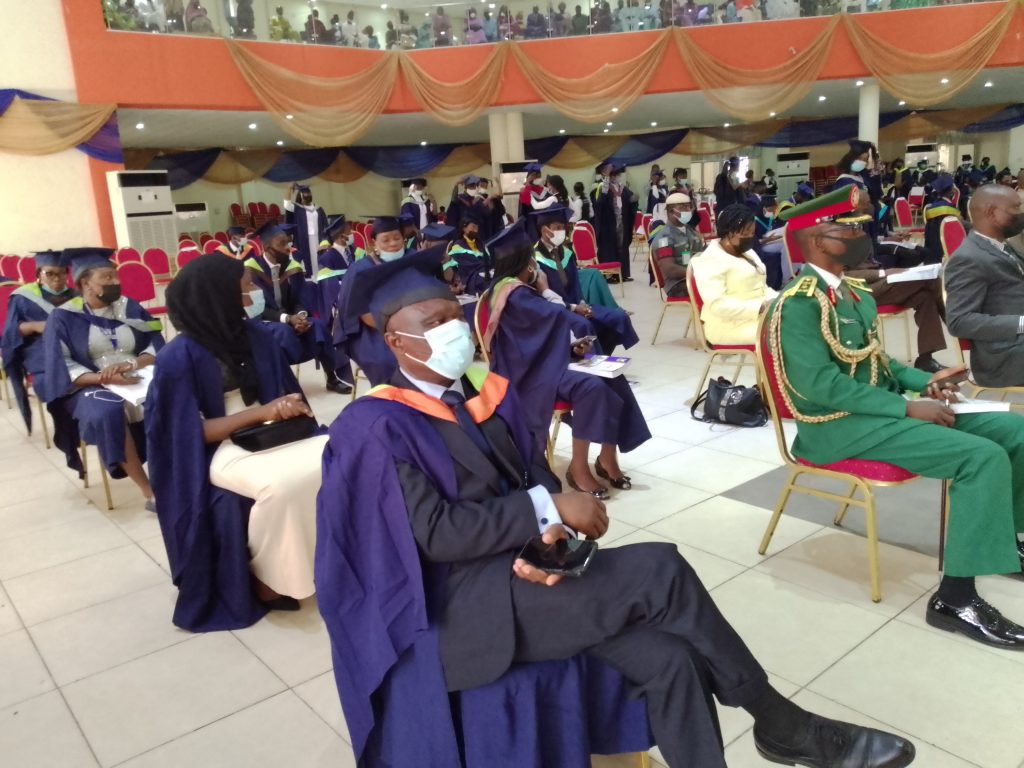
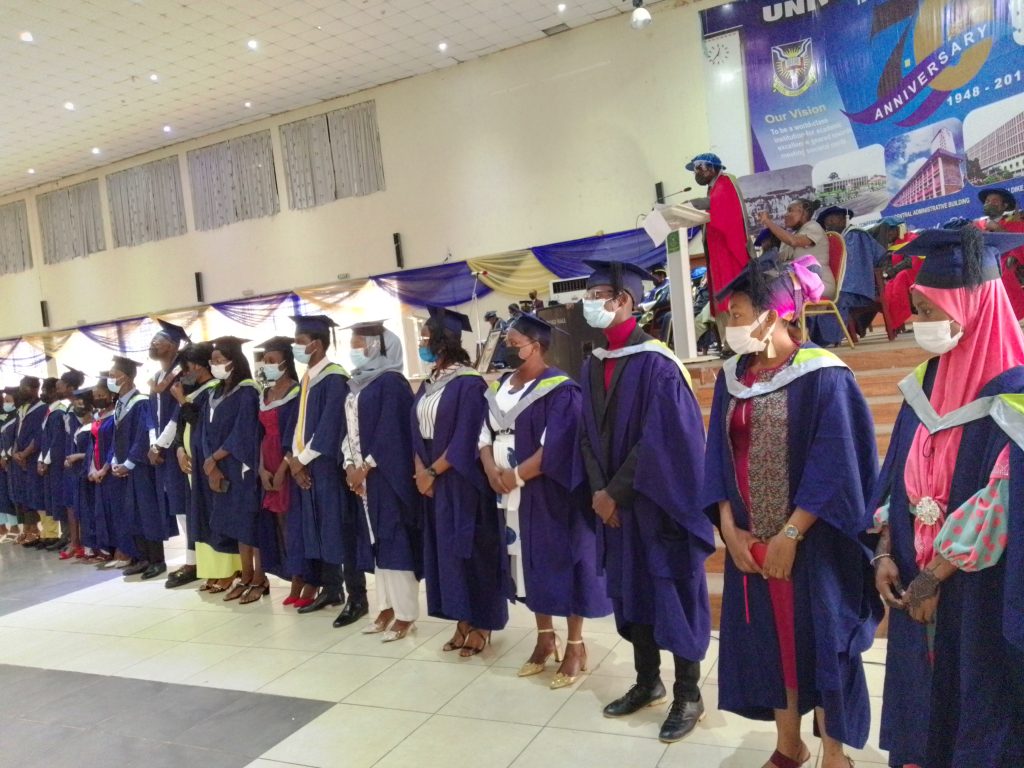
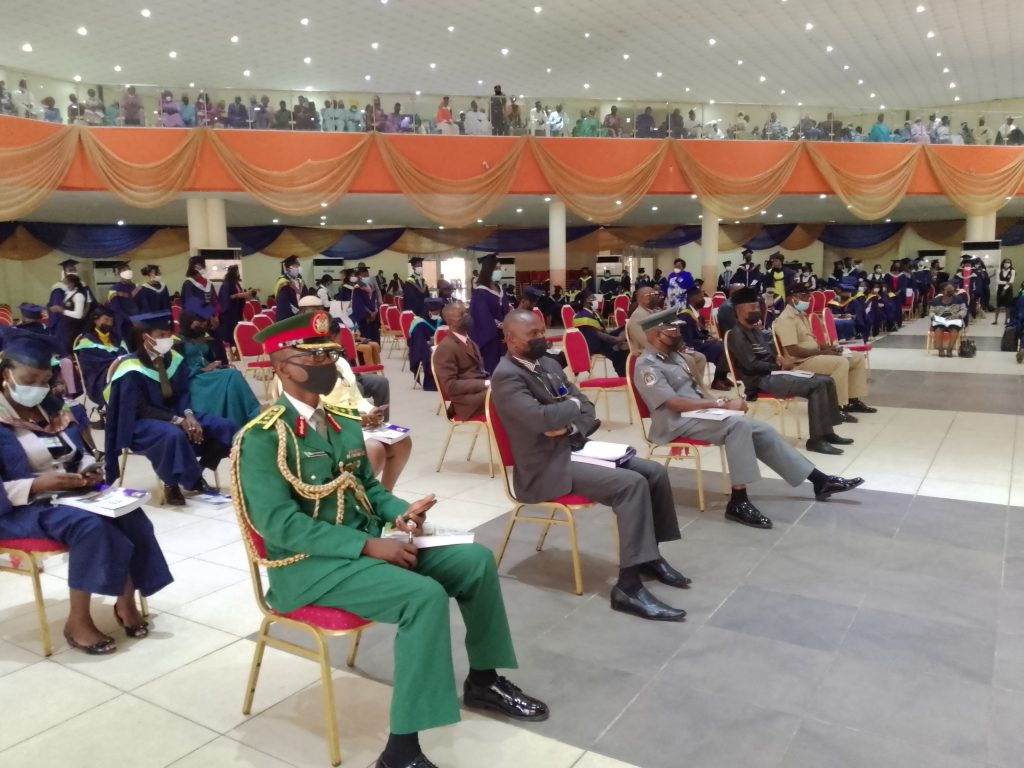
A total of 8,451 students have graduated in the 2018/2019 academic session of the University of Ibadan.

Out of the figure, 265 students graduated with first-class honours while 2,160 graduated with second class honours in the upper-division.

4,670 bagged second class lower while 1,069 had third class and pass.

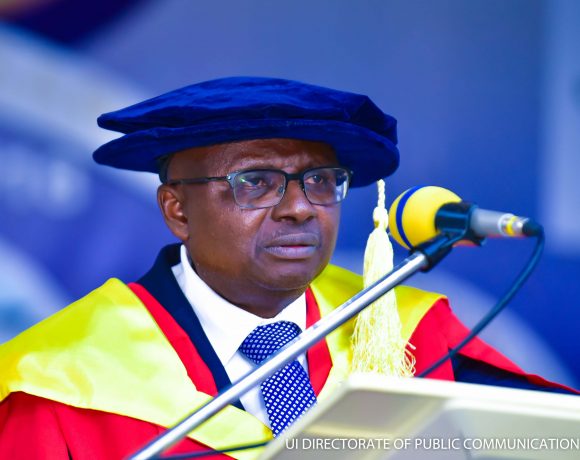
Addressing the graduands, the Vice-Chancellor, University of Ibadan, Professor Kayode Adebowale said the graduating students had demonstrated diligence in the course of their studies at the university.

Professor Adebowale who urged the students to be good ambassadors of the institution encouraged the students to contribute to the socio-economic development of the society.

The Vice-Chancellor added that the convocation held for first-class students on behalf of other graduating students was meant to curtail the spread of Covid-19.

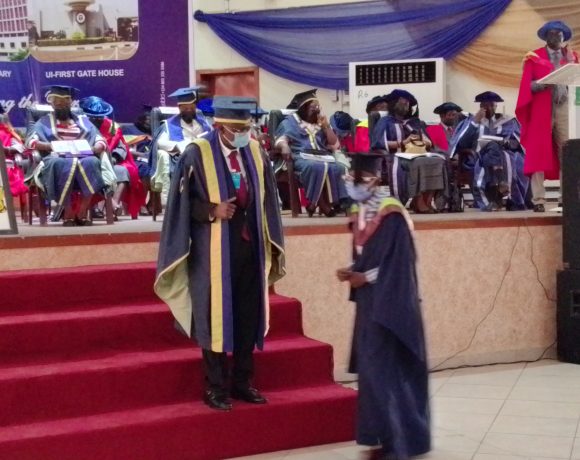
The event held at the International Conference Centre saw the first class students dressed in academic gowns while each of them was made to receive a special congratulatory greeting from the Vice-Chancellor.

Our correspondent observed that each of the faculty best graduating students took a photograph with the Vice-Chancellor.

The convocation continues on Tuesday with the convocation of masters students.

Rotimi Famakin

Security

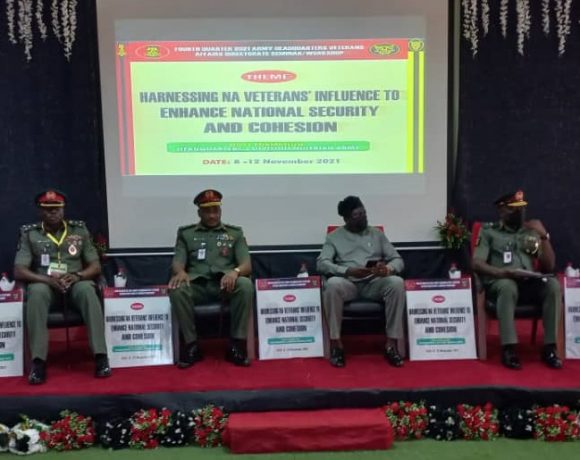
Chief of Army Staff, Lieutenant General Farouk Yahaya says the military is working towards a professional Nigerian Army that will accomplish its mission of defending the country. 

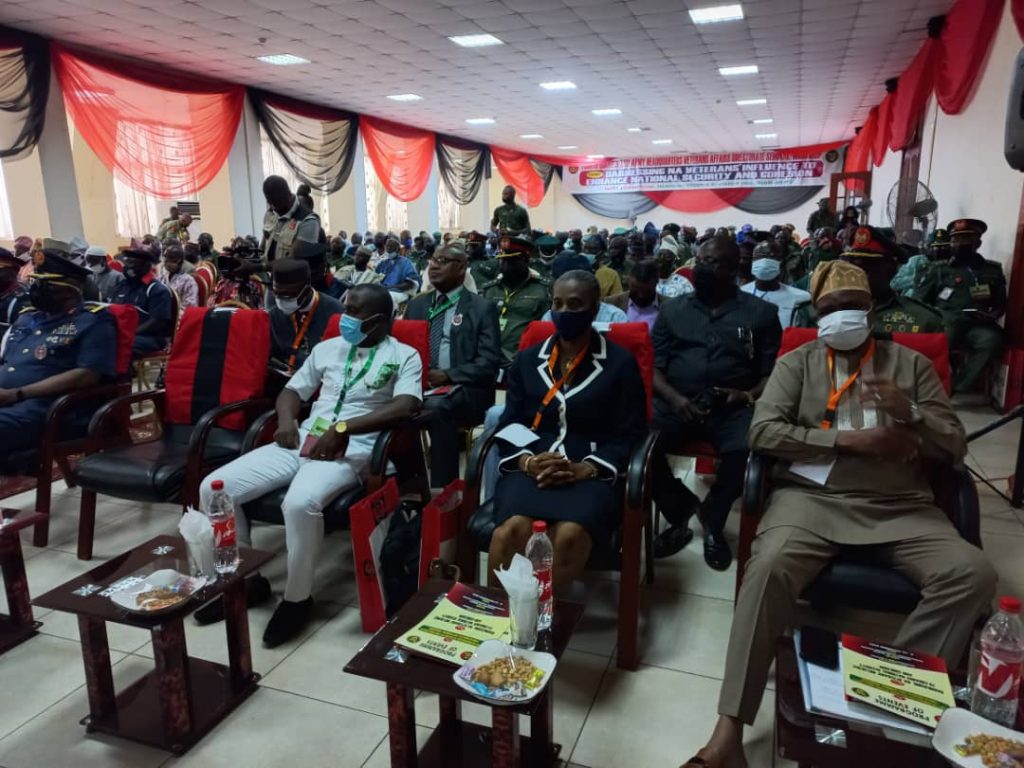
Lieutenant General Yahaya stated this at the 2021 Army Headquarters 4th quarter Seminar, held at the International Conference Centre, University of Ibadan, Oyo State. 

Lieutenant General Yahaya who spoke through Chief of Administration Army, Major General Usman Muhammed, said the workshop was aimed at providing a forum for officers to tap from the wealth of experience of veterans in support of operations aimed at ensuring national security. 

He noted that through the combined efforts of veterans, servicemen and the civil populace, the army can overcome the temporal security challenges in the country. 

Lieutenant General Yahaya, therefore, enjoined the participants to use the opportunity to rekindle their efforts at making use of the experiences acquired over the years. 

General Officer Commanding, GOC, 2 Division Nigerian Army, Ibadan, Major General Gold Ndubuisi said the participants were drawn from the southwest of the country in other to tap from their wealth of experiences at tackling insecurity bedevilling the nation. 

He noted that the workshop was designed to gather support from the veterans in addition to engendering national cohesion in the communities across the country. 

Major General Ndubuisi stated further that the workshop became imperative as a follow-up on the issues raised in the 2nd quarter edition of the veterans’ seminar on national security challenges. 

Declaring the 5-day workshop open, Governor Seyi Makinde of Oyo State said, the skill of the retired military officers needed to be harnessed to further enhance a solid and secured nation.

Governor Makinde represented by the Chief of Staff, Mr. Segun Ogunwuyi noted that the workshop was apt at the moment, considering the diversity of security challenges facing the country. 

The 5-day workshop with the theme “Harnessing Nigerian Army Veterans’ Influence to Enhance National Security and Cohesion” also had in attendance representatives of other security agencies. 

Rasheedah Makinde

Education

Professors E.O Ayoola, Aderonke Baiyeroju and Oluyemisi Bamgbose have emerged new deputy vice-chancellors at the University of Ibadan.

While Professor Ayoola will be in charge of administration, professor Baiyeroju will be charge of academics professor Bamgbose, a senior advocate of Nigeria, will be in charge of research, innovation and strategic partnership.

Six professors nominated by the new  vice-chancellor of the institution, Professor Kayode Adebowale competed for the position out of which three emerged.

Professor Ayoola, is came from mathematics department faculty of science,  while Professors Aderonke M. Baiyeroju, is from the department of ophthalmology, faculty of clinical sciences, college of medicine was nomited for DVC academics.

A senior advocate of Nigeria, SAN, Professor Oluyemisi Bamgbose, came from the department of public law, faculty of law.

Their nomination came to the fore after keen competition and screening by the Senate.

Rotimi Famakin

Education

The newly appointed Vice-Chancellor of the University of Ibadan, Professor Kayode Adebowale has pledged to prioritize the welfare of the staff of the institution.

Professor Adebowale stated this during his inauguration and thanksgiving service held at the Chapel of the Resurrection to mark his resumption of office as the Vice-Chancellor.

Professor Adebowale said the service was organized not only to acknowledge the supremacy of God and disapprove scientific evidence but to seek divine leading as he assumes office.

The 13th U.I Vice-chancellor who said he was not the best candidate for the job, however, called for collaboration of the stakeholders to achieve the mandate of the institution.

Earlier in a sermon entitled, “By strength shall no man prevail”, the Chaplain of the church, The Very Reverend Dr. Kayode Oyelade lamented the fallen academic standard of the institution as well as the inhumane and deceptive attitude that people manifested in the race for the office of the Vice-Chancellor.

The Very Reverend Dr. Oyelade who appealed for peace and support of the University community to enable the Vice-Chancellor to actualize the goal of the university urged the new Vice-Chancellor to eschew vengeance and be closer to God during and after his tenure.

Speaking on his expectation from the new Vice-Chancellor, the immediate past Vice-Chancellor of the university, Professor Idowu Olayinka noted that Professor Adebowale had an in-depth understanding of the university community urged him to build on the existing structures he left behind.

Highpoint of the event included special prayer for Nigeria, the university, and the new Vice Chancellor.

Rotimi Famakin

Education

UNIVERSITY OF IBADAN, IBADAN

4447 Special Release 15 October 2021

APPOINTMENT OF THE 13TH VICE-CHANCELLOR: PROFESSOR KAYODE OYEBODE ADEBOWALE 

The Governing Council of the University of Ibadan has approved the appointment of Professor Kayode Oyebode Adebowale as the 13th Vice-Chancellor with effect from 01 November 2021. 

Professor Adebowale was born on 11 January 1962 in Ibadan. He hails from Laniisa Compound, Ita Okoro, Isale Ijebu, Ibadan, Oyo State, Nigeria. 

A proud alumnus of the University of Ibadan, he completed his B.Sc in Chemistry in 1984; M.Sc in Industrial Chemistry in 1986, and Ph.D in 1991. 

The new Vice-Chancellor began his academic career at the Federal University of Technology, Akure (FUTA) in October 1991, as a Lecturer Grade II. He returned to the University of Ibadan in 1999 as a Senior Lecturer and rose through the ranks to become a Professor in October 2006. He had post-doctoral experience in Germany and Italy. 

His cognate administrative experience includes: Dean, Faculty of Science, 2009-2011; Director Special Duties Office of the Vice-Chancellor, 2015-2017 and two-term Deputy Vice-Chancellor (Administration), 2018 to date. 

He has supervised many B.Sc and M.Sc projects and 16 doctoral students many of whom are Professors in Nigerian Universities and abroad. He has published over 140 peer-reviewed articles in peer-reviewed national and international journals with *one Patent* to his credit.

Professor Adebowale has served as a reviewer to Journal of Hazardous Materials, Chemistry, and Ecology, African Journal of Biotechnology, Journal of Environmental Management, Food Research International, Journal of Food Composition and Analysis, Thermochimica Acta, Biochemical Engineering, Carbohydrate Polymers, Food Research International, International Journal of Biological Macromolecules, and European Journal of Food Research. 

His research areas include: Production, optimisation, and improvement of the yield of ethanol and citric acid from the fermentation media; Thermo-catalytic conversion of wastes and biomass into useful industrial feedstocks; Composition and possible industrial utilisation of seeds, seed oils as industrial raw materials; Rheological and baking properties of non-wheat flours; Physicochemical, functional properties and retrogradation behaviour of native and modified starches and protein concentrate of underutilized legumes and cereals; Synthesis, the kinetics of production characterisation of oil-modified alkyd resin; Kinetic and thermodynamic studies of the adsorption of metals and organic materials on kaolinite clay and Fuzzy logic modeling of environmental compartments. 

He received the International Foundation for Science (IFS) Grant amounting to 12,000 US Dollars, 2002; the African Union Kwame Nkrumah Continental Scientific Award for Science, Technology, and Innovation in the sum of 100,000 US Dollars, 2014 and Lead Researcher of the Alexander von Humboldt Humboldt Kolleg Regional and Expert Conference on “Climate Change and Sustainable Development: Cultural and Techno-Environmental Responses in West Africa”, worth EUR 27,000.00, among others. 

As a researcher on SCOPUS, he has been cited 3,227 times in 2,494 articles with an h-index of 36. 

On Google scholar, he has been cited 6,922 times in 3,812 articles with an i10 index of 80 and an H-index of 43.

He is a Fellow of the following learned societies: Science Association of Nigeria; Chemical Society of Nigeria; Polymer Institute of Nigeria; and the Nigerian Academy of Science. 

Outside the shores of the country, he is a Fellow Royal Society of Chemistry (UK); African Academy of Science (Kenya), and Alexander von Humboldt (Germany). 

He attended the Senior Executive Course (SEC) 39, 2017 of the National Institute for Policy and Strategic Studies (NIPSS), Kuru, Jos, leading to the award of mni. 

He is happily married with three children.

The new Vice-Chancellor succeeds Professor Abel Idowu Olayinka, whose tenure ended on November 30, 2020.

Olubunmi O. Faluyi, MCIPM

Registrar and Secretary to Council

Health

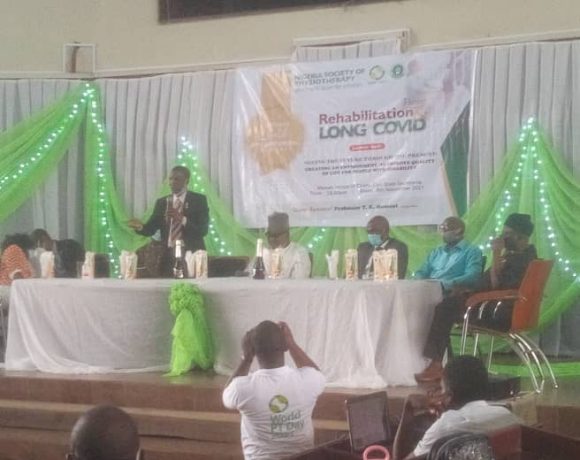
Government at all levels and members of the public have been advised to create conducive environment for people with physical impairments to allow them to live meaningful lives.

A don in the department of Physiotherapy, College of Medicine, University of Ibadan, Professor Kolapo Hamzat, gave the advise while delivering a keynote address at an event marking this year’s Physiotherapy Day.

Professor Hamzat said the call became necessary for everyone to prepare for any eventuality that might in the future lead to disability, especially impairment associated with old age.

While speaking on the topic, “Creating an environment to improve quality of Life For People With Disabilities”, Professor Hamzat said everyone that wish long life would become permanently disabled at some point in life, hence the need to prepare for the future.

The don who highlighted some of the effects of Covid-19 on its survivors to include partial memory loss and difficulty in mobility due to fatigue, said physiotherapists have been trained to help the survivors cope.

Also speaking, Oyo State Commissioner for Health, Dr. Bashir Bello who highlighted the importance of physiotherapists in human health, said the state was planning to establish a physiotherapy unit in all its hospitals across the state.

Early in an address, Oyo State chairperson, Nigeria Society of Physiotherapy, Dr. Olubukola Olaleye said the World Physiotherapy Day which is celebrated on the eighth of September every year, was to raise awareness on the impact of the profession on the medical system.

The programme was attended by physiotherapists across the state, political office holders and students of Command Secondary School, Mokola, Ibadan.

Mosope Kehinde

Lifestyle

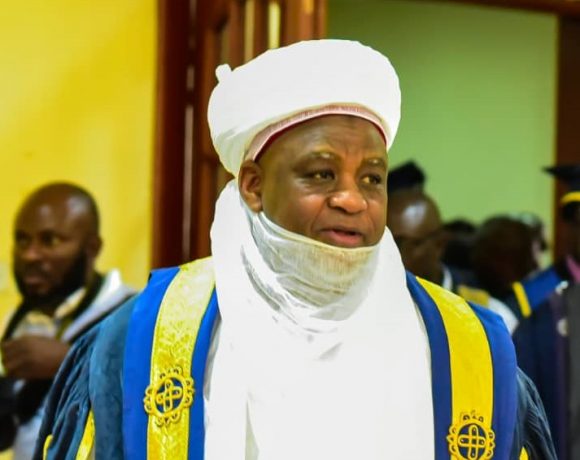
The Acting Vice-Chancellor, University of Ibadan, UI, Professor Adebola Babatunde Ekanola, has congratulated His Eminence, the Sultan of Sokoto and Chancellor, University of Ibadan, Alhaji Muhammad Sa’ad Abubakar III, on his memorable 65th birthday.

In a statement by the University’s Director of Public Communication, Mr. Olatunji Oladejo, the Acting VC described the leader of the Ummah in Nigeria and Co-Chairman of Nigeria’s Inter-Religious Council as a diligent, selfless, peaceful, friendly, amicable, thoughtful leader and father who continues to use his royal position, not for any personal gain, but for service to the Almighty God and humanity.

Professor Ekanola said the chancellor’s leadership in the University of Ibadan is admirable, sterling and continues to guarantee a continuing relationship between him and the premier institution in Nigeria.

The Ag.VC affirmed further that “the efforts His Eminence put forth to deliver high-quality benefaction to the University is commendable”.

“The entire University of Ibadan community values His Eminence and all he does for our institutional progress.” 

“The dedication and hard work of His Eminence in peace advocacy and conflicts resolution, and his ability to take every task with utmost sincerity is very impressive and highly inspirational to many. He is indeed a worthy national leader and father.”

“The University of Ibadan is blessed to have His Eminence as its leader at this critical period in the life of our University.”

Prof. Ekanola noted that the Chancellor’s record of service and influence in the university and Nigeria remains strong and enduring.

“On behalf of Council, Senate, Congregation, Management, staff and students of the first and the best university in the country, the University of Ibadan, I convey my heartiest best wishes to our highly esteemed Chancellor”, the Acting VC said.

Oluremi Olugbenro

Education

The sorry state of the first National Archive at the University of Ibadan established in 1954 by the founding father of modern African history has been a major concern to some stakeholders. 

In order to brainstorm on how to revive the archive for national development, a roundtable was organised by Marina Roundtable Limited at the University of Ibadan in which both the town and the gown were in attendance. 

The archived established by the first Nigerian Vice Chancellor of University of Ibadan, Professor Dike housed valuable historical records that dates back to the 1914 Nigeria’s amalgamation which he discovered during one of his researches on Nigerian History. 

However, the greater number of the records were exposed to decay and consequently damaged by insects and water.

According to Professor Bolanle Wahab of the department of Urban and Regional Planning, University of Ibadan, there is the need for government to adequately fund national archives because their present state is appalling. 

“Archive is a place where historical records about individuals, groups of people, places are preserved for incoming generations to learn about what happened in the past so that they can build on that to have a sustainable national development”. 

“People don’t take records to national archives for safe keeping again. The few documents in the archives like books, newspapers of the past, treaties, and agreements are not properly stored. Funding is very important and governments at all levels must recognize the significance of archives. Money should be available to make archives be conducive for storage.  Cockroaches have destroyed many documents in some archives due to poor funding. Even, where they have generators, there is no money to fuel it”. 

Professor Wahab noted that archives should also be established in all States and local governments for safe keeping of records pertaining to their locations.

“Archives must be established in all States of the Federation. 

Even in all local governments. Every local government should have an archive where information pertaining to that area would be deposited”.

President of Records and Archive Professional Association of Nigeria. Dr Ade Akinfolurin believed that digitization of national archives is long overdue noting that the planned digital transformation of the Federal Government should be done in batches. 

“Digitization of the archive is long overdue. Government has to invest in this and this will change a lot of narratives about the national archives. The recent pronouncement of the Federal Government that they must go into digital economy, I see it as a political statement.

There should have been efforts in place to achieve that.

Nigeria government does not have the resources to face the whole ministries at a time to digitize their records.

They have to take it stage by stage”.

 Dr Akinfolurin explained that Nigerians need re-orientation on what record management is all about so that they will not see an archivist or record managers as a threat.

“There is need for change of orientation. The psyche of people must change. In this country today, if you go to some places, and you tell them you are a record manager or an archivist and you want to digitize their records, some institutions will not give you their records, some will give but will tell you not to touch finance and account.

Some will say you work for EFCC. People need re-orientation on what record management is all about.”

Similarly, CEO of MZ Consuting Limited, a Document Management Company in Lagos, Mr. Musa Zubairu emphasized on the need to take record keeping seriously in the country as no nation could make progress without adequate record keeping.

“We need to keep records of Nigerian’s, We need to use records to manage both current and future affairs of the country. You can’t do anything without records.

Every organisation has records over and above human beings.

 After staff of an organisation, the most important are the records.

 Records must be maintained and without that people of the organisation will not make progress.

 We should go away from the idea of losing records when offices get burnt.

There is a technology that enhances safe keeping of records.”

He called on the National Assembly to review the existing law and make the archive to be an agency rather than being under a ministry for effective purposes. 

“We need better regulations that will strengthen archives in Nigeria.

Archive should be extracted from the Ministry of Information and should be an agency on its own, with its own budget, mission and target that will enhance its activities.

Appropriate legislation is needed to have control over both public and private records to ensure that we actually keep proper records”. 

Director, Lagos Records and Archive Bureau, Dr Kola Hussein shared the same opinion that it was high time archive stayed as an agency as this would give it more recognition other than being subsumed in a Ministry. 

“We need an advocacy to take away archive from Ministry to an agency.

 It was first under Education Ministry before now attached to the Ministry of Information. 

It should be an agency on its own. “

He also hammered on the need for adequate training of personnel in national archives while more institutions should be encouraged to offer relevant courses in Information management. 

“There is need for capacity building.

Archive is a professional operation and it’s different from any other business and there is need for better training. There is dearth of training schools except in U.I which runs Masters programme in Records and Information Management.

We need to have more institutions that can train people and build people”.

Dr Hussein said sensitisation of people on the essence of patronizing archives and in particular depositing landmark records was highly necessary while interested stakeholders should also be patronised for improving the state of archives. 

“We also need to identify our stakeholders that are passionate about this business and who will be able to support the vision because achieve is a vision. Archive is a memory of a country and there is nothing we can achieve without preserving our archives.

Right from the creation to preservation and making the Information accessible for people.

Archive is like a bank, it is what you deposit with us that you can come and take. I want to encourage people to deposit information and documents in archives so that upcoming generations will have access to them”.

An archivist and a lecturer at the University of Ibadan,  Dr Godwin Ikwuyatum also believed the need for sensitization of people on the essence of record keeping as the habit  was no longer there.

“Our habit of keeping records is apparently eroding so there is the need to sensitize people on the benefits of keeping records.

It’s also important to develop policies and put in place various strategies to sustain and maintain the quality of archival materials”.

He explained that if proper attention is placed on archive, it could serve as a source of revenue for the country. 

“There is need for investment in archives.

Archive also has a space that can generate resources through tourism. Like what happens in developed countries, they have structures that stay thousands of years and become a source of revenue to them.

But in this country, we don’t appreciate what we have. “

Earlier, the convener of the roundtable, Mr. ‘Layi Raheem who equally harped on the importance of archive noted that it’s essential in national development.

“Proposed to serve as a primary collective institutional memory of government and its component parts, the archives are an essential tool for archiving administrative efficiency and economic development as they provide ready access to past experiences. 

They furnish precedents when problems/challenges that are similar to those faced earlier arise.

Particularly in developing countries archives can also significantly contribute to socio-economic development, from the point of view of earlier initiatives on local, regional or national scale”.

He emphasized that due to abandonment over the years and poor budgetary allocation, the national archive in the University of Ibadan which was once a monument has become moribund.

“Due to dwindling budgetary allocations over the decades, no acquisition of archival materials has been carried out nationwide.

The state of the Ibadan National Archives is, to say the least, appalling. A quick look from its exterior reveals a monumental display of disrepair, non-conformity with its expected role and absolute lack of maintenance”.

Mr. Raheem added that efforts would be coordinated for digitization of the National Archive at the University of Ibadan. 

Ridwan Fasasi
Lifestyle

At around ten O’clock in the morning, rain started in many parts of Ibadan, but it could not hold back fun-seekers from unwinding as the Eid al-Adha celebrations continue.

Many Muslim faithful were seen putting on beautiful attires as they flocked recreation centres in the city.

These spots include shopping malls, zoological gardens, amusement parks and the Agodi Gardens.
At Agodi Gardens and Amusement Park, many children along with their parents wearing smiling faces were seen catching fun.

The parents said they had to bring their children to have the feel of the festive period.

Facilities such as horse ride, bicycle ride, bouncing castle were all ground to excite the fun-seekers.

A manager at a public facility centre, who spoke under condition of anonymity, called on government to upgrade the recreation centres in Ibadan to meet international standard.

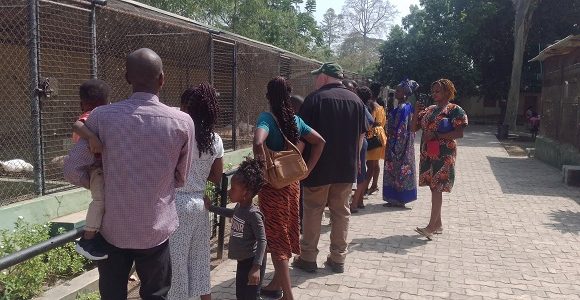
Fun seekers at the Zoological Garden, University of Ibadan had a feel of entertainment whilst seeing animals such as gorilla, lion, ostrich and other animals.

Many were taking pictures while others picnicked out there.

Also at eateries visited, children expressed their excitement.

Radio Nigeria observed that traffic situation was light across Ibadan metropolis while few people were seen returning to their bases.

Lilian Ibomor

News Analysis

Education is key to development in any country; as a matter of fact education drives all sectors of national development, without which sustainable development can be compromised.

Given the importance of education, it can be given only in a safe and secured environment.

In effect, education and its pedagogies can only be guaranteed in a safe school system where school personnel and learners are at ease physically and emotionally.

Over the years, successive governments have spent fortunes in order for the sector to thrive and be attractive by creating an enabling environment for pupils and students to learn without stress or distraction and for teachers and other school personnel to discharge duties expected of them.

This is to underscore the importance and priority accorded the education sector as a major driver of socio-economic and political development.

All seems to be well and running smoothly until the recent times when the sad incidents of terrorism, insurgency, banditry and kidnapping reared their ugly heads, with the schools becoming centres of violent attacks by miscreants instead of being centres of excellence that they ought to be.

Hardly will a day pass without reports of attacks on schools by bandits abducting students for ransom.

There have been occurrences of this dangerous trend in almost all the states of the North West and North East of Nigeria beginning with the kidnap of school girls in Chibok, Borno State by Boko Haram insurgents in 2014.

Ever since that time, kidnapping of innocent pupils and students in their school compounds and hostels have become rampant.

These incidents have reached an alarming proportion.

The menace, therefore, must be tackled headlong because of its far-reaching implications on the education sector.

Obviously, the Nigerian school system, especially the primary and secondary schools have never had it so bad as it is presently due to the ceaseless war against it.

Call it “banditocracy” if you like, our school system in the north in particular is under siege, through which teaching and learning is no longer guaranteed and cannot also be provided.

Between December, 2020 and the first week of July, 2021, not less than one thousand school children have been kidnapped and millions of naira paid as ransom. 

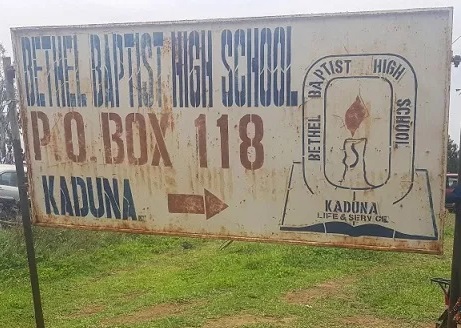
The latest being the abduction of one hundred and forty students of Bethel Baptist High School, Kajuma in Kaduna state. 

To say the least, the Nigerian educational system, with particular reference to primary and secondary sectors, has never had it so bad and never in our history have we lost students to kidnapping as witnessed in the past eight months.  

This development portends a bleak future for the entire country, as the effects of school insecurity will sooner than later, reverberate to the entire country in forms of resurgence of crimes in various shades and dimensions.

This is not to say about the collapse that will greet whatever remains of western education in many parts of the north.

As the country continues to witness insecurity in schools, occasioned by the various abductions, many schools that are said to be vulnerable and soft targets for bandits are being closed down and thousands of children will, out of morbid fear and anxiety, drop out.

Similarly, many youngsters will develop poor school-esteem, lack of school going resilience and interest as a result of post traumatic abduction–laden stories of many of their peers who either, their parents paid ransom or were lucky to have escaped from the captivity of bandits.    

This in essence means that Nigeria may witness more out-of-school children in some years to come in that part of the country. 

Statistics have it that Nigeria has the highest record of out of school children globally.

The number of out of school children is said to be more than ten million.

Unfortunately, school insecurity is more pronounced in the north especially in the north east and west. 

While COVID-19 has been curtailed to a great extent, in Nigeria, violence against the school system is alarmingly on the increase.  

All these, could culminate into extinction of schools especially in the north if the ugly situation is not halted. 

Unfortunately, if the in person school system becomes extinct in the north, our educational system is not ripe and does not have technological infrastructures to run home school systems.

It is worrisome and very disturbing that as at the second week in July, not less than three hundred and forty-eight students, according to UNESCO are still in the dens of bandits. 

It would therefore, take a very serious commitment and efficacy for such distraught students and their parents to think of returning to school. 

Abductions of school children and personnel should therefore, attract more concerted efforts that will be geared towards restoring the school system back to normalcy. 

That can only be guaranteed if the entire country is safe from banditry and insurgency. 

Above all, it is instructive for the federal government to review the 2014 policy on safe school initiative with a view to incorporating security education.

Professor Oyesoji Aremu,

University of Ibadan Ibadan