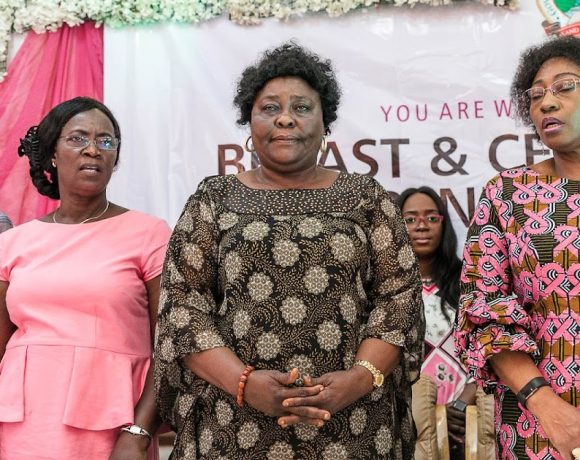
People living with HIV/AIDs and other diseases have been urged to present themselves early at the hospital to access quality health care.
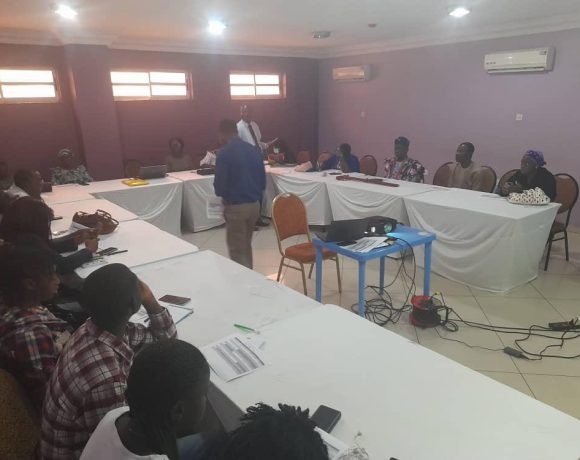
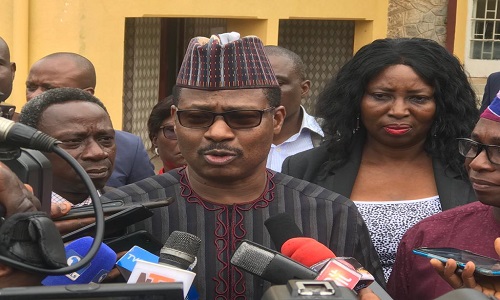
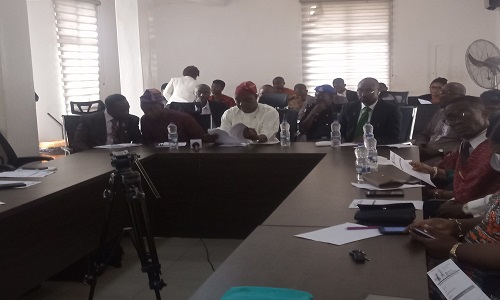
An official of the Network of People Living with HIV/AIDS in Nigeria, NEPWHAN, Mrs Nkechi Okoro, stated this on day one of a three-day training held at Mauve 21 Event Centre in Ibadan
Mrs Okoro said when people with diseases such as HIV/AIDS, Tuberculosis, Malaria and COVID-19 accessed quality healthcare, they would remain healthy.
Mrs Okoro explained that the essence of the training was to sensitize people on ways to render healthcare services at the state level and also in the communities.
Mrs Okoro, who called on communities to look inward for other means of funds, noted that the funds from donors had reduced a little.
In an address of welcome, Oyo State Coordinator of NEPWHAN, Mr Olawale Faith said the state advocacy team would be charged with the responsibilities of monitoring the response in addressing key issues of COVID-19, AIDS, Tuberculosis and Malaria efficiency.
Mr Olawale noted that the state advocacy team would be inaugurated at the end of the three-day training.
There were goodwill messages from representatives of traditional rulers, Baale of Oluyole Yemi Ogunyemi, Nigeria Security and Civil Defence Corps and other stakeholders.
Fasilat Lawal
Subscribe to our Telegram Channel and join our Whatsapp Update Group
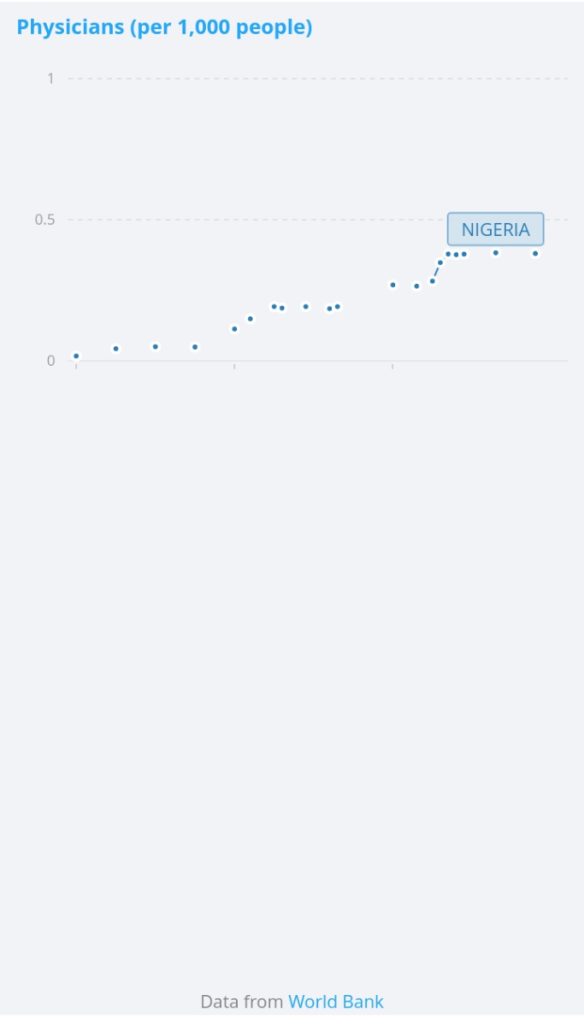
In Osun State, it’s one doctor per 263,000 patients as the state struggles to deliver medical care.
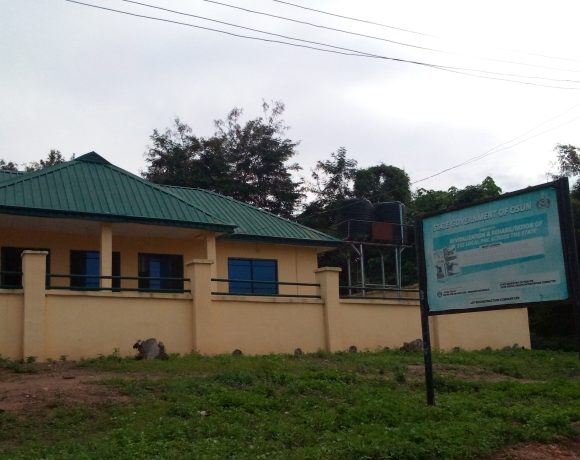
Despite revitalizing its primary health care facilities, inadequate manpower continues to worsen access to healthcare among Osun State’s teeming population, which is currently put at over five million as revealed by Radio Nigeria correspondent, Adenitan Akinola, in this investigation supported by the Wole Soyinka Centre for Investigative Journalism and the MacArthur Foundation.
Currently, in Osun State, there are over 1,000 Primary Health Centres.
Only 876 of the facilities are functional, out of which 332 were revitalized under the Save One Million Lives (SOML) $20 million Federal Government/World Bank grant obtained by the state government in 2019.
According to an e-document from the Osun State Ministry of Health dated 2021, titled “Data for all CaDr.es in LG” and obtained by Radio Nigeria, there are 19 medical doctors, 17 pharmacists, 19 medical laboratory scientists and 230 nurses; while health assistants are 830 in number and Junior Community Health Extension Workers (JCHEW) are 790, among other categories of workers providing health care services in the 876 functional PHCs across the state with a population of over five million.
What this translates into is that on average, a medical doctor in Osun State serves no less than 263,000 patients, as opposed to the World Health Organization’s standard of 600 patients to one doctor if patients must enjoy adequate medical attention!
By contrast, the British Medical Association recommends that General Practitioners see a maximum of 15 patients with complex needs per day.
Examples of these include patients with multiple medical problems such as heart failure, diabetes and related kidney disease, frail seniors, and patients with chronic mental health conditions.
In an interview, a community health expert with the Osun State government who identified himself simply as Dr Femi said that most of the PHCs have just between two and three clinical and non-clinical staff, who are majorly Community Health Extension Workers [CHEW] or health assistants.
From Herbal Home to Hospital in Search of Cure
Mrs Omotoso Khadijat, a petty trader single mother had come from Ijana village in Obokun Local Government area of Osun State to Orinkiran Primary Health Center in Ilesa West LG, covering a distance of about 50 kilometres to save her son who had been down for nine days from suspected typhoid fever, having been placed on herbal remedies that had not made the situation better.
She told Radio Nigeria in an interview that she was one of the few lucky ones who could afford such “luxury” of seeking medical care away from the village to save her child.
“I am just lucky that I have little education and I can raise money to come here. Many children are lost to cases like this and our people call it a spiritual attack” . There are no medical personnel in Ijana Primary Health Centre to attend to anyone,” she said, unwittingly corroborating the unwieldy statistics of Nigeria’s child mortality rate, which currently stands at 117 per 1,000 under-five children, according to UNICEF data on www.unicef.org.
Mrs Omotoso noted that residents of Ijana, Ibala and other communities in Obokun LG often come to Ilesa for medical care and those who could not afford transport resort to alternative traditional medical care.
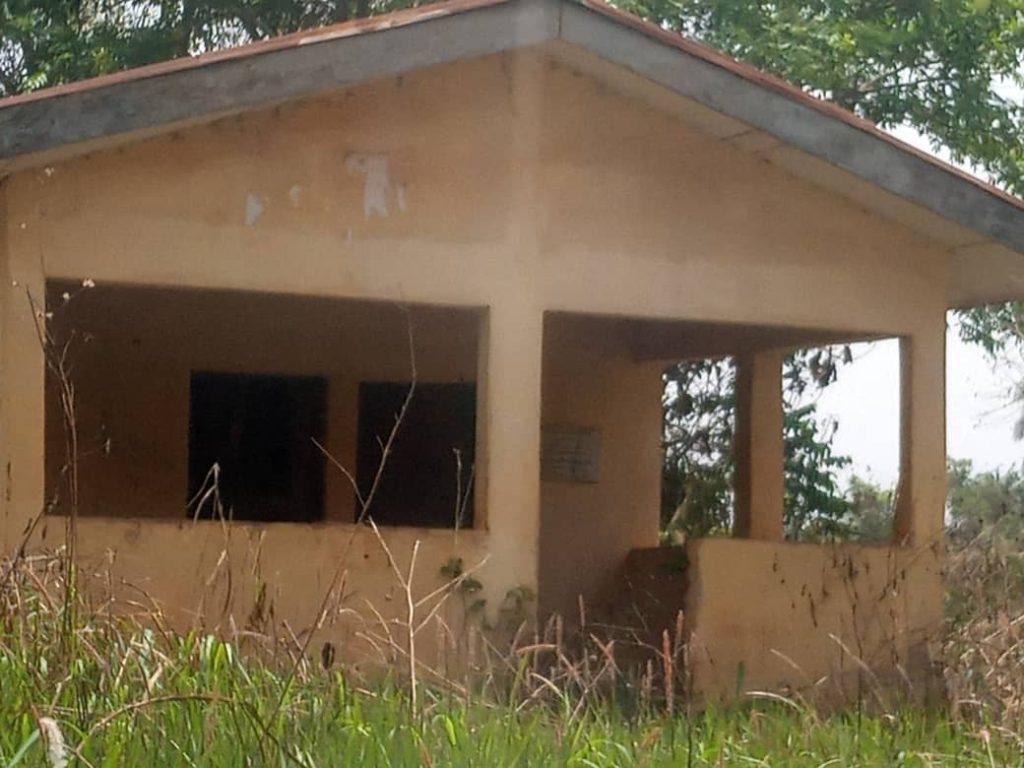
The traditional ruler of the community, the Atarua-elect of Ijana, Oba Olusegun Ogunleye, confirmed the development with a plea to the government to make the only health centre in the community functional.
“There is only one nurse, a female that covers both Ijana and Ibala communities (a distance of about 20 kilometres with a population of over 40,000 people). I will give you her contact to verify my claims”.
Oba Olusegun Ogunleye, Atarua-elect of Ijana
The Ijana health centre that was inaugurated with fanfare has been completely abandoned due to the absence of the requisite workforce.
“As a community, there is little we can do to employ healthcare providers,”the ruler stated.
Radio Nigeria put a call across to the number provided by the traditional ruler, but the respondent denied being the person, perhaps for fear of being reprimanded by the government.
The situation is the same at Odeyinka village in Ayedaade local government.
The community, which is about 35 kilometres from Ikire, the local government headquarters, is only accessible by motorcycle.
When Mr Hafeez Kolapo, the motorcyclist that drove this reporter learnt the destination was the health centre, he betrayed his emotions claiming that he lost his pregnant wife early this year when he brought her on an emergency to the newly revitalized health centre where he met only two personnel who he said could not handle the case and there was no means of referral until the pregnant woman died at about nine o’clock in the evening.
“When we got here that night, the whole place was dark. We met a security man and two women who looked like assistants in the place. It was in rage I asked for the doctor on duty, but they said they were the ones on duty. They could not do anything tangible until the women and the security man we met promised to call the nurse on duty,” Kolapo said.
The situation cannot be said to be different in other Primary Health Care facilities visited across some local governments in the state.
Inadequate, Incompetent Manpower
Most of the primary health centres visited were being managed by personnel referred to as Community Health Extension Workers, CHEW, pharmacy technicians and laboratory attendants assisted by N-Power health assistants in some cases.
The CHEW, according to Annals of Family Medicine published by the National Library of Medicine, “are trained individuals with limited to no formal medical education who provide patient-facing support and services in primary care. They carry out functions that are person-centred, support team-based care.”
In the same vein, the N-Power health assistants were workers engaged under the Federal Government N-Power programme to give support to health workers in medical facilities.
At the Alujue PHC in Ede North Local Government, Radio Nigeria met one female CHEW official attending to patients and assisted by N-Power health assistants.
The lady who did not want to be mentioned, but was simply identified as“Aunty Ade’” by the patients, directed our reporter to a notice containing a list of staff.
On the list were eight names comprising of four CHEW personnel, two pharmacy technicians, one laboratory assistant and one N-Power health assistant.
Similarly, at Ara PHC in Egbedore Local Government, an official met this reporter attending to people who simply identified himself as Aderinto, said there were only seven clinical staff members with neither a doctor nor a nurse in the facility that serves a community of about 50,000 people.
“We have only one doctor at the local government that visits once in a while and we call him during emergencies. The seven of us here run two shifts daily, morning and night, with no day off,”Aderinto said.
In some other places, such as Ikonifin PHC in Olaoluwa council, Oteu village PHC in Ifedayo and Safejo PHC in Ife South local governments, there were only between two and three personnel, including the security man, managing the facility.
“Visiting health centre a waste of time” – Community Leader
A community leader in Oteu village, Elder Michael Alabi, told Radio Nigeria that going to the health centre was a waste of time, as one could wait for more than six hours before he could be attended to.
Indeed, most of the health centres visited are headed and managed by the CHEW crew.
Radio Nigeria made efforts to speak with the leadership of the Association of Community Health Workers, Osun State chapter, but the chairman of the Association, Mr Ola Olaniyi, declined comments, saying he can only grant interviews with the approval of the Primary Health Care Board.
However, a Public Health Consultant with the Ekiti State University Teaching Hospital, Professor Olusola Odu, explained that “ordinarily, CHEW personnel should not lead a Primary Health Centre, but in the absence of a doctor or public health nurse, they could be in charge”, adding, “because there is no vacuum in management.”
“There are lower-level facilities like health posts or Basic health centres, especially in rural areas where the only health workers available are CHEWs. In such circumstances, they will be the ones to manage the facility but under the constant supervision of the LGA PHC coordinator who should be a Public Health Doctor,”Professor Odu said.
But from the document issued by the state government, “there are only 17 doctors and 230 nurses in the service of the Primary Health Care Board who are expected to cover the functional 876 PHCs spread across the 30 local governments and one area office of the state.”
“Government making efforts to address the situation” – Osun Health Commissioner
However, the Osun State government did not deny the challenge of inadequate manpower in its primary health centres, but it described it as a national problem, with the assurance that it is making efforts to address it.
The Osun State Commissioner for Health, Dr Rafiu Issamotu, who told this reporter that the government had taken steps to mitigate the consequences of the shortage of manpower at the PHCs, however, noted that the $20 million SOML grant did not cover personnel hire, but it was for basic facility turnaround.
“We can have a situation where the most senior person in a facility is a CHEW. They have been trained to function so that the place will not suffer.”
Dr Rafiu Issamotu, Osun State Commissioner for Health
“We have a policy of Task Shifting/Task Sharing; a situation where a CHEW in our facility can perform the function of a nurse, such as taking delivery of a pregnant woman, even though they are not midwives. They have been so trained.”
“A pharmacist technician should be able to perform the function of a pharmacist, though he knows he is not a pharmacist. In a rural area, they should be able to perform without hitch. This practice is recognised by WHO,”the commissioner stated.
But this practice is at variance with the National Primary Health Care Development Agency Minimum Standard for Primary Health Care in Nigeria, which states that, for a PHC per political ward with a population of 10,000, each PHC must have a medical officer if available, a community health officer, who must work under a standing order, four nurses/midwives, three Community Health Extension Workers who must work under a standing order, one pharmacy technician, six Junior CHEWs who must work under a standing order, one environmental officer, one medical record officer, and one laboratory technician.
This workforce is to be supported by two health assistants, two security and one general maintenance staff.
The Osun State Commissioner for Health, Dr Rafiu Issamotu, argued that the situation at the Osun State PHCs was not that of the dearth of personnel to attend to patients, but that the waiting period could only be long before the few available ones could serve all the patients present.
The commissioner said that two weeks from the period of this interview (Tuesday 7th September), the state government would begin the process of recruiting more clinical staff at the PHCS.
As of the time of filling this story, which is two weeks from the period of the interview, the state government has not commenced employing more staff at the Primary Health Care level.
Adenitan Akinola
Subscribe to our Telegram Channel and join our Whatsapp Update Group
Three hundred and forty-two Pharmacies and Patent Medicine premises have been sealed by the Pharmacists Council of Nigeria in Ogun State for contravention of laid-down storage and safety protocols of drugs distribution and dispensing.
The Pharmacists Council also during the inspection and enforcement drive arrested a person in Abeokuta, the state capital, for allegedly engaging in fraudulent collection of money meant for premises registration and renewal from unsuspecting applicants and issuing fake remital receipts.
The head of enforcement department of the Pharmacists Council of Nigeria, Mr. Stephen Esumobi, while addressing newsmen in Abeokuta explained that the affected pharmacies violated the nineteen minimum compliance directives standards for storage of medicines in the country.
The offences according to Esumobi, ranged from operating without registration or renewal of premises certificate; unauthorized sales of substances of abuse; poor sanitary; poor storage to operating without a certified superintendent pharmacist among others.
He explained that the weeklong enforcement exercise was carried in major areas of Ifo, Owode, Sagamu, Abeokuta, Ogere and Ijebu area of the state.
Mr. Esumobi noted that the affected Pharmacies would be given a month window grace to regularize their status if they intend to remain in the business.
He hinted that the Council would provide the needed assistance for those affected centers to enable them evacuate drugs that have low safety margins noting that the effort was to encourage them to be engaging in best standard practice.
The head of enforcement department declared that the council would not hesitate at applying the full wrath of the law against recalcitrant vendors.
He further explained that two standing committees were on ground in Ogun state responsible for continuous monitoring and inspections of pharmacies and medicine shops.
Mr. Esumobi who declined to reveal the identity of the arrested suspect issuing fake remital receipt in Ogun State however assured that the suspect will be charged to court after end the current judicial holidays.
Wale Oluokun
Subscribe to our Telegram Channel and join our Whatsapp Update Group
Uganda has confirmed an outbreak of Ebola Virus Disease, EVD, in Mubende District, Uganda.
The confirmed case is a 24-year-old male a resident of Ngabano village of Madudu Sub County in Mubende District presented with EVD symptoms and later succumbed.
Permanent Secretary, Ministry of Health Minister, Dr Diana Atwine told journalists that the victim had exhibited symptoms before succumbing to the disease.
The clinical team took off samples for testing at UVRI.
Results confirmed that the patient was positive for the Ebola-Sudan strain.
The case of the relatively rare Sudan strain was confirmed by the Uganda Virus Research Institute, according to the World Health Organization, WHO.
It says eight people with suspected symptoms are receiving medical care, and that it is sending staff to the affected area.
WHO Regional Director for Africa, Dr Matshidiso Moeti said action has been taken too quickly to detect the virus and halt the spread of infections.
FRCN Abuja/Adetutu Adetule
Subscribe to our Telegram Channel and join our Whatsapp Update Group
Ghana has declared the end of a Marburg virus disease outbreak that was confirmed nearly two months ago and caused two deaths, the World Health Organisation said on Friday.
The health ministry made the announcement after no new cases of the Ebola-like disease were reported over the previous 42 days, the WHO said in a statement.
No vaccine treatment exists for Marburg, which is almost as deadly as Ebola. Symptoms included high fever as well as internal and external bleeding.
“In total three confirmed cases, including two deaths, were recorded in the outbreak declared on 7 July 2022 after laboratory confirmation of the virus,” the WHO said.
Ghana’s cases were the first detected in West Africa.
There have been previous outbreaks and sporadic cases in other parts of Africa like Angola, DR Congo, Guinea, Kenya, South Africa and Uganda.
“Any outbreak of Marburg is a major concern,” said WHO Regional Director for Africa, Dr Matshidiso Moeti.
“Despite having no previous experience with the disease, Ghana’s response has been rapid and robust.”
The WHO said it was working with Ghana’s health authorities to maintain surveillance, improve detection of the virus and better prepare for a potential resurgence.
The viral illness hits sufferers suddenly, triggering a high fever and severe headaches and patients can develop unstoppable bleeding within days.
In a bid to promote the health insurance scheme among residents irrespective of occupation, the Ogun State Health Insurance Ambassador, Mr Odunlade Adekola, has taken the campaign to major markets in the state capital.
The ace Nollywood actor, Adekola, in the company of the Special Adviser to the Governor on Health, Dr Tayo Lawal, Permanent Secretary in the Ministry, Dr Kayode Oladehinde, Executive Secretary of the Ogun State Health Insurance Agency, Dr Afolabi Dosumu and his counterpart in the Primary Healthcare Development Board, Dr Elijah Ogunsola, among others went on a road show within the Abeokuta metropolis to sensitize people about the scheme.
The train which touched down at Kuto Market, Sapon, Omida, Itoku, Lafenwa and Oke-Ilewo, had the commuters, passersby, and market women expressing their joy on sighting the Nigerian actor who freely danced and took ” selfies” with many of them.
Mr Adekola, who encouraged the people to embrace the scheme, described the present administration’s investment in the health sector as a reference point.
He explained that the monthly payment of the sum of one thousand per head and four thousand for a family of six would help fast-track government efforts towards achieving universal health coverage.
Speaking with newsmen, the Executive Secretary, Ogun State Health Insurance Agency, Dr Dosumu, said that the road show would be replicated in all the four zones of the state, noting that Yewa, Ijebu and Remo should expect Odunlade Adekola in their locations as well.
Dr Dosumu explained that the purpose of the roadshow was to create awareness that would sink into people’s minds.
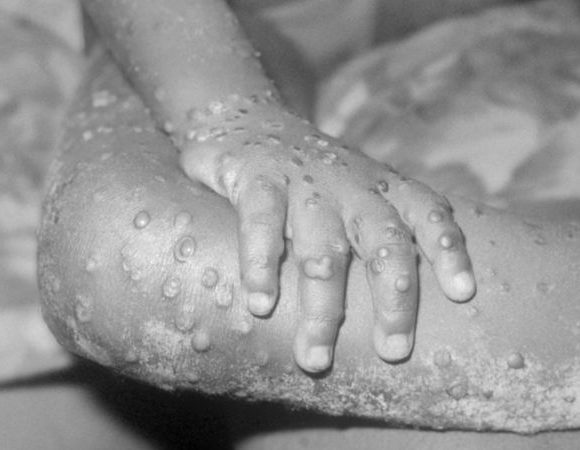
Nigerians have been urged to desist from having direct contact with animals that are carriers of monkey pox to stem the spread of the disease.
A veterinarian with Ekiti State veterinary hospital, Dr Ayosunkami Ogunrinde gave the advice in an exclusive interview with Radio Nigeria in Ado-Ekiti.
Dr Ogunrinde said human-being could contract monkeypox by touching the blood, fluid and skin lesions of infected animals, hence the need for regular washing of hands and thorough cook of meat before consumption.
The veterinarian identified animals that carry monkeypox including some species of monkeys, rats and squirrels.
He identified symptoms of monkeypox to include fever, headache, muscle aches, back pain and rashes on the face, palms of the hands, soles of the feet, as well as anal regions, calling on anyone with such to visit the nearest government hospital for confirmation and treatment.
Meanwhile, Nigeria Centre for Disease Control said it has recorded One Thousand Two Hundred and Sixteen suspected cases of monkeypox with fourteen deaths from Thirty-Five states in the country since its re-emergence.
Ondo State governor, Mr Oluwarotimi Akeredolu has ordered the immediate employment of more health workers to boost healthcare services in the state.
The governor made this known when he played host to the executive members of the Nigeria Medical Association, NMA, Ondo State chapter.
Governor Akeredolu said the government was looking into other critical challenges facing the health sector with the aim of finding solutions.
He further disclosed that the ongoing construction work at UNIMED facilities in Akure and Ondo Town would soon be completed with the procurement of more equipment and payment of outstanding allowances of medical practitioners.
Earlier, the chairman of NMA, Ondo State chapter, Dr Omosehin Adeyemi-Osowe applauded the governor for being proactive in the area of security and improved infrastructure.
Dr Adeyemi-Osowe sought more collaboration between the government and the association to address the brain drain among health workers.
Nigeria Centre for Disease Control says the number of confirmed cases of monkeypox in the country has increased to 277.
This is even as the suspected cases stand at 704 from January 1 to August 28, 2022.
The report also showed that six deaths had been recorded so far in six states in the country.
The report read in part, “100 new suspected cases reported in Epi week 34, 2022 (22nd to 28th August 2022) from twenty-one (21) states – Lagos (17), Abia (16), Imo (14), Delta (7), Ondo (7), Bayelsa (5), Gombe (5), Rivers (4), Benue (3), Ebonyi (3) , Edo (3), Plateau (3), FCT (2), Katsina (2), Osun (2), Taraba (2), Anambra (1), Enugu (1), Kano (1), and Oyo (1).
“Of the one hundred (100) suspected cases, thirty-six (36) new confirmed cases have been recorded in Epi week 34 from fourteen (14) states – Lagos (7), Abia (6), Bayelsa (5), Edo (3), Ondo (3), Delta (2), Ebonyi (2), Rivers (2), Anambra (1), Benue (1), Gombe (1), Imo (1), Katsina (1) and Oyo (1).
“From 1st January to 28th August 2022, Nigeria has recorded 704 suspected cases with 277 confirmed cases (186 male, 91 female) from thirty (30) states – Lagos (49), Ondo (22), Bayelsa (19), Rivers (18), Edo (16), Adamawa (15), Abia (15), Delta (14), FCT (11), Imo (11), Anambra (10),Nasarawa (9), Ogun (7), Plateau (6), Taraba (5), Kwara (5), Kano (5), Gombe (5), Ebonyi (5), Oyo (5), Katsina (5), Cross River (4), Benue (4), Borno (3), Kogi (3), Akwa Ibom (2), Niger (1), Bauchi (1), Osun (1) and Kaduna (1).
“Six (6) associated deaths were recorded from 6 states in 2022 – Delta (1), Lagos (1), Ondo (1) and Akwa Ibom (1), Kogi (1) and Taraba (1) CFR 2.16%.
“Overall, since the re-emergence of monkeypox in September 2017, 1216 suspected cases have been reported from 35 states in the country. Of these, 503 (41%) confirmed cases were recorded with Male representing 66% (334) from 32 states – Lagos (79), Rivers (70), Bayelsa (62), Delta (43), Edo (26), Ondo (22), Imo (19), Cross River (18), Abia (18), FCT (17), Adamawa (15), Anambra (12), Nasarawa (11), Oyo (11), Plateau (9), Akwa Ibom (9), Ogun (8), Benue (6), Ebonyi (6), Kano (5), Taraba (5), Kwara (5), Gombe (5), Katsina (5), Enugu (4), Borno (3), Kogi (3), Ekiti (2), Niger (2), Bauchi (1), Osun (1) and Kaduna (1).
“Since the re-emergence of the outbreak in 2017, five states ( Kebbi, Sokoto, Zamfara, Jigawa, Yobe) are yet to record a confirmed case, while two (2) states (Jigawa & Yobe) are yet to report a suspect case. In 2022, Seven (7)states are yet to record a confirmed case (Enugu, Ekiti, Kebbi, Sokoto, Zamfara, Yobe and Jigawa ) with Jigawa and Yobe yet to report a suspected case.
“Fourteen (14) deaths have been recorded since September 2017 (CFR= 2.8%) in eleven states – Lagos (3), Edo (2), Imo (1), Cross River (1), FCT (1), Rivers (1), Ondo (1) Delta (1), Akwa Ibom (1), Taraba (1) and Kogi (1).”
“There are wounds that never show on the body that are deeper and more hurtful than anything that bleeds.”
Laurell K. Hamilton
Such is the quiet path that leads to Suicide, Depression, and Early grave; you never can tell whether a loved one is treading on that path.
However, there is hope even in that hopeless situation and you can save a life as you tune in to the Southwest Network of Radio Nigeria-Ibadan on Wednesday, 14th September, for this week’s edition of your number one Edutainment programme, “Midweek Cruise”.
“Suicide is not an answer, it’s destruction.”
Al Green
Join ‘Dayo Adenuga and Seyi Owoeye on Premier FM 93.5, as they bring to the fore the “How, Why and possible ways out of Depression, Suicide and Untimely Death”.
“Hope is a necessity for normal life and the major weapon against the suicide impulse.”
Karl A. Menninger
You can also listen on your terrestrial radio via Gold 95.5FM, Ilesa in Osun State, Paramount 94.5FM, Abeokuta in Ogun State, Progress 100.5FM, Ado Ekiti in Ekiti State, and Positive 102.5 FM, Akure in Ondo State.
The guest is the Immediate past Head of Department, Psychology, University of Ilorin, Dr Johnson Oyeleke.
Sonia, the daughter of former Deputy Senate President, Ike Ekweremadu, on Monday begged members of the public to donate kidney to her.
The young woman, whose parents are currently facing charges of organ harvesting in the United Kingdom made the plea on her Instagram page on Monday.
In the statement, Sonia noted that she had to drop out of the university after being diagnosed of a rare kidney disease.
The statement read, “I, Sonia Ekweremadu, hereby appeal to the general public to come to my aid and save my life.
“I am 25 years old and a graduate of Media and Communications, University of Coventry. I dropped out of my post graduate studies at the University of Newcastle in 2019 when I was diagnosed with a rare kidney disease, FSGS Nephrotic Syndrome.
“My family has battled to save my life and has taken me to various hospitals, but the illness persisted and kept degenerating. I am alive today by the special grace of God.
“I am presently in London, UK, receiving five hours of dialysis three to four times a week. This is at the expense of my family as I am not qualified for NHS due to my immigration status.“The last three years have been extremely challenging. The charges being faced by my parents in London presently, are directly connected to my illness and have complicated matter for me and my family.
I do not intend to delve into details of this unfortunate development as the matter is still in Court. I am, however, optimistic that the truth will prevail and it will end in praise to God.
“In the circumstance above, I am appealing to anybody whom it may please to assist me willingly with a kidney donation in the name of God.
“This appeal would have been utterly unnecessary as every member of my family is eager to donate their kidney to me, knowing that I would do the same for any of them.
“Regrettably, comprehensive medical examination showed that my case of nephrotic syndrome is a genetic illness and the doctors advised against donation from any of my family members, as it would likely reoccur. In the time that my father has been incarcerated, he has been diagnosed with acute kidney damage.
“Anybody that is moved by this appeal and wishes to donate his or her kidney to me may send an email to [email protected] and include his or her name, phone number, email address and place of residence.
“Please, note that under the laws of England and Wales, organ donation must be purely driven by compassion and, therefore, no reward is involved.
“Finally, I have decided to commit and dedicate myself to helping people with the challenges of kidney disease, upon my full recovery. Thank you and God bless you.”
The Nigeria Centre for Disease Control , NCDC, has reported 21 more cases of monkeypox in the country within the past seven days.
The NCDC via its official website announced on Sunday that the disease could be spread by close contact and exposure to an infected person’s respiratory droplets, skin lesions or bodily fluids.
The agency also reported that Nigeria recorded six monkey pox-related deaths between January and August and that six states in the country had recorded one death each from the disease.
It listed the six states where monkeypox deaths occurred as Delta, Lagos, Ondo, Akwa Ibom, Taraba and Kogi.
According to the NCDC, monkeypox symptoms include swollen lymph nodes, fever and a rash that may initially be mistaken for chickenpox or a sexually transmitted disease, if in the genital or anal region.
“Between Aug. 15 and Aug. 21, Taraba and Kogi States recorded two deaths,” the agency added.
It said that the total number of confirmed cases of monkeypox in the country had also risen to 241, with 21 new cases reported in one week between Aug. 15 and Aug. 21.
The NCDC said that the 21 confirmed cases were reported from 12 states.
It listed the states as Lagos – seven, Adamawa – two, Ebonyi – two, Imo -two, Akwa Ibom – one, Anambra – one, Edo – one, FCT – one, Katsina State – one, Kaduna State – one, Kogi – one and Ondo State – one.
“Of the 241 confirmed cases of monkeypox in the country, Lagos State has the highest burden of the disease, with 42 confirmed cases since the beginning of the year.
“This translates to 17.4 per cent of the total burden of the disease in the country.
“Overall, since the re-emergence of monkeypox in September 2017 to August this year, a total of 1,116 suspected cases have been reported from 35 states.
“Of the 1,116 suspected cases, there have been 467 (41.8 per cent) confirmed (309 male, 158 female) from 32 states.
“In addition, from September 2017 to August 2022, a total of 14 deaths have been recorded, with a case fatality rate of three per cent, in 10 states.
“The states include: Lagos – three, Edo – two, Imo – one, Cross River – one, FCT – one, Rivers – one, Ondo State – one, Delta – one, Akwa Ibom – one, Taraba – one and Kogi – one.”
According to report, monkeypox is an infection, caused by a virus similar to the now-eradicated smallpox virus.
It has been common in some African countries but outbreaks have occurred in other parts of the world from time to time.
In 2022, the World Health Organisation declared a global health emergency after the spread of monkey pox to many countries through social interactions and intimate contacts.
Monkeypox may be most severe in young children, especially if they have poor nutritional status.
In previous years, fatal cases have occurred primarily among children in Africa.
Vaccines can prevent monkeypox, but vaccines are currently in short supply worldwide.
When widely available, the vaccine may also be used to protect at-risk populations, including men having sex with men, bisexual people, commercial sex workers and others who engage in behaviours that put them at risk.
The infection continues to spread but because transmission requires close personal contact, the rate is much slower than that of SARS-CoV-2 virus the coronavirus that causes COVID-19 .
Healthcare is the most paramount thing any worker should put into consideration, in this sense, journalists have been advised to always go for medical checks to ensure they are in good health condition while carrying out their duties.
Director General of the Federal Radio Corporation of Nigeria, Dr Mansur Liman, gave the advice during a medical outreach for all journalists in the federal capital territory at the radio house in Abuja.
The Director General, represented by the secretary of legal, Dr David Angbazo, said that the health of every journalist was critical to their effectiveness on the job.
In a welcome address, the Chairperson of the NUJ FRCN Headquarters chapel, Mrs Sandra Udeike pointed out that most journalists were usually very busy and sometimes neglect their health, which according to her could be detrimental.
Mrs Udeike gave an assurance that the union would continue to strive for the welfare of its members at all times.
President, Association of Psychiatrists in Nigeria, Professor Taiwo Obindo, says that more than 60 million Nigerians are suffering from mental illnesses.
Obindo, the Chairman, Faculty of Psychiatry, West African College of Physicians, Nigeria Chapter, said this in an interview with the Newsmen on Sunday in Abuja.
“Mental healthcare is in a sorry state given that we have more than 60 million Nigerians suffering from various mental illnesses and the fact that only about 10 per cent of them were able to access appropriate care.
“We are left with more than 90 per cent who are unable to access care and this group is called the treatment gap for mental illnesses,” Obindo said.
He said the gap was as a result of various factors like the knowledge gap in which people do not have appropriate information about the causes and treatment for mental illnesses.
Obindo said some factors hindering the management of mental illness in Nigeria included myths and traditional beliefs; inadequate mental health facilities and number of mental health professionals.
According to him, the few available mental health facilities were located in the city centres.
“Knowing that 60 per cent of Nigerians live in the rural areas, they do not have access to appropriate care and have to travel long distances to access facilities,” Obindo said.
He also said that the number of mental health practitioners was low as it fell below the ratio recommended by the World Health Organization.
According to him, the few that were trained were often eager to leave the country.
“The environment in which we practice, the security situation and the remuneration that people were given in the country tend to push them out.
“And then of course, the pull factor from the developed countries where they tend to poach on the already trained medical practitioners in the country, particularly the psychiatrists,” he said.
Obindo said that the cost of hiring practitioners in low medium income countries was low; so ”it was easier for developed countries to poach the already made products rather than training such professional locally.”
He said there was the need for Nigeria to implement its Mental Health Policy on the practice of psychiatry.
Obindo added that although the document was last reviewed in 2013, it was not being implemented.
He said one major component of the policy was the integration of mental health into primary healthcare, which was yet to be achieved after nine years.
The psychiatrist added that the law operational in the country was the “lunacy act”, which was first enacted in 1916 and reviewed in 1958.
”The Mental Health Bill by the mental health stakeholders led by the Advanced Practice Nurse , in conjunction with the National Assembly and the Ministry of Health was yet to be assented to by the President.
”This is the most recent effort in 30 years,” he said.
Wife of the Oyo state governor, Engineer Tamunominini Makinde has acknowledged the efforts of the United Nations Population fund, UNFPA towards eliminating Gender-Based Violence in Oyo State and Nigeria at large.
Engineer Makinde stated this in a goodwill message at the official launching of the First National Sexual and Gender-Based Violence, Harmful Practices and Obstetrics Fistula Landscape Analysis Report in Nigeria by (UNFPA) in partnership with Global Affairs, Canada which took place at the State House Banquet Hall, Aso Rock Villa, Abuja.
The governor’s wife who highlighted the roles she had played in collaboration with other relevant Ministries, Departments and Agencies in Oyo State in the fight against Gender-Based Violence and other harmful practices against women said these had proved successful.
“some of such successes included the commissioning of the Oyo State-owned Sexual and Assault Referral Center in Ibadan in May 2021; the public presentation of the Violence Against Persons Prohibition Law in February 2022 and the introduction of a toll-free hotline which indigenes and residents of Oyo State can call to report Rape and Gender-Based Violence cases”
She equally expressed the hope that the landscape analysis report which had been launched will further help to eliminate Gender-Based Violence and other harmful practices against girlchild and women in Nigeria.
“In my view, a collaboration by all stakeholders in the fight to end Gender-Based Violence is key as statistics have shown that girls and women are hugely at the receiving end of the ugly acts”
Regular visit to a physiotherapist is required for healthy living.
The Deputy Director Physiotherapy Services, Adeoyo Maternity and Teaching Hospital, Yemetu Ibadan, Dr Najeem Raji gave the advice at a lecture marking this year’s World Physiotherapy day held at 2 division Medical Services and Hospital, Odogbo Cantonment, Ojoo, Ibadan.
Speaking on this year’s theme for the 2022 World Physiotherapy Day “Osteoarthritis”Dr. Raji explained that to be physically active, one should always strengthen the muscles around body joints and, if necessary, lose weight.
He noted that Physiotherapy is needed when movement and function are being threatened by ageing, injury, diseases, among others.
Dr Raji submitted that Physiotherapists have in-depth knowledge of how human body functions and clinical skills to prescribe treatments for illnesses.
In an interview, the Chairman, Nigeria Society of physiotherapy, Oyo state, Dr Olubukola Olaleye, said the brain drain in heath sector could be prevented if government provide sufficient funding in order to provide the best services to the population.
Dr Olaleye noted that Nigeria could only boast of four thousand registered physiotherapists, and that fifty percent of them have migrated to abroad.
The Queen is under medical supervision at Balmoral after doctors became concerned for her health, Buckingham Palace has said.
“Following further evaluation this morning, the Queen’s doctors are concerned for Her Majesty’s health and have recommended she remain under medical supervision,” a statement said.
“The Queen remains comfortable and at Balmoral.”
Prince Charles has travelled to Balmoral.
The Duchess of Cornwall has also travelled there and the Duke of Cambridge is on his way.
The announcement comes after the Queen, 96, pulled out of a virtual Privy Council on Wednesday, with doctors advising her to rest.
Prime Minister Liz Truss said the “whole country” would be “deeply concerned” by the news.
“My thoughts – and the thoughts of people across our United Kingdom – are with Her Majesty The Queen and her family at this time,” she added.
The Queen appointed Ms Truss as prime minister at Balmoral on Tuesday, instead of travelling to London for the event.
During her 70-year reign, the Queen has typically had an audience with her new prime minister at Buckingham Palace.
She has been on a summer break at her Scottish home since July.
Labour leader Sir Keir Starmer said he was “deeply worried” by the news, while Scotland’s First Minister Nicola Sturgeon said she was “profoundly concerned” and sending her thoughts and wishes to the Queen.
Wales’ First Minister Mark Drakeford sent his best wishes on behalf of the people of Wales.
As the world commemorates the International Day of Clean Air for Blue Skies, Nigerians have been enjoined to desist from acts that will pollute the air.
The Deputy Vice-Chancellor, Federal University Oye-Ekiti, FUOYE, Professor Olubunmi Shittu made the appeal in an interview with Radio Nigeria in Ado-Ekiti to mark the day.
Professor Shittu identified air pollutants to include vehicle emissions, black carbon and methane which often lead to the death of human beings as well as negatively affect crops.
He noted that polluted air could cause airborne diseases, lung diseases and affect the digestive system, hence the need to promote clean air at home and outdoors.
The Deputy Vice-Chancellor called for the usage of public transport to reduce vehicular emission as practised in advanced countries, as well as limit the usage of air conditioners by embracing fresh ventilation.
On November Twenty-Six, 2019, the United Nations General Assembly adopted September Seven as the “International Day of Clean Air for Blue Skies”, because about ninety-nine per cent of the world’s population breathe polluted air, resulting in seven million death annually.
The theme for this year’s International Day of Clean Air for Blue Skies is “The Air We Share”.
The Oyo State government has warned residents of Ijaye, Ido, Olowo-Igbo, Iseyin and Ibarapa against drinking water from contaminated streams in their communities.
Commissioner for Environment and Natural Resources, Mr Abiodun Oni, who gave the warning on Wednesday in Ibadan, said a truck conveying chemical substances emptied its content into a drainage that was eventually washed into the streams passing through the five communities.
Oni said the truck was involved in an accident at Iroko-Oyo highway while conveying substances presumed to be soap-making chemicals.
Oni revealed that the soap-making chemicals which fell off into the drainage ended up contaminating the streams passing through the five communities hence impairing the quality of the water and rendering it toxic to humans and the environment at large.
The Statement further revealed that farmers who planted their cash crops within the affected areas as well as fishermen should suspend every activity within the vicinity until the waters have been tested and considered safe for consumption.
The statement further added that the government is on top of the situation as the Ministry has dispatched some of their staff to the affected areas to continue to monitor the situation while also conducting a water sampling until the water can be ascertained safe for consumption.
“The State government will continue to ensure that the ecosystem is protected in the state” he added
Consequently, the statement charged citizens to also take responsibility by properly handling and disposing of chemical substances and other biodegradable items and ensuring that they do not end up in the streams.
“Furthermore, they should jettison the bad culture of dumping wastes into drainages as they eventually find their ways into streams and rivers and eventually make up their way in the food chain process as such posing threats to all humans”, the statement concluded.
Five thousand women in Ekiti State are to enjoy free cervical cancer tests and treatment to reduce the mortality rate.
The wife of Ekiti State Governor, Erelu Bisi Fayemi announced this in Ado Ekiti at the launch of a Cancer Control policy supported by the World Health Organization, WHO.
She observed that a lot of women are dying due to the inability to pay for treatment of such ailments hence the need for the government’s collaborative effort with developed partners to reduce the mortality rate among women.
“If you miss out from the first five thousand people that will be captured in the exercise, all it will cost you cannot be more than fifteen to twenty thousand naira which considerably not too expensive to safe one’s life”, the governor’s wife said.
Erelu Fayemi who noted that having unprotected sex and multiple sex partners remained one of the causative agents appealed to women to do away with such behaviour to prevent cervical cancer and other related diseases.
The governor’s wife, therefore, appealed to women to imbibe the culture of caring for their health and reminded them to go for medical attention at government health facilities.
Earlier, the Commissioner for Health and Human Services, Dr Oyebanji Filani urged Nigerians to take their health seriously so as to reduce avoidable deaths.
In a lecture, a health care provider at the Cancer Designated Center, Ekiti State Teaching Hospital, Ado Ekiti, Mrs Funke Adeyoye said 8.5 per cent of women in the state who were under treatment for one ailment or the other were battling cervical cancer.
“It is an ailment that should be taken seriously because a lot of people are dying from the disease”, she said.
Mrs Adetoye urged women to come out for free tests and treatment as soon as the exercise commences, saying that people should be on the lookout as it would be announced.
The healthcare provider, who said the ailment could be treated at the early stage if detected, appreciated the government for providing a means by which people could access treatment without payment.
Ten Health facilities designated for the exercise are; Ekiti State University Teaching Hospital, Ado Ekiti, Federal Teaching Hospital Ido Ekiti, State Specialist Hospital, Ijero-Ekiti, Comprehensive Hospital, Ijero Ekiti, Comprehensive Hospital, Okeiyinmin, Ado Ekiti, State Specialist Hospital, Aramoko, State Specialist Hospital, Otun, Comprehensive Hospital, Ilawe Ekiti, State Specialist Hospital, Ikere and State Specialist Hospital, Ikole Ekiti.
Ageing is a combination of physical changes in our bodies and the environmental factors we are exposed to.
Yet there are many factors that play a role in whether we age gracefully or faster than we are meant to age; they include smoking, sun exposure, genetics, poor sleep habits, poor diet, too much alcohol and caffeine intake, environmental pollutants and stress.
Ageing increases the risk of chronic diseases such as heart disease, type 2 diabetes, arthritis, cancer, and dementia. The good news is that adopting and maintaining a few key behaviours can help older adults live longer, healthier lives.
As we age, the necessity to eat healthily becomes increasingly critical. In order to live a healthy lifestyle, you must exercise and eat properly.
Make your health a priority, and take the necessary steps toward creating and maintaining healthy habits, and a healthy lifestyle.
5 percent of Nigeria’s population of 206 million people are 60 years and above (World Bank)
The tips to maintain a healthy lifestyle for ageing adults are:
1. Get active
Physical activity is an immune system booster. The more you move, the more your body is able to fight inflammation and infections.
The activity you partake in doesn’t have to be strenuous. Low-impact exercises are effective, too.
You might consider biking, walking, swimming, or low-impact aerobics.
2. Take supplements as necessary
Some supplements help support a healthy immune system. Before taking a supplement, always ask your doctor if it’s safe, especially if you’re taking a prescription medication. Some supplements they may recommend include calcium, vitamin D, vitamin B6, or vitamin B12.
3. Eat a healthy diet
Diets rich in fruits, vegetables, and lean meats also give your immune system a boost and protect against harmful viruses and bacteria that cause illnesses. Fruits and vegetables are good sources of antioxidants. Antioxidants protect your cells from damage and keep your body healthy.
You should also limit your consumption of sugary and fatty foods, which can trigger inflammation in the body and lower your immune system.
4. Learn how to manage stress
Chronic stress increases your body’s production of the stress hormone cortisol. Too much cortisol can disrupt different functions in your body, including your immune system.
To reduce stress, increase physical activity, get plenty of sleep, set reasonable expectations for yourself, and explore relaxing, enjoyable activities.
5. Get plenty of rest
Not only can sleep reduce your stress level, but sleep is how your body repairs itself. For this reason, getting an adequate amount of sleep can result in a stronger immune system, making it easier for your body to fight off viruses.
6. Schedule annual physical checkups
Scheduling a yearly checkup can also keep you healthy. Always speak with your doctor if you have concerns.
7. Visit the dentist every six months
The risk for cavities goes up with age. Many mouth infections can be linked to serious health conditions, such as diabetes, heart disease, and stroke. in addition to brushing and flossing daily, seniors should regularly see their local dentist to maintain healthy teeth and gums.
8. Stay connected with friends and family
Friends and family are medicine that’s necessary for everyone in all age brackets.
This gives you an opportunity to be socially active and avoid loneliness, which may prove fatal in some cases. You should regularly visit your friends and family and spend quality time with them.
All these tips should help you age gracefully and healthily.
Olaitan Oye-Adeitan in this piece writes on the health implications of using harmful substances in food production and preservation.
Perhaps one should pause and ask what the sanctity of life means to people.
This is because if care is not taken, Nigerians might find themselves victims of a hidden battle than the ones confronting them already.
Shockingly, the battle in question is far closer than their skin and they could find themselves being given into it cheaply through their purchasing power for one of the essentials of life.
It is a known fact that food is very crucial to human existence and hardly could any individual survive without food.
However, people may be bargaining for more than the daily nutrients required for the body in what appears to be a sumptuous meal dished before them.
And the harbinger of death is none other than food processors and fruit sellers.
Commonly found among foodstuff sellers is the use of Snipper, a brand of insecticide, being applied on beans to prevent weevils from attacking them, while antibiotics and other drugs are being employed to raise fish for human consumption.
Grains exposed to toxic preservationBottles of snipper used to preserve beans
It has also become the practice of many processors to ferment cassava with chemical substances such as bleach and potash to ensure that they do not taste sour as discovered in a chat with a teenage boy in Ibadan, who wants his identity protected because his mother sells fufu and that is the method she uses.”My mummy always soak casasava with potash ,nail ,and some other stuff so that it will be very soft for easy processing”.
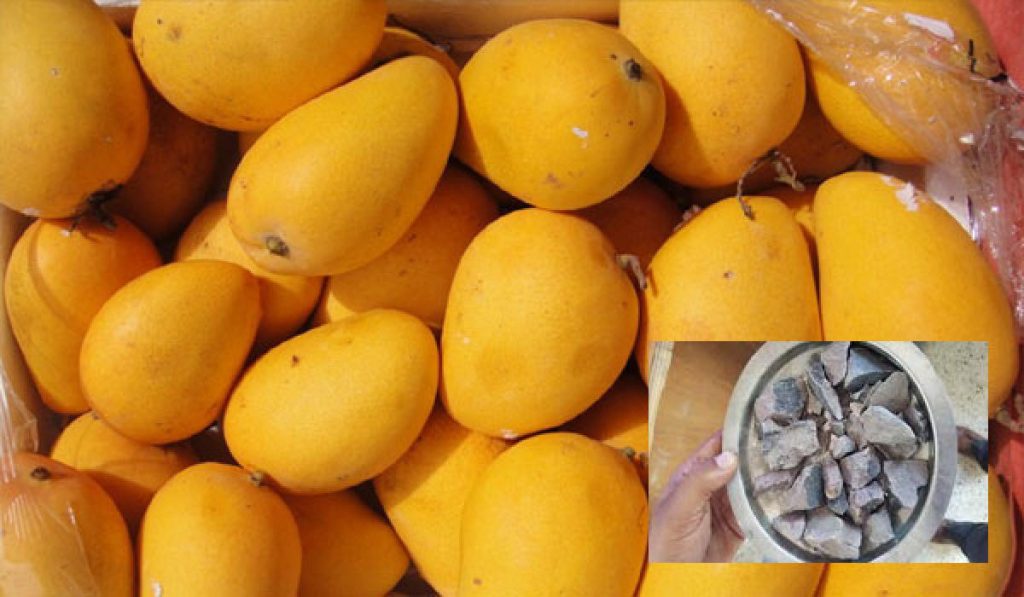
Fruits, which are usually recommended by nutritionists as ideal for daily diet, are also not left out as traders use carbide to ripen fruits such as oranges, mangoes and bananas to preserve them.
Mangoes preserved by carbide
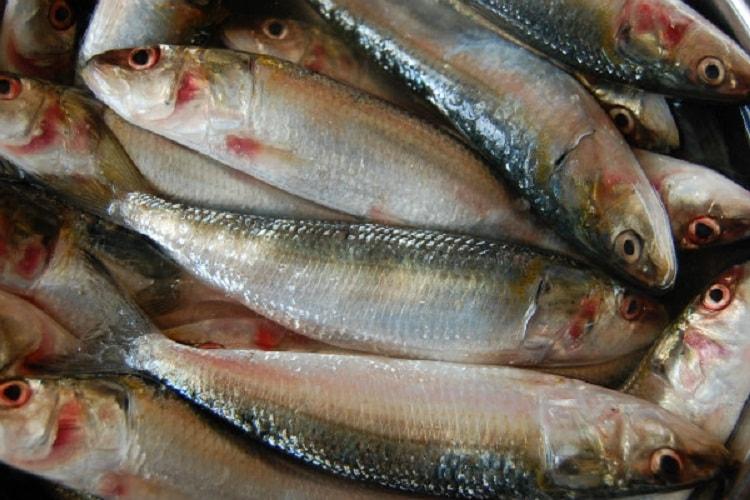
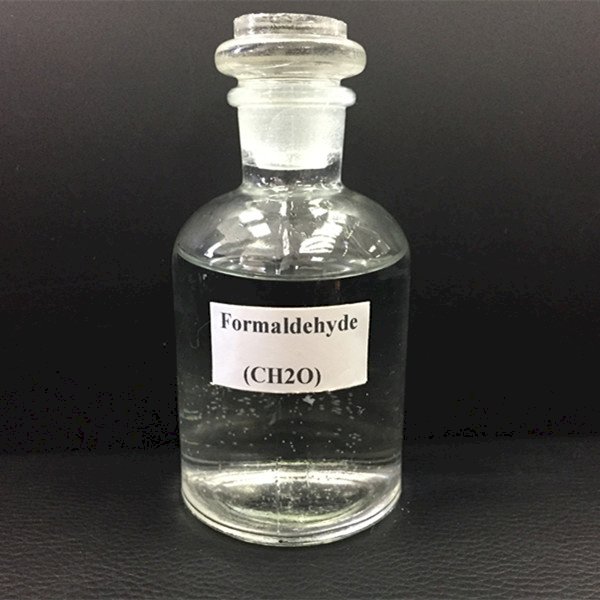
Some people equally use formalin, a chemical used to preserve corpses in the morgue, to preserve fish in cold rooms before eventually selling them to people for consumption.
sardine FishFormalin chemical used on fish
Is it not appalling to also know that transformer oil is what some food vendors have now embraced as their own ideal oil for frying edibles?
The list of these harmful practices is endless and no one could predict other emerging ones.
This unwholesome practice can no less be described than sheer wickedness against humanity and flagrant disregard for the sanctity of life.
Is it that perpetrators are ignorant of the health implications of their actions or just decided to close their eyes and minds to the dangerous trend just to make money?
So, it is now a case of consciously or unconsciously taking the lives of fellow men for another man to survive.
The question is, Why must people be made to purchase death with their hard-earned money?
Why must food consumption now become a time bomb in the human body waiting to explode and cutting short people’s lives in their prime?
Sadly, the effects of poisonous substances eaten may not be felt early, due to the human body mass which is large such that the havoc accompanying what has been consumed may not be felt immediately.
Medical experts are worried that the practice, if not checked, could subject millions of people to a wide range of serious health problems including, cancer, kidney failure, heart and liver diseases as well as brain damage and birth defects due to these toxic chemicals.
It would be recalled that the National Agency For Food And Drug, Administration And Control, NAFDAC raised alarm sometime ago over the unwholesome practice, likewise the Oyo State House Of Assembly at its recent plenary in Ibadan.
NAFDAC Director General , Professor Mojisola Adeyeye said rippening of fruits with carbide and preserving with harmful substances could cause kidney ,liver problems and heart failure.
SImilarly, the Oyo State lawmakers strongly frowned at the practice of using bleach, detergents and potash in the processing and preservation of Fufu(a local delicacy) and ponmo(cow skin often cooked and loved by many) to make it soft and maximize profit.
Chemicals being poured on cow skin(Ponmo)
The time had now come for the government to rise and demonstrate its regard for the sanctity of the lives of Nigerians by constituting a task force that would constantly monitor processes of food production and arrest anyone culpable of using harmful substances while the law must take its course on offenders.
Agencies responsible for food safety must begin to educate the public about the risks associated with unhealthy practices.
Every individual must realize that life is sacred and given by God.
Therefore, any injurious action against a fellow human being is against God and disastrous for the nation as promising Nigerians who would further advance steps towards National growth and development may have become casualties in the hands of Food Merchants of Death.
Subscribe to our Telegram channel for more updates.
The Adamawa State Ministry of Health has confirmed 11 cases of cholera disease in Guyuk and Shelleng Local Government Area of the state.
A statement on Thursday by the Director of Public Health in the ministry, Dr Celine Laori says that as of Tuesday, the suspected cases were 96 and 11 confirmed positive with a 2.1 percent case fatality ratio.
He said the ministry, on Aug. 19, received reports of suspected cases of acute watery diarrhoea from the affected LGAs.
“Samples were collected and tested, using both Rapid Diagnostic Test (RDT) and Polymerase Chain Reaction (PCR) in which seven were confirmed to be Cholera cases. Dr Laori said.
“We have since activated our Public Health Emergency Operation Centre; Rapid Response Team was put on alert and Disease Surveillance Notification Officers (DSNOs) were directed to initiate a proper investigation and conduct an expanded event-based surveillance in all the 21 LGAs.” He noted.
According to him, medical consumables were procured, supplied and deposited at the existing Cholera Treatment Centre to support case management across the state.
He urged partners and stakeholders to give the necessary technical support to complement the government’s efforts toward containing the outbreak.
The Director advised the general public to maintain basic hygiene and sanitation as well as ensure that food and water to be consumed were clean and safe.
The Federal Government has urged governors across the 36 states of Nigeria to adequately increase the number of health workers in the primary healthcare centres (PHCs), apart from the provision of drugs, security and light alone.
The Executive Director/Chief Executive Officer, National Primary Health Care Development Agency (NPHCDA), Dr. Faisal Shuaib, made the call in an interview with journalists in Ibadan, the Oyo State capital, during his one-day working visit to the state.
Dr. Faisal Shuaib said governors should not limit the revitalization of the primary health facilities to the renovation of structures.
He was received by Commissioner for Health in the state, Dr. Bode Ladipo, and the Executive Secretary, Oyo State Primary Health Care Board, Dr. Muideen Olatunji, at the Emergency Operation Centre (EOC), Yemetu, Ibadan, the state capital.
According to him, the lack of adequate human resources in a number of PHCs had affected smooth access to primary health care services in some states of the federation.
His words: “The governors are doing very well. We are also encouraging them to increase the number of health workers in the primary health care space. In a number of states, you will see a situation where we don’t have adequate human resources. However, we are glad to see that Oyo State is doing very well in terms of recruiting more people into the primary health care centres. But we do need to get adequate human resources so that we will have well-trained, respectful health workers to attend to people at various health centres. We need to improve the quality of healthcare in our PHCs, and that is why we are working with governors, commissioners and traditional rulers to see how we can move from where we are to the next level.”
Answering questions on the height Nigeria has attained in the provision of primary health care services to the populace, Shuaib said: “We are doing better than we used to a few years ago because we have now been able to understand exactly what the requirements are for us to revitalise our primary health care centres.
“We have understood very clearly now that no matter the amount of money you need in the health sector, it is not wise to spend as much money on building large tertiary hospitals. What you need to spend your money on is in revitalising primary health care centres. Revitalising PHCs is not just about renovating the buildings, it is about making sure that you recruit well-trained health workers that understand how to manage people, and these people should be well paid, ensure there is security around the infrastructure, as well as water, light and drugs. This is what revitalisation means.
“We have the ambition to have at least one functional PHC per political ward. In the past four years, the Federal Government has renovated up to 4,000 primary health care centres. It is not the renovation alone that we want to achieve. We want to revitalise them, which means making sure that we work with sub-national levels to make sure that health workers are recruited into the facilities. Then, we will ensure that these health workers go through periodic training that will make them have quality, knowledge and the capacity able to deliver quality health services to Nigerians.
“Health care of Nigerians is our priority, and that is why we are working with stakeholders at the sub-national levels in making sure that Nigerians are well treated with dignity and compassion whenever they access these facilities; they are respected, and making sure they are given medication and management that will make them recover from their illness.”
Dr Shuaib, however, lauded the efforts of the state government, particularly the primary health care development board and the Ministry of Health towards giving immunization to adults and children across the state.
He added that he looked at the reports on the immunisation against various diseases and viruses in Oyo State, saying the state is one of the best performing states when it comes to the optimised strategy termed ‘SCALES 3.0’ to accelerate integrated COVID-19 vaccination and address identified implementation gaps in ramping up coverage in Nigeria, which was launched in Abuja three weeks ago.
“We are very proud of the work that is going on here in Oyo State, and as part of the Federal Ministry of Health and the National Primary Health Care Development Agency’s mantra around accountability, we shouldn’t only look at what is not working, we should also look at what is working well. We are here today to encourage them and commend them for the outstanding work they have been doing, and to tell them that Nigerians, in general, appreciate them.”
In his remark, the Commissioner for Health in the state, Dr Bode Ladipo, lauded Shuaib for the visitation, describing it as an attestation to the efforts of the state government toward affordable health care delivery, which, he said, is one of the priorities of the state government under the leadership of Governor Seyi Makinde, that is currently working on the renovation of over 351 PHCs across the state.
He assured that all the PHCs shall become fully operational by the end of the present administration. The people in the state, according to him, now had access to affordable health care service.
In a bid to avert the negative consequences of unvaccinated innocent children and adults, the Oyo State Government has inaugurated the Immunization Task Force Committee towards strengthening the health and well-being of residents of the state.
The Acting Governor of the state, Alhaji Bayo Lawal, officially inaugurated the committee at the Emergency Operation Centre (EOC) Yemetu, Ibadan, the state capital.
The project is being supported by development partners, including the World Health Organisation (WHO), United Nations Children’s Fund (UNICEF), National Primary Health Care Development Agency (NPHCDA), Institute of Human Virology of Nigeria (IHVN) Breakthrough Action Nigeria (BA-N), and United States Agency for International Development (USAID)
Alhaji Lawal, who is the chairman of the task-force committee, stated that the newly-inaugurated committee would engage with the public health institutions, traditional leaders, religious leaders, community influential, market men and women, national and international organisations, other relevant stakeholders and partners to sustain the development and implementation of key immunisation policies across the state.
His words: “Immunisation has been widely acknowledged to be one of the best health interventions to curtail or eradicate vaccine-preventable diseases globally and this is why it is classified as one of the global human rights for both the young and the old.
“Immunization record in Oyo State has indicated that some children are being denied of this golden opportunity, perhaps as a result of poor access, being poorly informed, myths and misconceptions, poverty and other sundry reasons. The case with COVID-19 vaccination has not been totally different from the observed hesitancy at the onset.
“These have led to the high number of the unimmunized eligible population and which we must all now collectively bring to the fold of well-protected individuals against all vaccine-preventable diseases so that with our collective efforts, we will have a healthy community. We will be able to attain herd immunity for the benefit of all.”
Commissioner for Health in the state, Dr. Bode Ladipo, noted that Oyo State had been rated second in Nigeria in terms of immunisation of children and adults against diseases that can be prevented with vaccines.
The Executive Secretary, Oyo State Primary Health Care Board, Dr. Muideen Olatunji; Chairman Primary Health Care Board, Dada Awoleye; and development partners spoke on the importance of setting up the Immunisation Taskforce Committee in the state.