Health

One hundred and twenty school girls have benefited from the sanitary pad scholarship scheme of the Sanitary Pad Media Campaign in Ibadan

The event organized in conjunction with the National Museum of Unity, Alalubosa, Ibadan to commemorate this year’s International Day of the Girl child drew excitement from the participants.

The girls drawn from 12 public schools in the Ibadan metropolis were counselled to see their period as pride after which they were handed a pack of 3 reusable pads to phase out the monthly economic hardship of procuring disposable pads.

Convener of the initiative, Mrs. Funke Treasure, who reeled out the scorecard of the sanitary Pad campaign since inception a year ago, said over 1000 girls from nine states in Nigeria had benefitted from the sanitary Pad Scholarship scheme. 

She noted that the concept of redesigning sanitary pads from disposable to reusable pads was realized through the help of a donor, Diatom Impact to reduce the economic burden and menstrual challenges of the girl child.

Advising the girls, Maye Olubadan of Ibadan land, Oloye Lékan Alabi , admonished them to gain mastery of their mother tongue, culture and tradition so as to enable them to live up to the expectations of their being future generation moulders.

On her part, the Curator, the National Museum of Unity, Ibadan, Mrs. Oriyomi Pamela counselled the girls to focus on their careers and shun peer pressure or youthful exuberance.

Two Beneficiaries of the Sanitary Pad scholarship, Hosea Rachael and Opadeji Aishat, who relayed their experiences during menstruation, said they could now heave a sigh of relief when they are having their periods.

The programme featured a cultural display, exhibition and poem recitation with messages, stressing the fragility of the girl-child and the need to protect their rights, care for and nurture them well.

Dignitaries at the event included immediate past Zonal Director, Radio Nigeria, Ibadan, Mrs Bolatito Joseph, Nollywood stars, Evangelist Felicia Ogunsola, popularly known as Efunsetan and Toyin Adegbola, also known as ‘Ajoke Asẹwo to re Mecca’.

Dayo Adu

Subscribe to our Telegram Channel and join our Whatsapp Update Group

Health

The Speaker, Osun State House of Assembly, Mr Timothy Owoeye says the newly Osun State University Teaching Hospital (UTH)  would serve as a training ground for students and other medical services.

Mr. Owoeye stated this at the plenary of the State House of Assembly complex, Osogbo.

The Speaker noted that the teaching hospital would provide medical facilities to the students and people of the state at large.

He said that the new teaching hospital would be a training ground for nurses, resident doctors and for research.

The bill was debated thoroughly during the Committee of Whole for further consideration of the mentioned bill at the plenary.

However, further consideration of the Bill continues tomorrow.

According the Speaker, “The new teaching hospital will be training of nursing and resident doctors, college of health science and academic research”.

“The teaching hospital will carry out all others health services” he added.

Mojisola Oladele

Subscribe to our Telegram Channel and join our Whatsapp Update Group

Health

… It Was Promise Kept – Oyo Speaker 

The Oyo State House of Assembly has taken the first reading of the Oyo State Mental Health Service Bill, 2022.

The bill jointly sponsored by the Speaker, Hon Adebo Ogundoyin, Deputy Speaker, Hon Muhammad Fadeyi, Majority Leader, Hon Sanjo Adedoyin, Minority Leader, Hon Asimiyu Alarape and Hon Saminu is to provide for the protection, care and treatment of the mentally distressed persons in Oyo State.

Some of the objectives of the bill are to see to the establishment of mental health facilities and medical social work departments and units in all primary, secondary and tertiary medical facilities in Oyo State as well as ensure that mentally deranged persons have access to necessary facilities.

The bill when passed will also guarantee the protection of persons suffering from mental disorders or illness and substance abuse in the State.

In his words to newsmen, the Speaker, Oyo State House of Assembly, Hon Adebo Ogundoyin said the bill is in fulfilment of his promise to stakeholders during the 2022 celebration of World Mental Health Day held on the 10th of October in Ibadan.

“I promised at that forum that Oyo State would be among the first five States to pass the Mental Health Bill in the country. Here we are, the process has commenced. It has now passed the first reading. We will give it an accelerated hearing so that we may record another feat in the House of Assembly. As I speak, Ekiti State has taken the giant stride as the bill has been passed by them. We will follow suit pretty soon”, Oyo Speaker said

He explained that the bill will provide a legal framework for the protection, care and treatment of persons living with mental health challenges or substance abuse.

The Speaker assured that the bill will equally put an end to the stigma and marginalization the people in that category are subjected to which most times lead to their human rights being violated.

“There’s the need for Government to give priority attention to mental health in the public health policies, government initiatives, free healthcare services and prevention methods and efforts.

“In Nigeria, just like in any other growing nation, the healthcare system generally is poorly managed. Not many people have access to basic health care. And it is the same story for mental health too. Access to care is inadequate and unaffordable, and it is most times limited to cities. The bill seeks to address all these identified problems and hiccups so that we can have better care, treatment and protection for mental health patients” Hon Ogundoyin said.

Mosope Kehinde

Subscribe to our Telegram Channel and join our Whatsapp Update Group
Health

The United Nations Children’s Fund, UNICEF, says insecurity is one of the major factors fueling malnutrition in Nigeria.

UNICEF Nutrition Specialist, Mrs. Ngozi Onuora, who raised the concern during a ”Community of Practice” workshop, said with over 17 million malnutrition burden, Nigeria ranked the highest in Africa and  faced the prospect of not meeting the Sustainable Development Goals, SDGs. The global organization cautioned that the country’s development efforts would come to naught if decisive actions were not taken to tame the menace.

Mrs Onuora said:  “As the pivot for health, nutrition should be the anchor of every action to achieve the Sustainable Development Goals, SDGs.

”The governments, everybody, the private sector should be made aware of their various contributions to scale up nutrition interventions and address the issues of stunting, issues of wasting, issues of under weight and issues of anaemia that are besieging our children and mothers.“While lamenting the high burden of malnutrition in the northern part of the country, Mrs. Onuora said:  “I think that while their cases have always been for a long time, a lot of convergent actions have been in the north.

“But I am believing that part of the reasons it is still on a high range is because of high rate of insecurity, especially in the North East, because even farm products are being affected by insecurity.

“Our colleagues even in Kano and Kaduna states are doing dietary diversity activities. But what partners are doing can never be compared to what the government can do for its own people. So we need government attention.

“We need to get them put it in their priority list of plan. Their medium and long term strategic plans. And multisectoral plans on nutrition health development system structures and all that.

“The greatest is the appropriate integration of nutrition into the health systems, primary healthcare interventions and then the basic healthcare provision funds in all the states.

”If we are able to do this, we will be doing a lot to curb malnutrition at least in line with the global targets of reducing malnutrition.”

Culled / Titilayo Kupoliyi

Subscribe to our Telegram Channel and join our Whatsapp Update Group
Health

The World Health Organisation says COVID-19 vaccination coverage has stagnated in half of the African countries.

WHO said the number of doses administered monthly in Africa declined by over 50 percent between July and September.

It, however, noted that while Africa is far from reaching the year-end global target of vaccinating 70 percent of the population, some progress has been made in vaccinating high-risk population groups.

“The WHO analysis shows that the percentage of people with complete primary vaccination series (one dose for Johnson and Johnson and two doses for other vaccines) has barely budged in 27 out of 54 African countries in the past two months (17 August – 16 October 2022). In addition, in September, 23 million doses were given, 18% less than the number registered in August, and 51% less than the 47 million doses administered in July,” the statement reads.
“The number of doses provided last month is also about a one-third of the peak of the 63 million doses reached in February 2022. Overall, as of 16 October 2022, just 24% of the continent’s population had completed their primary vaccination series compared with the coverage of 64% at the global level.

“However, there are signs of improvement this month, with 22 million doses given as of 16 October 2022, representing 95% of the total administered in September. Liberia has now joined Mauritius and Seychelles as one of three countries to surpass 70% of people with full vaccination coverage. Rwanda is on the verge of achieving this milestone as well.

“Other small signs of progress are that the number of countries with less than 10% of people completing their primary series has dropped from 26 in December 2021 to five now. Despite these achievements, at the current pace of vaccination, Africa is expected to meet the global target of 70% of people with complete primary vaccination series by April 2025.”

Matshidiso Moeti, WHO regional director for Africa, said although the end of the pandemic is within sight, as long as Africa lags behind the rest of the world in vaccination, the virus can bounce back.

“I urge countries to make our goal of reaching every district a reality by improving preparations for vaccination campaigns,” she said.

According to the National Primary Health Care Development Agency (NPHCDA), 46,064,306 people representing 41.2 percent of eligible individuals in Nigeria have been fully vaccinated.

Culled/ Titilayo Kupoliyi

Subscribe to our Telegram Channel and join our Whatsapp Update Group
Health

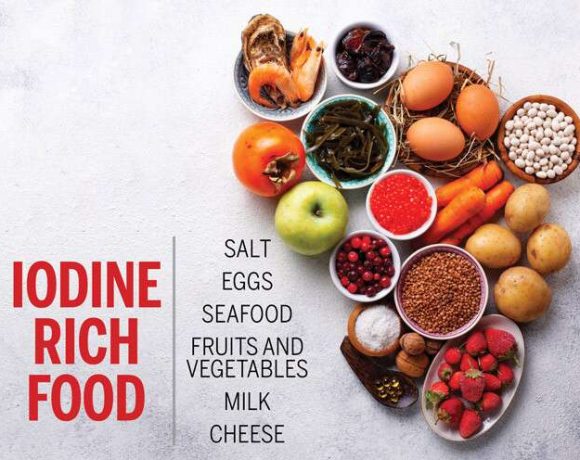
Nigerians have been advised to include iodine in their meals, especially pregnant women.

State Coordinator, Civil Society Scaling Up Nutrition in Oyo State, Pastor Olusegun Adio stated this in Ibadan.

Speaking on the theme, “Thyroid and Communication”, Pastor Adio explained that although iodine is one of the minerals that are required in small quantities in foods consumed, it still has an important role in proper human health.

He pointed out that without adequate iodine in the body, the thyroid glands become swollen or enlarged.

Pastor Adio urged people to consume fish, dairy products and fortified iodine salt to get enough iodine in the body.

Anthonia Akanji/Fasilat Lawal

Subscribe to our Telegram Channel and join our Whatsapp Update Group
Health

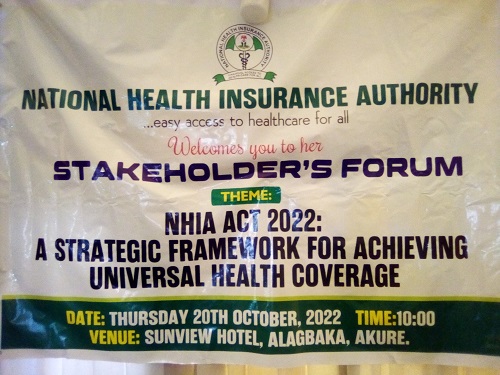
With the signing into law of the National Health Insurance Act 2022 on May 19, 2022, there is a need for stakeholders to get acquainted with what is obtainable in the new Act in order to make healthcare services available to everyone.

This formed the premise of a stakeholders’ forum organized by NHIA in Akure Ondo State.

In an opening address, Ondo State coordinator NHIA Dr Adebisi Adebiyi informed that the new Act, which is encompassing, would promote, regulate and integrate all health care providers and health maintenance organizations, HMOs, but at the federal and state level to ensure seamless service delivery.

Dr Adebiyi stressed that one peculiarity of the Act is the development of a basic minimum package health scheme BMPHS for every Nigerian so they can access health insurance services regardless of where they are at any given time.

Head of Standard and Quality Assurance Department, NHIA, Ondo State, Dr Bunmi Oluwasaanu emphasised that healthcare providers and HMOs must revert to NHIA in cases where there are issues of generating codes, and financial claims among others.

The Director General, Ondo State Contributory Health Commission, ODCHC Dr Abiodun Oyeneyin said efforts are ongoing to get more people to enrol on the scheme.

Buttressing this, Director Standard and Quality Assurance, ODCHC Mr Amos Ayebusi informed that over 20000 women have benefited from the.  ” abiyamo” free health scheme in the state.

Participants at the forum thanked the authority for the interface while appealing for more sensitisation of enrollees on their rights to quality health services under the scheme.

Others who spoke expressed the hope that service delivery of care providers and HMOs would improve especially now that the act is being implemented nationwide.

Augustina Bajeh

Subscribe to our Telegram Channel and join our Whatsapp Update Group


Health

Girls of puberty age have been advised to maintain consistent personal hygiene, especially during their monthly cycle.

Wife of the governor of Oyo State, Mrs Tamunominini Makinde stated this at the programme tagged ‘A Day with girls in Oyo State: World Menstrual Hygiene Day’ organized for female students drawn from all Secondary schools across the 33 local government areas of the state.

Mrs Makinde, who noted that poor personal hygiene could breed infections and diseases, called on the girls to dispose of their used pads properly.

While admonishing the stakeholders who included parents and teachers to be more caring, Mrs Makinde called them to break the culture of silence and make the girls see menstruation as natural and not a taboo.

 Commissioner for Health, Dr Bode Ladipo cautioned the girls from engaging in acts that could lead to unwanted pregnancies emphasizing that their menstrual cycle was yet to be regular.

Permanent Secretary, Ministry of Education Mrs Christianah Abioye called on girls to shun myths and misconceptions surrounding menstruation as these could be misleading.

Two of the students, Oluwadamilola Adedayo from IMG Grammar  School Ibadan and Benedicta  Bilewuomo from Progressive Government Grammar School, Tede, promised to prioritize their hygiene, especially during their period.

The students received menstrual sanitary packs from the governor’s wife.

This year’s theme for World Menstrual Hygiene Day is ‘Making Menstruation a Normal Part of Life by 2030’.

Seyifunmi Olarinde

Subscribe to our Telegram Channel and join our Whatsapp Update Group
Health

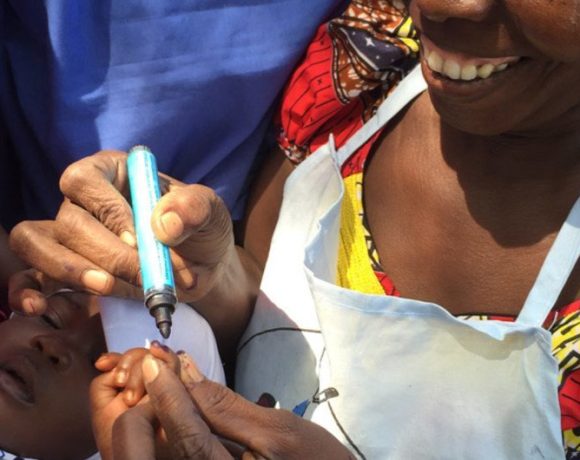
Oyo State government says it has postponed the commencement of the measles vaccination scheduled to begin on Thursday, 20th October till next week Thursday 27th of October for effective health care delivery.

Ibadan North West Local Government Immunization Officer, Mr Adedamola Adeniran stated this in Ibadan.

Mr Adeniran who explained that measles immunization was essential to children, noted that measles is contagious and could result in deafness, blindness and dullness.

He said that there was an outbreak of measles in Ibadan, last year, and it was immediately arrested.

Mr Adeniran urged parents and guardians to make their children available for immunization, pointing out that the children who took it last year were also entitled.

Fasilat Lawal

Subscribe to our Telegram Channel and join our Whatsapp Update Group

Health

To ensure an adequate supply of blood to the nation’s health facility, the federal government has declared December 8th as Nigeria’s National Blood Donor Day.

Reacting to this, the Acting Zonal Director, National Blood Service Commission, NBSC, South West Zonal Center, Ibadan, Dr Oladapo Aworanti said the step was to increase the act of voluntary blood donation and to appreciate donors.

Contrary to insinuations that setting aside another day for blood donation apart from International Day was a duplication of efforts, Dr Aworanti explained that the measure was to increase the blood pool across the country and to ensure the availability of blood in December when blood donation is reduced.

Dr Aworanti mentioned also that December was significant due to the festivities, increased vehicular movement and likelihood of road crashes.

Anthonia Akanji

Health

Good sleep makes the body healthy and fit. The absence of good sleep is the tipping point for a sleep disorder.

Sleep disorders are conditions that impair your sleep or prevent you from getting restful sleep and, as a result, can cause daytime sleepiness and other symptoms. Everyone can experience problems with sleep from time to time. However, you might have a sleep disorder if:

  • You regularly experience difficulty sleeping.
  • You are often tired during the day even though you slept for at least seven hours the night before.
  • You have a reduced or impaired ability to perform regular daytime activities.

Common sleep disorders like insomnia, restless legs syndrome, narcolepsy and sleep apnea can affect every aspect of people’s life including safety, relationships, school and work performance, thinking, mental health, weight and the development of diabetes and heart disease: not getting enough quality sleep can hurt the quality of life (Cleveland Clinic).

Statistics of persons troubled by insomnia, a sleep disorder, for example, are staggering: 237 million people globally struggle with insomnia.

While people over the age of 60 are the age group that has the highest reported levels of insomnia, women are 40% more likely to have insomnia than men.

Also, 35% of people with insomnia have a family history of the condition, and people with insomnia are five times more likely to suffer from depression (The Good Body).

A sleep expert gives tips for the perfect condition for sleeping quickly.

Watch.

Twitter/Simeon Ugbodovn

Subscribe to our Telegram Channel and join our Whatsapp Update Group

Health

At least five hours of sleep a night may cut the over-50s’ chances of multiple chronic health problems, researchers say.

Ill health can disrupt sleep – but poor sleep may also be a forewarning or a risk itself, they say.

There is evidence sleep helps restore rest and rejuvenate the body and mind – but why the “golden slumber number” might matter remains unclear.

The PLoS Medicine study tracked the health and sleep of UK civil servants.

All of the about 8,000 participants were asked: How many hours of sleep do you have on an average weeknight?”

Some also wore a wristwatch sleep tracker.

And they were checked for chronic conditions, including diabetes, cancer and heart disease, over two decades of follow-up:

  • Those who slept five hours or less around the age of 50 had a 30% greater risk of multiple ailments than those who slept seven hours
  • Shorter sleep at 50 was also associated with a higher risk of death during the study period, mainly linked to the increased risk of chronic disease

Experts generally recommend about seven or eight hours, the researchers, from University College London and Paris Cité University, say.

Scientists do not know for sure, but it is clear that sleep helps the brain process memories and is good for mood, concentration and metabolism.

Sleep is also an opportunity for the brain to be cleared of waste.

Good-sleep tips

  • Tire yourself out during the day by keeping busy and active but slow down towards bedtime
  • Avoid daytime naps
  • Establish a good night-time routine and make sure your bedroom is relaxing and conducive to sleep – thick curtains or blackout blinds, a comfy room temperature and bedding, and no big distractions, such as scrolling on a smartphone in bed
  • Reduce or eliminate caffeine and alcohol close to bedtime
  • If you can’t nod off, don’t force it or become frustrated – get up and do something relaxing for a bit, such as reading a book, and then return when sleepier
  • If you work antisocial shifts, try a short sleep before your first run of nights, to transition. If you are coming off nights, try a nap to see you through and then go to bed early that evening
  • Surrey Sleep Centre director Prof Derk-Jan Dijk told BBC News: “This work reinforces that getting only short sleep is not good for us. Generally, it’s not healthy – although, for some, it may be OK.
  • “The big question is why do some people sleep less. What is causing it and is there anything we can do about it? Sleep is a modifiable lifestyle factor to a certain extent.”
  • Long stretches of bad sleep can severely affect well-being.
  • GPs now rarely prescribe sleeping pills, which can have serious side effects and cause dependency.
  • But sleep problems can often be resolved and support is available.

BBC/Simeon Ugbodovon

Subscribe to our Telegram Channel and join our Whatsapp Update Group

Health

The Ogun State Commissioner for Health, Dr. Tomi Coker says new data has indicated 40% of expectant mothers in the state choose to visit Traditional Birth Attendances (TBAs) for delivery, which may be having an impact on the outcome for both mother and child. 

The commissioner while responding to the Multiple Indicator Cluster Survey (MICS 6) by the National Bureau of Statistics supported by the United Nations Children’s Fund which rated the state as having the highest infant mortality rate in the southwest of Nigeria stated that the state government was not unaware of the health position of women and children in the state.

She noted that the situation was not as bad as painted by the UNICEF Assisted report.

Dr. Coker also argued that the report was a poor representation of the true picture of infant health in the state faulting the sample size used for the report.

The Health Commissioner  emphasized that the reporting period for the survey witnessed a major shift in the health system with the COVID-19 pandemic which crippled the health system in the country, 

Multiple Indicator Cluster Survey (MICS) is conducted every two years by the Bureau of Statistics with support from United Nations Children’s Fund UNICEF to fill the data gap for monitoring the situation of children and mothers’ health.

The latest survey, MICS6 had recorded Ogun State as having the highest record of deaths of children between the ages of 0 and five years as well as postnatal care for newborns, in the southwestern part of the country.

Wale Oluokun

Subscribe to our Telegram Channel and join our Whatsapp Update Group

Health

Over 70 Journalists across the Southwest states of Nigeria are participating in a media dialogue on the 2021 Multiple Indicator Cluster Survey, MICS 6, in Ibadan, Oyo State. 

The two-day discourse, which kicked off on Thursday, was put together by the National Orientation Agency, Lagos Directorate in collaboration with United Nations Children’s Fund, UNICEF.

The UNICEF Social Policy Specialist and Officer in charge of the UNICEF Lagos Office, Muhammad Okorie described the MICS as a household survey done every two years.

He said he was pleased that the recent tool; MICS 6 has accurate data that would help to measure the situation of children and women in Nigeria.

Acknowledging the impact of the media on society, Mr. Okorie explained that the media have a wider platform to publicize the MICS report for it to reach all stakeholders and thereby bring about narratives that will transform the lives of women and children in Nigeria.

In his opening remarks, the Director of the National Orientation Agency, Lagos State, Dr. Waheed Isola advised the Journalists to make optimal use of the data in the survey report in their reportage and programming.

Earlier the UNICEF Communication Officer, Blessing Ejiofor said the essence of the dialogue was to discuss the recent data and assess the works done so far on the protection of rights of children and women in the Southwest zone of  Nigeria.

She explained that the new survey, MICS 6 as an advocacy tool, would enable journalists to report accurately and do the right advocacy for children and women by analyzing their situation in an informed manner that would be convincing to the stakeholders.

While reviewing the MICS 6 results across the Southwest states and their implications for health, violence against women/girls and others, UNICEF Planning and Monitoring Specialist, Oluwasola Olanipekun noted that MICS data are reliable which are used for planning and strengthening the national statistical capacity.

Mr. Olanipekun added that new modules were introduced in the MICS 6 such as household energy use, social transfer and financial inclusion, with over 250 indicators.

He reiterated the credibility of the survey which he said had produced reliable data.

Some of the indicators which include health, nutritional and sanitation indicators were reviewed vis-a-vis each state’s data.

For instance, from the Health indicator Oyo, Ondo and Ogun states were reported to be at the lowest rung of the ladder in the zone in terms of Institutional delivery.

The three states have the highest percentages of children not delivered in health facilities in the zone which implied that such deliveries were handled by non-skilled health workers.

Also, the infant mortality rate of babies from age zero to eleven months is lowest in Lagos and Osun states, while Ogun State has the lowest infant survival rate in the zone.

Generally, the under-5 mortality rate is lowest in Lagos state and highest in Ogun State.

From the Nutritional indicators of the 2021 MICS report, children are said to eat less frequently in Oyo state and more frequently in Lagos state.

On sanitation indicator (WASH), Oyo state is reported to be the highest in open defecation, while Lagos has the lowest rate.

A health specialist, Dr.Ijeoma Agbo pointed out that some events at the health centres may not be recorded because of inadequate personnel to document the reports, hence data could only be gotten from what was recorded.

.

She cautioned that the percentage assessment of individual states could be misleading, and advised the media to focus more on the absolute figure which constitutes the percentage for better assessment of the performance of each state.

A media Trainer and Manager, Ify Onyegbule advised Journalists to maximize the use of social media platforms to tell their stories from the available data.

Onyegbule stressed the importance of the usage of the correct language and the most appropriate platform in reporting issues.

Heads of the Bureau of Statistics in the six Southwest states of Oyo, Ogun, Osun, Ekiti, Ondo and Lagos are also participating in the media dialogue. 

Afolasade Osigwe

Subscribe to our Telegram Channel and join our Whatsapp Update Group

Health

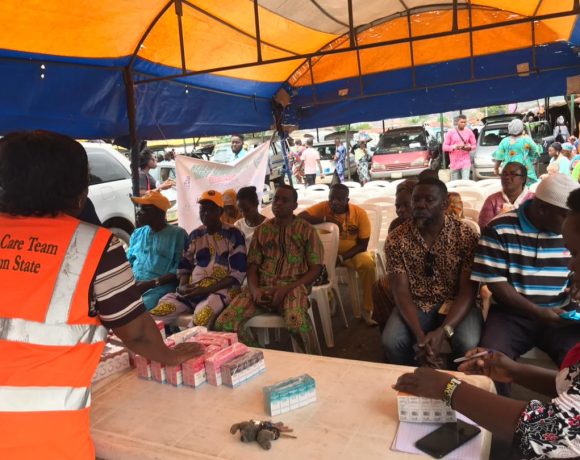
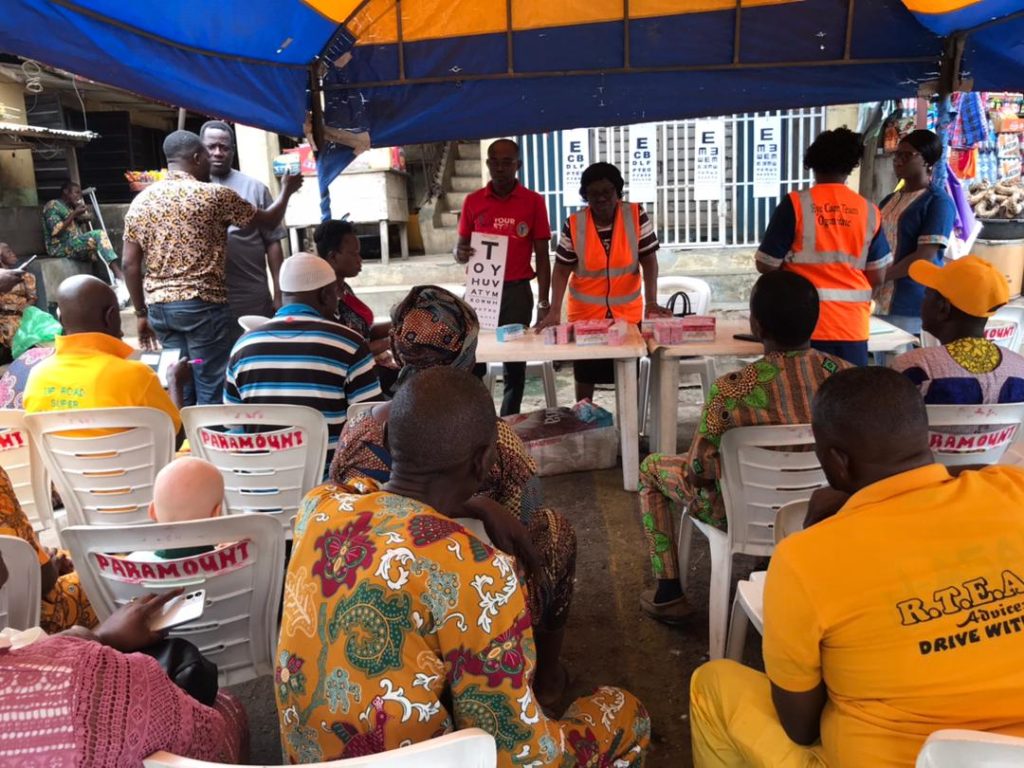
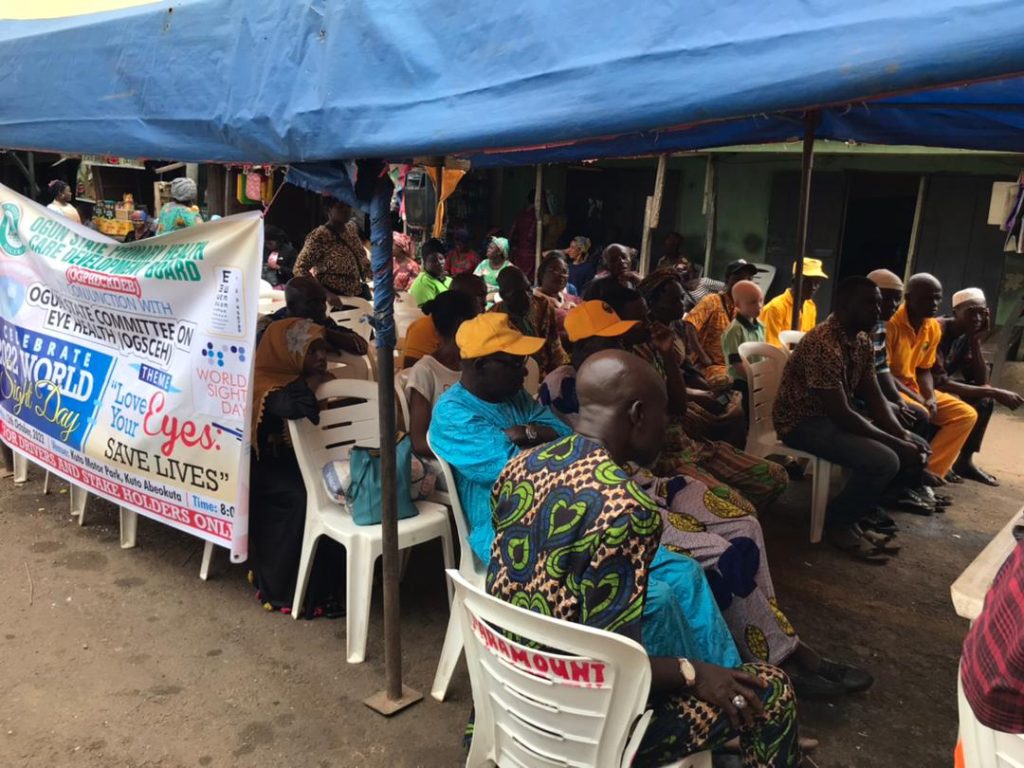
As part of activities marking the 2022 World Sight Day, the Ogun Primary Health Care Development Board in conjunction with the State Committee on Eye Health has conducted free eye screening for motorists and drivers in various parks and garages across the State.

Speaking on the theme for the year, “Love your Eye, Save Lives” in Abeokuta, the State Chairman, the Ophthalmological Society of Nigeria, Dr Oladapo Awodein noted that statistics had shown that 50 per cent of road accidents were due to bad sight, hence the target on drivers and motorists.

Dr Awodein said the screening exercise would avail them the opportunity to know their sight status, assuring that the programmes would be carried out simultaneously in parks and garages.

Also, the Chairman of the Committee, Dr Oluwatoni Onabolu who explained that the move was to identify the visual perception of drivers and motorists in the State as visual impairment affects their driving abilities and safety of all road users, advised motorists to desist from taking harmful substances that could affect their eyes and watch out for sudden change in their eye condition.

Contributing, the Chairman, Ophthalmic Nurses of Nigeria, Mrs Mojisola Bankole highlighted some of the ways to properly care for the eye to include periodic eye checks, healthy eating habits and engaging in exercise to avert disease conditions that could impact negatively on the eyes, imploring them to consult qualified eye professionals in hospitals whenever the need arises, and shun the practice of self-medication and patronage of roadside opticians.

In a remark, the Chairman 2, Road Transport Employers Association of Nigeria, Kuto Park, Chief Lanre Ladipo commended the State government for prioritising the health and safety of motorists and other road users, urging members to take proper care of their eyes.

Olusegun Folarin

Subscribe to our Telegram Channel and join our Whatsapp Update Group
Health

As part of measures to increase access to eye care, Center for Eye Health and Innovation of the Eleta Eye Institute is set to release a free Vision Health Detective App.

In an interview with Radio Nigeria, Chairman, Eleta Eye Foundation, a Non-Governmental Organization, Dr Oluwagboyega Ajayi explained that the initiative was in collaboration with colleagues in the United States of America.

Dr Ajayi noted that with less than five hundred Ophthalmologists to attend to the eye health of more than two hundred million Nigerians, the app will be of great help as it will carry out a test and send results to any Ophthalmologist registered for further consultation and care.

Speaking on the theme for this year’s World Sight Day, “Love your Eyes” the expert said “Love is a powerful word and to love someone is to have feelings for that person, to cherish, to adore and to make someone happy all the time.

“Caring for a loved one also means spending time with that person, having time and knowing what makes the person happy as well as what he likes or dislikes. The same goes for loving the eyes”.

Dr Ajayi identified things that people should avoid if they love their eyes including smoking cigarettes or cigars, use of certain drugs, and some herbs and excessive use of chloroquine. Food items to avoid include not well-processed garri.

“People have asked me whether garri can cause blindness and I said, “No” and “Yes” because the normally processed garri will not cause blindness but garri which is not well processed can, as it contains cyanide a toxic substance which affects the eyes and other organs in the body,” he said.

Fatty foods should also be avoided according to the expert while people with existing health conditions like diabetes, hypertension and other diseases are at higher risk of eye problems.

This is why people should check their eyes once a year if less than forty and twice if above forty, eat a lot of green leafy vegetables and fruits which are good for the eyes.

Dr Ajayi submitted that of all the five senses of sight, taste, touch, smell and hearing, the sense of sight remained the most powerful and must be cherished.

Anthonia Akanji.

Subscribe to our Telegram Channel and join our Whatsapp Update Group
Health

As Nigeria joins the rest of the world to commemorate 2022 Mental Health Day, experts in mental health care want Nigerians to desist from stigmatizing mental patients.


The experts stated this while speaking with Radio Nigeria on increasing cases of mental health challenges among Nigerian youths.

Speaking on the day, two clinical psychologists at the Neuropsychiatric Hospital, Aro, Abeokuta, Dr Aina Oyekanmi and Dr Olanrewaju Shodehinde said mental health was an integral part of human health, noting that mental health crises could occur in humans at any stage of life.

While highlighting some of the causes of mental health challenges, the psychiatrists said poverty, extreme stress, drug abuse, historical background, denial and ignorance were some of the predisposing factors that could influence mental illness in people.

Dr Oyekanmi and Dr Shodehinde who emphasized the need for government to adequately fund mental health institutions and improve the economy also advocated constant awareness of the dangers associated with substance abuse.

Speaking on the significance of the day, a Psychiatrist at the University College Hospital UCH, Ibadan, Dr Esan Oluyomi advised Nigerians who were mentally balanced to eschew activities that could trigger mental crises including substance abuse.

Dr Oluyomi urged people with mental disorders to seek medical intervention to restore their mental health.

The United Nations states that nearly one billion people globally have some form of mental disorder.

The theme for 2022 World Mental Health Day is “make mental health for all a global priority”

Rotimi Famakin 

Subscribe to our Telegram Channel and join our Whatsapp Update Group

Health

The Oyo State government has enrolled 45,000 poor and vulnerable people under the Basic Health Care Provision Fund, BHCPF, in the state.

This, the state government said was part of the Governor Seyi Makinde-led administration’s efforts to provide free medical services for its people.

Speaking during the launch of the programme on Friday, at the Aafin Primary Health Care Center, Oyo, Atiba Local Government area of Oyo State, the Secretary to the State Government, SSG, Mrs Olubamiwo Adeosun said the vision of the state government is to achieve Universal Health Coverage for all residents of Oyo State where no one is left behind in accessing healthcare.

Mrs Adeosun extolled the state government for availing the residents of Oyo State of the opportunity under the BHCPF scheme. 

Secretary to the State Government, SSG, Mrs Olubamiwo Adeosun (r) greeting people at the Aafin Primary Health Care Center, Oyo, Atiba Local Government area of Oyo State

The SSG enjoined the enrollees to take advantage of the opportunity under the Access to Care Scheme without paying out of pocket and thereafter she performed the symbolic distribution of BHCPF ID cards. 

She reiterated the commitment of Governor Seyi Makinde’s administration to achieving Universal Health Coverage.

Speaking at the official flag-off ceremonies of access to care under BHCPF, the Executive Secretary of the Oyo State Health Insurance Agency, OYSHIA, Dr Sola Akande disclosed that, “Oyo State is about to witness the final push towards Universal Health Care in Oyo State and Nigeria at large.”

Speaking further, Dr Akande, stated that the federal government through the National Health Insurance Authority, NHIA, has made available a total amount of 450,000,000.00 naira in the first tranche and 264,000,000 naira in the second tranche for enrollment of 37,500 people.

He, however, announced that through the innovation of the Agency, the same amount of money will be used to enrol 45,000 residents of the state into the scheme. 

Dr Akande also assured successful enrollees that they can access care without paying out-of-pocket through the ID card issued to them by the agency. 

The Basic Health Care Provision Fund’s primary objective is to help achieve Universal Health Coverage and enhance access to primary health care services for Oyo state citizens especially the poor and the vulnerable, women, children under 5, and children in orphanages.

Present at the flag-off ceremony are the Oyo-Mesi led by High Chief Yusuf Akinade Ayoola the Oosorun of Oyo; the General Manager, NHIA, Lagos office, Mr Olufemi Akingbade; the Permanent Secretary, Ministry of Health, Dr Adesoji Adeyanju; the Executive Secretary, Oyo State Primary Health Care Board, Dr Muyideen Olatunji among others.

As Oyo State flags off access to care, under BHCPF, the Oyo State Health Insurance Agency has empanelled 22,018 lives into 127 PHCs across 33 LGA’s and have paid capitation into all of these facilities for effective health care service delivery to enrollees.

Oluwakayode Banjo

Subscribe to our Telegram Channel and join our Whatsapp Update Group

Health

Over eight hundred and sixty thousand children and women are to be vaccinated against measles and other communicable diseases in Ondo State.

The permanent secretary, Ondo State Primary Health Care Development Agency, Dr Francis Akanbiemu announced this in Akure while briefing newsmen on the integrated measles campaign scheduled for October, this year.

Dr Akanbiemu said the campaign against measles would go along with the regular antigens and other vaccines, especially the Covid-19 vaccine.

He explained that beneficiaries of the vaccinations were children under five, expectant mothers and breastfeeding women.

Dr Akanbiemu urged mothers to make themselves and their children available for the exercise while also calling on the general public to get vaccinated against coronavirus which he noted remained deadly.

Also speaking the Director, Disease Control, Ondo State Ministry of Health, Dr Victor Adefesoye hinted that the integrated measles campaign would run from October 20 to November 4 in all the eighteen local government areas of the state.

On his part, the Director of Community Health Services and Education, Dr Samuel Abiona appealed to religious leaders, school owners and community leaders to mobilize children as well as women in their care for the exercise.

Adebukola Bardi

Subscribe to our Telegram Channel and join our Whatsapp Update Group

Health

By Adebukola Aluko

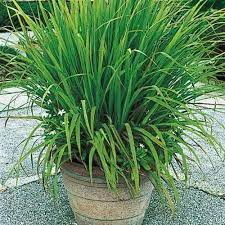
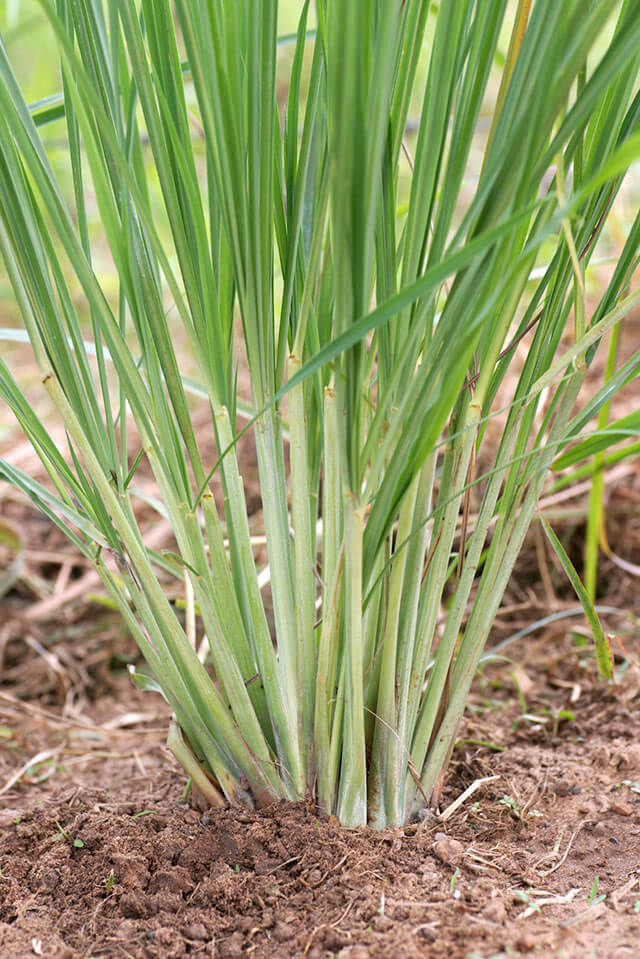
Lemongrass (Cymbopogon citratus), also called sweet rush, species of oil grass in the family Poaceae. At a distance, clusters of lemongrass in their native habitat look deceptively plain. Long skinny leaves of an unassuming green fan out from the stem, yet they release at a single touch, a profuse lemon aroma that has made this pungent plant a staple of kitchens across South East Asia.

Lemongrass is one of approximately 55 other species of grasses in the Poaceae family of grasses. Of these multiple varieties, the two most popular ones are Cymbopogon citratus and Cymbopogon flexuosus.

Lemongrass is native to tropical regions such as Africa, Asia, Southeast Asia, Australia, and Oceania where it has been used traditionally for medicinal, cosmetic and culinary purposes.

The plant is also native to Sri Lanka and South India but now grows in many countries around the world. The plant’s stalks are a common ingredient in Asian cooking, but it is also possible to brew lemongrass to make tea.

The plant has long leaves that are similar to those of seagrasses. While an estimated 55 species of lemongrass exist, only the East Indian and West Indian varieties are suitable for use in cooking.

The Lemongrass herb has stalks that are fibrous and smell much like lemons. In essential oil, the scent of Lemongrass is fresh and light with a hint of lemon.


Lemongrass is commonly taken orally, applied directly to the skin, or inhaled as aromatherapy for many different conditions. But there is limited scientific research to support any of its common uses.

In food and beverages, lemongrass is used as a flavouring. For example, lemongrass leaves are commonly used as “lemon” flavouring in herbal teas.

In manufacturing, lemongrass is used as a fragrance in deodorants, soaps, and cosmetics. Lemongrass is also used in making vitamin A.

Health Benefits of Lemon Grass Tea

Lemongrass tea may have many benefits, including relieving anxiety and preventing infection, it also contains the inflammation-fighting compounds

Inflammation is a factor in many adverse health conditions, including pain and heart disease. As such, lemongrass tea could be a beneficial drink for people to incorporate into their diet.

Below are the benefits that may result from drinking lemongrass tea.

1. Relieving Anxiety

Many people find sipping hot tea to be relaxing, but lemongrass tea may offer further anxiety-reducing properties.

According to the Memorial Sloan Kettering Cancer Center, smelling lemongrass may help people with anxiety.

2. Lowering Cholesterol

According to the Journal of Advanced Pharmaceutical Technology & Research, consuming lemongrass extracts appears to lower cholesterol in animals.

The study notes that the reaction is dose-dependent. This means that larger quantities of lemongrass might lower cholesterol further.

3. Preventing Infection

According to the Memorial Sloan Kettering Cancer Center, study results suggest that lemongrass may have some infection-preventing capabilities.

For example, the herb seems to reduce the incidence of thrush, a fungal infection that commonly affects people with weakened immune systems, such as those with HIV.

4. Boosting Oral Health

In many countries where the lemongrass plant is native to the area, people pluck lemongrass stalks and chew on them as a way to improve dental health and keep the mouth feeling clean.

The Food Chemistry journal published a study confirming these findings.

5. Relieving Pain

According to some studies, lemongrass may be able to block pain. This means that drinking lemongrass tea could potentially help to prevent a person from sensing pain.

6. Boosting Red Blood Cell Levels

The results of a study suggest that drinking lemongrass tea infusions daily for 30 days can increase haemoglobin concentration, packed cell volume, and red blood cell count in the body.

7. Relieving Bloating

Drinking lemongrass tea can have diuretic effects, which means that it stimulates the kidneys to release more urine than usual.

8. Reduces Fever

Due to its ability to reduce fever, Lemongrass earned the name “fever grass” in some cultures.

9. Stimulates the uterus and menstrual flow,

10. Packed with Antioxidant properties.

Lemongrass Tea Recipe

Here’s how you can make lemongrass tea at home:
Ingredients:
  • 4 cups of water
  • 1 cup of lemongrass
  • 1 tbsp honey
Follow the instructions:
  1. Rinse fresh lemongrass with water. After cleaning, cut them into small pieces and grind or blend a little.
  2. Place a saucepan on heat, pour water, and bring it to a boil.
  3. Add small pieces of lemongrass into the water, and let it boil for 10 minutes. 
  4. After the water is boiled, you will notice lemongrass leaves fade. Strain the tea and serve hot.
  5. Lastly, add honey to it to sweeten it.

So, sit back and enjoy hot lemongrass tea!

Subscribe to our Telegram Channel and join our Whatsapp Update Group

Health

Governments at all levels should give priority to advocacy to strengthen the Health sector in the country.

National Monitoring and Evaluation Officer, Network of People Living with HIV/AIDS in Nigeria, NEPWHAN, Mr Jerry Antai stated this at an ongoing training for the state advocacy team at Mauve 21 in Ibadan.

Mr Antai explained that when the government gave adequate attention to advocacy, it would address and identify health lapses needed in the community down to the grassroots.

Contributing, a member of the advocacy group, Mr Adio Olusegun, decried negligence of advocacy, noting that the achievements of the team most times were low compared to the high number of Organizations in the country.

Mr Olusegun warned Organizations not to abuse or politicize advocacy, for good development.

Representative of traditional rulers in Ibadan, Baálè of Oluyole Estate and Environs, Yemi Ogunyemi urged the government to provide necessary care  for the people in terms of security and quality health services.

Fasilat Lawal

Subscribe to our Telegram Channel and join our Whatsapp Update Group
.

Health

Ewe Akoko also known as Newbouldia Laevis

The Yorubas call it Ewe Akoko, and Ogilisi by the Igbo people while the Hausas call it Aduruku. The English name is Hup Plum Leaf.

The plant has shiny dark green leaves and bears large showy terminal purple flowers.

It is often planted as a boundary marker, and it has various medicinal uses.

The tree has a wide distribution across West and Central Africa. It is known as the tree of life highly used for spiritual purposes according to one’s belief.

Some use it for health while others use it for religious practices.

It is called the Fertility Leaf in English, while its Botanical Name is NEWBOULDIA LAEVIS

It is used for infertility-related issues, it balances the hormone, menstrual irregularity, and adhesion (pelvic inflammation or pelvic organ scarring). It helps to aid childbirth or safeguard the developing fetus.

It is used to treat a range of gynaecological issues including, miscarriage, menstrual discolouration, scanty menstrual flow and others. And it also improves the chances of conception by encouraging a healthy hormonal profile.

The extracts is useful in the management and treatment of nervous system-related disorders such as convulsion, anxiety, pains.

It is also a good source of phytochemicals and also a potential source of potent antiplasplasmodial compounds that could be developed into drugs useful for the treatment of malaria. If applied externally, the bark is said to cure a range of skin conditions including septic wounds,

abscesses and ulcers and is also used to treat snake bite. Pulped up to a paste, it is applied to rheumatic

joints, especially painful arthritis in the knee.

The Health Benefits Of Ewe Akoko (Newbouldia Laevis)

The young fresh leaf can also be cooked with red oil drink during labour to facilitate easy delivery and minimize labour pains.

A decoction of the leaf used as a gargle in the mouth for 4-5 minutes continuously is used to treat dental

caries and relieves toothache

The bark is stomachic and analgesic.

A decoction of the leaf os used in the treatment of dysentery, diarrhoea, epilepsy, cough and convulsion.

A decoction of the bark sieve is taken in form of an enema as a treatment for piles and constipation.

Dried powdered of bark combined with alligator pepper (Aframomum melegueta) is sniffed inform of snuff to treat migraine and sinusitis.

A decoction or ethanol extract of the root is used for the treatment of intestinal problems such as worms.

The decoction of the root is a laxative and is used to treat constipation.

The maceration of the root is effective for the treatment of arthritis and rheumatic pains.

The powdered root combined with chilli pepper (Capsicum frutescens) are put into a carious tooth to treat toothache.

Decoction of the root and leaves are a remedy for scrotal elephantiasis, fever and as an aphrodisiac.

It increases sperm count, boost sperm production and quality.

Newbouldia laevis increases blood flow to the genitals and boosts penile erection and sexual performance.

The leaf is used in the making of black soap.

A decoction is used in the treatment of coughs, diarrhoea and dysentery, while it is also given to children to treat epilepsy and convulsions.

A decoction of the bark, combined with chillies is used in the treatment of chest pains.

How To Use Newbouldia Laevis

Get the two leaves, cook it for 5 to 10mins with ordinary water.

Allow it to settle for 24 hours, then take the original natural honey and combine it with the boiled leaf and water extract

Take a full glass cup twice daily. Morning and Night.

Culled/ Oluwasemilore Emiade

Health

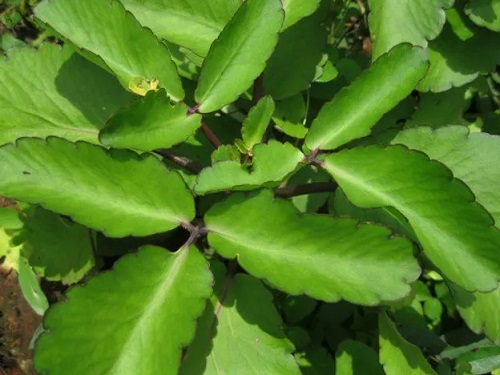
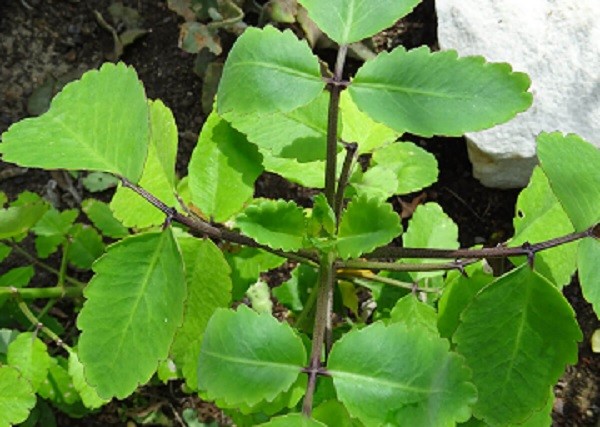
Bryophyllum pinnatum (Fam. Crassulaceae) is a succulent perennial herb, which grows up to 1m to 2m in height.

It is known by several names such as “wonder of the world”, “miracle leaf”, “resurrection plant”, “cathedral bells”, “Goethe plant”, “sacred plant”, “good luck leaves”, “never die plant”, “air plant”, or “life plant.”

 It is known as karan masarachi in Hausa, odaa opue in Ibo, ewe abamoda or odundun in Yoruba, and da bu si in Chinese. To the Edo, it is danweshin or ekpokpo. It is afiayo in Efik and umbu in Ijo-Izon.

Constituents

The leaves of B. pinnatum have been reported to have flavonoid, phenolic compounds, alkaloids, terpenoids, carbohydrates, minerals and glycosides.

Compounds identified include oleic acid, alpha-D-Glucopyranoside, methyl, n-Hexadecanoic acid, Octadecanoic acid, 3,5-Dihydroxy-6- methyl-2,3-dihydro-4H-pyran-4-one and Benzaldehyde.

They also contain vitamins like ascorbic acid, thiamine, riboflavin and niacin; also minerals like calcium, zinc and phosphorus, potassium, sodium.

Preparations

Pinnatum may be used as raw leaves. The leaves may be lightly roasted, heated, made into infusion, juice mixed with coconut oil. The roots and stem may also be used as infusions.

Pharmacological Actions and Medicinal Uses

The leaves of B. pinnatum are known for their antinociceptive, anti-inflammatory and antidiabetic activity, antihypertensive activity, immunosuppressive effect, antibacterial, antiviral, antifungal, antihistamine, anaphylactic and anti-tumour activities.

Antiulcer potentials of herbal drug have been reported in various scientific studies. Bryophyllum pinnatum is used for the treatment of cough, asthma, cold (with candy sugar), dysentery, fever, constipation, boil, wound, sore or cuts, leucorrhoea and roundworm infestation. It is a natural remedy for teething trouble (when mixed with honey) and ear pain.

Researchers have established the gastroprotective effect of aqueous extract and mucilage from Bryophyllum pinnatum against peptic ulcers.

In a study, both the aqueous and methanolic leaf extracts of B. pinnatum produced dose-related, significant decreases in arterial blood pressures and heart rates of anaesthetised normotensive and hypertensive rats. 

Another study concluded that Bryophyllum pinnatum may be a suitable treatment for sleep problems of cancer patients. It has importance in the treatment of certain types of cancer.

The rhizome of this plant can be used for the prevention and treatment of kidney and gall bladder stones.

It has diuretic properties, alleviates difficult urination, and helps to cleanse the bladder and intestines of harmful toxins.

The intestinal cleansing properties can definitely contribute to weight loss; thus its usefulness in weight management.

The root of this plant is believed to be hepato-protective and proved useful for the treatment of jaundice and hepatitis. It is used as a home remedy for piles. The extract is used for the nourishment of the hair and treating grey hair.

Adverse effects

There are very scanty reports of discomforts such as fatigue, dry throat, agitation and difficult digestion from the use of B. pinnatum. It may interact or reduce the efficacy of Aspirin. The plant should not be used in pregnancy.

Economic uses and potentials

Pinnatum is often used as an ornamental plant; it makes a very decorative addition to the garden.

The pharmacological properties render it a possible candidate for the development of novel drug substances as well as for cosmetics. 

There are potential in the large-scale cultivation, research and development of resurrection plant for medicinal use.

Pharmanewsonline/Adetutu Adetule

Subscribe to our Telegram Channel and join our Whatsapp Update Group
Health

Peppers come in all sizes and colours. Some pack heat. Others are sweet. You can get them fresh, frozen, dried, or canned.

You’ve seen bell peppers — green, orange, yellow, and red — in the grocery store, salad bar or open markets.

Red peppers pack the most nutrition because they’ve been on the vine the longest.

Green peppers are harvested earlier before they have a chance to turn yellow, orange, and then red.

Compared to green bell peppers, the red ones have almost 11 times more beta-carotene and 1.5 times more vitamin C.

Peppers are very versatile.

You can add raw ones to everything from dips and salads to pasta dishes.

Roasting peppers is easy, too. Cut a small slit near the stems, grill or broil until blackened.

Then let them steam by zipping them into a plastic bag for about 15 minutes before scraping off the skin and removing the stem, core, and seeds.

Toss red peppers in a stir-fry for a hit of colour, too.

When working with hot peppers, remember that they can burn your skin and eyes.

Wear rubber gloves while you’re handling them, keep your hands away from your face, and wash your hands,  as soon as you’re done.

Keep a glass of whole or low-fat milk nearby, too.

 Capsaicin won’t dissolve in water. You need some fat to neutralize it.

Also, if you’ve heard the claims that, peppers make you lose weight, you may want to take it with a grain of salt.

Capsaicin: Found in hot peppers, including chilis and cayenne powder, capsaicin has been shown to boost metabolism,  as well as suppress appetite, at least slightly.

Over time, this effect might give you an extra edge when it comes to weight loss. But it won’t melt the pounds away.

Research shows that people who don’t typically eat spicy foods are most likely to benefit from turning the heat up a notch.
Capsaicin seems to affect metabolism by raising body temperature, which uses up more energy.

Dihydrocapsiate, DCT: A cousin of capsaicin, DCT is found in a strain of mild, sweet chilli peppers, sometimes called CH-19 peppers.

Researchers found that DCT in capsule form acts similarly to capsaicin, minus the fiery sensation. In a small study, people who took it while following a high-protein, very low-calorie diet for a month burned about an extra 100 calories per day.

However, they didn’t lose more weight than people taking a placebo pill, perhaps because, their diet was already very low in calories. 

Piperine: Found in dried black pepper, piperine may prevent new fat cells from forming.

The catch: Scientists have only studied mouse cells, so there’s no proof that it will work in people.

If you like black pepper, feel free to flavour your food with it.

It’s calorie-free and won’t raise your blood pressure, and it is important to not count on it to slim down.

Taiwo Akinola

Subscribe to our Telegram Channel and join our Whatsapp Update Group