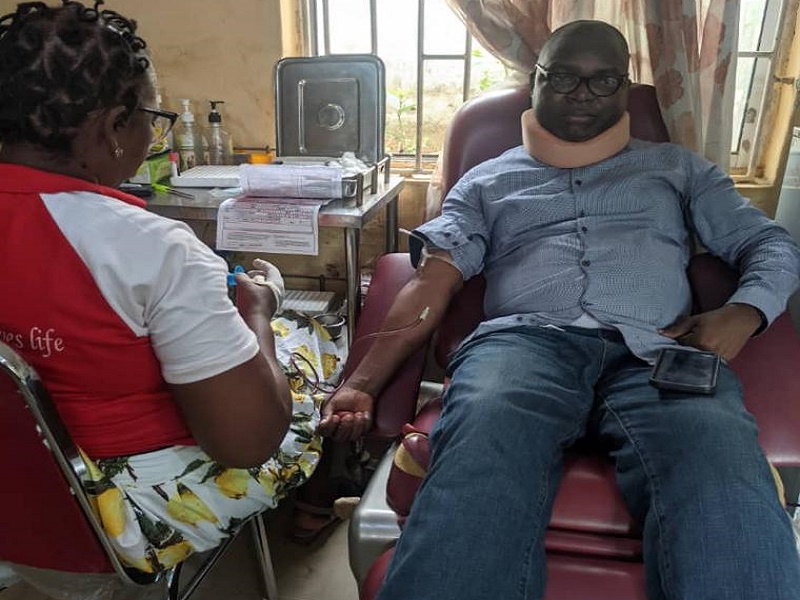
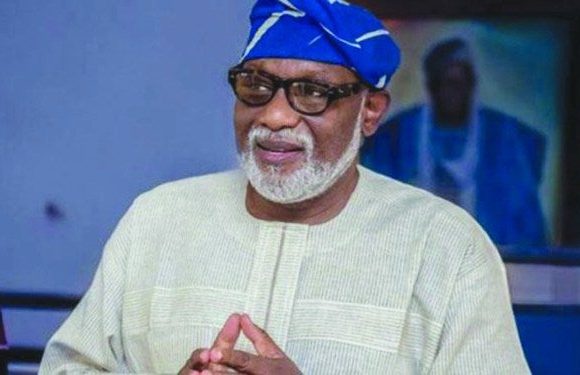
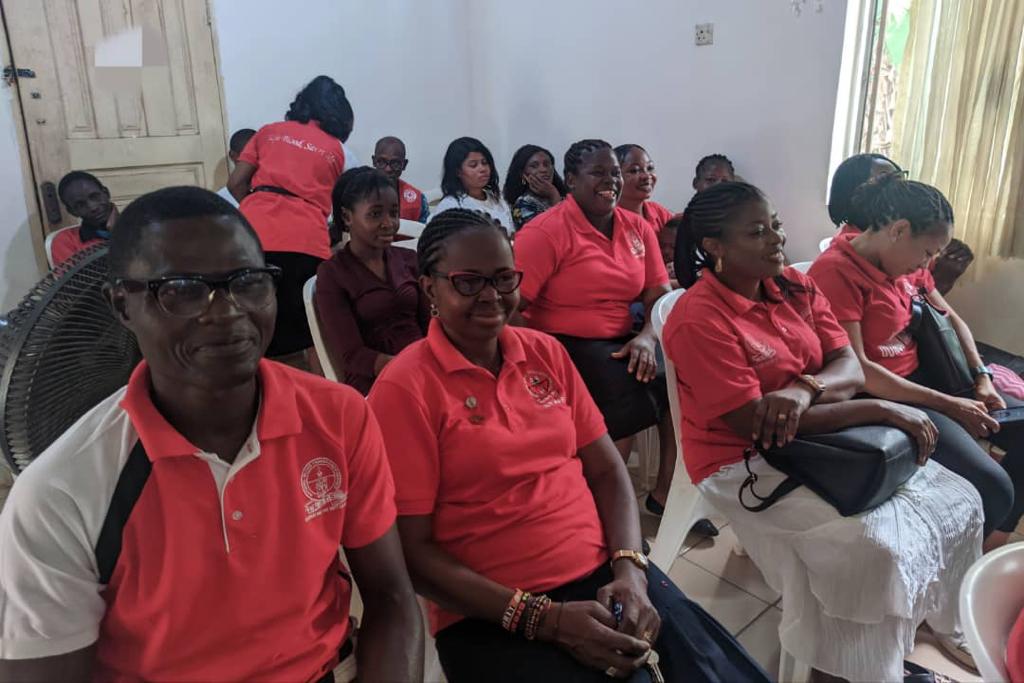
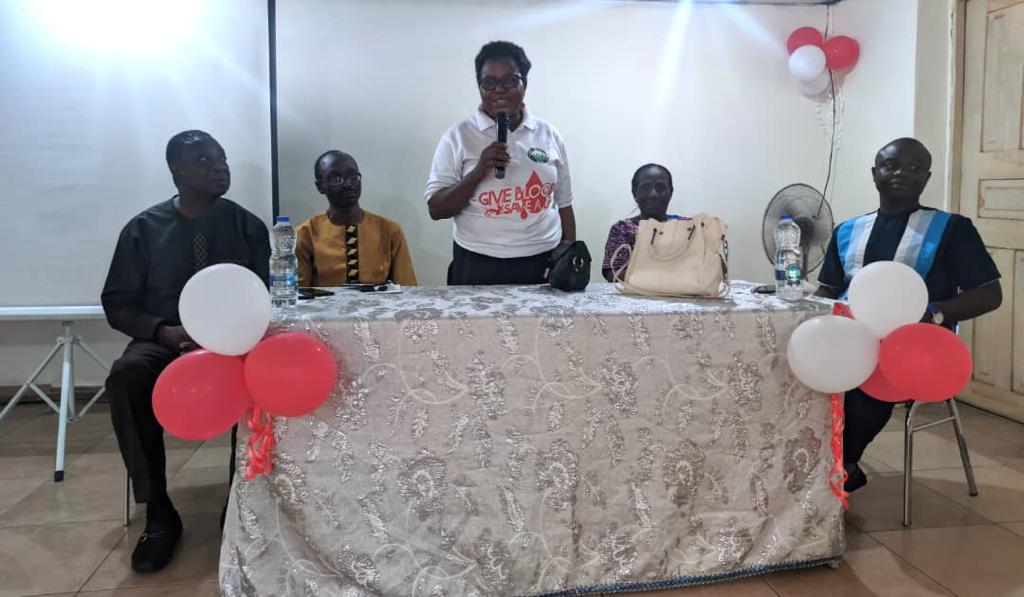
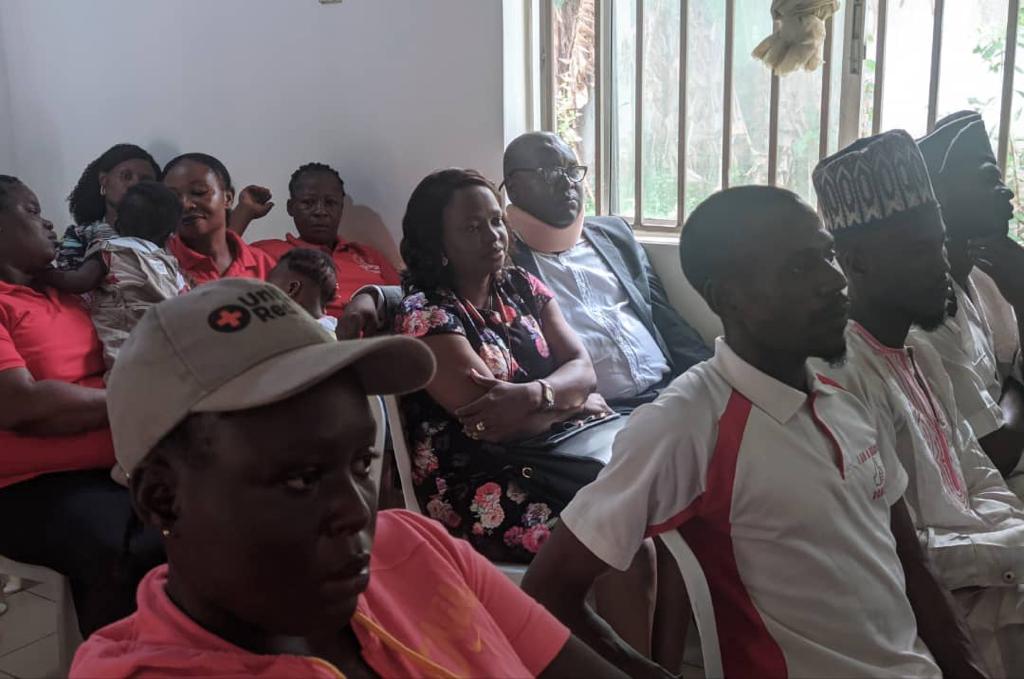
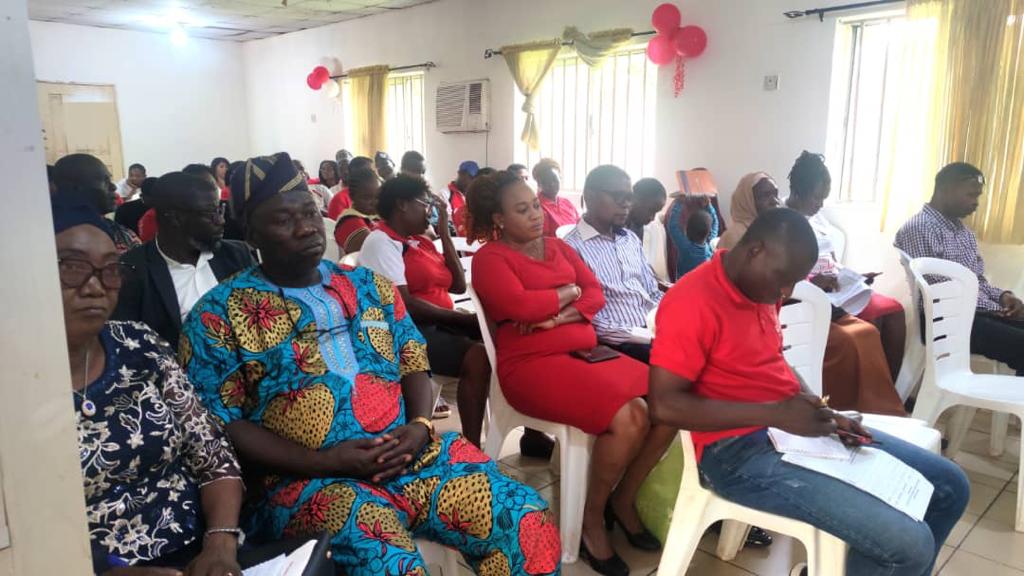
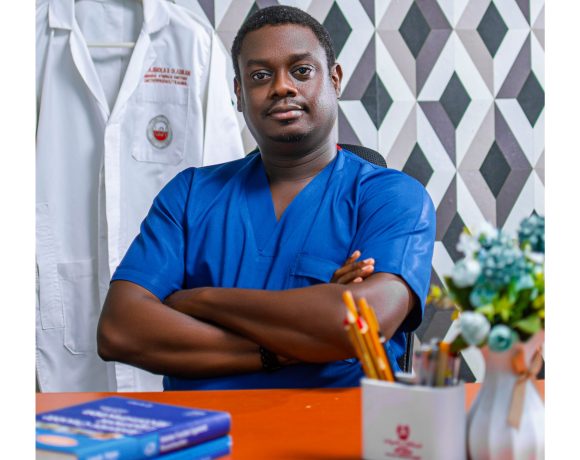
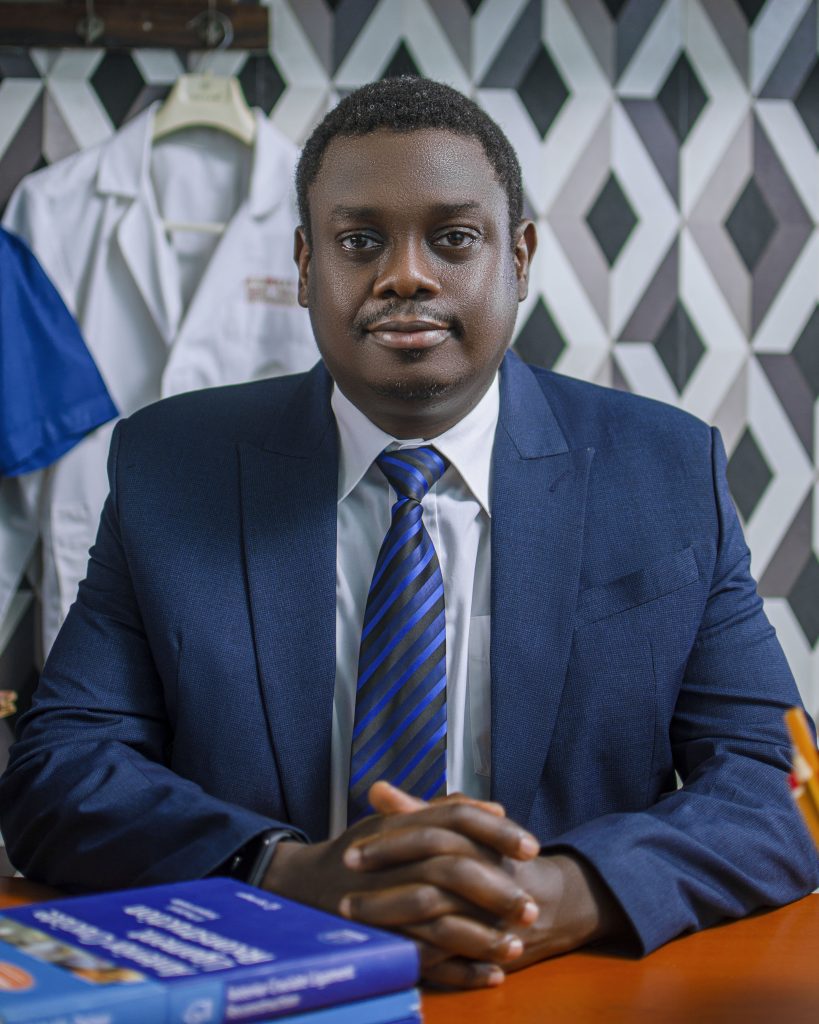
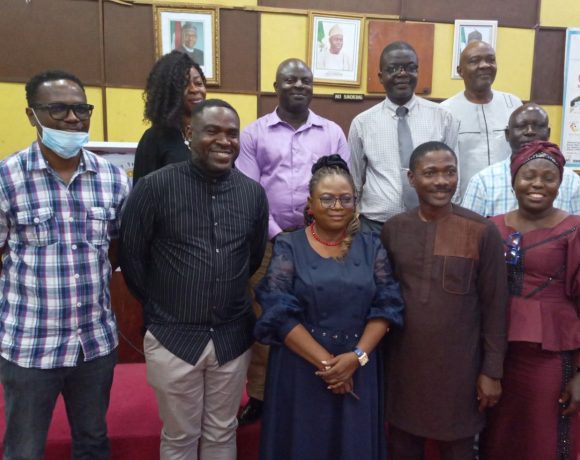
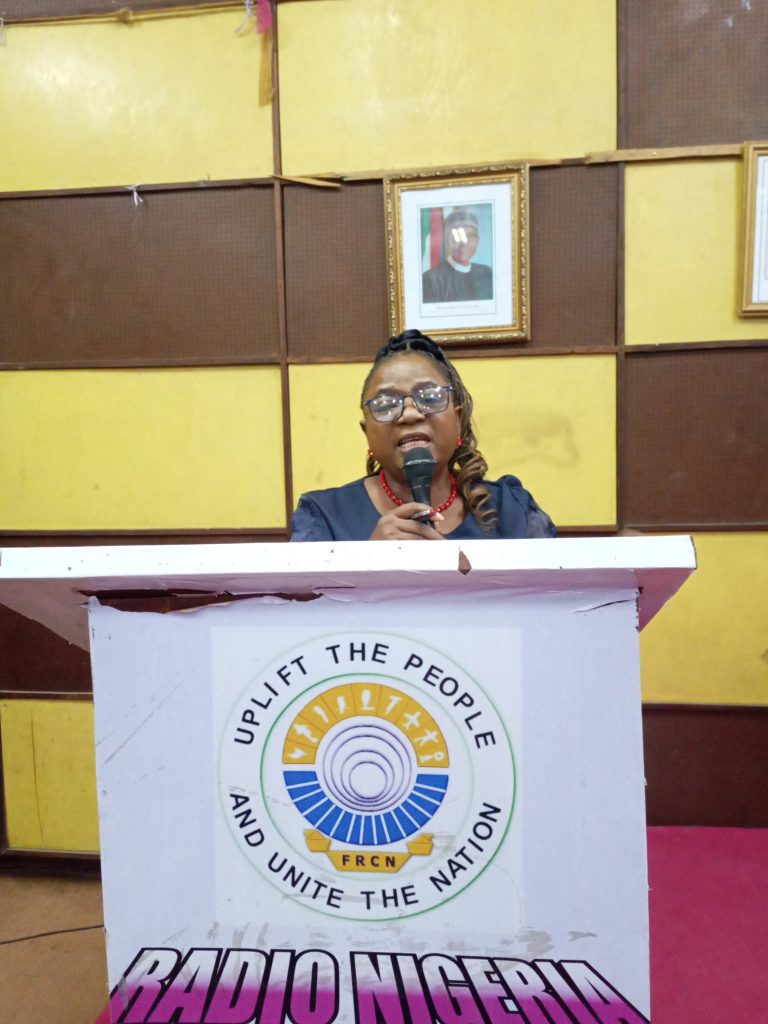
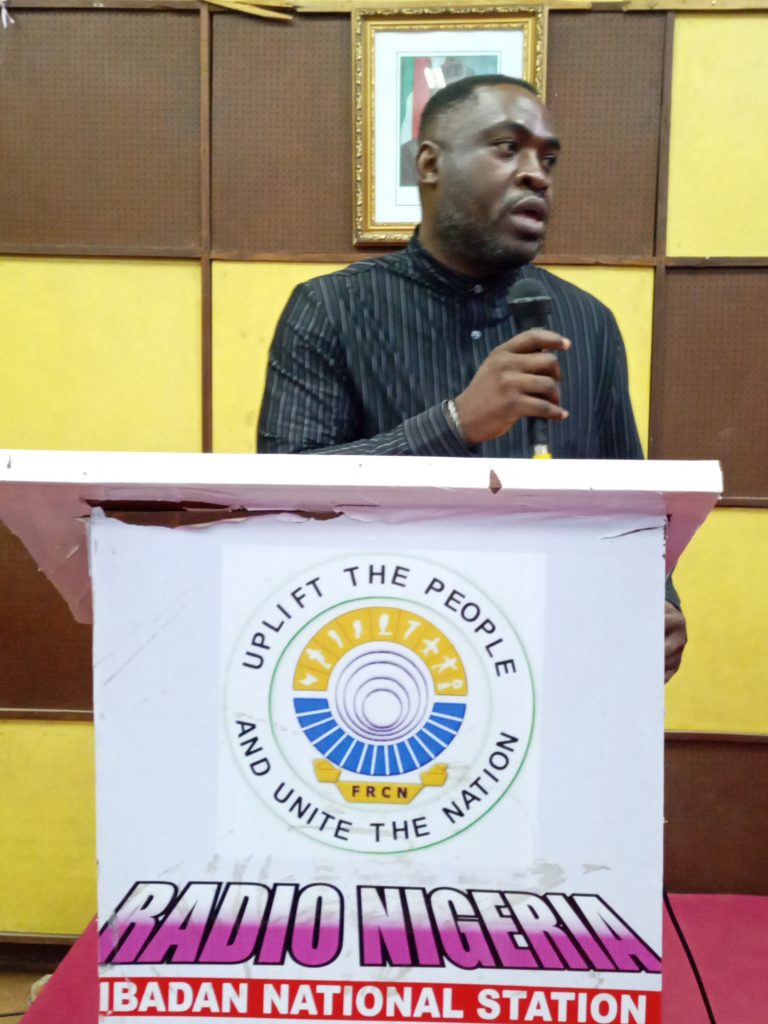
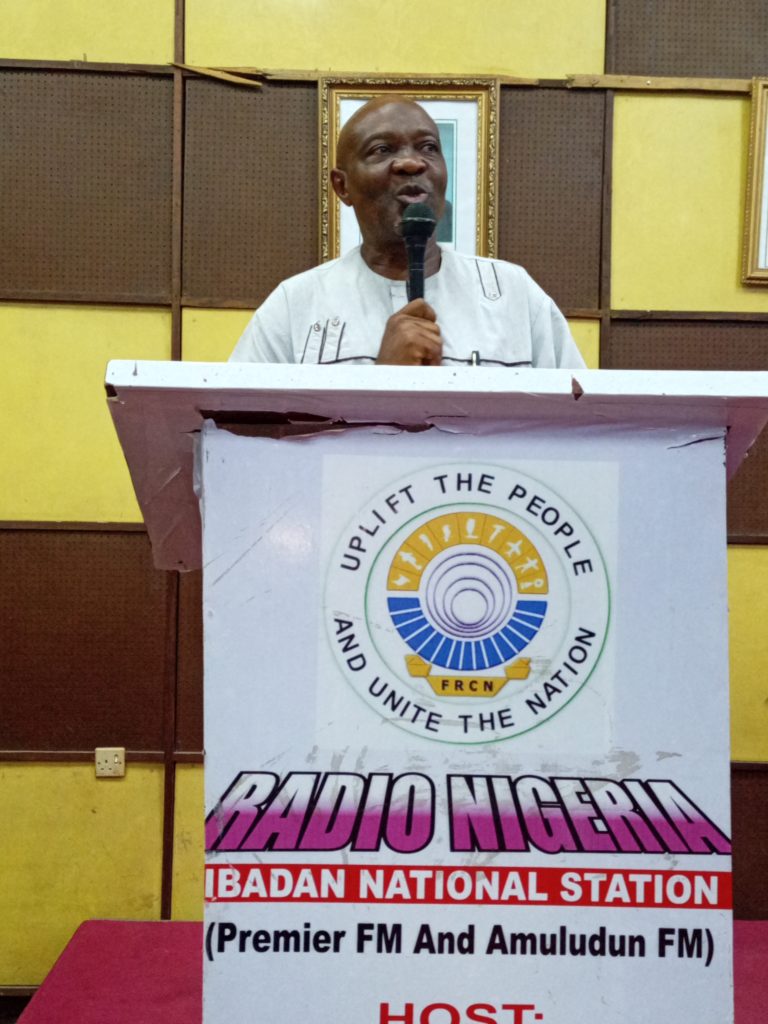
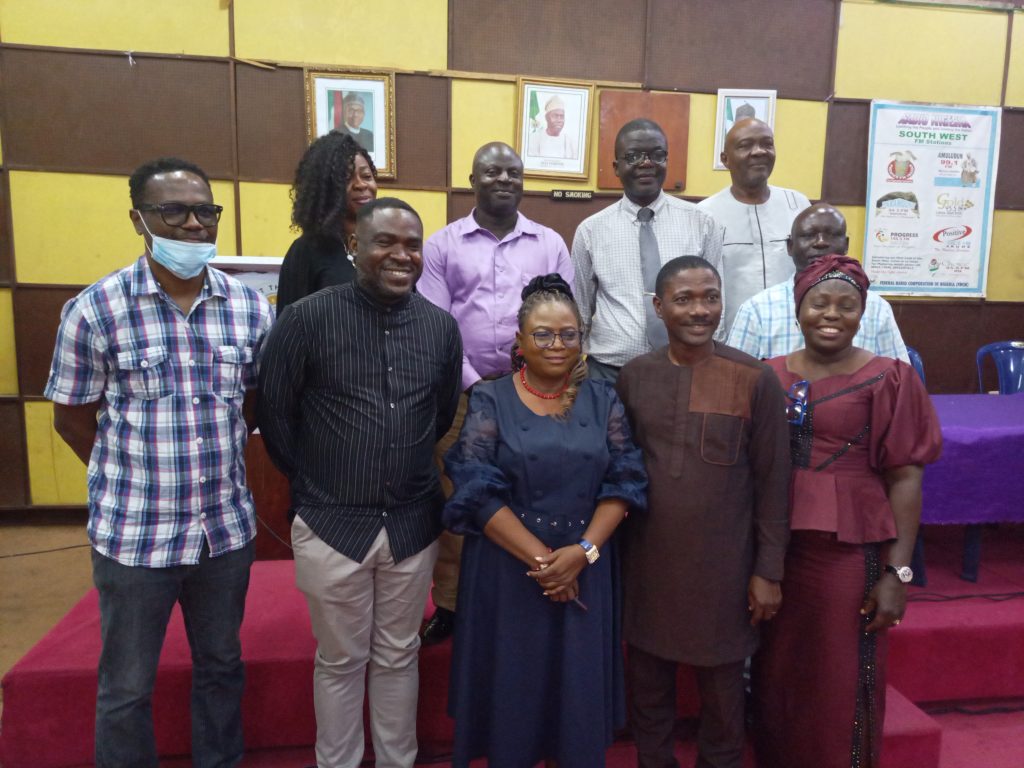
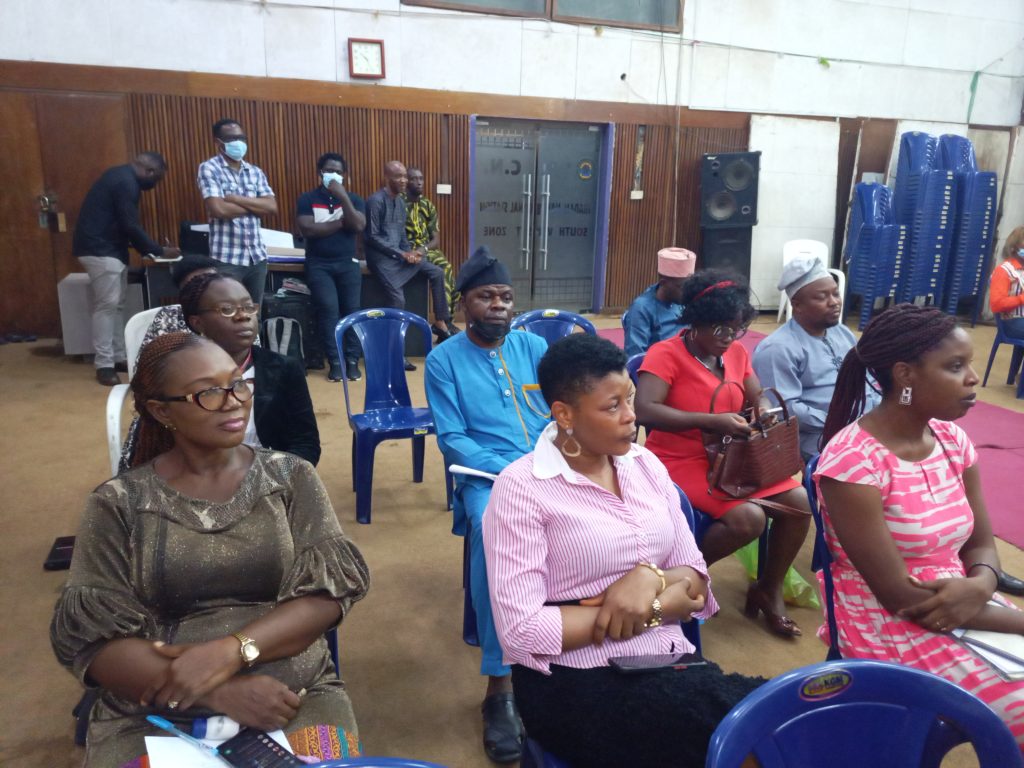
Zonal Director, National Blood Service Commission, Southwest Zone, NSBC, Dr Oladapo Àwòránti has advised Nigerians who are fond of selling blood to patients rather than donating it to desist from the act, saying such negated the rule of humanitarian service.
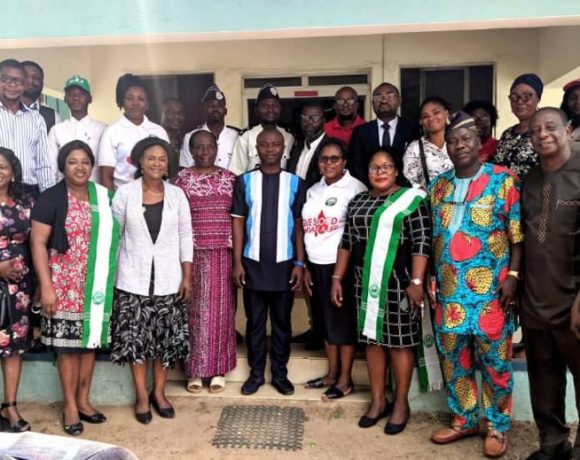
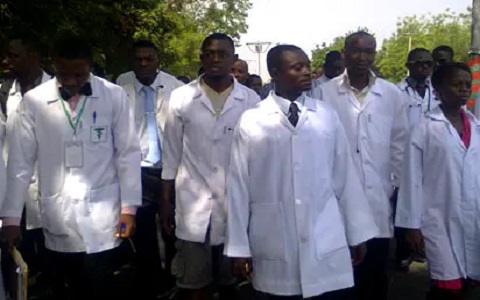
Dr Àwòránti gave the advice during a road walk to commemorate this year’s World Blood Donor Day in Ibadan.
The NBSC Southwest Zonal Director explained that blood transfusion is free as such it should be given free to save human life.
Dr Àwòránti, who led the road walk, explained that the exercise was aimed at creating more awareness on the need to always donate blood to save lives as well as appreciate blood donors in the state.
In their separate submissions, the President, the Medical Women Association of Nigeria, Dr Adekemi Otolorin and representative of the Department of Haematology, University College Hospital, Dr Wuraola Shokunmi, decried the low level of compliance of Nigerians towards blood donation.
They urged people to desist from behaviours, cultural and religious beliefs that negated blood donation.
The duo of Dr Otolorin and Dr Shokunmi said blood shortage was a problem that could occur to humans, adding that the challenge of blood insufficiency could be better addressed through collaboration and demonstration of selflessness by donors.
Chief Medical Director, University College Hospital, UCH, Professor Jessie Otegbayo urged the participants to continue to serve humanity without bias.
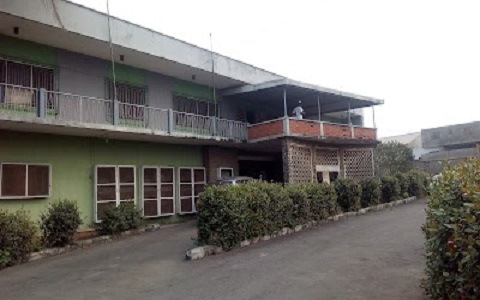
Aside from blood donors that expressed readiness to donate more blood to save lives, the road walk which took off from the commission’s office at Total Garden terminated at Mokola Roundabout.
The theme for this world blood donor day is “Donating blood is an act of solidarity; join the effort to save lives”.
Sickle cell disease is an inherited blood disorder, marked by flawed haemoglobin, which is a red protein responsible for transporting oxygen in the blood of vertebrates.
Sickle cell disease thus interferes with the delivery of oxygen to the tissues.
World Health Organisation (WHO) report indicates that about five per cent of the world’s population carries trait genes for haemoglobin disorders, mainly sickle-cell disease and thalassaemia.
Globally, over 300,000 babies with severe haemoglobin disorders are born annually with Sub-Saharan Africa having 75 per cent of the figure.
Nigeria is said to carry 66 per cent of the chunk according to American Centre for Disease Control and Prevention (CDC).
By implication, Nigeria has a significant number of persons suffering from sickle cell disease.
In view of these statistics, a nongovernmental organization, Care and Support for Sickle Cell Patients wants government and people to apportion funds to care for people living with sickle cell diseases.
The founder of the organization, Professor Adeyinka Falusi at a stakeholders’ forum on sickle cell forum in Ibadan noted that support for people living with sickle cell should come from all and sundry.
Professor Falusi pointed out that caring for persons living with sickle should not be left only to wealthy individuals in society.
Similarly, the Director of operations of the foundation, Mr Abayomi Odetunde urged parents to endeavour to check the genotype of their children before they grow up and subsequently get married to reduce cases of sickle cell diseases in the country.
The event was also attended by people living with sickle cell diseases
The healthcare workers under the Ondo State Government have lamented the non-payment of four months’ salary arrears.
The State Chapter of the Nigerian Medical Association and the National Association of Nigeria Nurses and Midwives, in separate interviews with newsmen, confirmed they received the January 2022 salary barely two weeks ago.
The NMA Chairman in the State, Dr. Stella Adegbehingbe, said the doctors in the state were working despite not being paid for February, March, April, and May.
Dr. Adegbehingbe said many doctors working in the state health facilities had either travelled abroad to seek greener pastures or gone to the federal-owned hospitals for better and prompt pay.
“We are working despite not being paid; we’ve been on it and that is what is happening in Ondo State, people are working and not being paid.
“This has led to some people leaving the state hospitals for Federal Government hospitals in Lagos and some people have travelled out,” Adegbehingbe said.
Also speaking, the State Secretary of NANNM, Mr. Aina Oluwasegun, confirmed that the nurses only received their January salary barely two weeks ago.
“The nurses are only struggling to survive; for the salary of a civil servant not to be paid is not an easy thing, you know that their financial obligations will not be met.
“If you take a look at the number of nurses in the state before they start owing salary, it has reduced drastically because virtually everybody is struggling to go and get jobs in other places, a lot of people have moved to other countries to seek greener pastures, even those that did not plan that before, the unpaid salary has made everybody willing to go.
“If the situation does not improve, the number of nurses in the state will still drop drastically. Some people never plan to leave the country but the unpaid salary has made them to travel out.”
Mr. Oluwasegun urged the state government to prioritise the health sector.
“We have been trying our best for the government to come to our aid regarding the payment of salary. We have been putting efforts for the government to prioritise the health sector considering the efforts of nurses during the pandemic when every other worker was at home, but there has not been any priority,” he said.
Nigerians have been advised to imbibe the culture of donating blood regularly and voluntarily to save lives.
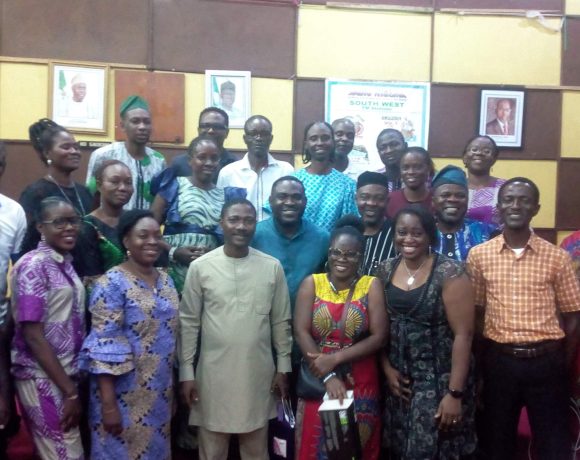
A medical practitioner at the Department of Haematology, University College Hospital, Ibadan, Dr Taiwo Kotila, gave the advice at an interactive session among stakeholders in blood transfusion ahead of this year’s World Blood Donor Day.
Dr Kotila, who is the resource person at an interactive session, held at National Blood Service Commission, Southwest Zonal Centre Ibadan, explained that blood donation was a challenge yet to be overcome in the country.
She noted that failure to decongest excess blood in the human body would not give way to new blood formation in the body.
Earlier, in an address of welcome, the Zonal Director, National Blood Commission, Southwest Zonal Centre, Dr Oladapo Aworanti affirmed that the interactive session was organized to deliberate among stakeholders in the health sector on ways to increase blood donation and to create more awareness about it.
The interactive witnessed questions and answers sessions, with stakeholders calling for adequate public sensitization on the benefits of blood donation.
Persons with Albinism in Nasarawa State have advocated the establishment of special medical centres in each state of the federation to provide care and free treatment for people affected by the condition as Nigeria joins the International community to celebrate Albinism Awareness Day.
Radio Nigeria visited some of the Albinos in their various residents in Akwanga and Lafia Local Government Areas of the state gathered and that non-availability of treatment centres in the state had exposed them to skin cancer infections and other challenges.
The Chairman, Nasarawa State Association of Persons with Albinism, Mr John Maigwa said they had been neglected to their fate for a long time as most of them could not afford to purchase soaps and other facilities that would protect their skins which had led to the untimely death of some members due to cancer.
He appealed to State Governments to come to their aid by initiating a special scheme aimed at providing care for persons with Albinism especially the less privileged.
According to Mr Maigwa,” We faced two major challenges, the society around us finds it difficult to associate with us, people see us as ghosts while others say we are punishment from God.
“We have never received any assistance from organizations or governments, four of my members are down with skin cancer for three years now with three in critical condition. Just like others who have died due to lack of means to access treatment, these ones may eventually die unless some urgent steps are taken to save their lives. They are from poor families, they hardly get three square meals in a day.”
A person with Albinism, Mr Adeh John who said he is a car painter, called for more awareness against stigmatization of persons with Albinism to enable most of them to come out of a life of social exclusion.
He said they suffer rejection at motor parks, places of worship and other public gatherings just because of their physical appearance.
A parent and mother of six, Mrs Aisha Ibrahim said it took her courage and acceptance to overcome stigma and she had since decided to commit herself to build confidence and self-esteem in her four kids who were born with Albinism to enable them to discover their dreams.
Another person with Albinism, Mrs Nanret Akoji who is down with skin cancer involving her right eyebrow said she travels to Abuja every month to access treatment due to non-availability of chemotherapeutic drugs and other facilities in her state.
She expressed fear that the rising costs of treatment and other facilities to take care of her skin were becoming unbearable for her to afford.
A Medical Expert and Director, Public Health, Nasarawa State Ministry of Health, Dr Ibrahim Alhassan Adamu explained that contrary to superstitious beliefs and myths about persons with Albinism, the condition is not contagious.
“He explained that Albinism is a hereditary condition which occurs due to lack of melanin in the body, a substance that is responsible for skin colour. As a result, people who are born with this condition have white skin, eye pupils, hair, and are prone to cancer infections if adequate care of their skin is not done.”
Dr Adamu however, called on persons with Albinism to avoid exposing themselves to the sun for a long time to check for skin cancer and other infections.
Oyo State Governor, Engineer Seyi Makinde has inaugurated the Renal Dialysis Unit, High Dependency Unit and the Diabetes Screening and Treatment Centre built inside the Adeoyo State Hospital, Ring Road, Ibadan.
The projects were built and equipped with the support from Global Fund, the Afolabi Family of Kaderu Compound, Ibadan and the Lions Clubs International, District 404 B1, Nigeria.
The governor, while inaugurating the facilities at the Ring Road State Hospital, thanked the two organisations for the support given to the state to improve health care delivery in the state.
Governor Makinde equally inspected six Primary Health Care Centres out of the about 200 already renovated PHCs across the 351 Electoral Wards of the state.
He pledged that he would personally pay for One Thousand (1,000) enrollees at the Ikumapayi PHC in Olodo and Five Hundred (500) enrollees at the Elebu PHC in Ido, Ibadan.
The renovation and remodelling projects are according to the state government, aimed at improving health system at the grassroots.
While inspecting the Primary Health Care Centres at Ikumapayi in Olodo; Irefin; Oke Are in Beere in Ibadan North LG; Odo-Ona, Elebu in Ido LG and Ring Road, the governor said the facilities would be run by the Oyo State Health insurance Scheme(OYSHIA).
Doctors in Abia State, Friday barricaded the major entrance gate to the Government House Umuahia, demanding the immediate release of their Kidnapped colleague, Professor Uwadinachi Iweha. Professor Iweha was Kidnapped on Sunday, June 6, 2022, inside his dark-blue Highland Jeep while driving out of his house at Umuokpara in Umuahia South Local Government Area.
The doctors carried placards with various inscriptions such as:” Doctors’ lives matter”, “Dr. Iweha should be released to his family”, and “ Doctors have the right to live”, among others.
Speaking on behalf of the doctors during the peaceful protest, Chairman of the Nigeria Medical Association, NMA, Abia State chapter, Dr. Chimezie Okwuonu, said that the abduction of the medical doctor had thrown the medical community in the state into confusion and apprehension. He expressed concern that since the sad incident on Sunday, every effort made towards securing his release from the captors had not yielded any fruit.
The doctors sought the Government’s urgent intervention to rescue their Kidnapped colleague while decrying the rate of abductions in the country.
The NMA Chairman threatened that if after 48 hours their Kidnapped member were not released, doctors across the state might have no other option than to down tools as their safety could no longer be guaranteed in the state.
Dr. Iweha was kidnapped exactly two weeks after the Prelate of Methodist Church of Nigeria, His Eminence Samuel Uche and two other clerics traveling with him were abducted by unknown gunmen suspected to be herders around the Lokpa axis of Enugu Port Harcourt Expressway. The Prelate who was released two days later after a ransom of N100 million was paid, alleged that his captors were Fulani herdsmen.
Meanwhile, the NMA Chairman later read a communiqué issued at the end of an emergency general meeting of the medical body held at the Federal Medical Centre, Umuahia before the protest. According to the communiqué jointly signed by the Chairman, Dr. Okwuonu, and the Secretary, Dr. Robinson Ugwuanyi, NMA said it had worked tirelessly but without success to secure the release of Prof. Iweha.
It read in part:” That up till today 10th June 2022, Prof Iweha has not been released from the kidnappers’ den.
“That this is traumatic, depressing, dehumanising and has instilled a lot of fear within the medical community whose primary objective is to save the life of Abians from the medical point of view.
“With the current state of fear caused by the kidnap and detention of our colleague, safety cannot be guaranteed to the Medical Doctors in Abia State and it will be difficult to attend to our normal duties since no one knows who will be the next victim.”
“We demand immediate release of Prof Uwadinachi Iweha from the captivity of the kidnappers.
“If Prof Iweha is not released in 48 hours, members of the Nigerian Medical Association may be forced to down tools as our security in the performance of our usual duties is not guaranteed.
“This communiqué serves as a notice for the aforementioned action.”
The union, however, called for intensified prayers for the release of its abducted member.
Responding, Gov. Okezie Ikpeazu assured the doctors that efforts were being intensified to secure the release of their Kidnapped colleague.
Ikpeazu who was represented by his Chief of Staff, Chief Okey Ahaiwe, said that the Government would stop at nothing in ensuring total security of lives and property across the state.
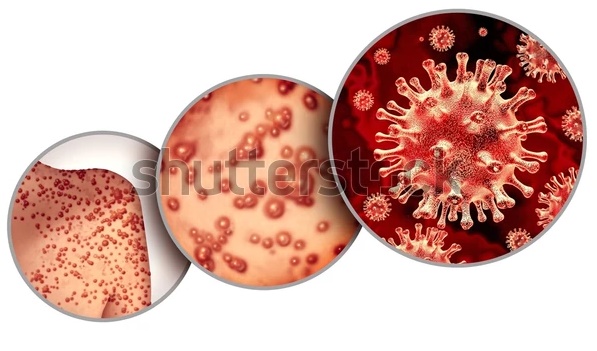
As the world is gradually recovering from the impact of the COVID 19 Pandemic, another disease known as Monkey Pox has also crept into the society with the Nigeria Centre For Disease Control, NCDC confirming forty –six suspected infections between January 1 and April 30, 2022.
Professor Abosede Omonona
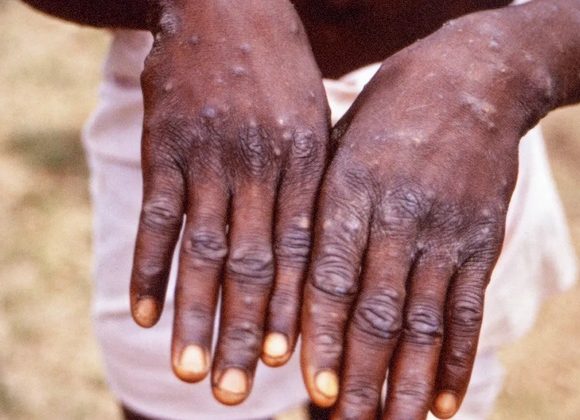
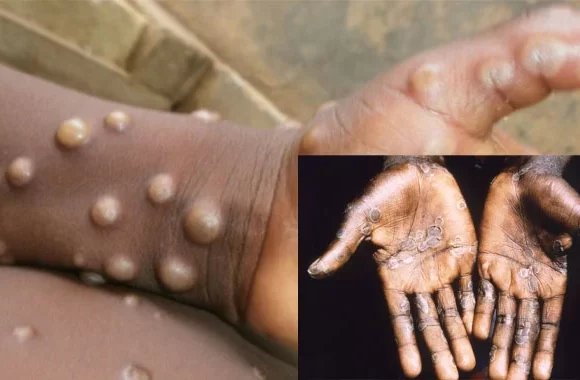
The symptoms include headache, skin rashes, fever, body aches .exhaustion and inflammation of the lymph nodes but lymph nodes and rash on the palms and soles are peculiar to Monkey Pox disease.
Tracing the origin of the disease, Professor Abosede Omonona, said, ” The disease was first discovered in 1958 as smallpox like a disease of captive monkeys at a research institute in Denmark.The first case of Monkey Pox infection was reported in the Democratic Republic of Congo in 1970 in a nine-month-old boy and since then sporadic human infections had occurred in many Central and West African countries with infections more common in children and young adults.”
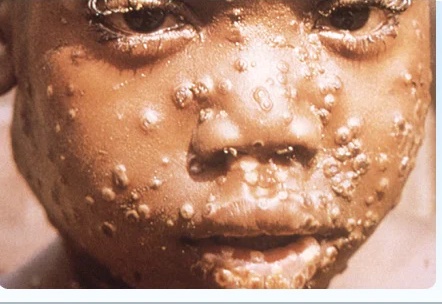
A child infected with monkey pox
Findings also show that Monkey Pox could be caused by a bite, scratch, handling and eating of infected animal as well as skin contact with an infected person or their body fluids.
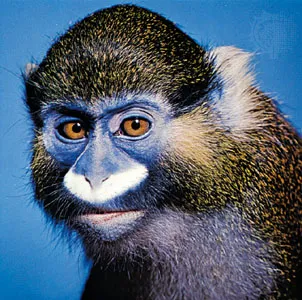
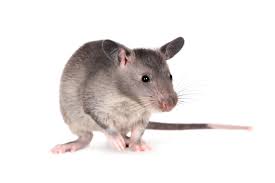
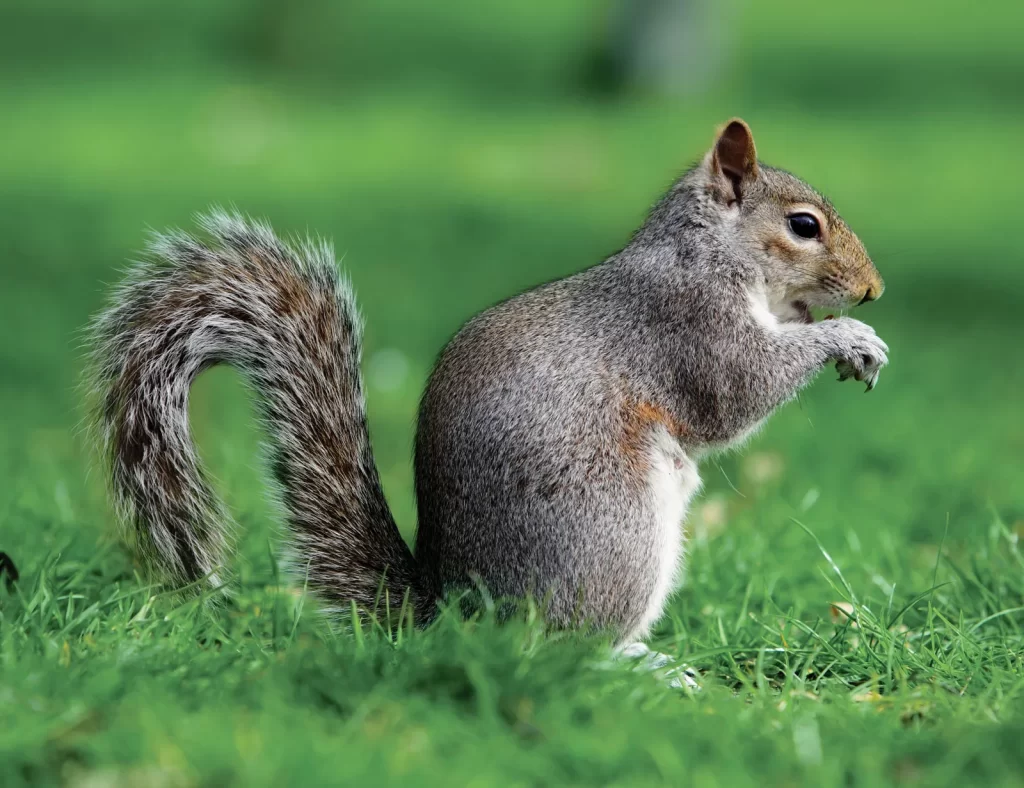
Animals identified as susceptible to Monkey Pox virus are squirrels, Gambian pouched rats and Monkeys.
A veterinarian, Dr Ibikunle Faramade said Monkey Pox spread could be traceable to the transborder movement of wild animals.
He recommended improved quarantine services to prevent the importation of diseased animals into the country.
“Government needs to rev up preparedness rather than fire brigade approach. Preparedness in terms of disease prevention is key”.
The experts noted that Monkey Pox is self-limiting as it resolves itself within one to three weeks.
Contributing, Dr Olusola Gamra of the Veterinary Research Institute, Vom, explained that the disease had a ten per cent mortality rate.
Other preventive measures include heightened sanitation, regular washing of hands, careful handling of dead animals, wearing of personal protective equipment and promo reporting of suspected cases to appropriate authorities.
Concerned residents of Oyo town want relevant agencies saddled with the responsibility of providing food security to ensure that local food processors comply with hygienic standards.
The residents who spoke with Radio Nigeria, particularly those who patronize the cassava processing depot for their food items, expressed reservations over the safety of gaari produced in some areas of the town.
According to them, the gaari processors usually allow free-ranging animals such as goats and cows within their premises to feed on their frying trays.
Reacting, Director, Environmental Health Services in Atiba local government area, Alhaja Adefunke Amzat frowned at the attitude, saying it portends grave dangers for human health.
Alhaja Amzat who warned the cassava processors to desist from unhealthy acts capable of inducing animal transmitted diseases maintained that environmental health officers have the capacity to deal with the situation, though they are few in number.
Arthritis this, Arthritis that, there are lots of misconceptions and outright falsehoods amongst Nigerians concerning this issue.
To shed more light on this and more, Adebukola Aluko speaks with Dr Ajibola Oladiran, a Lecturer and Consultant Orthopaedic and Trauma Surgeon with a subspecialty in Athroscopy (Joint Replacement) and Sports Medicine at the College of Medicine and the University College Hospital, UCH, Ibadan.
Ajibola B. Oladiran MBBS (Ibadan), FWACS Ortho, Dip Ortho SICOT Lecturer, College of Medicine, University of Ibadan, Consultant Orthopaedic and Trauma Surgeon, University College Hospital
Here are excerpts from the interview,
Q: What is Arthritis?
A: Arthritis is a disease of the joints, and actually means inflammation of the joints.
Q: What are the predisposing factors to Arthritis?
A: There are different types of arthritis. The most common form is osteoarthritis, which is a degenerative condition of the joints and the bone next to the joints. It results in wearing of the cartilage on the surface of the joints.
To explain what the cartilage is, the way we like to eat chicken, after we are done with the flesh, when you open the joint, you will realize that there’s this white, very smooth, crunchy part that we all like to eat, called the cartilage. In a healthy joint, the surface of the cartilage with the fluid that lubricates the joint is the smoothest surface known to man.
Degeneration of the joints is osteoarthritis. Other forms of arthritis are rheumatoid arthritis which is an autoimmune condition where the body is essentially destroying its own cells, resulting in inflammation and erosion of the joints. Another form is septic arthritis in which is an infection. All of them have some form of inflammation, but they all have different causes.
Q: Is Arthritis hereditary?
A: There’s a hereditary component. People who have a family history of arthritis are at a higher risk of developing more severe arthritis earlier in life. We may find that out of two persons who have identical lifestyles and identical body weight, one develops arthritis earlier than the other, because there’s a family history that makes the joints degenerate earlier and faster. But other than the hereditary components, like I mentioned, previous infection or rheumatoid arthritis that causes damage to the joint, trauma or obesity are also factors. the heavier the person is, the more load is being put on the joints. it’s like the chassis of the vehicle, if you keep loading the vehicle, the chassis and the shocks begin to wear, repeat the same thing with the joints, the heavier, the person, the more pressure on the joints.
Q: What is the prevalence rate using UCH as a case study?
A: Let’s focus on osteoarthritis because it’s the commonest form.
Osteoarthritis rarely occurs in people under twenty, unless they have had severe injuries that have damaged the joints much earlier in life and are now suffering the consequences. Apart from that, I haven’t seen anyone younger than 20years of age with idiopathic osteoarthritis, (meaning it doesn’t have any other directly identifiable cause other than hereditary). For people who have a significant family history or who have other conditions that affect the quality of the cartilage, they tend to have to develop osteoarthritis earlier in life.
So, in those people who have one form of risk factor or the other, we may start seeing signs of osteoarthritis in as early as 40 years of age.
However, most people, by the time the average person is 60 to 65 years, there will be some mild features of osteoarthritis even in people who haven’t developed severe clinical arthritis. In the first instance, I mentioned that idiopathic arthritis is rare in young people. There are some other things that predisposes younger people to arthritis. One of the most common in this environment is arthritis of the hip in people who have sickle cell disease. They have degeneration of the head of the femur called avascular necrosis, hence, the head of the femur is no longer smooth. The roughened edge collapses and is now damaging the hip joint. They then go on to develop secondary arthritis very early. I’ve seen that in teenagers, but that is because there’s an underlying problem. Otherwise, it’s not common in young people.
Q: Is there a relationship between Rheumatism and Arthritis?
A: Well, rheumatism is a broad term that is used to refer to anything that causes pain in the bone or around the joints. Medically, rheumatoid arthritis is what I described earlier. Rheumatic fever on the other hand is a condition that affects not just the joints, but the heart as well, there’s an underlying infection and then the response of the body affects the heart and the joints. So, rheumatism is a term that is used rather loosely to refer to pain in and around the joints.
Q: Is arthritis more common among women or men?
A: That’s a rather difficult question. We tend to see it more in females.
The risk factors are more or less the same, But, if you remember, I said well-toned muscles help to protect the joints. Men have an advantage in that area. So, men tend to have increased level of activity, increased muscle bulk, and better balancing of the joints which tends to give some degree of protection. However, men are also more prone to trauma.
Q: What is the relationship between Arthritis and Post-delivery syndrome
A: None. The only relationship between arthritis and childbearing would be that the increased weight during pregnancy is now putting more pressure on the joints. But that’s a temporary weight gain which is lost as soon as the baby is delivered and the water comes out and the woman loses the extra fluid accumulated during pregnancy. So, there’s no direct relationship between pregnancy and arthritis.
Q: Is Arthritis Curable?
A: No, Arthritis is not curable. Treatment is essentially management, because once those degenerative changes start, they cannot be reversed. The cartilage does not regenerate itself once it is damaged. What we do in treatment is aimed at slowing down the progression, limiting the symptoms, preserving function, and when the damage is severe, reconstruction (joint replacement) can be done
Q: There’s this saying, “Prevention is better than cure”. How can we prevent Arthritis?
A: Don’t overload your joints. If you are obese or overweight, then lose weight. It’s important to know your Body Mass Index (BMI) and to keep it within the normal range.
People who are physically active, who have good muscle bulk, well-toned muscles tend to help to balance the joints better, (and the more well-balanced the joints is, the more it is protected from degeneration) much better than somebody who doesn’t have that advantage of well-toned muscles helping to balance the joints.
Technically that means exercise can help and is one of the things we recommend for prevention and treatment of arthritis.
Another thing is sports. While exercise and sport have huge benefits, on the other hand, contact sports, while it gives the opportunity for well-balanced, well-toned muscles, the repeated impact and injuries that athletes accumulate from a long career in contact sports is actually damaging to the joints.
For somebody who has injured his or her knee or who already has arthritis, he or she should see an Orthopaedic Surgeon as soon as possible. It’s also important at this point to emphasize that not all joint pain is arthritis. It’s important to have proper evaluation from a specialist to determine the cause of the pain and the appropriate treatment.
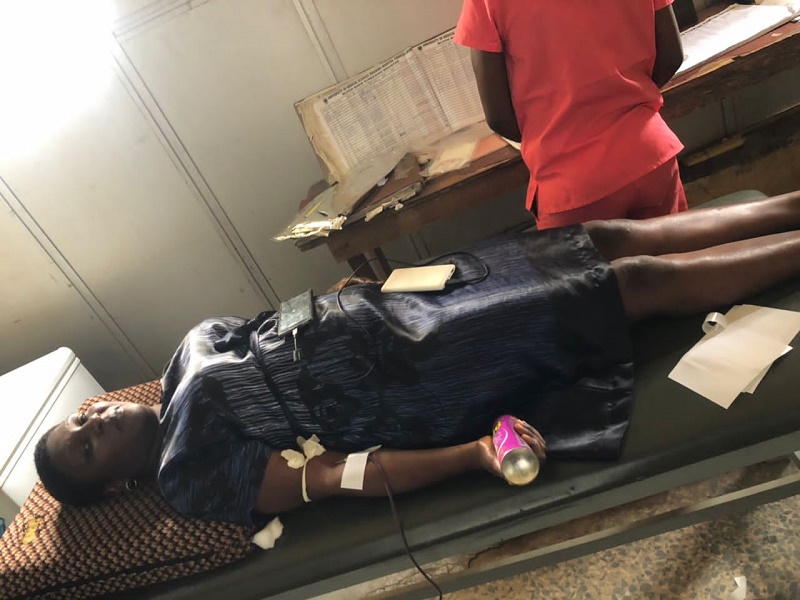
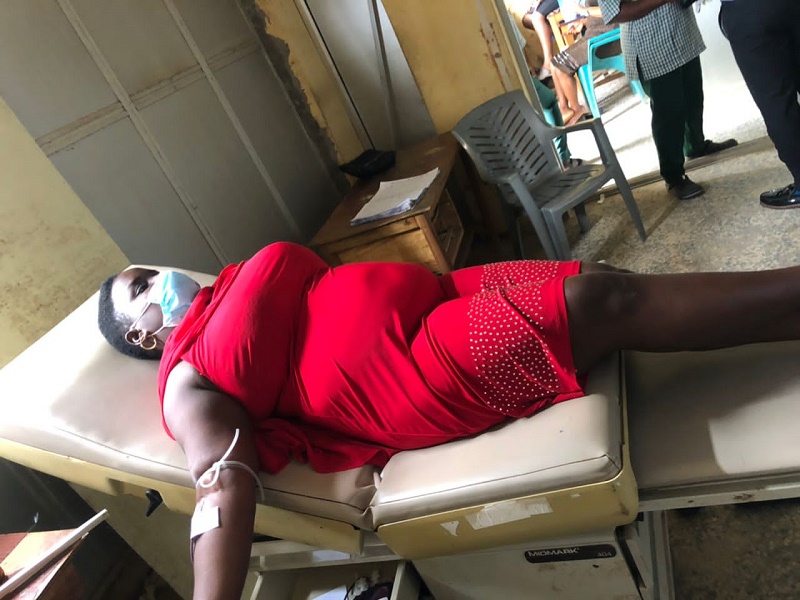
Some residents of Akure the Ondo State capital have flooded the University of Medical Science Teaching Hospital, UNIMEDTH, Akure to donate blood for victims of the terror attack on worshippers at Saint Francis Catholic Church, Owo.
Radio Nigeria correspondent, who is at present in the hospital, reports that many of the donors said it was just a sacrifice they could do for the victims.
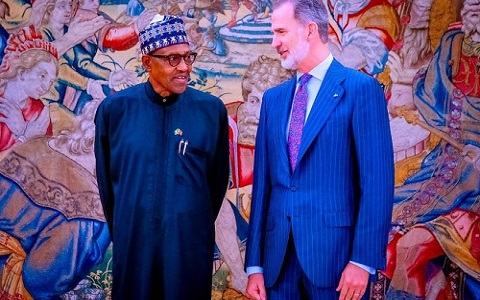
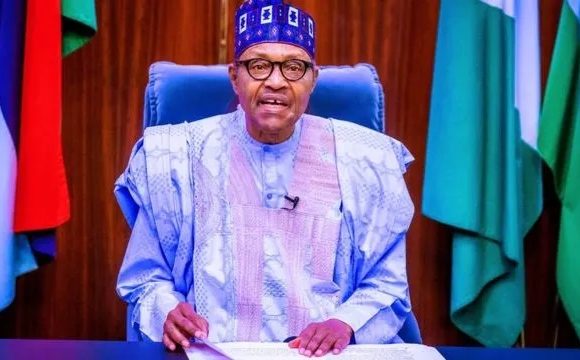
President Muhammadu Buhari has stressed the need for world leaders to come together and strategise on ways to avert the looming food crisis around the world.
He made the assertion in Madrid, Spain, at the Royal Palace during an audience with King Felipe VI in continuation of his state visit to the country.
The two leaders canvassed a global action to stem the food problem, especially in wheat production occasioned by the ongoing war in Ukraine, urging world leaders to take concrete actions to avert the crisis.
The King said Nigeria was an important country and looked forward to an opportunity to visit the country, particularly against the background of stronger co-operation being forged by the two countries.
President Buhari thanked the Spanish Monarch for the invitation and hospitality extended to him since his arrival and updated him on happenings in Nigeria, especially as the country gears up for general elections.Pm
In a separate meeting with President Pedro Sanchez, President Buhari said his country looked forward to increasing bilateral relations between both nations.
He commended his Spanish counterpart for his leadership qualities and contributions to the war against terror in Sub-Saharan Africa, and said he looked forward to strengthening of co-operation in the area.
The two leaders discussed areas of co-operation on which agreements and memoranda of understanding were signed.
President Sanchez commended President Buhari for his leadership roles in Africa, especially in the area of strengthening of democratic ideals.
Currently, Spain is the largest importer of Nigerian gas and the third largest importer of Nigerian crude, and with the visit, the two leaders hoped for bigger trade relations.
At the end of the visit, nine agreements and memoranda of understanding were signed.
They include the Treaty on Mutual Legal Assistance in Criminal Matters, Transfer of Sentenced Persons, Economic and Commercial Co-operation, Extradition, and Tourism.
Others are Sports, Health, the Fight Against Covid-19, and Science and Innovation.
The Federal Ministry of Agriculture and Rural Development, on Tuesday, warned Nigerians to desist from consuming bush meat including rodents and others, following official confirmation of Monkey pox in Nigeria by the Nigeria Center for Disease Control, NCDC.
Minister of Agriculture and Rural Development, Dr Mohammad Abubakar, gave the warning in a statement signed by him and made available to newsmen.
Dr Abubakar referring to the resurgence of Monkey pox virus in Nigeria, in which 21 persons have been confirmed to have gotten the virus by NCDC, and killed one person, said the Ministry wants to ensure the situation is contained and brought under control.
He said the Ministry is giving the advice on measures to prevent and contain spread of the virus as citizens also have their part to play by adhering to hygiene practices.
He said: “The Federal Ministry of Agriculture & Rural Development (FMARD) through the Department of Veterinary & Pest Control Services is actively collaborating with the Nigeria Centre for Disease Control (NCDC) and other stakeholders in the One Health Team to ensure the situation is contained and brought under control.
“In view of the above, the FMARD is hereby giving the following advice: People must avoid contact with persons suspected to be infected with Monkey Pox at home and at work places.
“Hunters and dealers of “Bush meat” must desist from the practice forthwith to prevent any possibility of “SPILLOVER” of the pathogen in Nigeria.
“Transport of wild animals and their products within and across the borders should be suspended/ restricted.
“Silos, stores and other agricultural storage facilities must institute active rodent control measures to prevent contacts and possible contamination of Monkey Pox Virus with foodstuff.”
He also added that, “All operators of Zoos, Parks, Conservation and Recreational centers keeping non-human primates in their domains must ensure strict compliance with their biosecurity protocols aimed at preventing their contacts with humans.
“All Veterinary Clinics, Veterinary Teaching Hospitals and other Veterinary Health Institutions across the country must ensure vigilance so as to be able to pick possible signs and symptoms of Monkey Pox in non-human primate (NHP) patients.
“We must also ensure regular hand washing using strong disinfectant anytime we handle NHP and rodents in our various locations.
“We must also discourage the act of consumption, trade and keeping of NHP as well as rodents as pets in our homes.”
“The general public are hereby advised to report any pox-like lesions seen on humans or animals to the nearest human or veterinary clinics respectively.
He also charged veterinarians to step up surveillance activities.
“Lastly, Veterinary epidemiology officers, field surveillance agents and veterinarians should step up their surveillance activities aimed at picking any possible case of Monkey Pox in animals.”
Parents should never shy away from discussing sexual education with their children especially the girls as they are the most vulnerable ones.
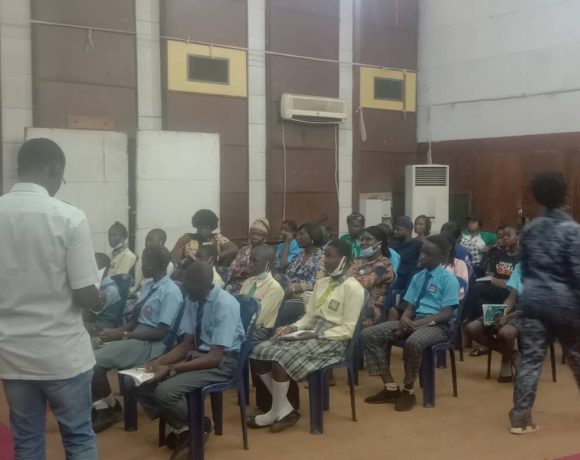
Deputy Director, National Orientation Agency, NOA, Dr Olukemi Owolabi stated this at a day workshop organized for female Secondary Schools Students by Radio Nigeria, Ibadan National in Ibadan.
The workshop on Menstrual Hygiene was facilitated by Radio Nigeria in collaboration NOA and a Non-Governmental Organisation.
According to Dr Owolabi, the menstrual hygiene of the girl child is vital and must be discussed by parents to avoid being misinformed by outsiders.
A representative from the State Primary Health Care Board, Dr Adeola Awakan also emphasized taking regular intake of bath and constant changing of sanitary towel as best hygiene practices.
Earlier, the Zonal Director FRCN, Ibadan National Station, represented by the Deputy Director, Engineering services, Engineer Gabriel Ajayi explained that the programme was a way of inculcating in young girls on how best to keep a good hygienic practices to stay healthy.
Some of the Secondary Schools Students present described the event as very educative.
Other Speakers, the Deputy Director Sports and Outside Broadcast, Dr Abiodun Ogidan as well as the Deputy Director Programmes, the Reverend Niyi Dahunsi described the workshop of this nature as important considering the nature of women and the girl-child.
The convener, who is also an Assistant Director in programmes department of Radio Nigeria, Ibadan, Mrs Olubumi Adigun said her passion for the wellbeing of youths formed the basis of the workshop.
Operatives of the National Agency for Food and Drug Administration and Control, NAFDAC, have arrested a 32-year-old businessman, Obinna Igbo, for alleged importation and sale of fake Amanta Forte, an unregistered anti-malarial drug.
In a statement by its media consultant, Sayo Akintola, the drug control agency revealed that Igbo claimed to have imported the fake drugs from India and sold them at Shop E200, Freedom Line, Onitsha Head Bridge Market, Anambra State.
The statement also noted that the accused was arraigned before a Federal High Court on four counts of “unlawful importation, possession, sale, and distribution of fake Amanta Forte soft gel (Artemether 80mg + Lumefantrine 480mg Capsules) drug at Head bridge market Onitsha, Anambra State.
“The Director-General of NAFDAC, Prof. Mojisola Adeyeye, in her submissions, disclosed that officials of the Investigation and Enforcement Directorate of the Agency received intelligence on the importation and sale of the fake anti-malaria drug and swung into action immediately.
“She confirmed that the operatives raided three pharmaceutical outlets in Onitsha while the offending product was found in one of the stores and was subsequently evacuated while the shop was placed on hold.”
The statement also quoted Adeyeye as saying that the operatives also visited Emma Medicals and Ekeh Mountain Global Ventures Limited. A thorough screening was conducted, but the offending product was not displayed on their shelves. Still, their sales records confirmed that they sold the product, the statement noted.
However, the NAFDAC boss confirmed that the three shops had been placed on hold. At the same time, their Managing Directors were invited for further interrogation.
She said the three suspects were interrogated independently and their statements extracted.
“Prof. Adeyeye explained that efforts to arrest Mr. Igbo proved abortive. He was on the run, knowing that NAFDAC was trailing him. Still, the three suspects promised to assist the Agency in apprehending him if given the opportunity.
“She further disclosed that a tracking device was engaged in tracking him down in Onitsha, Anambra State, where he was eventually arrested and taken into custody by the Investigation and Enforcement officers of NAFDAC in Asaba before he was later transferred to the Lagos office.”
As parts of activities to mark this year ‘World No Tobacco Day’, an Environment expert, Mr Oladejo Adeola has called on government to create policies that would end the planting of tobacco in the country.
Mr Adeola made the call in an exclusive interview with Radio Nigeria.
He explained that planting of Tobacco has led to deforestation, in such a way that the cutting of tress for planting had caused natural disasters to the environment and to human health.
Commenting on the hazards posed to health, A Medical practitioner at the University College Hospital ibadan, Dr Olusola Ibiyemi affirmed that the consumption of Tobacco affect the respiratory system and organs of the body which could eventually lead to cancer.
Dr Ibiyemi urged tobacco consumers in the country to desist from the deadly act saying it could also posed health threat to their neighbour’s.
World Health Organization, WHO, sets aside 31st May each year to mark WORLD NO TOBACCO Day.
The monkeypox situation report released on Sunday by the Nigeria Centre for Disease Control revealed that no fewer than 66 suspected cases of monkeypox disease have been reported in Nigeria.
The agency also noted that while 21 had been confirmed, only a single death had been reported.
Report says, monkeypox is a rare disease caused by infection with the Monkeypox virus which belongs to the Orthopoxvirus genus in the family Poxviridae.
The disease, according to the World Health Organization, is endemic to West and Central African countries.
However, it has surfaced in other parts of the world such as the United States of America, the United Kingdom, Canada, and Italy among others.
“A total of 66 suspected cases have been reported between January 1st to May 29th, 2022. Of the suspected cases, 21 were confirmed from nine (9) states – Adamawa (5), Lagos (4), Cross River (2), FCT (2), Kano (2), Delta (2), Bayelsa (2), River (1) and Imo (1) – with 1 death recorded. This was in a 40yrs old man with renal co-morbidity and on immune-suppressive drugs.
“The twenty (20) new suspected cases in May 2022 were reported from 11 states – Lagos (5), Bayelsa (2), Adamawa (2), Rivers (2), Niger (2), FCT (2), Delta (1), Oyo (1), Kaduna (1), Edo (1) and Gombe (1).
“This is a 100% increase in case reporting as compared with April 2022, when 10 new cases were reported, and is likely due to ongoing efforts to increase awareness and improve surveillance.
“The six (6) new confirmed positive cases (out of the 20 suspected cases) in May 2022 were confirmed from four (4) states – Bayelsa (2), Adamawa (2), Lagos (1), and Rivers (1),” the agency stated.
According to report, from September 2017 to May 29th, 2022, a total of 578 suspected cases have been reported from 32 states in the country.
The NCDC noted that it had activated the National Multisectoral Emergency Operations Centre at level 2.
“This EOC will continue to coordinate ongoing response activities in the country while contributing to the global response.”
Nigeria has received another batch of four million from the Spanish European Union members.
The donation was made today to the National Primary Health Care Development Agency, NPHCDA in Abuja.
The European Union Ambassador to Nigeria, Samuella Isopi said the donation was a testament of its solidarity to the strong partnership between the European Union with Nigeria in the fight against Covid -19 pandemic.
Ms. Isopi stressed that the European Union remained committed to ensure global availability of the vaccine.
The Executive Director of the National Primary Health Care Development Agency NPHCDA, Dr, Faisal Shuaib who received the vaccine encouraged eligible Nigerians to get free vaccination against the Covid-19 pandemic to curtail its spread.
The Federal Government has mandated all employers and employees in public, private, and informal sectors to have access to health insurance.
This development came when the Federal Government noted that only states with established health insurance schemes and contributory schemes would benefit from the Basic Healthcare Provision Fund.
The newly signed National Health Insurance Authority Bill 2021 by the President Muhammadu Buhari repeals the National Health Insurance Scheme Act 2004.
Under the previous Act, states were required to pay a 50 percent counterpart fund to access the total fund for the BHCPF.
President Buhari’s signing of the new Act is part of the moves by the FG to ensure that Nigeria achieves Universal Health Coverage, a Sustainable Development Goal by 2030.
Section 13, subsection 8 of the newly signed Act, provided that “Every state that has established a State Health Insurance or Contributory Scheme and complies with this Act’s requirements shall be eligible to participate in the Basic Healthcare Provision Fund as established under the National Health Act and its guidelines.”
Similarly, section 14, subsections 1 and 2, stated that “Subject to the provisions of this Act, every person resident in Nigeria shall be required to obtain health insurance. Residents under this act include all employers and employees in public and private sectors with five staff and above, informal sector employees, and all other residents of Nigeria.
The sponsor of the bill, Dr. Yahaya Oloriegbe, representing Kwara Central Senatorial District in his lead debate, noted that “the bill would provide for a robust, affordable and sustainable financial mechanism for health. The bill will enhance the ability of Nigeria to achieve Universal Health Coverage by 2030”.
Speaking in an interview with The PUNCH, a former council member of the NHIS and Chief Executive Officer of the Ultimate Health Management Services, Lekan Ewenla, noted that the new law was meticulously written to ensure strict compliance and ensure that Nigerians, most especially the vulnerable ones, get access to healthcare services.
He said, “This new law was meticulously written to ensure compliance in order to ensure that everyone who lives in this country enjoys basic healthcare services.
“The NHIS has been strengthened as a regulatory authority. They will go all out to ensure strict compliance. Just like the old Act, states that do not have a contributory scheme or refuse to domesticate the bill won’t enjoy the benefits. It is however important that states realize the importance of domesticating this law so that citizens, most especially the vulnerable, can enjoy the services.
“While the former law focused on just the formal sector, the new law focuses also not just on the formal sector but the informal sector. Statutorily, every employer of labour should pay 10 percent of basic salaries as medical allowances which are to be converted as premium for workforce.”
The new law repeals the National Health Insurance Act, which has been in existence since 2004.
It will be recalled that the NHIS Act had sought to alleviate poverty in the country by reducing avoidable deaths, ensuring quality health services, and preventing capital flight by those patronizing foreign hospitals while also contributing to the nation’s economic development.
The chairman of the Oyo State Hospital Management Board, Dr. Gbola Adetunji, has announced the suspension of a Medical Officer and a Nursing officer discovered to have been involved in unprofessional conduct. The two officials were suspended after a meeting of the Management in Ibadan following their diversion of a patient to a private facility for emergency surgery. Dr. Adetunji, in a statement maintained that the suspended duo were petitioned by a relation of the said patient and that the Management investigated and found them culpable. The statement read: “The Oyo State Hospital Management Board has suspended two medical officers for diverting a patient to a private facility for surgery. “This decision followed an investigation of a petition received from an affected relation of the said patient. “Further investigation is continuing by the Disciplinary Committee of the Board. “Following the activities of the Monitoring Committees of the Ministry of Health and the Board and reports of members of public, the Board had come to the conclusion that a few bad eggs in the state health sector are demeaning the good works of the majority of the public health workers. “The Board has had several interactive sessions with a cross section of the health workers, emphasising drastic attitudinal changes in the course of their duties. “The Board is greatly pained by this unprofessional attitude despite the huge investment and welfare packages in the health sector by the present administration under the dynamic and people-oriented leadership of His Excellency, the Executive Governor of Oyo State, Engr. Seyi Makinde.” The Board warned health workers in the state to continue to be professional and law-abiding, saying it would not condone any untoward act that can bring the state health sector into disrepute. “The Board is now sending a strong note of warning to health workers in the public sector to buckle up or face severe disciplinary action, as the leadership of the Board is migrating from counselling mode to serious disciplinary mode. “While the Board publicly appreciates those who are professionally committed to their duties, it will not relent in fishing out the bad eggs within the system. Iyabo Adebisi
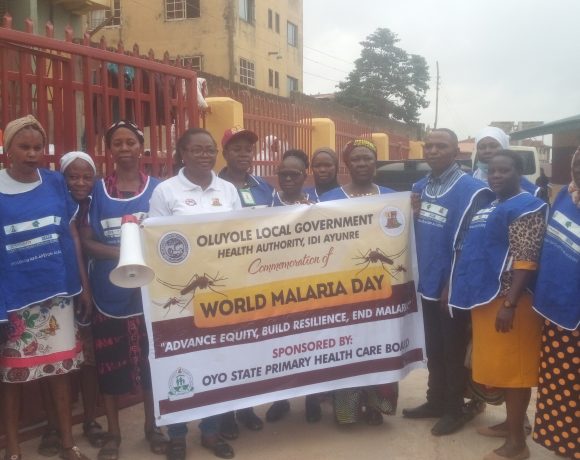
It is achievable to have a malaria-free society if Nigerians adhere to safety precautions against the spread of the scourge.
Primary Health Care Coordinator, Oluyole local government, Mrs Adebola Adelakun made this known during a day sensitization outreach held in some communities under the local government area.
Mrs Adelakun who said total eradication of malaria in Nigeria and Oyo state was possible if residents follow proper environmental hygiene and make use of the insecticide-treated net.
While commending governor Seyi Makinde for his giant stride at rolling out malaria in the state, the Malaria Focal person, Oluyole local government Mrs Abiola Ajayi said the council has recorded a steady reduction in the cases as a result of sensitization and awareness campaigns.
Mrs Abiola advised residents to ensure the environments are clean while objects breeding mosquitoes at homes and stagnated waters are evacuated.
Some of the participants commended the sensitization campaign and called for regular conduct of the exercise.
Highlights of the zero tolerance to malaria campaign which was in commemoration of this year’s world Malaria day included free test, treatment and distribution of handbills.
Lagos and Adamawa states have the highest figures of three each as Nigeria recorded 15 confirmed cases of monkeypox in seven states between January 1 and April 30, 2022.
The confirmed cases were from the 46 suspected cases recorded during the period.
The Nigeria Centre for Disease Control disclosed this in its latest Monkeypox situation report made available to our correspondent in Abuja on Tuesday.
Monkeypox, which is a rare disease that is caused by infection with the Monkeypox virus, belongs to the Orthopoxvirus genus in the family Poxviridae.
The United Kingdom, through the United Kingdom Health Security Agency, disclosed how an individual diagnosed with monkeypox had a travel history from Nigeria.
In the situation report, the NCDC said no death has been recorded this year as a result of the disease.
It said it would conduct active case searches in facilities and communities that have been reporting positive cases in the country.
The NCDC situation report read, “Since September 2017, Nigeria has continued to report sporadic cases of monkeypox.
The Monkeypox National Technical Working Group has been monitoring cases and strengthening preparedness/response capacity.
“A total of 46 suspected cases have been reported between January 1 and April 30, 2022.
Of the suspected cases, 15 were confirmed from seven states – Adamawa (3), Lagos (3), Cross River (2), Federal Capital Territory (2), Kano (2), Delta (2), and Imo (1) – but no death has been recorded.”
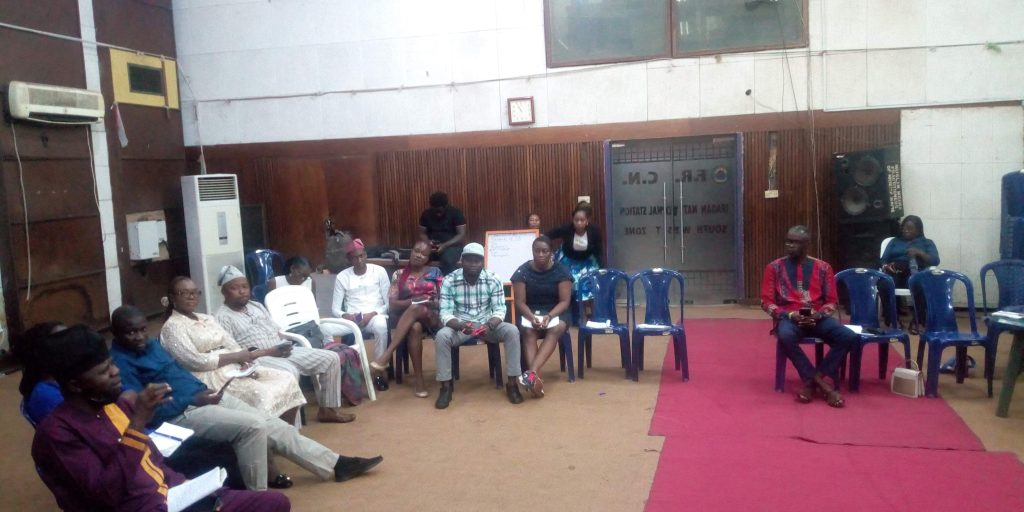
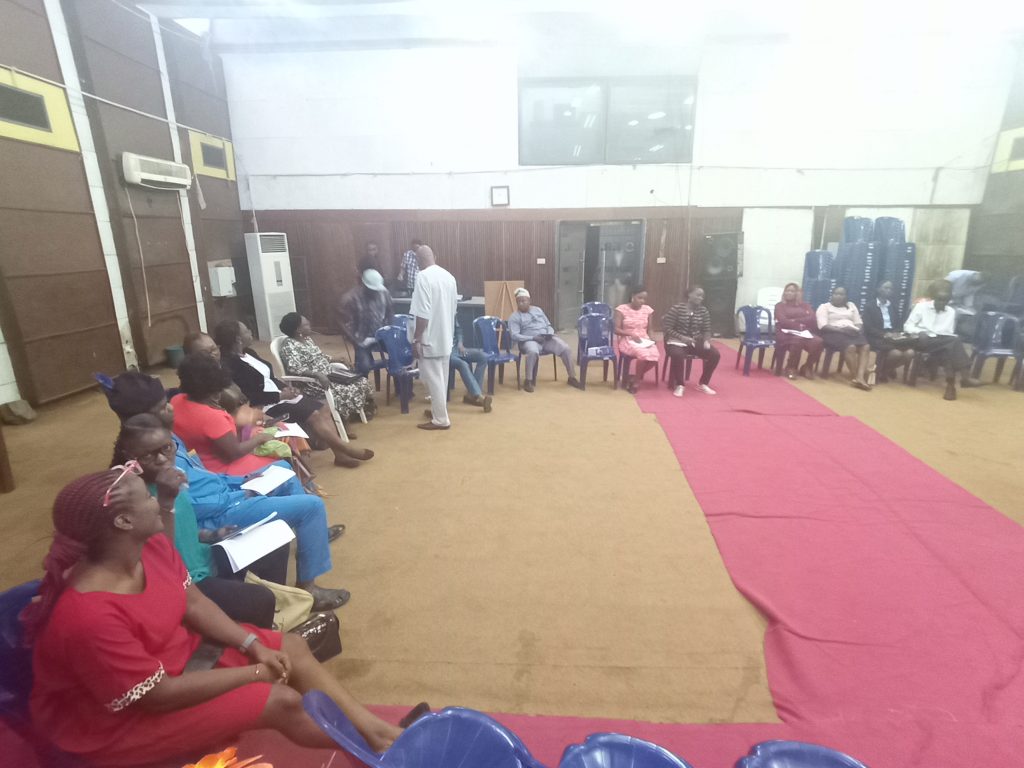
Forming an arc and well sat in Africa’s largest studio, Radio Nigeria, Ibadan are these content providers.
They were actively engaged in an interactive session with facilitators before them.
The coming together of these media professionals was at the instance of the British Broadcasting Corporation, BBC Media Action in partnership with the Federal Radio Corporation of Nigeria, FRCN, Ibadan Zonal Station.
But what could be the focus of their deliberation which the serious attention it was accorded?
One may be quick it was politics as the political weather was already gathering momentum but no, it was something very vital to the well-being of Nigerians.
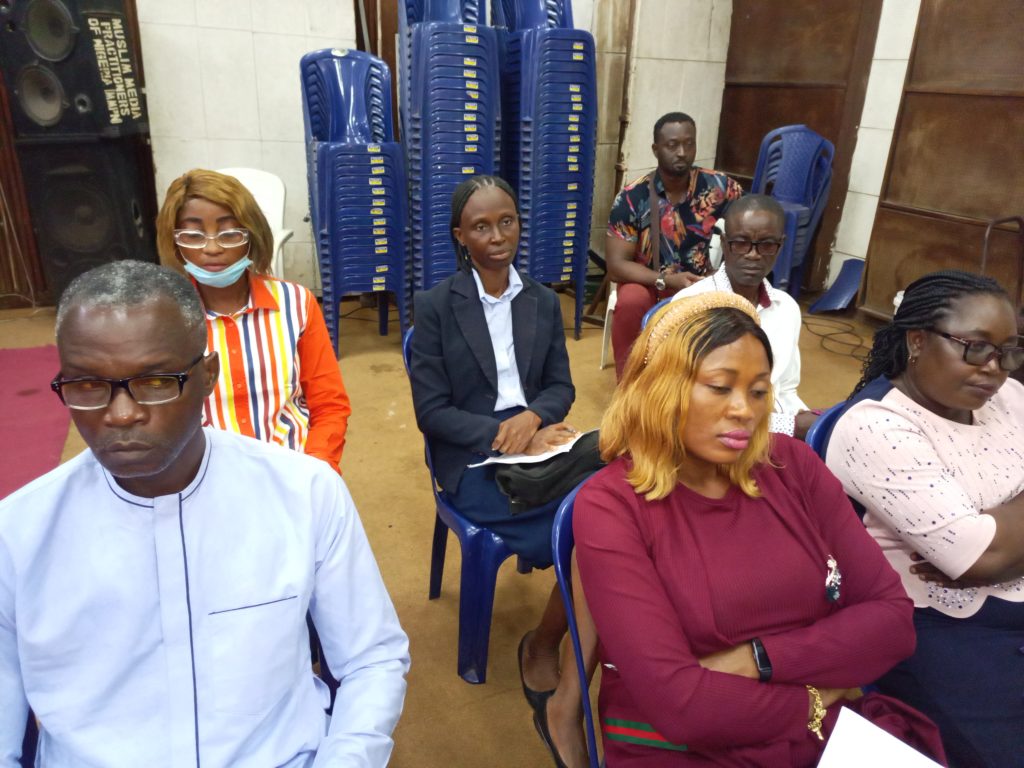
Cross-section of participants
Their subject of discussion was ‘Covid-19 Vaccine Hesitance ‘in line with BBC Media Action Development programmes which cut across health, resilience and humanitarian response.
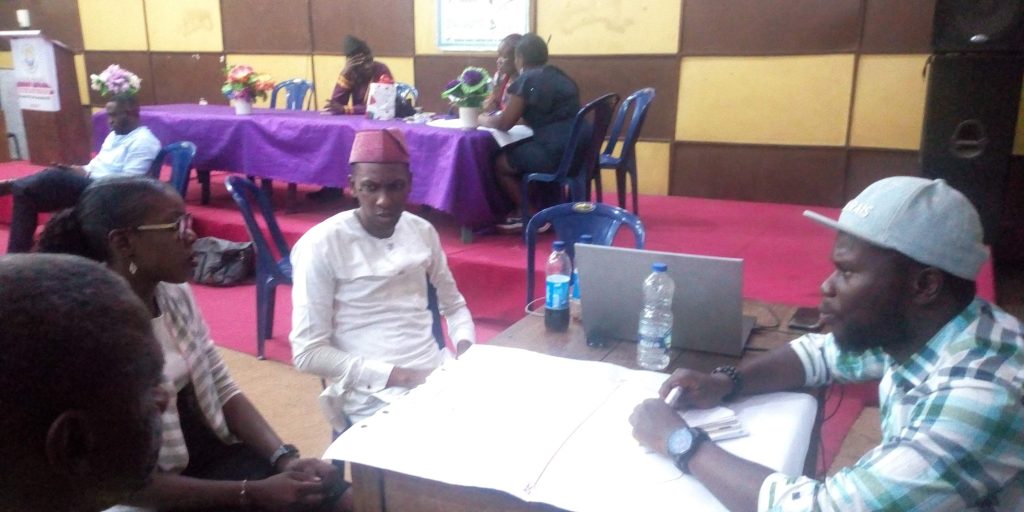
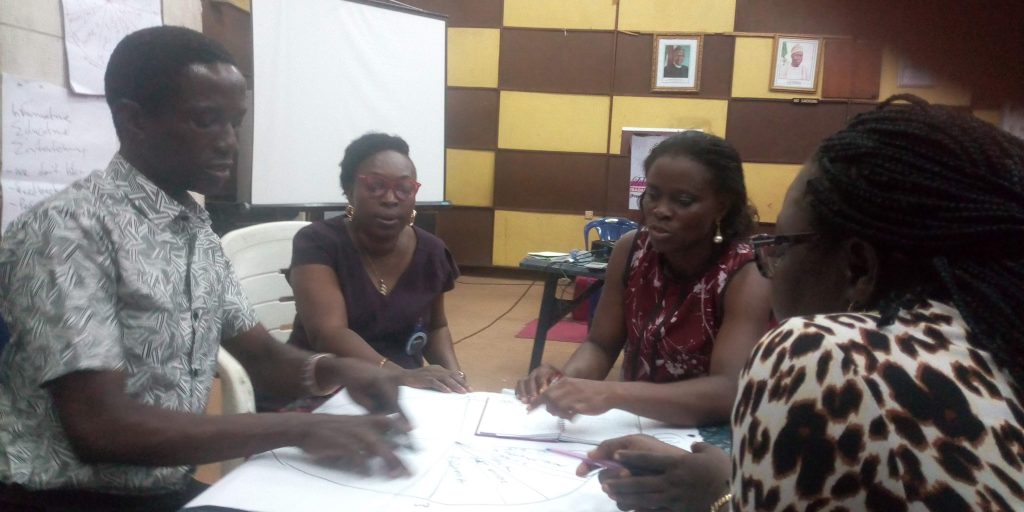
The workshop aimed at training participants as content providers on interesting and creative ways of presenting information on Covid 19 Vaccines to the public to enable them to make the right decisions for healthy living.
It was discovered from the deliberations that the refusal of some Nigerians to take the vaccine was borne out of a lack of trust in their government on whatever it presents before the people, bad experiences of some individuals and undue pressure mounted on the citizens to take the vaccine which made them suspicious if there was foul play.
A cross-section of participants
The leader of the team, Deji Aroso said content should be more about the people and connect them emotionally.
The leader of the team, Deji Aroso
He advised the professionals to address misconceptions about the vaccine and build trust through their stories and programmes.
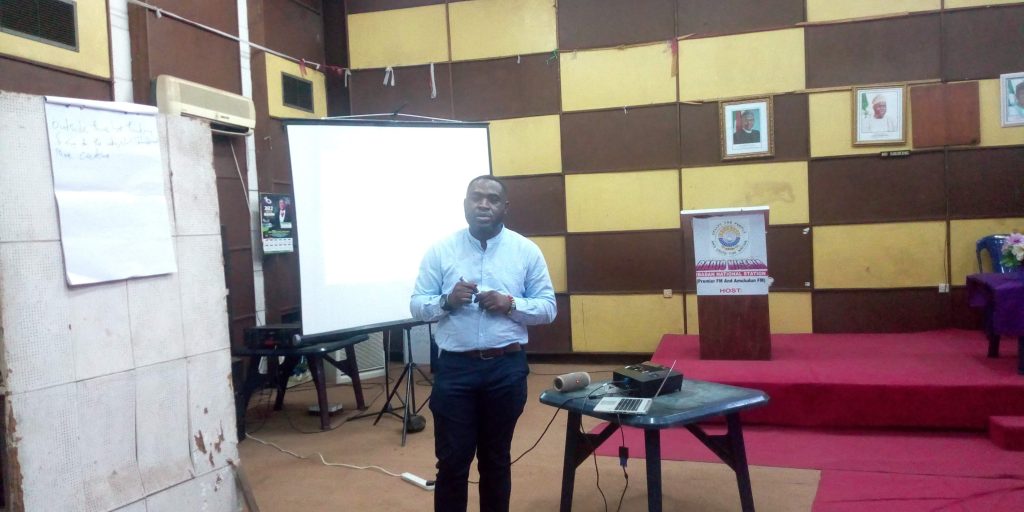
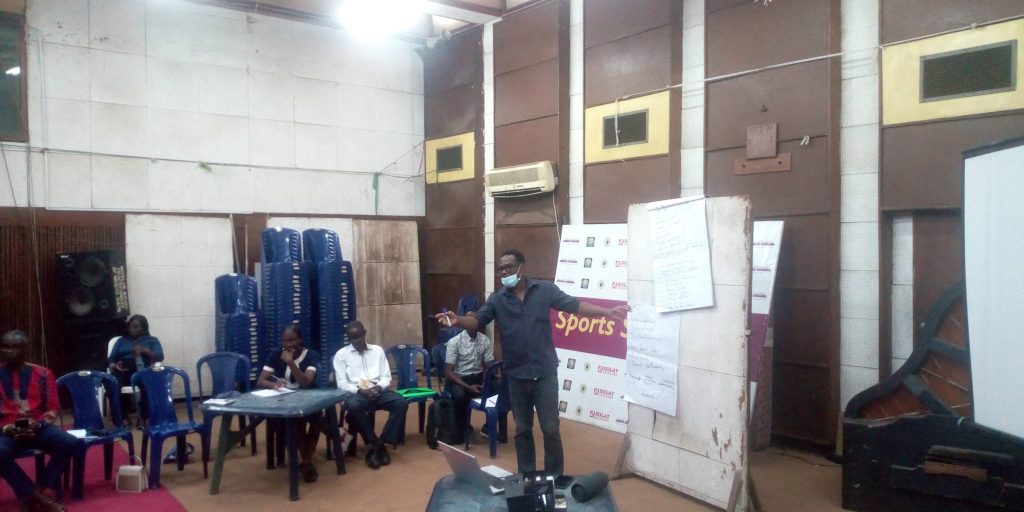
Head for Media Action, Uche Idu took the participants through practical sessions on how to package programmes that would interest the public.
Head for Media Action, Uche Idu
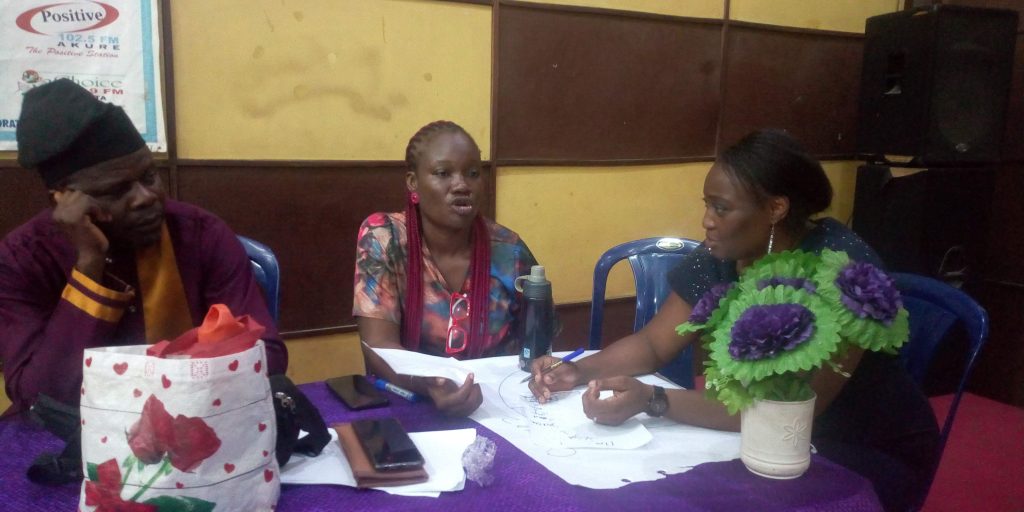
During group discussions, participants came up with a unique program for formats that could catch the attention of the public to achieve the main objective of encouraging more people to accept the vaccine.
A five day BBC Media Action Capacity Building Training for selected content Providers of Federal Radio Corporation of Nigeria, FRCN Ibadan Zonal Station is ongoing at Studio one, Broadcasting House, Dugbe, Ibadan.
Zonal Director, FRCN Ibadan Zonal Station, Mrs Bolatito Joseph declared the training open.
ZD FRCN Ibadan, Mrs. Bolatito Joseph Mr. Deji Arosho, Head, Production & Training, BBC Media Action NigeriaGM, Premier FM, Alhaji Aderemi Omotosho
The Ogun State Government Says the introduction of its Health Insurance Scheme for the less privileged masses in the state is geared towards making health care accessible and affordable for all residents of the state.
The Permanent Secretary of Ogun State Hospital Management Board, Doctor Qudus Yusuff during the familiarization visit of the Permanent Secretary to some health facilities in Ijebu-Ode area of the state.
Doctor Yussuf said the health insurance scheme was to discourage patronising quacks especially at the grassroots while funding of hospitals across the State has continued unabated by the present administration.
The Permanent Secretary Promised that Government would continue to motivate medical practitioners and other health officers to make migration unattractive by making remuneration of health workers in the State to be equal with their counterparts working in Federal Government facilities.
In a remarks, the Chief Medical Director, State Hospital, Ijebu-Ode, Dr. Oluseye Adetola, appreciated the government for working assiduously to provide quality health services to the people.