Family & Relationship

By ‘Dayo Adenuga

Are you in a relationship but confused wether it is love or infatuation.

Watch the video below where relationship Coach, ‘Dayo Adenuga, sheds light in Heart to Heart, a love and relationship peogramme on Premier FM 93.5.

Watch via this link

https://www.facebook.com/share/v/1ZYMuf9Voo

You can be part of the programme every Wednesday on Premier 93.5FM and live on Facebook, @PFM 935 by 9pm.

Edited, Olaitan Oye-Adeitan

Family & Relationship

By ‘Dayo Adenuga

Battling with the problem of infidelity in your relationship?

Then, watch this edition of Heart to Heart, a love and relationship programme by ‘Dayo Adenuga via the link below;

https://www.facebook.com/share/v/17WMn1iTtT

Heart to Heart comes on air every Wednesday on Premier fm 93.5 between 9 and 10pm.

You can also watch live via Facebook @PFM935.

Watch, comment ,like and share.You might just be saving a relationship.

Edited by Olaitan Oye-Adeitan

Parenting Tips

By Maxwell Oyekunle

Parenting is more than providing food, school fees, or shelter. True parenting goes deeper — it’s about shaping destinies, building character, and raising children who love God and contribute positively to society.

In this post, we’ll explore biblical parenting principles, the vital role of fathers, why parenting is a shared responsibility, and how to start early in raising children who will not depart from the way of truth.

What Parenting Really Means

Parenting is one of the most sacred responsibilities given by God. It is not just about birthing children, clothing them, or paying their fees.

Parenting is about nurturing souls, molding character, and equipping the next generation to carry values that will bless humanity.

Many of the crises we face in our world today are rooted in failed parenting — broken homes, absent fathers, lack of discipline, and misplaced priorities.

As the late Billy Graham said: “The greatest legacy one can pass on to one’s children and grandchildren is not money or material things, but rather a legacy of character and faith.”

Parenting, at its core, is legacy-building.

The Crucial Role of Fathers in Parenting

Too often, parenting is seen as a mother’s job.

But in reality, fathers play a pivotal role in shaping the spiritual, emotional, and social stability of children.

The presence (or absence) of a father influences how children view authority, responsibility, and even God Himself.

Being a father is not about biology.

It is about responsibility.

A father must be intentional in guiding his children to walk in truth, discipline, and faith.

The Bible gives us clear contrasts:

Mordecai (Esther 2:7) had no recorded biological children but raised his cousin Esther with such wisdom that she became queen and saved her people.

Eli the priest (1 Samuel 2:12-17) was a respected spiritual leader but failed miserably as a father to his sons. Ironically, he still mentored Samuel, who became one of Israel’s greatest prophets.

These stories remind us that true fatherhood is about commitment and influence, not DNA.

“The most important thing a father can do for his children is to love their mother.” — Theodore Hesburgh

And beyond that, to lead them in the way of the Lord.

Parenting Is a Shared Responsibility

Parenting does not rest on fathers alone, nor on mothers alone.

It is a shared calling.

Uncles, aunties, teachers, mentors, and guardians all play a part in shaping young lives.

“It takes a village to raise a child.” — African Proverb

Every interaction with a child plants seeds — seeds of confidence or fear, discipline or rebellion, kindness or selfishness.

We all have a responsibility to nurture, guide, and encourage children in our sphere of influence.

Why Early Childhood Matters Most

The Jesuits famously said:

“Give me a child until he is seven, and I will show you the man.”

This principle underscores the importance of the early years.

The foundation of character, discipline, and faith is laid in childhood. Waiting until they are older is too late.

That’s why the Bible says in Proverbs 22:6: “Train up a child in the way he should go; even when he is old he will not depart from it.”

From teaching respect at the dinner table to building faith through bedtime prayers, parents shape destiny early.

No child is too young to begin learning values that will last a lifetime.

Children Learn More by Example Than Words

James Baldwin captured it perfectly:

“Children have never been very good at listening to their elders, but they have never failed to imitate them.”

Children copy what they see far more than what they are told.

If a father lies, his child learns dishonesty.

If a mother gossips, her child will too.

If parents walk faithfully with God, their children are more likely to follow.

This is why David Bly rightly said:

“Your children will become who you are; so be who you want them to be.”

Parenting is less about shouting instructions and more about quietly modelling the values we want to see.

Raising Godly Children in a Broken World

We live in a world where ungodly values are broadcast louder than ever.

But parents are the first line of defence.

Teaching children to love God and live by His Word begins at home.

Psalm 127:3 reminds us: “Children are a heritage from the Lord, offspring a reward from him.”

They are divine gifts, entrusted to us not just to feed and clothe but to prepare for life and eternity.

From teaching honesty in little things, to involving them in worship, to setting boundaries with love — every step of intentional parenting counts.

Conclusion: Stepping Up as Parents and Mentors

Parenting is not about perfection, but about intentionality.

It requires consistency, prayer, and the willingness to invest time and energy.

Every child deserves the chance to grow up with guidance, love, and discipline.

So let us step up — fathers, mothers, uncles, aunties, teachers, and mentors alike.

Let us live as examples, shape young lives with wisdom, and raise a generation that will honour God and positively impact the world.

Subscribe to our Telegram and YouTube Channels, and also join our WhatsApp Update Group.

Family & Relationship

By ‘Dayo Adenuga

Love is real and love is beautiful.

However, Knowing how to love matters so that your relationship and marriage can work better.

Watch Heart to Heart, a love and relationship programme by ‘Dayo Adenuga.as you learn how to be a better man with your woman.

https://www.facebook.com/PremierFM935/videos/1405748824239730/?app=fbl

Heart to Heart comes up every Wednesday on Premier 93.5fm by 9pm.You can also watch live on @PFM935.

Keep a date with us.

ICYMI

https://www.facebook.com/PremierFM935/videos/628745590302595/?app=fbl

Subscribe to our Telegram and YouTube Channels, and also join our WhatsApp Update Group.


Nutrition

By Adebukola Aluko

Amla also known as the Indian gooseberry (Phyllanthus emblica) is a fruit tree native to the subtropical South Asian countries of India, Pakistan, and Bangladesh. Amla is grown in topical desert areas of India and is commercially produced in Northern India.

Amlas are small, round berries with bright or light-green skin, tough, yet thin with a flesh that is crisp and juicy with a taste that is both sour and bitter. In the center of the berry lies a hexagonal-shaped stone with 6 small seeds, which is always available during the winter months.

Amla oil is an oil extracted from the Amla fruit. The oil is well-known as a hair care product which in particular, can be used to nourish, strengthen hair, reduce hair loss and promote a healthy scalp.

The oil is known for its use in Ayurvedic treatment, and is made by drying the fruit and soaking it in a base oil such as mineral oil.

Moreover, Amla contains antioxidants and vitamins which offer several health benefits. High concentrations of vitamin C present in the fruit helps the body recover from illness. Incorporating this ancient superfruit into your diet may improve your overall health.

The Indian gooseberries contain 20 times the amount of vitamin C as an orange.

Here are some other health benefits of Amla

Diabetes Control
The soluble fiber in amla berries dissolves quickly in the body, which helps to slow the rate your body absorbs sugar. This can help reduce blood sugar spikes. Amla berries also have a positive effect on blood glucose and lipid counts in people with type 2 diabetes.

Better Digestion
The fiber in amla berries helps the body regulate bowel movements and may help to relieve symptoms from conditions like irritable bowel syndrome. High levels of vitamin C in amla berries helps your body absorb other nutrients. Amla also has more vitamin C than other fruits like grapes, limes, and apples. Fiber in amla berries may help promote smoother bowel movements

Healthier Eyes
Amla berries are rich in vitamin A, which is key to improving eye health. Vitamin A not only improves vision, Amla’s vitamin C content aids in eye health by fighting bacteria, which can help to protect your eyes from conjunctivitis (pink eye) and other infections.

Immunity
A 100g serving of amla berries (about a half cup) provides 300mg of vitamin C more than twice the daily recommended value for adults. it contains notable amounts of polyphenols, alkaloids, and flavonoids, most importantly has antibacterial and anti-inflammatory properties.

Memory and Brain Health
The phytonutrients and antioxidants in amla can benefit memory by fighting against free radicals that can attack and damage brain cells. Amla’s high concentration of Vitamin C helps your body produce norepinephrine, a neurotransmitter believed to improve brain function in people with dementia.

Amla berries are rich in antioxidants, which reduce the risk of chronic health conditions like heart disease, diabetes, and cancer, the berries are also an excellent source of:

Vitamin C, Vitamin E, Vitamin A, Iron and Calcium

Nutrients per Serving

A half-cup serving of amla berries contains:

Calorie:            36 
Protein:             Less than 1 gram
Fat:                  Less than 1 gram
Carbohydrates:   8 grams
Fiber:               3 grams
Sugar:              0 grams

How to Prepare Amla Berries
Amla can be eaten fresh, though the bitter taste is better offset with a sprinkle of salt. To rid the berries of their bitter flavor, soak them in salt water before preparing. The berries are a bit fragile hence the need to handle with great care, amla berries should be handled the same way you handle grapes. Amla berries will stay fresh in your refrigerator for about two weeks. They also freeze well.

Here are some ideas for incorporating this tart fruit into your diet

Dice and combine amla with sweeter fruits for a summery fruit salad.
Juice the berries with a juicer/blender Or mash them and soak in water overnight, drain the pulp and seeds, (add few spoons of honey optional) and then
drink.
Pickle fresh amla fruit.
Use amla berries in chutneys and curries.

Parenting Tips

By Olaitan Oye-Adeitan

It is heart rendering that children are suffering unjustly and rather than the trend becoming unabated, it is assuming a more worrisome dimension.

Tragically, these innocent lives who should be surrounded by love, care and protection, instead suffer all manners of abuses in the hands of those entrusted with their care.

The case of a female teacher at a private school at Ikorodu, Lagos, Stella Nwadigo, who repeatedly slapped a three-year-old pupil, Abayomi Michael, for failing to write the number six as instructed cannot be hurriedly forgotten.It is good justice is taking its cause due to her arrest.

What about a middle-aged woman at Araromi Obada Oko, identified as Odeale Fatimah who was also arrested for using a razor blade to inflict deep wounds on ten-year-old boy Olasunkanmi Oluwadamilara over allegations of theft of six hundred naira.

In a shocking incident outside Nigeria, an Australian social media influencer was also accused of poisoning her own baby girl to garner donations and increase her online presence.Imagine!

The escalating rate of crimes against children is becoming increasingly unacceptable and has reached a tipping point,where immediate action is necessary.”

The World Health Organization,WHO, defines child maltreatment as the abuse and neglect that occurs to children under 18 years of age. It includes all types of physical and/or emotional ill-treatment, sexual abuse, neglect, negligence and commercial or other exploitation, which results in actual or potential harm to the child’s health, survival, development or dignity in the context of a relationship of responsibility, trust or power.

Worrying statistics reveal that 60% of children under 5 are physically or emotionally abused by parents or caregivers, while 1 in 5 women and 1 in 7 men have experienced childhood sexual abuse.

Sadly, child maltreatment is frequently concealed, and only few gets support and justice.It’s commendable that justice is being served in recent cases, but we mustn’t forget the countless victims whose ordeals are ignored, and left to endure trauma, injury, or even death in silence.”

Child maltreatment can have far-reaching and devastating consequences, leading to a range of developmental, health, learning difficulties, social struggles, depression, aggression.

The long-term effects of childhood trauma can persist into adulthood, increasing the likelihood of developing mental health disorders, struggling with addiction, experiencing chronic illness, and facing economic instability.”

As they mature into adulthood, victims of childhood maltreatment remain vulnerable to a range of challenges, including psychiatric disorders, substance abuse, chronic health conditions, and reduced economic prospects.(National Research Council, USA),

We therefore, cannot remain passive observers while the future of these innocent children are ravaged by maltreatment. We must intervene and act!

While children atimes cannot but display some naughtiness, discipline should be corrective and not destructive.

As much as possible, avoid hitting any child on sensitive parts such as the eyes, face, ears, head, chest, stomach.These are no go areas to touch while scolding a child for any injury to these parts may be irrepairable.

Be it also known that children, according to Scriptures are the heritage from the Lord, making them precious gifts from God.

Consequently, any form of abuse or maltreatment towards them is a direct affront to God Himself.

Be mindful how you treat children for you never can tell, the child you abuse today might be the very one who comes to your rescue tomorrow.

Interestingly, you may not recognize that child because he would have grown too but it is certain, he will.

Nutrition

By Adetutu Adetule

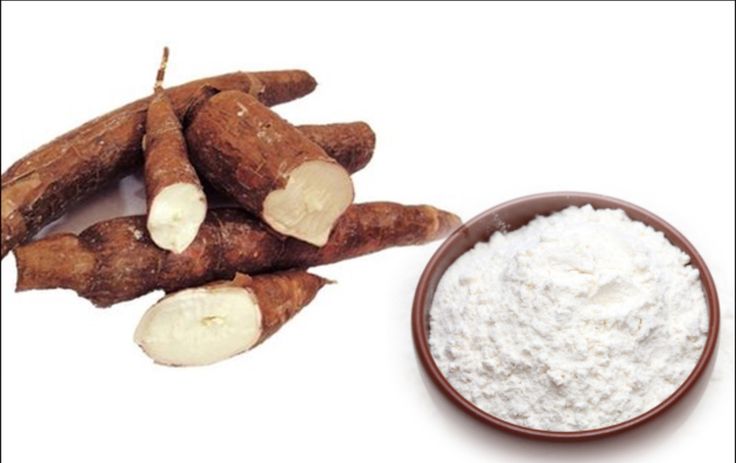
Nigerians love swallows such as eba, amala, fufu and the like. These swallows are products of gari, yam flour and cassava respectively.

But, do you know that you can make fufu with coconut flour?

Oh! I heard you say loudly. Read along and you get to know how to do it.

 Coconut flour has an impressive nutrient profile, being particularly high in fibre, potassium, iron, and plant-based protein. A 1/4-cup (28-gram) serving of coconut flour contains ( 3 ): Calories: 120. Carbs: 18 grams.

 Coconut flour is nutritionally beneficial. It has a lower glycemic index rating than wheat flour, meaning it takes longer to digest and absorb the carbohydrates in it. It also contains more fibre and protein than wheat flour. Coconut flour can also help you: control blood sugar.

Coconut flour is derived from natural sources and contains a high amount of antioxidants. To gain most of its benefits, consume one teaspoon of coconut flour daily.

Coconut swallow, specifically fufu, is a low-carb and nutritious African dish made from coconut flour. At only 12 net carbs, it is a delicious and healthy way to enjoy coconut swallow with your favorite African soups!

 Recipe:

 3 Coconuts 

Water 

As a start, first, get three or four pieces of coconut fruit, cut them into bits and blend or grind.

Blended coconuts are sieved, the milk extracted from the chaff with the help of a cheesecloth, you can sieve with the cloth used in making pap (akamu). The last picture here shows the coconut milk in a different bowl from the chaff. Then, the chaff goes for drying in the sun or oven. I dried it in the sun.

Blend or grind the dry chaff. Now it is ready for use for coconut fufu.

Boil the coconut milk, add a little water if the coconut is too little.

The trick is to start with one and a half cups of water to one cup of coconut flour and add more water if needed. Too much water too fast will leave you with a mushy mess.

Sift the coconut flour; this helps break up lumps in the flour, which makes it lighter and easier to mix evenly. It is however possible to make coconut fufu with the flour sifted and also to make it without sifting it, and 100% of the time, the sifted flour works better.

The texture of sifted coconut is a bit softer and easier to handle, and when cooked, is similar to regular fufu dishes. Un-sifted coconut fufu is quite dense and gets hard pretty quickly.

Sifting does make not the flour light, but it at least makes it a bit fluffy and breaks up any clumps.

While the coconut milk boils, stir gently with a ladle while adding the coconut flour or powder gradually until it becomes thick.

Coconut fufu is now ready to serve. It can be eaten with egusi soup.

Vegetable soup

 Okro soup

Ogbono soup

Edikaikan

Subscribe to our Telegram and YouTube Channels and also join our Whatsapp Update Group

Parenting Tips

By Olaitan Oye-Adeitan

Looking so scared, worried and disturbed was this young, dark in complexion beautiful girl as she walked into the premises of the Federal Radio Corporation of Nigeria,  Ibadan Zonal Station, Dugbe, Ona – Adebimpe Road in Ibadan.
It was so obvious she needed urgent help.But what could be the source of concern for this teenager?

Teenager’s Ordeal 

Ikimo Ayoola by name, very outspoken and confident, complained that her father threatened to kill her for allegedly spoiling his dumb phone.

The teenage girl explained that she was cooking noodles as instructed by her father and had to hold the phone in her mouth to use the touch for illumination.

However, very early the next day, the father was reported to have woken her up, visibly angry and began to flog her, claiming she had spoilt the phone and was going to kill her.”This morning my daddy said he would kill me and he would kill himself.He beat me.I now said I will come to Radio Nigeria”.

This threat made her to run to Radio Nigeria.On her lips and leg were injuries sustained from the beatings she received from her father.

On further interrogation, Ikimo who is thirteen years old hails from Oyo town.She said her father and mother were separated.

According to her, she stays with her father at Agbede, Iyana Opo area in  Ibadan, while her mother has settled down with another man and resides at Asaka, IkeOlu also in Ibadan.

She explained that her father banned her from visiting her mother while the mother and her new husband were equally not favourably disposed to her visiting them.

Sadly, due to a medical condition, she could not further her education and had to drop out of school when she was in primary four.

As a way to seek financial support for her upkeep, Ikimo claimed her mother took her to a rich man but alleged that the man defiled her.

She then was later taken to a relative with whom she stayed with for a while until her medical challenge played up again.

The relative could also not cope with her medical challenge and had to return her to her father.But since her stay with her father, she hasn’t been going to school due to that health condition.

Hearing that she would be returned to her father by Radio Nigeria, her countenance changed. Dark clouds enveloped her and the young girl bursted into tears, saying she was not ready to go.

Journey Back Home

Ikimo alighted from the vehicle that brought her home reluctantly and sorrowful.

At Agbede, Alarere is this muddy, patched house with an almost blown off roof and an unkempt surroundings where Ikimo and her father lives.

One of the neighbours who is an elderly woman said Ikimo’s father, (a scavenger)  had  gone to work. She attested to the threat issued by Ikimo’s father and noted that the young girl due to threats often ran away from home anytime her father scolded her for misbehaviour.

However, the appearance of some other people at home called for great concern.

One of the men on ground was sighted with a stick of cigarette, one of the ladies looked so hostile and the area where the house is sighted is the centre of meeting for some area boys as smell of illicit drugs could easily be perceived.

What then is the fate of Ikimo in the midst of all these? It is obvious she lacks parental care.

Would this sharp and bright  girl receive the needed care that would bring out the hero in her?

How would she overcome the health challenge that has halted her schooling?

If there is any plea from Ikimo, it is to receive love and affection from a good spirited individual who would enable her realize her God given purpose just like she pleaded “I want someone who will help and take care of me”.

Subscribe to our Telegram , YouTube Channels and also join our Whatsapp Update Group

Nutrition

Cut Cost With Homemade Semolina…….

By Adetutu Adetule

Semolina is a grainy powder that is milled from hard wheat (as durum wheat) and is often used to make pasta

Durum wheat can be ground into semolina flour, which can be used to make bread, pasta, and porridge. Semolina flour may have benefits, including supporting digestive and heart health, but it also contains gluten.

Semolina is coarse flour made from durum wheat, a hard type of wheat.

When ground into flour, durum wheat is known as semolina and used all over the world. This flour is more golden in color than all-purpose flour. It has a mild, earthy aroma.

Along with its culinary uses, semolina also benefits weight management, and your digestive system.

Semolina is high in protein and fiber — both of which slow digestion and increase feelings of fullness between meals.

It’s also high in B vitamins like thiamine and which have many important roles in your body, including helping convert food into energy.

Additionally, semolina is a good source of iron and magnesium. These minerals support red blood cell production and blood sugar control.

Nutritional Benefits of corn flour

Cassava flour is rich in carbohydrates and a good source of dietary fiber, vitamins and minerals. It’s also relatively low in protein and fat, making it an excellent energy source. On the other hand, corn flour contains more protein and fat, and it is also packed with essential vitamins and minerals, such as vitamin C, and potassium.

Corn flour may help to reduce blood pressure and cholesterol levels. It may also be beneficial in improving digestive health. In addition, it may help to manage weight. Corn flour may be used in case of diabetes and iron deficiency.

Nutritional Benefits of cassava flour

Cassava flour is rich in carbohydrates and a good source of dietary fiber, making it an excellent energy source. On the other hand, corn flour contains more protein and fat, and it is also packed with essential vitamins and minerals, such as vitamin C, folate, and potassium.

Ingredients

Corn

Cassava

Water

-Sieve the corn & cassava flour together.

– Add water to the flour & stir to get a slightly thick consistency. Pour into the boiling water while stirring, properly stirs to prevent lump formation.

-Stir until it reaches the thickness you want. If too thick, add more hot/ cold water. Make holes with the stirring stick add water so the water gets to the bottom. Cook it on low heat for 20mins.

– t should look like this. You will notice it’s slightly elastic as you stir. Take off the heat & wrap in cellophane.

– Note that the more cassava flour you add the more elastic & soft the swallow will be.

Subscribe to our Telegram and YouTube Channels and also join our Whatsapp Update Group

Parenting Tips

By Olaitan Oye-Adeitan

As I began to write this piece, I remembered the true life story of a young man who had a miserable life.

He tried all efforts to rise from the muddy waters of life, but kept on sinking. However, he was not silent.

Life wasn’t pleasant for him at all. It kept presenting him bile and he was at the verge of giving up when he met a Pastor. He narrated his ordeal and the Pastor prayed for him.

However,  while praying,  the Spirit of the Lord told the Pastor to tell the young man to go and plead with his mother to bless him: for the mother was said to have uttered a curse upon him while he was younger .

Thank God, he obeyed.He met his mother and she reversed the curse and blessed him. 

In less than two months after, the young man rose from obscurity to lime light.The once  rejected, poverty stricken, sorrowful and perplexed man became a force to reckon with.

Coming back from this story, I pondered ” How many glorious destinies had been ruined by utterances from parents!”

The tongue as little as it is among the parts of the body, carries both life and death, but, what it releases is dictated or controlled by man in whose mouth lies the tongue.

It is very disturbing that many parents, at the slightest provocation, habitually rain  torrents of curses on their children, unknown to them that, the effects of curses do not manifest early in life.

Unfortunately, it might just be the time that such parents are to be enjoying the fruits of their labour over their children that echoes of the curses will start manifesting in their children’s life, just as it happened to that young man.

Dad, Mum, Uncle, Aunt, truth be told, ‘Words are powerful!

Curses are evil pronouncement which usually have negative effect upon the bearer. Sadly, this is a habit that is common among some parents. Curses flow freely on their lips to the extent that some would say that their  children will not prosper. Yet such parents want to reap the fruits of their labour.

This is the very reason you as a parent must tame your tongue and watch your pronouncements upon your children.

Cursing your child is like labouring for something and using the same hand to pull it down.

This is the reason God frowns at raining curses.

“Out of the same mouth proceeds blessing and cursing.
My brothers, these things ought not to be so”.

James 3;10

Uttering verbal abuse which has in it curses, is an ill wind capable of distorting a child’s destiny because God has placed you as an authority over that child. Therefore, your tongue has a great impact on your child and the more reason you should be mindful of the way you use it.

A renowned writer, Liza Blau, agreed that cursing a child could give the child emotional trauma, lead to low self esteem, birth a feeling of frustration or anger. “She might internalize your hostility, leading her to feel worthless and unlovable. Cursing can also leaves your kid confused and unclear about what she did wrong, because it isn’t honest or healthy communication”.

Due to the imitative nature of children, a child that is constantly exposed to cursing might also unconsciously begin to imbibe the same culture which he displays among his friends in school or neighborhood.

While curses may have physiological effect, the spiritual effect is more devastating as the child may just be battling with unexplainable issues in life.

Though, children may misbehave sometimes, parents should as much as possible avoid evil pronouncements, no matter how angry they are. Your Words are like seeds waiting for the appropriate time to germinate for you to harvest.

However, children should also avoid actions that could provoke their parents to invoke curses on them.

Nutrition

By Olaitan Oye-Adeitan

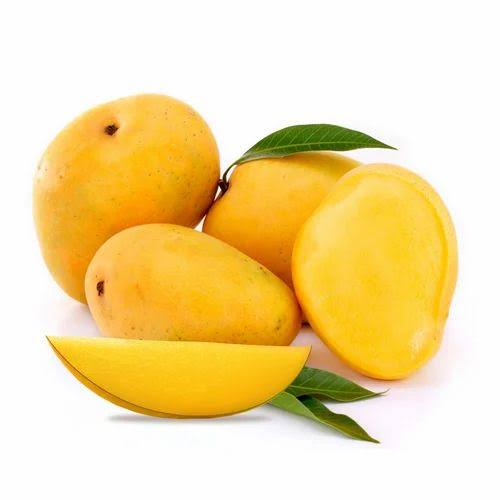
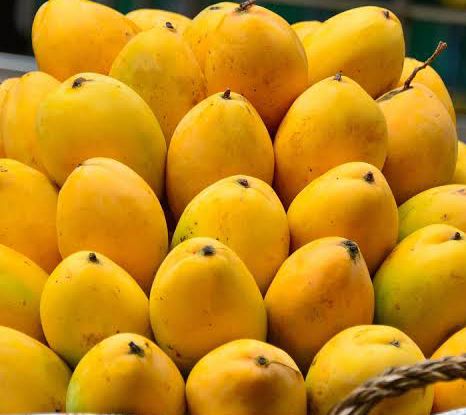
Succulent, flavorful, exotic, fleshy, nutritious, bright, oddly shaped, and tender are words that best describe a popular fruit found in many countries of the world including South-East Asia, East Africa, West Africa, and South America.

When it’s ripe,  the flesh tastes so fresh, and sweet and emits an inviting fragrance. It is soft and juicy, pale orange in color, and has a texture ranging from fibrous to almost the consistency of butter. It is no other fruit other than Mango, botanically named, Mangifera indica.

Called Mángòrò in Yoruba, Magwaro in Hausa, and Popo in Igbo, (Nigeria), Mango is native to Southern Asia, especially Burma and Eastern. 

This yellow, juicy, and delicious tropical fruit  (drupe fruit ) is said to be a symbol of love in India as it is believed to possess the magical power to grant wishes. Thus, Offering a basket of mangos is seen as a gesture of friendship in India.

A blend of mangoes with some other fruits can make a tasty smoothie and can also be made fruit juice, into jam and appetizer.

Benefits of Mangoes

Fresh mangoes are not only attractive and eye-catching, but have a tantalizing flavor and sweet taste; a Dietician, Mrs. Adeola Okijiola explained that mangoes are very good sources of Vitamin C, beta carotene (used as vitamin A in the body), and folate. amongst other nutrients, which contribute significantly to optimal nutritional health. 

Mrs Okijiola listed the numerous benefits of mangoes. These include having high natural sugar/calories. 

“This is why it’s beneficial to maximize their consumption when they are in season (except for those having a disease condition, and have been counseled by a dietician to regulate the quantity eaten by prescription or stay away from it, for therapeutic purposes). Supports immune system, digestive health, and eyes”.

Other Health Benefits of Mangoes Are:

1 Boost immune system: mangoes are great sources of beta carotene (used as vitamin A in the body), which is essential for proper immune system functioning.Great sources of antioxidants,

2 Improves digestive health: They are good sources of dietary fiber which aids bowel movement and may ease constipation especially when consumed with the peel (ensure to wash well before consumption). They also improve digestion and help in the absorption of food nutrients due to their vitamin content.

3. Promotes Skin health: Mangoes Improve skin health because of their high level of Vitamin C and beta carotene (used as vitamin A in the body)  content, which helps to prevent sagging and wrinkling of the skin.

4Helps eye health: The beta carotene in mangoes (used as vitamin A in the body) content promotes eye health.

5. Lowers the risk of Chronic diseases such as cancer: They are also rich in antioxidants, which have been found to prevent cancer.

6. Supports Optimal Pregnancy Outcome: An adequate quantity of folate (especially in the first three(3) months of pregnancy) in a pregnant woman’s diet is crucial to preventing birth defects in babies. Mangoes are good sources of folates which supports optimal pregnancy outcomes by preventing birth defects.

Though there are some claims that mangoes are aphrodisiacs, the dietician says such cannot be medically proven

How many Mangoes should be included in your diet:

One to two medium-sized mangoes) per day

Side effects of Mangoes:

As highly beneficial as mangoes could be, “it could lead to diarrhea in some people if excessively consumed.

2. Some individuals could be allergic to some of its content (this is uncommon though). It could be in the form of skin reactions, oral allergies, gastrointestinal issues, or respiratory symptoms”. Mrs. Okijiola concluded.

Weekend Treat

By Olusegun Folarin

A lone fatal accident occurred on the Lagos-Ibadan expressway in Ogere axis after Verony and claimed two lives.

The crash which occurred at half past ten in the morning involved a Toyota Camry with registration number BDG526JC.

According to the Public Education Officer Federal Road Safety Corps FRSC Ogun State command, Mrs Florence Okpe 7 persons comprising 4 female adults 01 male adult, 01 male child, and 01 female child were involved in the crash.

Pointing out that five persons were injured while two people died in the accident, Mrs Okpe attributed the cause of this lone crash to excessive speed which led to loss of control and the vehicle summersult.

She said the injured victims were taken to a private Hospital in Sagamu for medical attention and deceased bodies were deposited at the same hospital.

Subscribe to our Telegram and YouTube Channels and also join our Whatsapp Update Group

Parenting Tips

By Olaitan Oye-Adeitan

“If I tell mummy, she would blame me for everything”.

“Do you know what i have told you, my parents do not know”?

“Ha, I can’t open up to my parents oo they will kill me”?

“I prefer to talk to my friends, my parents have no time”? 

“Mummy doesn’t calm down to hear my side and understand me, she flairs up at any little thing”.

These are responses of some children while in a conversation with the author on various issues arising in their lives.

A lot of things which the children told the author were mind-blowing. Some could be classified as shocking revelations. But it is more shocking that they were kept from their parents for various reasons as found in their submissions above.

The question is, must we then sleep in the house with fire on the rooftop? Certainly, this issue cannot be wished away if parents will not be building strangers out of their children.

What then could be the cause(s) of this gap?

Findings show that Fear is a major factor that makes children want to hide things from their parents. Some parents do not give room for an atmosphere that could encourage their children to pour out their minds. They are so tough like granite and very inaccessible that even their arrival at home makes the children cringe.

Sharing their experiences, two siblings who were raised in this kind of atmosphere recalled how they used to push each other to their father whenever they wanted to collect something from him. David and Ruth explained that they were always afraid to approach their father because he was very tough, though  the siblings were closer to their mum. It was funny to hear them say, that if they wanted to collect something from their father and he was in his bedroom, they would have to make a sign of the cross and sum up courage before knocking at his door.

 Another factor that makes many children recoil is lack of affirmation. Children love to be appreciated and commended. It does not only give them room to express themselves but also builds confidence in them. Unfortunately, only a few children enjoy this from their parents.

Parents also make the mistake of condemning a child when he/she comes home with a poor academic result. Parents are often too quick to scold, especially using hurting words on children with weak academic results. 

We must realize that there is a difference between the child and his result. 

A child is more than the result he/she brings. This is not encouraging failure but opening the eyes of parents to the fact that in such a situation, the child needs reassurance of love and support so that he can perform better next time. Harshness will also blind parents from discovering what the child’s problem could be academically.

Parents who have this nature will also succeed in driving their children away from unburdening their hearts to them.

When your child shares his/her pain with you, and the next is to use it against her among other friends or just refer to it while chatting with others, ha! that child will see you as a parent who does not respect confidentiality.

Comparing your child with another, which may even be his siblings, is a sure reason that child will be silent. Through such you are building in him a feeling of inferiority, timidity and subtle hostility.

Know this, “Every child is unique in his/ her way”. This uniqueness distinguishes him from others. Not even twins have everything the same.

One thing about children is that they can perceive easily an atmosphere where love abounds and where hatred, and bitterness breed. Children desire sincere demonstration of love and affection beyond words of mouth.

The warmth felt in the womb for years, cuddles received from the mother, backing and all forms of care and affection registered in their subconscious, and they grow to desire more of it.

Therefore, if a child could perceive this from his / her parents, he or she would be free to dialogue with them. Love and affection are what everyone craves and there’s no substitute for it. As the saying goes, “Under someone’s hard shell is that person that wants to be loved and cared for.

Family & Relationship

By ‘Dayo Adenuga

Mrs Ayeni needs your advice…. She got married to Mr Ayeni 19years ago. Before their marriage,both of them had a child each, coincidentally both were male.

After marriage,the couple was blessed with 4 children, 2female and 2male.

Over the years the family grew well and strong….Lekan,Mrs Ayeni’s first Son now 24years old and also a graduate brought Yinka whom he has chosen to marry for introduction.

While this was going on, Bunmi the first born of the family stood up to say, their marriage (Lekan & Yinka) will not hold!

This was a shock to everyone and when she was asked why, she responded by saying; Lekan never told her about the proposed marriage because she had been keeping herself for him.

Her mother told her, it was an abomination,to develop feeling for her own brother but Bunmi responded, “Mum,we have been dating for quite a while now, he disflowered me,I have aborted twice,now he is coming this last….Lai Lai mi o ni gba(never ever,I won’t agree).

At this juncture,the introduction ended and Yinka walked out of the house , Lekan followed begging her.
Without more words,please how do we resolve this matter?

This is Heart to Heart, a relationship radio show. Kindly drop your comments. You can also share.. Thank you.

https://www.facebook.com/share/v/gAsG1q5KggFmaETi/?mibextid=oFDknk

Olaitan Oye-Adeitan

Parenting Tips

By Olaitan Oye-Adeitan

We are now in the age and times when we may really need to unmask the truth of whose responsibility is the child, Government, Society or Parents.

Today, some parents blame the teacher for every one of their children’s failures. Society also shares part of it and the government is not exempted.

Statements such as “that teacher is not performing his/her duty very well, see what the society has turned our children to, our government is not helping our children at all ” are now freely and commonly expressed by some parents due to the shortcomings in their children’s academic performance or behavioural pattern.

We may however need to counter these statements with the following questions; Who is to blame when the child refuses to do his homework ( a work that is expected to be done at home), and which keeps piling up? Must the teacher be blamed when a mother decides to do the assignment for her child rather than to guide him/ her through it?

Also, who is to blame when a child watches sensual films with his parents? Then when the boy attempts to have carnal knowledge of a mate, who is of the opposite sex, is the teacher also responsible?

Oh, we may as well ask, if it is the government that teaches a child to be unruly and bully other mates in school, dress in tattered uniform, wear crazy haircuts, with vulgar expressions gushing out of the lips without caution.

While we do not deny the fact that the teacher, society or environment, and government fall under secondary influencers when it comes to child development, parents still remain the major stakeholders in terms of child care, training and overall development.

From infancy, a child is welcomed into the hands of a father and mother and grows under their tutelage until maturity.
Even a child born outside wedlock has a father and mother.

However, someone may argue that what about children who are orphans? The truth is even an orphan is handed over to a caregiver in a family or orphanage. The case of a set of twin brothers comes to mind. Their mother died during their birth and the father took to heels realising they were twins. Perhaps, for fear of responsibility, only God knows. These twin brothers were raised by their maternal grandmother and today, one is a successful lawyer and the other a doctor.

Children who are used for rituals, abandoned at birth either under the bridge, beside the river, on refuse dumps or in most unimaginable places as reported in the news, have the hands of one or both parents.

Psychologist, Sigmund Freud posited that personality forms during the first few years of life and that how parents and other caregivers interact with children has a long-lasting impact on children’s emotional state.

Another research corroborated this by saying that a personality formed by the age of six or seven is not likely to deviate from its core.

Therefore, parents must realise that the formative years of a child must not be joked with and it begins from the home, just like the age-long proverb, “Charity begins at home”.
At this early stage, all the senses of the child imbibe consciously or unconsciously from elements around him, of which the parents are key.
As the child grows, all he has absorbed begins to manifest and the picture gets bigger by the day.

If there is no solid foundation for that child during his formative years, he or she will be swayed by the wind of abnormalities in his environment. It is like building a house on a shaky foundation
Such will easily crumble amid storms.

This is not to exempt other stakeholders who are the teachers and government. As a teacher, you are to make and not mar them through impactful teachings. So, a case where a teacher is found defiling his/her pupil is appalling and highly unacceptable.

Government, on its part, must be seen to uphold the Child Rights Act(2023). 24 out of 36 states of Nigeria have adopted the CRA as a state law. Therefore, twelve (12) states in Nigeria have yet to adopt the CRA in their laws of the 36 states of the federation.

Needlessly is, therefore, trading blame when it comes to whose responsibility is the child’s. The truth be told; you carry the major responsibility as a parent because you are given the child directly by God.

And to whom much is given, much is expected!

Family & Relationship

Everyone has a story to tell.But regardless of experiences, LOVE is true and you can still enjoy the warmth of love again.

Why not make it a date with ‘Dayo Adenuga every Wednesday on the Love and relationship program, ‘Heart to Heart’ on Facebook: www.facebook.com/Premier Fm935.You can also tune to Premier 93.5 fm.Time is 9:30pm.

It’s ‘Heart to Heart’ RENEWED! Don’t Miss it!