Health

By Iyabo Adebisi

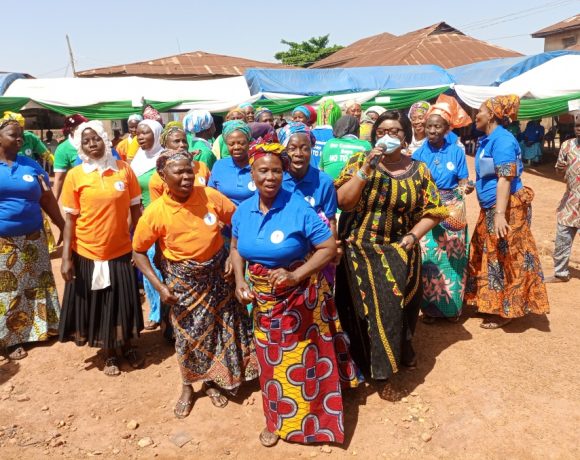
To tackle the problem of Female Genital Mutilation, FGM and other sexual and Gender-Based Violence, GBV, the Oyo State government has inaugurated a 20-man steering committee and a 55-man technical working group for effective and sustainable management of gender-related issues. 

The committees, which had three months to come up with the Oyo State Action Plan on how to nip the issues in the bud, was inaugurated by the Ministry of Women Affairs and Social Inclusion at a special programme in commemoration of International Day of Zero Tolerance for FGM held at the secretariat, Ibadan

The steering committee include Commissioners for Justice, Health, Trade and Education while the technical group has representatives from NGOs as its members. 

Inaugurating the committees, the Head of Service, Mrs Olubunmi Oni, said Oyo State is committed to building a society where gender-related issues are effectively and sustainably managed through a collaborative, multi-sectoral approach that transcends ministries, agencies and departments. 

In a remark, Commissioner for the Ministry of Women Affairs and Social Inclusion and Chairperson of the Steering committee, Toyin Balogun, said the strategic platform is not just to tackle FGM but holistic gender-responsive governance and interventions that would ensure inclusive, just and equitable society.

According to her, ending FGM and tackling gender-based violence requires a full commission of government agencies, civil society, development partners, community leaders and the media.

In their goodwill messages, representatives of partner agencies and groups, including UNICEF and Commissioner for Health, Dr Oluwaserimi Ajetunmobi expressed optimism that the effort would drastically reduce FGM and Gender-based violence. 

Oyo State is ranked 5th among States in Nigeria with the highest record of FGM practices.

Subscribe to our Telegram and YouTube Channels and also join our Whatsapp Update Group
 

Health

By Busuyi Ogidiolu

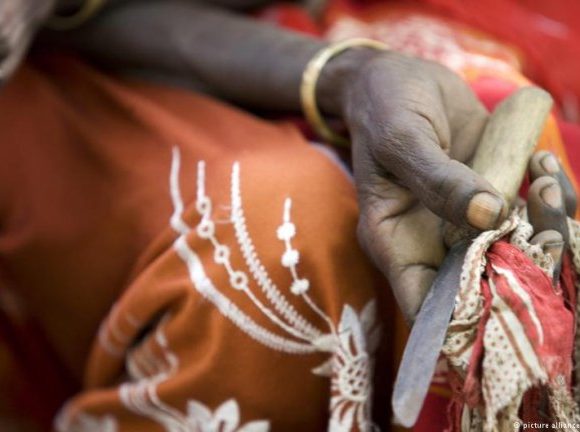
Wife of Ekiti State Governor, Dr Olayemi Oyebanji wants religious organizations and marriage registrars to caution intending couples against Female Genital Mutilation, FGM.

The Governor’s wife stated this in Ado Ekiti at the commemoration of this year’s International Day of Zero Tolerance For Female Genital Mutilation.

Dr Oyebanji noted that the warning became necessary because those being mutilated in the name of circumcision were prone to be infected with various diseases through contamination.

“If you check UNICEF data, Ekiti is one of the top four states where Female Genital Mutilation is on rife. If such cases are brought to you and you reject it, they will not have a choice than to go back home” she said. 

The Governor’s wife who passionately appealed to parents not to abuse the right of girls through FGM, expressed the hope that after this year’s celebration, the numbers of those engaging in the unwholesome practice would have drastically reduced.

She urged all stakeholders including, Marriage Registrars, Religious organizations, Traditional birth attendants, and health personnel to give due attention to the stoppage of female Genital Mutilation.

“I reiterate that the fight against Female Genital Mutilation necessites the cooperation of all so that the collective efforts to create a world free of the scourge could be achieved” Dr Oyebanji added.

In their Goodwill messages, the commissioner for Women’s Affairs and Social Development, Mrs Peju Babafemi said the theme of this year’s celebration “Her Voice Her Future: Investing in Survivor’s-Led Movement to End Female Genital Mutilation” and one-day training organised for stakeholders would create a forum to strengthen the bond of fighting the harmful practice.

In their contributions, the Chairperson Ekiti State House of Assembly Committee on Women Affairs who doubles as Deputy Speaker, Mrs Bolaji Olagbaju and the Commissioner for Health and Human Services, Dr Oyebanji Filani sought the collaboration of all stakeholders to end the menace

Subscribe to our Telegram and YouTube Channels and also join our Whatsapp Update Group
Health

By Olumide Ogunbiyi

Survivors of female genital mutilation, FGM, should always speak out to discourage others from engaging the harmful practice.

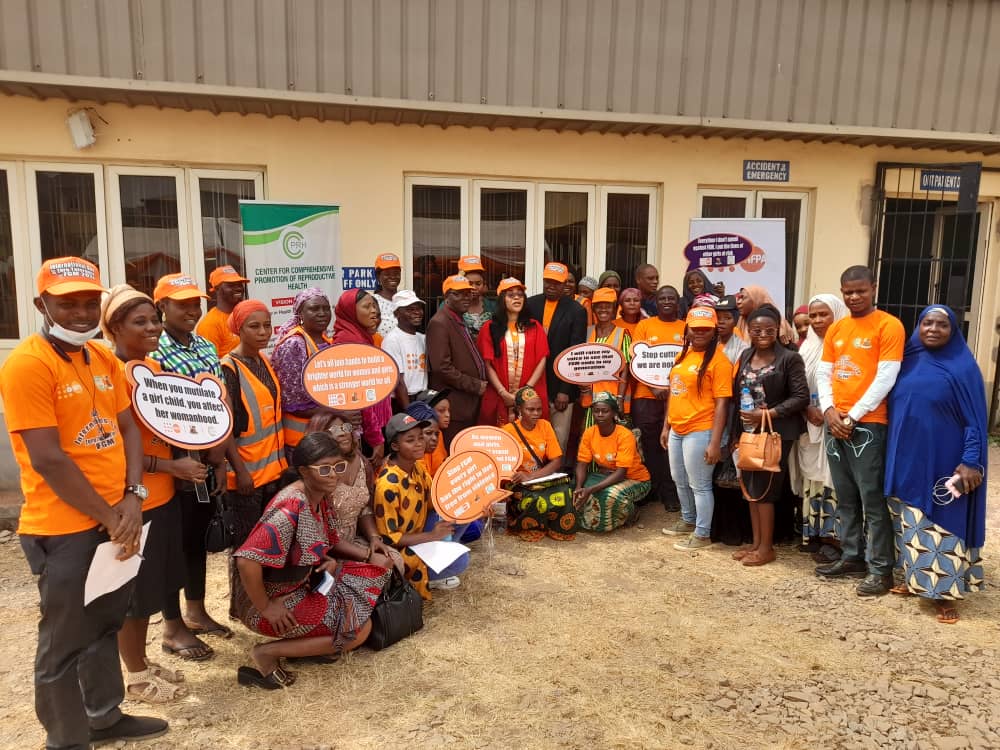
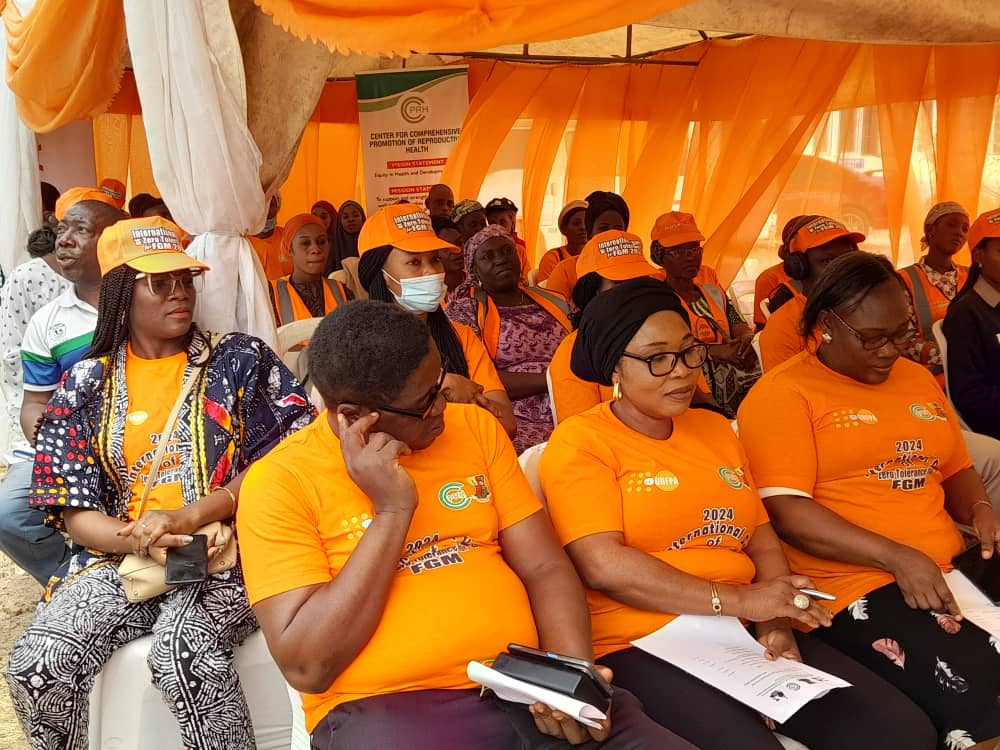
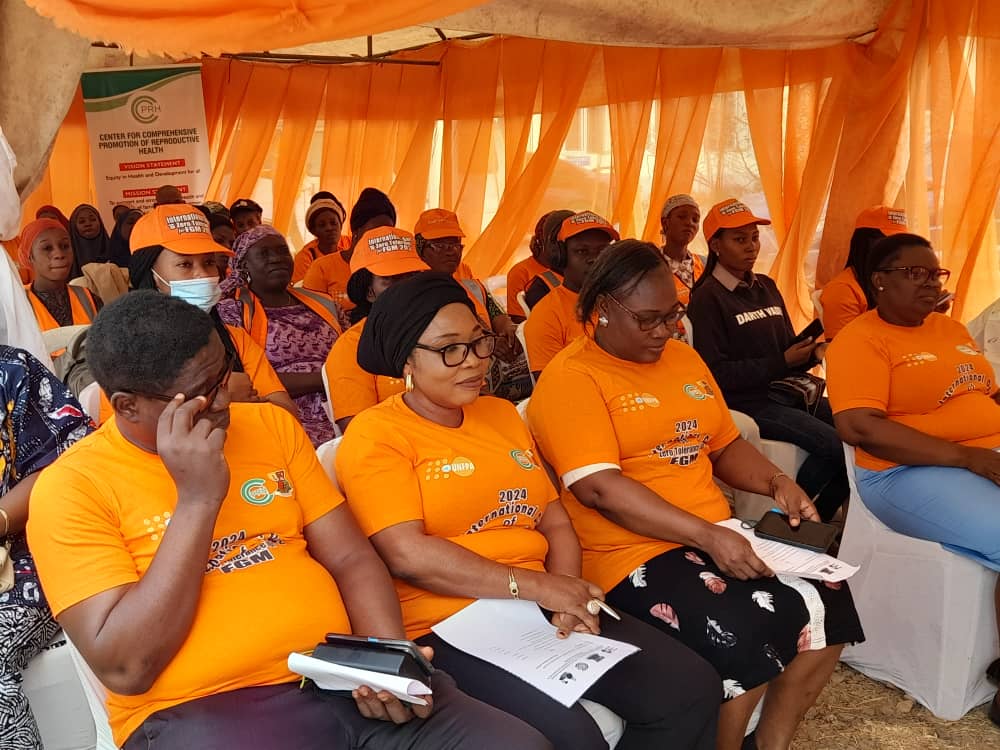
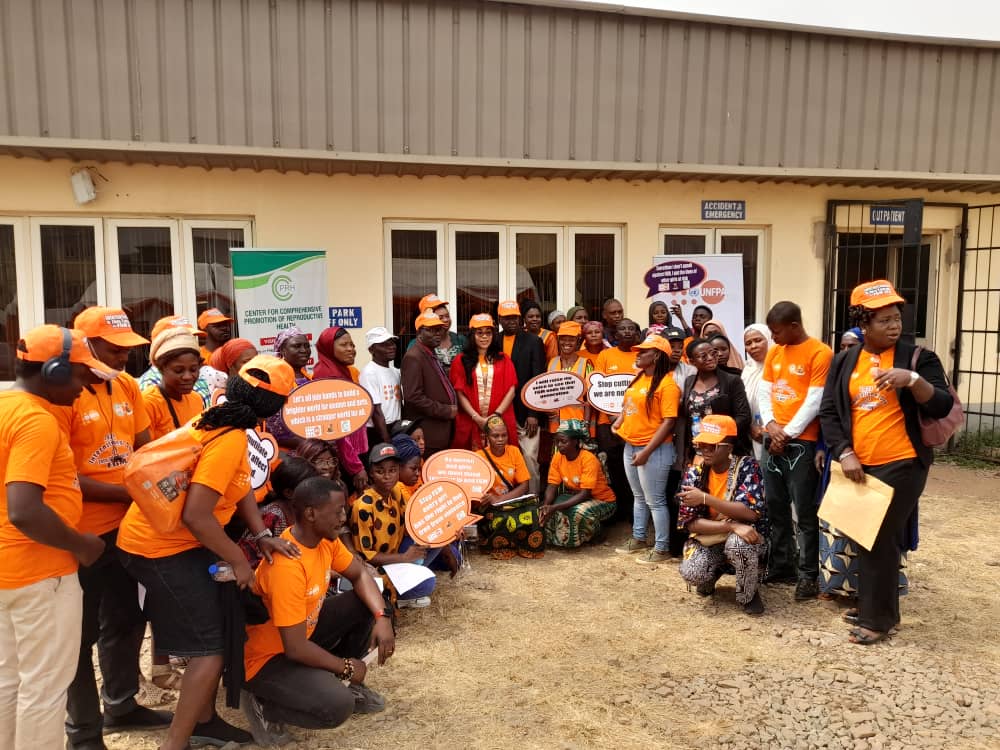
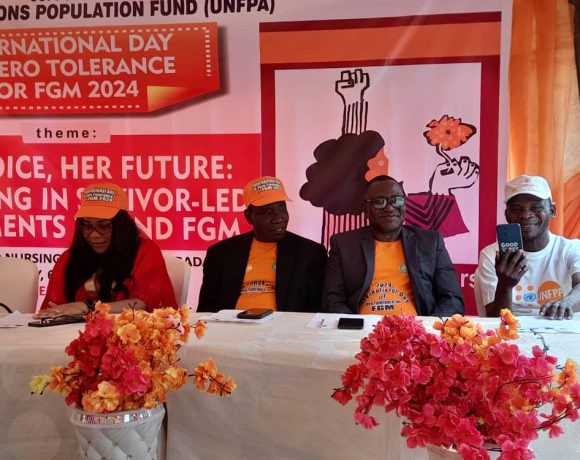
Director, Centre for Comprehensive Promotion of Reproductive Health, CCPRH, Professor Oladosu Ojengbede, gave the charge at this year’s celebration of International Day of Zero Tolerance for Female Genital Mutilation, FGM, with the theme, “Her Voice, Her Future: Investing In FGM Survivor-Led Movement to End FGM”, held at Jericho Nursing Home, Jericho, Ibadan.

Professor Ojengbede said survivors voicing out against FGM, would strengthen the resolve and dedication of people to supporting the movement for zero tolerance for female genital mutilation.

Also speaking, the Southwest coordinator of United Nation Population Fund, UNFPA who is also the FGM analyst of the organisation, Mrs Uzoma Ayodeji maintained that every survivor’s voice is a call to action, and every choice they made in reclaiming their lives contribute to the movement to end the harmful practice of FGM.

Mrs Ayodeji further revealed that over four million girls would be at risk of FGM if efforts are not intensified to end the practice.

She commended stakeholders for their support for women and girls battling with FGM.

In a remark, the Chief Medical Director, CMD, of Jericho Nursing Home, Dr. Bashil Kasika said that he was glad that the event is coming up at the nursing home noting that the facility boasts of a sexual assault referral centre where they care for victims of sexual assault.

In goodwill messages by various stakeholder organisations at the event, they commended UNFPA and CCPRH for their steadfastness in working to end the dangerous practise.

The event was attended by officials from the Oyo State Ministry of Justice, Oyo State Ministry of Women Affairs and Health, Oyo State Primary Health Care Board, law enforcement agencies, civil society organizations, media and FGM survivors.

Edited by Maxwell Oyekunle

Subscribe to our Telegram and YouTube Channels and also join our Whatsapp Update Group

Health

The Director, Centre for Population and Reproductive Health, University College Hospital, Ibadan, Prof. Oladosu Ojengbede, has lamented the debilitating effects of genital mutilation in the lives of the victims of the harmful traditional practice.


He said the cultural practice was widespread in some states and in a particular part of Nigeria, pregnant women were usually compulsorily mutilated during childbirth while they also insisted that circumcision must be carried out on any unmutilated woman before they could be allowed to be buried in case of death.


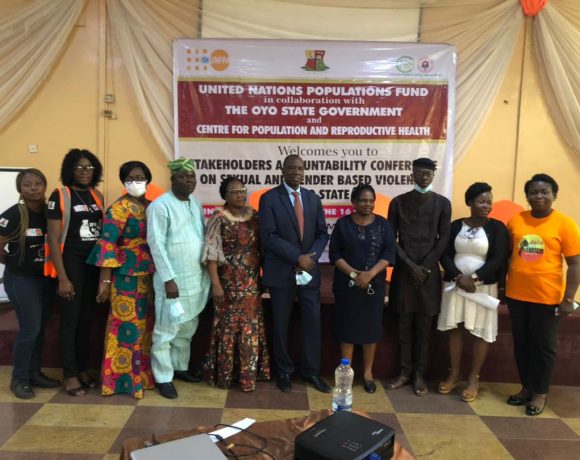
Ojengbede, who is a professor of Obstetrics and Gynecology said this in Ibadan at stakeholders accountability conference on Sexual and Gender Based Violence in Oyo State.


The programme which was part of sensitisation campaign against FGM was organised by United Nations Population Fund (UNFPA) in collaboration with the Oyo State Government and Centre for Population and Reproductive Health (CPRH).


He listed effects of FGM to include, fistula, infant mortality, maternal mortality, HIV/AIDS, menstrual disorder and death, stressing that the practice had not positive effect whatsoever.


Ojengbede said Female Genital Mutilation and other gender based violence were evil and must be stopped because they did not have any good advantage.


The Representative of the UNFPA, Dr Esther Somefun, said one of the goals of the agency was to end all forms of violence against women.


She said, “The goal is to end all forms of violence and harmful traditional practice against women and girls. UNFPA has zero tolerance for SGBV, discriminatory and harmful traditional practice.


” In view of this UNFPA, jointly with UNICEF and Global Affairs Canada leads the largest global and national programme in Nigeria to address SGBV and accelerate the elimination of FGM.


“In Nigeria, 33 in 100 women and girls have experienced sexual, economic, physical, cyber and emotional violence. With the COVID- 19 pandemic, the numbers have increased astronomically and taken various forms including killing and mutilation of women and girls affected.”

Olumide Ogunbiyi

Health

The Osun State House of Assembly has pledged to give its support to National Orientation Agency, NOA, in other to put an end to Female Genital Mutilation FGM in the State.

The Speaker, Mr. Timothy Owoeye stated this at a One-Day Advocacy Dialogue with State Legislators to support the implementation of laws and policies against Female Genital Mutilation in Osun at the State House of Assembly Oshogbo, organised by National Orientation Agency.

Mr. Owoeye while commending the efforts of NOA and other sister agencies for the campaign against the act, noted that FGM law has been passed into law since 2004 in the state stressing that there female circumcision has no benefit to women and girls.

He said there is need to amend some of provisions in 2004 law passed to involve traditional and religious leaders on FGM to achieve success.

In their contribution, some Lawmakers condemned the act calling for stiffer sanctions against the perpetrators.

Earlier, the Osun State Director of NOA, Mr. Oluropo Ibikunle and UNICEF representative in the state Mrs. Olutayo Aderonke acknowledged the efforts of the state House of Assembly for the passage of laws against child abuse and Female Genital Mutilation,calling for more support from state Lawmakers to eradicate the devilish act.

Meanwhile, under the Matter of Urgent Public Importance, the Lawmaker representing Ife North State Constituency and Chief Whip of House, Mr. Babatunde Olatunji brought to the notice of the House of Assembly the power outage in some communities in Ife North Local Government since past 5 month.

Mr. Olatunji noted that the power outage has crippled the commercial activities and life of the people in Ife North area.

The Speaker, Mr. Owoeye in his remark, lamented the poor electricity supply in the state and the country at large.

He then called for the appearance of Ibadan Electricity Distribution Company IBEDC, National Electricity Regulatory Commission NERC and Federal Competition Consumers Agency FCCA before the state lawmakers on 13th October, 2021 to explain issues surrounding poor electricity supply.

Funmi Adekoya

Health

The Osun State House of Assembly, OSHA, has pledged to give its support to National Orientation Agency, NOA, in other to put an end to Female Genital Mutilation, FGM, in the State.

The Speaker, Mr. Timothy Owoeye stated this at a One-Day Advocacy Dialogue with State Legislators to support the implementation of laws and policies against Female Genital Mutilation in Osun State at the Osun State House of Assembly Complex Oshogbo, organised by National Orientation Agency.

Mr. Owoeye while commending the efforts of NOA and other sister agencies for the campaign against the act, noted that FGM law has been passed into law since 2004 in the state, stressing that female circumcision has no benefit to women and girls.

He said there is need to amend some of provisions in 2004 law passed to involve traditional and religious leaders in the fight against FGM to achieve success.

In their contributions, some lawmakers condemned the act, calling for stiffer sanctions against the perpetrators.

Earlier, the Osun State Director of NOA, Mr. Oluropo Ibikunle, and UNICEF representative in the state, Mrs. Olutayo Aderonke acknowledged the efforts of the Osun State House of Assembly for the passage of laws against child abuse and Female Genital Mutilation.

They called for more support from state lawmakers to eradicate the devilish act.

Meanwhile, under Matters of Urgent Public Importance, the lawmaker representing Ife North State Constituency and Chief Whip of House, Mr. Babatunde Olatunji, brought to the notice of the Assembly, the power outage in some communities in Ife North Local Government for the past 5 months.

Mr. Olatunji noted that the power outage has crippled the commercial activities, and has adversely affected the lives of the people in the area.

The Speaker, Mr. Timothy Owoeye in his remark, lamented the poor electricity supply in the state and the country at large.

He then called for the appearance of Ibadan Electricity Distribution Company, IBEDC, National Electricity Regulatory Commission, NERC and Federal Competition Consumers Agency, FCCA, before the state lawmakers on 13th October, 2021 to explain issues surrounding poor electricity supply.

Funmi Adekoya

Health

Today, the world  marks the international day of zero tolerance to female genital mutilation , FGM with the theme ” No time for global inaction ,unite ,fund and Act to end FGM.
A United Nations Population Fund , UNFPA  report  reveals that in 2021 alone , there are 4.16 million girls around the world who are at risk of undergoing FGM.
To this end, civil society organizations in Ondo state who spoke with Olufisoye Adenitan have advocated for more stiffer penalty for violators of rights of girls.
Female Genital Mutilation is the outright removal of the female genitalia with the belief that it gives room for promiscuity UNFPA however says it a total abuse of the girl – child which  also pose serious threat to her health both present and future.
UNFPA has over the years swung into action with the hope of eradicating  the practice by 2030 following the sustainable development goals 5.
It also stressed that one of the measures to reduce the menace in the society is to enable girls have  voices, choices and control over their lives.
Due to the global pandemic, statistics by UNFPA reveals that as many as 2 million cases of FGM may be averted due to the COVID-19 pandemic.
In Ondo State, civil society organizations and other stakeholders  are not left out in the campaign against the practice .
The Executive Director of kids and teen resource centre, Mrs Folasade Ogungbamigbe  stressed the need for more enlightenment especially at the grassroots on the health implications of the practice .

Mrs Ogungbamigbe also expressed the resolve of the civil society in the state to continue to fight for the rights of the girl child and be a voice to the voiceless.

Similarly, the Executive Director, MAI initiative for human development, Ayotomiwa Ayodele raised the  concern about the prevalence of  FGM despite the level of awareness in the society.
She called for stringent measures by government to deal decisively with perpetrators of the devilish act especially in the rural areas where it is most prevalent .
The Nigeria Association of Women Journalists  in ondo state, NAWOJ through it’s chairperson, Doris Olumoko advovated concerted effort to eradicate  the scourge in the society .
Mrs Olumoko promised that the association would continue to champion giving voice to the voiceless in the fight against any form of abuse and human right violation in Ondo state.

Olufisoye Adenitan

Health

The wife of Osun State Governor,state of Osun, Mrs. Kafayat Oyetola wants all relevant stakeholders to team up with government in forming a synergy to eradicate the harmful practice of Female Genital Mutilation.

Mrs. Oyetola made the call in a release to mark International Day of Zero tolerance for Female Genital Mutilation with the theme, “NO TIME FOR GLOBAL INACTION, UNITE, FUND, AND ACT TO END FEMALE GENITAL MUTILATION” .

She noted that with the provision of an improved but relevant health care for women and girl child arising from the complications of Female Genital Mutilation, the harmful practice will go into total extinction in the society.

Mrs. Oyetola said though various reports from all quarters in Osun on dealing with Female Genital Mutilation have been encouraging, still the prevailing data again about Osun in the latest report of the Nigeria Demographic and Health Survey requires more efforts from all and sundry to put an end to the barbaric practice.

The current COVID-19 pandemic in the world according to her, has placed an additional heavy burden on the society thereby crippling the drive to eradicate the dangerous traditional practice of Female Genital Mutilation.

To drive home her commitment to fighting the uncivil and unhealthy practices, Mrs Oyetola called for more multi-sectoral intervention and advocacy including media sensitization and awareness campaigns for proper dissemination of FGM laws to achieve tangible results in the drive to end the practice in Osun and Nigeria.

Funmi Adekoya

Health

Stakeholders have been called upon to intensify awareness campaign on ways to end female genital mutilation.

This was the submission of respondents on the occasion of International Day of Zero Tolerance for Female Genital Mutilation, FGM.

Female Genital Mutilation (FGM), also known as female genital cutting and female circumcision, is the ritual cutting or removal of some or all of the external female genitalia. 

The practice, which is very prominent in African communities, has been faced with series of campaigns and advocacies, calling for an end to the barbaric practice.

Government agencies, nongovernmental organizations and other stakeholders have been actively involved in the fight against the scourge.

With the theme of the International Day Zero Tolerance for Female Genital Mutilation, FGM, it appears that much still needed to be done in the area of awareness campaign against FGM as many still engage in the practice.

A civil servant in a semi-rural environment in Surulere Local Government Area of Oyo State, who admitted that FGM had disadvantages, believe that its advantages are overwhelming

Wife of a traditional ruler, Mrs Jewel Akintola, who expressed regrets that FGM was still being practiced in some quarters, said victims were subjected to self esteem.

Mrs Akintola said though the practice was fading out gradually, there was the need for more sensitization especially at the grassroots to ensure zero tolerance to FGM.

To a medical practitioner, Paul Ajagbe, FGM was a practice which exposed victims to primary and secondary danger which included infertility.

A cross section of secondary school students, who spoke with Radio Nigeria in Oko town, Oyo state demonstrated a level of awareness on dangers of FGM and implored government and other stakeholders to intensify campaigns against female genital mutilation.

Adedayo Adelowo

Click to listen

News Analysis

World Health Organization W.H.O defines female genital mutilation or cutting, FGM, as the partial or total removal of the female external genitalia or injury to the female genital organs for non- medical reasons.

Female genital cutting is mostly carried out on young girls between infancy and age fifteen.

The practice is prevalent in Nigeria, Egypt, Mali, Eritrea, Sudan, Central Africa Republic and northern part of Ghana with the highest prevalence rates in Somalia and Djibouti where FGM is virtually the norm.

Female genital cutting is not without consequences which can be short or long term, the short term include severe pain, shock caused by pain, excessive bleeding, difficulty in passing urine and faeces, infections like tetanus and death.

Long term include cysts, complications in child birth, traumatic stress disorder, psycho-sexual problem, increased risk of new born deaths and vaginal problems which include painful menstrual blood scar tissue and keloids.

As a result of the effects of female genital cutting, the United Nations General Assembly designated February sixth as the International Day of Zero Tolerance for Female Genital Mutilation.

The day is to amplify and direct efforts on the elimination of this harmful practice.

Though, the practice has been in existence for more than a thousand years, hence might be difficult to end in a single generation.

Theme for this year is no time for global inaction, unite, fund, and act to end female genital mutilation.

The theme emphasized the need for global solution to the scourge that FGM has become and the need to collaborate and work together with stakeholders to end the practice of FGM in the communities.

 Since 2008, the United Nations Fund for Population, UNFPA in partnership with United Nations International Children’s Emergency Fund, UNICEF, had been at the fore front of eliminating female genital mutilation.

Commendably, the programme has seen significant achievements; for instance, over three million girls and women have benefited from female genital mutilation related protection and care services.

Also, thirteen countries have established legal frameworks for banning female genital mutilation and have established national budget lines funding programmes to address it.

Despite all these, female genital mutilation is still prevalent in some countries.

The sustainable development goals in 2015 called for an end to fgm by 2030 as stipulated in its sustainable development goal five as such  is imperative for all countries where fgm is practiced to key into it. 

It is worth mentioning that former president dr. Goodluck Jonathan in 2015 signed a federal law banning female genital mutilation.

Though, the practice has reduced, machineries must be put in place for its total eradication.

Titilayo Kupoliyi

Health

One hundred and forty communities under Ife-Central, Ifelodun and Olaoluwa Local Government Areas of Osun State have publicly declared their decisions to abandon the age long practice of Female Genital Mutilation, FGM, in the various domains.

At separate ceremonies held at the secretariat of each local government, some of the communities that declared an end to FGM included, Oduduwa, Modomo, Seke, Dagbolu, Iwo Oke, Ile Ogo communities and its environs.

In a welcome address, Osun State Director, National Orientation agency, Prince Olalekan Adejobi who recalled the efforts put in place by NOA in partnership with UNICEF since 2016, said the success of the campaign against female genital mutilation in the affected communities was borne out of the relentless efforts of the NOA and UNICEF at ensuring the practice is totally eradicated in Osun State.

In 2016, NOA, Osun State Directorate with the support of UNICEF carried out socio-cultural mapping and geo-referencing FGM-prone communities in Osun State.

“This was carried out in order to get Geographic Information System, GIS, data for independent assessment and evidence-based on monitoring of activities” he said.

He further explained that the information gathered during the survey pave the way for mobilization and creation of sustainable platforms to conducting social norms and dialogue with a view to ending female genital mutilation in the state.

The Osun NOA boss appreciated the Osun State Ministry of Health and the tenacity and commitment of UNICEF, describing the international organization as an advocate for better life for children and women.

Reacting, the FGM Southwest coordinator, United Nations Children’s Fund, UNICEF, Mrs Olutayo Aderonke said the phase II of the UNFPA/UNICEF joint programme on eliminating FGM commenced in 2014 in five states, namely Ebonyi, Ekiti, Imo, Osun, and Oyo States.

Mrs Olutayo said the joint programme also supported federal and state governments to adopt and strengthen legal framework prohibiting the practice and equip healthcare workers, with requisite skills to facilitate access of girls and women at risk and survivors of FGM to quality services.

She said UNICEF works alongside several stakeholders with national orientation agency, taking the lead in mobilizing, sensitizing and educating the community members in social norm changes, towards abandonment of FGM in various communities.

In separate responses, two monarchs, the Oluwo of Iwo Oke, Oba Kadiri Adeniran, Adeoye II, and Baale of Seke, Bakare Olapade Tiamiyu after receiving an open declaration of abandonment of FGM certificate said there was need for other communities to also join in publicly renouncing the practice.

Mosope Kehinde

Health

There is an end in sight to total eradication of Female Genital Mutilation in Oyo state as stakeholders continue to sustain the current feat in the campaign against the practice in the state. 

This is as another 120 communities across Oyo state openly declared to abandon Female Genital Mutilation, barely one week after 36 communities in Iseyin local government publicly denounced the practice. 

Twenty six communities were from Ogbomoso South local government, twenty six in Ibarapa North, while sixty eight communities were from Oyo West local government. 

This development increases the numbers of communities that recently declared abandonment of FGM in Oyo state to one hundred and fifty-six. 

Some of the new communities included, Idode, Ona Isokun in Oyo west Local Government, Imofin and Ona Oba in Ibarapa North Local Government, as well as Ipetu/Ijeru, Isapa in Ogbomoso South local government area of Oyo state. 

Their decisions followed sensitization and stakeholder’s meetings against female cutting by the Oyo state National Orientation Agency and UNICEF in the affected communities which commenced about four years ago. 

Speaking at the event, Oyo State Director, National Orientation Agency, Mrs Dolapo Dosunmu emphasised that the practice is violating the rights of the girls, hence the need to abandon it.

Reacting, UNICEF FGM coordinator, Southwest, Mrs Aderonke Olutayo said UNICEF will leverage on the testimonies of leaders in the affected communities to encourage more communities to come on board in the fight against cutting of the girl child. 

A community leader, the Ona Isokun of Oyo Alaafin, Chief Isiaka Titiloye, described FGM as an outdated practice which brings more harm to the female folk. 

Traditional rulers in the affected communities were later presented with certificate of affirmation of public declaration for abandonment of FGM after signing agreement to end the practice. 

Kehinde Mosope