Nutrition

By Adebukola Aluko

Do you know that high consumption of cinnamon is very dangerous to health?
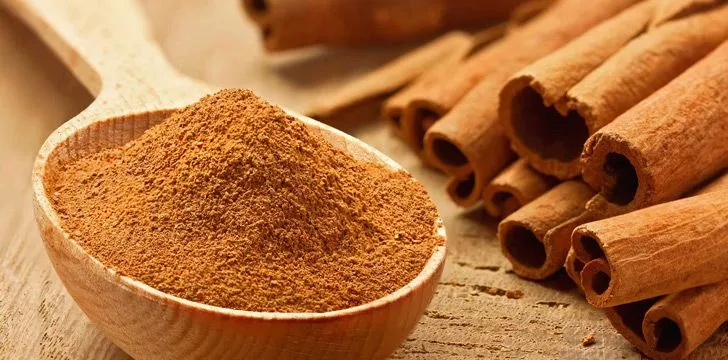
Cinnamon is a popular spice derived from the bark of several species of cinnamon trees including cinnamomum verum or ceylon cinnamon and cinnamomum aromaticum or cassia cinnamon.

It has a warm, subtly spicy flavor and is commonly added to baked goods such as pies, cookies, and cakes as well as savory dishes and drinks like cider.

In addition to its culinary uses, cinnamon can be taken as a supplement.

Cinnamon contains various medicinal compounds that may benefit those with health conditions such as diabetes and heart disease.

Maximizing the benefits of this popular spice could be beneficial, however, consumption in large quantity or overdose could pose grave danger to our health.

A quick glimpse of the cinnamon nutrition will shed more light on the possible side effects of taking cinnamon powder in large quantity or even consuming it in dry or powdery form.

Cinnamon Nutrition

You may not have ever thought about the nutritional content of cinnamon.
It’s true that cinnamon contains almost no protein or fat, but a teaspoon of ground cinnamon does include many vitamins and other nutrients:
About 6 calories
About 0.1 gram of protein
About 0.03 grams of fat
About 2 grams of carbohydrates
About 1 gram of fiber
About 26 milligrams of calcium
About 11 milligrams of potassium
About 3 mcg (micrograms) of beta carotene
About 8 IU (International Units) of vitamin A

Can You Take Too Much Cinnamon?

The amount of cinnamon found in food is generally safe. However, taking high doses of cassia cinnamon supplements could negatively impact health due to its high levels of coumarin.

One teaspoon of cassia cinnamon may contain 7 to 18 mg of coumarin.

The tolerable daily intake for coumarin is 0.1 mg per kilogram per day, which equates to about 7 mg for a 150-pound person.
Ingesting more than 50 mg of coumarin daily can lead to hepatotoxicity, or injury to the liver.

While it’s unlikely you would ingest this much coumarin through cinnamon, it’s best to avoid consuming very high amounts of cassia cinnamon.

People with conditions relating to the liver may be more sensitive to smaller amounts.

Side Effects of Cinnamon

Cinnamon is generally well-tolerated and has little reported side effects. However, consuming high doses of cinnamon including high-dose cinnamon supplements could lead to side effects such as headache, heartburn, bloating, abdominal discomfort, nausea, diarrhea, allergic reactions.

If you experience any side effects including one or more of the symptoms listed above after taking cinnamon supplements, stop taking the supplement and contact your healthcare provider.

Note that too much intake of cinnamon, may lead to excessive sweating, heavy breathing, and a rapid heart beat. Contact your healthcare provider immediately if you experience these symptoms after taking a cinnamon supplement.

The two main types of Cinnamon are

Cassia: Also called “regular” cinnamon, this is the most commonly used type.

Ceylon: Known as “true” cinnamon, Ceylon has a lighter and less bitter taste.

While Cassia cinnamon is safe to eat in small to moderate amounts, eating too much may cause health problems because it contains high amounts of a compound called coumarin.

Research has found that eating too much coumarin may harm your liver and increase the risk of cancer

Furthermore, eating too much Cassia cinnamon has been linked to many other side effects.

Here are 6 possible side effects of eating too much Cassia Cinnamon:

  1. May Cause Liver Damage
    Cassia (or regular) cinnamon is a rich source of coumarin.
    The coumarin content of ground Cassia cinnamon may range from 7 to 18 milligrams per teaspoon (2.6 grams), while Ceylon cinnamon only contains trace amounts of coumarin.
    The tolerable daily intake of coumarin is approximately 0.05 mg/pound (0.1 mg/kg) of body weight, or 5 mg per day for a 130-pound (59-kg) person. This means that just 1 teaspoon of Cassia cinnamon could put you over the daily limit .
    Unfortunately, several studies have found that eating too much coumarin may cause liver toxicity and damage.
  2. May Increase the Risk of Cancer
    Animal studies have shown that eating too much coumarin, which is abundant in Cassia cinnamon, may increase the risk of certain cancers.
    For example, studies in rodents have found that eating too much coumarin can cause cancerous tumors to develop in the lungs, liver, and kidneys.
    The way in which coumarin may cause tumors is unclear.
    However, some scientists believe that coumarin causes DNA damage over time, increasing the risk of cancer .
    Most research on the cancerous effects of coumarin has been performed on animals. More human-based research is needed to see if the same link between cancer and coumarin applies to humans.
  3. May Cause Mouth Sores
    Some people have experienced mouth sores from eating products that contain cinnamon flavoring agents
    Cinnamon contains cinnamaldehyde, a compound that may trigger an allergic reaction when consumed in large amounts. Small amounts of the spice don’t seem to cause this reaction, as saliva prevents chemicals from staying in contact with the mouth for too long.
    In addition to mouth sores, other symptoms of a cinnamaldehyde allergy include tongue or gum swelling, burning or itching sensation, white patches in the mouth
    While these symptoms aren’t necessarily serious, they can cause discomfort .
    However, it’s important to note that cinnamaldehyde will only cause mouth sores if you’re allergic to it. You can get tested for this type of allergy with a skin patch test
    Also, mouth sores seem to mostly affect those who use too much cinnamon oil and cinnamon-flavored chewing gums, as these products can contain more cinnamaldehyde.
  4. May Cause Low Blood Sugar
    Having chronic high blood sugar is a health problem. If left untreated, it may lead to diabetes, heart disease, and many other health problems.
    Cinnamon is well-known for its ability to lower blood sugar. Studies have found that the spice can mimic the effects of insulin, a hormone that helps remove sugar from the blood .
    While eating a bit of cinnamon may help lower your blood sugar, eating too much may cause it to fall too low. This is called hypoglycemia. It can lead to tiredness, dizziness, and possibly fainting .
    People who are most at risk of experiencing low blood sugar are those taking medications for diabetes. This is because cinnamon may enhance the effects of these medications and cause your blood sugar to fall too low.
  5. May Cause Breathing Problems
    Eating too much ground cinnamon in a single sitting may cause breathing problems.
    This is because the spice has a fine texture that can make it easy to inhale. Accidentally inhaling it can cause, coughing, gagging difficulty when trying to catch your breath
    Also, the cinnamaldehyde in cinnamon is a throat irritant. It may cause further breathing problems.
    People with asthma or other medical conditions that affect breathing need to be especially careful of accidentally inhaling cinnamon, as they are more likely to experience trouble breathing.
  6. May Interact with Certain Medications
    Cinnamon is safe to eat in small to moderate amounts with most medications.
    However, taking too much may be an issue if you’re taking medication for diabetes, heart disease, or liver disease. This is because cinnamon may interact with those medications, either enhancing their effects or intensifying their side effects.
    For example, Cassia cinnamon contains high amounts of coumarin, which can cause liver toxicity and damage if consumed in high amounts.
    If you’re taking medications that may affect your liver such as paracetamol, acetaminophen, and statins, excessive intake of cinnamon may increase the chance of liver damage.
    Also, cinnamon may help lower your blood sugar, so if you’re taking medications for diabetes, the spice may enhance their effects and cause your blood sugar to fall too low.
    Risks of Eating Dry Cinnamon
    Since the “cinnamon challenge” has become wildly popular, many have attempted to eat large amounts of dry cinnamon.
    This challenge involves eating a tablespoon of dry ground cinnamon in under a minute without drinking water.
    While it may sound harmless, the challenge can be very dangerous.
    Eating dry cinnamon can irritate your throat and lungs as well as make you gag or choke. It can also permanently damage your lungs.
    This is because the lungs cannot break down the fibers in the spice. It may accumulate in the lungs and cause lung inflammation known as aspiration pneumonia.
    If aspiration pneumonia is left untreated, the lungs may become permanently scarred and possibly collapse.
    Very high doses of cinnamon may lead to hepatotoxicity.

https://www.healthline.com/nutrition/side-effects-of-cinnamon#6.-May-Interact-with-Certain-Medication

Subscribe to our Telegram and YouTube Channels also join our Whatsapp Update Group
Feature

By Titilayo Kupoliyi

Care to know what cinnamon is? Or want to have a feel of what it does to your kinetics, health and metabolism; then read this.

Cinnamon is a spice that is made from the inner bark of trees scientifically known as Cinnamomum.

It has been used as an ingredient throughout history, dating back as far as ancient Egypt. It used to be rare and valuable and was regarded as a gift fit for kings.

These days, cinnamon is affordable and widely available in most supermarkets. It is also found as an ingredient in various foods and recipes.

There are two main types of cinnamon

  • Ceylon cinnamon: This type is also known as “true” cinnamon.
  • Cassia cinnamon: This is the most common variety today and what people generally refer to as “cinnamon.”

Cinnamon is made by cutting the stems of cinnamon trees. The inner bark is then extracted and the woody parts removed.

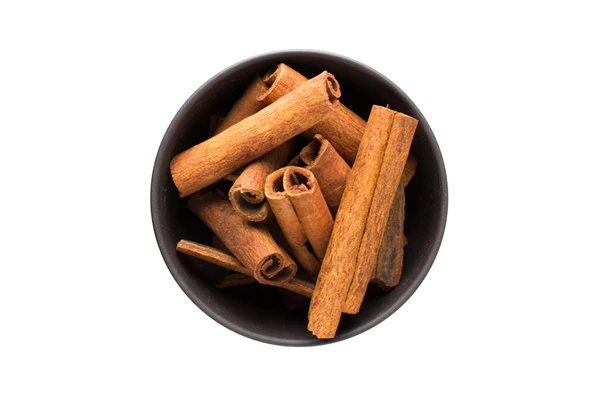
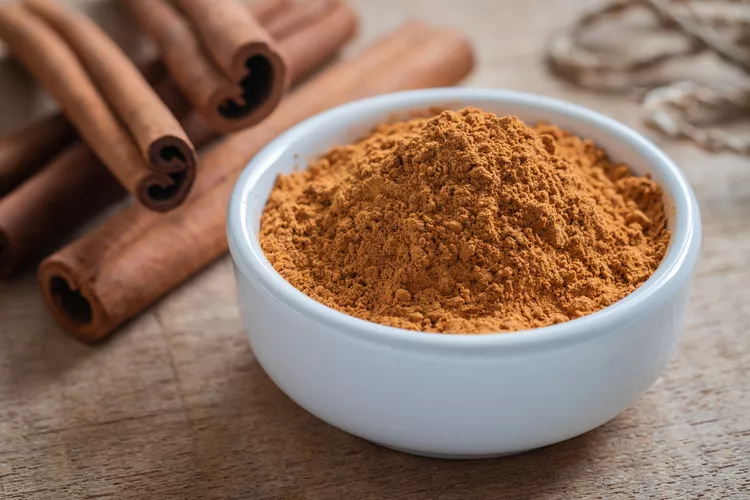
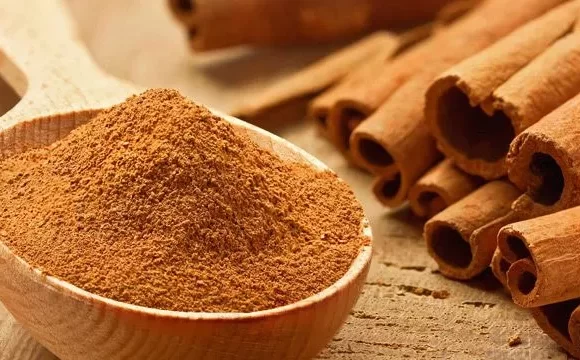
When it dries, it forms strips that curl into rolls, called cinnamon sticks. These sticks can be ground to form cinnamon powder.

The distinct smell and flavour of cinnamon are due to the oily part, which is very high in the compound cinnamaldehyde.

Scientists believe that this compound is responsible for most of cinnamon’s powerful effects on health and metabolism.

2. Loaded with antioxidants

Antioxidants protect your body from oxidative damage caused by free radicals.

Cinnamon is loaded with powerful antioxidants, including polyphenols.

One study found that cinnamon supplementation could significantly increase antioxidant levels in the blood while reducing levels of markers used to measure inflammation, such as C-reactive protein.

In fact, the antioxidant effects of cinnamon are so powerful that it can even be used as a natural food preservative.

3. May have anti-inflammatory properties

Inflammation is incredibly important as it helps your body respond to infections and repair tissue damage.

However, inflammation can become a problem when it is chronic and directed against your body’s own tissues.

Cinnamon may be useful in this regard. Studies show that this spice and its antioxidants have potent anti-inflammatory properties.

4. Could protect against heart disease

Cinnamon has been linked to a reduced risk of heart disease, which is the leading cause of death around the globe.

According to one review, supplementing with at least 1.5 grams (g), or about 3/4 of a teaspoon (tsp.), of cinnamon per day was able to reduce levels of triglycerides, total cholesterol, LDL (bad) cholesterol, and blood sugar in people with metabolic disease.

Another review of 13 studies found that cinnamon could reduce triglyceride and total cholesterol levels, both of which are risk factors for heart disease.

Cinnamon has also been shown to reduce blood pressure when consumed consistently for at least 8 weeks.

When combined, all of these factors could help reduce your risk of heart disease.

5. Could improve sensitivity to insulin

Insulin is one of the key hormones that regulate metabolism and energy use.

It is also essential for transporting blood sugar from your bloodstream to your cells.

However, some people are resistant to the effects of insulin. This is known as insulin resistance, a hallmark of conditions like metabolic syndrome and type 2 diabetes.

While more research is needed, some studies suggest that cinnamon may be able to reduce insulin resistance.

By increasing insulin sensitivity, cinnamon can lower blood sugar levels and support better blood sugar control.

6. Helps lower blood sugar levels

Cinnamon is well known for its blood-sugar-lowering properties.

Apart from the beneficial effects on insulin resistance, cinnamon can lower blood sugar through several other mechanisms.

First, cinnamon has been shown to decrease the amount of sugar that enters your bloodstream after a meal.

It does this by interfering with numerous digestive enzymes, which slows the breakdown of carbohydrates in your digestive tract.

Second, a compound in cinnamon may mimic the effects of insulin to improve the uptake of sugar into the cells.

Numerous human studies have confirmed the beneficial effects of cinnamon, showing that it can lower fasting blood sugar levels and improve hemoglobin A1c, a marker of long-term blood sugar control.

The effective dose is typically 1–6 g, or around 0.5–2 tsp. of cinnamon per day.

7. May have beneficial effects on neurodegenerative diseases

Neurodegenerative diseases are characterized by progressive loss of the structure or function of nerve cells.

Alzheimer’s and Parkinson’s disease are two of the most common types.

Certain compounds found in cinnamon appear to inhibit the buildup of a protein called tau in the brain, which is one of the hallmarks of Alzheimer’s disease.

In a 2014 study in mice with Parkinson’s disease, cinnamon helped protect neurons, normalized neurotransmitter levels, and improved motor function.

However, these effects need to be studied further in humans.

8. Cinnamon may protect against cancer

Cinnamon has been widely studied for its potential use in cancer prevention and treatment.

Overall, the evidence is limited to test-tube and animal studies, which suggests that cinnamon extracts may protect against cancer.

It acts by reducing the growth of cancer cells and the formation of blood vessels in tumors and appears to be toxic to cancer cells, causing cell death.

One study in mice with ovarian cancer found that cinnamaldehyde could block the expression of certain proteins involved in cancer growth.

These findings were supported by test-tube experiments, which showed that cinnamaldehyde could reduce the growth and spread of ovarian cancer cells.

However, more research is needed to evaluate the potential anti-cancer effects of cinnamon in humans.

9. May prevent bacterial and fungal infections

Cinnamaldehyde, one of the main active components of cinnamon, may be beneficial against various kinds of infection.

Test-tube studies suggest that cinnamon oil could help kill certain fungi that cause respiratory tract infections.

It may also inhibit the growth of certain bacteria, including Listeria and Salmonella.

Plus, the antimicrobial effects of cinnamon may also help prevent tooth decay and reduce bad breath.

However, the evidence is mostly limited to test-tube studies, so more research in humans is needed.

10. May have anti-viral properties

Some research suggests that cinnamon may help protect against certain viruses.

For example, cinnamon extracted from Cassia varieties is thought to be beneficial against HIV-1, the most common strain of HIV in humans.

Other studies suggest that cinnamon could also protect against other viruses, including influenza and Dengue, a viral infection transmitted by mosquitoes.

Still, additional human trials are needed to confirm these effects.

Healthline.com

Subscribe to our Telegram and YouTube Channels also join our Whatsapp Update Group
Feature

By Titilayo Kupoliyi

Nature has a cure for everything lest we fail to realize its worth. Usage of herbs in food was a common phenomenon in the olden times.

Herbs were used for their medicinal values and to cure ailments.

These days we mostly rely on chemicals and toxins rich healthcare products that might work good but have a probability of side effects.

On the contrary, herbs are natural health promoters having no side effects and easily available without spending much.

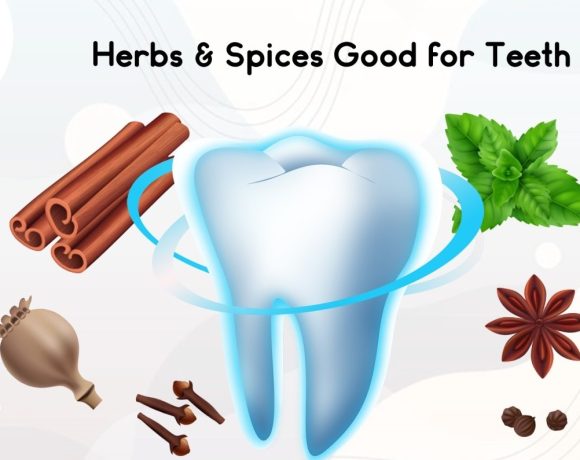
Herbs and spices do not only strengthen your physical health, but they have a significant impact on your oral health as well.

Some herbs and spices that promote your dental health and prevent oral diseases include

CLOVE

Remember you were suffering from a toothache back in the day, and your grandparents gave you a clove to chew on for relief from the pain? Clove is a natural antiseptic containing the compound eugenol that reduces pain and inflammation.

You would have heard of clove oil used to treat ailments such as indigestion.

It is because clove oil has natural antibacterial and antiviral properties that make it effective in removing harmful bacteria from your mouth and numbing the excruciating pain in the tooth.

Next time, if you suffer from a toothache, try chewing on a clove or use clove oil as first aid for instant relief from the pain.

HOLY BASIL

Holy basil has been a popular component in Ayurvedic medicine as it promotes healthy life.

It is also a common ingredient of Thai cuisine. Holy basil, also known as Tulsi, has natural antibacterial and astringent properties capable of fighting bacteria and preventing infections.

Chew on these leaves to remove harmful bacteria from the mouth that cause plaque and cavities. Holy basil is used to treat mouth sores, freshen the breath by eliminating bad breath and treat oral infections.

NEEM

Neem is another common herb found in Ayurvedic and homeopathy medicine.

Neem is acknowledged for its natural antibacterial, astringent and antiseptic properties. You would have seen or heard that some people use neem twigs as oral care.

It is because neem specializes in removing bad bacteria from the mouth. Chewing on neem leaves freshens the breath and also prevents tooth decay.

Along with the other properties, neem also has anti-inflammatory properties and is used to prevent inflammation of gums.

Neem is used for preventing gum diseases like Gingivitis and Periodontitis.

Most of the toothpaste highlight neem as their prime ingredient owing to its oral health-friendly results.

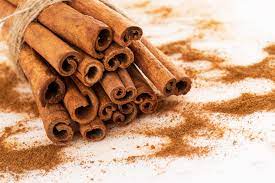
CINNAMON

Cinnamon is used in various cuisine owing to its rich aroma. But do you know that cinnamon also gets used for its health value? Cinnamon has natural antifungal, antibacterial and antiviral properties which removes the bacteria from the mouth, preventing plaque, gum diseases and bad breath.

It is also a good source of calcium that strengthen the enamel of the teeth. Strengthening the enamel, protects the inner tissues of your teeth from potential damages and infections.

GARLIC

Garlic not only enhances the taste and aroma of your food but also enhances your health. Its anti-inflammatory helps strengthen the immune system and also prevents the inflammation of gums.

Garlic contains allicin having antibacterial properties which remove the bad bacteria from the mouth, preventing oral infections.

Garlic is also rich in vitamin C and was used to treat Scurvy, a disease caused by vitamin C deficiency.

TURMERIC

Turmeric is being used for its medicinal properties for a long. It has anti-inflammatory properties, and hence applying a paste of turmeric on gums soothe the gums and cures inflammations. Turmeric also boosts the immune system that prevents a maximum of infections.

PEPPERMINT

Peppermint is a well-known herb made from a combination of spearmint and water mint and used widely for its aroma.

Peppermint freshens your breath, and chewing on this mint increases saliva production and whitens the teeth.

CARDAMOM

Similar to peppermint, cardamom also has a good aroma and antibacterial properties that freshen the breath and prevent bad breath.

SESAME

Sesame is a natural ingredient that removes the plaque on the teeth.

This is done by scrubbing sesame on it.

For better application, you can also use sesame oil.

Gargle using this oil and spit it out, followed by rinsing your mouth with water. It not only removes plaque but also whitens your teeth.

These herbal remedies age back to several years for use in traditional medicines.

Include these herbs and spices in your diet to promote good oral health, get rid of oral infections and prevent dental infections.

theelitedental.com

Subscribe to our Telegram and YouTube Channels also join our Whatsapp Update Group