Security

By Abisola Oluremi

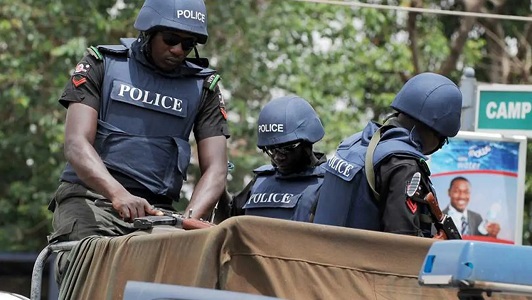
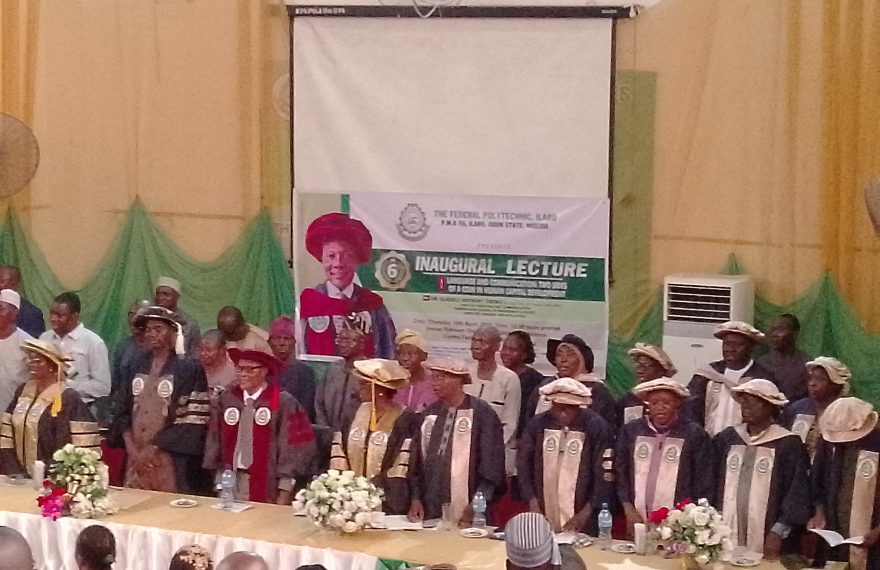
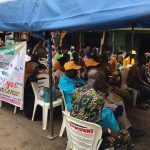
As part of activities marking the 2026 Police Week, the Oyo State Police Command underscored the critical role that credible elections play in fostering national development.

The programme, which brought together various stakeholders, also intensified efforts to educate the public on the importance of adhering to traffic regulations.

In his welcome address at the police headquarters in Eleyele, Ibadan, the State Commissioner of Police, Mr Olugbenga Abimbola, expressed concern that many road crashes are directly linked to traffic rule violations.

On the issue of ensuring credible elections, CP Abimbola assured the public that officers of the command are fully prepared and will maintain the highest level of impartiality.

He added that anyone caught engaging in electoral violence would be dealt with in accordance with the law.

Also addressing the audience, the Deputy Commissioner of Police in charge of Operations, Mr Ekaneh Hussein, highlighted electoral violence and ballot snatching as key challenges that must be tackled decisively to ensure free and fair elections.

Mr Hussein urged political stakeholders and members of the public to cooperate with law enforcement agencies to ensure a peaceful electoral process.

Representing the Oyo State Resident Electoral Commissioner of the Independent National Electoral Commission (INEC), Professor Abdulramon Tella, the Administrative Secretary of INEC, Mrs Agnes Olutunminu, called on religious leaders to use their platforms to speak against the dangers of vote-buying and other electoral malpractices.

Echoing the call, Professor Tella emphasised that individuals involved in electoral violations must be treated as criminals, regardless of their social standing or influence.

Edited by Maxwell Oyekunle

Follow us on Telegram and YouTube, and join our WhatsApp Update Group for more updates.

Human Angle

By Oluwatoyin Adegoke 

No fewer than 30 students and one teacher of Our Lady of Apostles Secondary School, Ijebu Ode in Ogun State, were hospitalised following a suspected gas leakage within the school premises.

The incident reportedly occurred shortly after the morning assembly when a gaseous substance spread across the school compound, causing breathing difficulties among students and staff.

Some of the affected individuals also experienced dizziness and vomiting.

The affected students and one teacher were subsequently rushed to the State General Hospital in Ijebu Ode for medical attention, where they were said to be responding to treatment.

Speaking on the event, Vice Principal of the school, Mrs Adeola Borogun, said a strange chemical odour was first perceived within the premises, which immediately raised concern among staff and students.

Mrs Borogun explained that as more students begin to show symptoms, the school management quickly contacts emergency services to provide ambulances for their evacuation to the hospital.

Meanwhile, Chairman of Ijebu Ode Local Government, Mr Dare Alebiosu, who visited the hospital, described the situation as calm and under control, assuring parents and residents that a full investigation would be carried out to determine the source and nature of the gas.

Edited by Titilayo Kupoliyi

Follow us on Telegram and YouTube, and join our WhatsApp Update Group for more updates.

Security

By Olatunji Idowu

The Ogun State Community, Social Orientation and Safety Corps, also known as So-Safe Corps, has urged residents to be security-conscious as Easter celebrations begin across the state.

In a statement, the Corps Director of Information and Public Relations, Mr Adegunwa Adegbuyi, advised the public to prioritise safety during the festive period, which is usually characterised by increased travel, social gatherings and religious activities.

The Corps noted that many families are expected to travel during the period and cautioned commuters to patronise only trusted transport services. 

Mr Adegbuyi stressed the need for motorists to exercise patience on the roads, as traffic volume is expected to increase and warned against speeding, dangerous overtaking and other forms of reckless driving.

The statement also advised residents to be cautious during late-night celebrations, especially in unfamiliar areas, and to avoid isolated or poorly lit routes at night.

Mr Adegbuyi said the Corps has intensified patrols, expanded surveillance and deployed personnel to strategic locations and religious centres across the state. 

He emphasised that security was a collective responsibility and called on community leaders, youth groups and residents to support security efforts by providing timely information.

The statement also extended Easter greetings to Christians in Ogun State, assuring residents of its commitment to ensuring a safe and incident-free celebration.

Follow us on Telegram and YouTube, and join our WhatsApp Update Group for more updates.

Security

By Abisola Oluremi

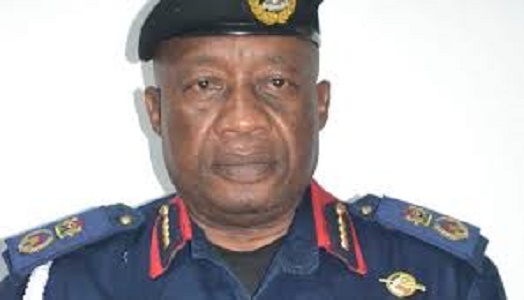
The Zonal Director, Federal Radio Corporation of Nigeria, Mr. Olufemi Fulani, has pledged more collaboration between Radio Nigeria and the Nigeria Security and Civil Defence Corps, NSCDC, Oyo State Command towards ensuring public safety and projecting activities of the Corps.

Mr. Fulani made the pledge when he paid courtesy visit to the NSCDC State Command headquarters, Agodi, Ibadan.

The Zonal Director noted that the activities and achievements of the corps can only reach members of the public through effective sensitisation and sustained public enlightenment.

He added that, with the network of Radio Nigeria spread across the country, disseminating information about security of people at the grassroots would be faster and more efficient.

Responding, the Oyo State Commandant of the NSCDC, Mr. Augustine Padonu, commended Radio Nigeria for its commitment to partnering the command in publicising its activities and programmes.

Mr Padonu assured the station of the corps’ readiness to provide the necessary support to strengthen the existing relationship for the benefit of residents of the state.

Edited by Titilayo Kupoliyi

Follow us on Telegram and YouTube, and join our WhatsApp Update Group for more updates.

Lifestyle

By Oluseyi Olarinde

Wife of the Oyo State Governor, Mrs Tamunominini Makinde, has donated cash gifts, foodstuffs, toiletries and other items to children in rehabilitation centres, orphanages, homes for the physically challenged, and facilities for children with special needs across the state.

The donation formed part of Mrs Makinde’s efforts to alleviate the suffering of vulnerable children, particularly during the celebration of this year’s Easter.

Beneficiaries of the items include the Rehabilitation Centre for the Disabled, Moniya, Ibadan; Agbedare Jesus Care Foundation, Orogun, Ibadan; the School for Special Needs, Iseyin; and the Nigerian Training Centre for the Blind, Ogbomosho, among others.

At Iseyin, the Ayedero of Yorubaland, Chief Shina Peller, was on hand to receive the governor’s wife.

He advised Nigerians to support one another through sacrificial giving, which he said is the essence of the Easter celebration.

Chief Peller, who commended the First Lady’s gesture, noted that giving hope to people and putting smiles on their faces at all times would greatly benefit society.

Speaking while presenting the items to beneficiaries, Mrs Makinde, who was represented by the Commissioner for Special Duties, Alhaja Faosat Sanni, said the gesture was borne out of her passion and love for children, particularly those with special needs.

She urged well-meaning Nigerians to emulate the gesture, stressing that the wealthy should always remember to support those in need.

During visits to some homes in Ibadan, the wife of the governor, represented by the wife of the Deputy Governor, Chief Ajibike Lawal, said the outreach was aimed at demonstrating love and solidarity with vulnerable children, while reaffirming the state government’s commitment to their welfare and well-being.

Chief Lawal explained that the Easter initiative was designed to ensure that children in orphanages and other vulnerable homes feel included and cared for during the festive season.

She disclosed that 12 homes were visited across the 33 local government areas of Oyo State.

Some of the beneficiaries expressed appreciation to the wife of the governor for the gesture, noting that the items would go a long way in addressing some of their challenges.

Edited by Maxwell Oyekunle

Follow us on Telegram and YouTube, and join our WhatsApp Update Group for more updates.

Feature

By Titilayo Kupoliyi

CNG (Compressed Natural Gas) powered vehicles run on methane stored at high pressure, offering a cleaner, cheaper alternative to petrol/diesel with lower emissions and better mileage.

Most are bi-fuel, allowing switching between CNG and petrol. While they offer lower running costs, they have higher initial costs, reduced boot space, and lower acceleration.

CNG (Compressed Natural Gas) vehicles are primarily used in countries with abundant natural gas resources or high pollution levels, with Iran, India, Pakistan, Brazil, and Italy leading in adoption.

These vehicles, common as taxis and public transit, are popular in South America and parts of Asia and Europe due to lower fuel costs compared to petrol.

The Federal Government of Nigeria officially launched the Presidential Compressed Natural Gas Initiative (PCNGI) in October 2023 to provide cheaper, cleaner energy for transportation following the fuel subsidy removal.

A key pilot conversion centre was inaugurated on November 2, 2023, in Abuja, with further mass deployment initiatives announced in early 2024.

Key Details on the CNG Initiative Launch:

Initiated in October 2023, with significant milestones in November 2023 and continued expansion throughout 2024.

The goal was to establish a safer, cheaper, and more environmentally friendly alternative to petrol for transportation.

The initiative focuses on deploying CNG-powered buses and tricycles, as well as converting existing vehicles, as managed by the Presidential Initiative on Compressed Natural Gas (Pi-CNG).

The government set aside funds as part of palliative measures, targeting one million CNG-powered vehicles on the road by 2027.

Private Sector Partnership

The program involves collaboration with private companies for infrastructure, including filling stations, such as the deployment of new CNG buses to mark celebrations.

Despite the fact that the price of petrol keeps fluctuating, many Nigerians remain hesitant to adopt CNG-powered vehicles.

CNG Engines have numerous benefits but not without limitations.

One of the major drawbacks of adopting CNG in Nigeria is the lack of refuelling infrastructure.

While filling stations are readily available across the country, there are only a few CNG refuelling stations in select cities.

This makes it difficult for CNG users to travel long distances, especially in rural areas where such stations are non-existent.

The success of CNG adoption in countries like Iran, where there is extensive infrastructure, highlights the need for Nigeria to invest heavily in CNG stations nationwide.

Conversion costs

Converting a petrol-powered vehicle to run on CNG can be expensive. The cost of conversion in Nigeria ranges between N700,000 and N1.2 million depending on the type of vehicle.

For many Nigerians already facing economic hardship, this upfront cost is a significant barrier to adoption.

Reduced Vehicle Performance

CNG-powered vehicles typically offer less power compared to petrol or diesel vehicles. This can be a drawback for drivers who need their vehicles for heavy-duty tasks or long-distance travel.

While advancements in CNG technology have improved performance in recent years, vehicles running on CNG may still experience a slight reduction in speed and acceleration.

Storage Space for CNG Tanks

CNG tanks take up significant space in vehicles, often occupying the trunk or rear space. This can be an inconvenience, particularly for commercial drivers who need ample storage.

Sadly, there were cases of CNG powered cars explosion like the one that exploded at a NIPCO filling station in Aduwawa, Benin City, Edo State on October 16, 2024 and injured three persons.

CNG offers a promising solution to Nigeria’s current fuel crisis, providing a cheaper, cleaner, and more sustainable alternative to petrol.

Key Aspects of CNG Vehicles

CNG is stored at 3,000–3,600 psi in cylinders, usually located in the trunk, and is reduced to working pressure via a regulator.

Fuel Options

Most vehicles are “bi-fuel,” using both CNG and petrol to ensure availability on long trips.

Maintenance

CNG burns cleaner, which can reduce carbon deposits in the engine, but requires more frequent spark plug changes and annual cylinder inspections.

Performance

 While modern factory-fitted CNG cars offer performance comparable to petrol cars, aftermarket conversions can cause a noticeable power loss.

Safety

CNG has a higher ignition temperature  than petrol, making it less prone to fire in collisions, as explained in the CNG Safety Guide.

Cost

Though, initial conversion costs can be high, the lower cost of CNG provides significant savings in operating expenses.

Important Considerations

CNG tanks have a smaller capacity than traditional fuel tanks, offering a limited range.

Installation Matters

It is essential to use a certified professional for installation to ensure safety and prevent potential problems with the engine.

Component Inspection

Regular inspection of the CNG cylinder for leaks, wear, or damage is mandatory to ensure safety.

There have been claims that some car owners had their cars blown up while trying to convert their car engines to CNG

To this end, government should ensure that personnel working at the CNG centres should be professionals to avoid such occurrences.

There is need to create more CNG refuelling stations nationwide.

More awareness programmes are needed to know the advantages of converting engines to CNG.

The government can also offer incentives to vehicle owners using CNG engines as this will encourage many car owners to consider the option.

Follow us on Telegram and YouTube, and join our WhatsApp Update Group for more updates.

Health

By Adetutu Adetule

Anxiety disorders are more than just occasional nervousness—they are mental health conditions marked by persistent fear, worry, or dread that interferes with daily life. While feeling anxious from time to time is normal, anxiety disorders involve overwhelming symptoms that can trigger physical reactions like palpitations, sweating, and fatigue, often far out of proportion to the situation at hand.

What Causes Anxiety Disorders?

The roots of anxiety are complex, involving a mix of genetic, biological, and environmental factors. Family history, traumatic experiences, chronic stress, and certain personality traits all play a role. Brain chemistry imbalances, substance use, and other medical conditions can also contribute, creating a web of influences that affect mood, thought patterns, and emotional regulation.

Recognizing the Symptoms

Anxiety manifests both psychologically and physically:

Psychological Signs:

  • Persistent worry or fear
  • Feelings of panic, dread, or uneasiness
  • Irritability or feeling on edge
  • Avoidance of certain situations
  • Obsessive, uncontrollable thoughts
  • Difficulty concentrating
  • Sleep disturbances

Physical Signs:

  • Rapid heartbeat or palpitations
  • Shortness of breath
  • Muscle tension or restlessness
  • Cold or sweaty hands, dry mouth
  • Nausea, numbness, or tingling in extremities
  • Insomnia or difficulty staying asleep

Types of Anxiety Disorders

Phobias: Intense, irrational fears of objects, places, or events, including social situations, heights, flying, or certain animals.

Panic Disorder: Sudden, repeated episodes of terror with physical symptoms like chest pain, dizziness, and shortness of breath.

Obsessive-Compulsive Disorder (OCD): Persistent unwanted thoughts and repetitive behaviors like hand washing, counting, or checking to ease anxiety.

Post-Traumatic Stress Disorder (PTSD): Ongoing symptoms following trauma, including flashbacks, nightmares, irritability, and depression.

Generalized Anxiety Disorder (GAD): Chronic worry about everyday life, accompanied by fatigue, muscle tension, headaches, or nausea.

How Anxiety Impacts Your Body

Anxiety doesn’t just affect the mind—it can accelerate aging, lower brain nutrients, and weaken the immune system:

Fear of Aging: Research from New York University shows that women who worry about aging may experience cellular signs of faster aging.

Brain Choline Levels: Lower choline in key brain areas may fuel anxiety, affecting decision-making and emotional regulation.

Immune Function: Stress and sleeplessness can reduce natural killer cells, critical defenders against infections and abnormal cells.

Scientific Advances and Insights

Modern research is reshaping how we understand anxiety and mental illness:

Genetic Links: A study of over six million people found that many psychiatric disorders, including anxiety, depression, PTSD, and bipolar disorder, share overlapping genetic roots.

Exercise as Medicine: Aerobic exercise—running, swimming, or dancing—can significantly ease depression and anxiety.

Vagus Nerve Stimulation: For treatment-resistant depression, implanting devices that stimulate the vagus nerve has helped patients maintain long-term improvement, offering hope for related anxiety symptoms.

Practical Ways to Ease Anxiety

Managing anxiety is a mix of mindset, body care, and enjoyable activity:

Activate Your Relaxation Response: Extend your out-breath to trigger calm. Inhale for a count of 5, exhale for 8, and repeat.

Walk Daily: A 10–15 minute brisk walk, paying attention to your surroundings, can relieve tension and improve mood.

Challenge “What-If” Thoughts: Counter negative predictions with alternatives. Ask, “What else might happen?” or “What if something good happens?”

Learn to Relax Your Mind and Body: Relaxation is a skill—practice it regularly to regain control over racing thoughts.

Do Things You Enjoy: Re-engaging in hobbies or activities you love can replenish positive emotions and counter retreating tendencies caused by anxiety.

Final Thoughts

Anxiety disorders are common, often misunderstood, and multifaceted, affecting both mind and body. Understanding the symptoms, recognizing their impact, and exploring evidence-based coping strategies—alongside medical guidance when necessary—can empower individuals to manage anxiety and live fulfilling lives.

Follow us on Telegram and YouTube, and join our WhatsApp Update Group for more updates.

Environment

By Olutola Daramola

In many of Nigeria’s bustling cities, mountains of waste usually pile up on the streets, roadsides and in drains, creating pollution and public health risks.

But amid the trash, a growing number of people are turning refuse into opportunity—sifting, collecting, and selling recyclables—and in the process, reshaping both their livelihoods and the country’s approach to waste management.

Nigeria is regarded as the largest producer of solid waste in Africa, generating an estimated 32 million tonnes of waste annually, with only about 20 to 30 per cent effectively collected and managed.

Across many cities, heaps of refuse often litter streets and block drainage channels, contributing to the already huge environmental pollution problem.

However, the situation has gradually changed as waste recycling activities have begun to reshape the way refuse is handled.

In many residential and commercial areas, individuals now search through refuse bins in search of recyclable materials.

Often carrying sacks on their backs or in their hands, they sift through waste to pick plastic bottles, metal scraps, cartons, cans and other reusable materials which are later sold to recycling companies.

These waste collectors are known by different names in various communities, including scavengers, Iron Condemn, Baba Onipoti and Sagolo Sago.

Previously regarded largely as a menial occupation dominated by men, the waste recycling business is now attracting increasing participation from women, as more people turn to it as a source of livelihood that requires no formal educational qualification.

For an Accounting graduate, Mr Ahmed Sodiq, the venture began reluctantly after he struggled to secure employment and was introduced to the scrap business by a friend.

Over time, the work developed into both a passion and a viable means of income.

Mr Sodiq described his experience in the scrap industry as challenging but financially rewarding and encouraged young people to consider recycling rather than remaining idle while searching for white-collar jobs.

Experts say the recycling sector offers significant economic opportunities for both individuals and the government through employment creation and income generation.

A recycling entrepreneur in Ibadan, Mr Toyese Esan, who operates a recycling plant employing 52 workers, noted that the industry has the potential to address several environmental and economic challenges facing the country.

Mr Esan, who has been involved in the recycling business for about ten years, called on the government to pay greater attention to the waste management sector, noting that it could help tackle unemployment while improving environmental sanitation.

Some experts also recommend that households support recycling efforts by separating recyclable materials from other waste and delivering them to recycling plants as part of efforts to achieve a zero-waste environment.

Edited by Maxwell Oyekunle

Follow us on Telegram and YouTube, and join our WhatsApp Update Group for more updates.

Transportation

By Maxwell Oyekunle

If you’ve ever wondered what makes your car actually stop when you press the brake pedal, the answer is a little liquid called brake fluid.

It might not get the fame of engine oil, but without it, your car wouldn’t slow down—simple as that.

Think of brake fluid as the blood of your braking system.

Push the pedal, and this fluid carries the force all the way to your brake pads and discs so your wheels obey.

Ignore it, and you could be driving on “spongy” brakes—or worse, nothing at all.

What Kind of Brake Juice Is in Your Car?

Not all brake fluids are the same.

Using the wrong type is like trying to put diesel in a petrol car—bad idea.

Here’s a quick guide:

  • DOT 3 – The classic choice for older cars. Glycol-based (sounds fancy, but it just means water-friendly).
  • DOT 4 – Slightly fancier and hotter-resistant than DOT 3. Good for newer cars.
  • DOT 5 – Silicone-based; doesn’t mix with the others. Often used in old-school classics.
  • DOT 5.1 – Like DOT 5 in performance, but compatible with DOT 3/4 systems.

Pro tip: Never mix silicone DOT 5 with the others. It’s a recipe for brake disaster.

How Often Should You Change It?

Brake fluid doesn’t last forever—it absorbs water from the air over time, which makes it less effective (like a soggy sponge).

  • Normal cars: Change every 2 years.
  • Heavy-duty or city drivers: Every 1 year is safer. Considering the length of journeys, lots of traffic, climbing and going down hills, or towing.

Even if your car has a warning light for brake fluid, it’s still smart to check it manually now and then.

Easy Ways to Keep Your Brake Fluid Happy

  • Check the level: There’s a little reservoir under the hood with “MIN” and “MAX” marks. Keep it in the middle.
  • Seal it tight: Air = moisture. Moisture = weaker brakes.
  • Use the right type: Your owner’s manual will tell you which DOT number your car needs.
  • Flush, don’t just top up: Old fluid is dirty and full of water. Flush the system entirely when you change it.
  • Look for leaks: If your car leaves little puddles under the wheel or master cylinder, that’s trouble.

What Happens if You Ignore It

Skipping brake fluid care is like ignoring your car’s heartbeat:

  • Spongy brakes – Pedal feels soft, like stepping on a marshmallow.
  • Brake fade – Hard braking could fail because the fluid boils and turns to vapour.
  • Rust monsters – Moisture in old fluid can corrode callipers and ABS parts.
  • Danger zone – Reduced stopping power = higher chance of accidents.

5.     Takeaways

  • Treat brake fluid like your car’s lifeblood.
  • Change it every 1–2 years, depending on your driving style.
  • Always check levels, seals, and use the right type.
  • Remember: brake fluid is toxic and corrosive—avoid spills on skin or paint.

Next time you hop in your car, thank your brake fluid for being the unsung hero keeping you safe on the road.

Brake Fluid Cheat Sheet: Keep Your Car Stopping Safely!

Know Your Types

Brake FluidEveryday TipTech Speak
DOT 3Classic, old-school carsGlycol-based, absorbs water
DOT 4Modern cars, hotter brakesGlycol-based, higher boiling point
DOT 5Vintage/classic carsSilicone-based, won’t mix with others
DOT 5.1High-performance, newer carsGlycol-based, works with DOT 3/4

Tip: Never mix DOT 5 (silicone) with the others. It’s like putting orange juice in your petrol tank.


Change It Before It Changes You

  • Every 2 years – average car.
  • Every 1 year – city driving, hills, towing, or heavy traffic.
  • Moisture = weaker brakes. Old fluid = dangerous.

3      Quick Daily/Weekly Checks

  • Keep fluid between MIN & MAX.
  • Seal the reservoir to keep moisture out.
  • Flush completely instead of topping up with old fluid.
  • Watch for leaks under the wheels or master cylinder.

4      What Happens if You Don’t

SymptomWhat it feels likeWhy it happens
Spongy brakesPedal feels soft like a marshmallowMoisture lowers braking efficiency
Brake fadeCar takes longer to stop under heavy brakingMoisture in fluid attacks callipers, cylinders
Rusty brakesParts corrode silentlyMoisture in fluid attacks calipers, cylinders
Danger zoneHigher accident riskReduced braking power

5      Quick Takeaways

  • Brake fluid = your car’s lifeblood
  • Change regularly, don’t ignore warning lights
  • Use the right type
  • Handle carefully; it’s toxic & corrosive

Pro tip: Brake fluid is your car’s lifeline rope—when the road gets steep or slippery, it’s what stops a dangerous fall!

Follow us on Telegram and YouTube, and join our WhatsApp Update Group for more updates.

Communication

By Olaolu Fawole

In 1933, a modest experiment began in Lagos State.

It was the Radio Diffusion Service, a wired relay of foreign broadcasts into a handful of public spaces.

It was limited in reach and foreign in content.

From that modest beginning emerged what is today known as Federal Radio Corporation of Nigeria also known as Radio Nigeria.

A broadcasting institution that has grown into Africa’s largest radio network and one of the most enduring pillars of Nigeria’s information architecture.

Seventy-five years on, its story is not merely one of longevity, but of transformation, resilience, and national relevance.

From relay wires to a national voice

The defining moment came in April 1951 with the establishment of the Nigerian Broadcasting Service, the point at which broadcasting in Nigeria began to take on a distinctly national identity.

That transition was significant. It marked the shift from passive reception of foreign content to active production of local stories told in Nigerian voices, reflecting Nigerian realities.

By 1957, the Nigerian Broadcasting Corporation had been established by an Act of Parliament, with a clear mandate to provide independent and impartial broadcasting.
It was a strategic institution, positioned at the threshold of independence to help inform, educate, and unify a diverse and emerging nation.

The consolidation of regional stations in 1978 under the Federal Radio Corporation of Nigeria (FRCN) further strengthened this mandate, creating a coordinated national network with presence across all geopolitical zones.

A unifying force in a diverse nation

In a country defined by linguistic, cultural, and regional diversity, Radio Nigeria became more than a broadcaster. It became a bridge.

Through programming in Hausa, Yoruba, Igbo, and other indigenous languages, it broke barriers of literacy and geography, ensuring that information was not confined to urban elites but accessible to rural populations.

From civic education to agricultural extension programmes, from public health campaigns to election coverage, Radio Nigeria delivered content that directly impacted everyday life.
It informs farmers on planting cycles. It educates citizens on governance. It connects communities to national discourse. This was broadcasting with purpose.

Holding steady through turbulent times

Nigeria’s history has not been without disruption. Yet, through periods of political instability, economic uncertainty, and even civil conflict, Radio Nigeria remained on air.

During the Nigerian Civil War, radio became a critical instrument of communication, conveying information, maintaining morale, and sustaining a sense of connection in a divided nation.

That the institution endured that period and continued to serve a reunified country speaks to its structural strength and national importance.

Building the backbone of Nigerian broadcasting

Radio Nigeria’s impact extends beyond its broadcasts. For decades, it has functioned as a training ground for the Nigerian media industry. Generations of broadcasters, journalists, and media professionals began their careers within its newsrooms and studios, absorbing the discipline, editorial standards, and communication skills that defined its operations.

The establishment of the National Broadcast Academy, formerly the FRCN Training School, institutionalised this role. From its base in Lagos, the academy has trained thousands of professionals, not only for Radio Nigeria but for state, private, and even international media organisations.

Today, the influence of Radio Nigeria can be heard across the Nigerian media landscape, in voices, in style, and in standards.

The soundscape of a nation

For many Nigerians, Radio Nigeria is not just an institution, it is a shared memory.
The signature tune at dawn. The authoritative tone of the news at the top of the hour. Drama series that brought families together.
Live commentaries that united millions in moments of national excitement.

These are the subtle yet powerful ways in which Radio Nigeria has shaped collective experience, creating a common informational and cultural space in a complex federation.

Adapting to a changing media landscape

At 75, Radio Nigeria operates in a vastly different media environment.
Digital platforms, private broadcasting, and social media have transformed how information is produced and consumed. Audiences are more fragmented, and competition for attention is intense.
Yet, the core strengths of Radio Nigeria remain intact.

A voice that must endure

Public broadcasting is not a luxury. It is a necessity. In an era marked by misinformation and fragmented narratives, institutions like Radio Nigeria provide stability, credibility, and continuity. FRCN serves not just as channel of information, but as custodian of national dialogue.

At 75, Radio Nigeria stands as both a legacy institution and a living system, one that has shaped the past and still holds relevance for the future.

Its journey from a colonial relay service to Africa’s largest radio network is a testament to vision, adaptability, and service.

The responsibility now is clear, to preserve that legacy, strengthen its capacity, and ensure that the voice which has spoken to generations continues to speak clearly, credibly for all Nigerians and continue to uplift the people and unite the nation.

Follow us on Telegram and YouTube, and join our WhatsApp Update Group for more updates.

Crime

By Oluwatoyin Adegoke 

The Nigeria Customs Service, NCS, Ogun I Area Command, has intercepted 1,202 kegs of smuggled vegetable oil valued at ₦120.2 million in two intelligence-led operations conducted on March 19 and 24, 2026. 

The Command said the seizures were part of sustained efforts to curb smuggling and protect local vegetable oil producers from unfair competition.

The Command noted that the latest interceptions followed earlier seizures of 2,539 kegs of vegetable oil on March 11, 2026 and 2,090 kegs on December 16, 2025, 

In a related development, Customs officers also intercepted 285 sacks of mica stones, weighing 50 kilograms each and valued at ₦104.7 million, during an anti-smuggling operation. 

The seized minerals were subsequently handed over to the Federal Ministry of Solid Minerals Development at the Command headquarters in Abeokuta.

Speaking during the handover, the Acting Customs Area Controller of Ogun I Command, Oladapo Afeni, said the illegal export of solid minerals undermines government revenue and poses threats to national security, while reiterating the Command’s commitment to working closely with relevant agencies to enforce mining and environmental regulations.

Receiving the items on behalf of the Ministry, Engineer Ojediran Olubumi commended the Command for its vigilance and professionalism, adding that the recovered mica would undergo further geological analysis and be incorporated into the national mineral database.

Edited by Adetutu Adetule

Follow us on Telegram and YouTube, and join our WhatsApp Update Group for more updates.

Legislature

By Omolara Adasofunjo 

All twenty-six members of the Ogun State House of Assembly have become a one-party legislature, following the defection of six lawmakers elected on the platform of the People’s Democratic Party, PDP, to the ruling All Progressives Congress, APC.

The defecting lawmakers, led by the Minority Leader, Mr Lukman Adeleye, representing Odogbolu State Constituency, formally submitted their letters of defection during plenary at the Assembly Complex, Oke-Mosan, Abeokuta.

Those who defected include Mr Dickson Awolaja, Remo North; Mr Lawal Samsudeen, Ogun Waterside; Mr Waliu Owode, Ijebu East; Mr  Oluseun Adesanya, Ijebu North East; and Mr Damilare Bello, Sagamu I.

The Speaker, Mr Oludaisi Elemide, read their letters on the floor of the House.

The lawmakers attributed their defection to the lingering internal crisis within the PDP, which they said had hindered effective political engagement.

They added that their decision was also informed by the need to align with a more progressive platform to deliver democratic dividends to their constituents.

In another development, the Speaker, Mr Oludaisi Elemide, had invited nominees for the Ogun State Independent Electoral Commission, whose names were forwarded to the Assembly by the State Governor, Prince Dapo Abiodun, for screening at a later date.

The nominees are to submit thirty copies each of their curriculum vitae and relevant credentials to the office of the clerk before their appearance.

Those nominated are Mr Babatunde Adetona Osibodu, Mr Tunji Akoni, Ayodele Bankole, Mrs Gbemisola Onasanya, and Mrs Oluwaremilekun Olaopa.

Edited by Adetutu Adetule

Follow us on Telegram and YouTube, and join our WhatsApp Update Group for more updates.

Entertainment

By Olaolu Fawole

Nollywood actress, Iyabo Ojo has addressed the lingering tension between colleagues Funke Akindele and Toyin Abraham Ajeyemi, following a reported snub at a recent movie premiere.

The incident, which reportedly occurred on Sunday during the premiere of a film by Iyabo Ojo, drew public attention after Toyin Abraham was allegedly ignored by Funke Akindele while attempting to greet her, fueling speculation of renewed friction between the two actresses.

In a statement released on her social media platform, Iyabo Ojo sought to clarify the situation, revealing that both actresses have had a long-standing relationship marked by occasional disagreements.

According to her, she had previously intervened to reconcile the them after past disputes, including an instance where she publicly criticized Funke Akindele over a film issue, a move she admitted was inappropriate.

Iyabo Ojo explained that both parties had since resolved their differences and agreed to handle any future disagreements privately, avoiding public confrontations. She noted that their recent cordial interactions had reflected that understanding.

However, she disclosed that tensions resurfaced in December after Toyin Abraham raised concerns about her movie performance in cinemas, alleging possible sabotage. This development, she said, led to renewed speculation among fans, with some directing blame at Funke Akindele.

“I have tried my best, but at this point, I cannot beg anyone anymore. I honestly do not want to get involved,” she stated, urging the public to respect her decision to step back.

Addressing another issue, Iyabo Ojo clarified that Toyin Abraham was initially billed to feature in her upcoming movie, The Return of Arinzo, but had to withdraw due to exhaustion and travel commitments. She noted that the development required last-minute script adjustments to meet production deadlines.

While expressing disappointment over the ongoing tension, Iyabo Ojo maintained that she holds both actresses in high regard and remains hopeful that they will resolve their differences amicably.

Lifestyle

By Taiwo Akinola

President Bola Tinubu has congratulated the management and staff of the Federal Radio Corporation of Nigeria, FRCN, on its 75th anniversary.

In a statement on Tuesday signed by the Special Adviser to the President, Information & Strategy, Bayo Onanuga, President Tinubu extends his greetings to the Minister, management, and staff of the Ministry of Information and National Orientation, as well as to other sister agencies of the FRCN.

President Tinubu describes FRCN as “dynamic, vibrant, and central” in Nigeria and beyond, highlighting its status as Africa’s largest broadcast network with 47 FM stations and six zonal stations.

He notes the station’s role in “enhancing development communication among leaders, governments and citizens for more than seven decades,” serving as a reliable medium for information, education, and entertainment.

He also recognises the corporation’s historical significance, stating the station “captures Nigeria’s history in many remarkable ways, from the colonial to post-colonial transitions, and maintains an archive that has served as a reference for leaders, students, and scholars.”

The President commends FRCN for its consistency in training and mentoring, producing some of “the best broadcasters, producers and sound engineers on the continent.”

He urged the station to continue fulfilling its core mandate in line with its slogan, “Uplifting the People and Uniting the Nation.”

Follow us on Telegram and YouTube, and join our WhatsApp Update Group for more updates.

Foreign

The Government of Canada has announced an increase in application fees for permanent residence and citizenship for Nigerians and other foreign nationals seeking residency in the country.

According to an official notice published on the Immigration, Refugees and Citizenship Canada website on Monday, the new fees will take effect on April 30, 2026.

IRCC said the hike was aimed at maintaining timely and reliable services and keeping pace with inflation.

“Starting April 30, 2026, fees for permanent resident applications will increase as part of a routine update. Applications received on or after April 30 will be subject to the new fees,” it said.

The agency noted that permanent residence fees will increase by as low as $25, while the citizenship fee will rise by approximately 2.7 per cent.

The Right of Permanent Residence Fee increases by $25, from $575 to $600, while the Provincial Nominee Programme increases by $40, from $950 to $990

For Business Class, there’s an increase of $85, from $1,810 to $1,895, while Family Class increases by $25, from $545 to $570.

For Protected Persons, there is an increase of $25, from $635 to $660, while the fee for a visa on Humanitarian and Compassionate Grounds or Public Policy Measures increases by $25, from $635 to $660

Permit Holders increase by $15, from $375 to $390, with the Right of Citizenship Fee also increasing from $119.75 to $123, effective March 31, 2026.

IRCC explained that, under the Immigration and Refugee Protection Regulations, permanent residence fees are adjusted every two years to offset programme costs and respond to growing demand.

Punch/Taiwo Akinola

Health

By Olaolu Fawole

She still knows the smell of her daughter’s hair. However, she cannot remember her name.

He spent forty years building a home, raising children, solving problems, and leading his community. Now he stands in his own kitchen, confused, afraid, unable to find the door he has walked through ten thousand times.

This is dementia. Not madness. Not a spiritual attack. Not the visitation of a forgotten ancestor’s curse. It is a clinical condition, progressive and irreversible, in which the brain begins, slowly and mercilessly, to let go of everything a person is, was, and hoped to be.

With the right knowledge and the right care, it is a condition that families and communities can respond to with compassion, dignity, and purpose.

What dementia is, and what it is not

Dementia is not a normal part of ageing. That distinction matters enormously in a country where the line between medical diagnosis and spiritual interpretation remains dangerously blurred.

When an elderly person begins to forget, the family’s first instinct is rarely neurology. It is enemies. Witchcraft. Prayers. Native doctors.

By the time the correct diagnosis is reached, if it ever is, the disease has progressed well beyond the window of early intervention.

The condition progressively impairs cognitive function, memory, thinking, behaviour, and the ability to perform everyday activities.

It arrives quietly, advances steadily, and leaves families managing a grief that has no clean name in most Nigerian languages. The grief of watching someone disappear while they are still present.

The diseases behind the condition

Dementia is not a single disease. It is an umbrella term covering more than 100 conditions that damage the brain in different ways, at different speeds, and through different biological pathways.

Alzheimer’s disease is the most common cause, accounting for the majority of cases globally. It is driven by abnormal protein deposits, amyloid plaques and tau tangles, that progressively destroy connections between nerve cells.

Memory loss is its most recognisable signature, but it also erodes language, judgement, and spatial awareness.

For many Nigerian families, it is Alzheimer’s they are living with, without ever knowing its name.

Vascular dementia, the second most common type, results from strokes or disruptions to blood flow in the brain, conditions alarmingly prevalent in Nigeria, where hypertension, diabetes, and high cholesterol often go undiagnosed and unmanaged for years.

Every uncontrolled blood pressure reading, every untreated stroke, carries the potential to become a dementia diagnosis down the line.

This is the form most directly preventable and most directly connected to Nigeria’s wider primary healthcare challenges.

Lewy body dementia is caused by abnormal protein deposits that disrupt the brain’s chemical messengers.

It shares symptoms with both Alzheimer’s and Parkinson’s disease, making it particularly difficult to diagnose.

Visual hallucinations affect approximately 80 percent of those living with it.

Frontotemporal dementia affects the regions governing personality, behaviour, and language.

Unlike Alzheimer’s, memory may remain relatively intact in the early stages while behaviour changes dramatically, leading families to mistake it for mental illness or moral failure long before a correct diagnosis is reached.

Some people carry more than one form simultaneously, known as mixed dementia, which complicates both diagnosis and care.

Knowing the signs before it is too late

Dementia does not announce itself. It arrives quietly, disguised, in its earliest stages, as ordinary forgetfulness.

The challenge is learning to tell the difference between the forgetfulness of a busy life and the forgetfulness of a brain beginning to fail.
The most common early sign is memory loss that disrupts daily life, not merely forgetting a name and remembering it later, but forgetting important dates, events, and recently learned information entirely.

Asking the same question repeatedly. Relying on others for things once handled effortlessly alone.

Early dementia also presents as difficulty with language and communication, struggling to find the right words, losing track of conversations, being unable to follow familiar sequences such as cooking a dish prepared for decades.

When that happens, it is not carelessness. It is a symptom. Disorientation in time and place is another warning sign. Problems with visual perception may also emerge, difficulty judging distances, or seeing things that are not there. Changes in mood, withdrawal from social life, unexplained anxiety, low energy are among the harder signs to recognise because they overlap with depression and grief.

In Nigeria, where an elder becoming quiet and withdrawn is sometimes interpreted as wisdom or spiritual reflection, these signs are particularly easy to miss.

As dementia progresses, the person may experience hallucinations, develop false beliefs, or become verbally and physically agitated not from character, but from confusion and fear.

An early diagnosis is a doorway to support, planning, and the best possible quality of life for the time that remains.

The numbers are a warning

According to a systematic review published in the Journal of Global Health Reports, dementia prevalence among Nigeria’s ageing population sits at nearly five percent, with women significantly more affected than men, a disparity linked to longer life expectancy and historically lower access to formal education.

The same research found that dementia cases surged by 400 percent among Nigerians aged 60 and above between 1995 and 2015.

Globally, dementia is the seventh leading cause of death and one of the leading causes of disability among older people. Its economic cost runs into trillions of dollars annually, roughly half borne directly by family members providing an average of five hours of care every day.

In Nigeria, that weight falls almost entirely on women, daughters, daughters-in-law, wives , who are themselves ageing, themselves exhausted, and themselves in need of support.

Can dementia be prevented? What the evidence says

The 2024 Lancet Commission on Dementia Prevention concluded that approximately 45 percent of all dementia cases globally are potentially preventable by addressing 14 modifiable risk factors across different stages of life. Nearly half.

That is a generation of families that could be spared this grief, if the right steps are taken early enough.

In early life, the single most important protective factor is education. Completing secondary school builds cognitive reserve, a mental buffer that helps the brain maintain function as it ages.

In a country where millions of children still do not complete secondary education, this finding carries profound policy weight.

The investment in a child’s schooling today is, among other things, an investment in their brain health decades from now. In midlife, the risks become familiar and preventable.

Physical inactivity significantly raises the risk of dementia. A daily walk, consistent movement, regular exercise are not merely good for the body. They are medicine for the brain. According to the World Health Organisation and Alzheimer’s Disease International, smokers have higher risk of developing dementia than non-smokers.

Quitting tobacco is one of the most direct interventions available, achievable without specialist care or expensive medication.

Excessive alcohol consumption is equally a confirmed risk factor. Untreated hypertension, diabetes, high cholesterol, obesity, depression, hearing loss, and social isolation are all confirmed risk factors, several of which are already epidemic in Nigeria, frequently undiagnosed and inadequately managed.

People who check their blood pressure, monitor their blood sugar, and treat their chronic conditions are directly protecting their brain in old age.

Cognitive stimulation, reading, learning, problem-solving, meaningful social engagement also builds protection against cognitive decline. The elder who remains mentally and socially active is doing something that medicine now confirms: building resilience against the very disease this piece describes.

Prevention is not a guarantee. But the evidence is now clear enough to say with confidence.

The choices made in youth and midlife shape the brain’s health in old age. Nigeria cannot afford to ignore that evidence.

Caring for a person living with dementia

Caring for a person with dementia is one of the most demanding things a human being can do. It is physically exhausting, emotionally draining, and often profoundly lonely. However, if approached with understanding, it is one of the most dignified expressions of love a family can offer an elder in their most vulnerable season.

The foundation of good dementia care is patience, not the passive patience of endurance, but the active patience of understanding. When a father asks the same question for the fortieth time, he genuinely does not remember asking. Responding with calmness, without frustration, without making him feel foolish, is care at its highest form.

Routine is medicine

A consistent daily schedule, waking, meals, activities, rest at the same times each day reduces confusion and anxiety. Familiar environments are safer and more comforting than new ones. Familiar faces, familiar songs, familiar smells, these are the anchors that help a person with dementia feel safe in a world increasingly difficult to navigate.

Communication requires adjustment

Speak slowly, clearly, and simply. Use short sentences. Ask one question at a time. Do not argue or attempt to correct false beliefs, if a mother believes she needs to go to a market she left thirty years ago, redirect her gently rather than confronting her with a reality she cannot currently hold. The goal is not to win an argument. The goal is to preserve her peace.

Physical care matters equally

Nutrition, hydration, gentle movement, and a safe home environment are all critical. Falls are a serious risk, therefore remove sharp hazards, secure doors, and ensure adequate lighting, particularly at night when disorientation worsens.

Caregivers must also care for themselves

Caregiver burnout is real and dangerous, both to the caregiver and to the person in their care. Rest is not abandonment. Seeking help is not failure. Connecting with others in similar situations is not weakness. It is wisdom.

What families, communities, and government must do

Nigeria currently lacks a comprehensive national dementia strategy, and access to specialised neurological services remains limited outside major urban centres. The Federal Ministry of Health and the Nigerian Institute of Medical Research have a responsibility to place neurological health, including dementia, at the centre of national health planning, not at its margins.

Government cannot do this alone. Every pastor who tells a congregation that a confused elder needs a doctor, not deliverance, is saving a life. Every community health worker trained to identify early dementia symptoms is a diagnostic bridge in a country with too few neurologists. Every family that speaks openly about what they are managing, rather than hiding it in shame, is dismantling a stigma that costs lives.

Public awareness campaigns conducted in Hausa, Yoruba, Igbo, Pidgin, and every language through which Nigerians actually receive information are urgently needed.

If your father repeats himself constantly and forgets what he said moments ago, that is not stubbornness. If your mother wanders from the house and cannot find her way home, that is not spiritual confusion. If the grandparent who sacrificed everything for you no longer recognises your face, that is not rejection.

It is a disease. It has a name. It can be understood, managed, and met with the care it demands.

That is not too much to ask. And it begins with knowing their condition by its correct name.

News

By Taiwo Akinola

Fear is one of the most natural human emotions.

Everyone experiences it at some point—fear of failure, fear of rejection, fear of change, or even fear of the unknown. While fear can sometimes protect you from danger, it can also hold one back from growth and opportunity when one allows it to control one’s decisions.

Learning to face your fears is an important step toward personal development and confidence.

Often, fear grows stronger when you avoid it. The mind begins to imagine worst-case scenarios, making a situation seem more frightening than it actually is. For example, someone may avoid speaking in public because, they worry about making mistakes or being judged.

However, the longer they avoid it, the more intimidating it becomes.

Facing the fear—perhaps by starting with small audiences—helps to break that cycle.

Facing fear does not mean eliminating it completely. Courage is not the absence of fear; it is the decision to act despite it. Many successful people admit that they still feel nervous before taking big steps, but they move forward anyway.

Each time a person confronts a fear, they build resilience and self-belief.

One effective way to face fears is to approach them gradually. Instead of tackling the biggest challenge immediately, a person can begin with smaller steps.

Someone afraid of heights might start by standing on a low balcony before attempting something higher. With each step, the fear becomes more manageable.

Support from others can also make a difference. Talking to friends, mentors, or family members about fears often reveals that many people share similar struggles. Encouragement and advice can help individuals see situations from a new perspective and feel less alone.

In the end, facing fears opens door to new experiences and opportunities. Many of life’s greatest achievements happen when people move beyond their comfort zones.

By confronting what scares them, discovering strengths one never knows one had and gain the confidence to pursue one’s goals.

 Fear may or will always exist, but it does not have to define your limits.

Crime

By Oluwatoyin Adegoke

An Ogun State Magistrate Court sitting in Isabo, Abeokuta, has ordered the remand of a National Youth Service Corps official, Abass Olalekan, for 60 days over his alleged involvement in the death of a 23-year-old corps member, Victoria Ariyo, following a suspected unlawful abortion.

The remand order was issued by Magistrate O.T. Odubanjo after an ex parte application filed by the police prosecutor, Solomon Babalola, seeking the defendant’s custody pending legal advice from the Ogun State Directorate of Public Prosecutions.

Olalekan, who was initially arraigned on a two-count charge of conspiracy and attempt to procure abortion, had earlier pleaded not guilty and was granted bail in the sum of five hundred thousand naira with stipulated conditions.

Proceedings, however, took a new turn when the defendant was re-arraigned on an amended four-count charge, which now includes murder.

The charge sheet alleged that Olalekan and others conspired to procure an unlawful abortion for the deceased at Ikereku, Laderin in   Abeokuta and that he supplied the drugs that led to her death.

The prosecutor told the court that the remand was necessary to enable the police conclude investigations and obtain legal advice from the Directorate of Public Prosecutions on the upgraded charges.

In his ruling, Magistrate Odubanjo granted the application and ordered that the defendant be remanded at the Oba Correctional Centre, Abeokuta, pending the advice of the DPP.

The case had been adjourned until June 1, 2026 for further proceedings.

Politics

By Mojisola Oladele

Ahead of the Osun State governorship election scheduled for August 15, heads of media organisations have been urged to ensure information disseminated to the public is unbiased and in line with the code of the National Broadcasting Commission.

The Director-General of the commission, Charles Ebuebu, made the call at a Political Broadcast Stakeholders’ Meeting held in Osogbo and organised by the NBC Ibadan Zone.

The meeting had the theme: “Upholding Principles of Fairness, Accuracy and Impartiality in an Election.”

Represented by an official from Abuja Directorate, Mr Kunle Famous-Cole, Mr Ebuebu said it was imperative for broadcasters to exercise disciplined judgment, accurate reporting and balanced presentation, while respecting the public’s right to truthful information.

He noted that, political broadcasting carries immense democratic responsibility and stressed that programmes and reportage must remain issue-based and professional in order to sustain the nation’s democracy.

In a paper titled “Political Coverage in the Broadcast Media: The Need for Professionalism,” the Coordinating Director, Broadcast Monitoring at the commission, Susan Obi, said evidence shows that radio remains one of the most accessible media platforms across the country.

Dr Obi therefore urged media organisations to maintain professionalism in their coverage during election periods.

Also speaking, the Director of Investigation and Enforcement at the commission, Pauline Ehusani, delivered a lecture titled “The NBC Code: Guiding Principles for Political Broadcasts.”

She emphasised that, all political campaign content must cease 24 hours before election day, in accordance with the NBC Code.

In his presentation titled “INEC Guidelines and Expectations from Broadcasting During Elections,” the Osun State Resident Electoral Commissioner, Mutiu Agboke, said the role of broadcast media in shaping public perception, strengthening democratic values and ensuring credible electoral outcomes could not be over-emphasised.

Dr Agboke reiterated the resolve of the Independent National Electoral Commission to conduct a credible, inclusive and transparent election that would reflect the will of the people.

In separate interviews with Radio Nigeria, participants including the General Manager of FRCN Gold FM, Ilesa, Mrs Olukemi Oni, the Station Manager of OSBC Radiovision, Iwo, Alhaji Muideen Adeleke, and a politician, Prince Adesoji Adeleke, commended the NBC for organising the event, describing it as timely and relevant.

The event was attended by heads of radio and television stations across the state, security representatives, political party representatives and other relevant stakeholders.

News

Former presidential candidate of the New Nigeria Peoples Party and ex-Governor of Kano State, Senator Rabiu Kwankwaso, has officially joined the African Democratic Congress, ADC.

The former Minister of Defence also registered with the party and received his membership card on Monday at Gidan Kwankwasiyya, Miller Road, Bompai, Kano.

Present at the event include ADC National Chairman and former Senate President, David Mark; former Sokoto State Governor, Senator Aminu Tambuwal; former Minister of Transportation, Rotimi Amaechi; former Labour Party presidential candidate, Peter Obi; Senator Dino Melaye; and former National Chairman of the All Progressives Congress, John Odigie-Oyegun, among others.

It was earlier reported that Kwankwaso announced his resignation from the NNPP on Sunday, citing the need for political realignment.

In a statement issued on Sunday, Kwankwaso said, “I wish to formally announce my resignation from the New Nigeria Peoples Party with immediate effect.”

The former governor described his exit as a difficult decision, noting his longstanding involvement with the party.

“As a committed and bona fide member of the party, this was not an easy decision to make.

However, considering the current trajectory of the nation’s political landscape, which calls for strategic realignment, I have found it necessary to identify with another political platform that offers the best opportunity to effectively change the nation,” he said.

Kwankwaso thanked the party leadership, including the National Chairman, Ajuji Ahmed, and other organs of the party, for their support during his time in the party.

He also acknowledged members of the Kwankwasiyya Movement and supporters for their commitment.

“We shall continue to collaborate and work together towards charting a better and more prosperous future for our dear nation,” he added.

Punch / Edited by Titilayo Kupoliyi

Security

By Oluwatoyin Adegoke

There will be zero tolerance for corruption, abuse of office and human rights violations as there would be strict enforcement of discipline and professionalism among officers and men of the Ogun State Police Command.

Newly posted Commissioner of Police, CP in Ogun State, Mr Bode Ojajuni, made this promise during his maiden press briefing held at the Command Headquarters, Eleweran, Abeokuta.

Mr Ojajuni said the policy direction of the Inspector-General of Police, Mr Tunji Disu, which recognises citizens as the police’s primary stakeholders, would guide his administration in the state.

The new CP emphasised that discipline remains the foundation of effective policing, warning that acts of incivility, indiscipline and misconduct would not be tolerated under his leadership.

He urged officers to treat members of the public with dignity, courtesy and professionalism at all times, adding that internal monitoring mechanisms, including the Complaint Response Unit, X-Squad and Police Monitoring Unit, would be strengthened to ensure accountability and address complaints against erring officers promptly. 

He also called on residents of Ogun State to see the police as partners in maintaining law and order, stressing that effective policing requires cooperation and credible intelligence from the public, while assuring that his administration would work closely with all stakeholders to enhance security across the state.

Mr Ojajuni joined the Nigeria Police Force in 1996 as a Cadet Assistant Superintendent of Police.

Before his posting to Ogun State, he served as Commissioner of Police, INTERPOL Nigeria National Central Bureau in Lagos and had earlier held key positions, including Deputy Commissioner of Police at the State Criminal Investigation Department in Ogun State and Principal Staff Officer to the Inspector-General of Police.

Edited by Maxwell Oyekunle

Follow us on Telegram and YouTube, and join our WhatsApp Update Group for more updates.

Politics

The Independent National Electoral Commission, INEC has recognised the faction of the National Working Committee of the Peoples Democratic Party, PDP, backed by the Minister of the Federal Capital Territory, Nyesom Wike.

The electoral body reflected the development on its official website on Monday, where it published the updated leadership of the opposition party.

Those listed include Abdulrahman Mohammed as National Chairman and Samuel Anyanwu as National Secretary, alongside other members of the party’s national leadership.

Both Abdulrahman and Anyanwu emerged during the PDP National Convention held on Sunday night at the velodrome of the National Stadium in Abuja.

Members of the NWC were re-elected through consensus after the national caretaker committee was dissolved.

Below is the list of elected members.

Abdulrahman Mohammed — National Chairman
Aaron Chukwuemeka — Deputy National Chairman (South)
Yusufu Akirikwen — Deputy National Chairman (North)
Anyanwu Samuel — National Secretary
Kolawale Olabisi — Deputy National Secretary
Odeyemi Oladiran — National Treasurer
Lado Marke — Deputy National Treasurer
Eyim Henry — National Financial Secretary
Grema Kyari — Deputy National Financial Secretary
Umar Bature — National Organising Secretary
Efere Augustine — Deputy National Organising Secretary
Jungudo Mohammed — National Publicity Secretary
Egwu Chidiebere — Deputy National Publicity Secretary
Kamaldeen Ajibade — National Legal Adviser
Aloysius Uba — Deputy National Legal Adviser
Osuoha Donatus — National Auditor
Adaba Seri Yatu — Deputy National Auditor
Ogunshe Adedayo — National Women Leader
Hauwa Shinge — Deputy National Women Leader
Ibrahim Aboki — National Youth Leader
Momoh Bashir — Deputy National Youth Leader

Punch/Adetutu Adetule

Follow us on Telegram and YouTube, and join our WhatsApp Update Group for more updates.

Human Angle

….The ordeal of a youth struggling to survive 

By Olaitan Oye-Adeitan

It was on a Saturday afternoon, as he was approaching, I noticed he wasn’t looking happy.

Coming closer, he looked so pale with his palms appearing like there’s no blood.

What happened to you? I asked? 

“I went to donate blood and have not been feeling good”, he responded, expressing weakness.

But why did you? I asked.

“Because I needed money to take care of myself. It hasn’t been that easy. I have been going days without food.It’s really eating me up” he explained.

Oh my goodness! I exclaimed.

My PCV was checked before my blood was taken and it was 43 percent.But after the donation, it dropped to 25%.

I couldn’t contain my shock, “25percent and you are still standing”!

How much were you given?

He answered, “Four thousand naira and i used it to buy food and few other personal needs”

This is the pathetic ordeal of Uchenna, (not real name), a male youth in his early twenties. His story hit me like a ton of bricks.

He is an orphan and the first child (twin) of the seven children of his late parents.

He is tall, well built, intelligent, eloquent, very sound and full of potentials but life seems not to be smiling at him at all.

Since the demise of his parents, him  and his siblings had really not found life funny at all.

He has been shouldering the weight of his family since his parents passed away, doing all kinds of menial jobs just to put food on the table. But at the cost of his health, his education, his future, all on the line.

Uchenna is a hidden greatness that needs support to come to birth.

Four years ago, he cleared his SSCE examination with good grades, got two admissions in reputable Universities in Nigeria but couldn’t pursue his academic goal due to financial constraints.

One remarkable thing about Uche is that he is very hardworking and doesn’t mind any job as long as it is lawful.

However, he has been in a long search for a job that could assist him to cater not only for his immediate needs but to further his education and assist his siblings but hasn’t secured one.

Uchenna is slipping through the cracks and he has a genuine case that needs urgent help of  well spirited people or individuals who could just assist him to find his bearing in life and fulfill his destiny.

Could you be an answer to change this narrative?

Foreign

Police say paintings by Renoir, Cézanne and Matisse worth millions were stolen in a heist on a museum near the Italian city of Parma.

Police explained that four masked men entered the Magnani Rocca Foundation villa on March 22, making off with Les Poissons by Pierre-Auguste Renoir, Still Life with Cherries by Paul Cézanne and Odalisque on the Terrace by Henri Matisse.

Les Poissons by Pierre-Auguste Renoir

Italian media outlets have reported that the gang was in and out in the space of three minutes, and was only interrupted by the museum’s alarm system, preventing them from stealing more.

The institution is the latest to be subjected to a heist, following the brazen daylight robbery of priceless jewels from the Louvre in Paris last October.

Still Life with Cherries by Paul Cézanne

Reports say the thieves involved in the robbery forced their way through the main door to the Villa dei Capolavori, in the Parma countryside, and nabbed the paintings from the French Room on the building’s first floor.

The foundation was quoted as saying the gang appeared “structured and organised”, and seemed to have intended on stealing more were it not for the private collection’s alarms going off and police being called.

It is estimated that the stolen paintings were worth a combined €9m, with Les Poissons alone worth €6m, making it one of the most significant art thefts in Italy in recent years.

The theft is now being investigated by Italy’s Carabinieri and the Cultural Heritage Protection Unit of Bologna.

The Magnani Rocca Foundation was established following the death of Luigi Magnani, a composer and art collector, in 1984 in his family home.

BBC/Maxwell Oyekunle

Follow us on Telegram and YouTube, and join our WhatsApp Update Group for more updates.

Foreign

Australian police have shot and killed Dezi Freeman after the double murderer spent seven months on the run.

A well-known conspiracy theorist, Freeman gunned down two police officers on his property in the small Victorian town of Porepunkah last August, before fleeing into dense bushland and evading extensive searches.

Victoria Police say a man was shot dead after an hours-long standoff at a rural property in the state’s north-east on Monday morning.

Chief Commissioner Mike Bush said the man is believed to be Freeman, 56, whose real name was Desmond Filby, but formal identification is still underway.

Police say they surrounded a building – described as a cross between a shipping container and a long caravan – on a rural property around 5:30 local time.

After three hours and multiple police pleas, a man believed to be Freeman came outside and was shot dead.

Bush told reporters said details are still being confirmed, but he believes Freeman emerged wrapped in a blanket and armed with a gun, possibly one taken from one of the slain officers back in August.

No officers were hurt during the operation, police said, which will be investigated, as is standard in police shootings.

Mr Bush added that investigators believe Freeman was helped while he was on the run, and detectives will now focus on working out who gave him aid.

“It would be very difficult for him to get to where he was… without assistance,” Bush said. “If anyone was complicit, they will be held accountable.”

In a statement on Monday, the Police Association of Victoria said Freeman’s death was a “step forward”– but not quite “closure”.

“It doesn’t lessen the trauma, give back the futures that were callously stolen or lessen the collective fear and grief that this tragic event has instilled in police and the wider public.”

Freeman, whose real name was Desmond Filby, was a self-described “sovereign citizen”, part of an anti-government movement that rejects authority and laws.

BBC/Maxwell Oyekunle

Follow us on Telegram and YouTube, and join our WhatsApp Update Group for more updates.